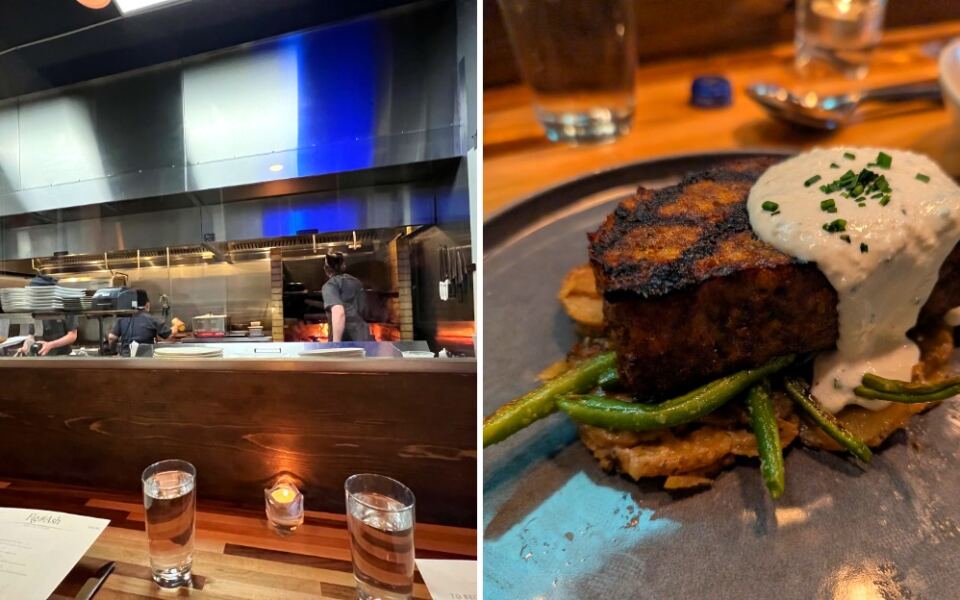
Fig & Ash built its Pittsburgh menu around a custom wood-fired hearth. The North Side restaurant uses live-fire cooking for seasonal dishes ranging from fire-grilled vegetables to its short rib and pork belly meatloaf.
Chef Cory Hughes calls the approach “farm to flame,” combining seasonal ingredients with from-scratch cooking. The menu changes throughout the year, but the hearth remains at the center of it all.
Where It All Begins: Address, Location, and First Impressions
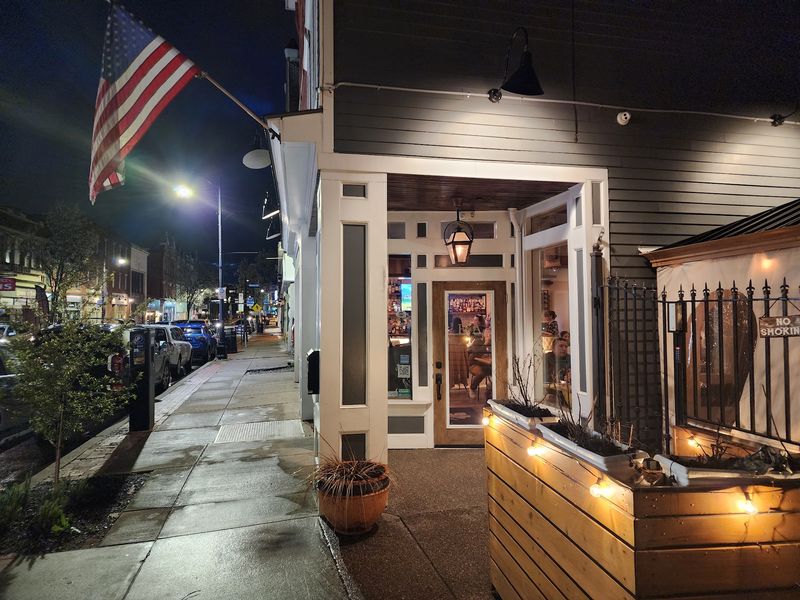
Some restaurants announce themselves quietly, and Fig and Ash is one of them. The address is 514 East Ohio Street, Pittsburgh, Pennsylvania 15212, sitting right in the heart of the Deutschtown neighborhood on the city’s North Side.
The building dates back to 1898, and after years of sitting vacant, it was brought back to life through an extensive renovation that took several years to complete.
From the outside, the structure carries the kind of quiet dignity that old buildings tend to hold. Once inside, the transformation becomes clear.
Warm woods, exposed beams, and soft lighting create a space that feels both historic and thoughtfully modern. The hearth anchors the room, radiating heat and purpose.
Chef Cory Hughes and co-proprietor Alex Feltovich chose this spot intentionally, building their “farm to flame” concept around a neighborhood that is itself undergoing a lively revival. The restaurant opened in late 2020, and it has been drawing loyal diners ever since.
The Wood-Fired Hearth That Changes Everything
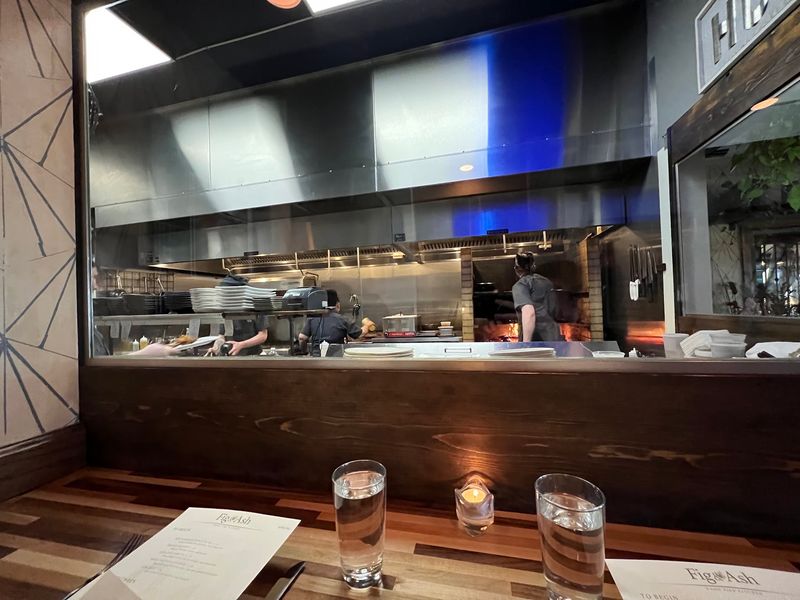
Fire is not a gimmick here. The custom-built wood-fired hearth at the center of this kitchen was designed in collaboration with Pittsburgh-based Temper and Grit and built by Otis Masonry, and it shapes nearly every dish that leaves the kitchen.
Watching the cooks orchestrate their work around it is genuinely mesmerizing.
The hearth imparts a smokiness and depth that a conventional oven simply cannot replicate. Vegetables emerge with a beautiful char.
Meats develop a crust that locks in flavor while retaining juiciness. Even sauces and sides benefit from the ambient heat and wood smoke that permeates the kitchen.
This cooking method is rooted in something ancient, but the results feel fresh and exciting every time. The chefs use the hearth as a creative tool, not just a heat source, exploring what fire can do to different ingredients across different seasons.
That constant exploration is exactly what keeps the menu alive and the dining room full.
The Story Behind the “Farm to Flame” Philosophy
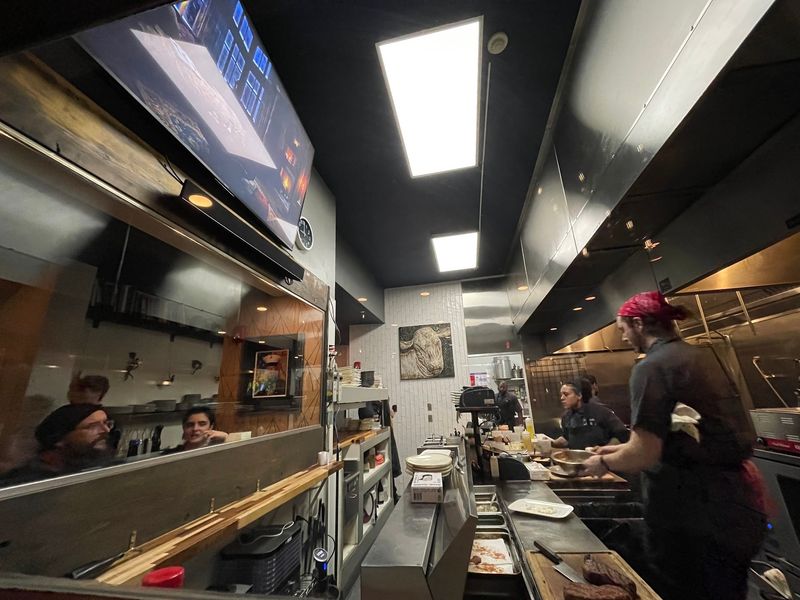
Chef Cory Hughes did not arrive at this concept overnight. A veteran of Pittsburgh’s culinary landscape with experience as executive chef at Google’s local campus, Hughes began developing the idea for this restaurant back in 2017.
His vision was specific: a kitchen built around fire, local sourcing, and a from-scratch approach to every element on the plate.
The renovation of the 1898 building was a long and challenging process, with construction delays testing the patience and commitment of everyone involved. Hughes and Feltovich pushed through, and when the doors finally opened in late 2020, the result reflected years of careful intention.
The “farm to flame” label is not marketing language. The kitchen house-butchers its own meats, mills its own grains, and builds relationships with local farmers and purveyors to ensure that what arrives on your plate is genuinely fresh and regionally rooted.
That dedication is present in every bite, and it gives the entire dining experience a sense of integrity that is hard to fake.
An Interior That Balances History With Modern Design
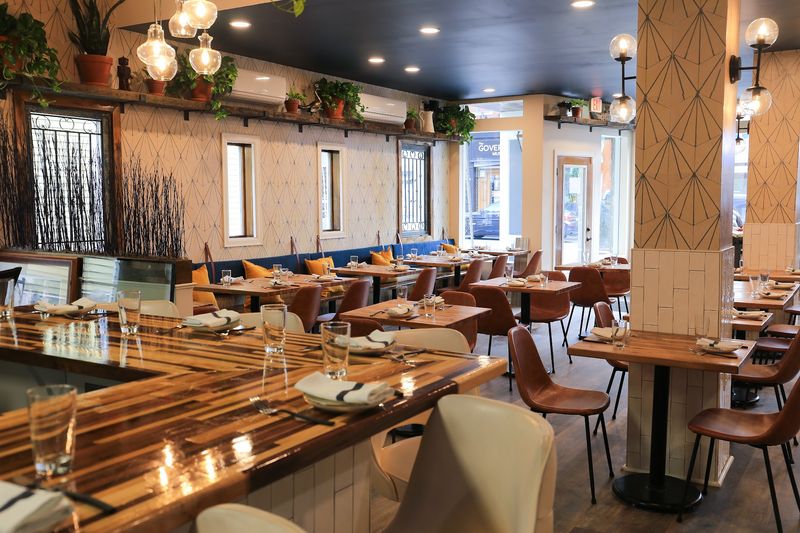
The design of this space is one of its quieter achievements. Interior designer Michael McAllister worked with the existing bones of the 1898 building, preserving original wooden beams that now serve as a ceiling feature.
These beams anchor the space in history while the rest of the design moves forward with confidence.
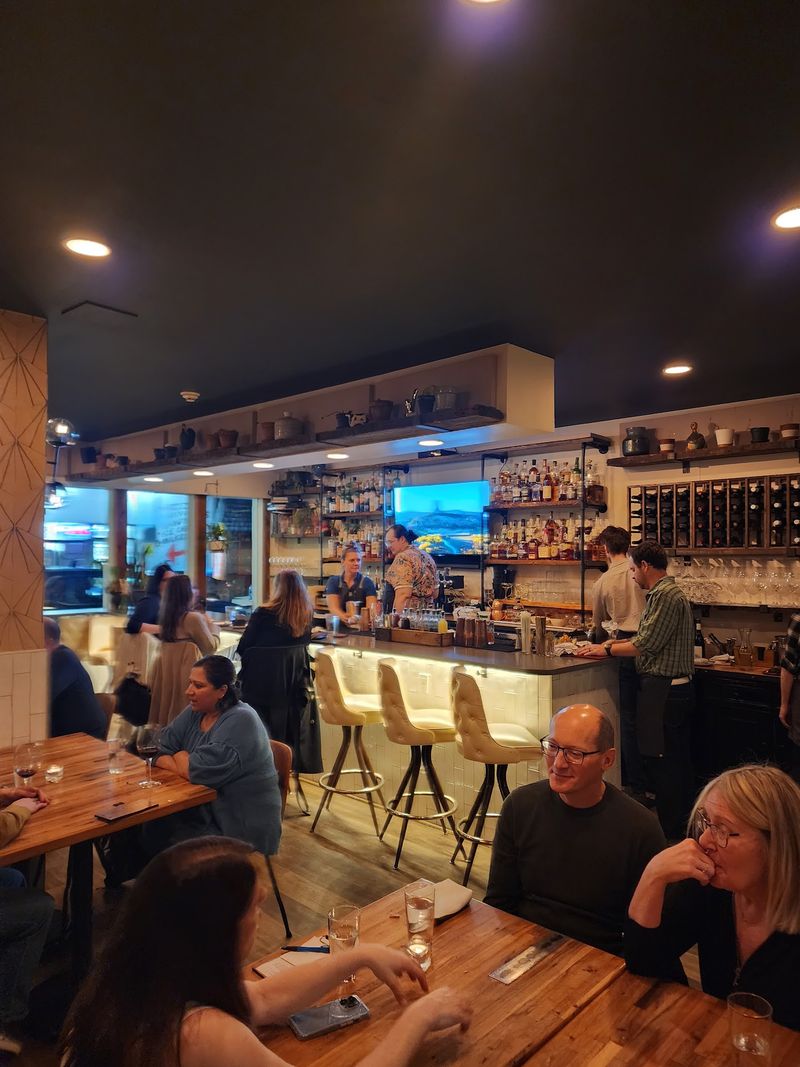
Wooden butcher block tables, soft ambient lighting, and carefully placed greenery contribute to a dining room that manages to feel both upscale and genuinely comfortable. There is nothing stuffy about the atmosphere.
The moody lighting and warm materials invite you to settle in and stay a while.
Custom-designed wallpaper adds a layer of personality, and small industrial touches here and there keep the space from feeling too precious. Stoneware plates bring a handcrafted quality to the table setting that reinforces the restaurant’s commitment to artisanal detail.
The layout is compact but never cramped, and every seat offers a pleasant view of the room. The design, in short, does exactly what good restaurant design should do.
A Seasonal Menu That Keeps Every Visit Fresh
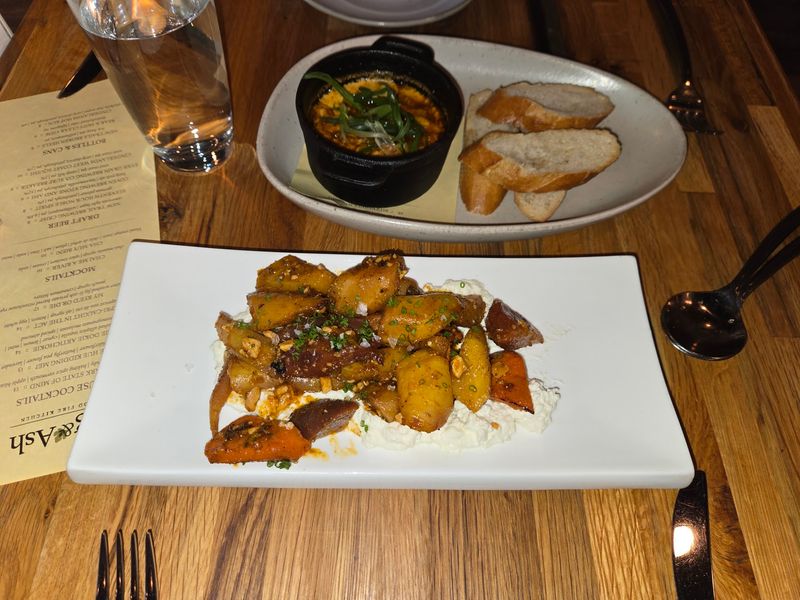
Heirloom carrots might sound like a humble starting point, but at this restaurant they are a revelation. Vacuum-sealed with garlic, sage, and honey, then fire-grilled and served over honey-whipped ricotta, they have become one of the most talked-about dishes on the menu.
That single plate captures exactly what the kitchen does best: take a familiar ingredient and transform it through technique and fire.
The menu rotates with the seasons, which means no two visits are identical. Spring might bring frisee salads with pickled onion and blueberry vinaigrette.
Fall might usher in roasted root vegetables and heartier braises. The chefs are always responding to what is available locally, and that responsiveness keeps the menu honest and exciting.
Small plates, mid plates, and large plates give diners the flexibility to graze or commit to a full multi-course experience. Many tables share everything, which is a great way to cover more ground.
The seasonal structure is also a genuine reason to return, because the kitchen is always working on something new.
The Dishes That Diners Keep Coming Back For
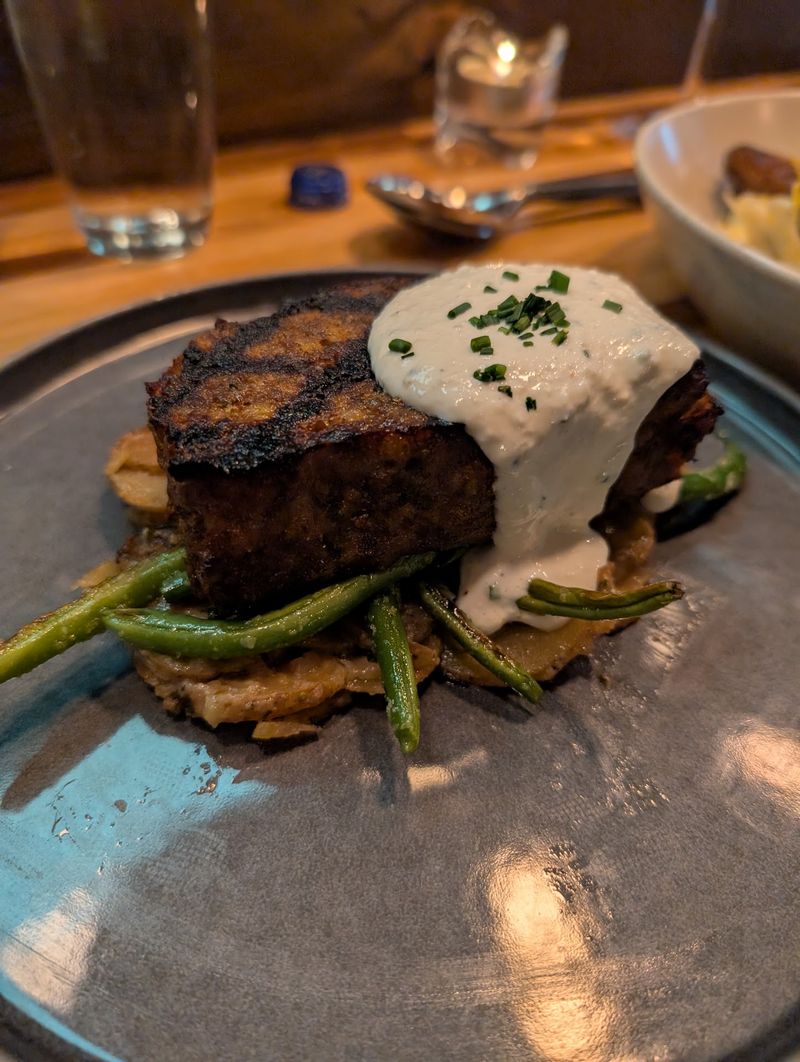
Ask anyone who has eaten here more than once, and a few dishes tend to come up repeatedly. The short rib and pork belly meatloaf is one of them, served with creamy mashed potatoes and green beans with a horseradish accent that cuts through the richness beautifully.
It is comfort food elevated by serious technique, and the combination works every time.
The zucchini crab cake is another standout, arriving with hot honey and a presentation that looks as good as it tastes. The black cod, when it appears on the menu, comes with perfectly flaked sweet fish resting on bitter radicchio, with crisp skin and a lemon-thyme-miso cream that ties everything together.
The crab cake with jalapeno sauce has drawn consistent praise for its balance of heat and freshness.
Pork belly burnt ends, bone marrow with bacon and onion jam, and wood-fired mussels with roasted leek cream have all had their moments in the spotlight. The kitchen knows how to build a dish around contrast, and that skill shows up on every plate.
House-Milled Grains and From-Scratch Pastas Worth Knowing About
Most diners focus on the hearth, and rightfully so. But the kitchen’s commitment to making things from scratch extends well beyond the flame.
The team mills its own grains in-house, which feeds directly into the quality of their breads, pastas, and other preparations. That detail might go unnoticed, but it shows up in texture and flavor in ways that matter.
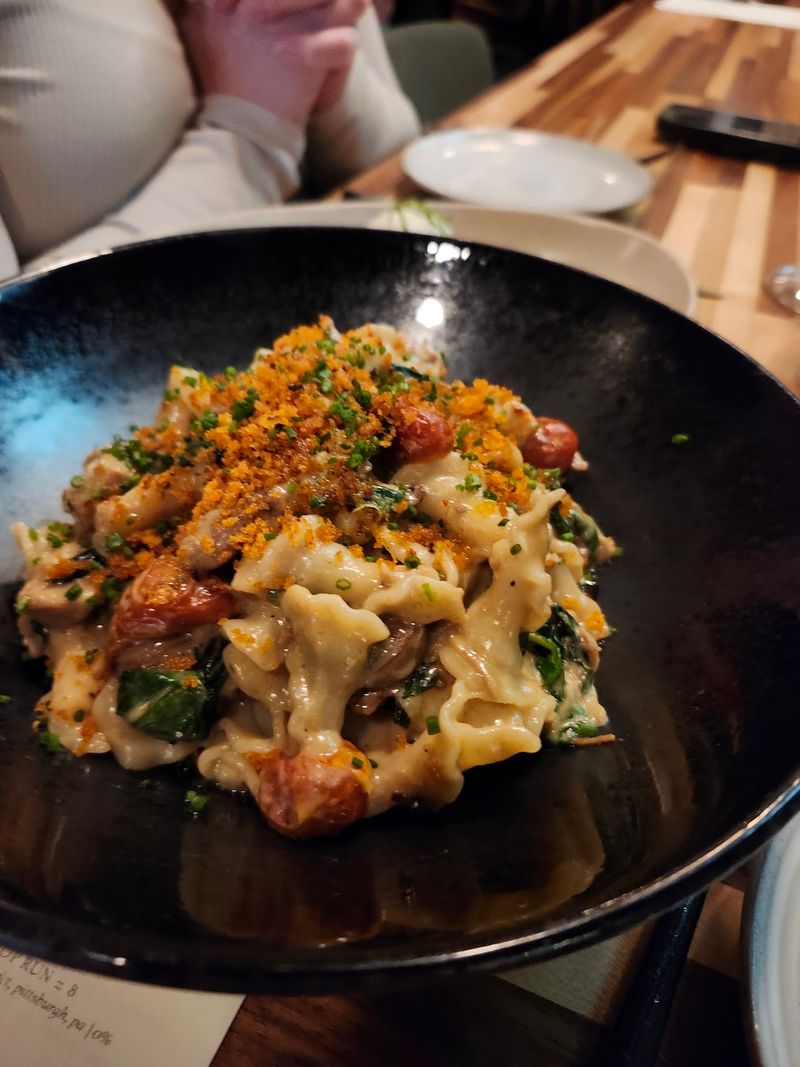
The house-made bucatini is a good example. Served with braised short rib and pork belly meatballs in a rich San Marzano tomato sauce, it carries the kind of bite and depth that only comes from pasta made with real attention.
The noodles hold their shape and absorb the sauce without turning soft or heavy.
A mushroom bucatini variation has also earned consistent praise, offering an earthy, satisfying alternative for those who prefer a vegetable-forward main. The kitchen’s willingness to apply the same level of craft to pasta as it does to its fire-cooked proteins speaks to a broader philosophy: every component on the plate deserves the same level of care and intention.
Desserts That Earn Their Place at the Table
Dessert at many restaurants feels like an afterthought. Here, it functions as a proper finale.
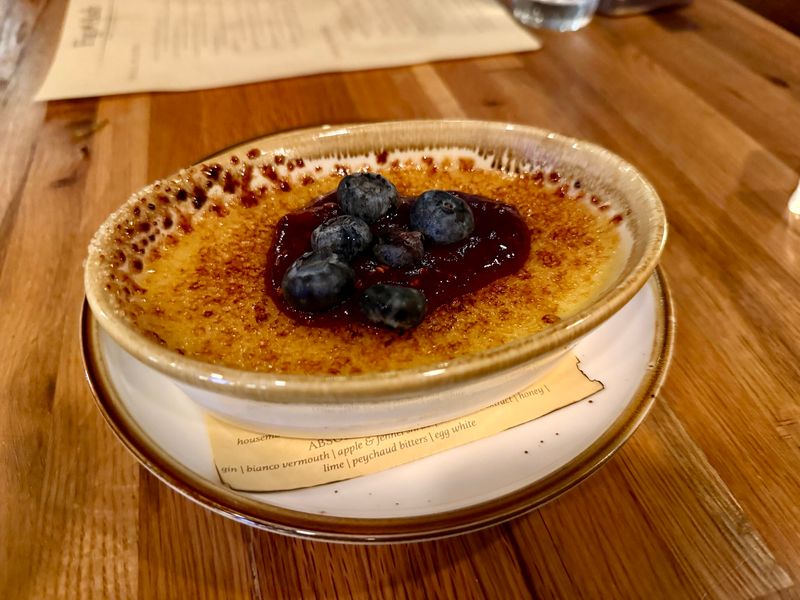
The toasted cardamom creme brulee arrives with a delicate custard balanced by warm spice and brightened with pickled blueberries, a combination that surprises in the best possible way. The contrast between the creamy base and the tart fruit is precise and intentional.
The pistachio cake has developed a following of its own. Moist and layered, it comes with a marshmallow-like filling between the cake layers and a tart whipped cream that keeps the sweetness in check.
It is the kind of dessert that makes you glad you saved room.
A cast iron Kahlua fudge brownie served warm with vanilla ice cream and a pinch of Maldon sea salt rounds out the dessert options with something rich and satisfying. The olive oil cake with blueberry compote and amaretto whipped cream offers a lighter, more elegant close.
Whichever direction you choose, the kitchen applies the same thoughtfulness to its sweet courses as it does to everything else on the menu.
The Chef’s Counter Experience: A Front Row Seat to the Action
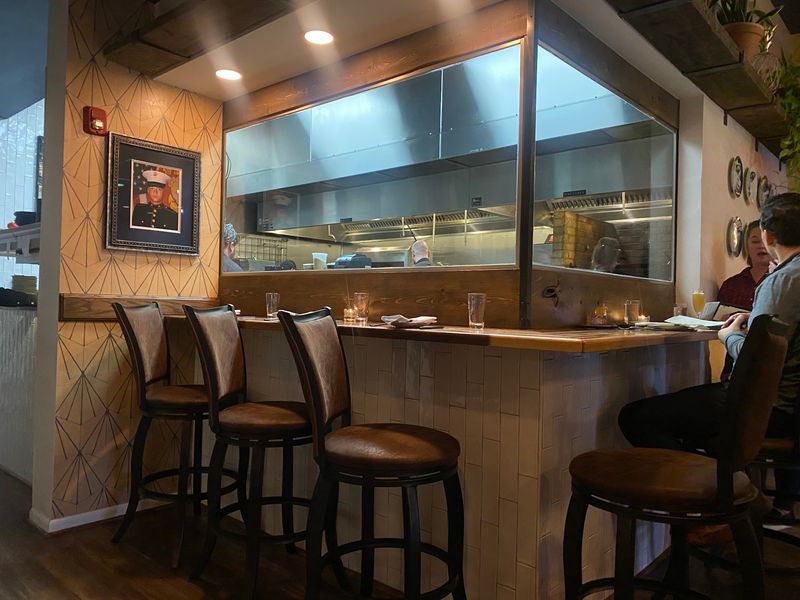
There is a particular kind of thrill that comes from watching skilled cooks work under pressure, and the chef’s counter at this restaurant delivers exactly that. A row of seats positioned directly adjacent to the kitchen gives diners an unobstructed view of the entire operation, from prep work to plating.
A thoughtfully installed partition shields guests from the heat and noise while keeping the visual connection intact.
Sitting here means you might catch Chef Hughes explaining a preparation technique, or hear the kitchen’s shorthand as dishes are called out and assembled. It adds a layer of context to the meal that makes each dish feel more meaningful.
You understand the effort behind what arrives on your plate.
Walk-in guests occasionally score seats at the counter when reservations are fully booked elsewhere in the dining room, making it worth asking at the door. For anyone curious about the cooking process, this vantage point transforms dinner into something closer to a live performance, and the food tastes all the better for it.
Dining Spaces Beyond the Main Room
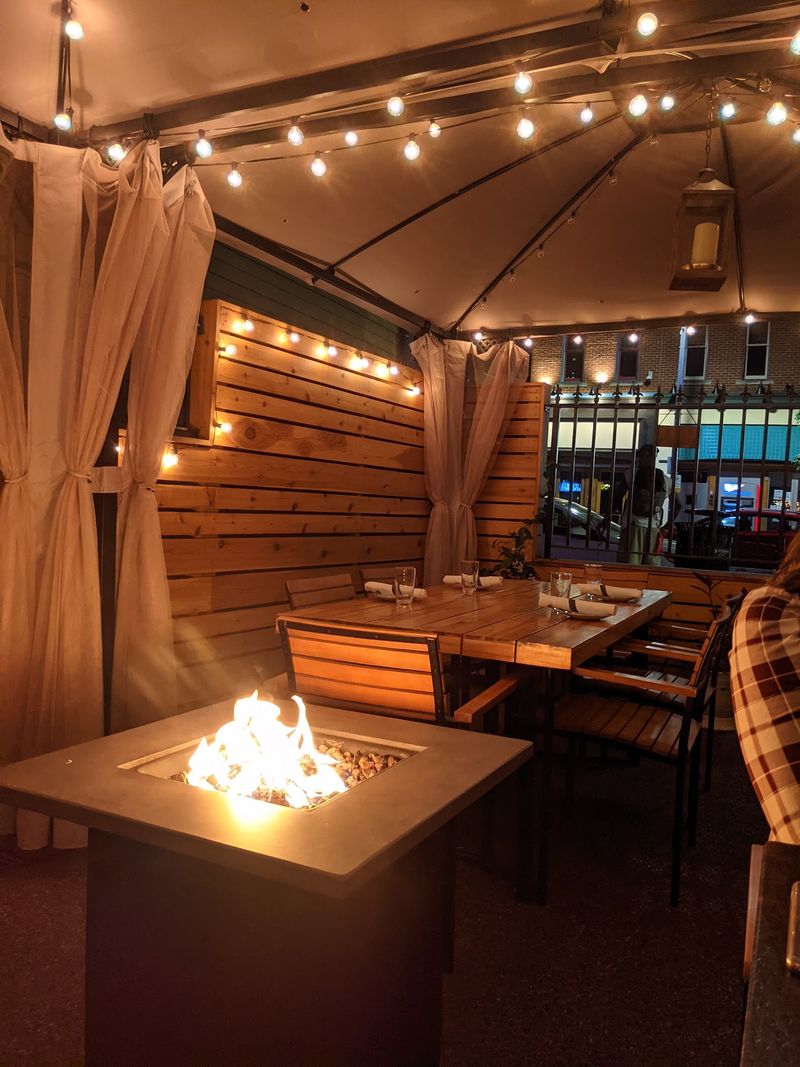
The main dining room gets most of the attention, but the restaurant offers several other spaces worth knowing about. The four-season covered patio on the East Ohio Street side provides an outdoor dining option that functions year-round, thanks to heaters and air circulation systems that keep the temperature manageable regardless of the season.
It is a pleasant alternative when the weather cooperates, and a genuinely comfortable one when it does not.
A private dining room in the lower level accommodates up to 12 guests, making it a solid choice for anniversary dinners, small celebrations, or business meals that benefit from a bit of separation from the main floor. The space carries the same warm design sensibility as the rest of the restaurant without feeling like a separate venue.
Each of these spaces has its own character, and choosing between them is part of the fun of planning a visit. Whether you want the energy of the main room, the intimacy of the patio, or the privacy of the lower level, there is a setting here that fits the occasion.
Service That Sets the Standard
The food is the headline, but the service at this restaurant deserves its own paragraph. Servers here are genuinely knowledgeable about the menu, able to speak to preparations, sourcing, and pairings with the kind of confidence that only comes from real familiarity.
Plates and silverware are changed between courses without being asked. Tables are crumb-dusted with a quiet efficiency that you usually only encounter at restaurants operating at a much higher price point.
An allergen menu is available from the start of the meal, and the hostess asks about dietary restrictions before you are even seated. For guests with specific needs, that kind of proactive communication makes a meaningful difference.
The kitchen has also shown willingness to adapt dishes or create alternatives when the standard menu does not accommodate a guest’s preferences.
One of the proprietors regularly makes rounds through the dining room, stopping to connect with guests and answer questions. That personal touch transforms a restaurant visit into something closer to a hosted dinner, and it reinforces the sense that the people running this place genuinely care about the experience they are providing.
Practical Tips for Planning Your Visit to Fig and Ash
Reservations are strongly recommended, especially for Friday and Saturday evenings when the dining room fills quickly. The restaurant uses Resy for online bookings, and securing a table a few days in advance is the safest approach.
Walk-ins are occasionally possible, particularly for seats at the chef’s counter or early in the week, but availability is unpredictable.
The restaurant is open for dinner Tuesday through Thursday from 5 to 10 PM, and Friday and Saturday from 5 to 11 PM. Sunday and Monday are closed.
The phone number is 412-321-2222 if you prefer to call ahead or have questions about the menu or accommodations.
Parking is available in a dedicated lot on Emlin Street, directly behind the building, which removes one of the usual stresses of dining in an urban neighborhood. The patio entrance on East Ohio Street is easily accessible from the lot.
Prices reflect the quality of the ingredients and the level of preparation involved, so come with reasonable expectations and a genuine appetite for something special.
Share this story