Throughout human history, diseases have shaped civilizations, ended empires, and claimed billions of lives. Some spread quietly for centuries before scientists even understood what was causing them.
Others struck fast and hard, wiping out entire communities in weeks. Learning about these illnesses helps us understand why vaccines, clean water, and modern medicine matter so much.
1. Smallpox
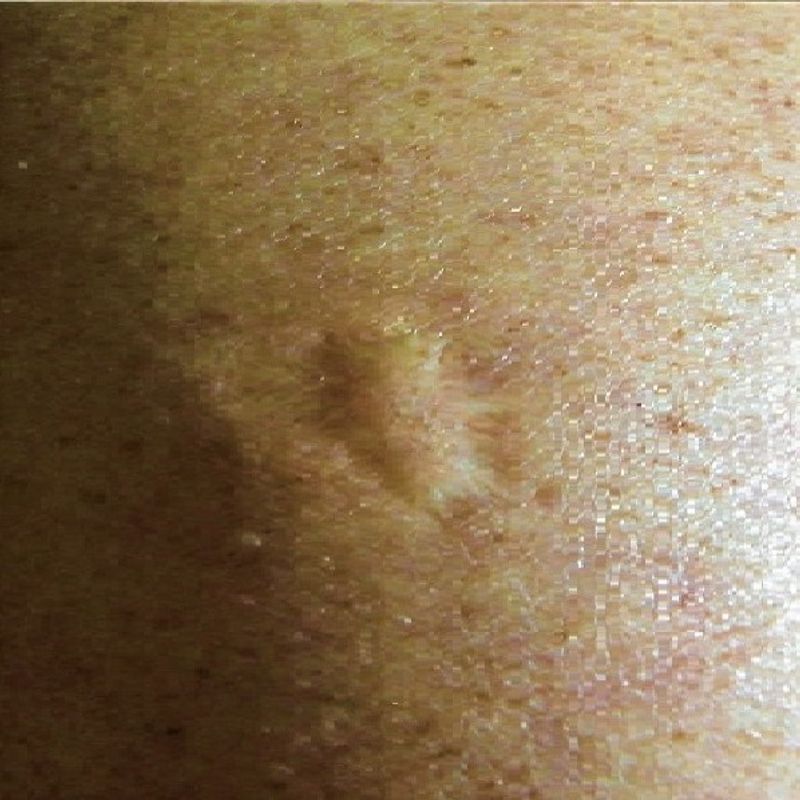
Before vaccines existed, smallpox was one of the most feared diseases on Earth. Caused by the variola virus, it left survivors with deep scars and sometimes blindness.
Historians estimate it killed hundreds of millions of people over the centuries.
The disease spread easily through the air and direct contact, making it nearly impossible to contain in crowded areas. Entire populations that had never been exposed, like Indigenous communities in the Americas, were devastated when colonizers arrived carrying the virus.
The good news is that smallpox is the only human disease ever officially declared eradicated. Thanks to a global vaccination campaign led by the World Health Organization, the last known natural case occurred in 1977.
Today, the virus exists only in two secure laboratory facilities in the world.
2. Tuberculosis
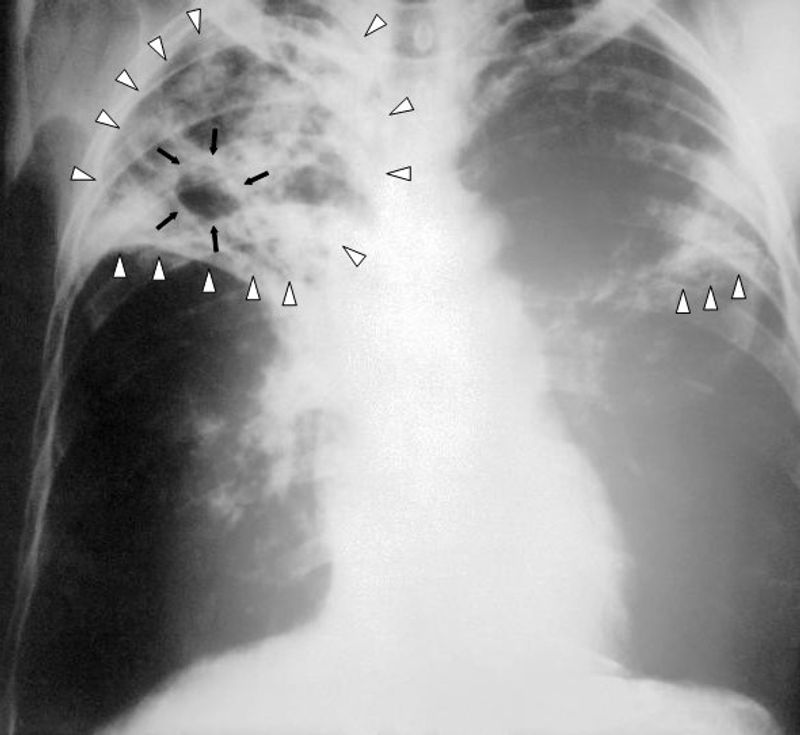
Tuberculosis, commonly called TB, has been infecting humans for thousands of years. Scientists have even found evidence of it in ancient Egyptian mummies.
Caused by the bacterium Mycobacterium tuberculosis, it primarily attacks the lungs and spreads through the air when infected people cough or sneeze.
During the 19th century, TB was responsible for roughly one in four deaths in Europe. It was sometimes called consumption because of how it seemed to slowly drain the life from its victims.
Writers, artists, and musicians of that era were frequently among those affected.
Even today, TB remains one of the world’s leading infectious killers, claiming over a million lives annually. Drug-resistant strains have made treatment increasingly difficult in some regions.
Researchers continue working on new vaccines and therapies to finally bring this ancient disease under lasting control.
3. Malaria
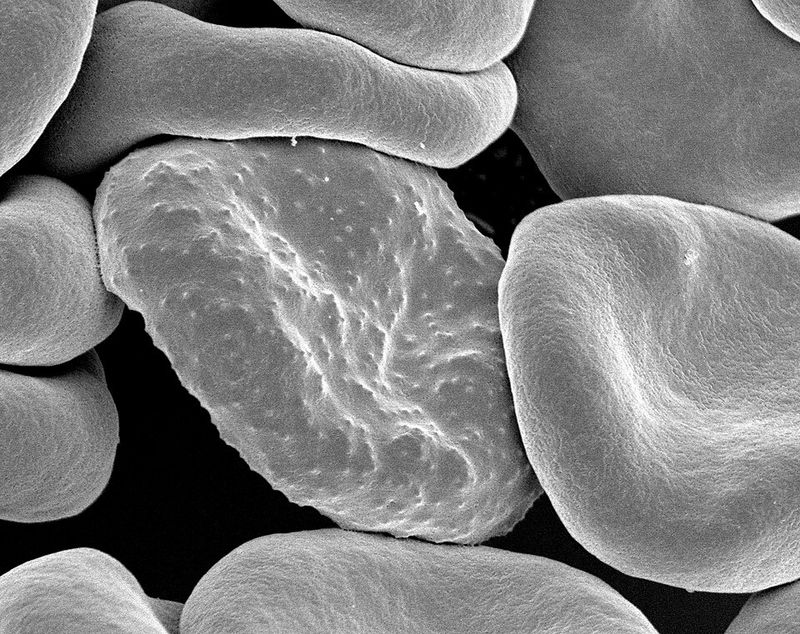
Malaria has shadowed humanity for so long that some researchers believe it may have influenced the outcome of ancient wars and the rise and fall of civilizations. The disease is caused by Plasmodium parasites transmitted through the bites of infected Anopheles mosquitoes.
Symptoms include fever, chills, and severe fatigue.
Over thousands of years, malaria has killed an enormous number of people, and it continues to do so today. Sub-Saharan Africa carries the heaviest burden, with young children under five years old being especially vulnerable.
The World Health Organization estimates hundreds of thousands of deaths occur each year.
Progress has been made through bed nets, insecticides, and antimalarial medications. A malaria vaccine called RTS,S has also been approved and is being rolled out in several African countries.
Still, the fight against this ancient parasite is far from finished.
4. Plague
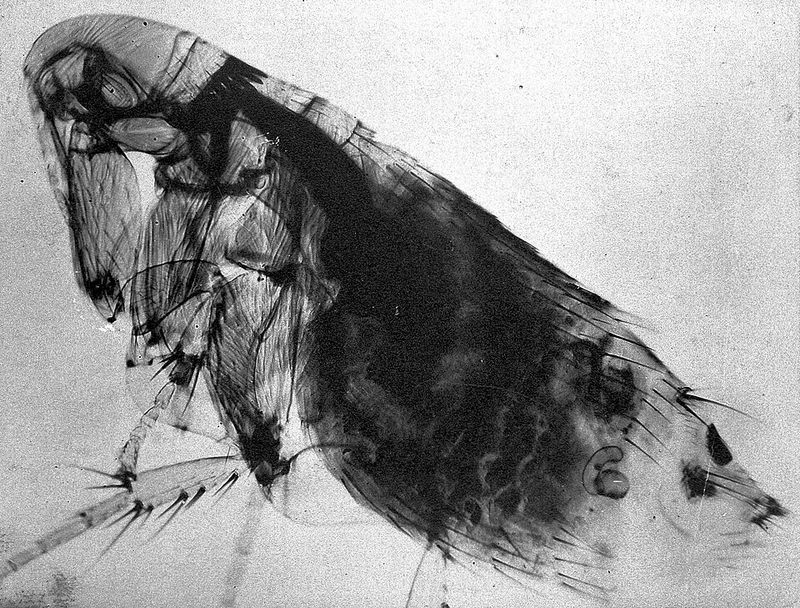
Few diseases have left a mark on history as dramatic as the plague. Caused by the bacterium Yersinia pestis, it has triggered multiple devastating pandemics over the centuries.
The most infamous, the Black Death of the 14th century, killed an estimated 30 to 60 percent of Europe’s entire population within just a few years.
The plague came in several forms, including bubonic, septicemic, and pneumonic. Bubonic plague caused painful swellings called buboes near lymph nodes.
Pneumonic plague, which spread through the air, was even deadlier and killed victims within days.
Plague outbreaks continued for centuries after the Black Death, reshaping economies, religions, and social structures worldwide. Today, antibiotics can treat plague effectively if caught early.
Small numbers of cases still occur each year in parts of Africa, Asia, and the Americas, keeping researchers on alert.
5. Influenza
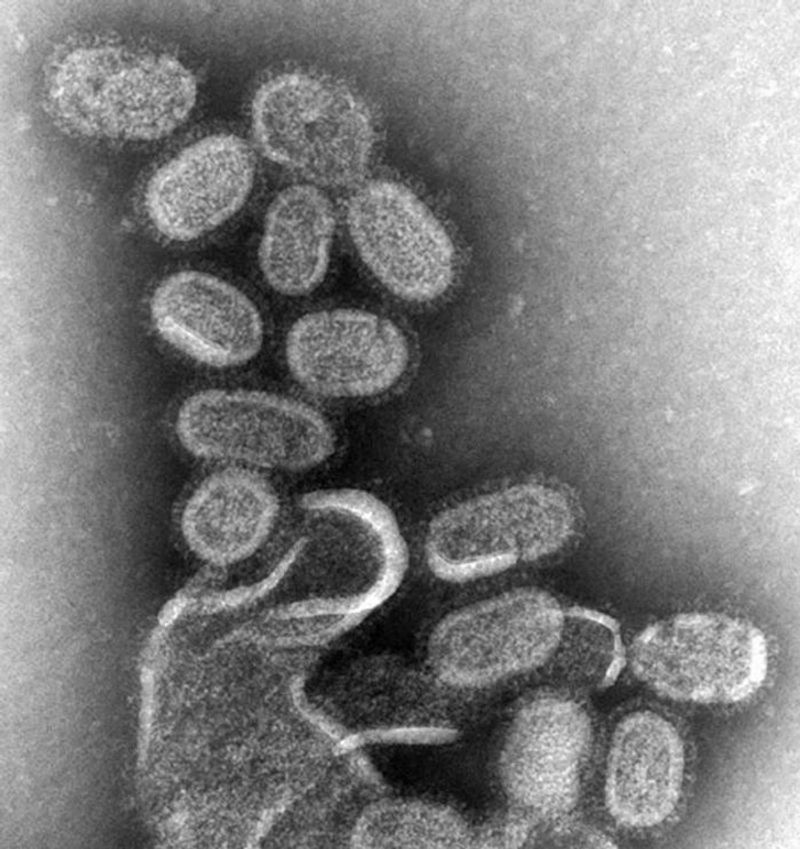
Most people think of the flu as a seasonal nuisance, but influenza has proven it can be far more dangerous. The 1918 influenza pandemic, often called the Spanish flu, infected an estimated 500 million people worldwide and killed between 50 and 100 million of them.
That toll exceeded the deaths of World War I.
What made 1918 especially unusual was that the virus hit young, healthy adults particularly hard, not just the elderly and very young as influenza typically does. Scientists still study samples of the 1918 strain to understand why it was so lethal.
Other pandemic flu outbreaks occurred in 1957, 1968, and 2009.
Each year, seasonal influenza still kills hundreds of thousands globally. Annual flu vaccines help reduce the toll, but the virus mutates constantly, requiring updated shots every year.
Pandemic preparedness for a future severe flu strain remains a top priority for global health agencies.
6. HIV/AIDS
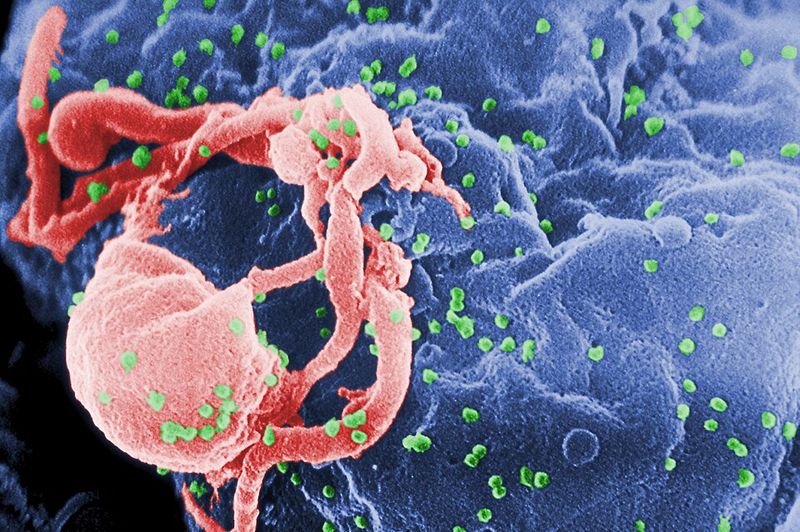
When HIV/AIDS first appeared in the early 1980s, doctors were baffled by a mysterious illness destroying the immune systems of otherwise healthy young people. The human immunodeficiency virus attacks CD4 cells, which are essential for fighting infections.
Without treatment, HIV progresses to AIDS, leaving the body defenseless against diseases that a healthy immune system would easily handle.
Since the epidemic began, HIV/AIDS has caused more than 40 million deaths worldwide. The disease spread rapidly across continents, hitting Sub-Saharan Africa hardest.
Stigma and misinformation made it even more difficult to control in the early decades.
Antiretroviral therapy, developed in the mid-1990s, transformed HIV from a near-certain death sentence into a manageable chronic condition. People on treatment today can live long, healthy lives.
However, millions in lower-income countries still lack access to these life-saving medications, and a cure or vaccine remains an ongoing research goal.
7. Cholera
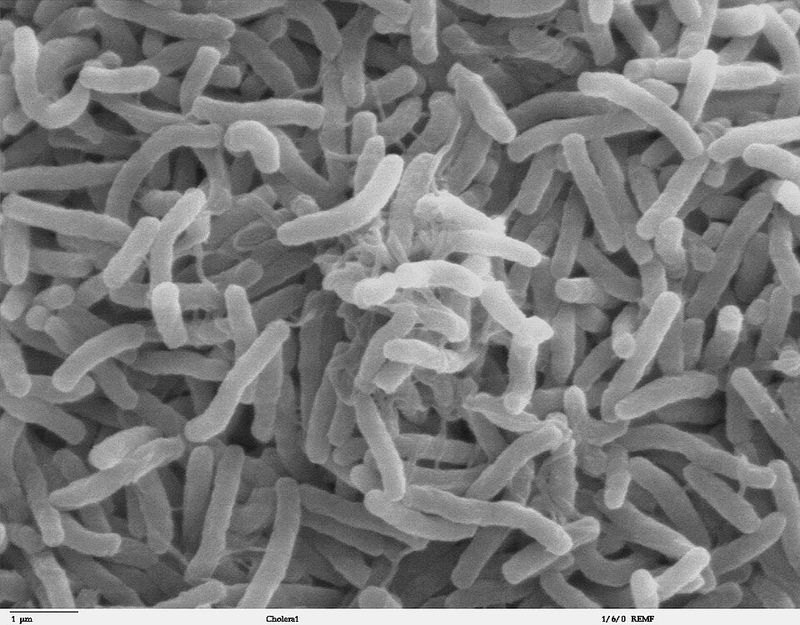
Cholera is a disease that turns water, one of life’s most basic necessities, into a deadly threat. Caused by the bacterium Vibrio cholerae, it spreads through contaminated water and food.
Severe cholera causes massive fluid loss through diarrhea and vomiting, and without treatment, a person can die within hours of symptoms appearing.
Seven recognized cholera pandemics have swept the globe since the 19th century, killing millions. The disease thrives in areas with poor sanitation and limited access to clean water.
Natural disasters like earthquakes and floods often trigger outbreaks by disrupting water systems.
Cholera remains a significant public health challenge in parts of Africa, Asia, and the Americas. Oral rehydration therapy, a simple mixture of water, salt, and sugar, saves countless lives by preventing deadly dehydration.
Improved sanitation and clean water access are the most powerful long-term solutions for ending cholera’s recurring grip.
8. Measles
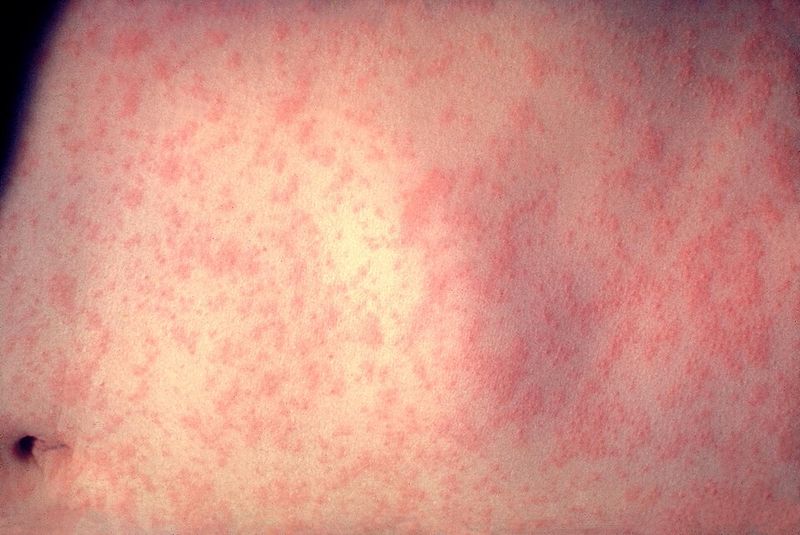
Measles might seem like a mild childhood illness to many people today, but historically it was a serious killer. The measles virus spreads incredibly easily through the air, making it one of the most contagious diseases ever identified.
Before widespread vaccination began in the 1960s, measles infected nearly every child on Earth and killed millions annually.
The disease is particularly dangerous for young children in areas with poor nutrition and limited healthcare. Complications include pneumonia, brain swelling, and blindness.
Measles also weakens the immune system in a way that leaves survivors more vulnerable to other infections for months afterward.
Vaccination has dramatically reduced measles deaths worldwide, and in some regions the disease was nearly eliminated. However, declining vaccination rates in recent years have allowed outbreaks to return in countries that had previously controlled the virus.
Keeping immunization rates high remains the only reliable way to prevent its spread.
9. COVID-19
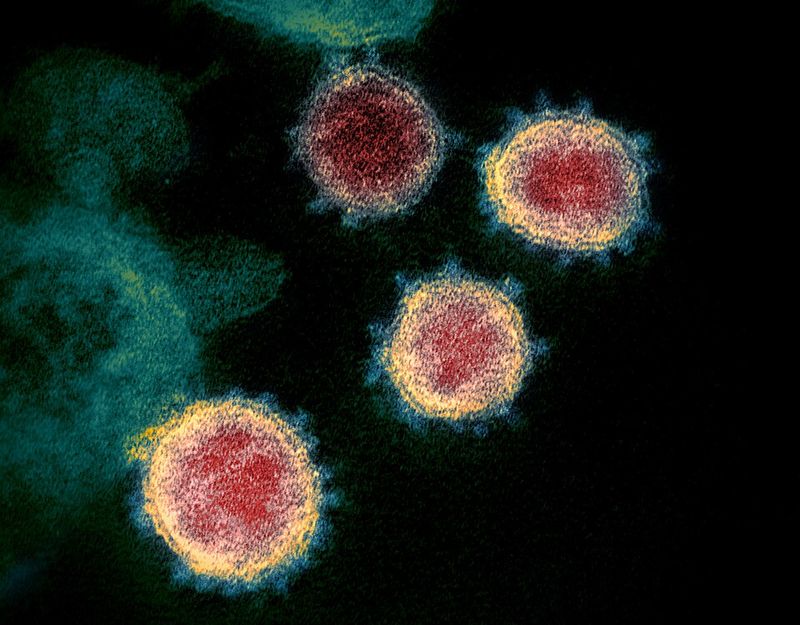
When a cluster of unusual pneumonia cases appeared in Wuhan, China, in late 2019, few could have predicted what would follow. COVID-19, caused by the SARS-CoV-2 coronavirus, rapidly spread to every corner of the globe and triggered the most disruptive pandemic in over a century.
More than 7 million deaths have been officially reported worldwide.
Excess mortality estimates, which account for deaths not directly recorded as COVID-19, suggest the actual toll is substantially higher. The pandemic overwhelmed hospitals, disrupted economies, and fundamentally changed daily life for billions of people.
Older adults and those with underlying health conditions faced the highest risks.
Vaccines were developed and authorized in record time, thanks to decades of prior coronavirus research. While vaccination significantly reduced severe illness and death, the virus continued to evolve through new variants.
COVID-19 remains a global health concern, with ongoing efforts focused on monitoring variants and improving vaccine access worldwide.
10. Typhus
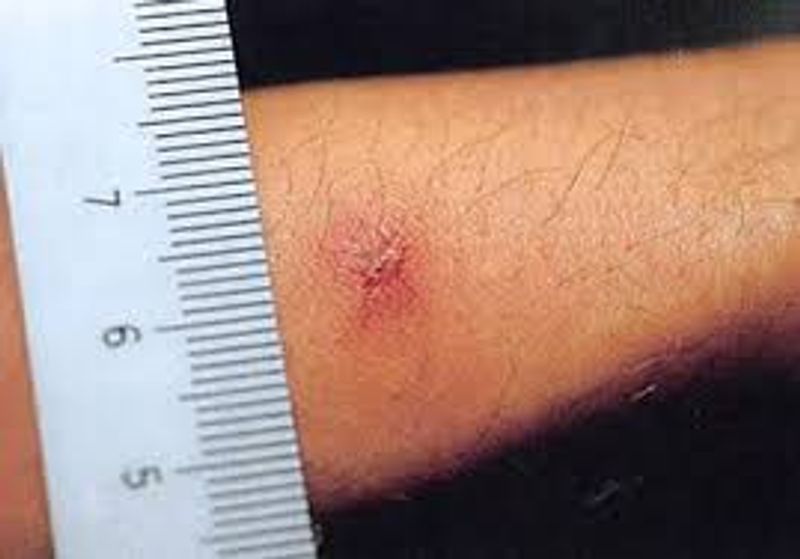
Typhus has a long history of striking hardest when people are at their most vulnerable. Caused by Rickettsia bacteria and spread by body lice, epidemic typhus thrived wherever people were crowded together in poor conditions.
Wars, famines, and mass displacement created exactly those circumstances, making typhus a constant companion of human suffering throughout history.
Napoleon’s disastrous retreat from Moscow in 1812 was made far worse by a typhus epidemic that killed more of his soldiers than Russian weapons did. During World War I and II, the disease again swept through armies and refugee camps, causing massive casualties.
Some historians argue typhus changed the outcomes of major conflicts.
Today, epidemic typhus is rare thanks to improved sanitation and the availability of antibiotics. However, it still occurs in areas affected by poverty and conflict.
Early treatment with doxycycline is highly effective, making rapid diagnosis a key priority in vulnerable communities.
11. Yellow Fever
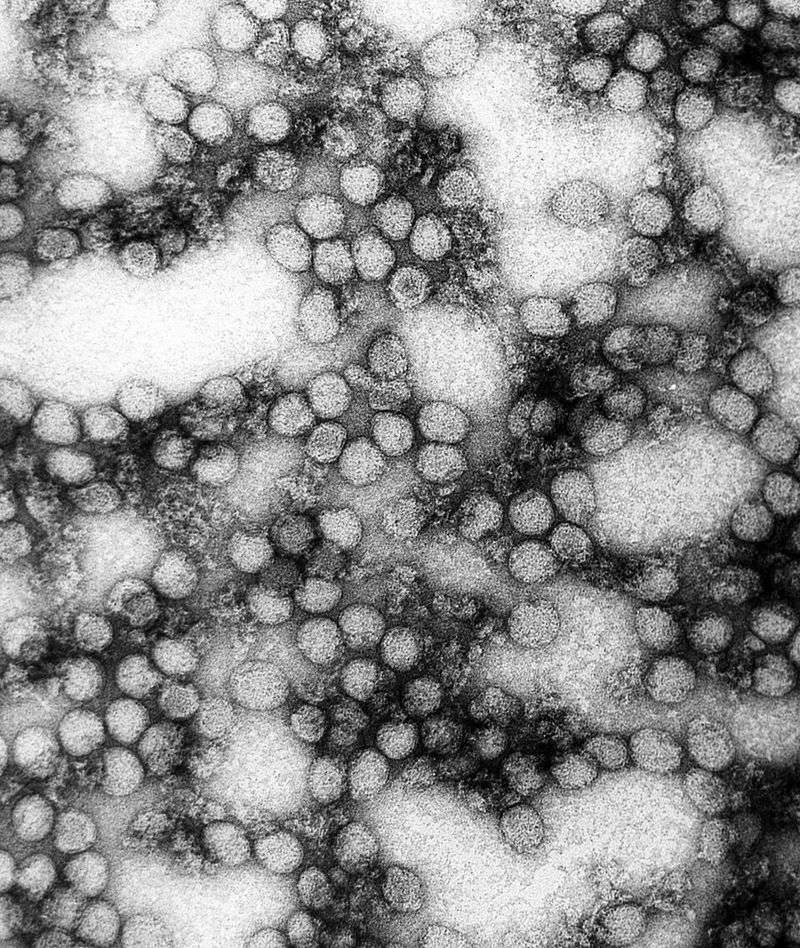
Yellow fever earned its name from the jaundice, a yellowing of the skin and eyes, that occurs in severe cases when the virus attacks the liver. Spread by Aedes aegypti mosquitoes, it caused repeated deadly epidemics across Africa and the Americas for centuries.
A massive 1793 outbreak in Philadelphia killed roughly 10 percent of the city’s population in just a few months.
The disease also played a significant role in shaping geopolitics. A yellow fever epidemic among French troops in Haiti contributed to Napoleon’s decision to sell the Louisiana Territory to the United States in 1803.
Construction of the Panama Canal was also severely hampered by yellow fever until mosquito control measures were implemented.
A safe and effective vaccine has existed since the 1930s, making yellow fever largely preventable. Despite this, outbreaks continue in parts of Africa and South America where vaccination coverage remains uneven.
The WHO maintains emergency stockpiles of vaccine for rapid response.
12. Dengue
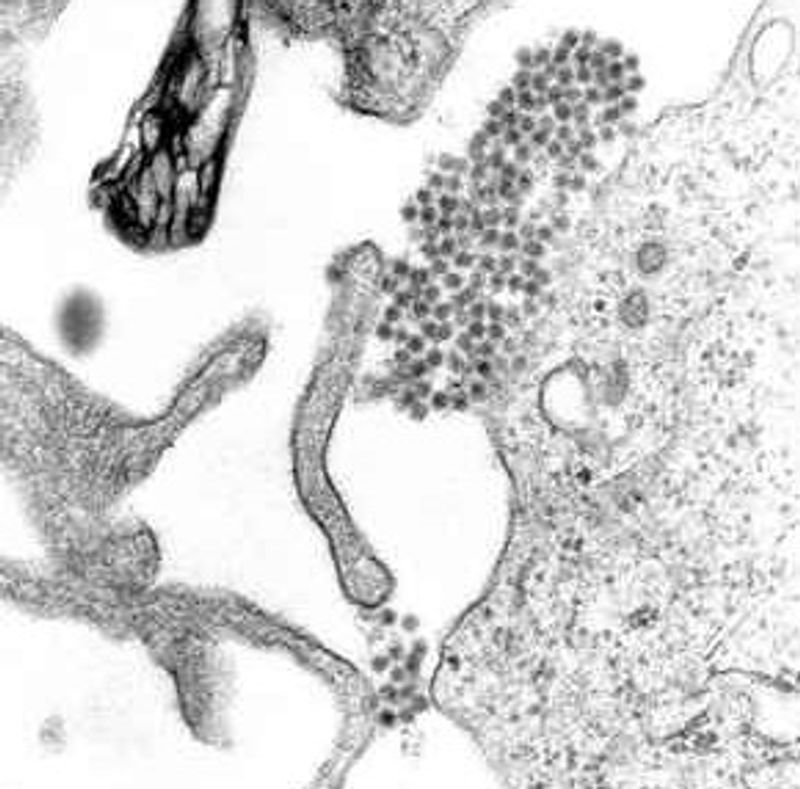
Dengue fever is sometimes called breakbone fever because of the intense muscle and joint pain it causes. Transmitted by Aedes mosquitoes, it is now one of the fastest-spreading mosquito-borne viral diseases in the world.
An estimated 100 to 400 million infections occur every year, spanning more than 100 countries across tropical and subtropical regions.
Most dengue cases cause fever, rash, and severe pain but resolve without major complications. However, a severe form called dengue hemorrhagic fever can lead to dangerous internal bleeding and organ failure.
A second infection with a different dengue strain increases the risk of developing this life-threatening condition.
Climate change is expanding the geographic range of Aedes mosquitoes, bringing dengue to areas where it was previously unknown. A dengue vaccine has been approved in some countries, but it is not suitable for everyone.
Mosquito control, protective clothing, and repellents remain essential tools for reducing transmission in affected communities.
13. Polio
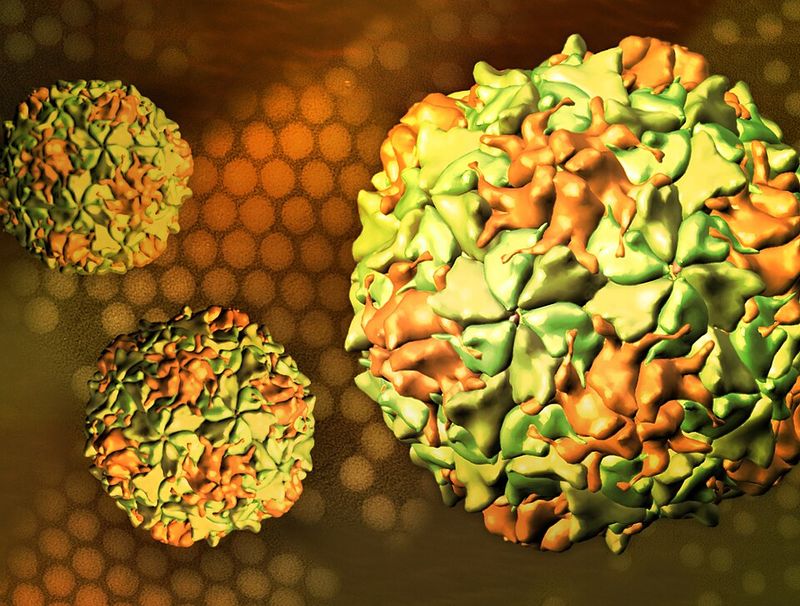
For parents living in the early 20th century, summer often brought fear alongside sunshine, because polio season was real and terrifying. The poliovirus attacked the nervous system and could cause permanent paralysis within hours.
In severe cases, it paralyzed the muscles needed for breathing, leaving patients dependent on machines called iron lungs to stay alive.
Major polio epidemics swept through the United States and other countries throughout the 1940s and 1950s. Even President Franklin D.
Roosevelt was paralyzed by the disease. The development of the Salk vaccine in 1955 and the Sabin oral vaccine shortly after transformed the global picture dramatically.
Thanks to one of history’s most successful vaccination campaigns, wild poliovirus has been eliminated from most of the world. Only a handful of countries still report cases.
The Global Polio Eradication Initiative continues working toward making polio the second human disease, after smallpox, to be completely eradicated.
14. Rabies
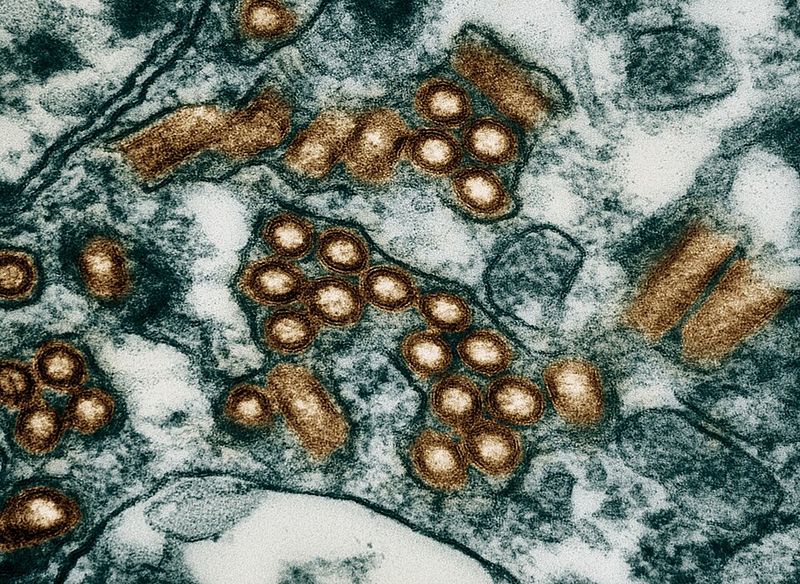
Rabies holds a grim distinction among infectious diseases: once symptoms appear, survival is nearly impossible without extraordinary medical intervention. The virus travels along nerve pathways to the brain, causing confusion, hallucinations, aggression, and eventually death.
This slow journey from bite to brain symptoms can take weeks or even months, but once neurological signs begin, the window for survival essentially closes.
Dogs are responsible for the vast majority of human rabies deaths, particularly in parts of Asia and Africa where post-exposure vaccination is not readily available. Children are especially at risk because they are more likely to be bitten and less likely to report an incident to adults.
The encouraging fact is that rabies is entirely preventable. Post-exposure prophylaxis, a series of vaccine shots given after a bite, is nearly 100 percent effective when started before symptoms develop.
Mass vaccination of dogs remains the most powerful strategy for reducing human rabies deaths globally.
15. Ebola Virus Disease
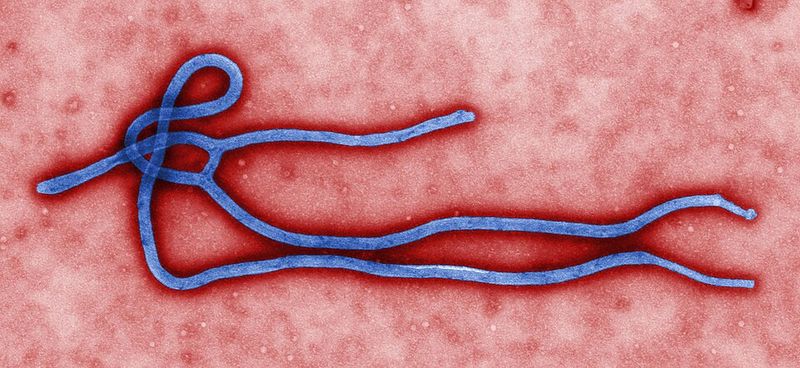
Ebola virus disease does not rank among the highest in total historical deaths, but its fatality rates in individual outbreaks are among the most alarming of any known disease. In some outbreaks, more than half of those infected have died.
The virus causes severe hemorrhagic fever, leading to organ failure and, in many cases, bleeding both inside and outside the body.
First identified in 1976 near the Ebola River in what is now the Democratic Republic of Congo, the disease primarily spreads through direct contact with the blood or bodily fluids of infected people. Healthcare workers have been disproportionately affected during outbreaks, as caring for patients without proper protective equipment carries extreme risk.
The 2014 to 2016 West Africa outbreak was by far the largest, infecting over 28,000 people and killing more than 11,000. Since then, an approved Ebola vaccine has been developed and deployed in subsequent outbreaks, offering real hope for containing future epidemics more quickly.
Share this story