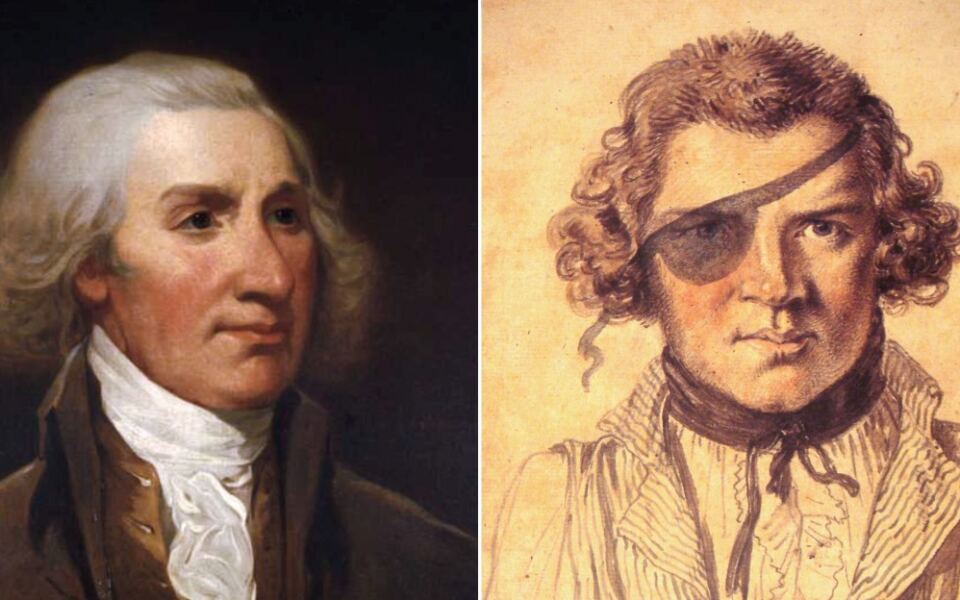
The American Revolution produced some of history’s most celebrated military leaders, but even the best commanders made decisions that changed the course of the war in unexpected ways. Some generals lost critical battles, some surrendered thousands of troops, and others got tangled up in political fights that followed them for the rest of their lives.
The mistakes made during this era were not always simple blunders. Many were shaped by impossible odds, poor information, political pressure, or the chaos of an unpredictable war.
Understanding what went wrong for these commanders gives us a clearer picture of just how difficult and messy the fight for American independence really was.
Horatio Gates and the Disaster at Camden
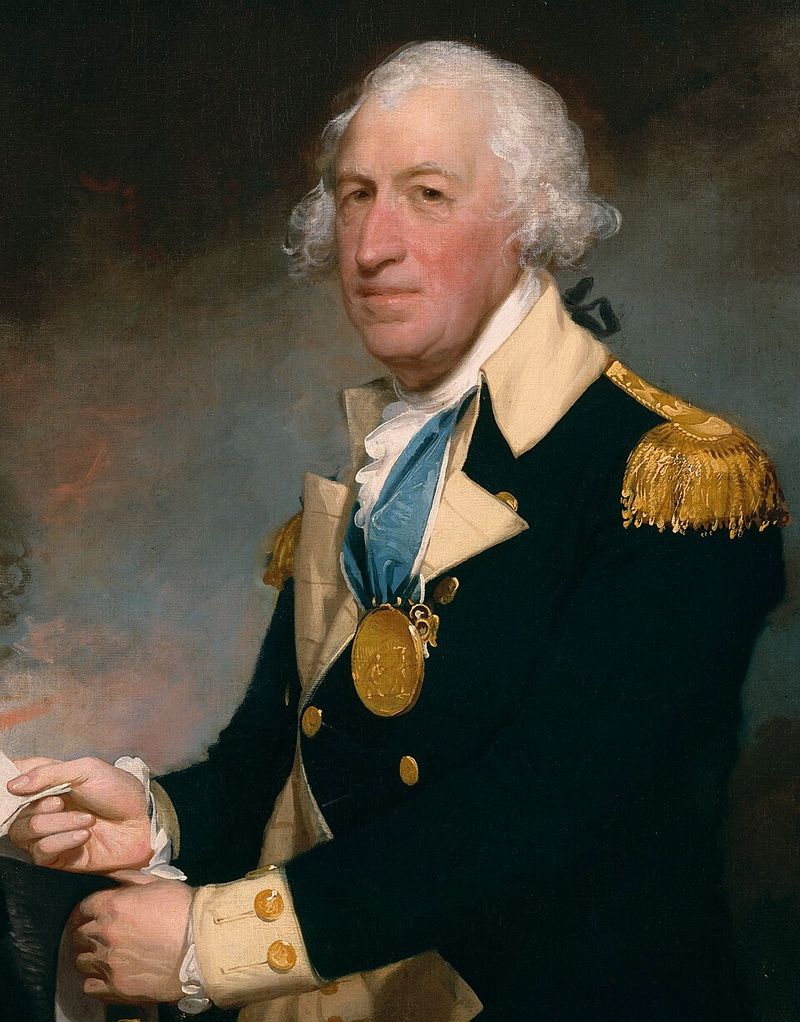
Few falls from grace in the Revolutionary War were as dramatic as Horatio Gates’s collapse at Camden, South Carolina. Gates had earned enormous respect after the American victory at Saratoga in 1777, where his command helped force British General John Burgoyne to surrender.
That win even encouraged France to openly side with the Americans.
Three years later, everything unraveled. On August 16, 1780, inexperienced militia on the American left side of the battle line broke apart under British attack.
The collapse triggered a devastating defeat that Gates could not stop. What made things worse was that Gates traveled nearly 200 miles away from the battlefield during the retreat, drawing sharp criticism from fellow officers and political leaders.
Congress removed him from southern command shortly after. Camden never erased what he accomplished at Saratoga, but it permanently complicated how history remembers one of the Revolution’s most prominent military figures.
Charles Lee and the Controversy at Monmouth
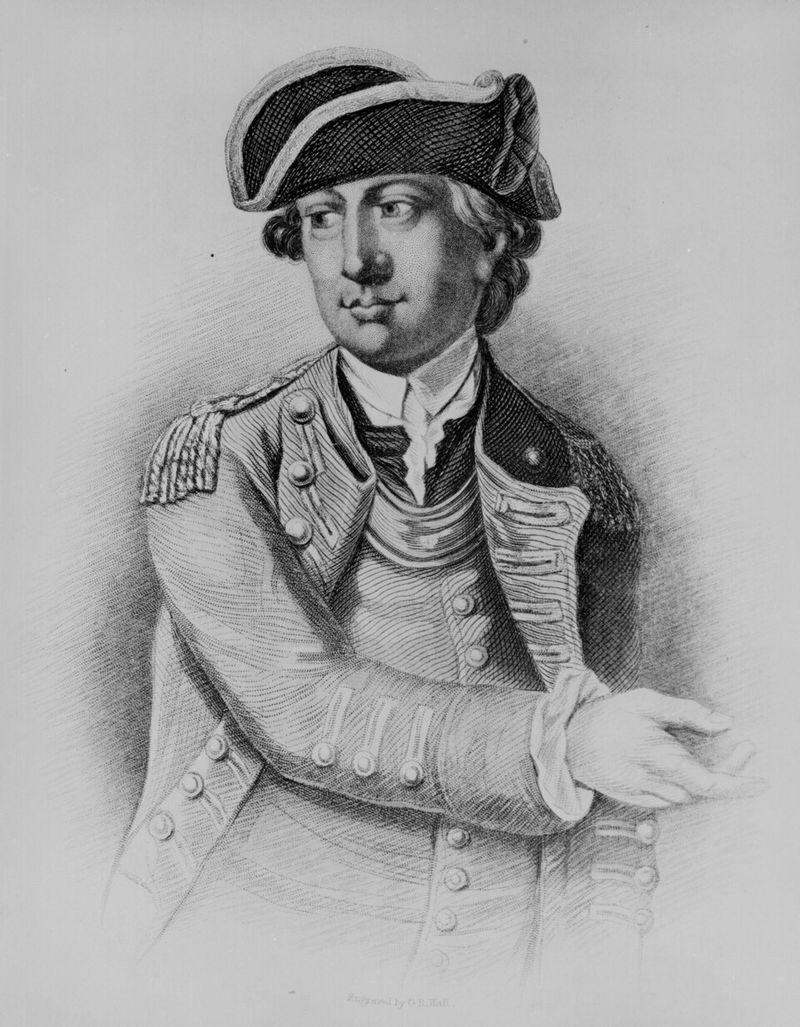
Charles Lee came into the Revolution with more formal military experience than almost any other Continental officer, yet he is best remembered for one of the war’s most disputed battlefield moments. He openly criticized George Washington and reportedly wanted the top command for himself, creating tension long before the Battle of Monmouth in June 1778.
At Monmouth, Lee’s advance against British forces turned into a retreat as the enemy counterattacked. The traditional story painted him as cowardly or disobedient, but modern historians point out that the situation was far more complicated than that simple version suggests.
Lee actually helped organize a delaying action that gave Washington time to set up the main American defensive line.
Despite that nuance, Lee was court-martialed and found guilty of disobedience, misconduct before the enemy, and disrespecting Washington. The verdict ended his military career and left his reputation permanently shadowed by that single summer afternoon in New Jersey.
James Wilkinson and His Secret Relationship With Spain
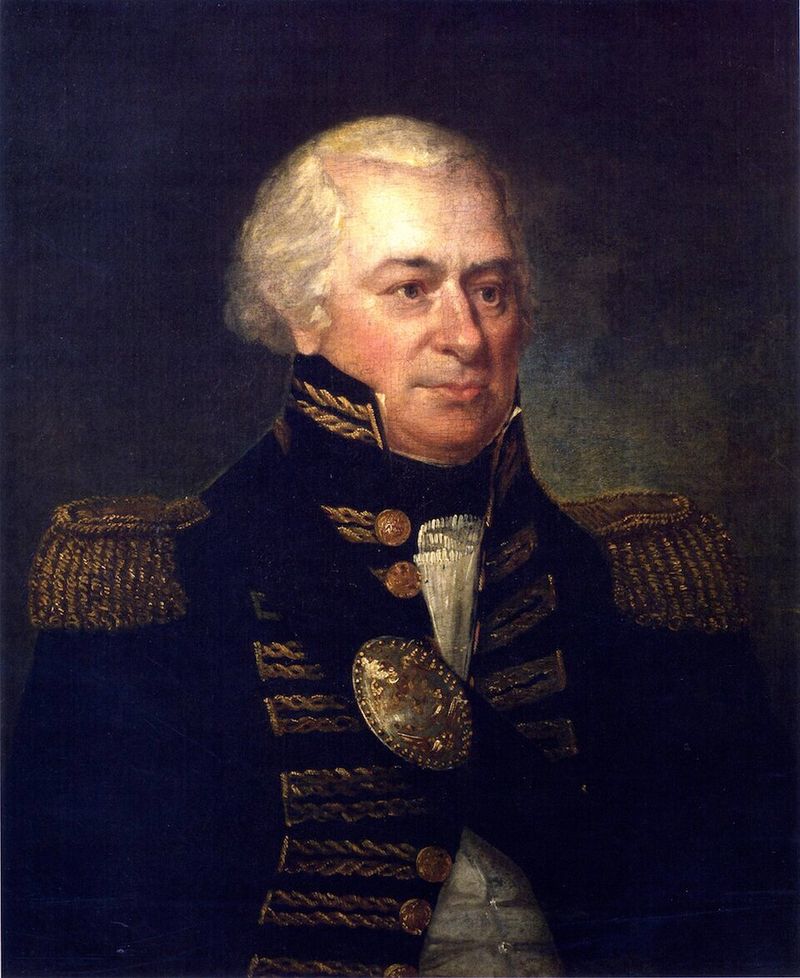
James Wilkinson’s wartime record looked ordinary enough on the surface. He served on the staffs of Benedict Arnold and Horatio Gates during the Revolution and got caught up in the political scheming connected to the Conway Cabal before resigning from the Continental Army in 1778.
What came later was extraordinary. After moving west, Wilkinson secretly became a paid agent for Spanish authorities and was identified in correspondence simply as Agent 13.
He provided information to Spain while simultaneously rising through the ranks of the United States Army, eventually reaching high command. The double life he maintained for years made him one of the most controversial figures connected to the Revolutionary generation.
Historians are careful to separate his wartime service in the 1770s from the Spanish dealings that followed. Still, the full picture of Wilkinson’s career is a reminder that not every general’s most damaging mistake happened on a battlefield.
Some played out quietly, over decades, behind closed doors.
Benjamin Lincoln and the Surrender of Charleston
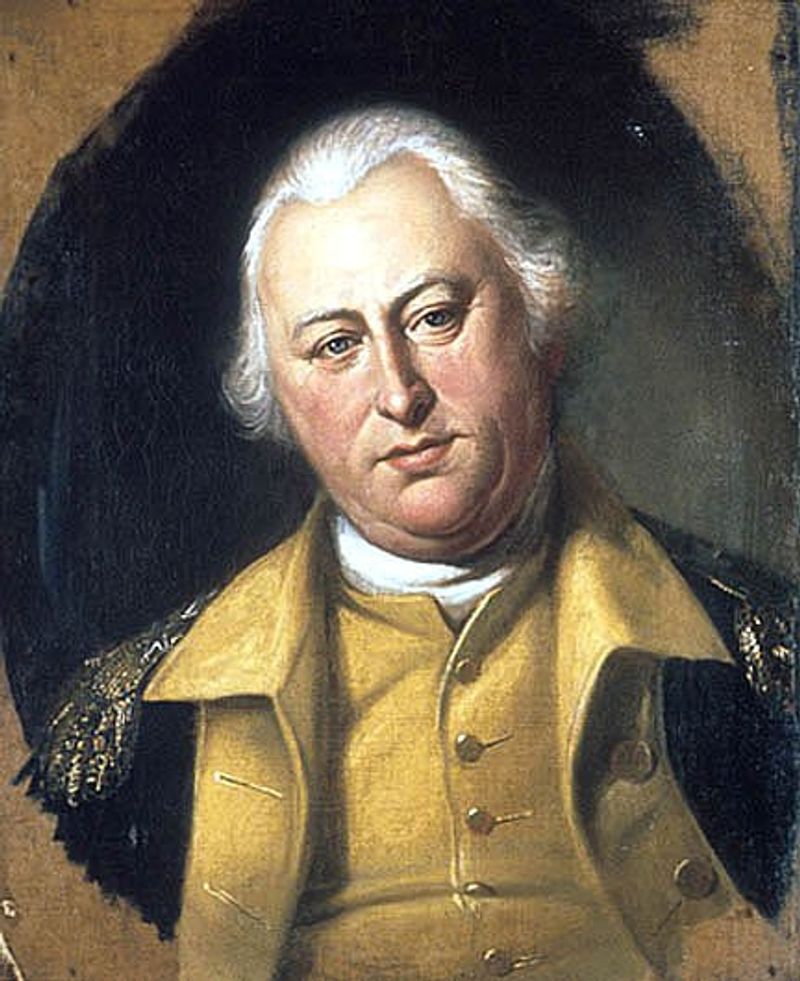
Benjamin Lincoln took command of the Continental Army’s Southern Department in 1778, stepping into one of the most difficult assignments the war had to offer. His tenure included a failed attempt to retake Savannah in 1779, but the moment that defined his legacy came the following spring in Charleston, South Carolina.
By May 1780, British troops and warships had surrounded the city. Lincoln considered pulling his army out to fight another day, but Charleston’s civilian leaders pushed back hard against abandoning their home.
With no viable escape route left, Lincoln surrendered roughly 5,000 American troops on May 12, 1780. That remains the largest American surrender of the entire Revolutionary War.
His career did not end there, which is the part that often surprises people. George Washington later chose Lincoln as his second in command during the Yorktown campaign, and Lincoln was present to receive the British surrender when Cornwallis’s deputy came forward at the final ceremony.
William Alexander, Lord Stirling, and Long Island
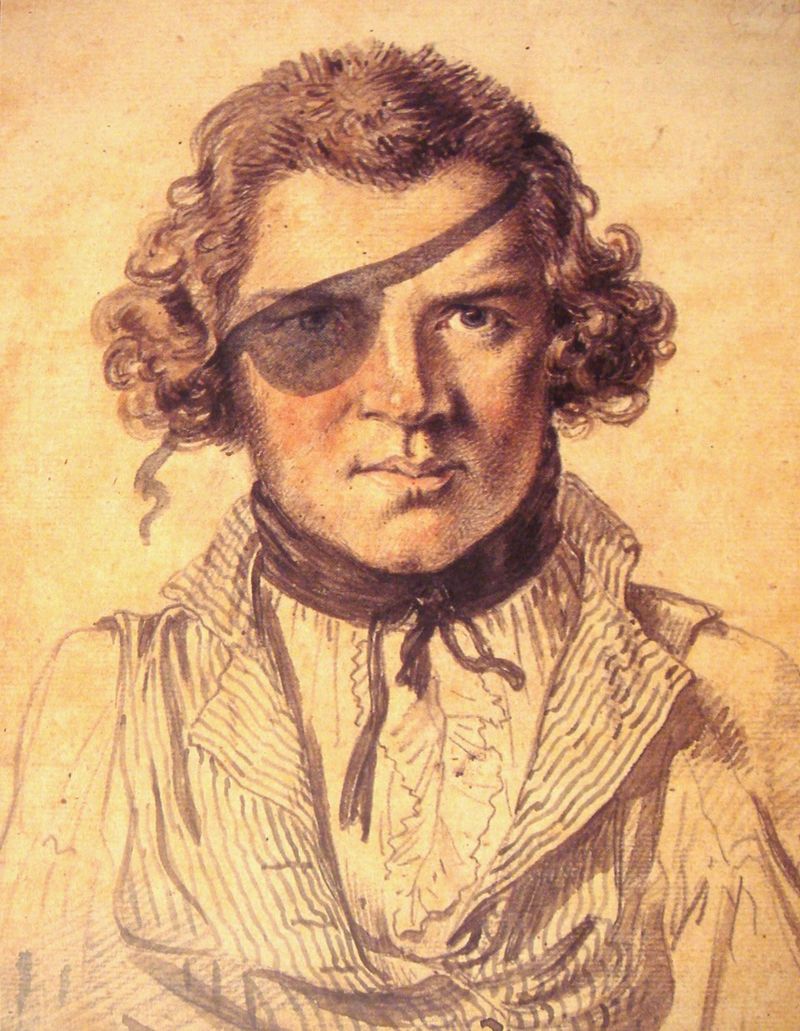
Lord Stirling’s story at the Battle of Long Island in August 1776 does not fit the typical mold of a general remembered for failure. When British forces launched an overwhelming attack, Stirling commanded troops in one of the most exposed positions on the American line.
Rather than breaking immediately, he and the Maryland troops under his command fought a desperate delaying action.
That stand was extraordinarily costly. More than half of the roughly 400 Marylanders involved were killed, and Stirling himself was captured.
But the action bought time for a large portion of the American army to escape, which historians credit as genuinely important to keeping the Continental Army alive.
After being exchanged, Stirling returned to service and participated in the Trenton and Princeton campaigns, earned a promotion to major general, and later fought at Brandywine and Germantown. His personal habits involved extravagant spending and heavy drinking, but his conduct at Long Island reflected sacrifice rather than incompetence.
John Sullivan and the Destruction of Haudenosaunee Communities
Major General John Sullivan led one of the Revolution’s most destructive military operations, and it was not against the British Army directly. In 1779, George Washington ordered him to lead an expedition into Haudenosaunee homelands, targeting communities that had aligned with Britain and conducted raids on American frontier settlements.
Sullivan’s army burned more than 40 villages and destroyed at least 160,000 bushels of corn, along with crops and orchards across a wide area. Thousands of displaced Haudenosaunee people were forced to seek refuge near British-held Fort Niagara.
The human cost of the campaign was severe and long-lasting for those communities.
Militarily, the results were mixed at best. Raids on American settlements resumed after the campaign ended, and the destruction intensified hostility rather than eliminating the threat.
Sullivan achieved significant damage but not the lasting security Washington had hoped for, leaving his legacy as one of the Revolution’s most complicated and troubling chapters.
Arthur St. Clair and the Evacuation of Fort Ticonderoga
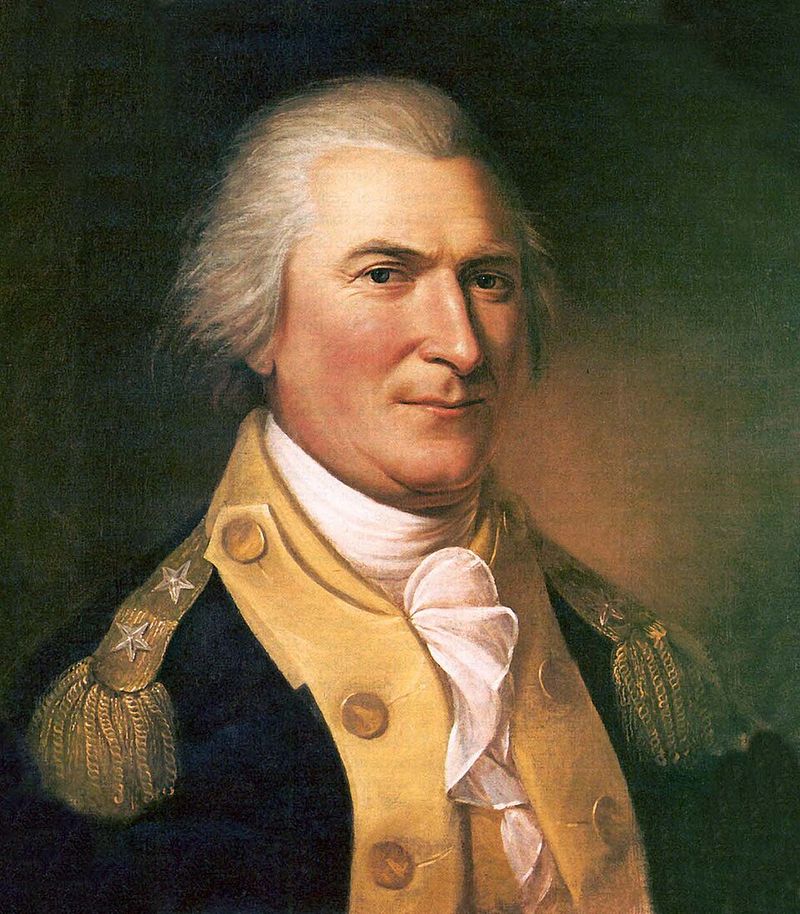
Arthur St. Clair became one of the most criticized American commanders of 1777 after ordering the evacuation of Fort Ticonderoga in July of that year. The decision outraged the public and politicians alike.
Ticonderoga had enormous symbolic importance, and surrendering it without a major fight felt like a serious failure of nerve.
The military reality was more complicated. British General John Burgoyne arrived with a force considerably larger than the American garrison and managed to place artillery on Mount Defiance, high ground that overlooked both Ticonderoga and Mount Independence.
Once cannons were in position there, the fort could be bombarded from above. St. Clair chose to preserve his roughly 2,000 to 3,000 troops rather than fight from an impossible position.
He was court-martialed and acquitted. The National Park Service has noted that once the British controlled Mount Defiance, the fortress was effectively indefensible.
St. Clair’s decision cost him his reputation but saved much of his army to fight again.
George Clinton and the Fall of Forts Clinton and Montgomery
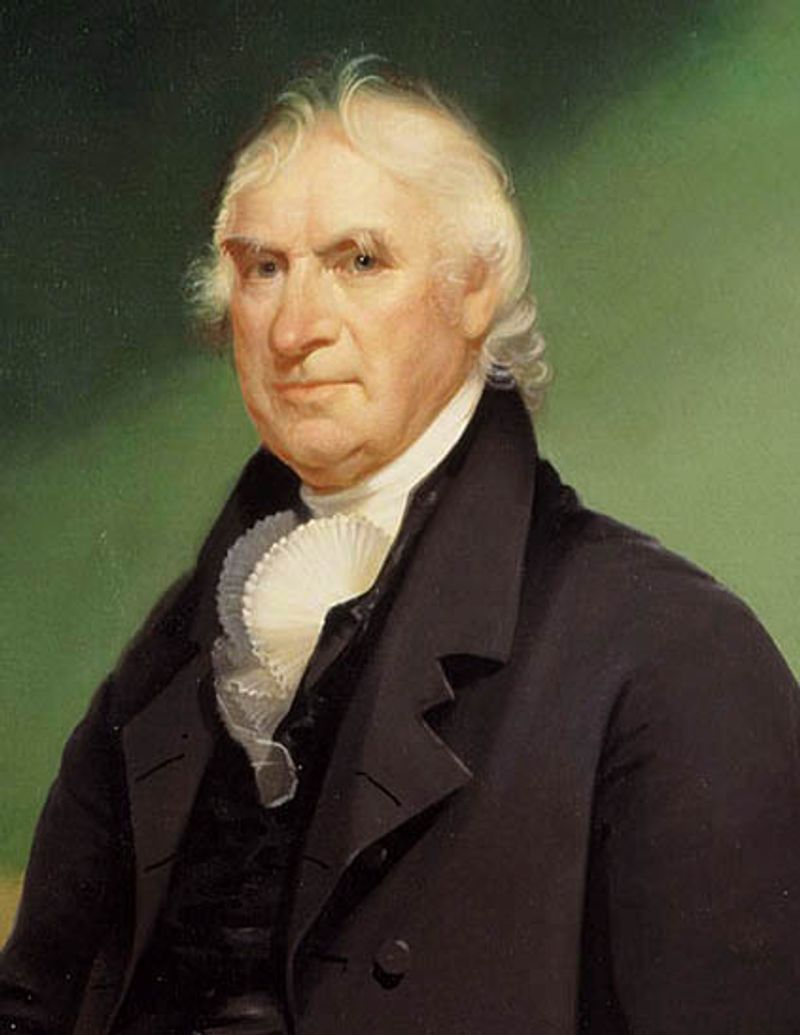
George Clinton held an unusual dual role during the Revolution. He served as governor of New York while also functioning as a brigadier general responsible for defending part of the Hudson River corridor.
That stretch of river was strategically critical because controlling it could split the American states in two.
In October 1777, British forces moved against Forts Clinton and Montgomery while Burgoyne’s army was still fighting farther north during the Saratoga campaign. George and his brother James commanded the American defenders, but the forts were badly undermanned.
A British deception drew some American troops away from the area, and roughly 2,000 British soldiers then attacked the weakened positions. The fighting was intense, but both forts fell with heavy American casualties.
Placing all the blame on George Clinton alone ignores the numerical disadvantage and the British maneuvering that shaped the outcome. The British success also came eleven days before Burgoyne surrendered at Saratoga, arriving too late to change the larger campaign’s result.
Robert Howe and the Loss of Savannah
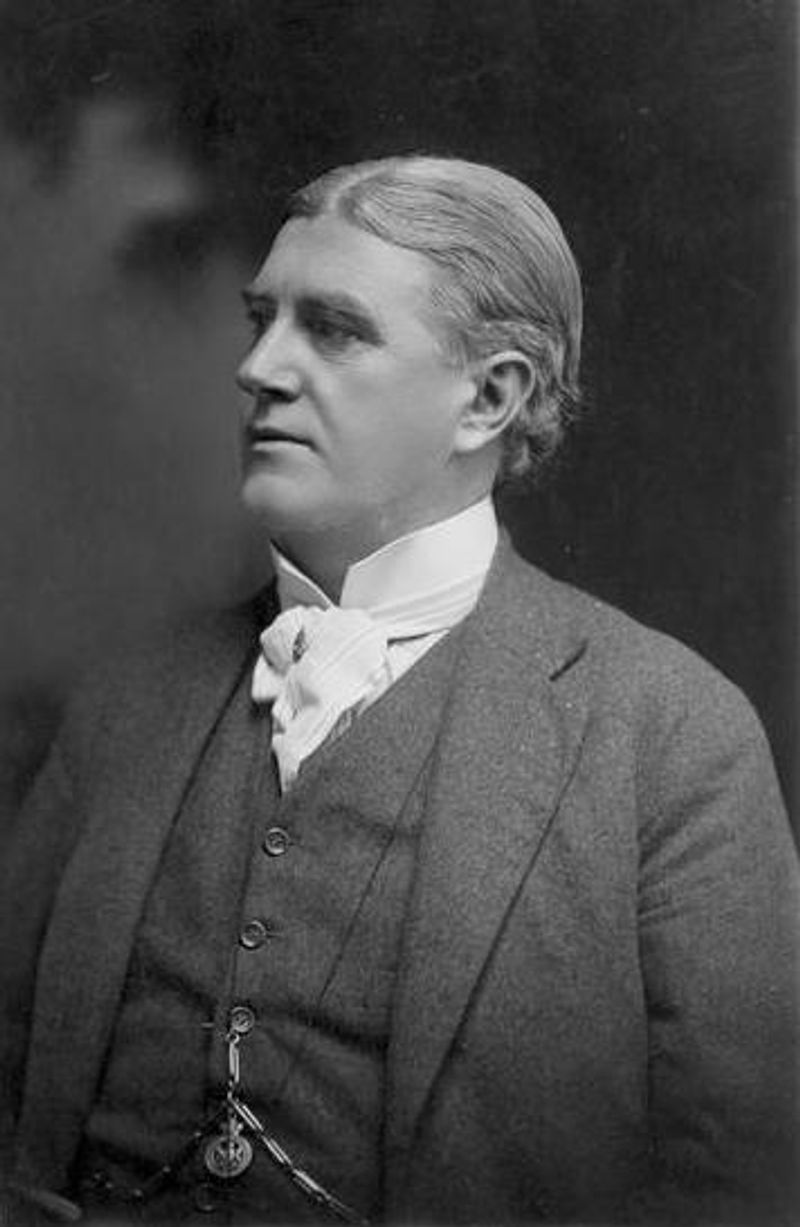
Robert Howe faced a nearly impossible situation when a British expedition arrived at Savannah, Georgia, in December 1778. He had only around 850 troops to defend the city, and British intelligence, despite initially overestimating his strength, quickly found a way to exploit the American defensive setup.
A critical moment came at Girardeau’s Plantation, where Colonel Samuel Elbert had reportedly recommended placing troops to guard a bluff overlooking an important approach. Howe believed the British landing there might be a diversion and did not heavily defend it.
British forces seized the position and then discovered a route through swampy ground that allowed them to threaten the American flank from an unexpected direction.
Howe’s force broke under the resulting pressure, and Savannah fell on December 29, 1778. The loss handed Britain Georgia’s capital and opened the door to the broader Southern strategy that would dominate the next phase of the war.
Benjamin Lincoln arrived shortly after to replace Howe as commander.
Johann de Kalb and the Last Stand at Camden
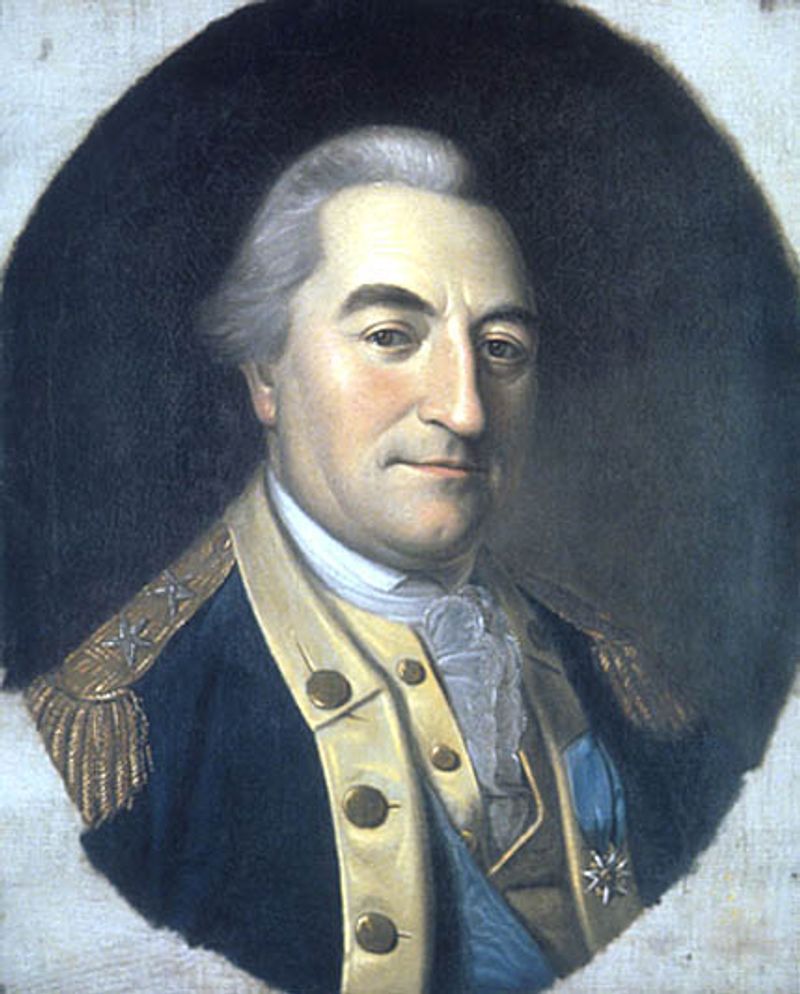
Putting Johann de Kalb on a list of failed Revolutionary generals requires some careful explanation. The German-born professional soldier had years of experience in the French military before joining the American cause and receiving a commission as a Continental major general.
He marched south in 1780 with experienced Maryland and Delaware troops before Horatio Gates arrived to take overall command.
At Camden, it was Gates’s militia-heavy left wing that collapsed first under British pressure. De Kalb’s experienced Continentals on the American right initially held their ground and actually pushed British troops backward.
As the rest of the army disintegrated around them, de Kalb’s men became increasingly surrounded on multiple sides.
De Kalb kept fighting, led a counterattack, and was eventually overwhelmed after suffering numerous gunshot and bayonet wounds. He died three days later.
The surviving record portrays him not as a commander who failed, but as one whose troops fought most effectively during an otherwise catastrophic American defeat at Camden.
Thomas Conway and the Fight Over Washington’s Leadership
Thomas Conway arrived in America carrying real military credentials from his service in the French army, and Congress commissioned him a brigadier general in 1777. His name became permanently attached to one of the Revolution’s most talked-about episodes of internal conflict, a period of political maneuvering that historians call the Conway Cabal.
After a series of American defeats in 1777, Conway wrote critically about Washington’s leadership in a letter to Horatio Gates. Portions of that correspondence eventually reached Washington himself, setting off a chain of tensions among senior officers and members of Congress.
Whether there was ever a real organized effort to remove Washington remains debated among historians.
Conway resigned from the Continental Army in 1778 after Congress accepted his resignation. That July, Washington supporter John Cadwalader seriously wounded him in a duel.
Conway recovered, wrote Washington an apologetic letter, and returned to France, closing one of the most unusual chapters of internal military politics the Revolution produced.
Philip Schuyler and the Fall of Ticonderoga
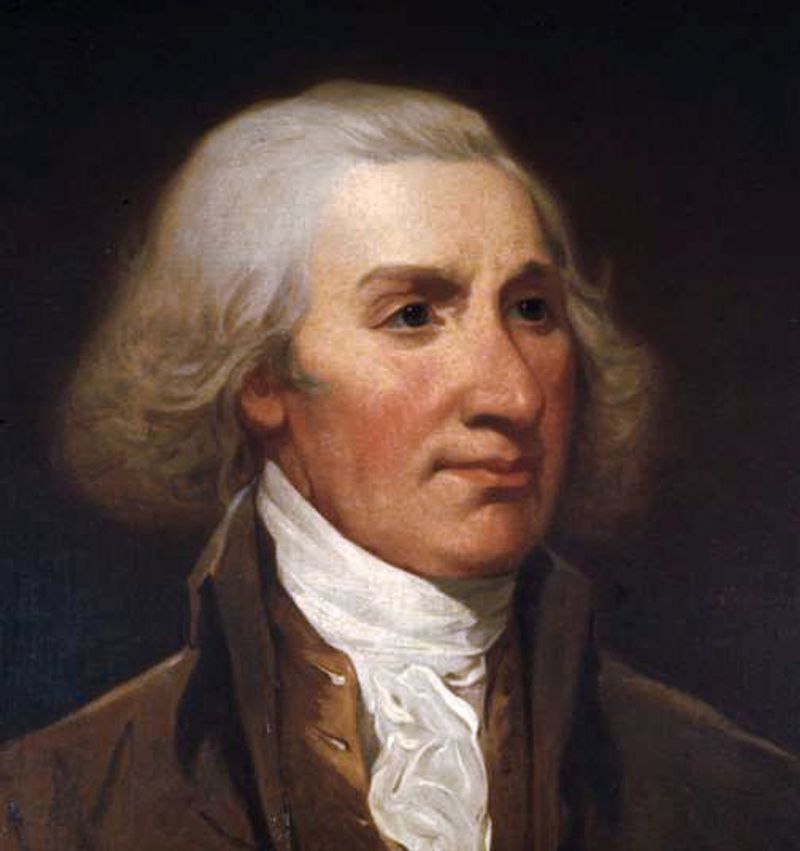
Philip Schuyler commanded the Continental Army’s Northern Department when British General John Burgoyne invaded from Canada in 1777. When Fort Ticonderoga fell during his watch, Schuyler became a political target, and Congress replaced him with Horatio Gates.
On the surface, it looked like a clear case of command failure.
The full record tells a more layered story. After Ticonderoga’s evacuation, Schuyler organized a delaying campaign that included destroying bridges, blocking roads with felled trees, and flooding routes ahead of Burgoyne’s advancing army.
Those measures slowed the British significantly while American forces regrouped and gathered reinforcements. Even after Gates officially replaced him on August 19, Schuyler kept sending supplies and encouraging troops to join the American army.
Gates commanded the force that defeated Burgoyne at Saratoga, and that victory rightly belongs to him. But the National Park Service credits Schuyler’s earlier efforts with helping create the conditions that made the Saratoga victory possible.
His removal felt like punishment for a situation largely beyond his control.
Share this story