The 1970s were anything but boring. From political scandals that shook the White House to space missions that gripped the world, the decade packed in enough drama, creativity, and change to fill several history books.
Music transformed, technology took its first big leap toward everyday life, and major events forced Americans to rethink everything from energy to equality. Whether you lived through it or only heard stories, the moments from this decade still echo loudly today.
Woodstock Festival
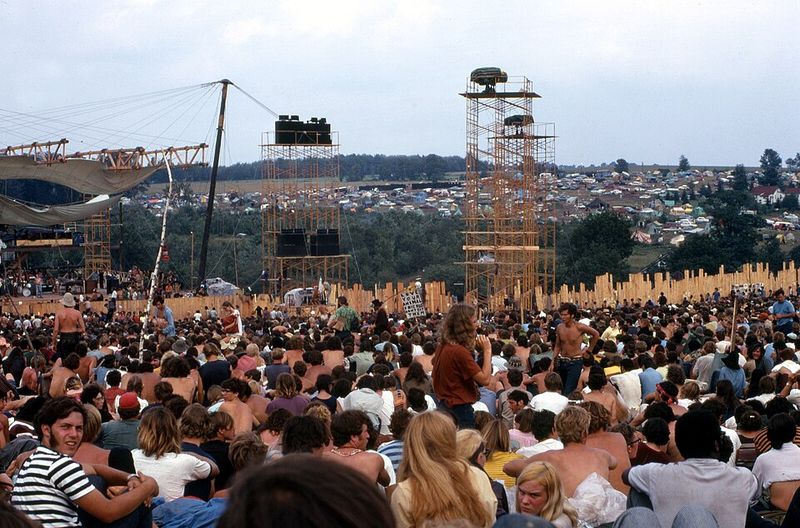
Before the 1970s even officially began, Woodstock had already planted seeds that would grow throughout the entire decade. The Woodstock Music and Art Fair ran from August 15 to 18, 1969, on Max Yasgur’s farm near Bethel, New York, drawing roughly 400,000 people together for music, community, and counterculture expression.
Performers including Jimi Hendrix, Janis Joplin, The Who, Santana, and Joe Cocker took the stage over four days. The event became deeply tied to antiwar sentiment, youth movements, and a generation questioning the rules of society.
Its influence did not fade when the crowd went home. Documentaries, recordings, and fashion kept Woodstock alive throughout the 1970s.
The Smithsonian describes it as an event that left a lasting impression far beyond the farm. For the generation that walked into the new decade carrying that experience, Woodstock was less a concert and more a shared identity.
Apollo 13 Mission
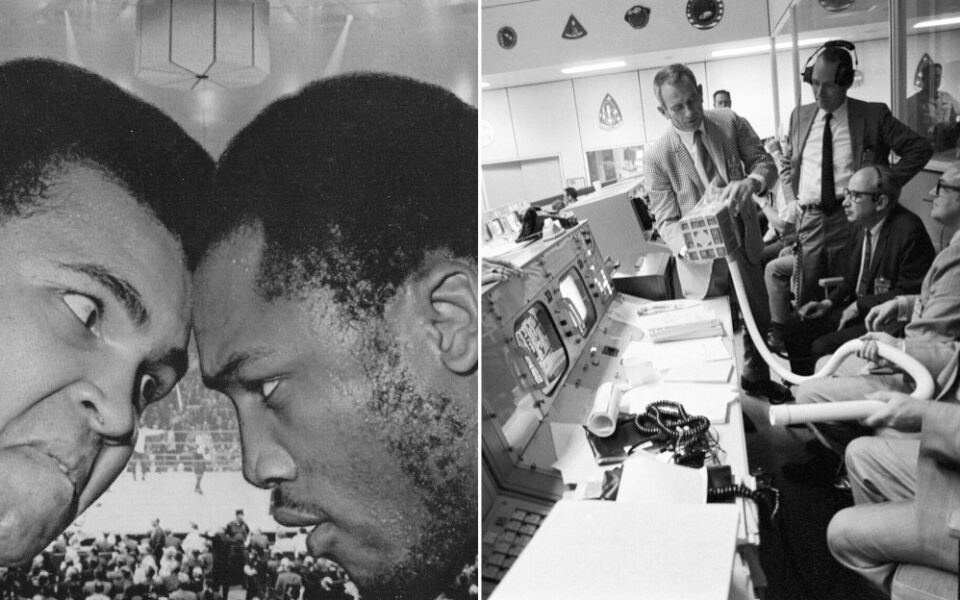
Most space missions are remembered for what went right. Apollo 13 became famous for what went wrong and for how a team of people refused to let that be the end of the story.
The spacecraft launched on April 11, 1970, carrying astronauts Jim Lovell, Jack Swigert, and Fred Haise toward the Moon.
Two days into the journey, an oxygen tank exploded. The planned lunar landing was immediately abandoned.
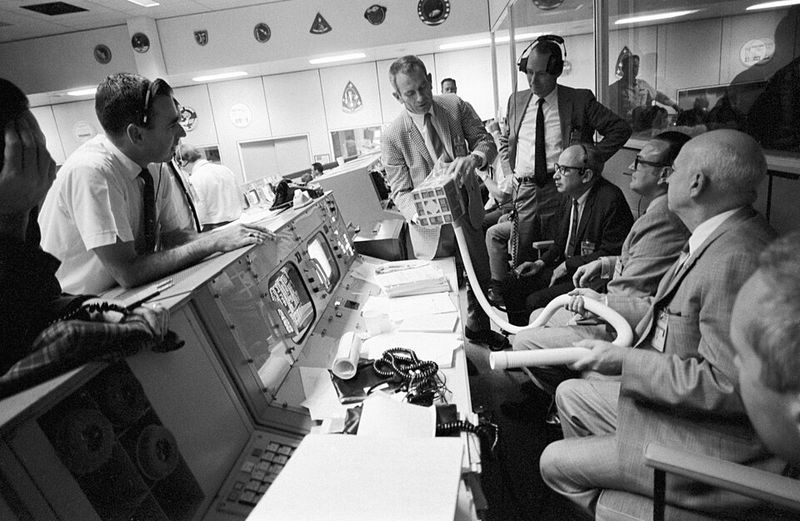
The crew moved into the lunar module Aquarius, using it as a lifeboat while NASA engineers on the ground worked around the clock to find a way to bring them home safely.
Apollo 13 splashed down in the Pacific Ocean on April 17, with all three astronauts alive. NASA later called the mission a “successful failure” because the landing never happened but survival did.
The mission remains one of the most studied examples of real-time problem-solving under extraordinary pressure.
The Godfather Premiere
When The Godfather arrived in theaters in 1972, American cinema shifted in a direction it would not turn back from. Francis Ford Coppola’s adaptation of Mario Puzo’s bestselling novel introduced audiences to the Corleone crime family with a level of complexity and craftsmanship that felt genuinely different from most Hollywood productions of the time.
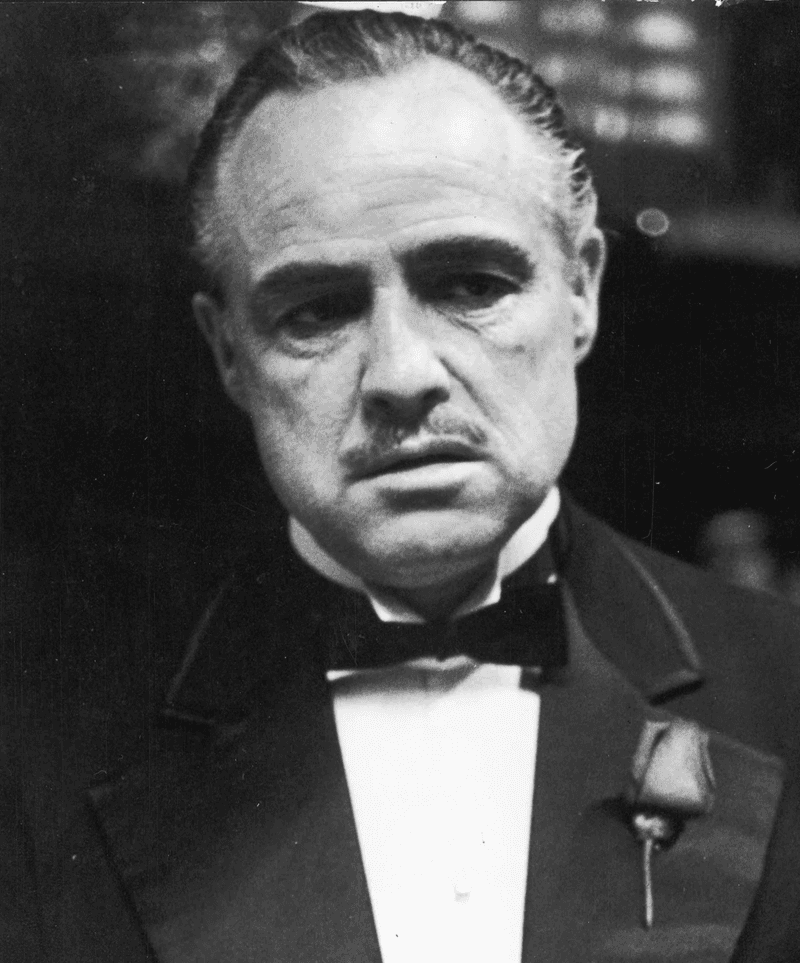
Marlon Brando played Vito Corleone with a quiet, controlled intensity that earned him the Academy Award for Best Actor. Al Pacino played Michael Corleone, a reluctant son slowly drawn deeper into the family’s criminal world.
The film also won Best Picture and the Oscar for adapted screenplay at the 45th Academy Awards.
Its influence on storytelling, cinematography, and character-driven filmmaking shaped much of what came after it throughout the decade. The Library of Congress recognizes The Godfather as a landmark of 1970s American cinema, and its dialogue and characters remain part of popular culture more than fifty years later.
Watergate Scandal
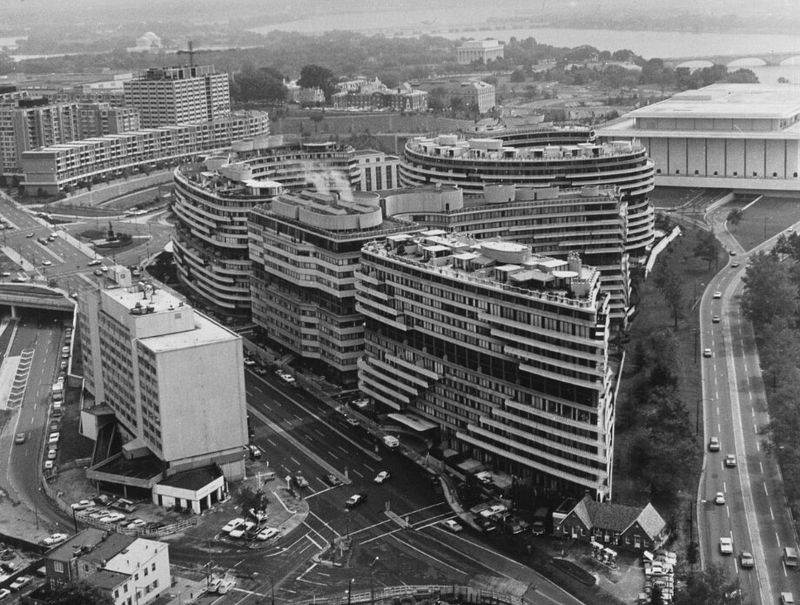
A late-night break-in at a Washington office complex eventually brought down a presidency and permanently changed how Americans talk about political accountability. On June 17, 1972, burglars connected to President Richard Nixon’s reelection operation were caught inside the Democratic National Committee headquarters at the Watergate complex.
Investigations that followed revealed evidence of cover-up attempts reaching into the White House. Senate hearings in 1973 were broadcast nationally, bringing testimony and revelations into living rooms across the country.
In July 1974, the Supreme Court ordered Nixon to hand over White House recordings, and those tapes provided critical evidence tied to the cover-up.
The House Judiciary Committee approved articles of impeachment, and Nixon resigned on August 9, 1974, becoming the first U.S. president to leave office that way. Watergate did not just end a presidency.
It reshaped public trust in government and introduced a level of political skepticism that carried through the rest of the decade and well beyond.
Vietnam War Ends
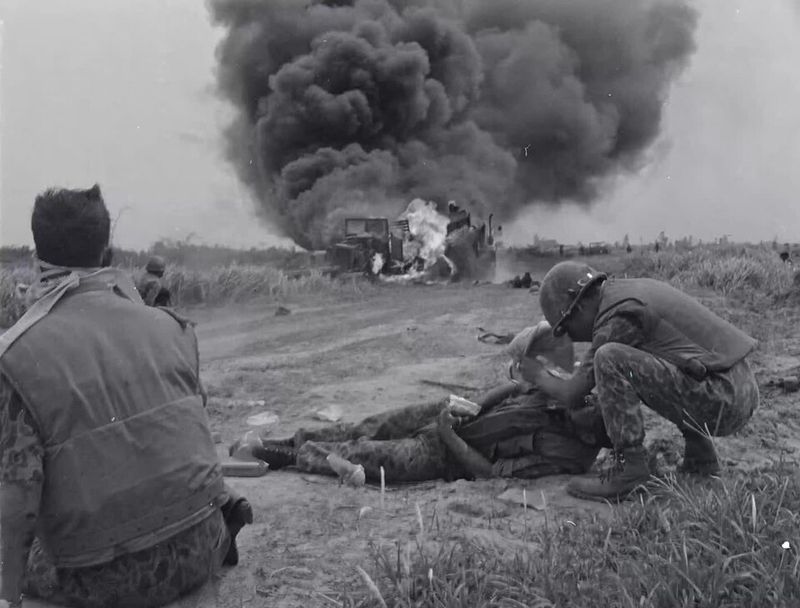
For years, the Vietnam War had been one of the most divisive topics in American public life. By 1975, the chapter was finally closing, though not in the way many had hoped.
The United States had withdrawn most of its forces following the Paris Peace Accords of 1973, but fighting between North and South Vietnam continued without stopping.
In early 1975, North Vietnamese forces launched a major offensive that moved rapidly through the South. On April 30, 1975, North Vietnamese troops entered Saigon and took control of the presidential palace, ending the war.
Images of the evacuation of Americans and Vietnamese from the city became some of the most widely recognized photographs of the entire era.
The conflict left deep consequences for Vietnam, neighboring countries, veterans, refugees, and American foreign policy. For a generation that had watched the war on television from childhood, its conclusion marked the end of a long, painful, and deeply divisive period in national history.
Earth Day Inception
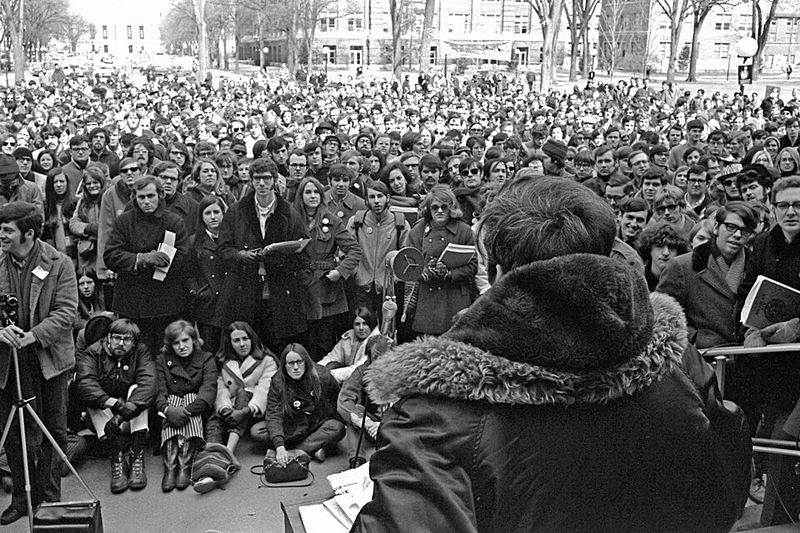
April 22, 1970, was not a typical Wednesday. Approximately 20 million Americans participated in events focused on pollution, conservation, and environmental protection, according to the U.S.
Environmental Protection Agency. Senator Gaylord Nelson helped create Earth Day as a nationwide demonstration, and the response exceeded nearly every expectation.
Students, activists, families, workers, and community organizations joined rallies and educational programs around the country. The event arrived at a moment when public concern about smog, polluted rivers, pesticides, and industrial waste was already building toward a breaking point.
Earth Day’s impact moved quickly beyond a single day of demonstrations. Later in 1970, the federal government established the Environmental Protection Agency, a direct institutional response to the growing environmental movement.
Earth Day eventually expanded into an annual international event observed in countries around the world. Its origins, though, remain tied to the environmental activism that helped define the opening years of the 1970s and set a new standard for citizen engagement on conservation issues.
The Rise of Disco
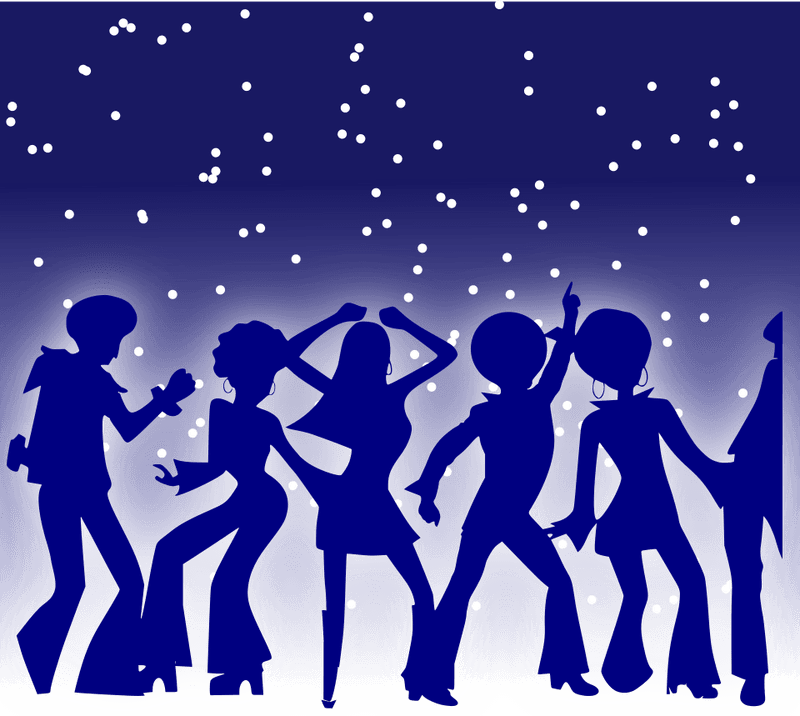
Disco did not appear out of nowhere. Its roots developed in clubs during the late 1960s and early 1970s, particularly within Black, Latino, and LGBTQ+ communities, where music made for dancing created a culture of its own before the rest of the country caught on.
By the middle of the decade, disco had gone fully mainstream. The driving rhythms, orchestral arrangements, and soul influences filled nightclubs while fashion followed with glitter, platform shoes, and flowing outfits that matched the music’s energy.
The 1977 film Saturday Night Fever pushed the culture even further into public view.
Performers including the Bee Gees, Donna Summer, Chic, and the Village People became defining voices of the era. Disco’s commercial peak eventually passed, but its influence did not disappear.
House music, dance-pop, and electronic music all carry threads that trace back directly to what was happening on those dance floors during the second half of the 1970s.
Star Wars Release
George Lucas’s Star Wars opened on May 25, 1977, in just 32 American theaters. Within weeks, it was playing everywhere, and the conversation around big-screen entertainment had changed in ways the film industry was still measuring years later.
Few movies have moved from limited release to cultural phenomenon quite so fast.
Audiences met Luke Skywalker, Princess Leia, Han Solo, Darth Vader, and a galaxy filled with droids, spaceships, lightsabers, and strange planets. The combination of science fiction, fantasy, and adventure worked alongside groundbreaking visual effects and a memorable score by John Williams.
Star Wars also proved something important beyond the movie itself. Its commercial success with merchandise, sequels, and an interconnected fictional universe showed Hollywood what a franchise could look like.
For many children and teenagers growing up during the late 1970s, seeing it for the first time became one of those pop-culture memories that stayed with them for the rest of their lives.
Battle of the Sexes
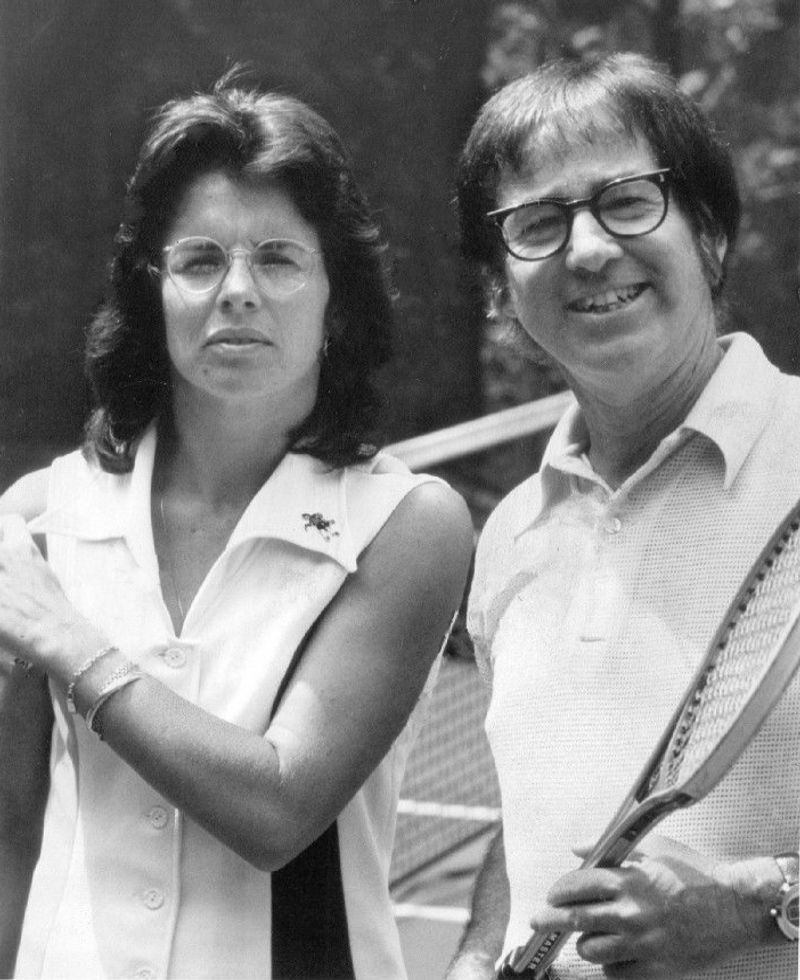
Bobby Riggs publicly claimed that women’s tennis could not compete with men’s tennis. Billie Jean King decided to answer that claim on the court.
On September 20, 1973, the two met at the Houston Astrodome in a match that drew an estimated 90 million viewers worldwide, making it one of the most-watched tennis events in history up to that point.
King won in straight sets, 6-4, 6-3, 6-3. The result was clear and decisive.
But the match meant more than a scoreline because it arrived during a national conversation about women’s rights, equal pay, and recognition for female athletes.
Title IX had been enacted the previous year, opening new doors for women in sports and education. King’s victory brought discussions about gender equality into millions of living rooms in a format that was impossible to ignore.
The Battle of the Sexes was a sporting event that functioned equally well as a cultural statement, and its significance has only grown with time.
The Bicentennial Celebration
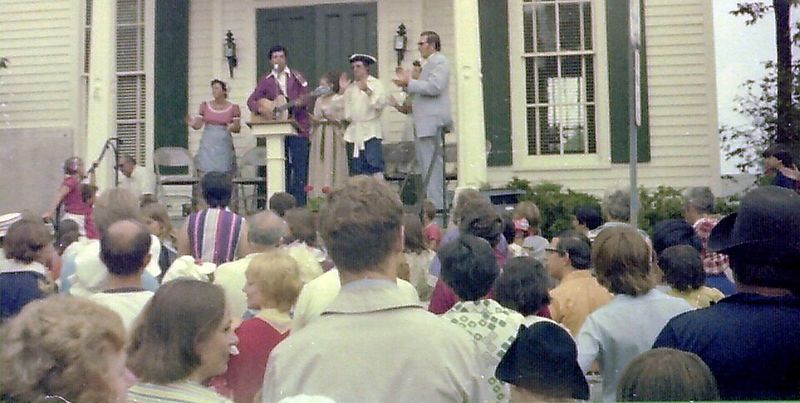
America turned 200 years old in 1976, and the country celebrated in a way that made the whole decade feel like it was building toward that single date. July 4, 1976, marked 200 years since the adoption of the Declaration of Independence, and Bicentennial events had been building for years in advance.
Cities and towns held parades, festivals, historical exhibitions, concerts, and patriotic gatherings. Red, white, and blue Bicentennial logos appeared on souvenirs, public buildings, and household products throughout the year.
Washington, D.C., became a major center of activity, with the Smithsonian organizing a twelve-week Festival of American Folklife.
The new National Air and Space Museum opened on the National Mall on July 1, just days before Independence Day, giving visitors a fresh landmark to mark the occasion. The Bicentennial mixed celebration with reflection on American history, making 1976 one of the most visually distinctive and culturally layered years of an already eventful decade.
Apple Computer Launch
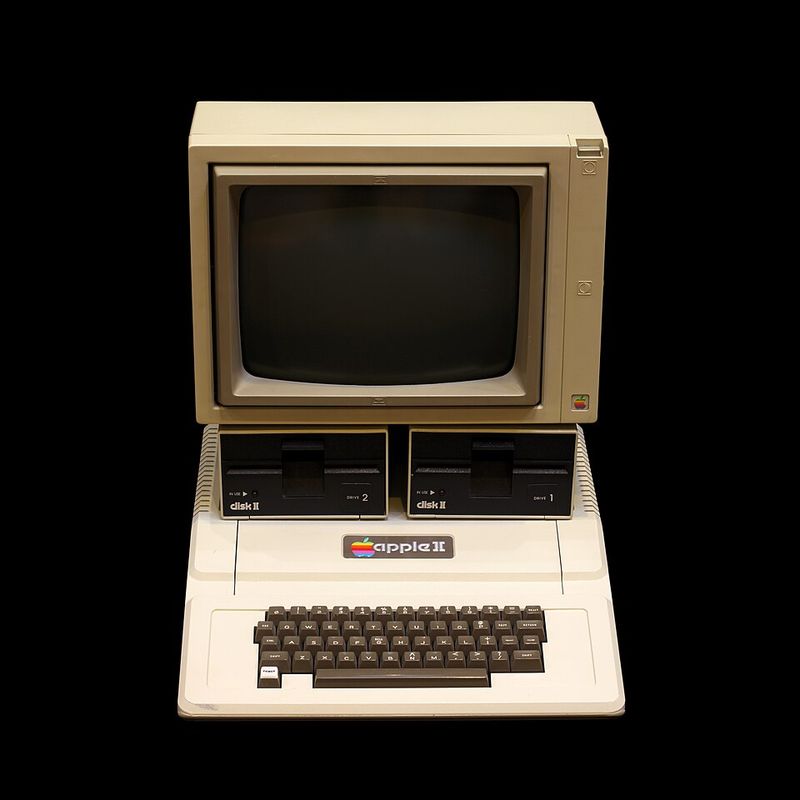
Long before anyone carried a smartphone, computing was considered the business of governments, universities, and large corporations. Apple Computer Company changed that assumption, starting with a garage and a circuit board.
Founded on April 1, 1976, by Steve Jobs, Steve Wozniak, and Ronald Wayne, the company began with a product called the Apple I.
Wozniak designed the hardware while Jobs focused on getting it in front of buyers. An order for 50 assembled computers from California retailer The Byte Shop turned the project into an actual business.
Roughly 200 Apple I boards were eventually sold, a modest start by any measure.
The Apple II arrived in 1977 and reached a much broader consumer audience, helping demonstrate that personal computers could become everyday devices for regular people. The company’s early years captured one of the decade’s most important technological shifts: computing was beginning to move out of specialized institutions and into the hands of individual users for the first time.
Muhammad Ali vs. Joe Frazier
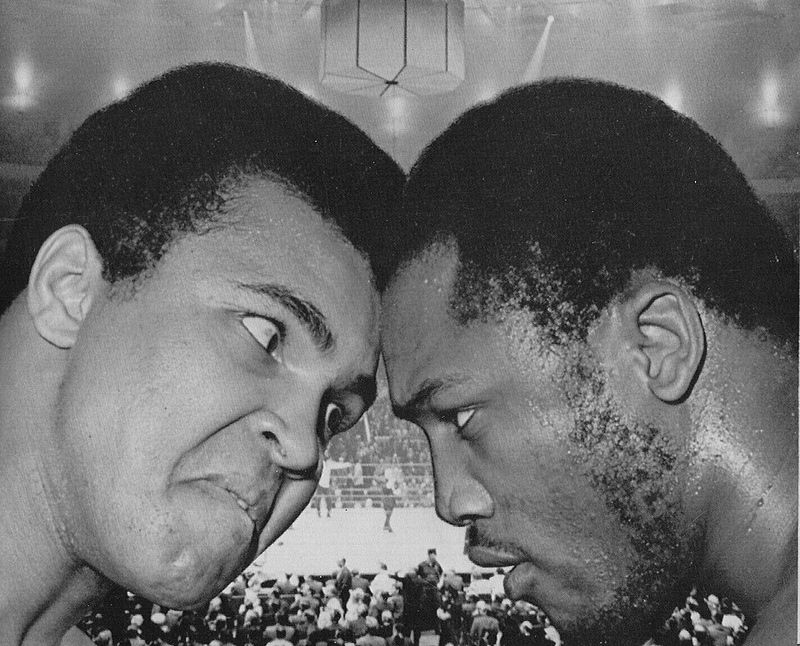
Two undefeated heavyweight champions had never faced each other before March 8, 1971. That fact alone made the matchup historic.
Muhammad Ali and Joe Frazier met at Madison Square Garden in what was immediately labeled the “Fight of the Century,” and the buildup to the bout matched that billing in almost every way.
Ali was returning to boxing after losing several prime years of his career following his refusal to enter the U.S. military during the Vietnam War. Frazier had established himself as heavyweight champion during Ali’s absence.
Their styles and personalities contrasted sharply, which added another layer to an already charged contest.
The fight went the full 15 rounds. Frazier won by unanimous decision, handing Ali his first professional defeat.
Their rivalry continued through two more fights, eventually forming one of boxing’s most celebrated trilogies. The Library of Congress notes the 1971 bout as the first meeting of two undefeated heavyweight champions, explaining why it drew such extraordinary worldwide attention.
Share this story