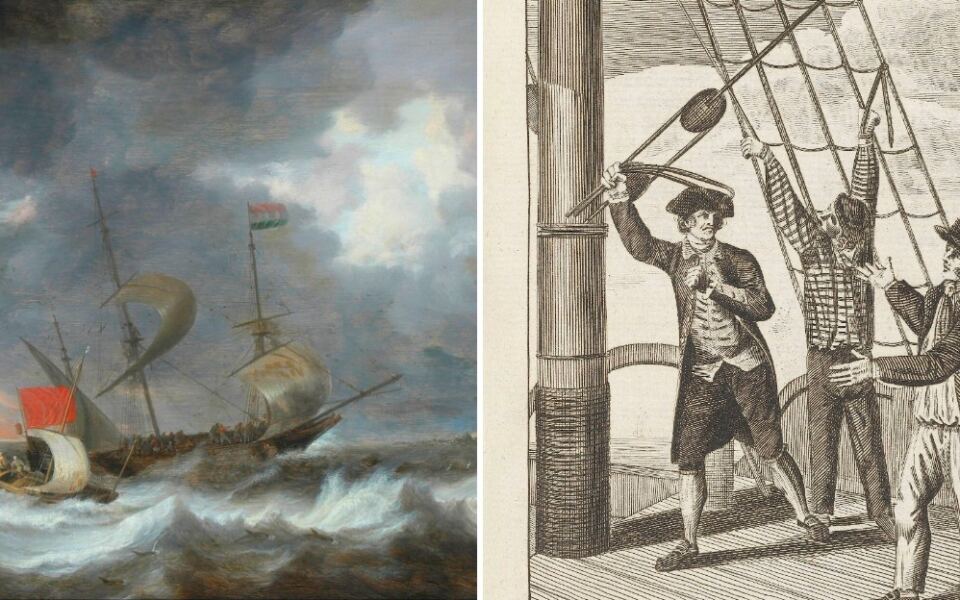
The great voyages of the 15th through 17th centuries reshaped the map of the world, but the glory almost always went to the captains and the monarchs who funded them. For the ordinary sailors doing the actual work, life at sea was a grinding, dangerous, and often thankless experience.
Wooden ships, unknown oceans, and no reliable medicine made every voyage a serious gamble. If you have ever wondered what it was really like to be one of the faceless crew members aboard a ship heading toward an unmarked horizon, the answers are far more sobering than any painting of billowing sails suggests.
From contaminated water and infested food to brutal discipline and near-impossible odds of survival, the realities of Age of Exploration seafaring deserve a closer look. What follows covers the hardships that history books tend to skip past quickly.
1. Fresh Water Could Become Nearly Undrinkable
Water stored in oak casks for months at sea did not stay pleasant for long. Heat, imperfect sealing, and the natural properties of wood combined to turn drinking water stale, discolored, and foul-tasting well before a voyage ended.
Sailors typically received a rationed supply, often around half a gallon per day, which had to cover drinking and basic hygiene. When the water turned bad, crews sometimes added beer or wine to mask the unpleasantness, though those supplies were also limited and carefully managed.
Stopping at known freshwater sources along a route was not optional. It was a survival requirement that shaped entire voyage plans.
Captains who miscalculated distances or encountered unexpected delays found their crews facing dangerous dehydration long before the next reliable landfall appeared on their charts.
2. Food Became Increasingly Miserable
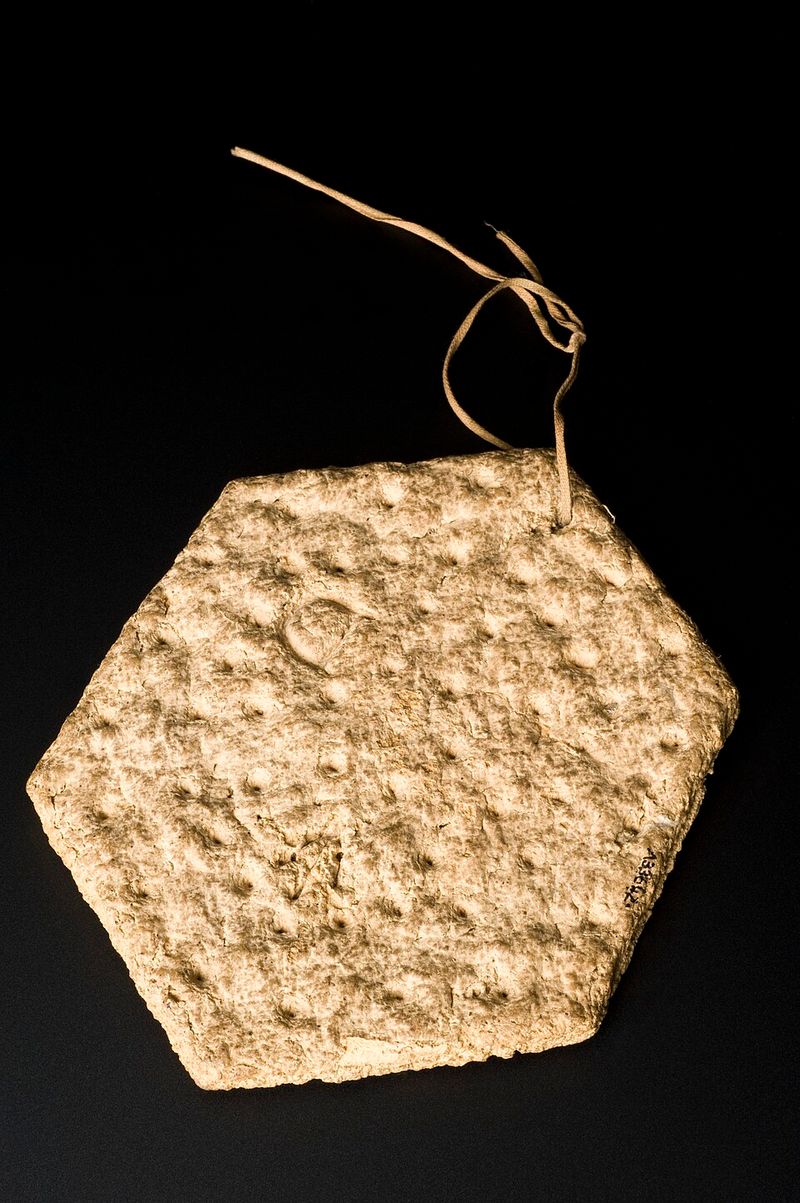
Nobody signed up for a voyage expecting gourmet meals, but the reality of long-distance provisioning was worse than most sailors probably anticipated. Hardtack, salted meat, dried fish, and legumes formed the core of the diet because they could survive months without refrigeration.
Fresh produce was gone within days of leaving port. Hardtack regularly became infested with weevils, and meat could turn well before the voyage ended.
During Magellan’s Pacific crossing in the early 1520s, crew members reportedly consumed sawdust and leather scraps after the actual food ran out.
Resupply stops at places like the Canary Islands or Cape Verde Islands were planned carefully for this reason. An unexpected delay of even a few weeks could push an already monotonous diet into outright crisis, with no practical way to fix the problem in the middle of open water.
3. Scurvy Could Slowly Destroy a Crew
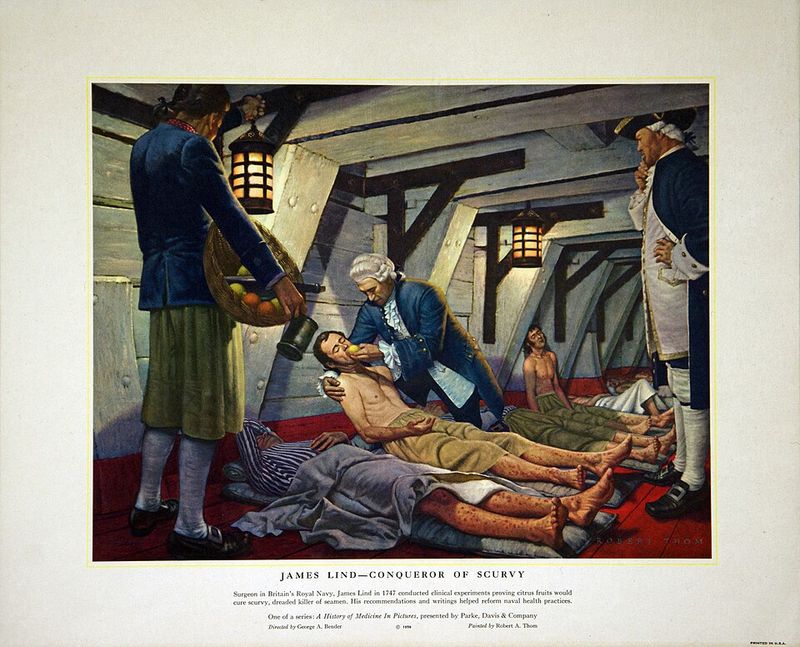
Scurvy was not a dramatic, fast-moving disease. It crept in slowly over weeks, turning healthy men into weakened, aching crew members whose gums bled and whose old injuries reopened without warning.
The cause, a deficiency of vitamin C from lack of fresh produce, was not understood scientifically until James Lind’s research in the mid-18th century. That meant sailors during the Age of Exploration kept encountering the same preventable condition voyage after voyage, with no framework to explain why it kept happening.
Vasco da Gama’s late 1490s voyage around Africa to India and Magellan’s Pacific crossing both suffered severe losses linked to scurvy. The cruel irony was that citrus fruits or fresh greens could have prevented it entirely.
The knowledge existed in fragments but was never systematically applied during the main era of exploration.
4. Disease Could Kill More Efficiently Than a Storm
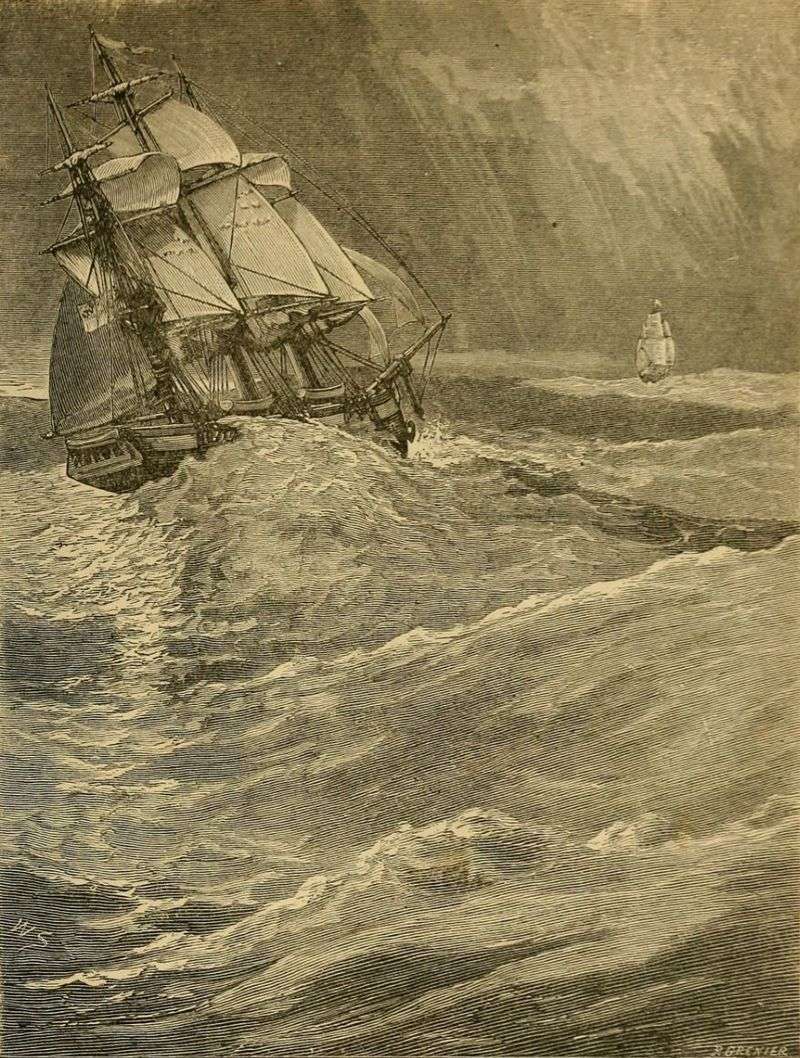
Dramatic shipwrecks make for memorable stories, but disease was the more consistent threat on Age of Exploration voyages. Cramped quarters, limited sanitation, poor nutrition, and months without proper medical care created conditions where illness moved through a crew with alarming speed.
Dysentery was particularly dangerous because the dehydration it caused could incapacitate sailors who were already running low on water and proper food. Malaria and yellow fever presented additional risks whenever ships stopped in tropical regions, and neither disease was understood in terms of transmission at the time.
A ship did not need to sink to become a disaster. Vessels sometimes arrived at their destinations with only a fraction of their original crew still functional.
The mortality statistics from major voyages of this era consistently show disease accounting for far more casualties than storms, navigation errors, or combat combined.
5. Rats and Insects Shared the Voyage
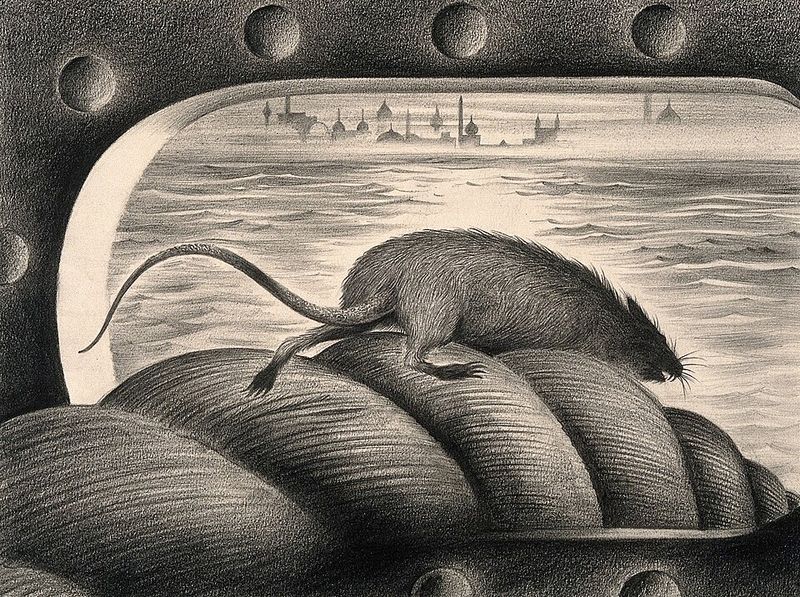
Wooden ships loaded with provisions were ideal environments for rats and insects, and neither was shy about making themselves at home. Weevils infested hardtack and grain stores almost as a matter of routine, while rats established themselves in the cargo hold and worked steadily through whatever food they could reach.
This was more than a nuisance. Contaminated or damaged provisions could not be replaced in the middle of an ocean, so every biscuit a rat consumed was one less available to a hungry sailor.
The presence of vermin also worsened conditions that were already unsanitary in every other respect.
Ships also carried live animals, including chickens, pigs, and goats, for fresh meat during the voyage. Combined with the pests, the cargo, and dozens of men in close quarters, the ship’s interior was a crowded, chaotic place where cleanliness was more aspiration than reality.
6. Privacy Barely Existed
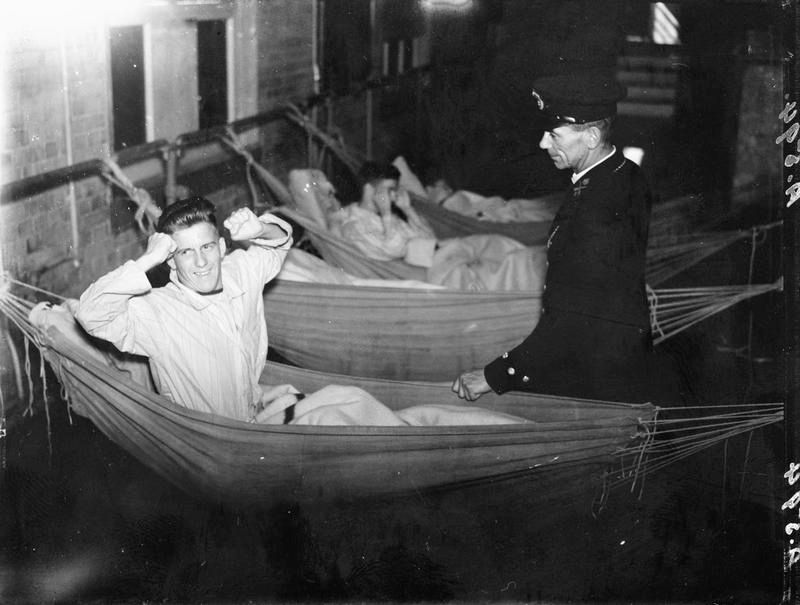
Rank determined almost everything aboard an exploration vessel, including how much space a person occupied. Officers had cabins.
Ordinary sailors had hammocks packed into shared spaces where dozens of men worked, slept, ate, argued, and recovered from illness within the same wooden walls.
Personal possessions had to fit into whatever small area each man was allotted, and that area was not generous. There was no quiet corner to retreat to, no way to step outside for air without being surrounded by crewmates, and no communication with anyone beyond the ship itself.
The psychological weight of that confinement is easy to underestimate. Months of enforced proximity with the same group of people, under stressful conditions, with no certainty about when the voyage would end, created a social pressure that no amount of sea air could fully relieve.
Mental endurance was as important as physical fitness.
7. The Work Could Maim or Kill You
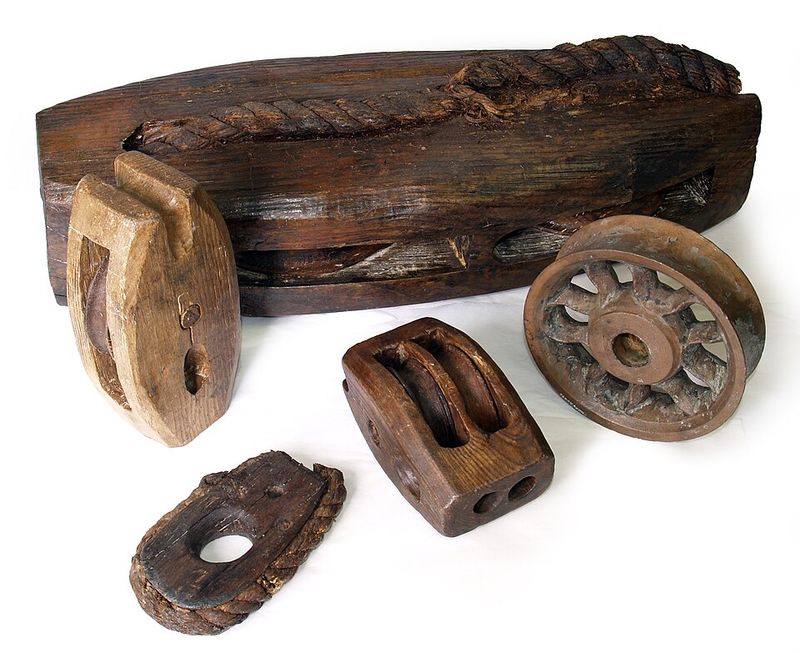
Operating a large wooden sailing ship was physically demanding work that never really stopped. Sails had to be raised, lowered, adjusted, and repaired.
Heavy ropes and anchors required constant handling. When something broke, fixing it was urgent and could not wait for calmer conditions.
A significant portion of this labor happened above the deck in the rigging, where a fall meant landing on hard wood or going into the water. Rough seas turned routine tasks into serious hazards, and bad weather could make the rigging almost impossible to navigate safely.
There were no safety harnesses, no organized rescue services, and no emergency medical facilities waiting nearby. An injury that a modern worker might recover from in a hospital could become fatal at sea, where infection set in quickly and treatment options were extremely limited.
The daily work itself was enough to end careers and lives.
8. Falling Overboard Could Be a Death Sentence
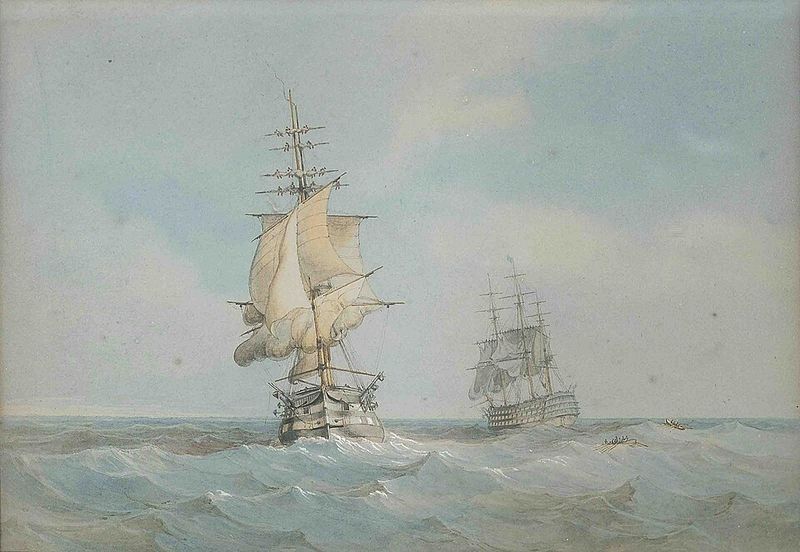
Going overboard during the Age of Exploration was almost always fatal. A large sailing vessel could not stop quickly, and turning one around depended on wind conditions, sea state, and whether anyone had actually witnessed the fall in the first place.
Locating a person in rough water was extremely difficult even in daylight. Cold ocean temperatures could cause incapacitation faster than most people expected, and even strong swimmers had little realistic chance of staying afloat long enough for a ship to maneuver back to their position.
At night, the situation became essentially hopeless. Without lights or any means of communication, a sailor separated from the ship in darkness had almost no chance of being found.
The open ocean provided no landmarks, no shelter, and no help. Going overboard illustrated, in the starkest possible terms, how completely alone a person could become within seconds at sea.
9. Storms Could Tear a Ship Apart
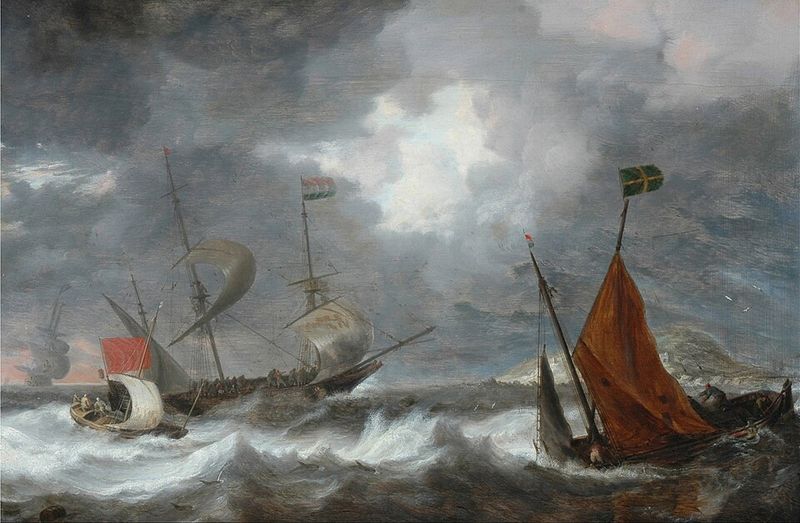
Wind made exploration possible, but too much of it could destroy everything a crew had worked toward. Captains during the Age of Exploration had no satellite forecasts or weather services.
They read the sky, tracked atmospheric changes, and relied on experience to anticipate what was coming.
When a major storm arrived without sufficient warning, the damage could be severe. Sails shredded, masts snapped, steering became unreliable, and the vessel could be pushed toward coastlines or reefs with little ability to correct course.
Crew members were sent into the rigging during these conditions to reduce sail, working high above a violently rolling deck.
Leaks required constant pumping. Cargo shifts could destabilize the ship further.
A wooden vessel that foundered far from land offered almost no survival options for those aboard. The ocean that enabled the great voyages of this era could also end them within hours.
10. Discipline Could Be Brutal
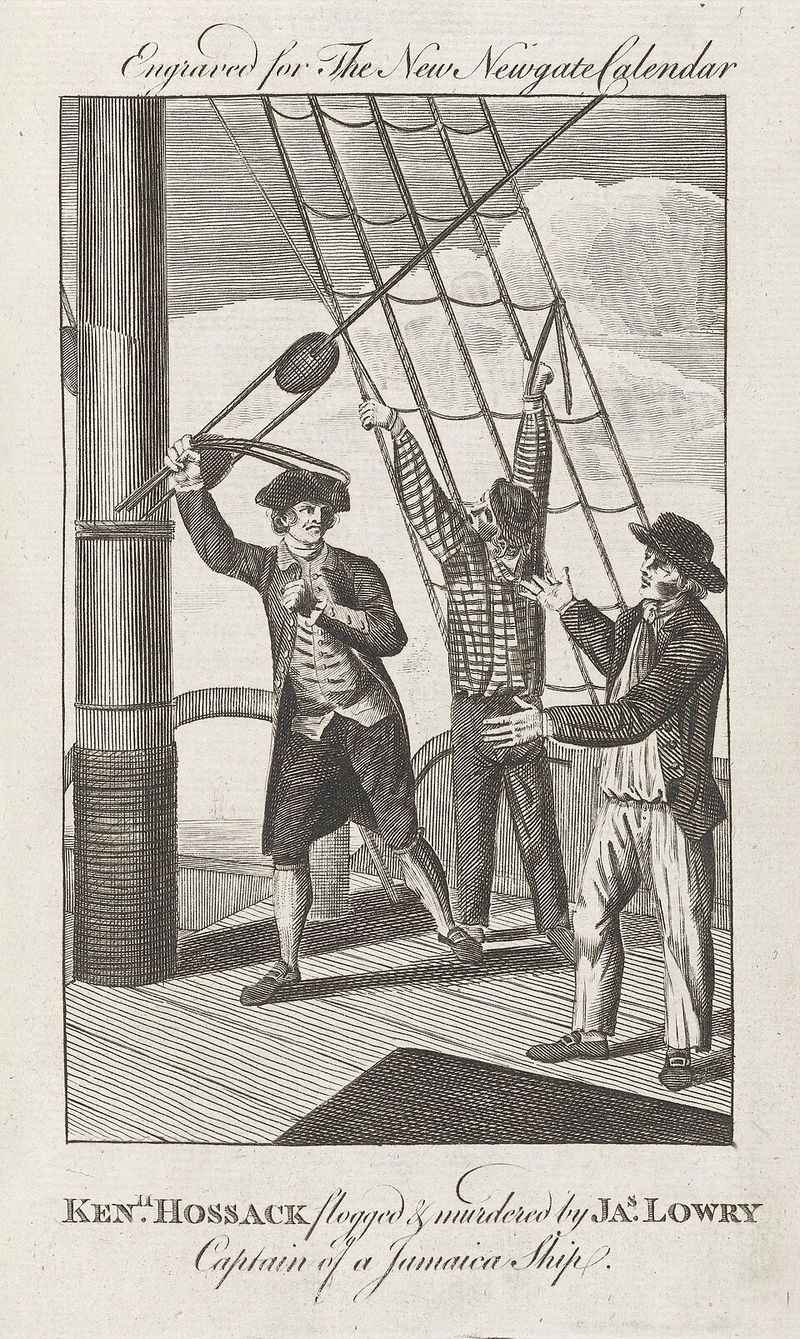
Authority aboard a sailing ship was not a suggestion. Captains needed crews to follow orders without hesitation, particularly in emergencies where a delayed response could endanger everyone.
The hierarchy was rigid, and challenging it carried serious consequences.
Punishments varied by country, period, and the nature of the offense, but physical penalties including flogging were common across many maritime traditions of the era. Reduced rations, confinement, and public humiliation were also used.
Mutiny was treated as one of the gravest possible offenses and could result in execution.
A sailor who found himself under a harsh or arbitrary captain had almost no recourse once the ship left port. There was no labor board to appeal to, no way to transfer off the vessel, and no outside authority within reach.
The captain’s word was the law of the ship, and that law could be applied with very little oversight or accountability.
11. Medical Treatment Was Extremely Limited
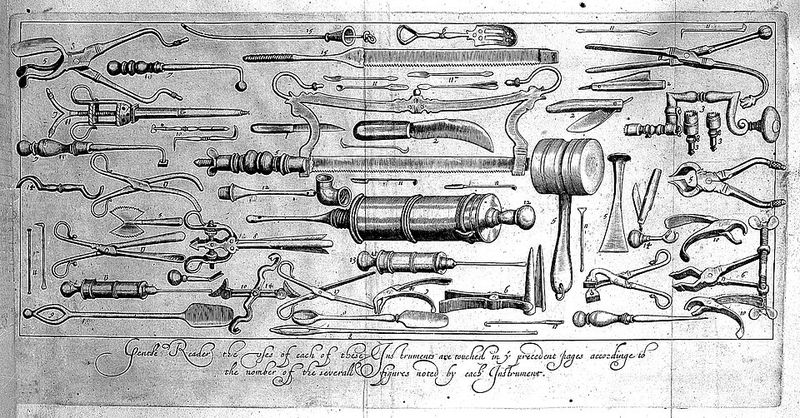
Getting seriously hurt at sea during the Age of Exploration meant facing a medical system that had almost none of the tools or knowledge that define modern care. Germ theory was centuries away.
Antisepsis was not practiced. The understanding of how infection worked was essentially nonexistent.
Some expeditions carried trained surgeons, but many vessels had only crew members with basic or informal medical knowledge. Surgical procedures were performed without anesthesia.
Recovery happened in the same crowded, unsanitary space where the injury or illness began, which made complications common.
A wound that would be treated with antibiotics and professional care today could become life-threatening within days at sea. For sailors, staying physically intact was not just a preference but a practical necessity.
The gap between what their bodies needed and what anyone aboard could actually provide was enormous, and that gap claimed many lives that might otherwise have been saved.
12. Navigation Still Contained Enormous Uncertainty
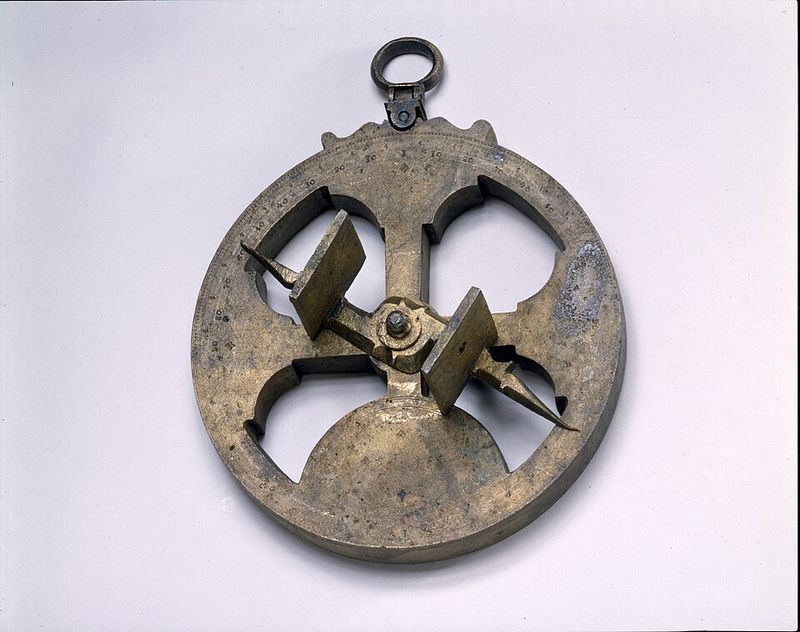
Crossing an ocean in the 15th or 16th century without GPS, radio, or accurate charts required skill, experience, and a considerable tolerance for uncertainty. Navigators could estimate latitude reasonably well using astrolabes and celestial observations, but longitude was a different problem entirely.
Reliable longitude determination at sea required precise marine chronometers, which were not developed until the late 18th century. That gap meant navigators often knew their north-south position with reasonable confidence while their east-west position remained a calculated guess that could be significantly wrong over long distances.
Maps of newly explored coastlines were frequently incomplete or inaccurate, missing reefs, shoals, and currents that could destroy a ship without warning. A small error repeated over weeks of sailing could compound into a very large one.
Skilled navigators still made mistakes, and the consequences of those mistakes in unfamiliar waters could be severe and immediate.
13. Months Could Pass Without Seeing Land
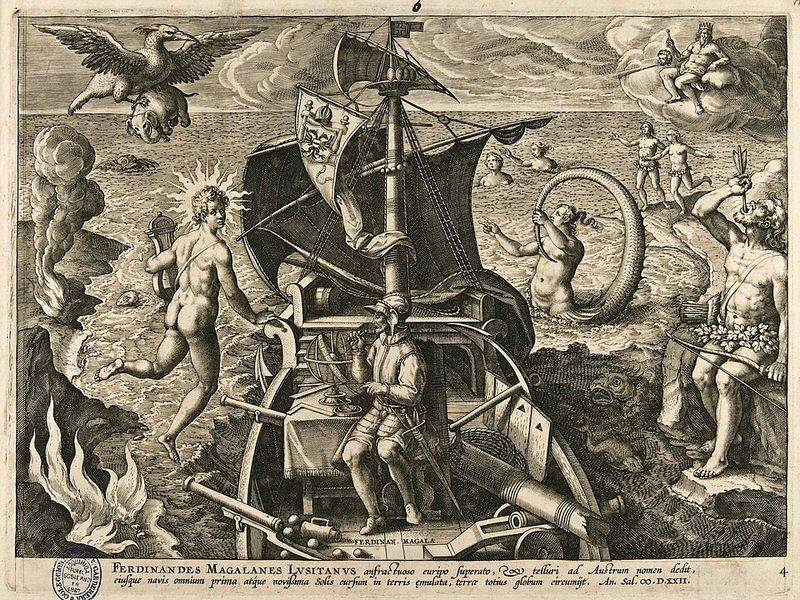
The psychological dimension of long ocean crossings is one of the most underappreciated hardships of the Age of Exploration. There were no radios, no letters, no messages of any kind once a ship cleared the horizon.
Families had no reliable way to know if their relatives were alive, and sailors had the same uncertainty about everyone they had left behind.
Magellan’s Pacific crossing in the early 1520s illustrated just how vast that emptiness could be. The expedition spent months crossing an ocean far larger than anyone aboard had anticipated, with nothing but open water visible day after day and no certainty about when land would appear.
That kind of prolonged isolation, combined with physical hardship and an unpredictable timeline, created a mental burden that no amount of preparation could fully address. The ocean was not just a physical obstacle.
For many sailors, it was also a psychological one that grew heavier with every week that passed without a coastline in sight.
14. A Voyage Could Last Far Longer Than Promised
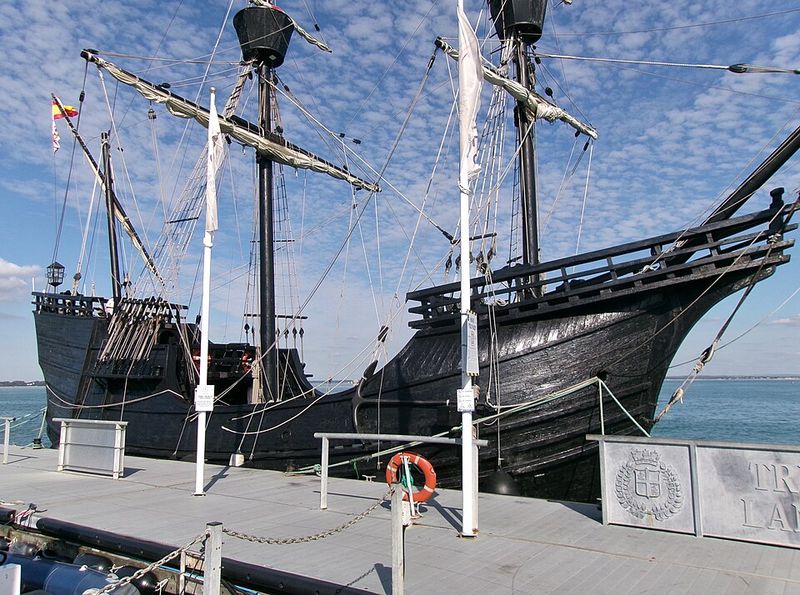
Voyage timelines during the Age of Exploration were estimates built on incomplete information. When ships entered poorly charted waters, the margin for error grew dramatically.
Winds could disappear for weeks, leaving a vessel motionless on flat water while provisions steadily decreased.
Storms pushed ships off course and forced detours that added significant time and distance. Repairs consumed days or weeks.
Searching for fresh water and food at unfamiliar stops created additional delays that no itinerary had accounted for.
Every unexpected week meant more food consumed, more water used, and more exposure to disease and exhaustion. Magellan’s expedition, which departed Spain in 1519, did not see its sole surviving ship return until 1522 under Juan Sebastian Elcano.
Three years had passed. The world those survivors returned to had continued without them, and many of the people they had left behind had simply moved on, unsure whether anyone was ever coming back.
15. You Might Never Come Home
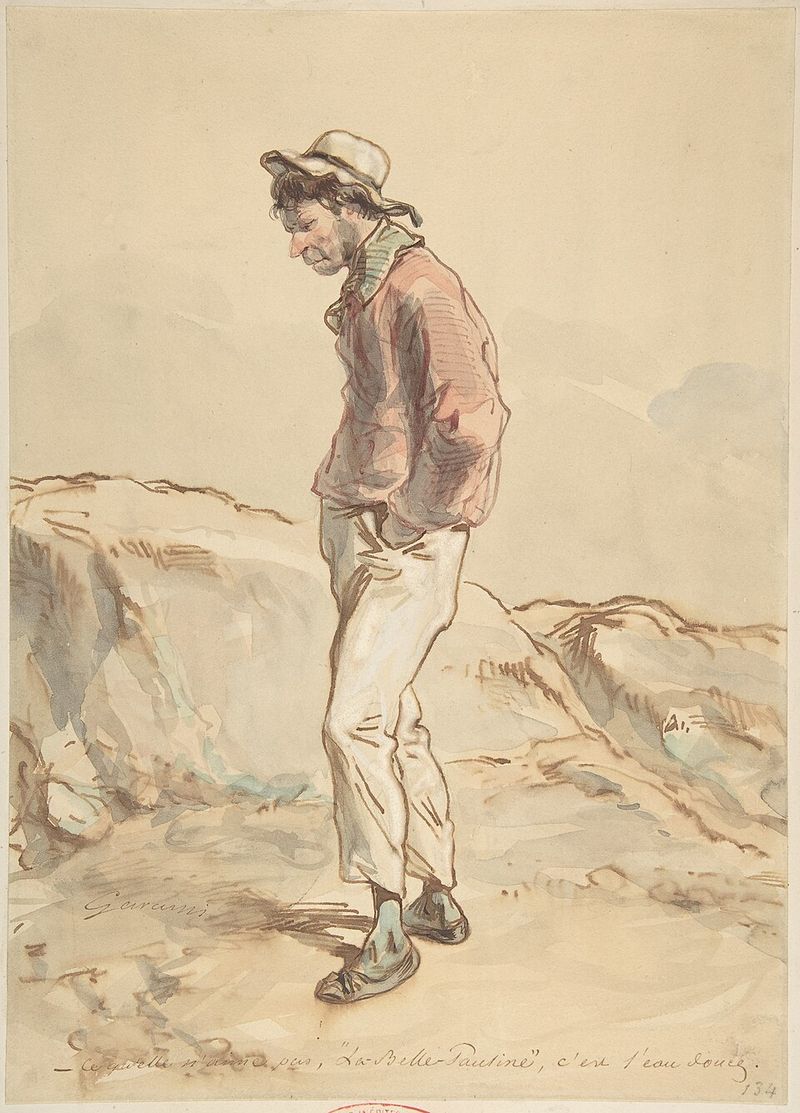
Every other hardship on this list existed beneath a larger, quieter one: the real possibility that the voyage would not end with a return trip. Mortality rates on major Age of Exploration expeditions were often staggering, with disease, accidents, combat, and shipwreck all contributing to crews that shrank steadily over time.
Ferdinand Magellan himself never finished the voyage that carries his name. He was killed in the Philippines in 1521.
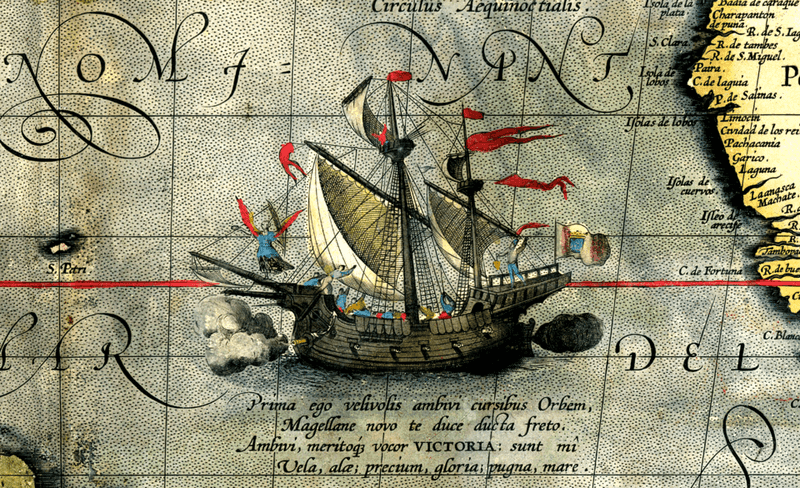
His fleet had departed Spain in 1519 with roughly 270 men across five ships. When the Victoria returned to Spain in September 1522, only 18 men completed that circumnavigation on that vessel.
Those numbers tell a story that heroic paintings consistently leave out. For the ordinary sailor, joining an exploration voyage meant accepting a genuine possibility of never seeing home again.
The coastline disappearing behind a departing ship was not just a backdrop. For many, it was the last familiar place they would ever see.
Share this story