A bag of buttons, a bolt of fabric, and a box of vintage pencils walk into a shop. Somehow, they all leave with new owners and a fresh purpose.
I found a place in Pennsylvania where 30 boxes of donations arrive on an average day, and no two visits look the same. Some bags of supplies cost as little as four dollars, which still surprises me.
Read on to learn what fills the shelves, how the bulk bags work, and the small tips that helped me shop smarter. The name of this creative hideout is coming up soon, so keep scrolling.
A Craft Shop With an Address Worth Saving
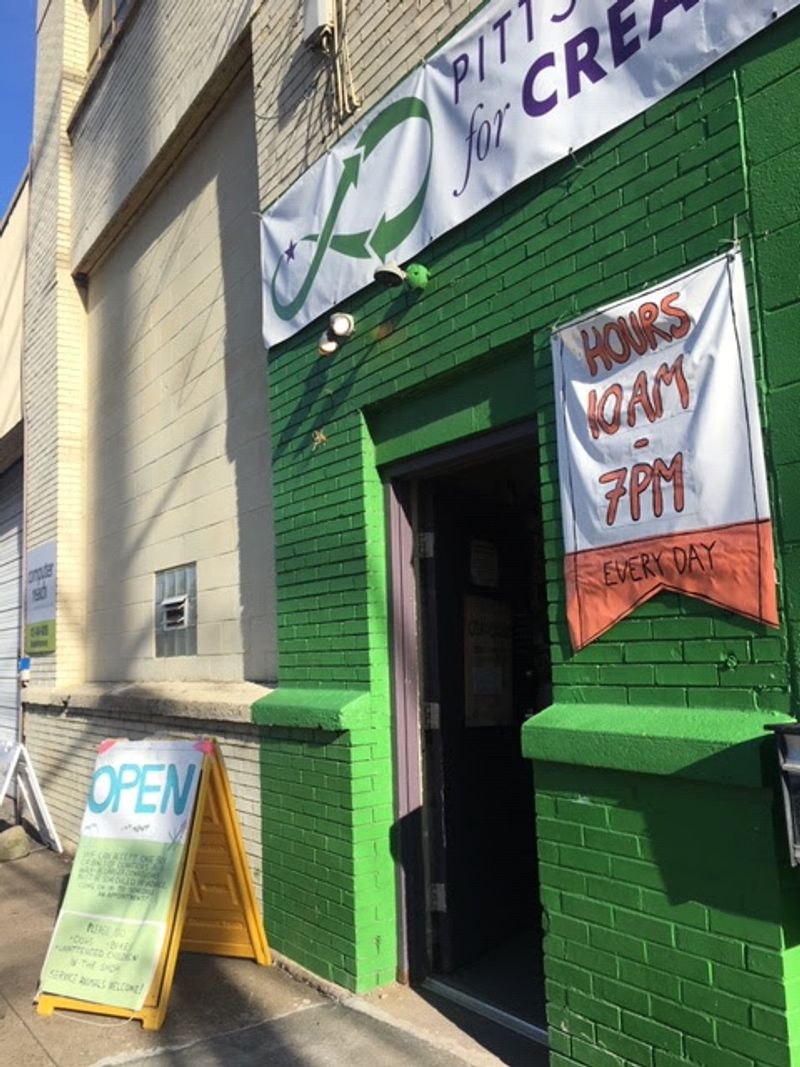
Pittsburgh Center for Creative Reuse is located at 214 N Lexington Street in Pittsburgh, near the meeting point of the Wilkinsburg, Homewood, and Point Breeze neighborhoods. Rather than operating like a conventional arts-and-crafts retailer stocked with rows of identical new products, this nonprofit shop gives donated creative materials another opportunity to be used.
Construction Junction shares the larger property, although Pittsburgh Center for Creative Reuse has its own entrance. That is worth knowing before arriving, particularly for first-time visitors who might otherwise assume the two organizations use the same doorway.
The shop is open from 11 a.m. to 5 p.m. seven days a week according to the information included in the article. With so many different categories packed into the space, allowing plenty of browsing time makes sense.
More importantly, shoppers should arrive expecting unpredictability. This is not the kind of store where the same product will necessarily be waiting on the same shelf next month.
Donations continually reshape what is available.
Thirty Boxes a Day and Counting
The sheer amount of material passing through Pittsburgh Center for Creative Reuse helps explain why repeat visits can produce completely different finds. According to the information gathered for this article, the organization receives an average of roughly 30 boxes of donated materials each day.
Those donations come from both individuals and businesses. That opens the door to a much broader assortment than shoppers might encounter at an ordinary craft store.
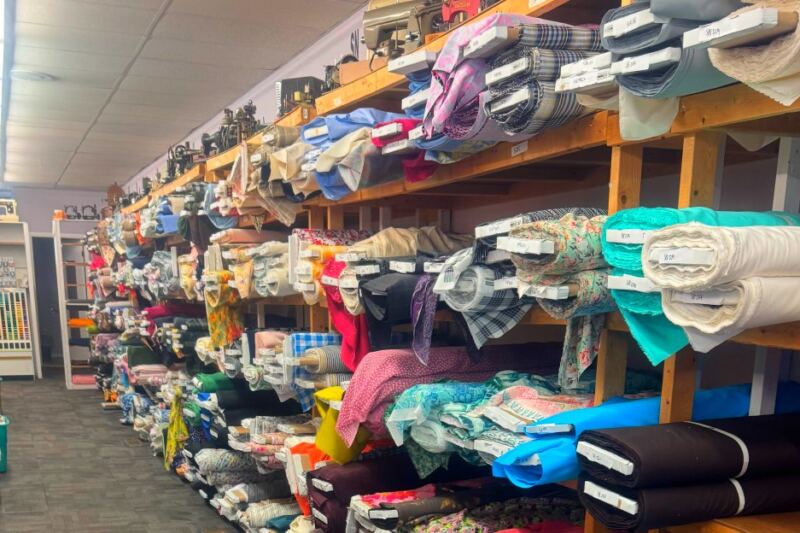
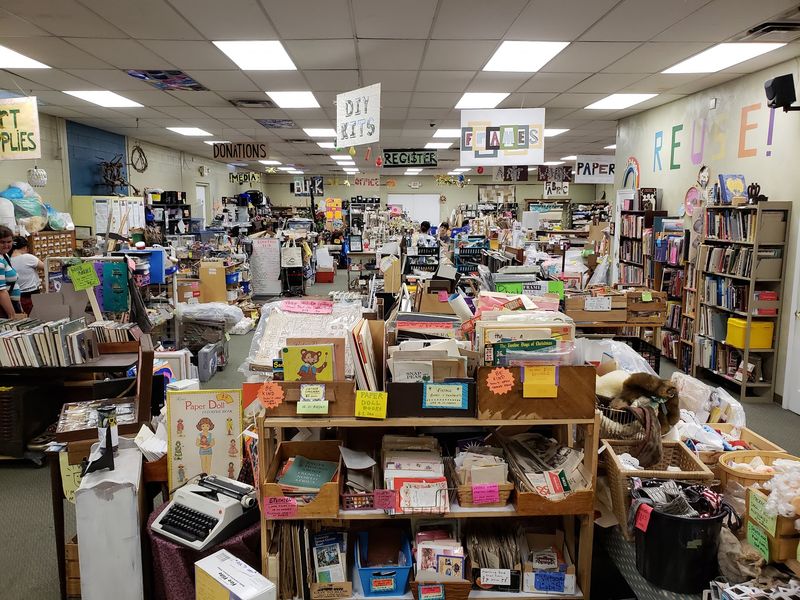
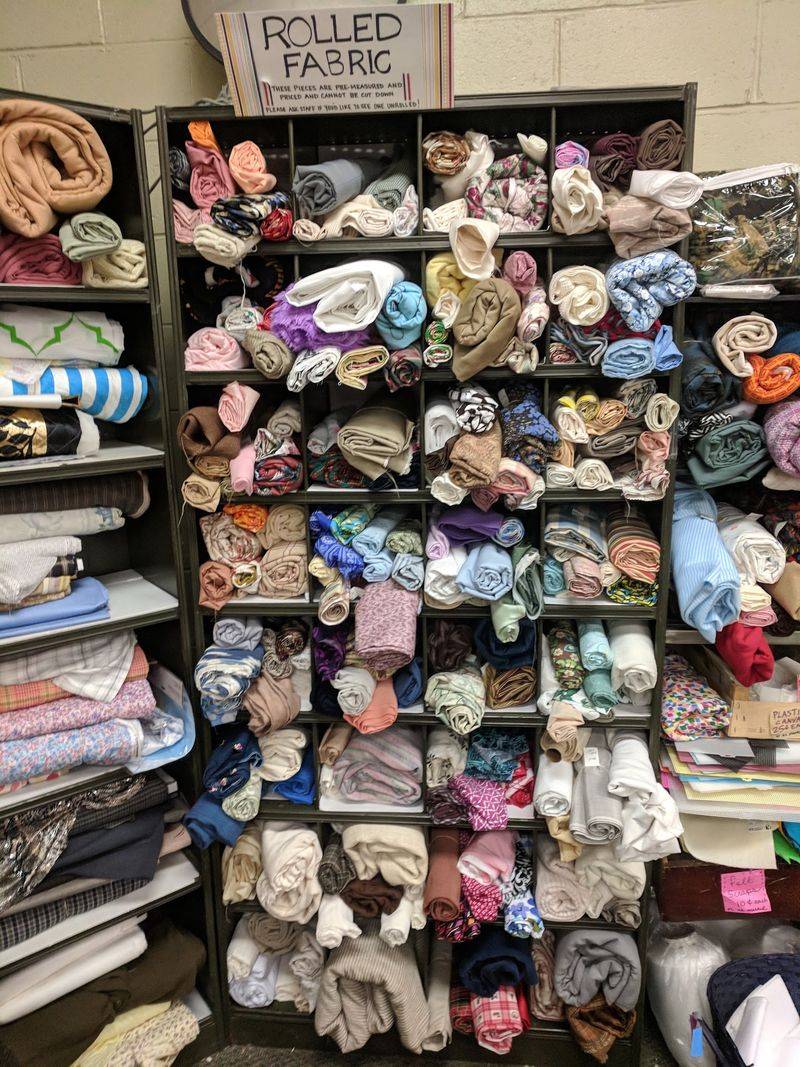
Fabric, yarn, beads, picture frames, office supplies, paper, design samples, sewing materials, and other creative odds and ends are sorted by staff and volunteers before making their way into the shop. More unusual donations can appear alongside everyday basics.
The constantly changing supply is a major part of the appeal. Someone searching for a very specific item might not find it on the first trip, while another shopper could walk in without a plan and discover something that inspires an entirely new project.
It also means hesitation can be risky. Unlike merchandise from a major retail chain, many donated items cannot simply be reordered once they disappear from the shelf.
Fill a Bag, Keep Your Cash
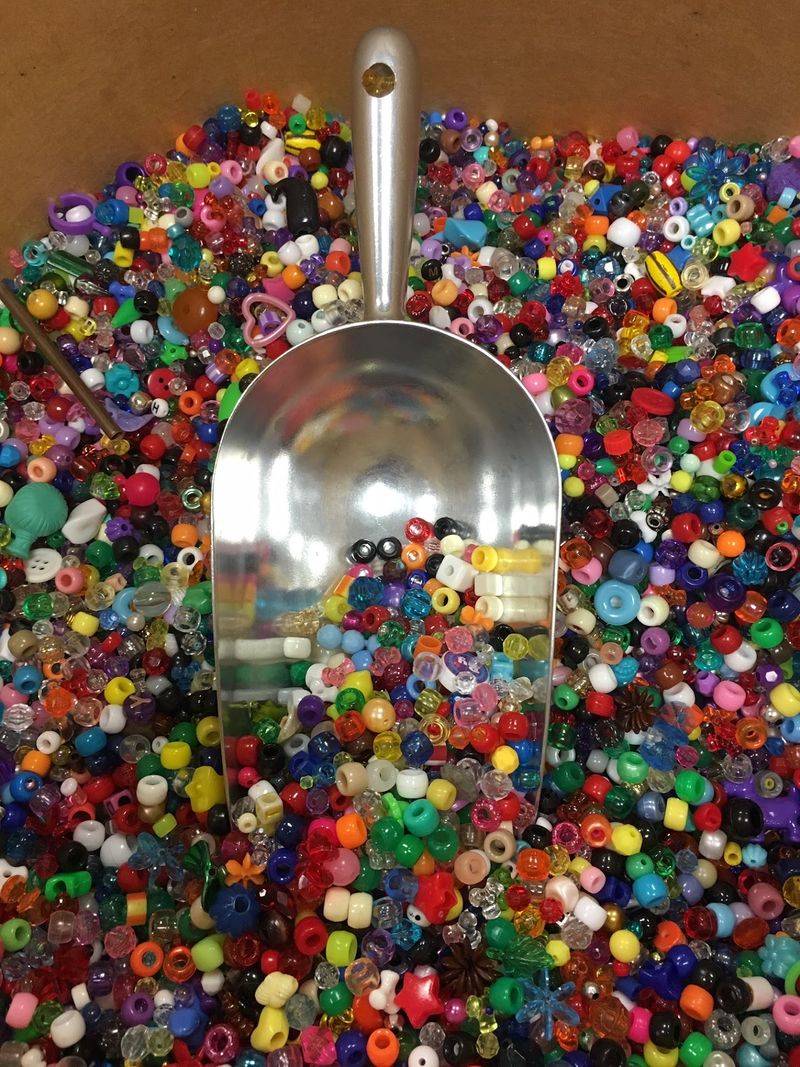
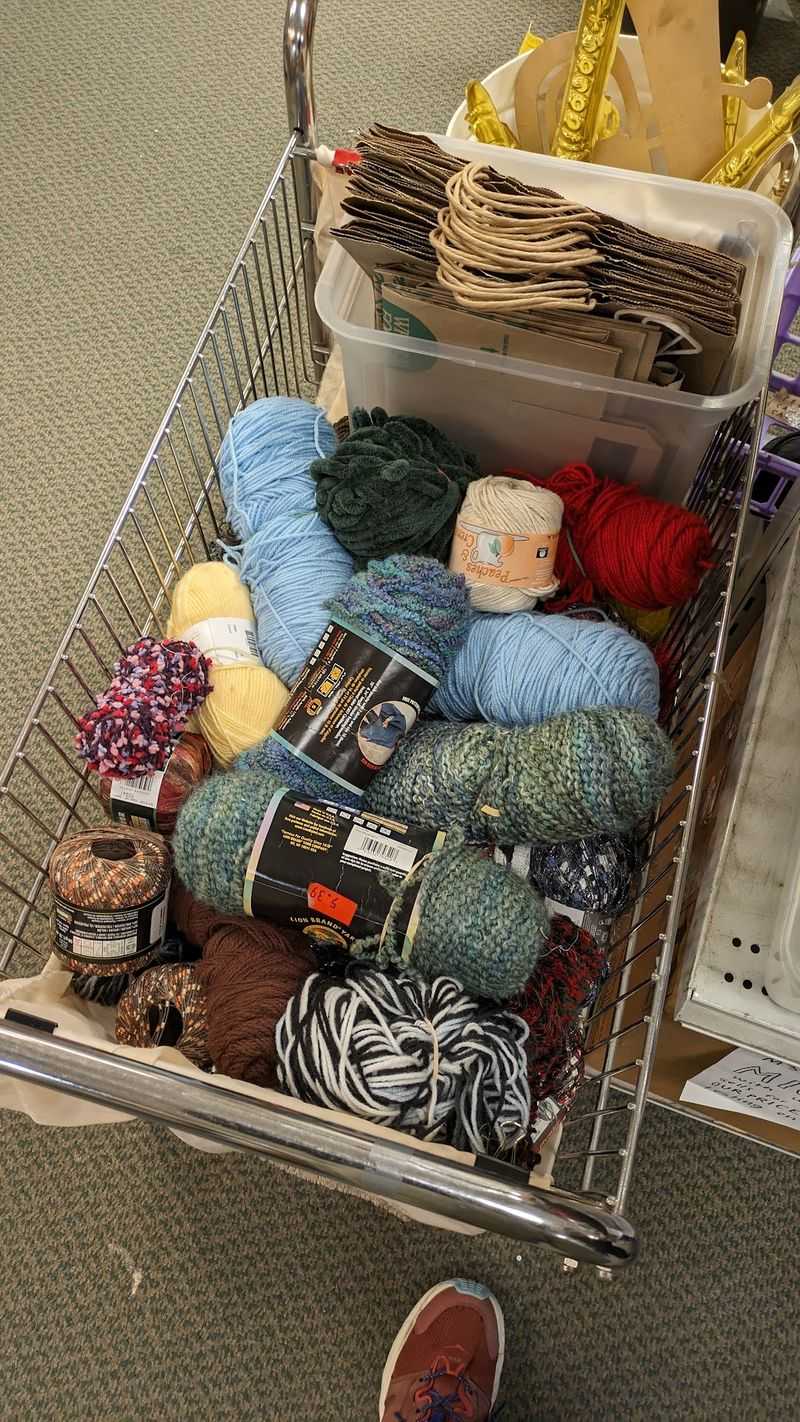
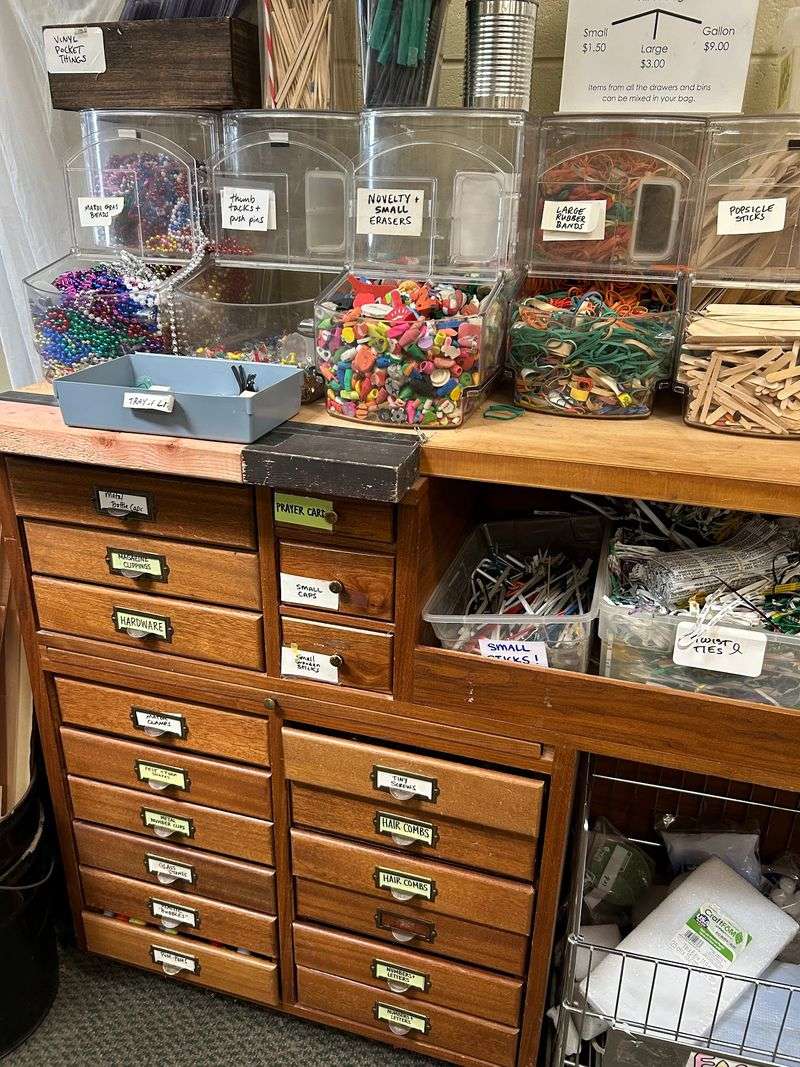
One of the most distinctive ways to shop here is the bulk section. Instead of paying separately for every button, scrap, or small crafting component, shoppers can choose a bag and fill it with eligible materials for one flat price.
According to the pricing included in the article, bags are available in small, medium, large, and extra-large sizes, with prices ranging from $4 to $20. Only designated materials from the bulk area can go into these bags, so shoppers should keep separately priced merchandise outside.
The bulk bins can contain the kinds of small materials that are particularly useful for classrooms, collages, mixed-media projects, sewing experiments, and children’s crafts. Buttons, fabric scraps, yarn remnants, and paper samples are among the possibilities.
For teachers or families who need a variety of supplies rather than ten identical packages from a conventional store, the format can be particularly useful. Artists experimenting with a new medium can also pick up assorted materials without committing much money to the idea.
Since the contents depend on donations, the bulk section itself changes. Part of the fun is figuring out what can be made from whatever happens to be available that day.
Art With a Cause
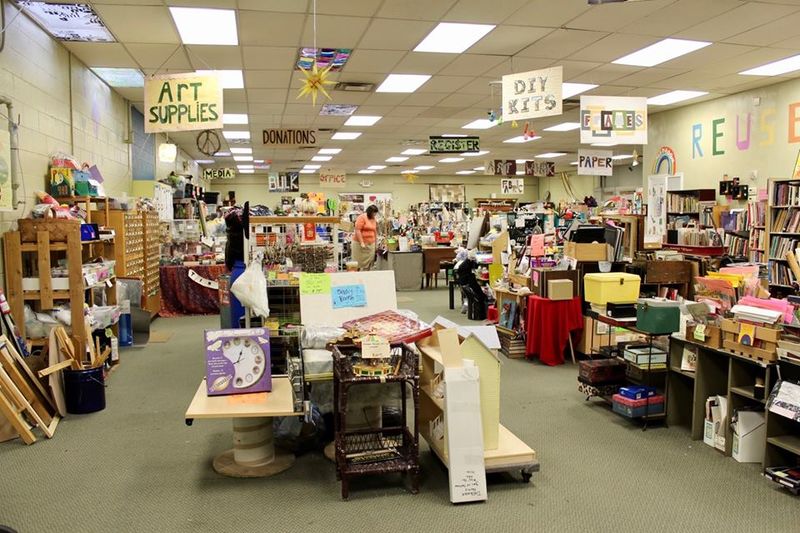
Low-cost supplies are only part of the purpose behind Pittsburgh Center for Creative Reuse. The organization operates as a nonprofit with a mission centered on creativity, conservation, and community through material reuse.
According to figures included in the article, approximately 52 tons of art and craft materials are kept out of landfills in an average year. Around 31,000 people visit annually, while roughly 4,000 children and families participate in educational programming.
Those numbers help illustrate what creative reuse can accomplish on a larger scale. A bag of unwanted fabric or box of leftover office supplies may seem insignificant by itself, but combining donations from thousands of households, artists, organizations, and businesses creates a substantial stream of reusable material.
The organization’s Project Sponsorship program extends that idea into the community. Nonprofits and individual artists working on free public projects can receive donated or discounted materials.
That makes shopping here different from simply hunting for bargains. Every material that finds a new owner is something that can potentially become part of another artwork, classroom activity, repair, costume, or creative experiment instead of being discarded.
Organized Chaos in the Aisles
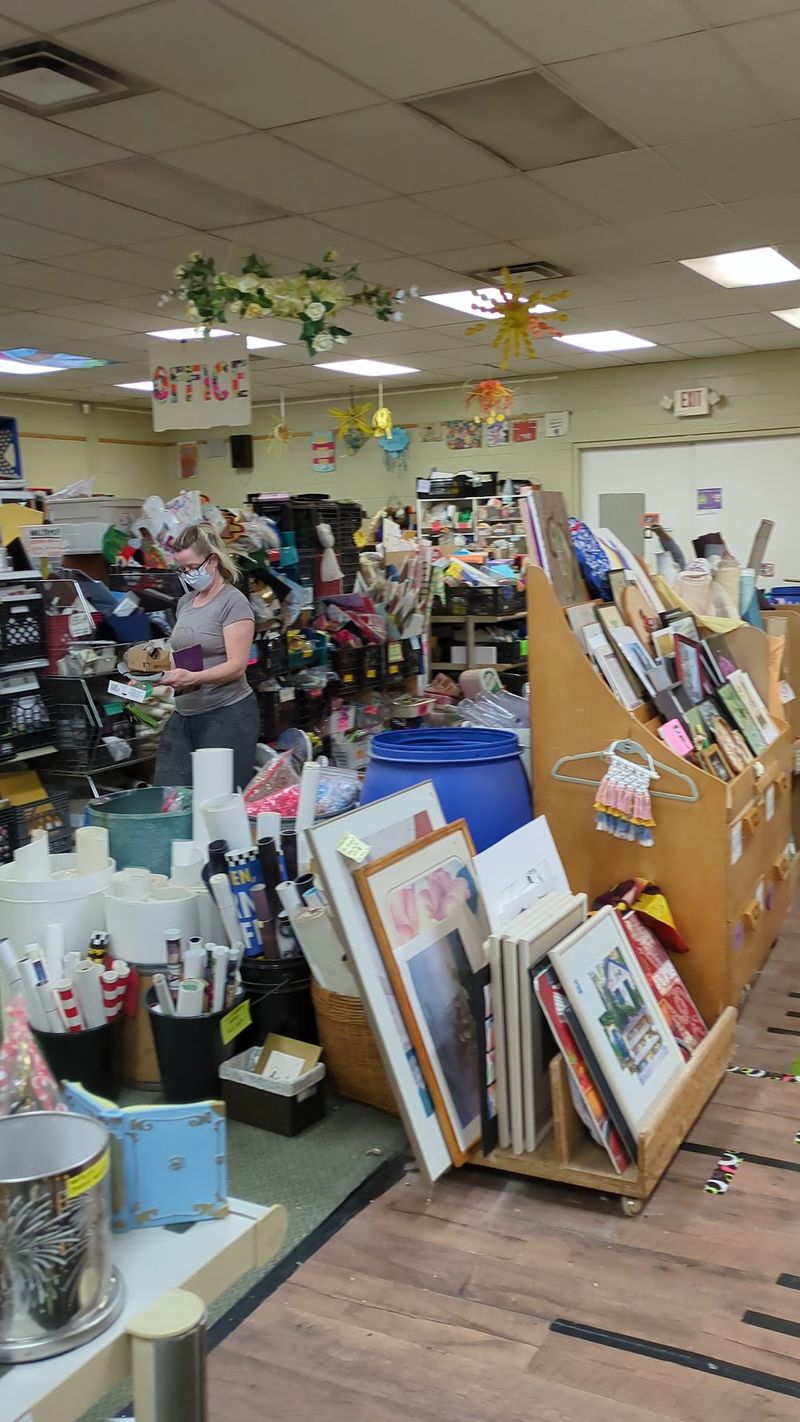
A store built around donations could easily become overwhelming, especially when almost anything creative might arrive. Pittsburgh Center for Creative Reuse organizes materials into sections to make the treasure hunt more manageable.
Paper products, sewing notions, fabric, yarn, beads, frames, office supplies, and less easily categorized objects occupy different areas. Some materials immediately suggest an obvious use.
Others require considerably more imagination.
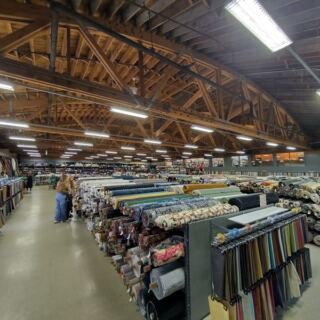
The aisles are described as wide enough to accommodate wheelchairs, which also makes it easier to move around while carrying a basket of finds. Because many items are small, shoppers can accumulate more than expected surprisingly quickly.
The variety attracts more than traditional crafters. Teachers can search for classroom materials, painters and sculptors can look for unusual components, sewists can browse textiles and notions, and people tackling repairs may occasionally discover an obscure piece that solves a problem at home.
This is also one place where shopping without a rigid list can pay off. The object that inspires the best project may be something you had no intention of buying when you walked through the door.
Shopping From the Couch
Cannot make the trip? The online store is open around the clock.
It lists traditional craft supplies, vintage toys, and surprises that appear only on the website. Vintage art pencils and film cameras have shown up there.
You have choices for getting your order. Shipping goes anywhere in the US, local delivery is offered, and curbside pickup is free every day.
There is also a Personal Shopping service. You fill out a form, and staff search the shop for you.
They send a photo of what they find, the price with a processing fee, and shipping options. I like knowing that help exists for busy weeks.
Next, I will show you how the shop teaches as well as sells.
Classes, Kits, and Crafty Lessons
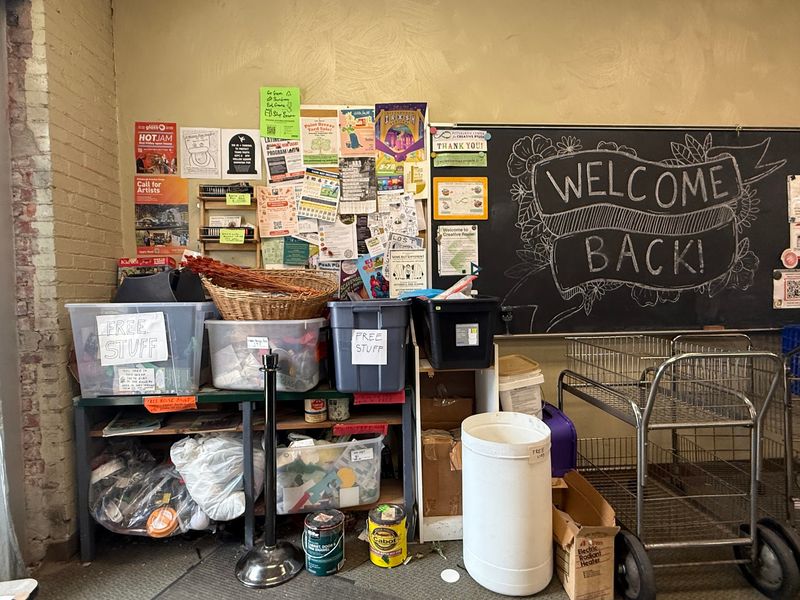
Learning is a big part of the mission. Teaching Artists lead hands-on programs about the benefits of reuse.
Projects include zines, DIY journals, jewelry, and puppets. Kids and adults both get to play.
Groups can order pre-made or custom kits. Video tutorials and live virtual instruction come with them, which helps classrooms and community centers.
Educators, artists, and community members can also join professional development programs. The style is process-driven and play-forward.
I love that the focus stays on trying things instead of perfect results. A wobbly puppet still counts as a win.
Everyone is invited, which brings me to the welcoming spirit of the place.
Room for Every Maker
No art degree required. Beginners, teachers, families, and seasoned crafters all shop side by side.
Wide aisles help with mobility. Private shopping appointments are available for anyone who wants a quieter visit.
Staff members often ask what you are making. I got a few smart suggestions just by chatting.
There is also a mask hour from 11 AM to noon, meant to keep the space safe for immunocompromised guests. Plan around it if you want to browse without a mask.
The shop prices items to be reachable, so you can try new mediums without stress.
Bring a friend, since shared finds are twice the fun. Up next is the green side of this story.
From Landfill to Little Masterpiece
Fifty-two tons is a lot of supplies. That is how much the center keeps out of landfills in an average year.
Fabric, beads, yarn, paper, frames, and design samples all get another chance. Reuse cuts waste and keeps materials in circulation.
A Donation Guide on the website lists what the shop accepts. Check it before you drop anything off.
Businesses with larger loads can use the business pickup service. That makes giving simpler for offices and companies.
I cleaned out a craft drawer at home after my visit. Donating felt as good as shopping.
Now for the fun part, which is the odd stuff you might actually find.
Strange Finds Worth Hunting
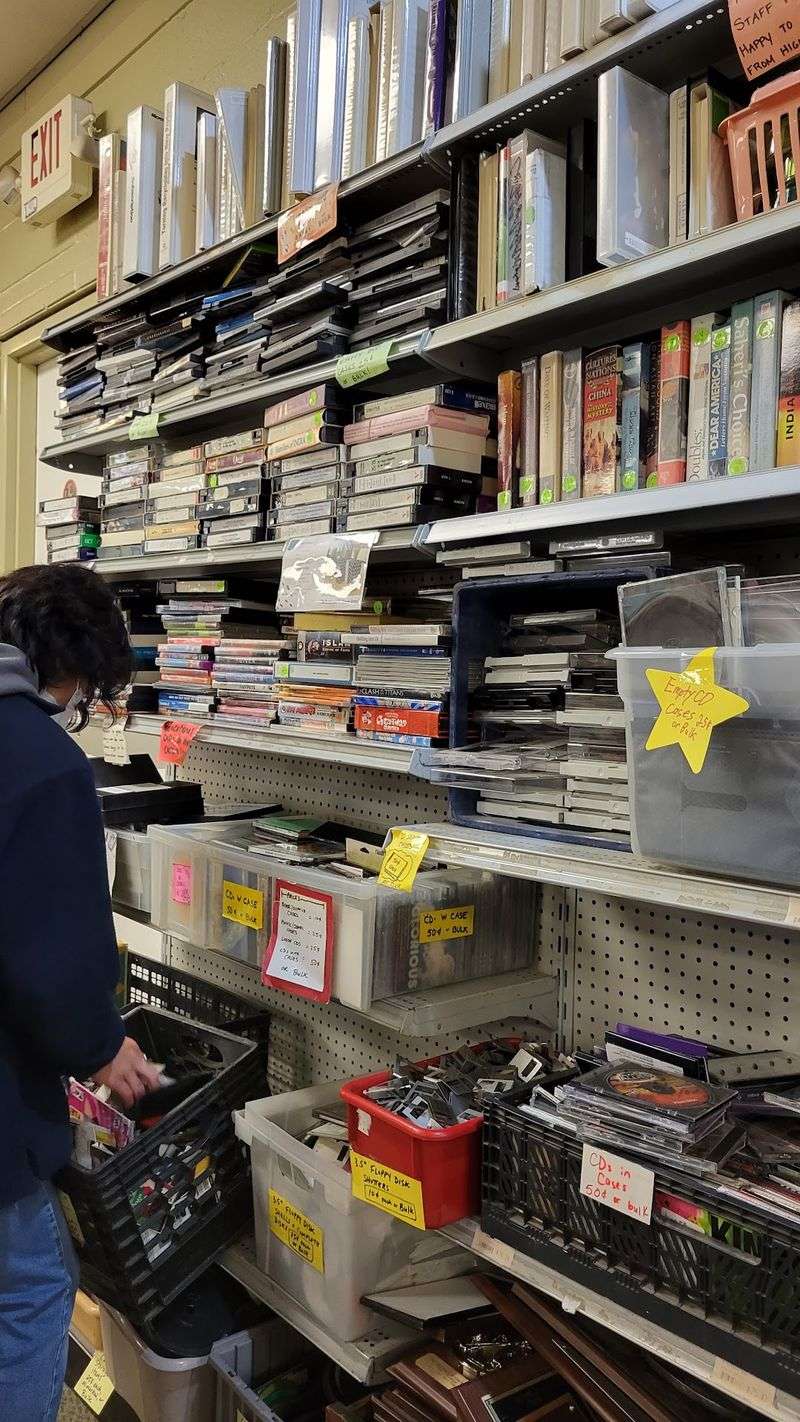
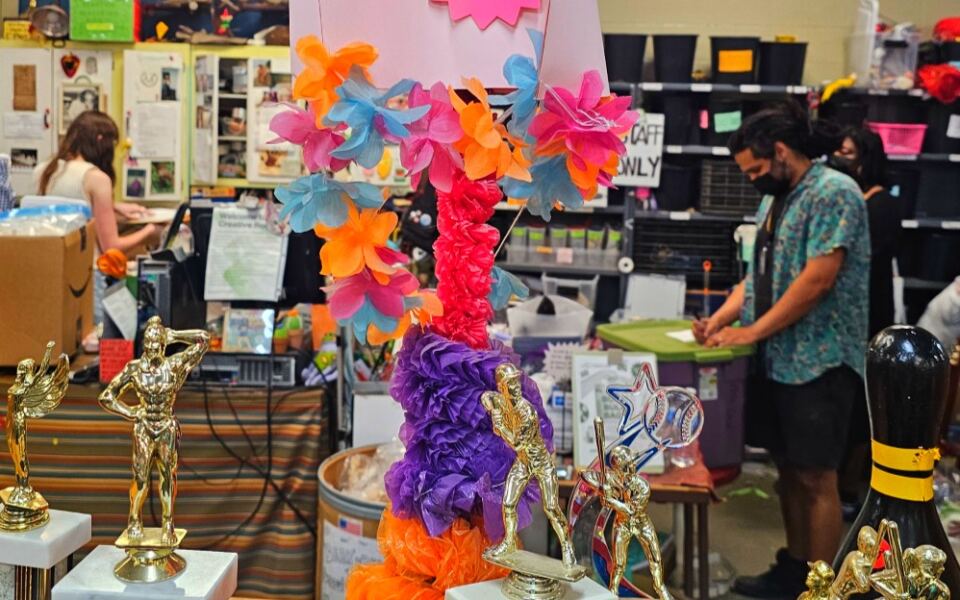
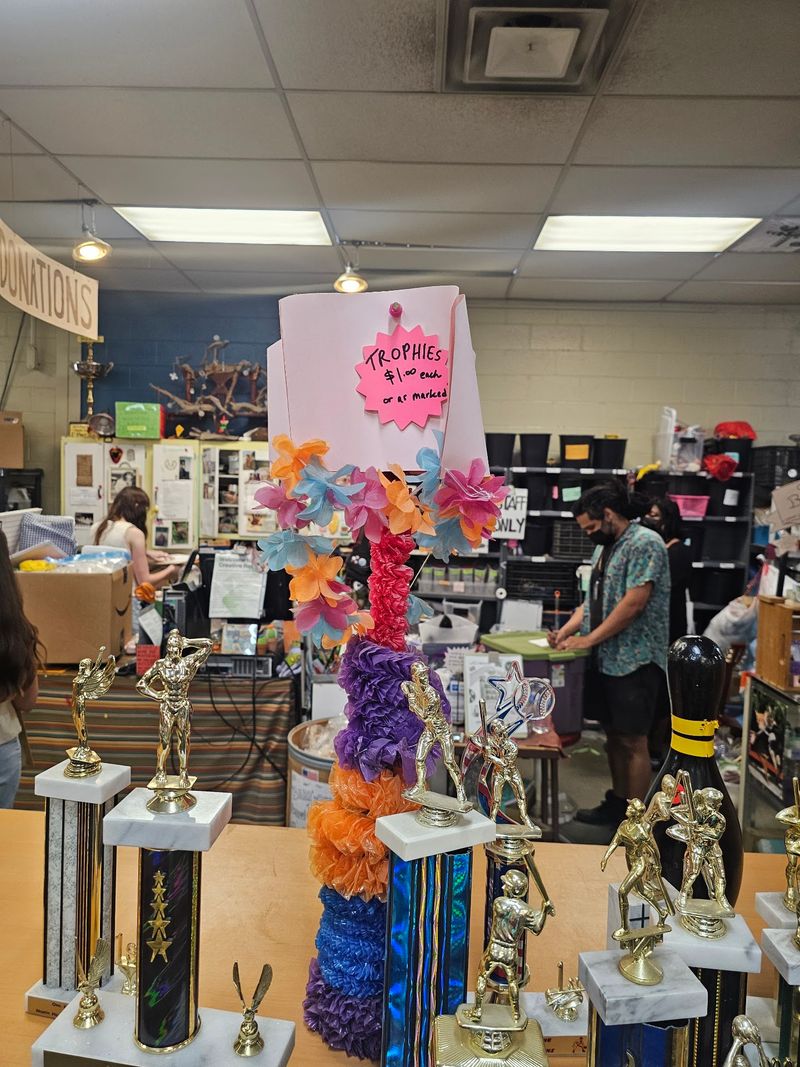
Cassette tapes, trophies, records, and postcards all pop up here. I once spotted a boxed set of vintage colored pencils.
Ceramic tiles wait for mosaic fans. Push pins, paper, chess pieces, and glitter fill other corners.
Some shoppers build a one-of-a-kind trophy from odd parts in a single afternoon. That idea stuck with me.
Since everything is donated, the selection is never the same. Go in with a loose plan and an open mind.
A short list helps, but leave space for surprises. The best purchase is often the one you did not expect.
Pricing is the next topic, and it matters for your wallet.
Budget Tips From a Repeat Shopper
Pittsburgh Center for Creative Reuse aims to keep creative materials accessible, but prices naturally vary depending on the type, condition, and quantity of merchandise available.
For shoppers primarily interested in stretching a small budget, the bulk section is an obvious place to start. Filling a bag with eligible small materials can make more sense than purchasing similar supplies individually, particularly for collage, classroom, sewing, or mixed-media projects.
It still helps to arrive with a rough idea of what you actually need. Cheap supplies stop being a bargain if they simply move from the store’s shelves to an unused drawer at home.
Checking condition is also important when buying secondhand creative materials. Some vintage or unusual items may be valuable precisely because of their age, while other supplies need to remain functional for a particular project.
Teachers, community organizations, families, and artists can all approach the store differently. Someone gathering supplies for 20 children has very different needs from a collector searching for vintage drawing tools.
The common strategy is to allow enough time to look carefully. With inventory changing constantly, rushing through the aisles makes it easier to overlook exactly the kind of odd little treasure that makes the trip worthwhile.
Volunteer, Donate, Come Back
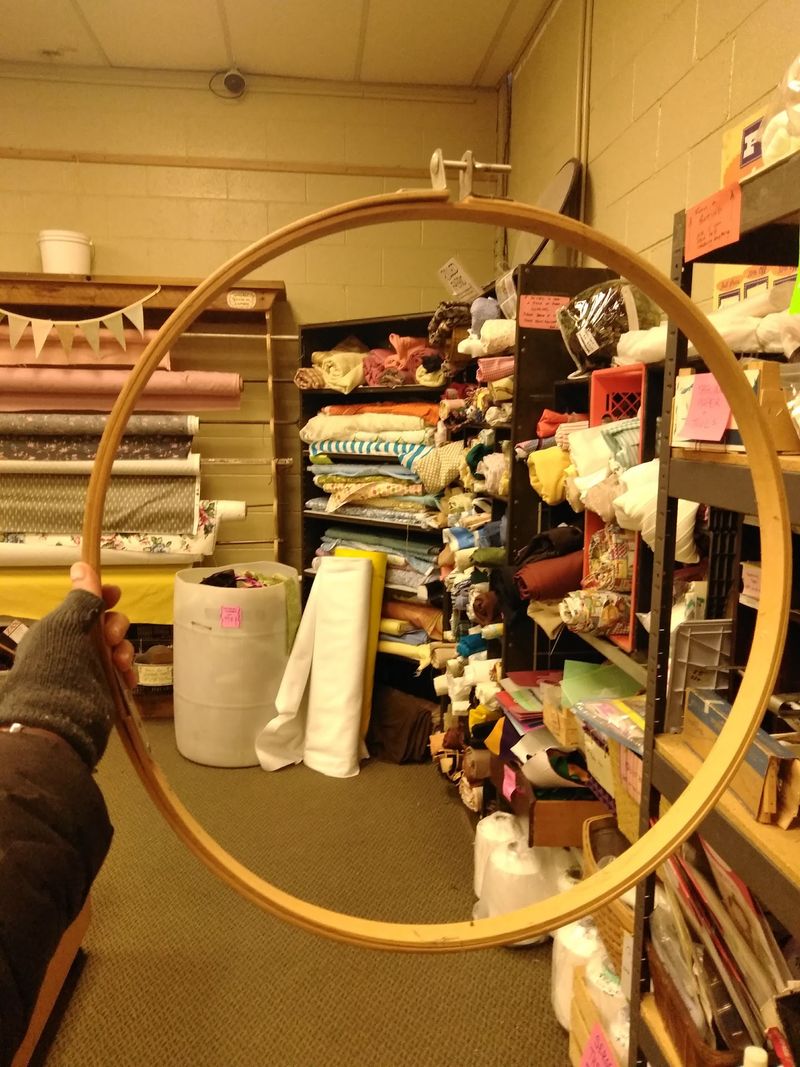
Volunteers keep this place humming. They sort the daily donations and tidy the bulk bins.
Some help shoppers find items or share ideas. Their smiles make the store feel like a neighborhood clubhouse.
Internships exist too, covering nonprofit administration, gallery management, marketing, and materials research. They offer real experience for people ready to learn.
Donating is easy. Bring clean, usable art and craft supplies, and follow the Donation Guide.
I left with a full bag and a plan for my next project. The address is 214 N Lexington Street, and the phone number is 412-473-0100 if you need help.
Go hunt, create, and let old things shine again.
Share this story