Some communities sit so far from big cities that a trip to the store can take days or even weeks. People in these places deal with ice, ocean, desert, or mountain air as part of daily life.
Their stories show how humans adapt to tough settings and keep strong ties to one another. Here are fifteen remote places where people still make a home.
1. Tristan da Cunha, Saint Helena Territory
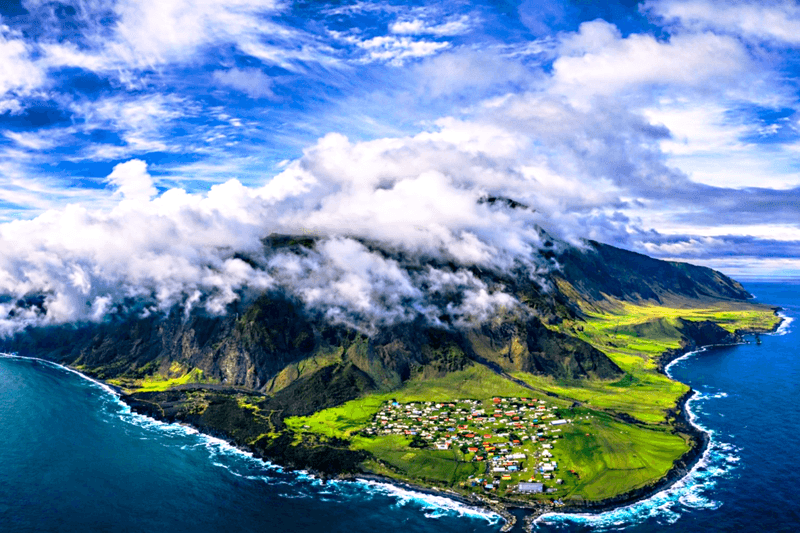
Picture living on an island where the nearest neighbor is more than 1,200 miles away. That is daily life on Tristan da Cunha, often called the most remote inhabited island in the world.
Only about 250 people live here, in a single settlement named Edinburgh of the Seven Seas.
There is no airport. The only way in is a boat trip from South Africa that takes about a week, and the weather can delay it further.
Residents share a small group of family names and work together on farming, fishing, and caring for livestock.
Potatoes grow well in the volcanic soil, and the island is known for its crayfish catch. A volcano last erupted in 1961, forcing everyone to leave for England for two years.
Almost all of them chose to come back home once it was safe.
2. Ittoqqortoormiit, Greenland
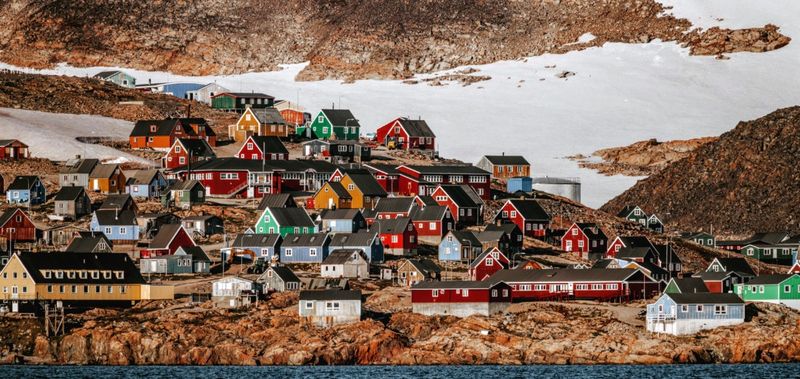
Bright red, yellow, and blue houses stand out against endless white in Ittoqqortoormiit. This village on the east coast of Greenland has about 350 residents.
It is one of the most isolated towns in the Arctic, with sea ice blocking boat travel for much of the year.
Hunting remains a major part of life here. Families pursue seals, fish, and sometimes polar bears, following rules set to protect wildlife.
Sled dogs are still used for travel across the frozen landscape.
Supplies arrive by ship only in the short summer window, so planning ahead matters. The town sits near Scoresby Sund, the largest fjord system on Earth.
Visitors who make the trip often come to see northern lights, glaciers, and a culture shaped by the ice.
3. Supai, Arizona, USA
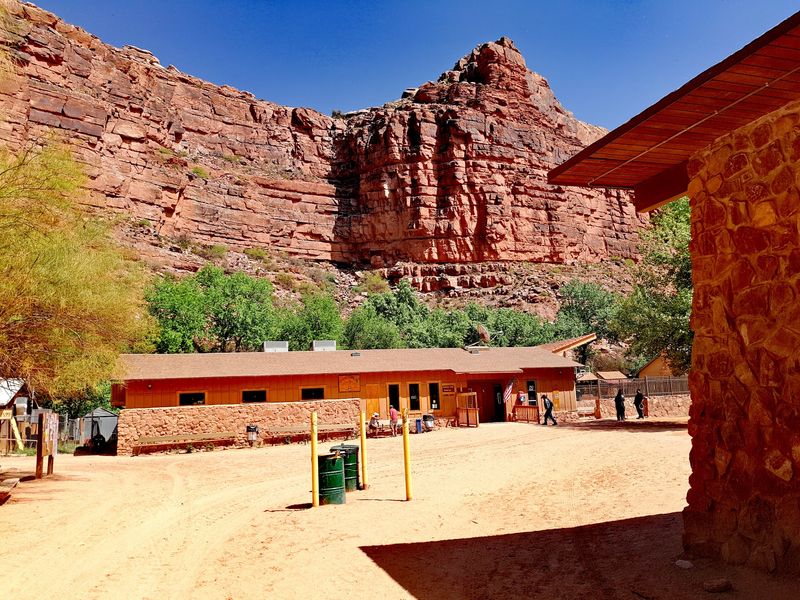
Mail here still travels by mule. Supai, home of the Havasupai Tribe, lies deep inside a branch of the Grand Canyon and is the only place in the United States where mail is delivered this way.
About 200 people live in the village, which can only be reached on foot, by horse, or by helicopter.
The hike down is roughly eight miles each way. Supplies for the small store, school, and cafe all come in on pack animals.
The name Havasupai means people of the blue-green water, which fits the bright turquoise creek that runs through the canyon. Tall waterfalls such as Havasu Falls draw visitors from around the world.
Tribal permits are required, and trips are booked months ahead.
4. La Rinconada, Peru
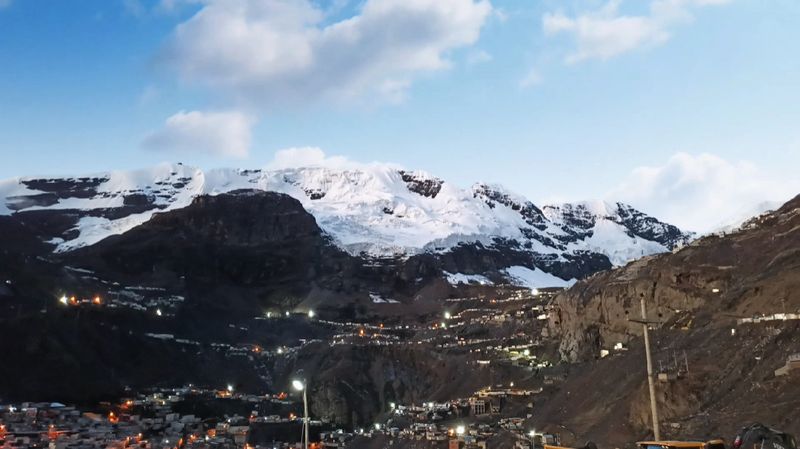
Thin air makes every step harder in La Rinconada. At about 16,700 feet above sea level, it is often named the highest permanent settlement on Earth.
Tens of thousands of people are believed to live here, most tied to the gold mining that supports the town.
Temperatures stay low all year, and a glacier looms over the rooftops. There is little running water or formal sewage service, which creates health challenges.
Many miners work under a system called cachorreo. They labor for about a month without pay, then keep whatever ore they can carry out on a single day.
Life here is hard, yet families have built schools, shops, and markets in one of the most extreme places people have settled.
5. Oymyakon, Russia
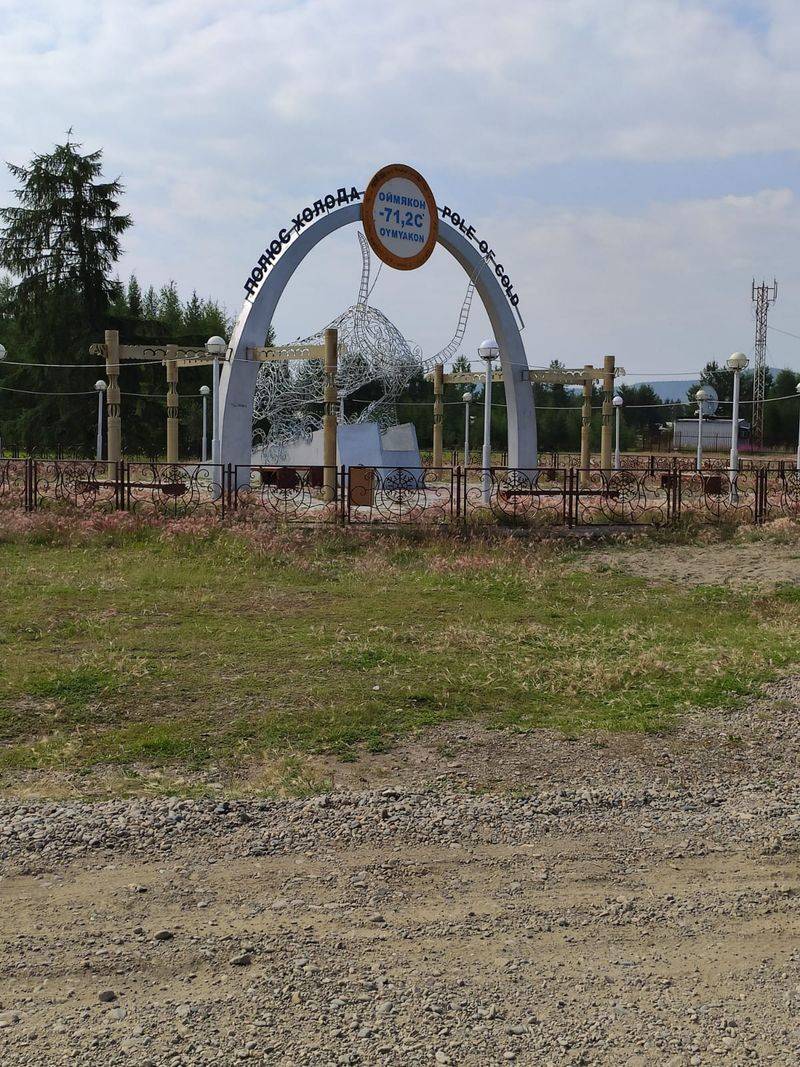
Ever seen eyelashes freeze? In Oymyakon, it happens.
This village in eastern Siberia is among the coldest permanently inhabited places on the planet, and a temperature of about minus 90 degrees Fahrenheit was recorded here in 1933.
Roughly 500 people live in town. Cars are often left running all day so engines do not freeze, and pens, phones, and batteries can fail outdoors.
Crops are nearly impossible to grow, so the local diet leans on meat, fish, and dairy. Reindeer and horse meat are common, and frozen fish slices called stroganina are a favorite.
Schools rarely close for cold unless it drops below about minus 60. Summers can be surprisingly warm, with daylight lasting nearly around the clock.
6. Pitcairn Island, Pitcairn Islands
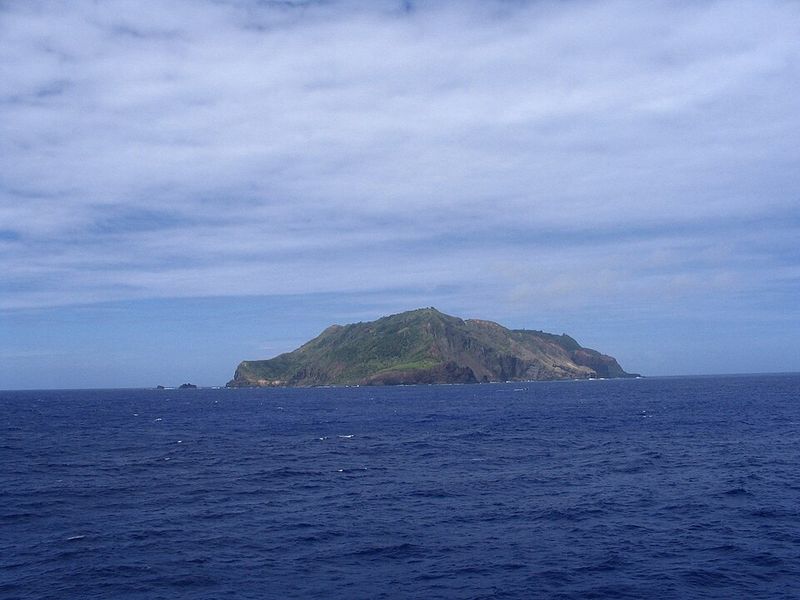
The story starts with a famous mutiny. In 1790, sailors from the HMS Bounty settled on Pitcairn Island along with a group of Tahitians, and many of today’s residents trace their roots to them.
Fewer than 50 people live here now.
The island is a British Overseas Territory in the South Pacific, and the closest airstrip is far away on another island. Visitors typically arrive by ship, then transfer to a small longboat at Bounty Bay.
Residents grow fruit, fish, and trade handmade crafts and honey, which is prized for its quality. Supply ships come only a few times a year, so food and fuel are carefully planned.
Community meetings and shared work keep the small society running smoothly.
7. Longyearbyen, Svalbard
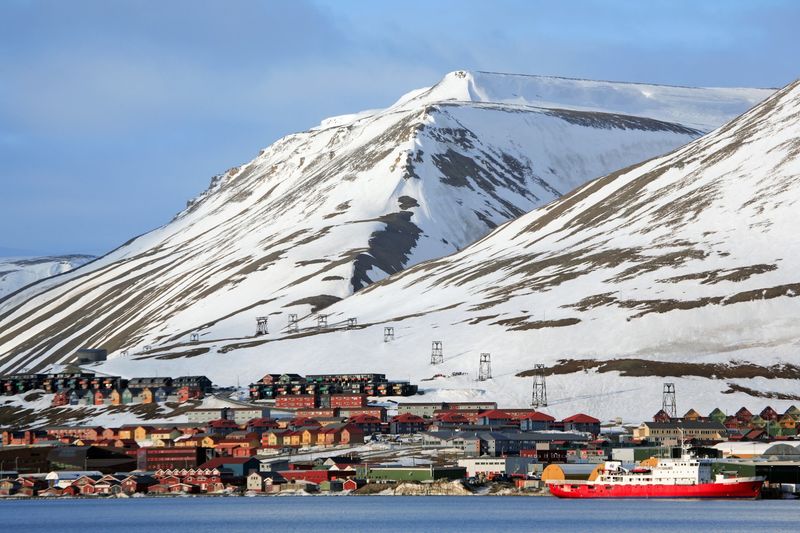
A sign at the edge of town warns about polar bears. In Longyearbyen, that is not a joke.
Leaving the settlement without a rifle or a guide can be risky, and carrying protection is a standard safety rule.
About 2,500 people live here, only 600 miles from the North Pole. The sun does not rise for months in winter, and it does not set for months in summer.
Longyearbyen has a few unusual laws. Because bodies do not decompose well in permafrost, burials have long been restricted.
The town is also home to the Svalbard Global Seed Vault, which stores copies of seeds from around the world as a backup for future generations. Coal mining once drove the economy, while research and tourism lead now.
8. Palmerston Island, Cook Islands
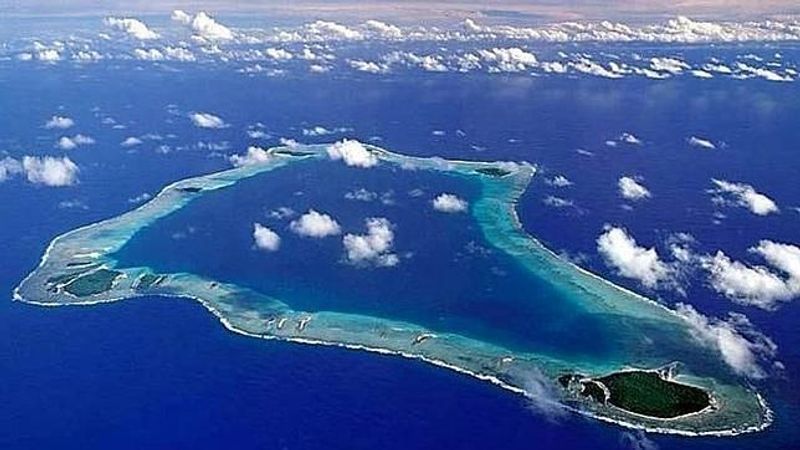
One man, three wives, and a whole community. In 1863, English carpenter William Marsters settled on Palmerston Atoll, and almost every resident today descends from him.
About 50 people live on the island, split among three family branches.
The atoll is a ring of coral islets around a calm lagoon. There is no airport, and supply ships visit rarely, so locals depend on fishing, coconuts, and rainwater.
Each family looks after a share of the island and takes turns hosting visiting sailors. Yachts that stop here are often matched with a host family who offers meals and a place to rest.
Spoken English carries an old-fashioned accent, a reminder of the island’s long isolation.
9. Easter Island, Chile
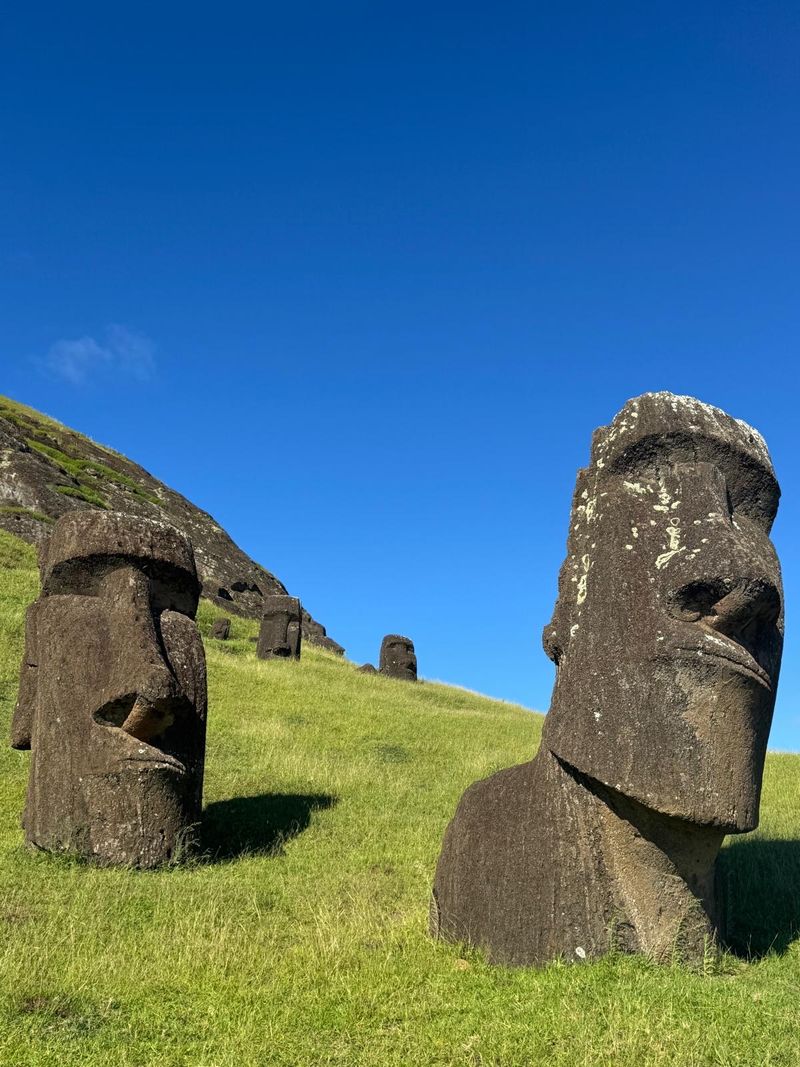
Nearly 900 giant stone heads stand guard across Easter Island, known locally as Rapa Nui. The statues, called moai, were carved by the Rapa Nui people centuries ago, and some weigh more than 80 tons.
How they were moved is still debated by researchers.
The island lies about 2,200 miles off the coast of Chile and is one of the most isolated inhabited places on Earth. Around 7,700 people live there, and flights from Santiago take about five hours.
Rapa Nui culture remains strong, with its own language, music, and dance. Much of the island is protected as a national park.
Local leaders now work to balance tourism with care for fragile archaeological sites and limited water resources.
10. Tórshavn, Faroe Islands
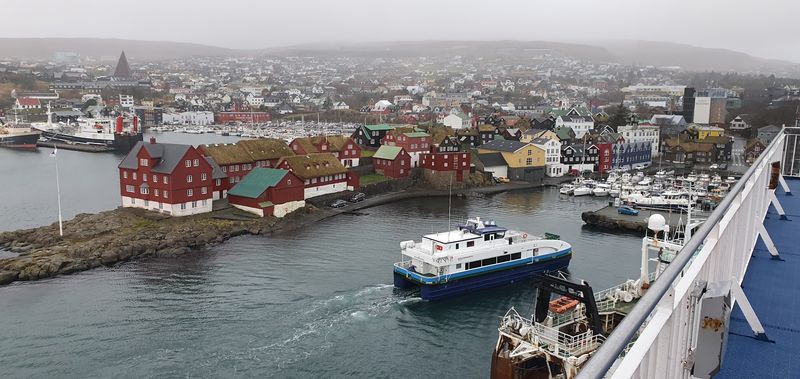
Grass grows on the rooftops here, and it is on purpose. Tórshavn, the capital of the Faroe Islands, has old wooden buildings topped with turf that helps keep heat in during chilly, windy weather.
About 13,000 people live in the city, which makes it one of the smallest capitals in the world. The islands sit in the North Atlantic between Iceland and Norway, and fog and rain are common.
The Faroes are a self-governing part of the Kingdom of Denmark. Fishing is the main industry, and traditional foods include dried fish and fermented lamb.
Narrow lanes in the old district called Tinganes have held government meetings for more than a thousand years, making it one of the oldest parliament sites in the world.
11. Iqaluit, Canada
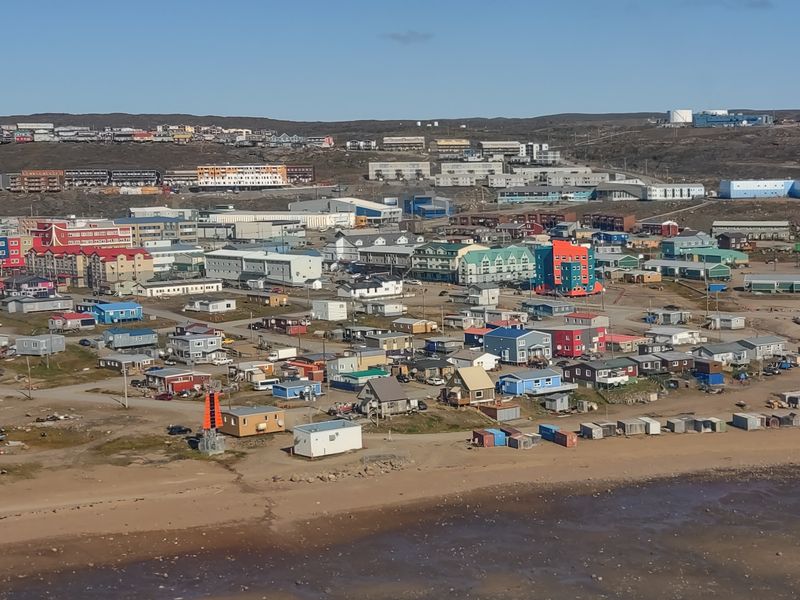
No highway leads into Iqaluit. Flights and summer sea shipments are the only links to the rest of Canada, which makes the capital of Nunavut feel like an island on land.
About 7,500 people live here on Baffin Island.
Winters are long and dark, with temperatures often falling below minus 20 degrees Fahrenheit. Many residents use snowmobiles to get around and to reach hunting and fishing areas.
Inuktitut is widely spoken and taught in schools. Groceries cost far more than in southern cities because food must be flown in.
Local artists carve soapstone and make prints that are known across the world, and community events such as spring festivals celebrate the return of the sun.
12. Coober Pedy, Australia
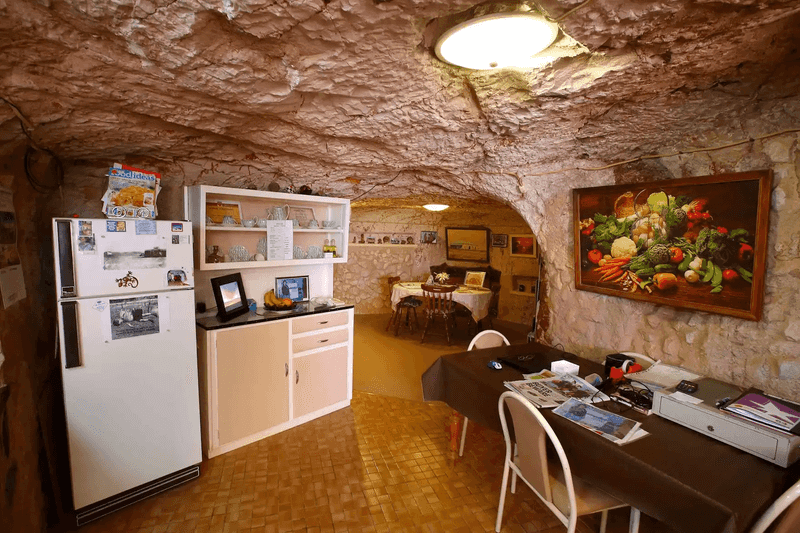
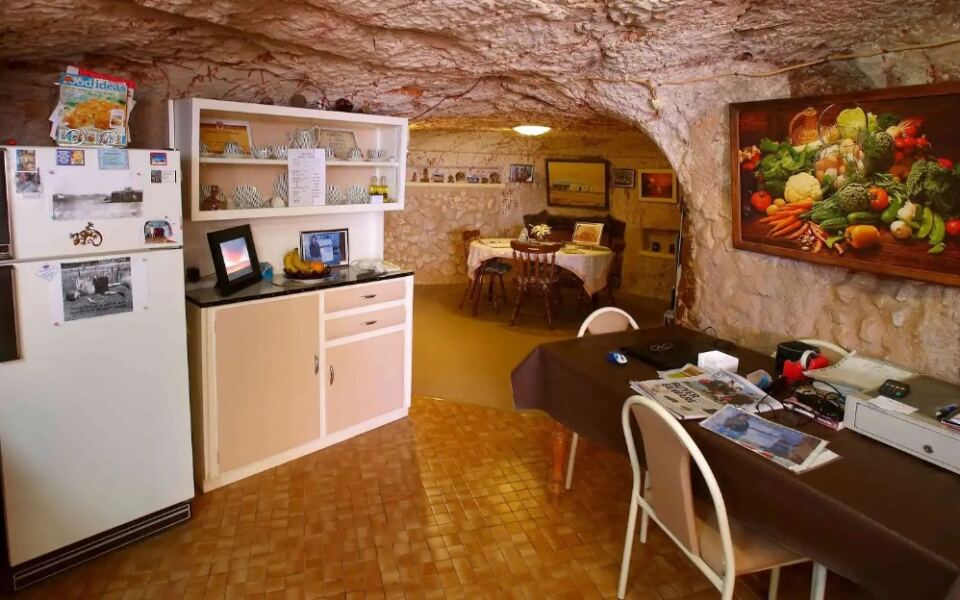
When the summer sun bakes the outback, many residents simply go underground. Coober Pedy in South Australia is known as the opal capital of the world, and about half of its people live in dugout homes carved into hillsides.
Temperatures above ground can top 110 degrees Fahrenheit. Below, rooms stay at a steady, comfortable level all year without much air conditioning.
Opal was discovered here in 1915, and mining has shaped the town ever since. The name comes from an Aboriginal phrase often translated as white man in a hole.
Besides homes, there are underground churches, shops, a museum, and even a hotel. The surrounding landscape has appeared in several films because it looks so otherworldly.
13. Adamstown, Pitcairn Islands
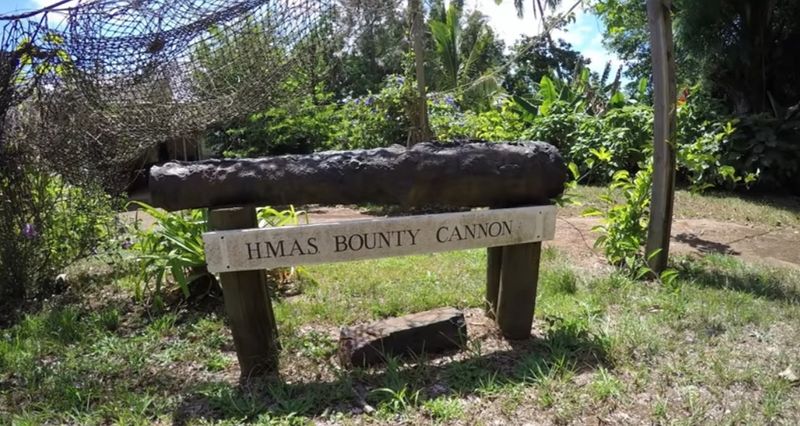
Adamstown is the only settlement on Pitcairn Island and the capital of the territory. It is named after John Adams, one of the Bounty mutineers who became a leader of the early community.
The town is small enough that everyone knows everyone. A simple square holds the government office, a post office, a store, and a church.
Residents get around mostly on quad bikes, because steep, narrow roads suit them better than cars.
Stamps and coins have long been important for income, and collectors around the world buy them. Fresh produce comes from local gardens, while other goods arrive on cargo ships.
Internet access exists through satellite, which helps residents stay in touch with family and run small online businesses.
14. Utqiagvik, Alaska, USA
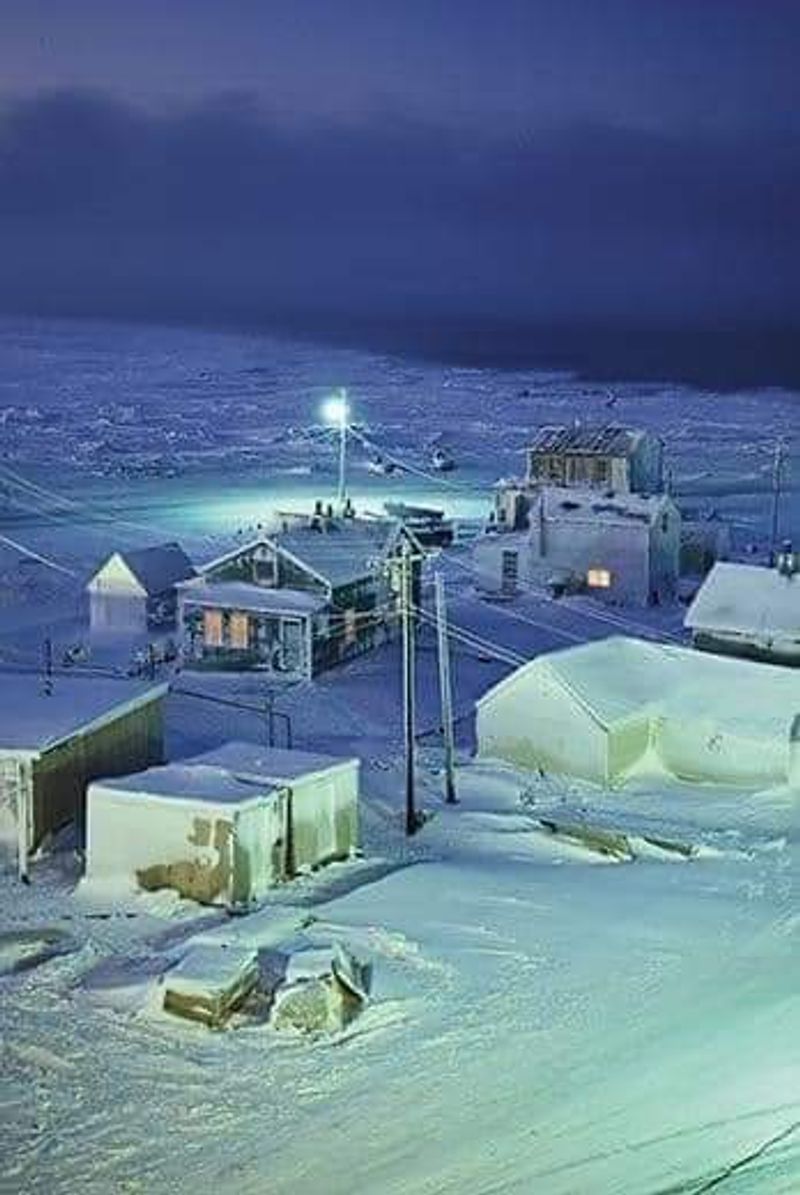
For about 65 days each winter, the sun never climbs above the horizon in Utqiagvik. The town, once called Barrow, is the northernmost community in the United States and sits on the Arctic Ocean coast.
Around 4,500 people live here, and many are Iñupiat, whose ancestors have lived in the region for thousands of years. No roads connect the town to the rest of Alaska, so goods arrive by plane or barge.
Whaling is a key tradition. Crews hunt bowhead whales under a limited permit system, and the catch is shared widely among families.
In summer, the sun stays up for about 80 days straight. Scientists also visit often, as the area is important for studying climate and Arctic ecosystems.
15. Villa Las Estrellas, Antarctica
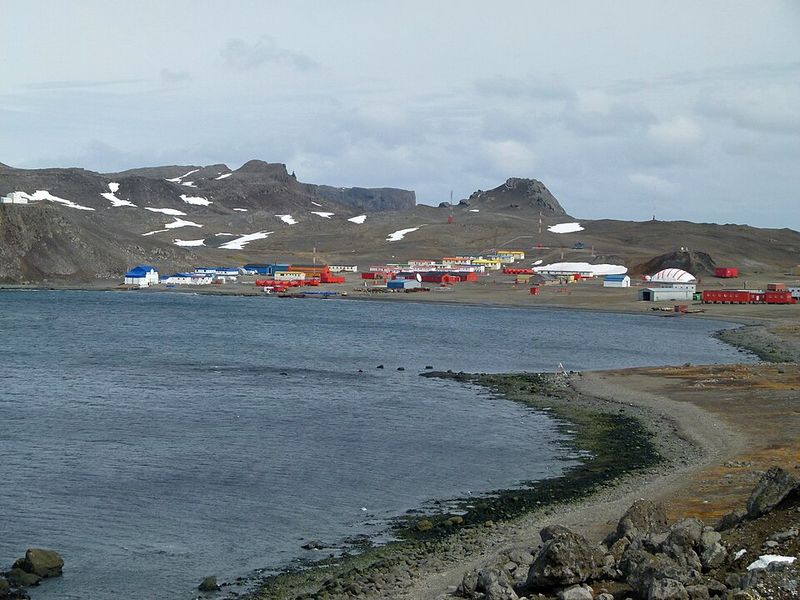
A school, a bank, a post office, and a tiny chapel all sit on a frozen island at the bottom of the world. Villa Las Estrellas, run by Chile on King George Island, is one of the few places in Antarctica where families live year-round.
The population changes with the season, with about 80 people in summer and fewer in winter. Many residents are military staff, scientists, and support workers, and some bring their children.
Winter temperatures often dip well below freezing, and winds can be fierce. A small gift shop sells souvenirs, and mail sent from here carries a rare Antarctic postmark.
Supplies come by air from southern Chile, since ships cannot always reach the coast through the ice.
Share this story