Many of the dishes people love most did not start in the places they are now known for. Some were born in one country, carried across oceans by travelers, and then reshaped by new cooks.
Others were created far from home to suit local tastes. Here are 15 foods with surprising journeys and the stories behind how they won over the world.
1. Chicken Tikka Masala
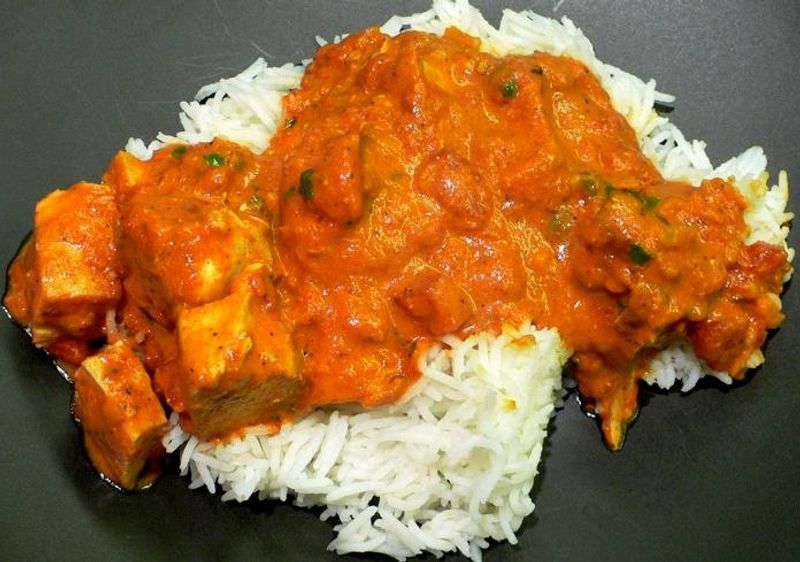
Ask a British diner for a national favorite and this creamy curry often comes up. Marinated chicken pieces are grilled, then simmered in a spiced tomato and cream sauce.
Its exact origin is debated. Many stories place its creation in Glasgow, Scotland, where a cook is said to have added sauce to dry chicken tikka to please a customer.
Others argue similar dishes already existed in South Asia.
What is clear is that the dish grew up alongside South Asian communities in Britain. Restaurants adjusted traditional flavors to local tastes, softening the heat and adding a smooth, rich gravy.
In 2001, a British foreign secretary even called it a true British national dish, praising how it reflected the country’s multicultural spirit. Today it appears on menus around the globe, and home cooks can make it with a jar of spices and a little patience.
2. California Roll
Raw fish scared plenty of American diners in the 1960s and 1970s. A clever sushi chef solution changed that, and it came wrapped inside out.
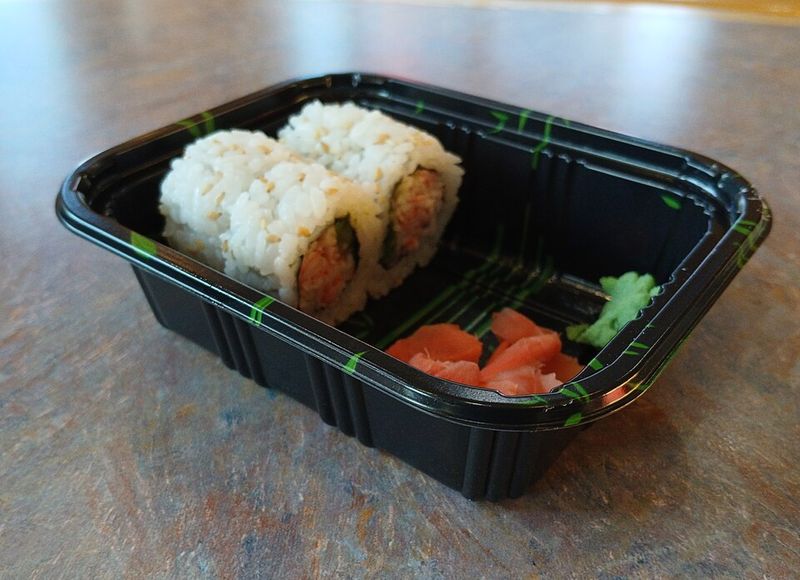
The California roll uses crab, avocado, and cucumber, with rice on the outside and seaweed hidden within. Chefs in Los Angeles, including Ichiro Mashita and Hidekazu Tojo in Vancouver, are often credited with early versions.
Hiding the dark seaweed made the roll look friendlier, and avocado stood in for fatty tuna with a similar creamy feel. It gave newcomers a gentle first bite of sushi.
The roll helped open the door to a sushi boom across North America. It later traveled back to Japan and many other countries, where chefs have added their own twists.
Not bad for a roll born from a worry about seaweed.
3. Hawaiian Pizza
Few toppings spark arguments like pineapple on pizza. The surprise is that the dish has nothing to do with Hawaii.
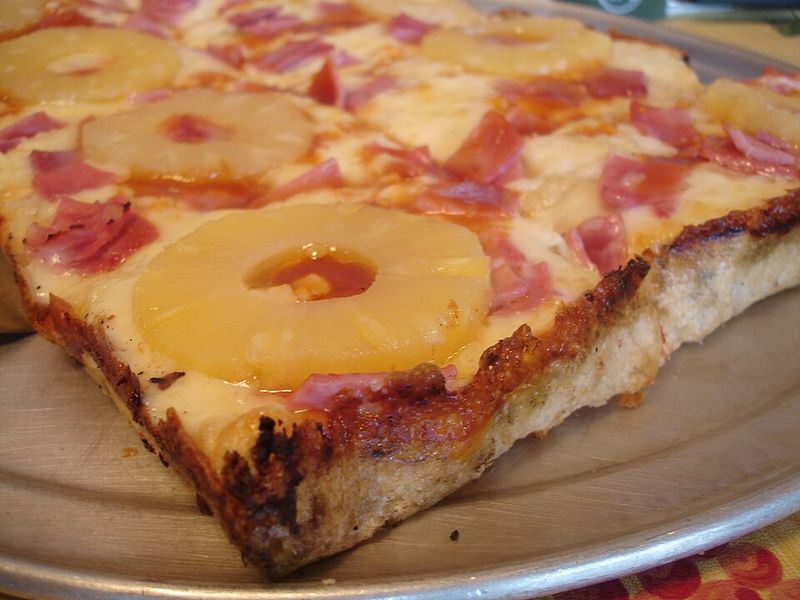
It was created in 1962 by Sam Panopoulos, a Greek-born restaurant owner in Chatham, Ontario, Canada. He wanted to try something new and put canned pineapple and ham on a pie at his restaurant, the Satellite.
The name came from the brand of canned pineapple he used, which was labeled Hawaiian. Customers were curious, and the sweet and salty mix began to catch on.
Today the pizza is sold in countries all over the world, from Australia to Sweden. Whether people love it or not, it shows how one experiment in a small Canadian town can spark a global conversation about what belongs on a slice.
4. General Tso’s Chicken
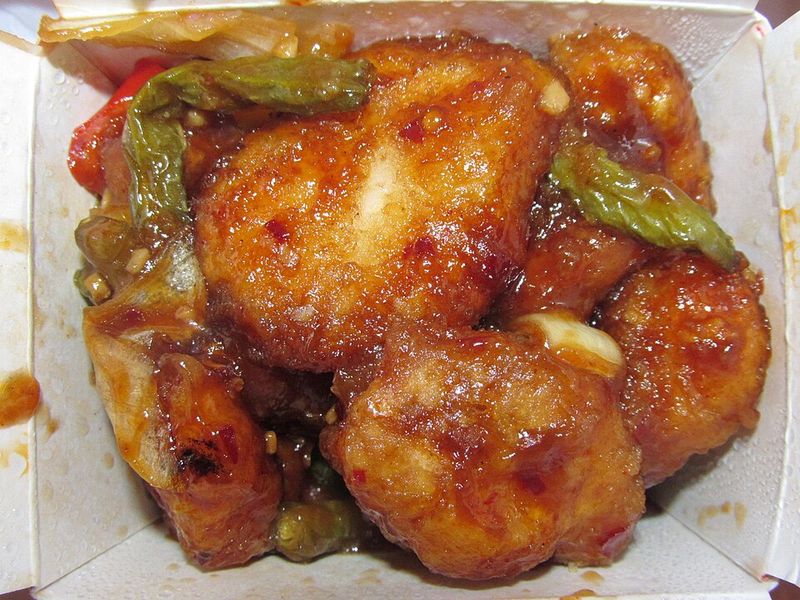
Sweet, crunchy, and a little spicy, this takeout star is a staple across the United States. Ironically, it is hard to find in much of China.
The dish is linked to Peng Chang-kuei, a Taiwanese chef who cooked for government banquets after leaving mainland China. He made a Hunan-inspired fried chicken dish and named it after Zuo Zongtang, a Qing dynasty general.
When chefs in New York in the 1970s adapted it, they added more sugar to suit American tastes. That sweeter version took off and spread across Chinese American restaurants.
The story is a good reminder that food changes as it travels. The version many people eat today is a product of migration, creativity, and the preferences of a new audience.
5. Chicken Parmesan
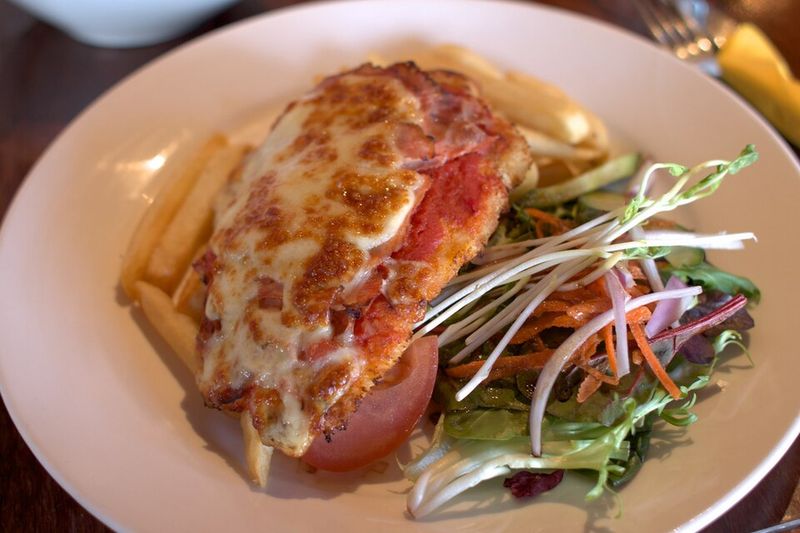
Picture a golden cutlet buried under tomato sauce and bubbling cheese. It feels very Italian, yet the dish as we know it was shaped in America.
Italian immigrants brought a tradition of eggplant parmigiana, where slices are fried, layered with sauce, and baked with cheese. In the United States, where chicken was more affordable than it had been back home, cooks swapped the eggplant for breaded chicken.
The dish became popular in the early to mid 1900s in Italian American restaurants, often served with a side of pasta.
Many families now treat it as a comfort classic for Sunday dinners. It is a fine example of how immigrants blended memories of home with local ingredients, creating something new that belonged to both places.
6. Spaghetti and Meatballs
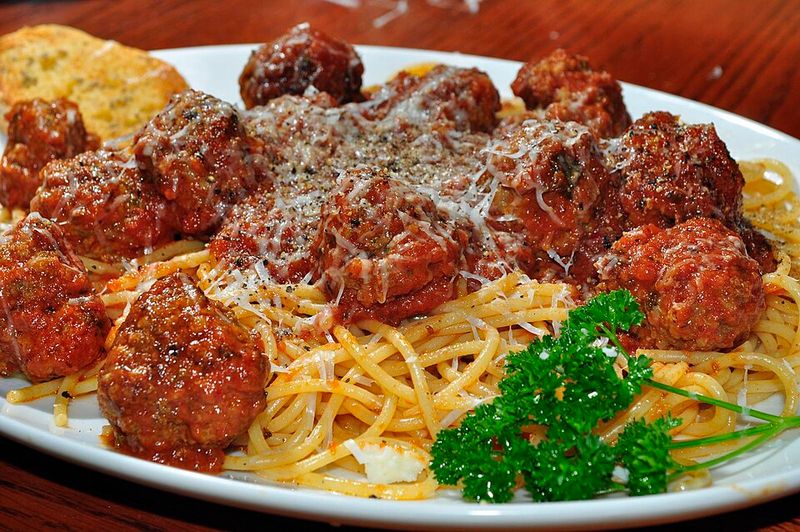
A red-checkered tablecloth, a steaming plate, and a fork twirled with noodles: this image feels like Italy. In reality, the pairing is mostly an American creation.
In Italy, meatballs, called polpette, are typically small and served on their own or in soup. Pasta was often a separate course.
When Italian immigrants arrived in the United States in the late 1800s, meat was more affordable and plentiful. They made larger meatballs and served them on top of spaghetti, creating a filling one-plate meal.
The dish soon became a mainstay in Italian American restaurants and homes. Movies and cartoons later cemented its place in popular culture.
It is a tasty example of how a new country can change the shape of an old tradition.
7. Doner Kebab
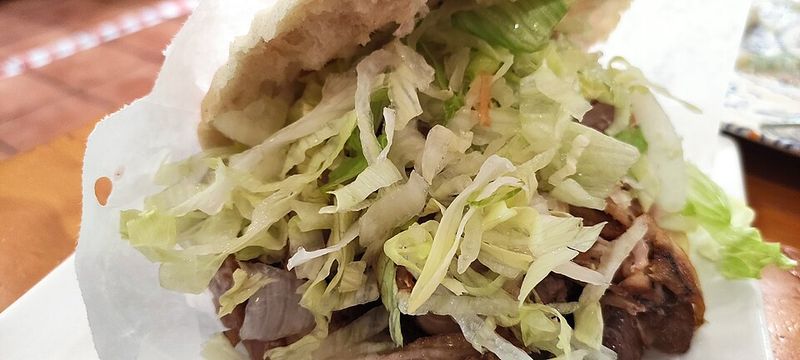
Few late-night meals are as recognizable as meat shaved from a spinning cone. The doner has roots in Turkey, but its fame took off in Germany.
Vertical roasting of meat existed in the Ottoman Empire, and the word doner means turning in Turkish. In the early 1970s, Turkish immigrants in Berlin, with Kadir Nurman often named as an early pioneer, began serving the meat in bread with salad and sauce.
The sandwich was fast, filling, and easy to eat on the go. It suited busy workers and soon became a street food favorite.
Today Germany has thousands of doner shops, and the sandwich is considered a national favorite. Versions also appear across Europe and beyond, each with local toppings and sauces.
8. French Fries
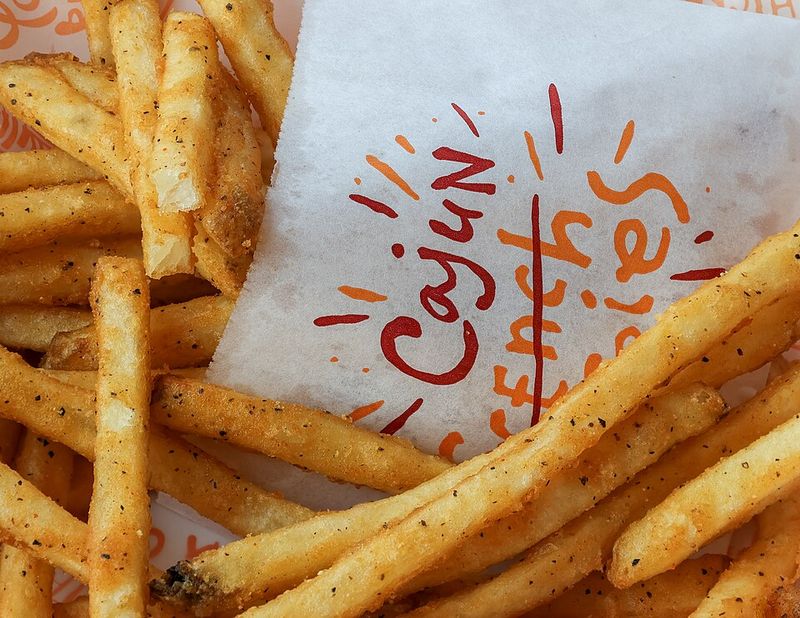
Here is a puzzle: are fries French, Belgian, or neither? The debate has gone on for generations.
Belgians often tell a story of villagers in the Meuse valley frying small potato pieces when the river froze and fish was scarce, sometime in the 1600s. Historians say the evidence is thin, but the tale remains popular.
The French name may come from American soldiers in World War I, who met French-speaking Belgian troops and tasted the fried potatoes there. They called them French because of the language spoken.
Whatever the truth, the potato itself came from South America. Fries now appear on tables everywhere, from fast food counters to fancy bistros, proving that a simple idea can travel far.
9. Tempura
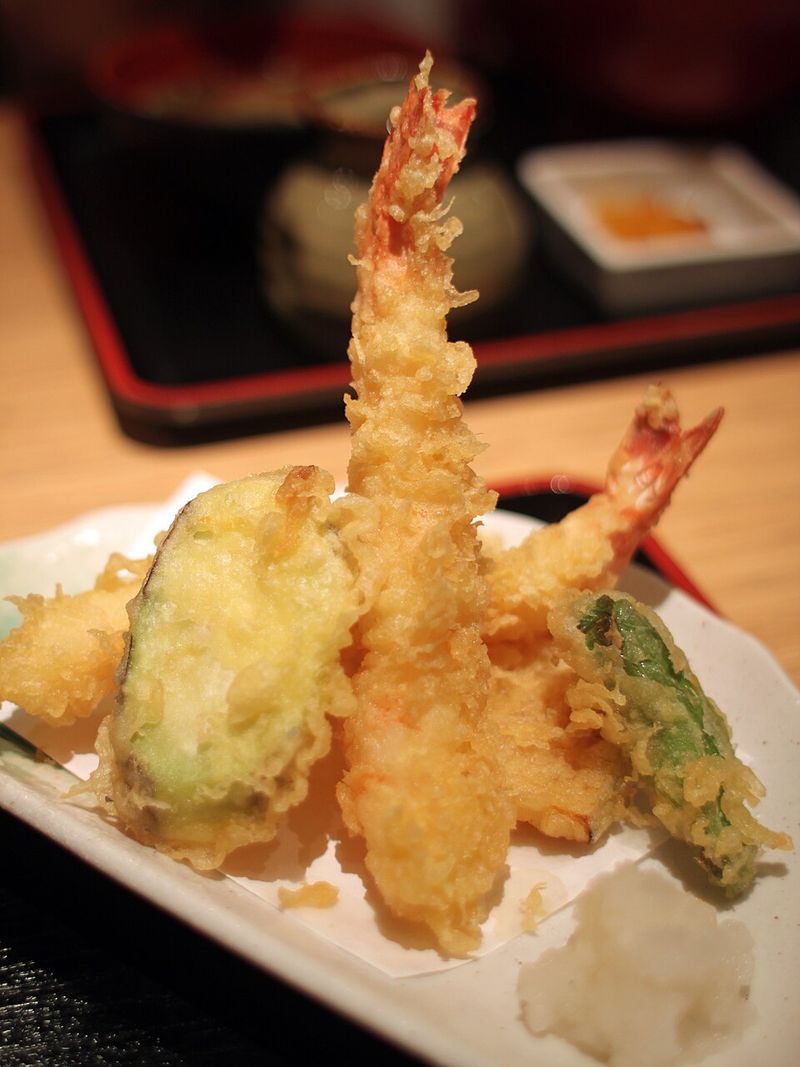
Light, crisp, and delicate, tempura feels as Japanese as cherry blossoms. Its roots, however, trace back to Portuguese visitors in the 1500s.
Portuguese traders and missionaries in Nagasaki brought a custom of frying battered vegetables and fish, especially during religious fasting periods known as Ember Days. The Latin word tempora is often linked to the dish’s name.
Japanese cooks refined the method over time. They used cold water and a thin batter to create a lacy, airy coating that lets the ingredient shine.
By the Edo period, tempura was sold at street stalls in Edo, now Tokyo, as a quick snack. Today it is a respected part of Japanese cuisine, and many chefs spend years mastering the technique.
10. Vindaloo
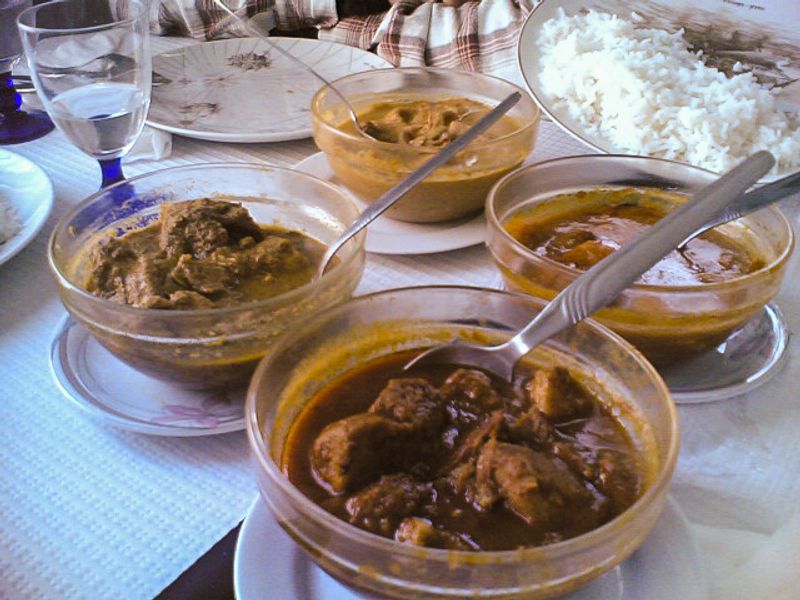
Many people know vindaloo as the fiery curry at the end of a restaurant menu. Its story starts on a Portuguese ship, not in a spice market.
The name comes from the Portuguese dish carne de vinha d’alhos, meaning meat in wine and garlic. Sailors used wine vinegar and garlic to preserve meat on long voyages.
In Goa, on India’s west coast, local cooks replaced wine with palm vinegar and added chilies, tamarind, and warm spices. The result was a tangy, bold curry that became part of Goan Christian cooking.
British restaurants later popularized a much hotter version, and the dish gained a reputation for heat. Traditional Goan vindaloo, though, is more about balance, with sourness and spice working together.
11. Croissants
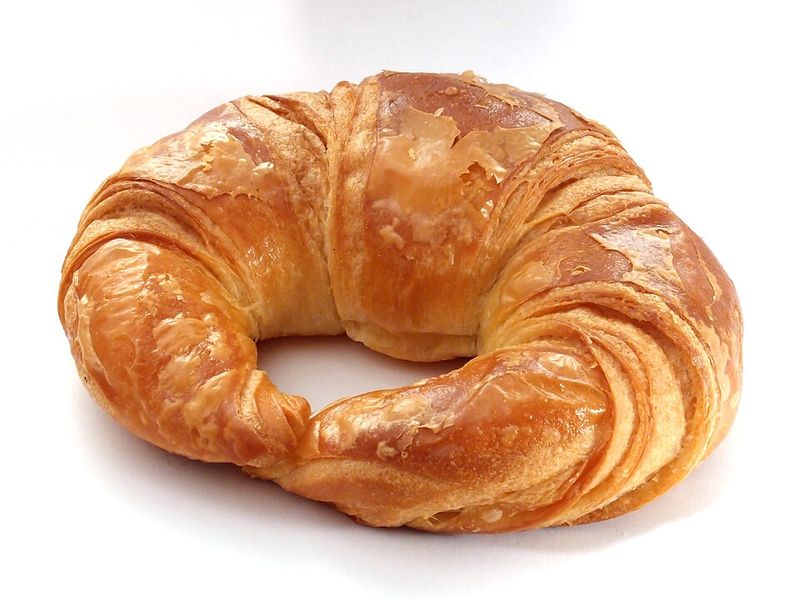
Nothing says Paris like a buttery croissant with morning coffee. But the pastry’s family tree leads to Vienna.
Austria had a crescent-shaped bread called the kipferl, which dates back centuries. Legends say it honored a victory over the Ottoman army, though historians question that story.
August Zang, an Austrian officer, opened a Viennese bakery in Paris in 1838. French bakers later adapted the kipferl, using laminated dough, which is folded with butter again and again to create airy layers.
That technique gave the croissant its flaky texture, and by the early 1900s it was a bakery staple in France. Today it is a symbol of French food culture, even though its beginnings were Austrian.
12. Fish and Chips
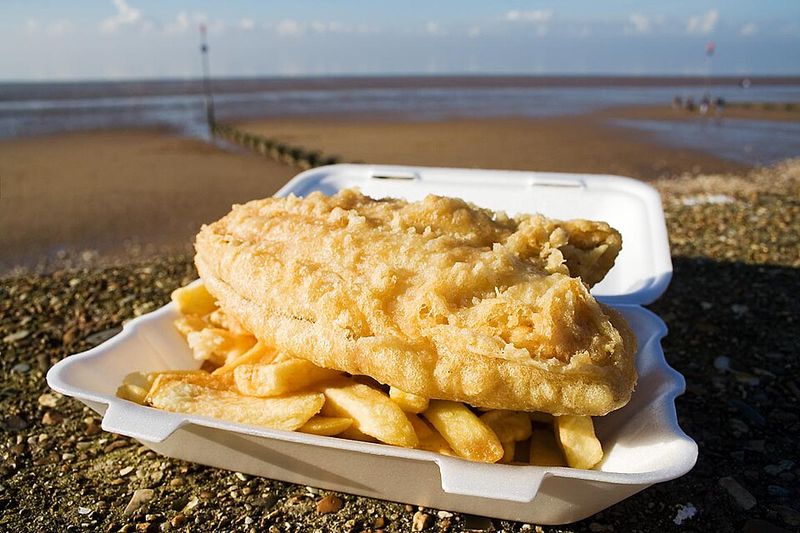
Wrapped in paper and eaten by the seaside, fish and chips feels deeply British. Yet each half of the meal has foreign roots.
Fried fish was brought to England by Sephardic Jewish immigrants from Spain and Portugal in the 1600s. Fried potatoes became common in the 1800s, with fish and chip shops opening in London and northern England.
The meal became a cheap, filling option for factory workers. During both World Wars, it was one of the few foods not rationed, which helped boost morale.
Today there are thousands of chip shops across the United Kingdom. Salt and malt vinegar remain the classic toppings, and mushy peas often sit on the side.
13. Bánh Mì
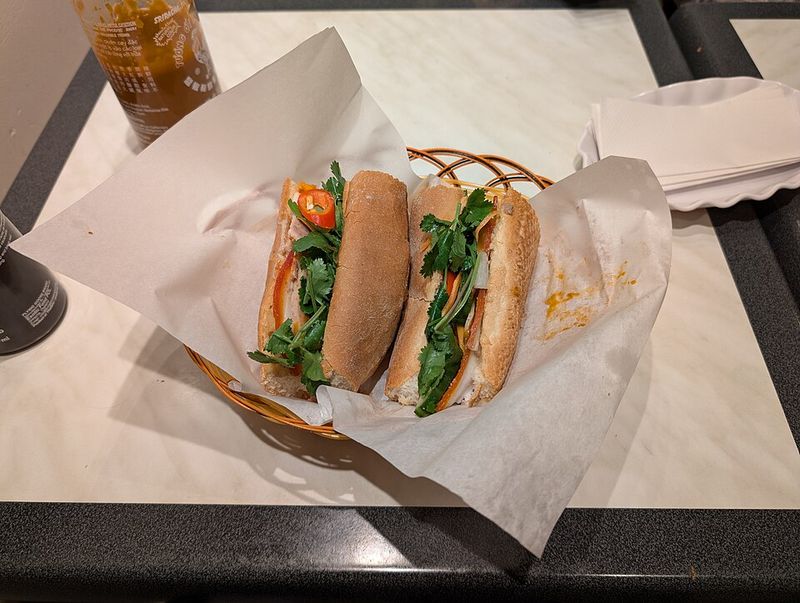
A crackling baguette stuffed with pickles, herbs, and savory meat tells a story of two cultures meeting.
The baguette arrived in Vietnam during French colonial rule in the 1800s. Vietnamese bakers adapted it, making a lighter, airier loaf with a thin crust, often using rice flour.
Street vendors in Saigon began filling the bread with local ingredients like pickled daikon, carrots, cilantro, chilies, and pork or pâté. The mix of French bread and Vietnamese flavor created something entirely new.
After 1975, Vietnamese refugees carried the sandwich to the United States, Australia, and Europe, where bánh mì shops became community favorites. Many food writers now rank it among the world’s best sandwiches.
14. Currywurst
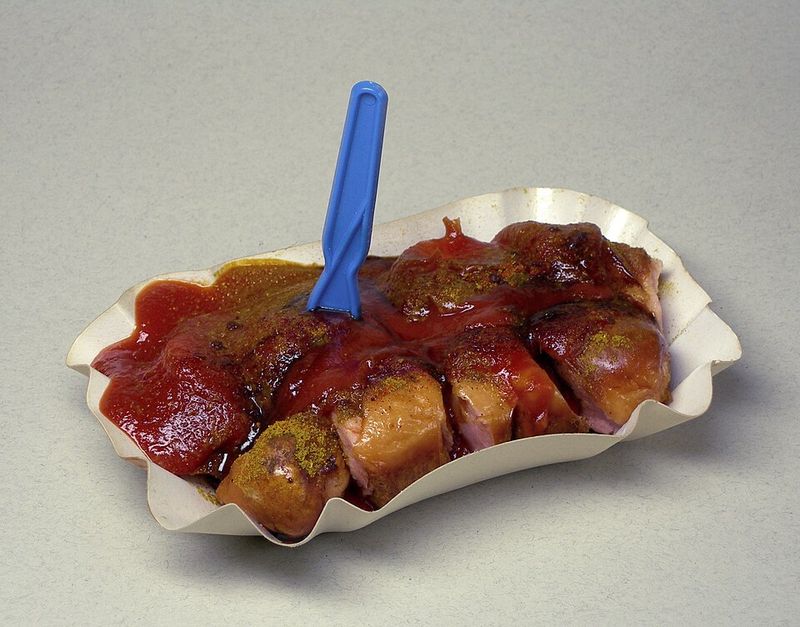
On a rainy day in 1949, a Berlin snack bar owner made a small experiment that changed German street food.
Herta Heuwer, who ran a stand in the city’s Charlottenburg district, got ketchup and curry powder from British soldiers. She mixed them into a sauce and poured it over grilled sausage.
The curry powder itself reflected British adaptations of Indian spice blends, so the dish links three countries in a single paper tray. Customers loved it, and the idea spread quickly.
Today Germans eat hundreds of millions of currywursts each year. Berlin even has a museum devoted to it, and the snack is a symbol of postwar creativity.
15. Churros
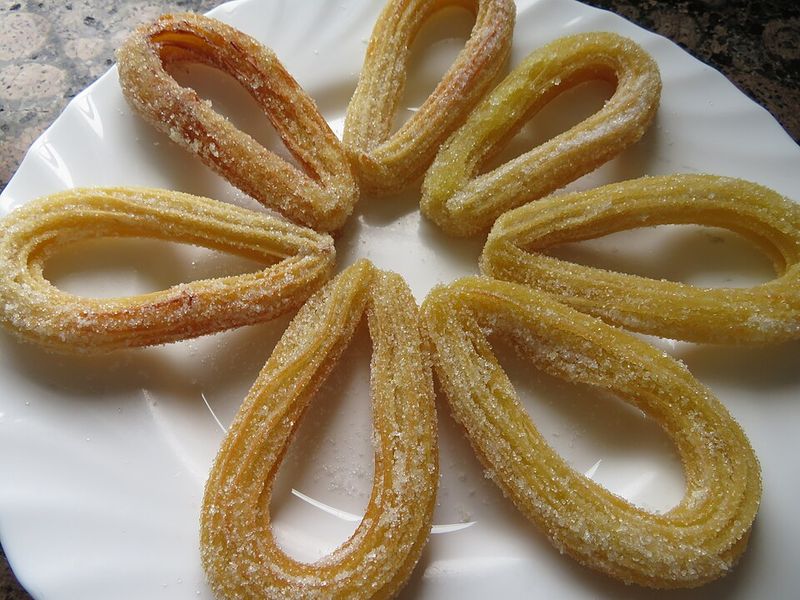
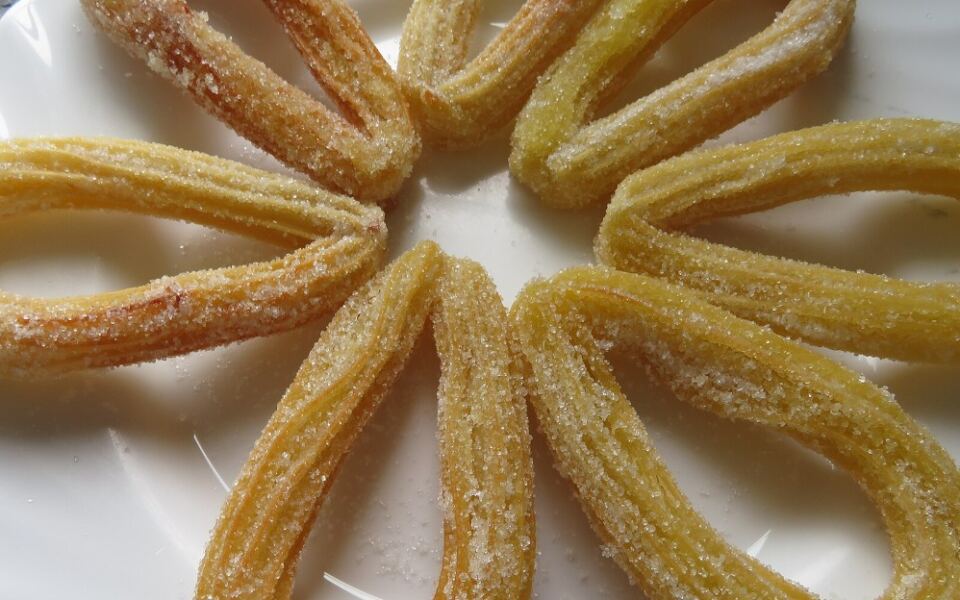
Crisp ridges, a dusting of sugar, and a cup of thick chocolate for dunking: churros are a joyful treat in many parts of the world.
They are most associated with Spain, but their exact origins are unclear. One theory points to Spanish shepherds who made a fried dough over open fires.
Another suggests Portuguese sailors brought a similar pastry from China, where youtiao is a fried dough stick.
Spanish colonists carried the treat to Latin America, where it took new forms. In Mexico and other countries, churros are often filled with cajeta, chocolate, or dulce de leche.
Today churros appear at fairs, theme parks, and cafes across the globe. Their simple dough and endless toppings help explain why they have crossed so many borders.
Share this story