Breakfast means very different things depending on where you wake up. In many countries, the first meal of the day includes rice, beans, soup, or spiced eggs instead of cereal and pancakes.
Each dish reflects local crops, history, and daily routines. Here are 15 traditional breakfasts that show how varied the morning meal can be.
1. Full English Breakfast, England
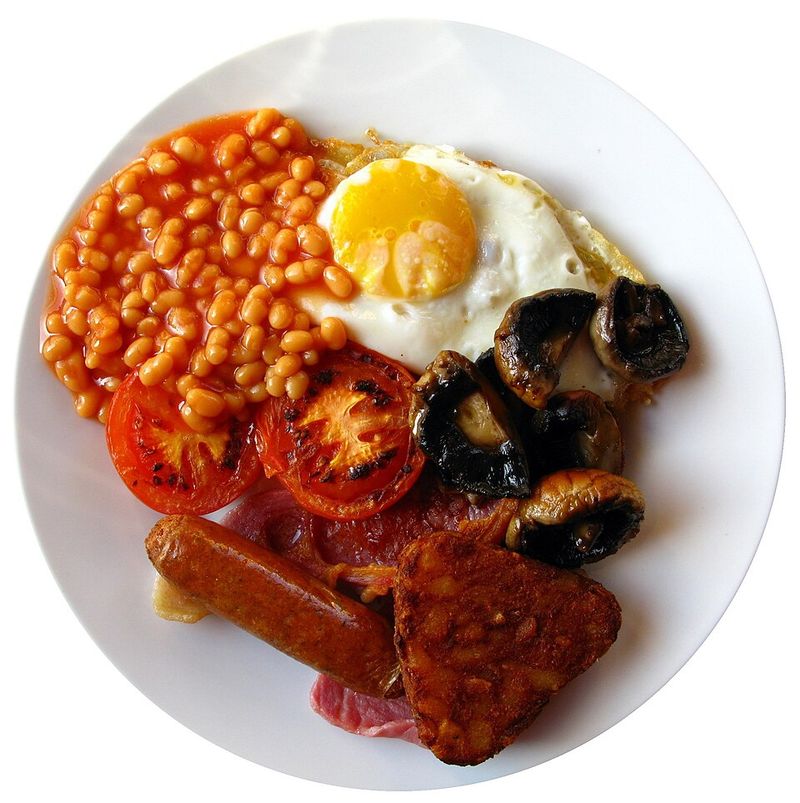
A plate piled high with sausages, bacon, eggs, and beans is a proud sight in British cafes. The full English was once fuel for workers who needed energy before long shifts.
A typical plate holds fried or scrambled eggs, back bacon, pork sausages, grilled tomato, and mushrooms. Baked beans and buttered toast fill the remaining space.
Some cooks add black pudding, which is a sausage made with pork blood and oats.
Regional versions exist too. In Scotland, a slice of tattie scone may join the plate, and in Northern Ireland, soda bread is common.
Many families keep this meal for weekends or holidays because it takes time to cook. Pubs and cafes often serve it all day, and tea is the classic drink to go with it.
It remains a comforting tradition across the country.
2. Congee, China
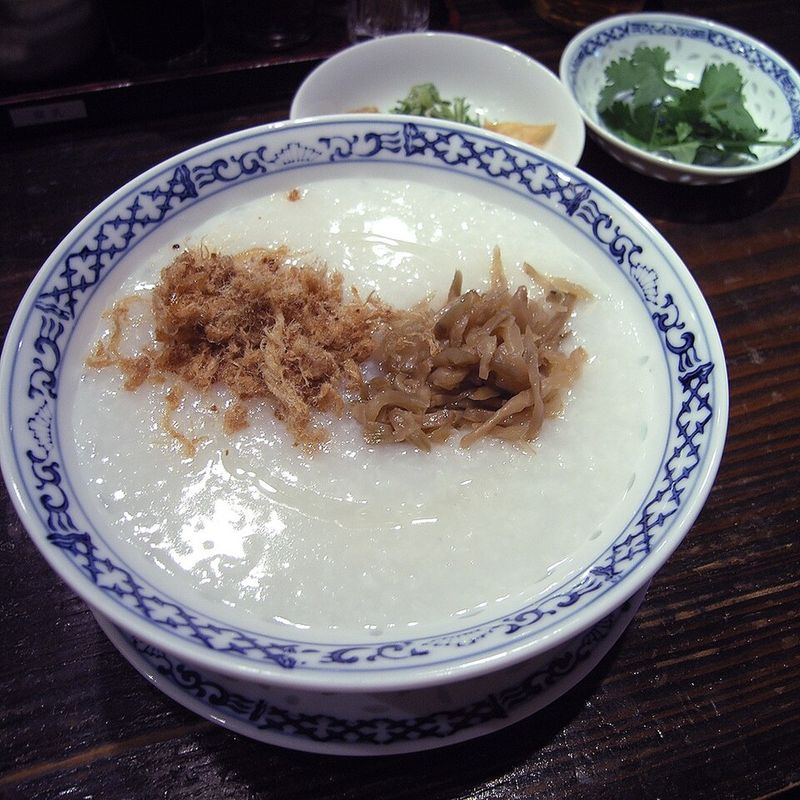
Picture a warm bowl of silky rice porridge on a chilly morning. That is congee, a breakfast that has comforted people in China for centuries.
Cooks simmer rice in plenty of water until the grains break down into a creamy texture. The plain base is mild, so toppings do the talking.
Popular choices include sliced scallions, pickled vegetables, salted duck eggs, shredded pork, and crispy fried dough sticks called youtiao.
Congee is also valued as an easy food to digest, which is why families serve it to anyone feeling under the weather. Names and styles change by region.
In Guangdong it may be cooked very smooth, while other areas keep a bit more bite. Street vendors and small restaurants sell it early, and many people eat it on the way to work or school.
3. Chilaquiles, Mexico
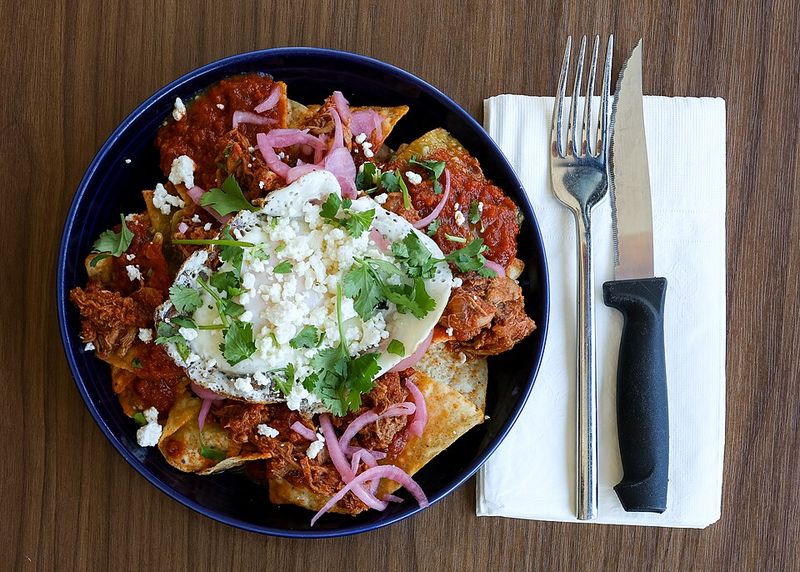
Leftovers rarely taste this good. Chilaquiles began as a clever way to use stale tortillas, and now they star on breakfast tables across Mexico.
Cooks cut corn tortillas into triangles and fry them until crisp. The chips are then tossed in red or green salsa until they soften slightly.
Toppings often include crumbled fresh cheese, cream, chopped onion, and cilantro.
Many people add a fried egg or shredded chicken for extra protein. Beans or avocado slices often sit on the side.
Fans like to debate whether the chips should stay crunchy or turn soft, and both styles have loyal followers. The name comes from a Nahuatl word often linked to chiles and broth.
It is a popular choice after a late night or a family gathering.
4. Ful Medames, Egypt
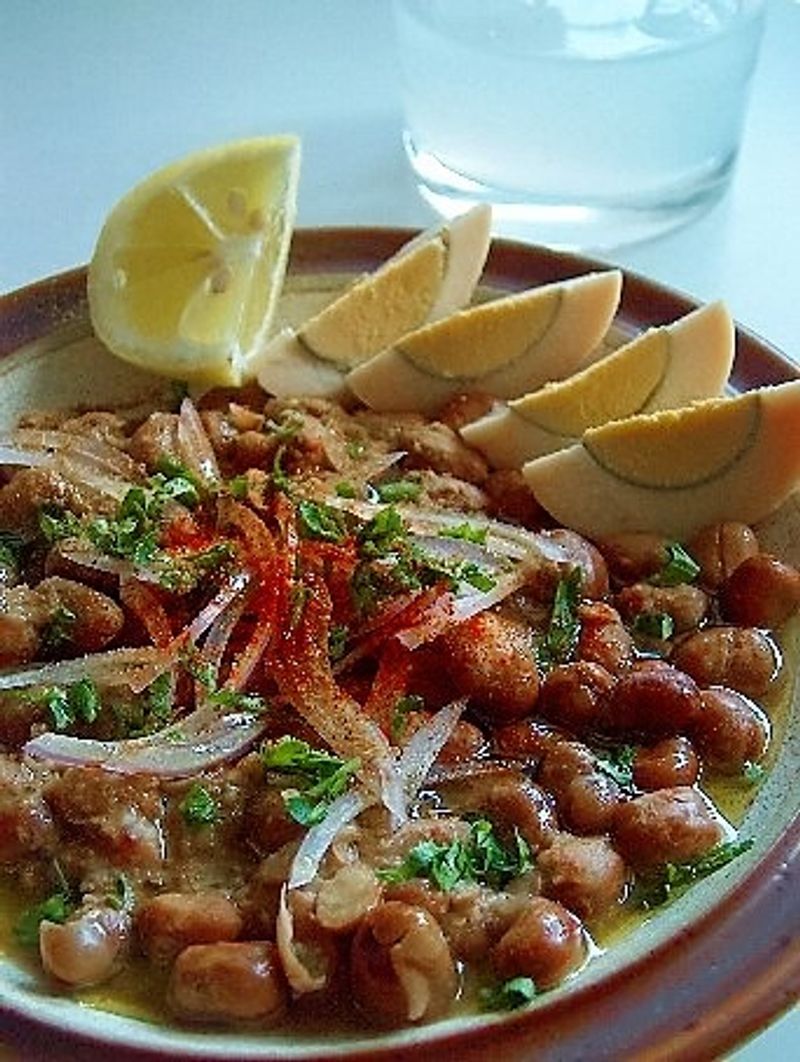
Ask Egyptians about the national breakfast, and many will point to a pot of slow-cooked fava beans. Ful medames has fed the country for generations and is often sold from carts at dawn.
The beans simmer for hours until tender, then get mashed lightly and seasoned with olive oil, lemon juice, garlic, and cumin. Cooks often top the bowl with chopped tomato, parsley, or a boiled egg.
Diners scoop it up with warm flatbread instead of using a spoon. Some add chili or tahini for extra flavor.
The meal is filling, affordable, and rich in protein and fiber, so it keeps people going through a busy morning. Many households share one big dish at the table, which makes breakfast feel like a gathering as much as a meal.
5. Nasi Lemak, Malaysia
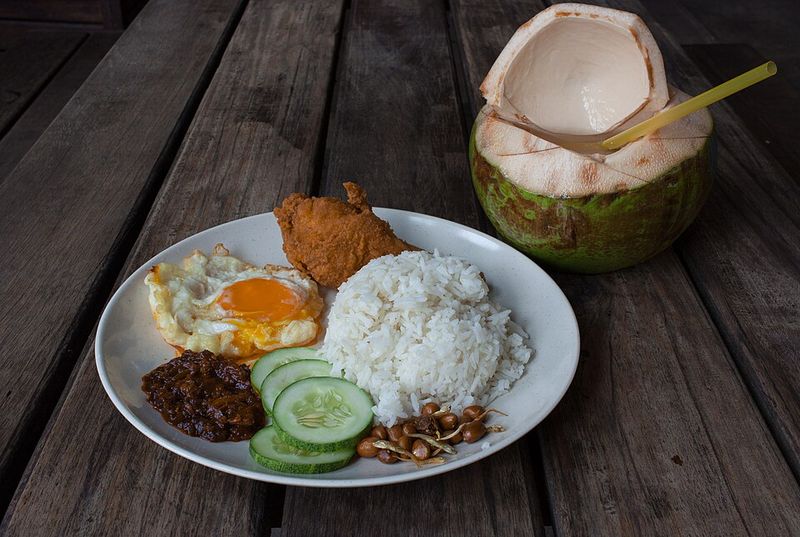
Wrapped in banana leaf and sold at roadside stalls, nasi lemak is the smell of morning in Malaysia. Its name means rich rice, a nod to the coconut milk used in cooking.
The rice is steamed with coconut milk and often pandan leaf, giving it a soft, fragrant taste. Next to it sit crispy anchovies, roasted peanuts, cucumber slices, and a boiled or fried egg.
A spoonful of sambal, a sweet and spicy chili paste, ties everything together.
Some plates also include fried chicken or beef rendang for a bigger meal. Packets are cheap and easy to carry, so office workers and students grab them on the way out.
Each cook has a secret sambal recipe, and fans will happily argue over which stall makes the best one.
6. Idli and Sambar, India
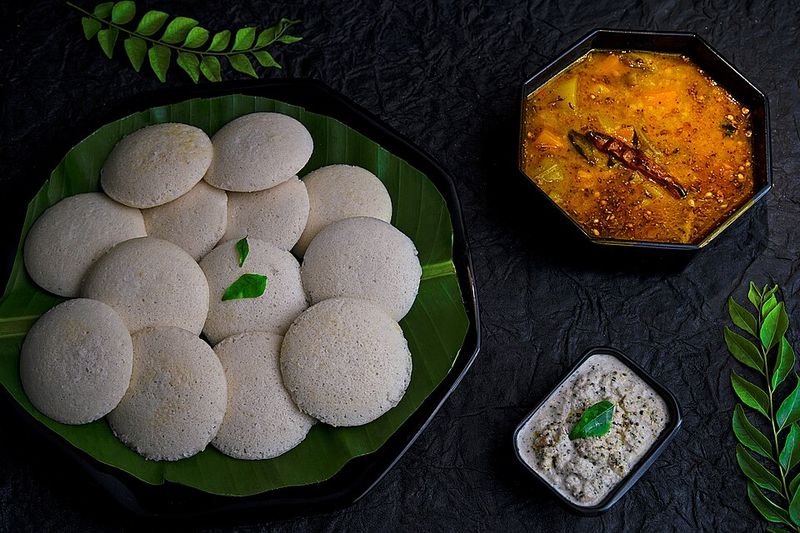
Soft, pillowy, and steamed instead of baked, idlis are a staple morning food in South India. They are round cakes made from a fermented batter of rice and black lentils.
Fermentation gives the batter a mild tang and makes the cakes light. After steaming, they are served warm with sambar, a lentil and vegetable stew flavored with tamarind and spices.
Coconut chutney usually sits alongside for dipping.
Many families prepare the batter the night before, so it is ready at sunrise. Because idlis use little oil, they are seen as a gentle, balanced start to the day.
Restaurants across the region serve them by the dozen, and travelers often find them on train station platforms. A drizzle of ghee or a sprinkle of spicy chili powder makes them even more tasty.
7. Miso Soup, Rice and Grilled Fish, Japan
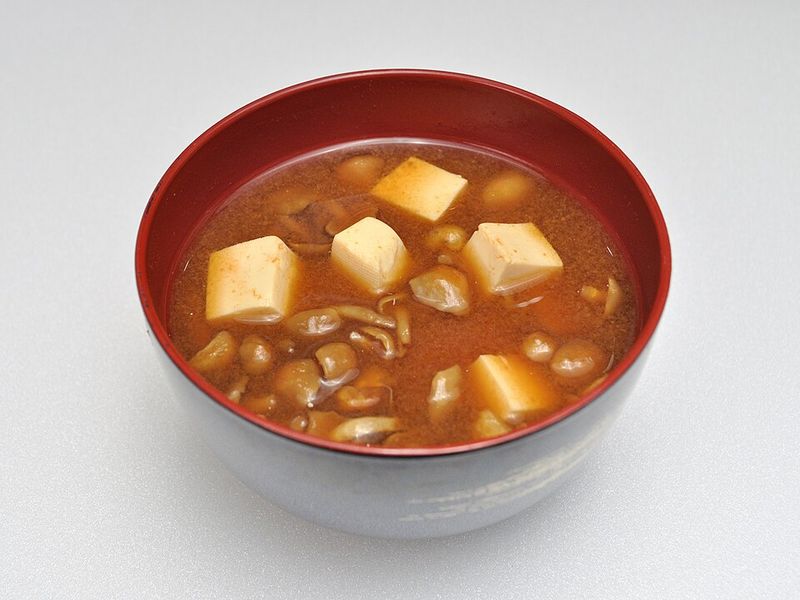
Soup for breakfast may sound odd to some, but in Japan it is a calm and balanced way to begin the day. A classic set meal brings several small dishes together on one tray.
The center usually includes steamed white rice, a bowl of miso soup, and a piece of salted grilled fish such as salmon or mackerel. Pickled vegetables, seaweed, and tamagoyaki, a rolled sweet omelet, often join in.
Some people also add natto, which is fermented soybeans.
Miso soup is made with dashi broth, miso paste, tofu, and sometimes seaweed or green onion. The meal offers protein, grains, and vegetables with little sugar.
Inns called ryokan are famous for serving it, and many home cooks follow the same pattern. Each dish is small, so people can taste a bit of everything.
8. Menemen, Turkey
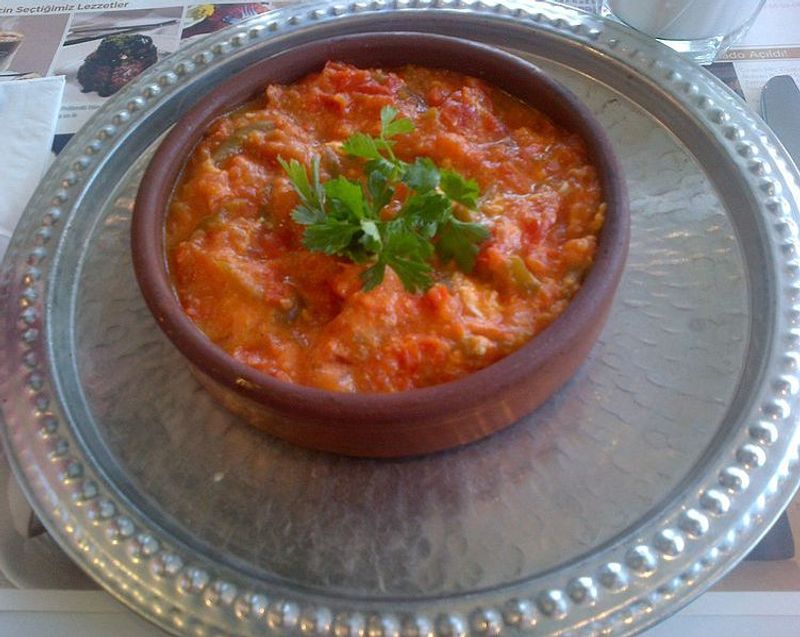
Few breakfast debates are as lively as the one over onions in menemen. Turkish cooks argue about it with real passion, and each side has loyal supporters.
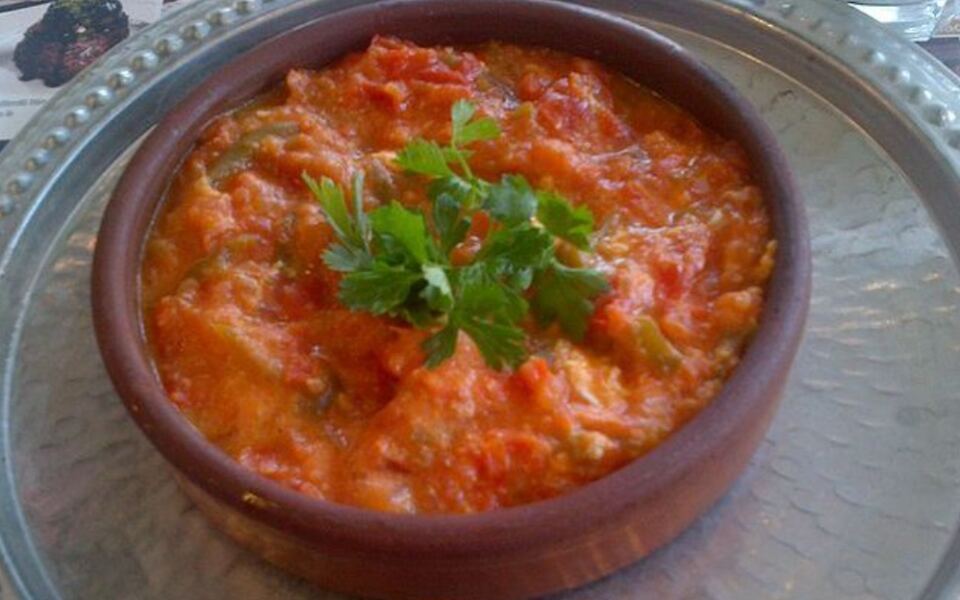
The dish is a soft scramble of eggs cooked with ripe tomatoes and green peppers, often in butter or olive oil. It is served bubbling in a small pan, sometimes copper, right at the table.
A pinch of red pepper flakes adds gentle heat.
Diners tear off pieces of crusty bread and dip them into the pan, which makes the meal feel relaxed and shared. It often appears as part of a larger Turkish breakfast spread with olives, cheese, cucumbers, and strong tea.
Menemen is quick to make, so it works on busy mornings as well as lazy weekends.
9. Gallo Pinto, Costa Rica
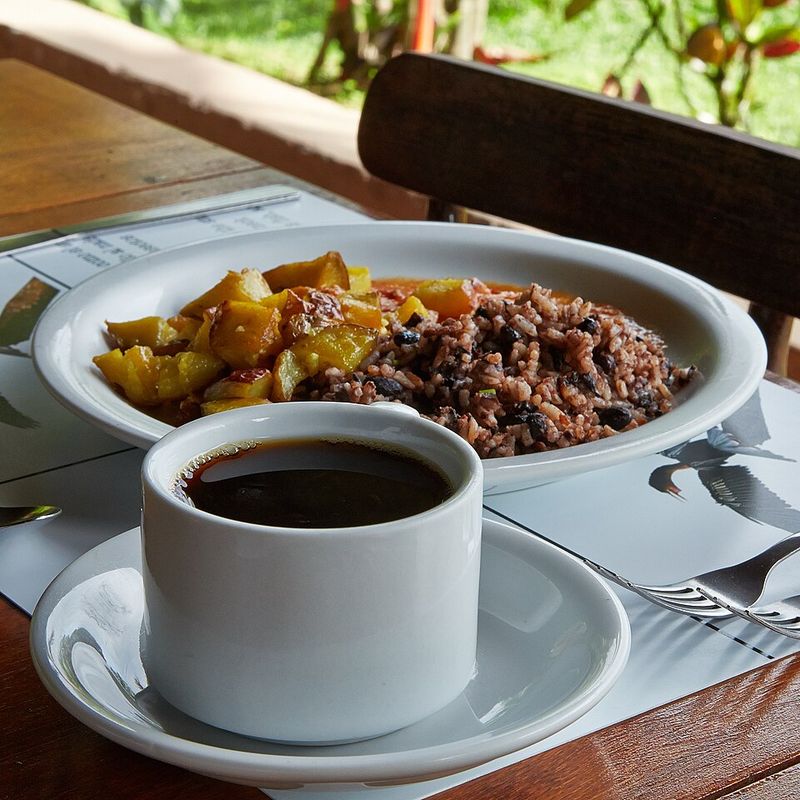
Rice and beans before noon might surprise visitors, yet in Costa Rica it is simply how the day starts. Gallo pinto, which means spotted rooster, gets its name from the speckled look of the mix.
Cooks stir leftover rice with black beans, onion, sweet pepper, and cilantro. A splash of Salsa Lizano, a mild local sauce, gives the dish its signature flavor.
The mixture is fried lightly in a pan so the flavors blend.
It is usually served with scrambled or fried eggs, fried plantains, and a spoonful of sour cream. Fresh cheese and corn tortillas often join the plate.
The meal is filling and budget friendly, and many families make it every day. Coffee grown in the region is the usual drink on the side.
10. Mohinga, Myanmar
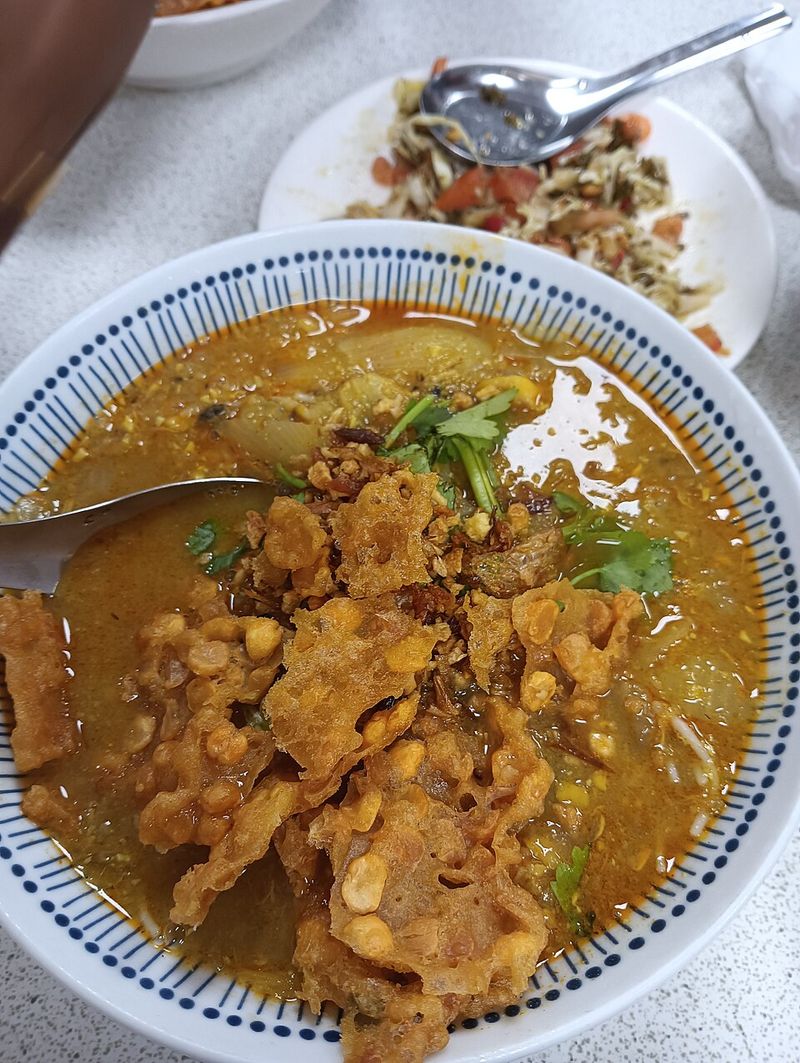
In Yangon, the early morning air often carries the scent of simmering fish broth. Mohinga is widely seen as the national dish of Myanmar, and it is most often eaten at breakfast.
The soup combines thin rice noodles with a rich broth made from catfish, lemongrass, ginger, garlic, and onion. Toasted rice powder or chickpea flour thickens it slightly.
Toppings can include boiled eggs, crispy fritters, fresh cilantro, and a squeeze of lime.
Street vendors ladle it from large pots, and customers sit on small stools to eat. Each region has its own style, with different fish or added banana stem.
The bowl is hearty and tangy at once, with a savory depth that wakes up the senses. Chili flakes are usually offered for those who want more heat.
11. Phở, Vietnam
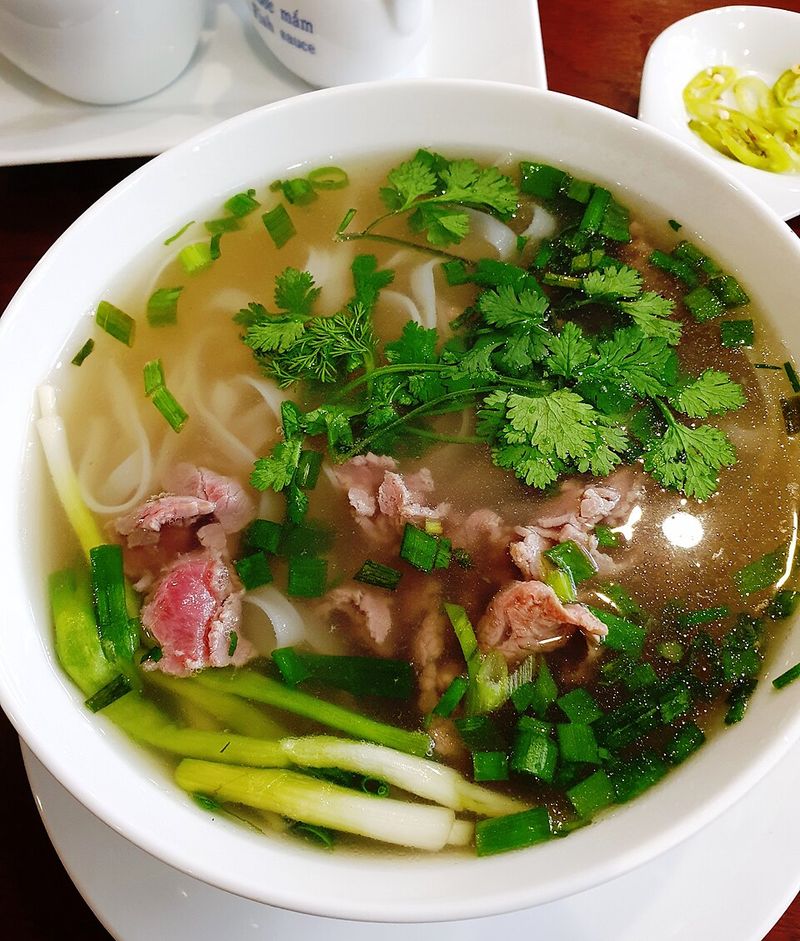
Long before offices open in Hanoi, sidewalk stools fill with people slurping noodle soup. Phở is a Vietnamese favorite, and many locals eat it first thing in the morning.
The broth is the star. Cooks simmer beef bones for hours with charred onion, ginger, star anise, cinnamon, and cloves.
Flat rice noodles and thin slices of beef or chicken go into the bowl, and the hot broth cooks the meat gently.
Diners add fresh herbs, bean sprouts, lime, and chili to suit their taste. Northern versions are simpler, while southern ones offer more herbs and sauces.
The soup became popular in the early twentieth century and has since traveled around the world. A bowl is warm, light, and satisfying, which makes it a great way to start the day.
12. Hoppers, Sri Lanka
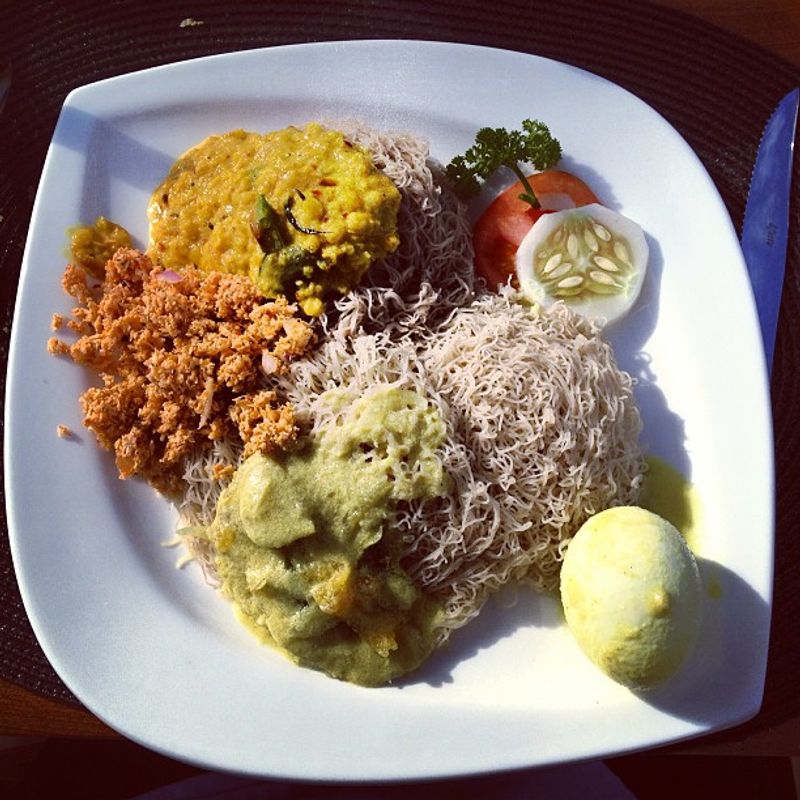
Shaped like a small bowl and crisp at the edges, a hopper is a treat that makes mornings in Sri Lanka special. Locals call it appa.
The batter combines rice flour, coconut milk, and a little yeast or palm toddy for fermentation. Cooks swirl it in a small, deep pan so it forms a thin, lacy shell with a soft center.
Some hoppers have an egg cracked into the middle while they cook.
They are served with coconut sambol, a mix of grated coconut, chili, lime, and onion, or with a spicy onion relish called lunu miris. Curry can join the plate as well.
String hoppers, which are steamed nests of rice noodles, make another popular option. Both are light, a little sweet, and perfect for sharing.
13. Waakye, Ghana
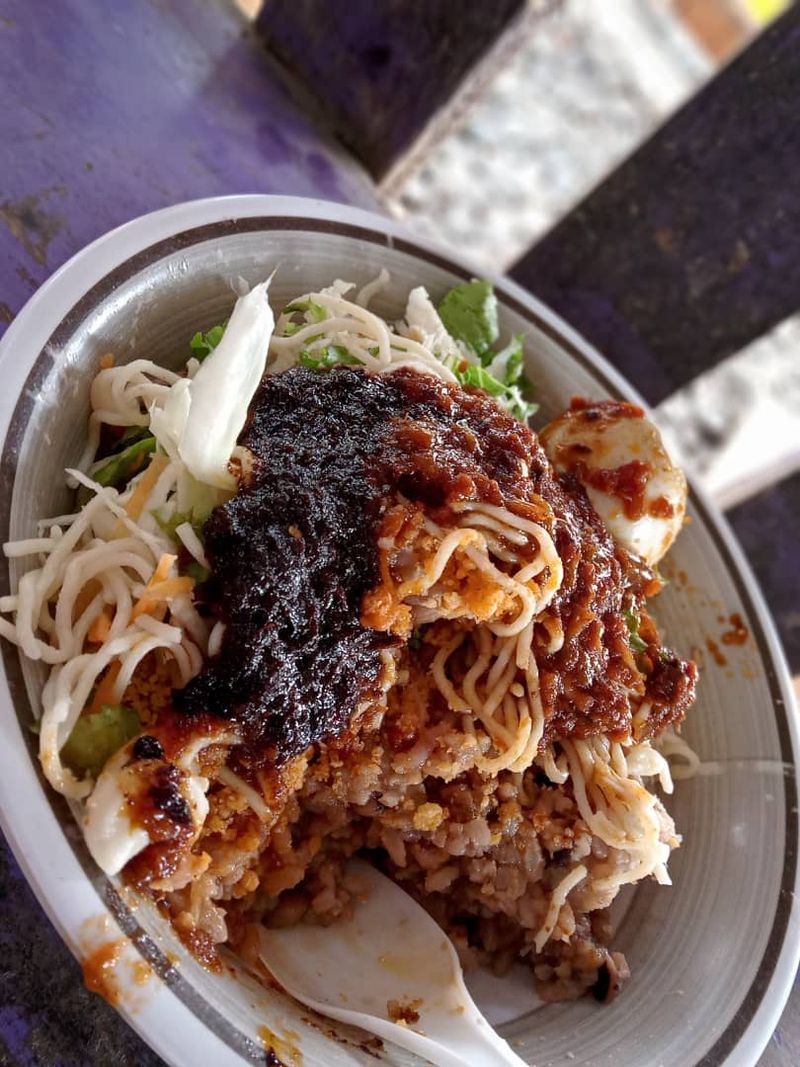
Sold from big pots at street corners, waakye is a beloved morning meal in Ghana. The name comes from the Hausa word for beans, and the dish blends rice and black-eyed peas.
Cooks boil the rice and beans together with dried sorghum leaves, which give the mix a deep reddish-brown color. A plate often includes spaghetti, boiled egg, fried plantain, and gari, a crunchy cassava topping.
Spicy black pepper sauce called shito adds a punch.
Vendors traditionally serve it in a leaf or a small takeaway container, and many people eat it on the go. Some versions include fish or beef stew.
The dish is hearty and very customizable, so each customer can build a plate that suits their taste. It also works well later in the day.
14. Salteñas, Bolivia

Eating a salteña takes skill, because the filling is juicy and can drip. Bolivians have mastered the trick of holding the pastry upright and sipping the sauce first.
The golden, slightly sweet crust wraps a stew of beef or chicken, potatoes, peas, olives, and spices. The filling is made with gelatin, so it is thick when cold and turns liquid after baking.
That is what gives the pastry its soup-like center.
People usually enjoy salteñas in the middle of the morning, from bakeries that open early and sell out by lunch. A spicy sauce called llajua is a common side.
The pastry is said to have been brought by an Argentine woman from Salta, which explains the name. Today it is a source of national pride.
15. Shakshuka, North Africa and Middle East
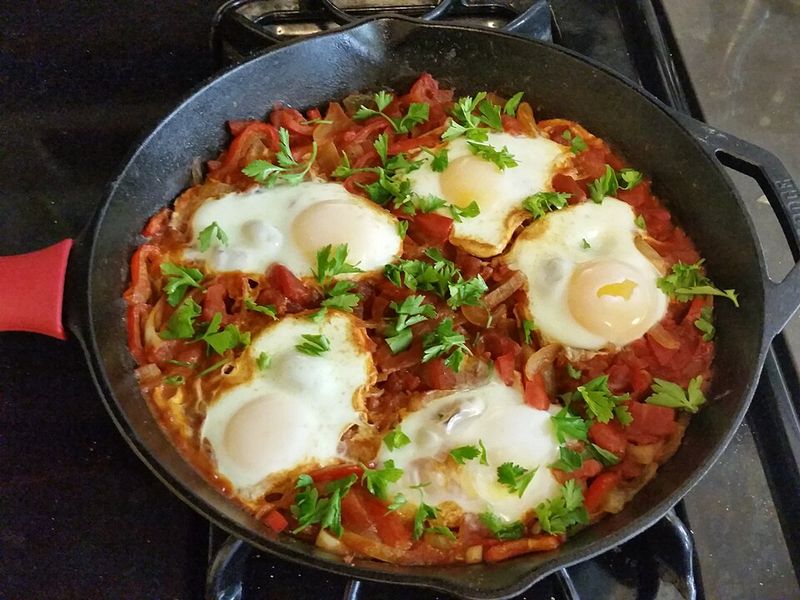
Eggs poached right in a bubbling pan of tomato sauce make a dish that looks bold and tastes cozy. Shakshuka is enjoyed from Morocco and Tunisia to Israel and beyond.
The sauce starts with onions, red peppers, garlic, and ripe tomatoes, seasoned with cumin, paprika, and chili. Cooks make small wells in the sauce and crack eggs into each one, then cover the pan until the whites are set.
The yolks are often left soft.
Fresh parsley, feta, or olives can be sprinkled on top. The pan goes straight to the table, and everyone dips bread into the sauce.
The name is often linked to an Arabic word meaning a mixture. It is simple, budget friendly, and easy to make at home with pantry staples.
Share this story