Some of the foods now served at fancy restaurants started out as simple meals for working families. Lobster, caviar, and sushi were once seen as plain, cheap, or even embarrassing to serve.
Over time, tastes changed, supplies shrank, and chefs found new ways to cook them. Here is a look at 14 foods that moved from humble tables to high-end menus.
1. Lobster
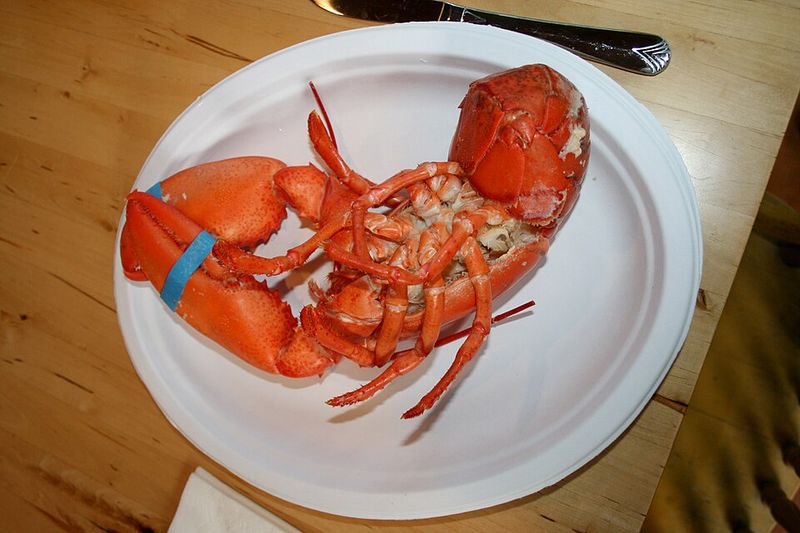
In colonial New England, lobsters washed up on beaches in huge piles. Settlers used them as fertilizer and fed them to pigs.
Servants and prisoners sometimes ate them, and a few records say some workers complained about getting lobster too often.
Things began to change in the 1800s. Railroads started carrying canned and live lobster inland, where people had never seen one before.
Travelers who did not know its past saw it as an exotic treat, and restaurants began raising prices.
By the 20th century, lobster had become a symbol of a special night out. Fishing limits and rising demand pushed prices higher still.
Today a simple boiled lobster can cost more than a steak dinner, which would have amazed early settlers who thought of it as bait.
2. Oysters
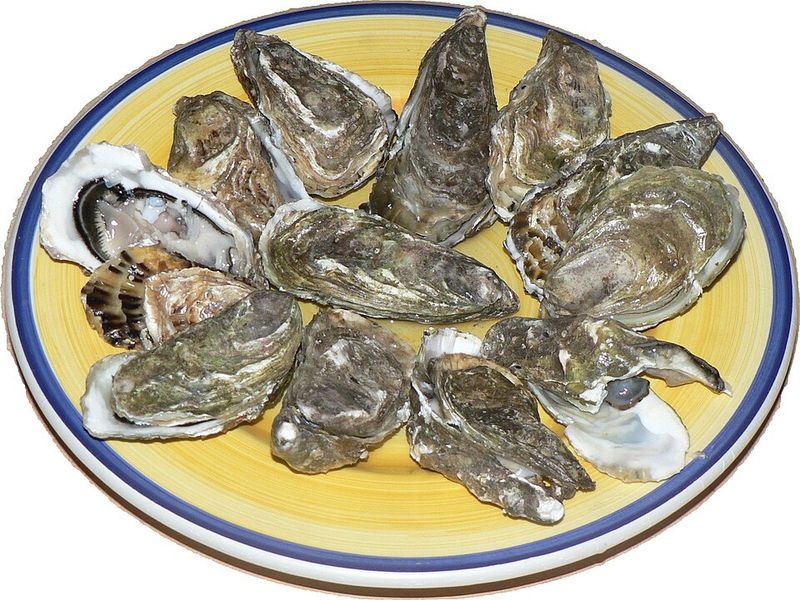
Picture a busy street in 1800s New York, where vendors sold oysters from carts for pennies. They were cheap, filling, and found everywhere.
Charles Dickens even wrote that oysters were food for the poor in London.
The bays around big cities were packed with them. Workers ate them raw, fried, or in stews, and oyster cellars served crowds at low prices.
Then pollution and overharvesting wiped out many oyster beds. Supply dropped, and prices climbed quickly.
Restaurants began presenting oysters as a delicate luxury, often paired with champagne.
Today, oyster farms are helping bring them back, and diners can taste differences between regions much like wine lovers compare vineyards. A food once handed out with a pint of beer now earns a spot on elegant menus.
3. Caviar
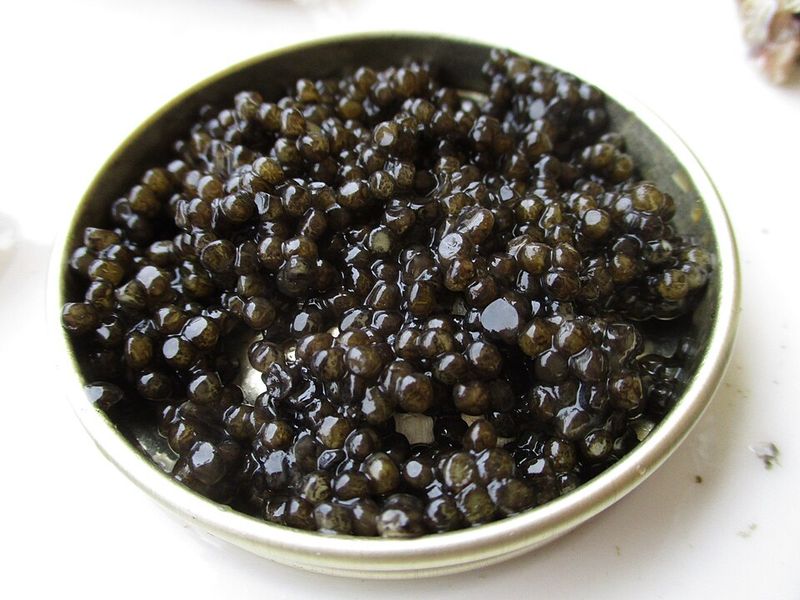
Here is a surprising fact: in the 1800s, American bars gave away salted sturgeon eggs for free. The salty taste made customers thirsty, so they bought more drinks.
Sturgeon were plentiful in rivers like the Delaware and the Hudson.
Russia and Persia had long enjoyed caviar, but in the United States it was common bar food. Exports to Europe grew, and the country became a major supplier.
Overfishing soon took a toll. Sturgeon populations collapsed because the fish take many years to mature.
As supply shrank, caviar became rare and costly.
Now it is sold in tiny tins and served at weddings and celebrations. Farmed sturgeon helps protect wild fish, though the price still reflects the long wait for each batch of eggs.
4. Polenta

Cornmeal porridge kept many Italian farm families fed for generations. In northern Italy, cooks stirred polenta in big copper pots and poured it onto a board to share.
It cost very little, and it filled hungry stomachs after long days in the fields.
Because it was tied to poverty, wealthier households often looked down on it. Some regions also saw health problems from relying on corn alone, which gave polenta a poor reputation for a time.
Modern chefs saw its potential. Slow-cooked polenta can be silky and rich, especially with butter, cheese, or braised meats.
Restaurants now list it as a comforting starter or side. A simple peasant staple has become a menu favorite, proving that careful cooking can lift almost any ingredient.
5. Pizza
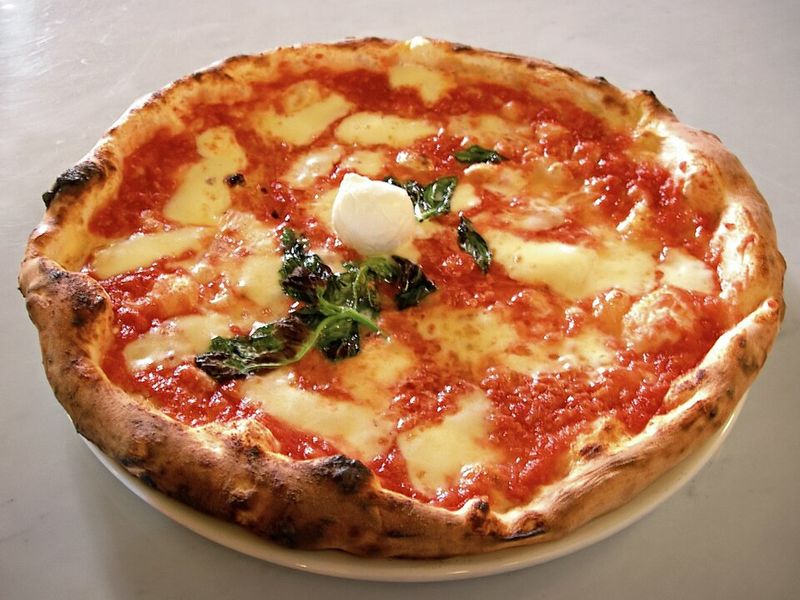
Naples in the 1700s was crowded, and many residents had little money. Street sellers offered flatbread topped with tomatoes, garlic, or lard.
People could eat it quickly with their hands, which made it ideal for busy workers.
Upper-class Italians often saw pizza as messy food for the poor. Travelers wrote about it with a mix of curiosity and disgust.
That view shifted over time. A famous story says a pizza maker created the margherita in 1889 to honor Queen Margherita, using red, white, and green toppings.
While historians debate the details, the tale helped pizza gain respect.
Italian immigrants later spread it across America. Today, wood-fired pizzerias earn awards, and some chefs train for years to master the dough.
6. Sushi
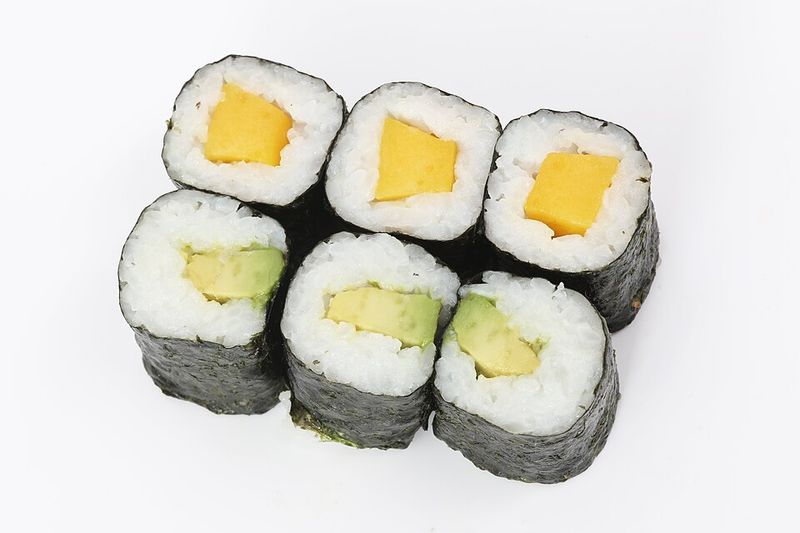
Long before it became a fine dining experience, sushi was fast food. In Edo, now Tokyo, vendors sold hand-pressed rice topped with fish from stalls in the 1800s.
Customers grabbed a piece, ate it standing, and went back to work.
Early versions used fish preserved with rice and salt, which was a practical way to store food. Later, fresh fish from Tokyo Bay made street sushi popular.
Refrigeration changed everything. Cooks could serve a wider range of fish safely, and skilled chefs refined their craft.
Sushi spread worldwide in the late 20th century, and top counters now seat only a few guests at a time. Some meals cost hundreds of dollars, a long way from the humble street stall.
7. Chicken Wings
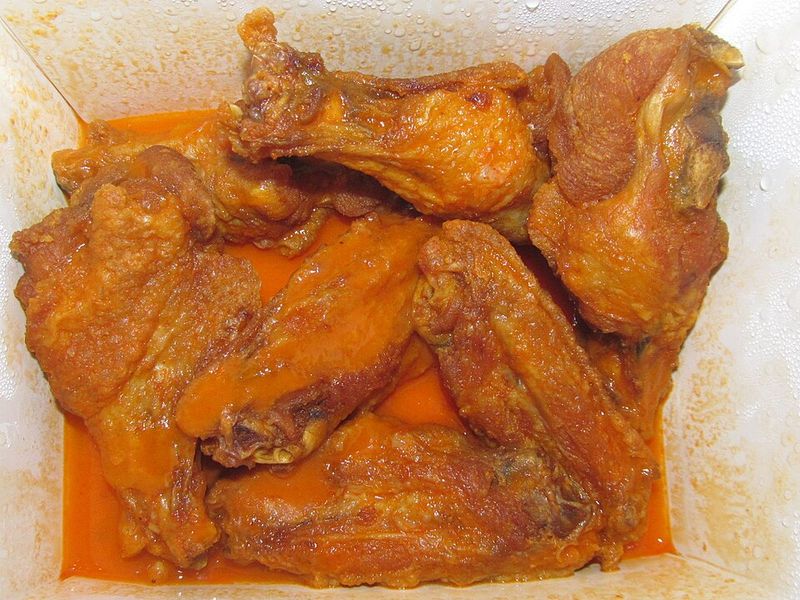
Ask a butcher in the 1960s what to do with chicken wings, and he might have shrugged. Wings were mostly used for stock or thrown out.
People wanted breasts and thighs.
That began to change in Buffalo, New York. The Anchor Bar is often credited with serving fried wings in hot sauce in 1964, though other stories exist.
Bar owners found that wings were cheap and tasted great with spicy sauce.
Football fans helped make them a national snack. Demand rose so much that wings sometimes cost more per pound than other chicken parts.
Now restaurants offer wings with glazes like honey garlic, smoked chili, and lemon pepper. Some upscale kitchens brine and confit them first, turning a once-ignored cut into a bar menu star.
8. Brisket
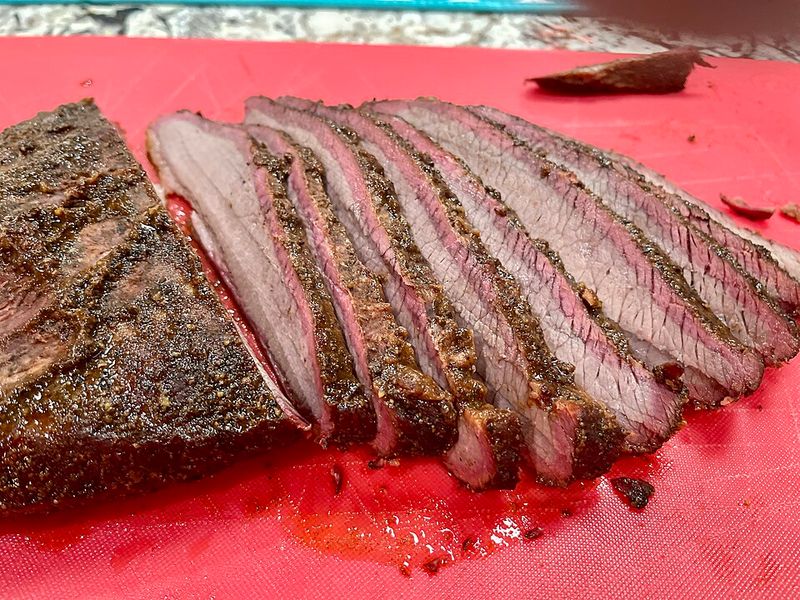
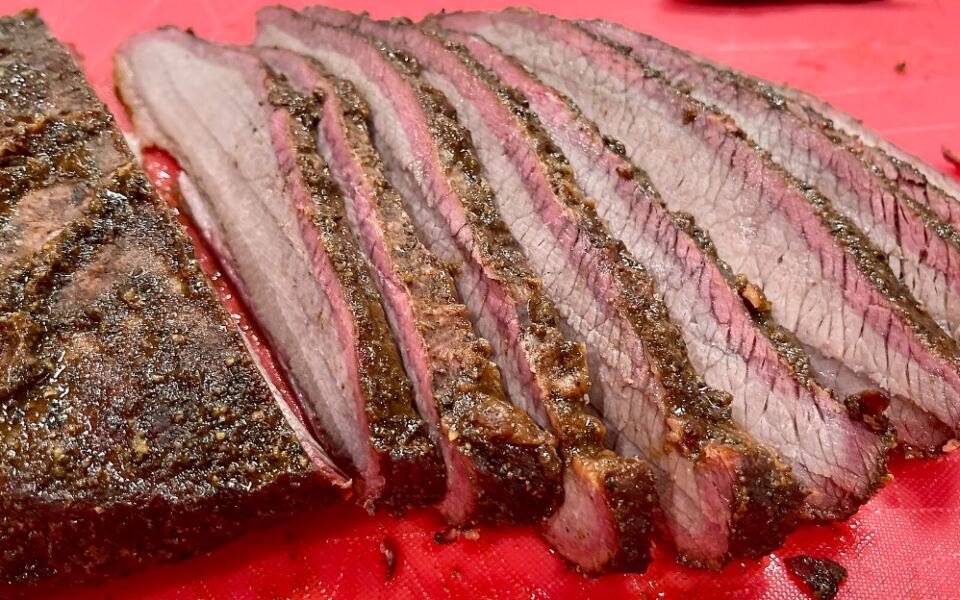
Tough and chewy, brisket came from the chest of the cow and was long considered a bottom-tier cut. Butchers sold it cheaply because it needed hours of cooking to become tender.
Few households had time or patience for that.
Jewish immigrants in Texas, along with German meat market owners, found ways to make it shine. Slow smoking or braising broke down the connective tissue and turned it juicy.
Barbecue pitmasters then built whole reputations around it. Lines form outside famous Texas smokehouses before sunrise, and some places sell out by early afternoon.
As demand grew, prices rose far above those of other cuts. Brisket now sits beside steak on many menus, a reward for those who learned that patience pays off.
9. Ribs
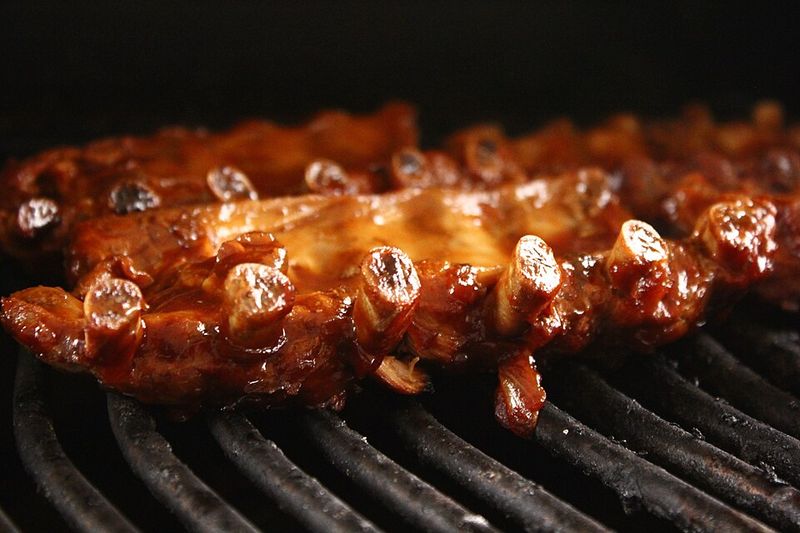
Rib bones carry only a little meat, so butchers once sold them at a discount. Enslaved cooks and later rural families in the American South turned them into something special through slow cooking over wood coals.
Nothing went to waste.
Barbecue traditions grew around these scraps. Cooks learned that low heat and smoke could melt tough meat into tender bites, and each region developed its own sauces and rubs.
Over the decades, rib joints became community gathering spots. Competitions drew crowds, and chefs began to treat ribs with the same care as fine cuts.
Prices followed popularity. A full rack at a well-known restaurant can now be quite costly, a notable change from a cut once handed over for pocket change.
10. Offal
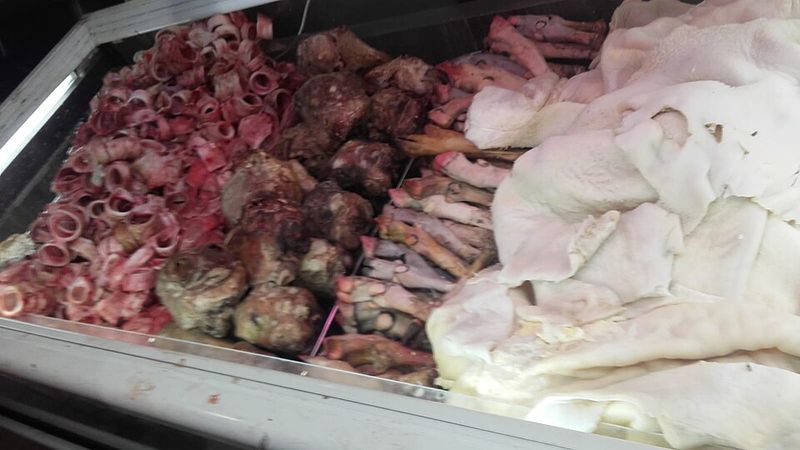
Liver, tripe, tongue, and kidneys fill the category known as offal. For centuries, families who could not afford muscle meat relied on these parts.
Butchers often sold them for less because many customers avoided them.
Yet cooks across the world learned to prepare them well. French kitchens made pâté, Italians stewed tripe, and British pubs served steak and kidney pie.
In the late 20th century, chefs who liked nose-to-tail cooking brought offal into the spotlight. They argued that using the whole animal is both respectful and sustainable.
Diners soon began ordering crispy sweetbreads and bone marrow with toast. Some of these dishes now cost more than steak, showing how a shift in attitude can change the value of food.
11. Sardines
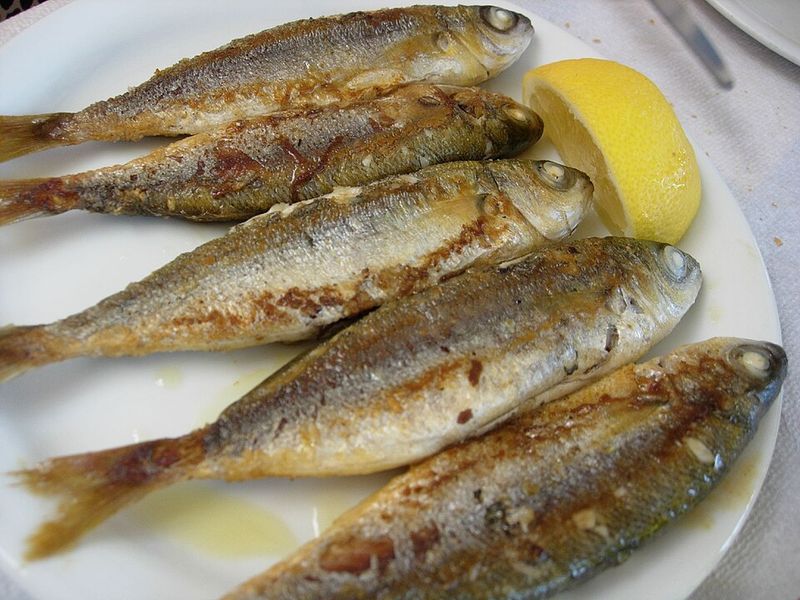
Open a tin of sardines and you may be holding a fish that fed workers for generations. Sardines swam in huge schools along the coasts of Portugal, Spain, and California.
Canning made them cheap, portable, and long lasting.
Miners, sailors, and factory workers carried tins for lunch. In the 1930s, they were a Depression-era staple because a small can cost only a few cents.
Interest in healthy eating shifted their image. Sardines are rich in omega-3 fatty acids, calcium, and vitamin D, and they have lower mercury levels than larger fish.
Gourmet shops now sell tins from small Portuguese canneries with artistic labels and premium prices. Trendy restaurants serve them on toast, turning a lunchbox basic into a stylish snack.
12. Salt Cod
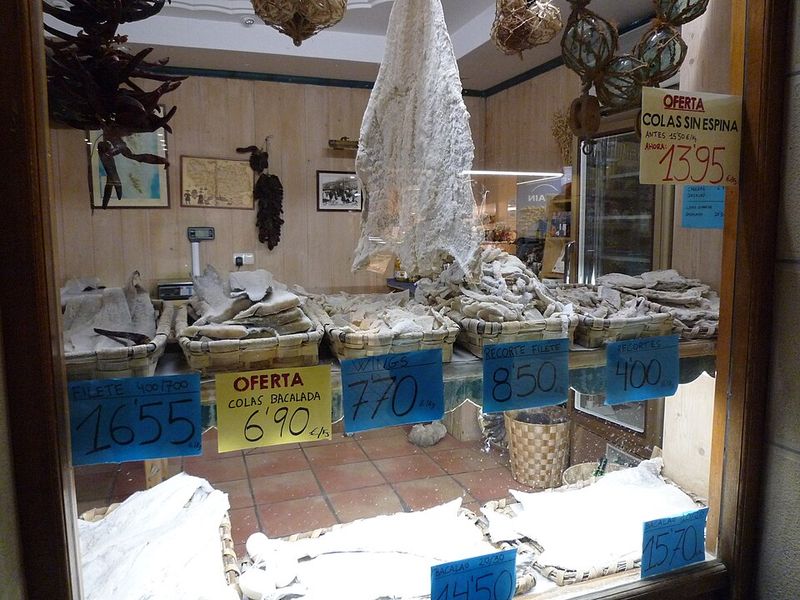
Long sea voyages once demanded food that would not spoil. Salt cod fit the bill.
Fishermen from Europe and North America dried and salted their catch, which could last for months without refrigeration.
Because it was so common, it became everyday food for poor families and sailors. In Catholic countries, it also filled the table on fast days when meat was off limits.
Cooks built beloved recipes around it. Portugal is known for bacalhau dishes, and Spain, Italy, and the Caribbean have their own versions.
Overfishing hurt cod stocks in the late 1900s, which raised prices. Today, quality salt cod can cost more than fresh fish, and it appears in refined restaurant dishes as well as holiday feasts.
13. Beans

Few foods are as old as beans. They have fed people on nearly every continent for thousands of years.
Because they are inexpensive, easy to grow, and store well, they became known as poor people’s meat in many places.
Wealthier diners often chose meat or fish to show status. Beans stayed in the background of village kitchens and army camps.
Modern nutrition research changed the picture. Beans offer protein, fiber, and minerals, and they are linked to heart health.
Chefs have also taken notice. Specialty growers sell heirloom varieties such as Rancho Gordo beans at premium prices, and restaurants feature them as stars of the plate.
A pantry basic now earns respect for both flavor and value.
14. Brown Bread
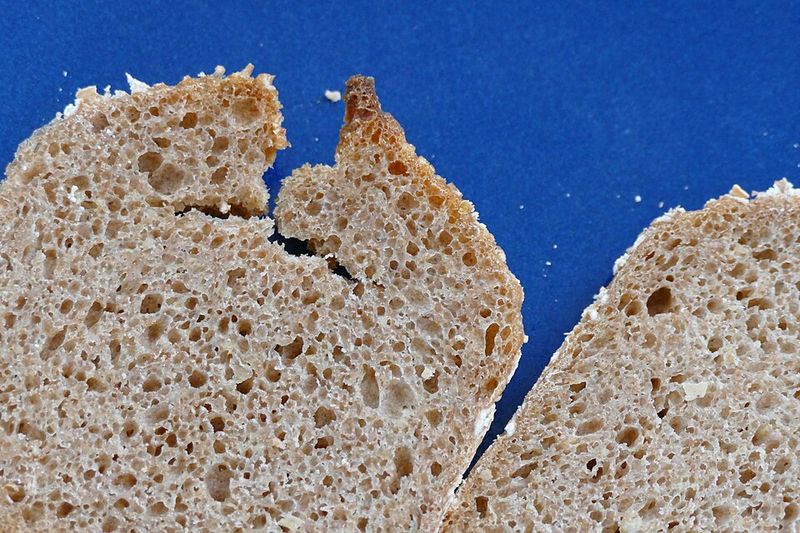
White bread once signaled wealth. Refining flour took effort, so pale loaves cost more, and wealthy households chose them to show status.
Darker breads made from whole grains or rye were left for farmers and laborers.
That ranking flipped in the 1800s and 1900s as industrial mills made white flour cheap. At the same time, health reformers like Sylvester Graham promoted whole grain products for better digestion.
Later research showed that whole grains contain more fiber, vitamins, and minerals than refined flour. Doctors began recommending them for heart health.
Artisan bakeries now sell seeded brown loaves at higher prices than basic white sandwich bread. A food once linked with hardship has become a sign of careful, health-minded eating.
Share this story