Long before anyone talked about food waste, home cooks knew how to make yesterday’s meal taste new again. Many of the world’s best-loved dishes began as a way to rescue stale bread, extra rice, or the end of a roast.
Each one shows how a little creativity can turn scraps into something satisfying. Here are 12 dishes with humble roots and a lasting place on the table.
1. Bubble and Squeak
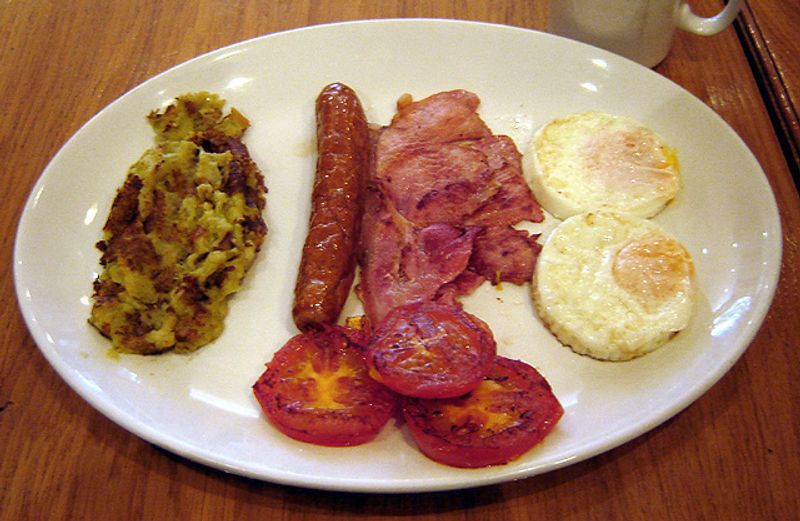
The name sounds like a cartoon, but the story is real. British cooks gave this dish its odd title because of the sounds it makes while frying in the pan.
Traditionally, it was a way to use up the vegetables from a Sunday roast. Cooked cabbage, potatoes, carrots, and Brussels sprouts get mashed together, shaped into patties or pressed flat, then fried until the outside turns crisp and brown.
Early versions often included slices of leftover beef, but over time the dish became mostly vegetables. That change is part of why it remains popular with home cooks today.
For the best crust, press the mixture firmly into a hot, well-oiled pan and leave it alone for several minutes before flipping. Serve it with a fried egg, a spoonful of brown sauce, or alongside sausages for a hearty breakfast.
2. French Toast
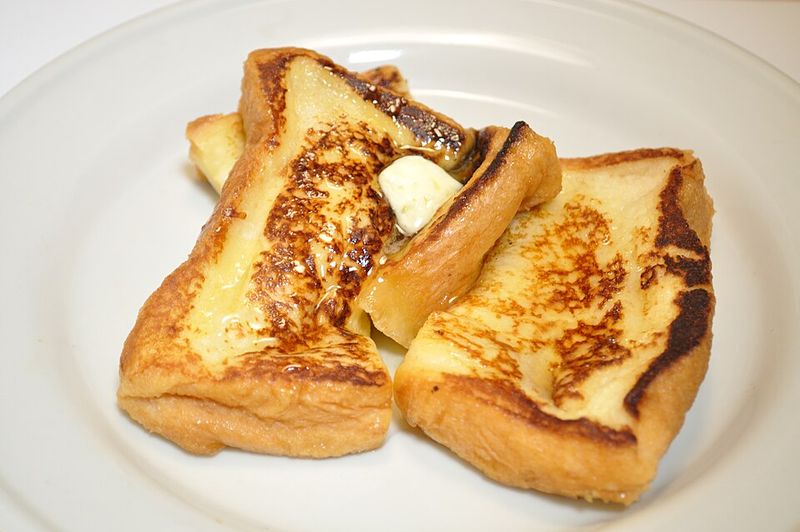
Stale bread is a problem only until someone adds eggs and milk. That simple idea gave us French toast, a breakfast favorite that reaches back to ancient Roman cooking.
A Roman cookbook attributed to Apicius describes soaking bread in milk and eggs, then frying it. Medieval Europeans made similar versions to avoid throwing away hard loaves.
Dry bread actually works better than fresh. It soaks up the custard without falling apart, which gives a creamy middle and a golden edge.
Try thick slices of brioche, challah, or day-old baguette. Whisk eggs with milk, cinnamon, and a splash of vanilla, let the slices rest in the mixture for about a minute per side, then cook in butter over medium heat.
Top with fruit, syrup, or a dusting of sugar.
3. Fried Rice
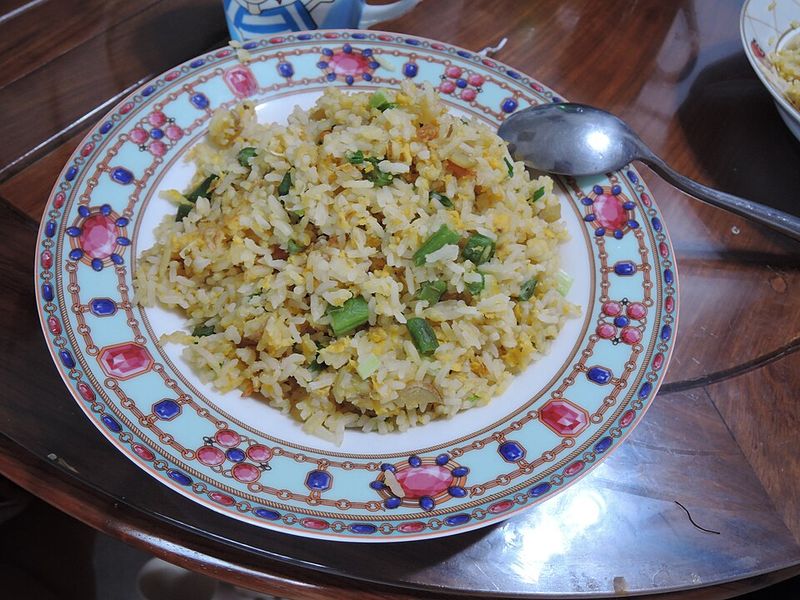
Ask any cook why fried rice works best with cold rice, and the answer is simple: freshly cooked rice is too wet. Day-old grains have dried out a little, so they fry up separate and slightly chewy instead of turning mushy.
The dish is often traced to China, where cooks did not want to waste cooked rice from the night before. Over centuries it spread across Asia and the world, with each region adding its own touches.
The beauty is how flexible it is. Small bits of vegetables, cooked meat, egg, or shrimp can all join the party.
Use a very hot pan, keep the ingredients moving, and add soy sauce toward the end so the rice stays fluffy. A drizzle of sesame oil adds a nice finish.
4. Bread Pudding
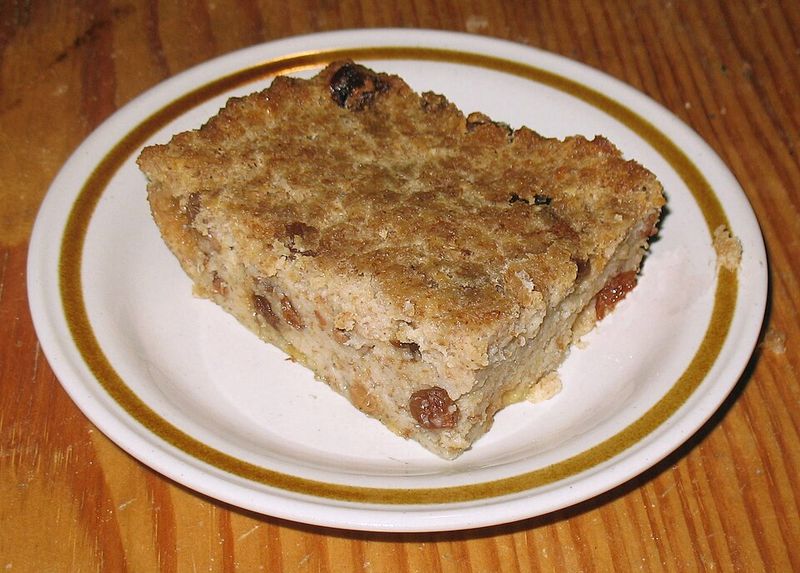
Picture a baker in the 1200s staring at a pile of hard loaves. Tossing them was not an option, so bread pudding was born as a thrifty way to make something sweet and filling.
Early versions were known as poor man’s pudding in parts of Britain. Cooks soaked old bread in milk, added a little sugar or dried fruit, and baked it until set.
Today the dessert has many forms. New Orleans cooks often serve it with a whiskey sauce, while others prefer vanilla cream or caramel.
To make it at home, tear stale bread into chunks and pour over a mixture of eggs, milk, sugar, and cinnamon. Let it sit for twenty minutes so the bread drinks in the custard, then bake until the top is golden and the center is soft.
5. Arancini
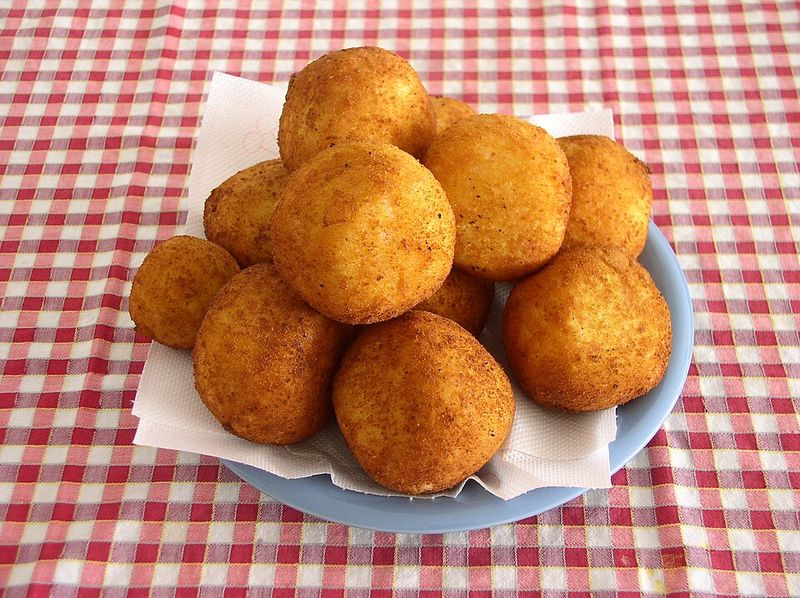
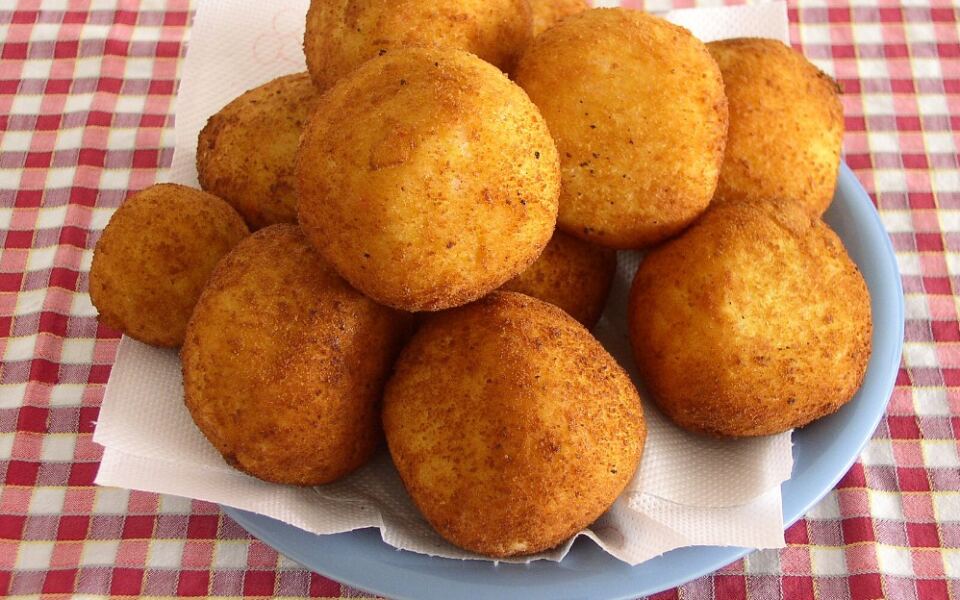
Biting into a crispy arancino and finding a pocket of melted cheese is one of Sicily’s great street food moments. The name means little oranges, a nod to the round, golden shape.
These rice balls are commonly linked to leftover risotto. Cooks would shape the cold rice around a filling, roll it in breadcrumbs, and fry it for a second life.
Fillings vary by region. Some are made with meat ragu and peas, while others use ham and mozzarella or even spinach.
Chilled risotto holds together best, so plan ahead and make extra the night before. Press a spoonful of rice into your palm, tuck in a small piece of cheese, close it up, and coat it with egg and breadcrumbs before frying until deep gold.
6. Ribollita
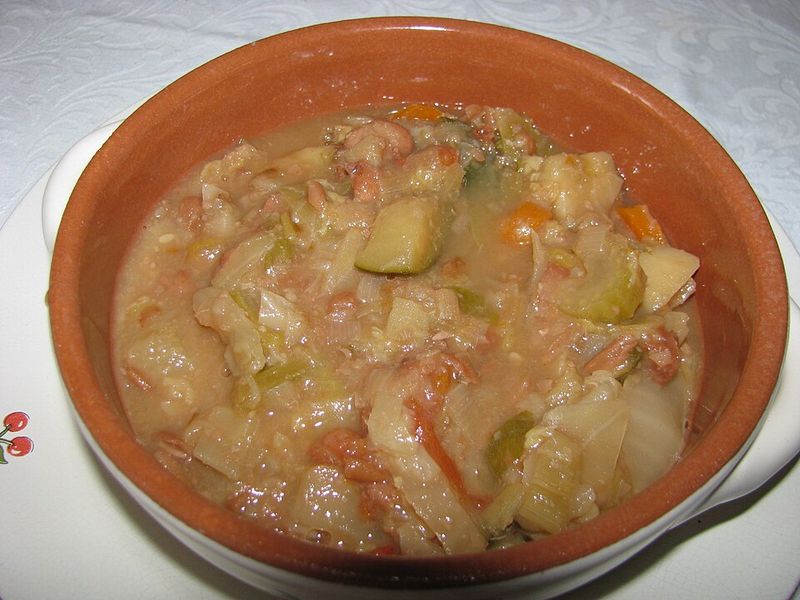
Its name means reboiled, and that tells you almost everything. Ribollita is a thick Tuscan soup that tastes even better on the second or third day.
Stories say it began with servants who gathered the leftover soup from feasts and boiled it again with stale bread. Over time it became a staple of Tuscan farmhouse cooking.
The base usually includes cannellini beans, cavolo nero or kale, carrots, celery, and onion. Chunks of day-old bread melt into the pot and give the soup its stew-like body.
Many cooks make a big pot one day, rest it overnight, then simmer it again before serving. Finish each bowl with a generous swirl of good olive oil and maybe a little grated Parmesan.
7. Panzanella
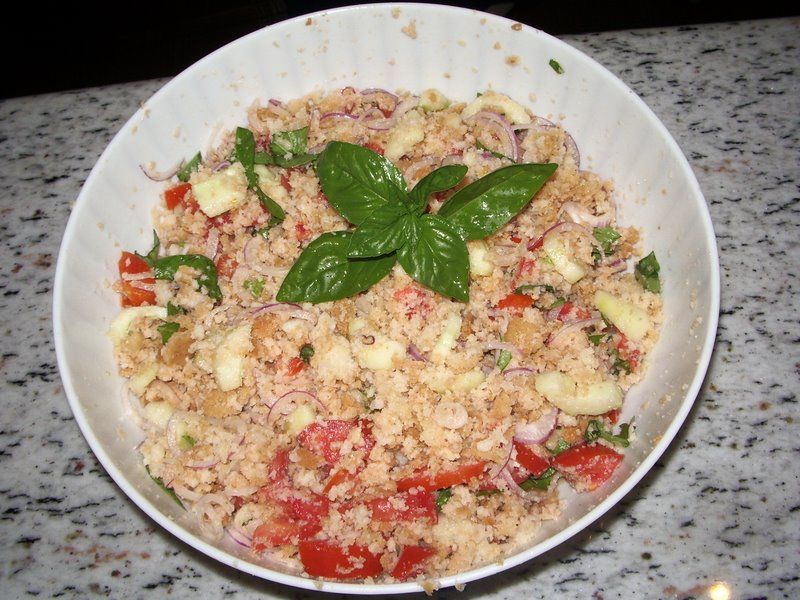
Summer in Tuscany tastes like ripe tomatoes, and panzanella gives stale bread a place to shine. This cold salad has been enjoyed since at least the 1500s.
Early versions were quite simple, often just bread, onion, and a dressing of oil and vinegar. Tomatoes joined the recipe later, once they became common in Italian kitchens.
The trick is to let the bread soak up the juices. Tear it into rough chunks, toss it with chopped tomatoes, cucumber, red onion, and basil, and let everything rest for about thirty minutes.
Use sturdy country bread that is truly dry. Soft sandwich bread turns to mush, but a firm loaf stays pleasantly chewy while it drinks up the dressing.
8. Migas
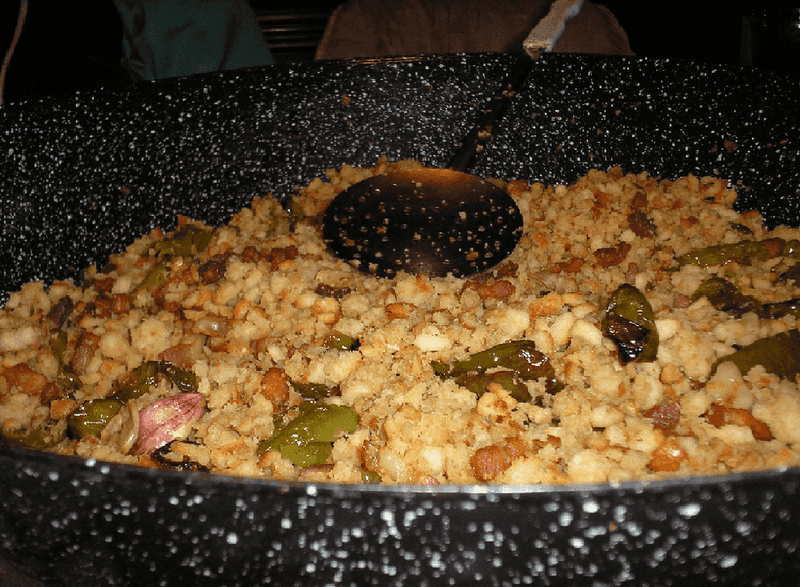
In Spain and Mexico alike, the word migas means crumbs, and that is where this dish begins. It turns small bits of leftover bread or tortillas into a satisfying meal.
The Spanish version is a rustic shepherd’s dish made from fried bread crumbs, garlic, and often chorizo or bacon. The Tex-Mex style is different, mixing scrambled eggs with crisp tortilla strips.
Stale corn tortillas are ideal for the Texas style. Cut them into strips, fry until crunchy, then fold them into soft eggs along with onion, chile, and cheese.
Serve it with salsa, beans, and warm tortillas for a filling breakfast. Since the chips go in at the end, they keep a bit of crunch.
9. Shepherd’s Pie
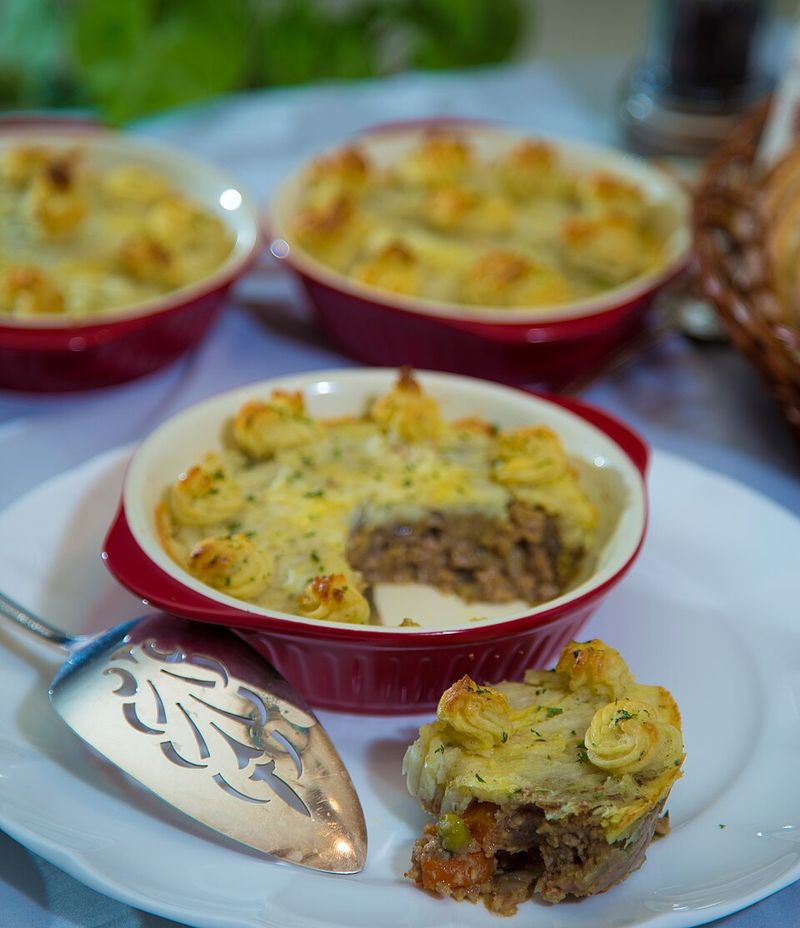
“Cottage pie” appeared in print in the late 1700s, when potatoes had become an affordable food for poorer families. Shepherd’s pie followed as a variation made with lamb.
The idea was practical. Leftover roast meat was chopped or ground, mixed with gravy and vegetables, and covered with a layer of mashed potato.
Many people use the names interchangeably, but strictly speaking, shepherd’s pie uses lamb and cottage pie uses beef. Both are comforting and easy to prepare.
If you have extra roast, mince it finely and simmer it with onions, carrots, peas, and a splash of stock. Spread mashed potatoes on top, rake the surface with a fork for crisp ridges, and bake until the peaks turn golden brown.
10. Croquettes
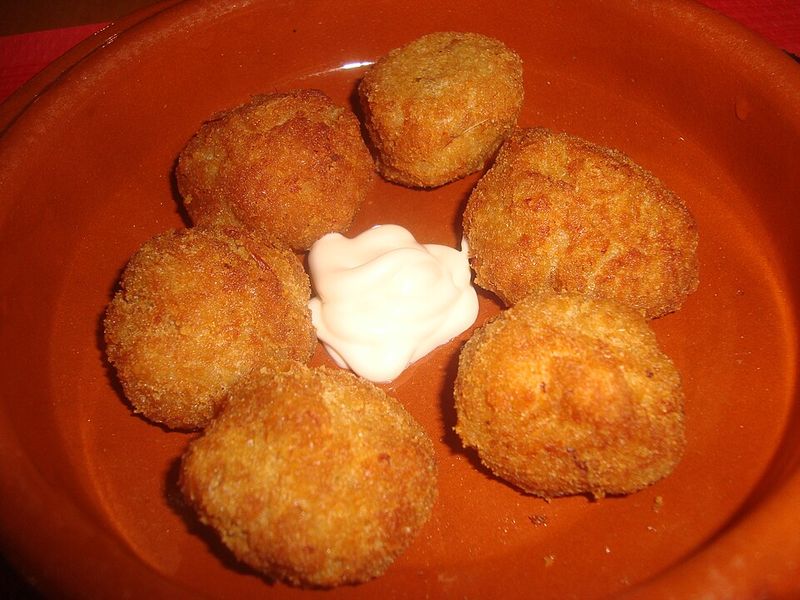
Crunchy outside, creamy inside, croquettes have charmed cooks across Europe for generations. The French word croquer means to crunch, which fits perfectly.
They are said to have roots in French kitchens of the 1800s, where chefs used up leftover meat, fish, or vegetables. Bound with a thick sauce or mashed potato, the mixture was shaped, breaded, and fried.
Spain’s jamon croquetas and the Netherlands’ kroketten show how popular the idea became. Japan even has its own take called korokke.
For best results, chill the filling until firm before shaping. Roll each piece in flour, egg, and breadcrumbs, then fry in hot oil until deep golden.
A little mustard or aioli on the side makes a lovely dip.
11. Hash
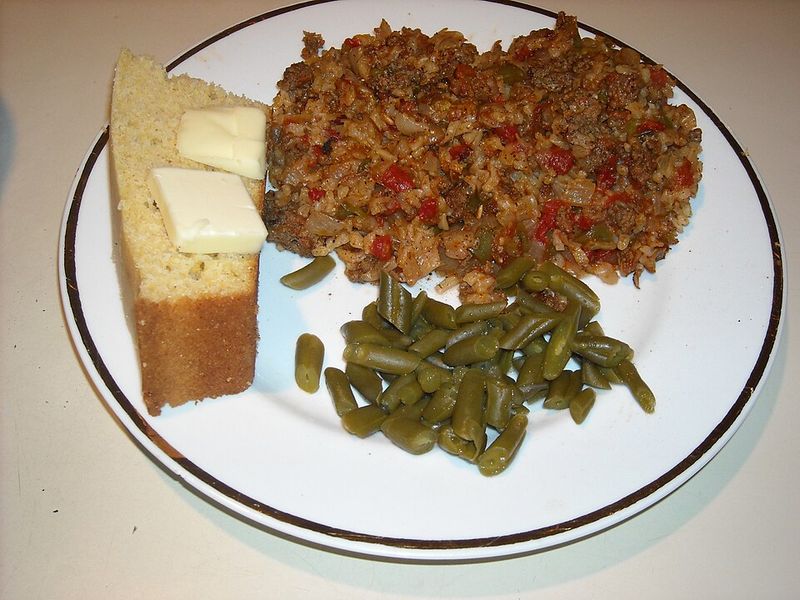
Diners across America serve it all day, but hash began as a very frugal idea. The word comes from the French hacher, meaning to chop.
Cooks would dice cooked meat and potatoes, add onions, and fry everything together. Corned beef hash became especially common after boiled dinners left plenty of extra meat and vegetables behind.
A good hash is all about texture. The edges should be browned and crisp while the inside stays tender.
Cut everything into small, even pieces so they cook together. Use a heavy skillet, press the mixture down, and let it sit without stirring for a few minutes to build a crust.
Top with a poached or fried egg, and the yolk becomes a rich sauce.
12. Pyttipanna
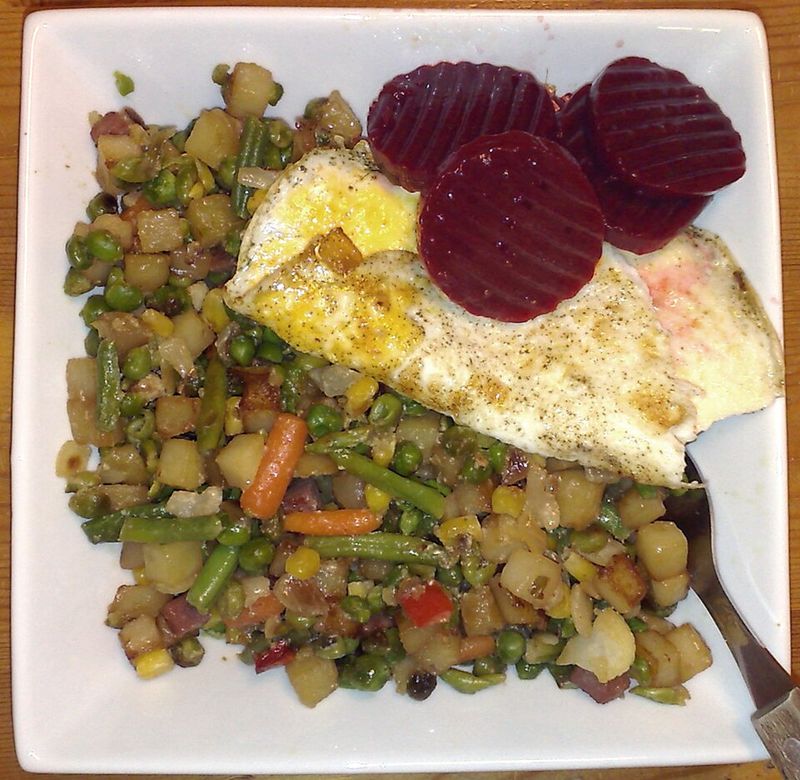
Swedes have a charming word for their favorite fridge-clearing meal: pyttipanna, which means small pieces in a pan. It has been a household staple for well over a century.
Cooks dice leftover potatoes, sausage, ham, or roast meat, plus onion, and fry them until crisp. The mix is usually crowned with a fried egg or raw egg yolk.
Classic side dishes bring the whole plate together. Sliced pickled beets add a tangy sweetness, and a dab of mustard or ketchup is common.
The dish is also popular in Norway and Denmark under similar names. At home, make sure the pieces are small and the pan is hot so everything browns instead of steaming.
It is simple, filling, and easy to adapt to whatever you have.
Share this story