Long before modern nations, powerful states and leaders clashed over land, trade, and pride. Some of these rivalries ended in famous wars, while others shaped laws, borders, and ideas that still matter today.
Looking at them helps explain how empires rose, fell, and left their mark on the world. Here are thirteen ancient contests that changed history.
1. Athens vs. Sparta
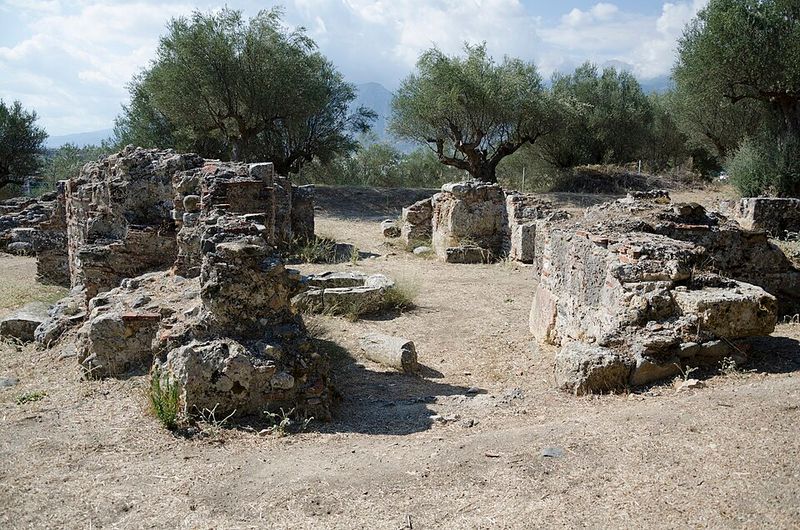
Two Greek cities, two very different ways of life. Athens loved trade, art, and public debate, while Sparta trained its citizens for war from childhood.
Their rivalry exploded into the Peloponnesian War, which lasted from 431 to 404 BCE. Athens had a powerful navy, and Sparta had a feared army.
Each side pulled other Greek cities into the fight, so the conflict spread across the region.
A deadly plague, a failed Athenian attack on Sicily, and Persian money for Spartan ships all played a part. In the end Athens surrendered, and its golden age faded.
The war left Greece weak and divided. That weakness later made it easier for Macedon to take control.
The story also warns how long wars can drain even the richest and proudest societies over time.
2. Rome vs. Carthage
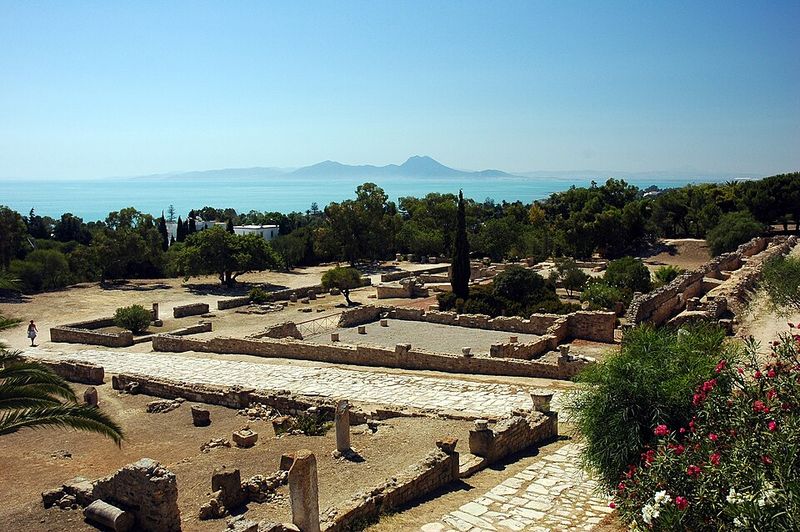
Few commanders are remembered like Hannibal, who marched elephants over the Alps to strike Rome at home. He came from Carthage, a wealthy trading power in North Africa.
Rome and Carthage fought three Punic Wars between 264 and 146 BCE. They competed for control of Sicily, Spain, and the Mediterranean Sea.
Hannibal won stunning victories, including Cannae, yet Rome refused to give up.
Rome built a strong fleet and later sent Scipio Africanus to attack Carthage directly. Hannibal was called home and lost at Zama.
After the third war, Rome destroyed the city of Carthage. With its biggest rival gone, Rome became the main power in the western Mediterranean and grew into a vast empire.
3. Julius Caesar vs. Pompey
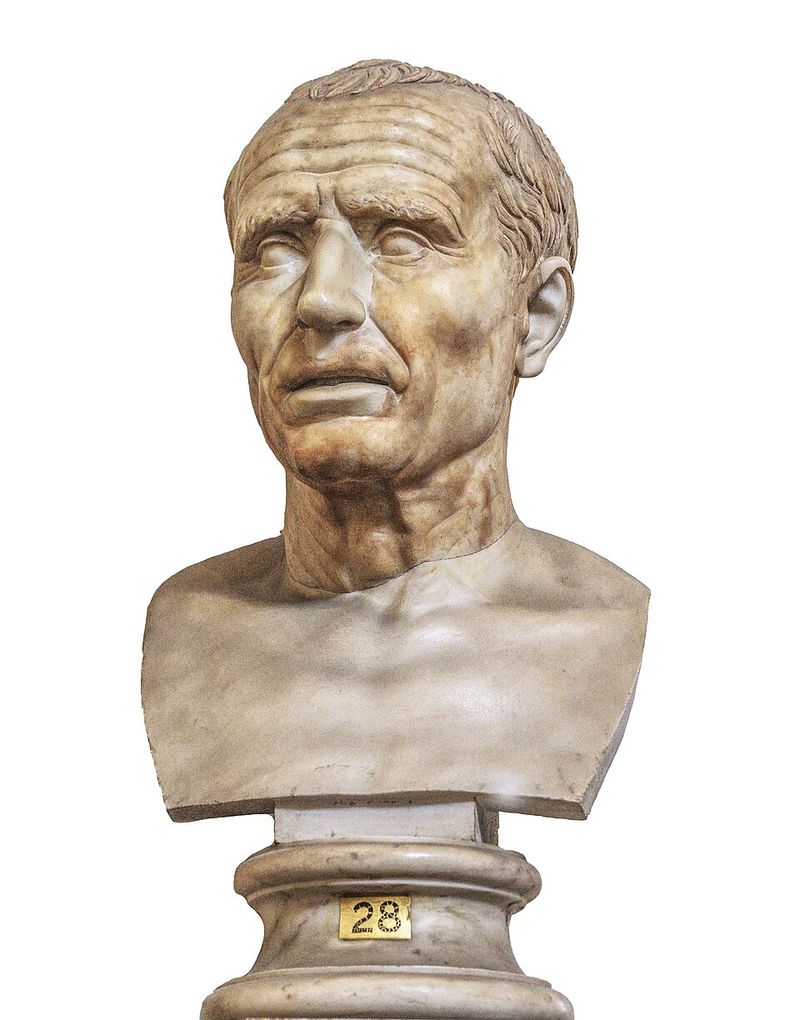
Once allies, Caesar and Pompey became the two strongest men in Rome. Pompey was a celebrated general, and Caesar had won fame and wealth conquering Gaul.
As their trust broke down, the Senate sided with Pompey and told Caesar to give up his army. In 49 BCE Caesar crossed the Rubicon River with his troops, which started a civil war.
Pompey fled east, and the two met in battle at Pharsalus in 48 BCE. Caesar won, even though he had fewer soldiers.
Pompey escaped to Egypt, where he was killed.
Caesar later became dictator, which weakened the old Roman Republic. His murder in 44 BCE led to more conflict and opened the road to imperial rule.
4. Octavian vs. Mark Antony
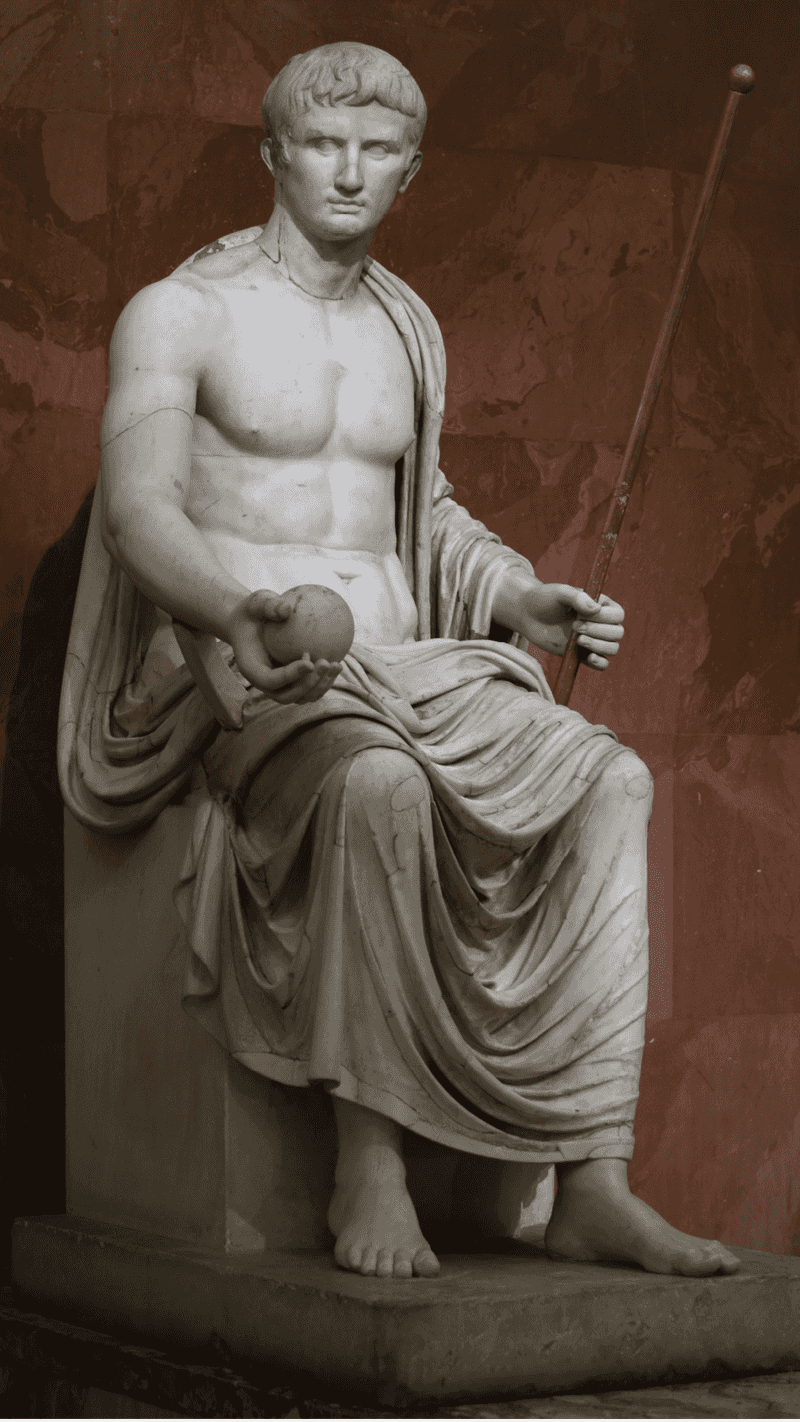
After Caesar died, his heir Octavian and his loyal officer Mark Antony shared power for a time. Their partnership slowly turned into a contest for control of the Roman world.
Antony settled in Egypt and formed a close alliance with Queen Cleopatra VII. Octavian used this in Rome, claiming Antony had turned his back on Roman values.
The two sides met at the Battle of Actium in 31 BCE. Octavian’s fleet, led by Agrippa, won a clear victory.
Antony and Cleopatra fled to Egypt and later died by suicide.
Octavian then ruled alone. In 27 BCE he took the name Augustus and became the first Roman emperor, ending the Republic and beginning a long era of imperial rule.
5. Rome vs. Parthia
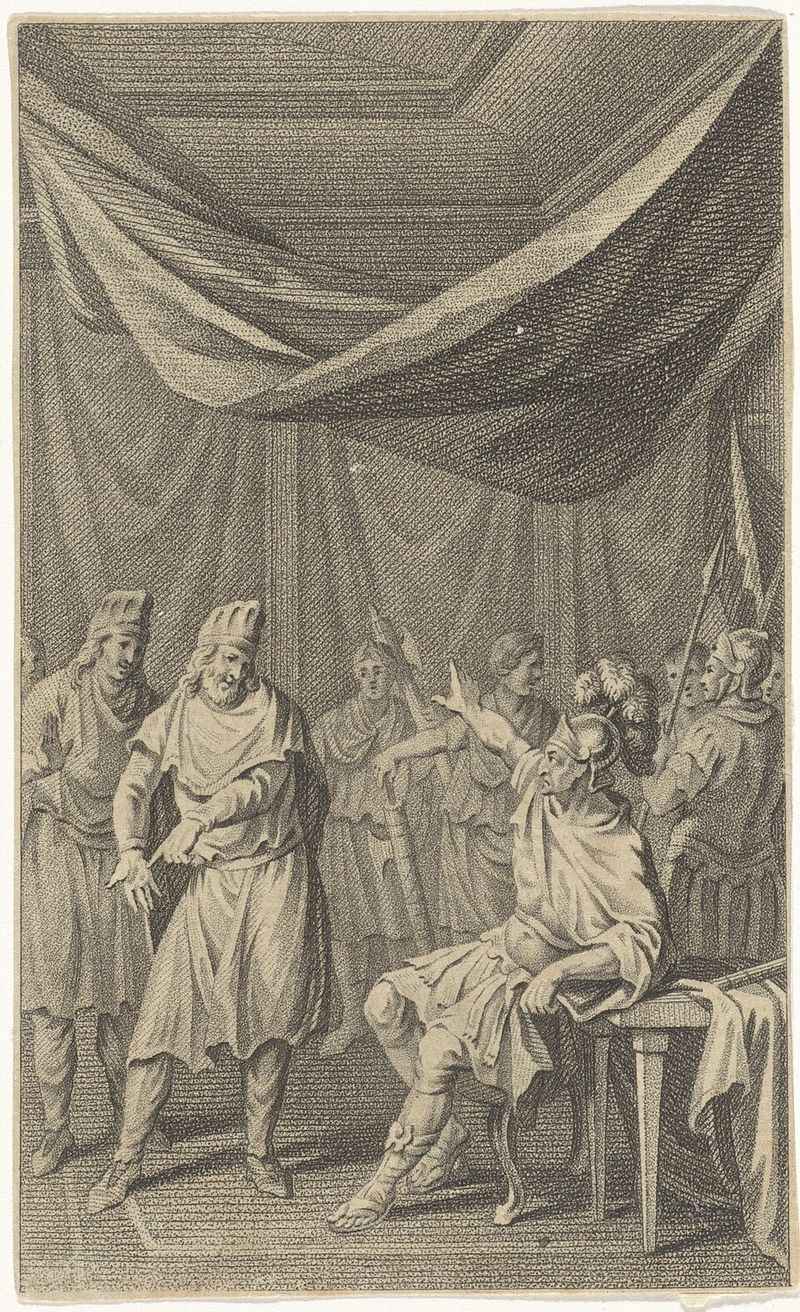
At Carrhae in 53 BCE, Roman soldiers met a new kind of enemy. Parthian horse archers rode fast, shot arrows from a distance, and wore down the Roman ranks.
The Roman general Crassus lost the battle and his life. Thousands of soldiers were killed or captured, and Rome felt the shock for years.
The two empires shared a long border in the Near East and kept competing over Armenia and trade routes. Peace deals came and went, with both sides claiming success.
Neither empire could fully defeat the other. Their rivalry shaped Roman military plans, and it helped decide where the eastern edge of the empire would stay for centuries.
Trade along the Silk Road also kept moving through both lands.
6. Alexander the Great vs. Darius III
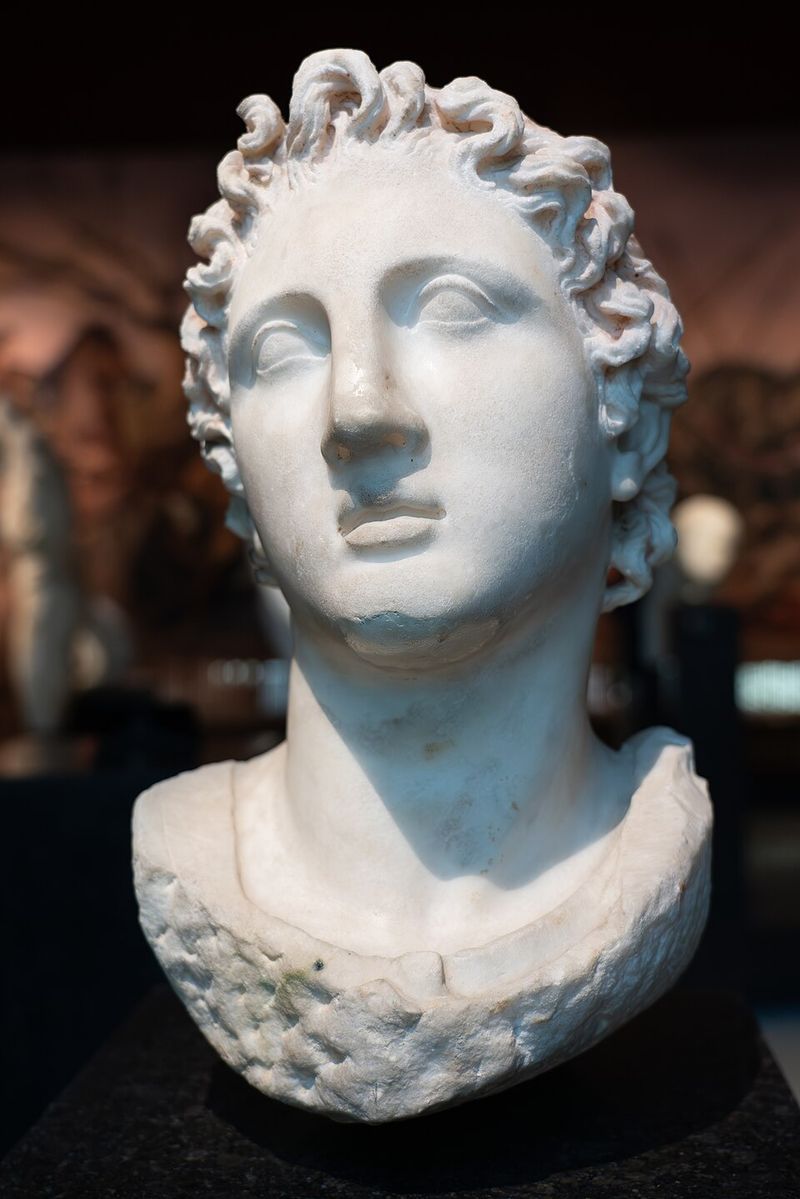
A young king from Macedon set out to take on the largest empire on Earth. Alexander was only 20 when he took the throne, and Darius III ruled Persia from Babylon and Persepolis.
They faced each other at Issus in 333 BCE and again at Gaugamela in 331 BCE. Darius had more troops, but Alexander used fast cavalry and sharp timing to break the Persian line.
Darius fled both times. After the second defeat he was killed by his own officers in 330 BCE.
Alexander took over the Persian lands and pushed on toward India. His conquests spread Greek language and culture across a huge area, a blend now called the Hellenistic world.
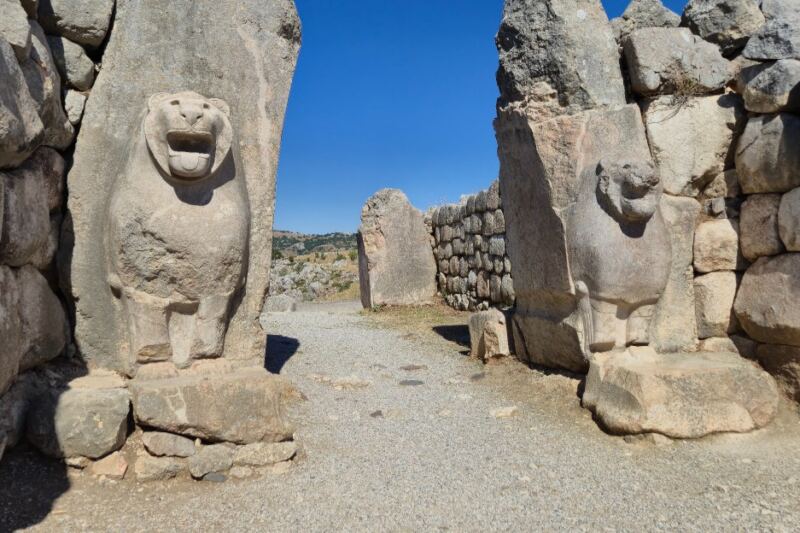
7. Ramses II vs. the Hittites
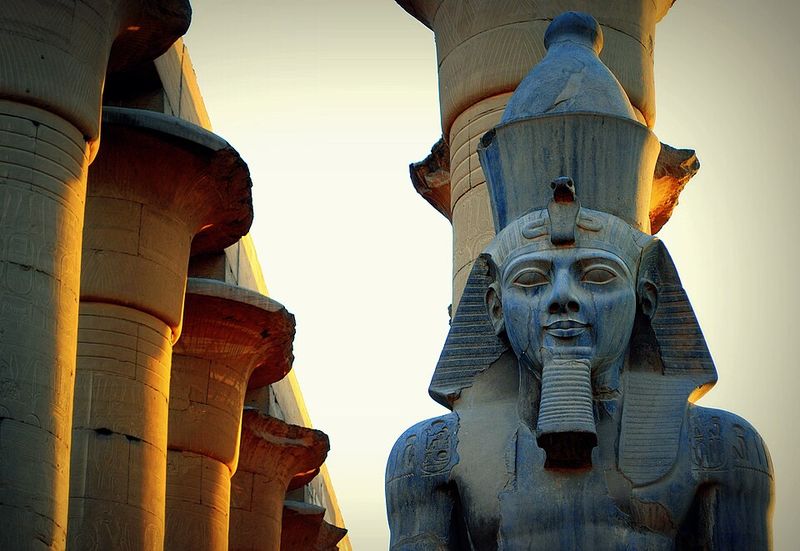
Picture hundreds of chariots crashing together near a Syrian river. That was Kadesh, around 1274 BCE, where Egypt’s Ramses II met Hittite king Muwatalli II.
Both empires wanted control of lands in Syria and Canaan. Ramses fell into a Hittite trap, but his quick fighting and the arrival of extra troops saved the day.
Even so, he never captured Kadesh.
Ramses carved the battle on temple walls as a triumph. The Hittites told the story differently.
Years later, around 1259 BCE, the two powers signed one of the oldest known peace treaties. A copy is displayed at the United Nations in New York.
It shows that even fierce rivals can choose agreement over endless war.
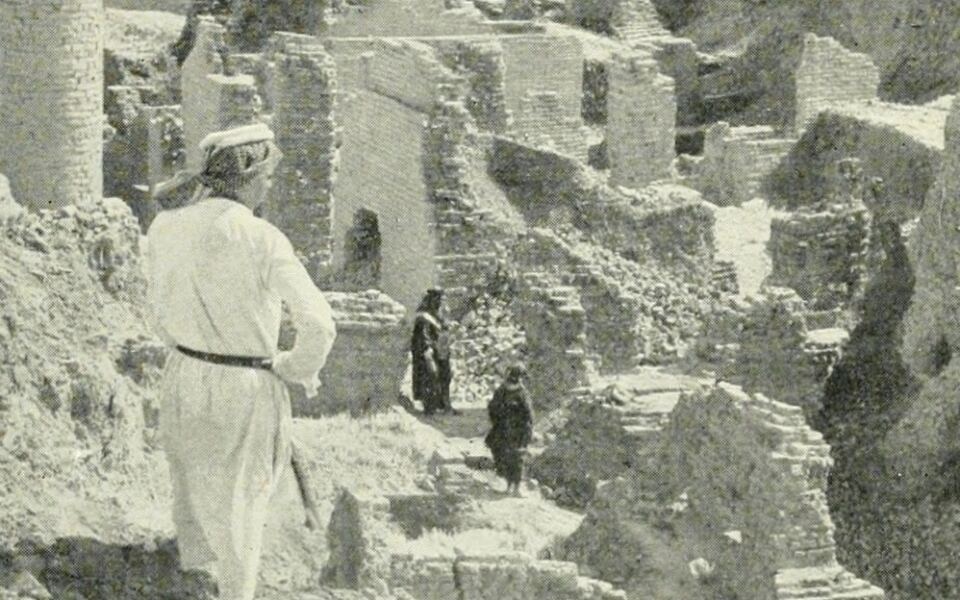
8. Assyria vs. Babylon
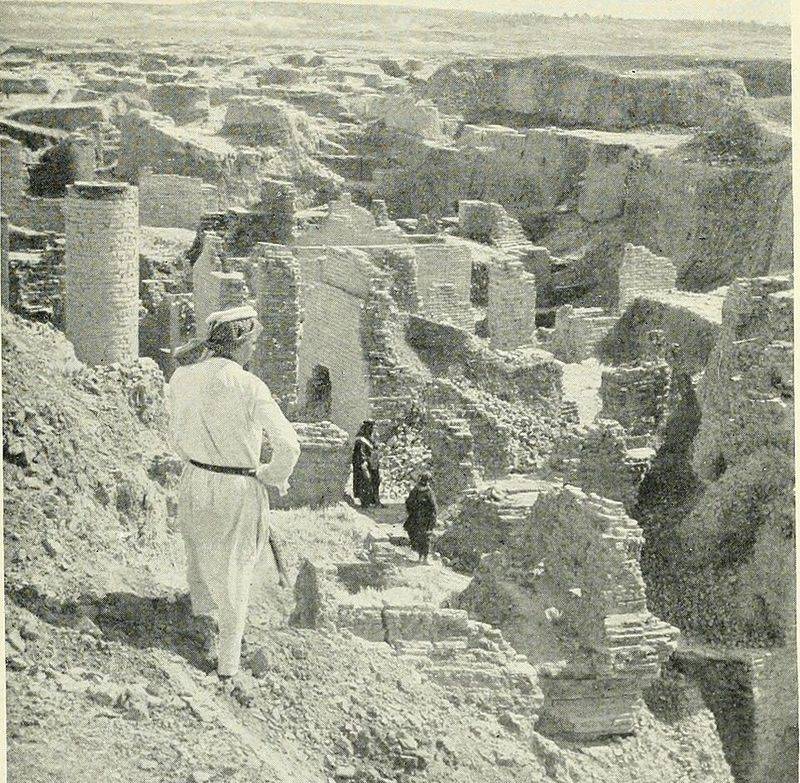
Babylon was proud of its temples and scholars, but for centuries Assyria’s armies kept it under pressure. The Assyrians built a feared war machine with iron weapons, siege towers, and skilled engineers.
Babylon rebelled again and again. In 689 BCE King Sennacherib destroyed the city in anger, a shocking act against such a sacred place.
His son later rebuilt part of it.
Eventually the balance shifted. In 612 BCE Babylonians and Medes captured the Assyrian capital, Nineveh, and Assyria collapsed.
Babylon then rose as the New Babylonian Empire under Nebuchadnezzar II. The fall of Assyria shows how a harsh empire can create enemies who later unite against it.
9. Persia vs. the Greek City-States
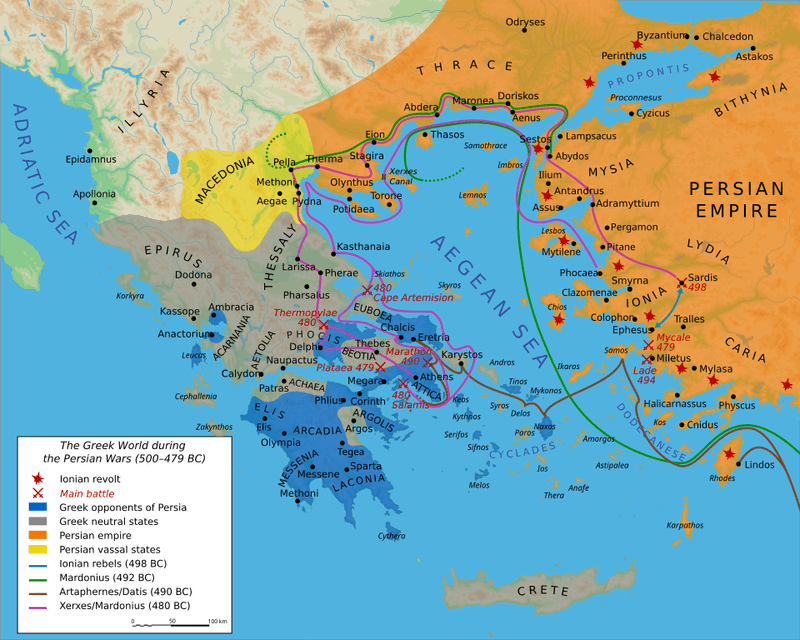
Outnumbered and far from help, Athenian soldiers faced the Persian army at Marathon in 490 BCE. They won, and the victory became a symbol of Greek courage.
The conflict began when Greek cities in Ionia revolted against Persian rule. Persia, led by Darius I and later Xerxes I, decided to punish Athens and expand into Greece.
In 480 BCE a small Greek force held Thermopylae before falling. Soon after, the Greek fleet won at Salamis.
A year later the Greeks won at Plataea.
The Greek victories protected the growth of Athenian democracy, theater, and philosophy. Persia stayed powerful, but its push into Europe ended, and Greek cities gained confidence in their own path.
10. Qin vs. the Six Rival States
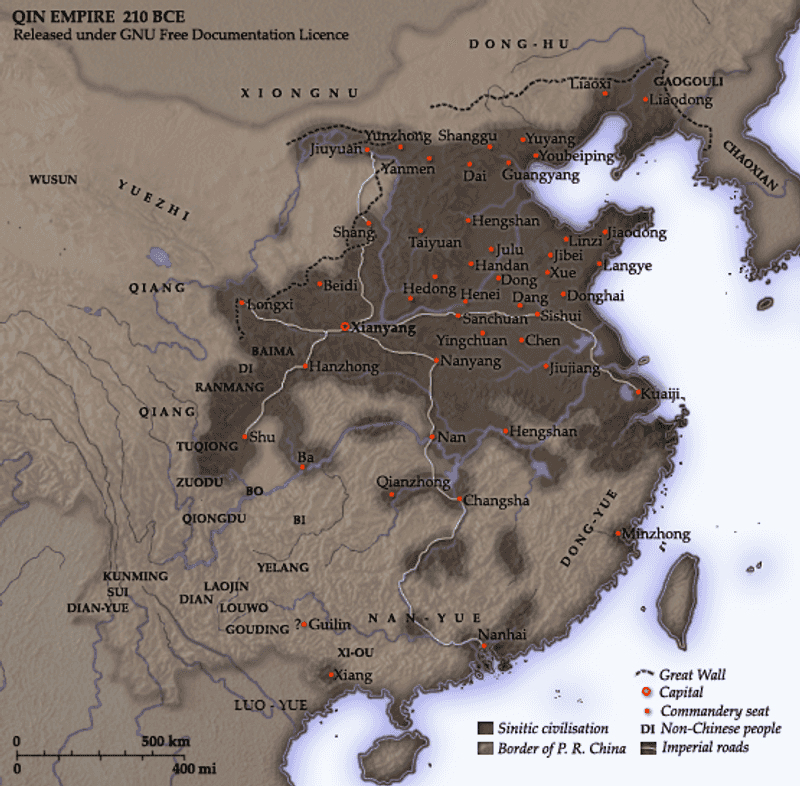
For about 250 years, China was split into warring kingdoms, a time known as the Warring States period. Seven major states fought for dominance, and Qin finally came out on top.
Qin built a strong army, rewarded soldiers by merit, and followed strict laws. It also used reforms to boost farming and tax collection.
Between 230 and 221 BCE, King Ying Zheng conquered Han, Zhao, Wei, Chu, Yan, and Qi one by one. He then took the title Qin Shi Huang, meaning First Emperor.
He standardized writing, money, and measurements across the land. Although the Qin dynasty ended quickly, the idea of a unified China lasted, and later dynasties built on it.
11. Han China vs. the Xiongnu
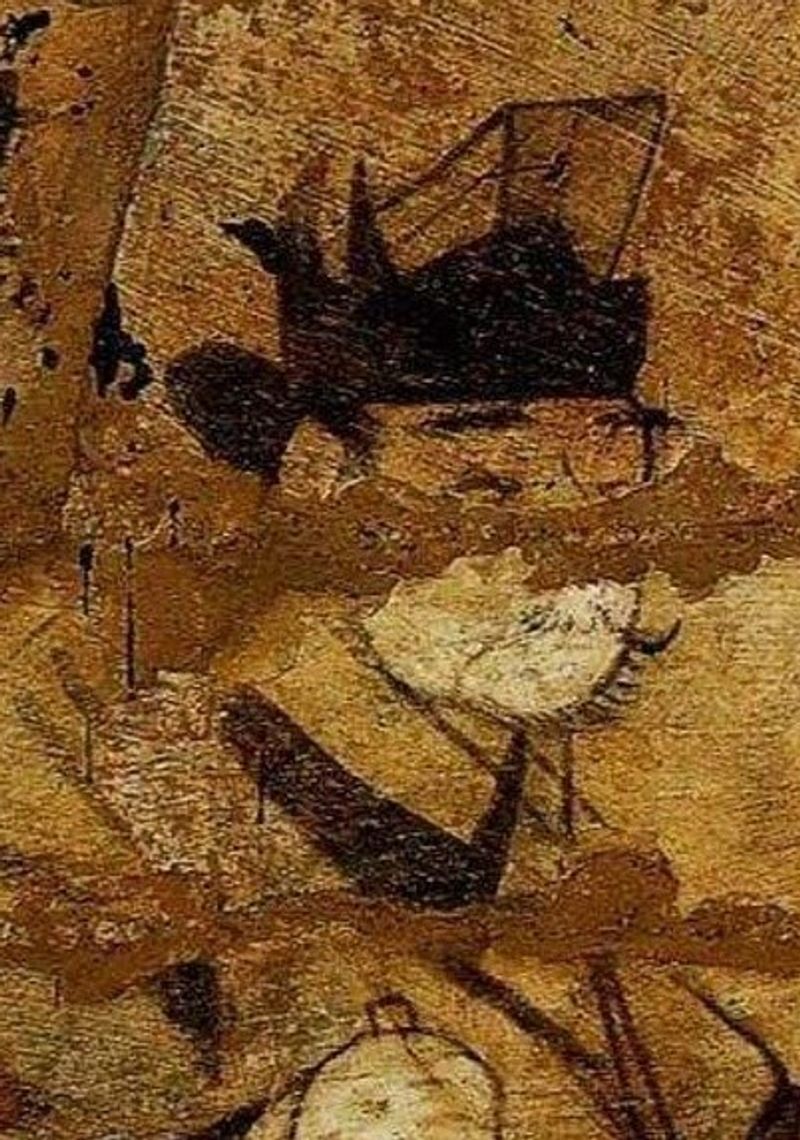
Along China’s northern edge lived the Xiongnu, skilled horse riders who raided farms and towns. Early Han emperors often paid them gifts to keep the peace.
That changed under Emperor Wu, who ruled from 141 to 87 BCE. He built up cavalry and sent generals such as Wei Qing and Huo Qubing deep into the steppe.
The campaigns were costly but pushed the Xiongnu back. They also opened routes to the west.
The envoy Zhang Qian traveled in search of allies, which helped link China with Central Asia.
These connections grew into the Silk Road, carrying silk, ideas, and goods across continents. Over time the Xiongnu split, and Han influence stretched farther than before.
12. Rome vs. the Germanic Tribes
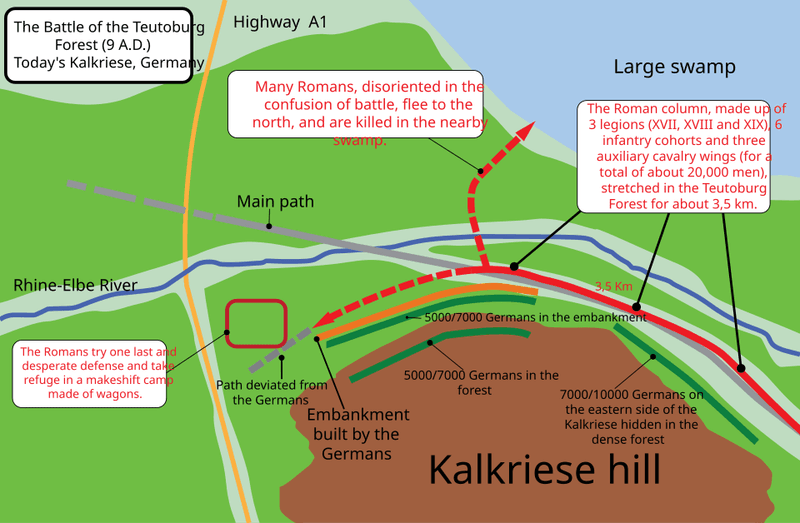
In 9 CE, three Roman legions marched into a dense German forest and never came out. Arminius, a Germanic leader who had trained in the Roman army, led the ambush at Teutoburg.
Rome lost about 20,000 men. Emperor Augustus was said to be heartbroken, and Rome gave up plans to rule land east of the Rhine.
Over the next centuries, Rome and Germanic peoples fought, traded, and often served together. Some tribes joined the Roman army, while others pushed at the borders.
By the 400s, groups such as the Goths and Vandals moved deep into Roman territory. Their growing power helped bring the western empire to its end in 476 CE.
13. Byzantium vs. the Sasanian Empire
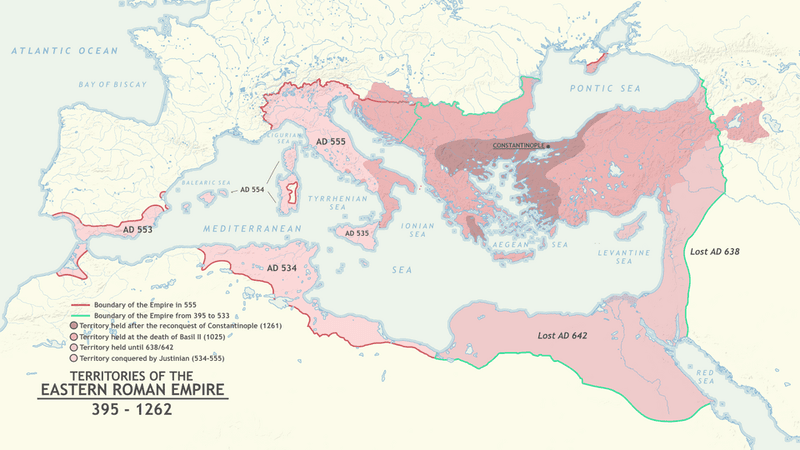
Two exhausted empires fought the last great war of the ancient Near East. Byzantium, the eastern Roman Empire, faced the Sasanian Persians in a struggle that lasted from 602 to 628 CE.
At first Persia did well. Its armies took Antioch, Damascus, and Jerusalem, and even reached Egypt.
The Byzantines seemed close to collapse.
Emperor Heraclius then led a bold counterattack into Persian lands. His victory near Nineveh in 627 helped end the war, and the Sasanian king Khosrow II was overthrown.
Both empires were drained of money and soldiers. Only a few years later, Arab armies swept through the region and quickly took major territories, changing the map of the Middle East for good.
Share this story