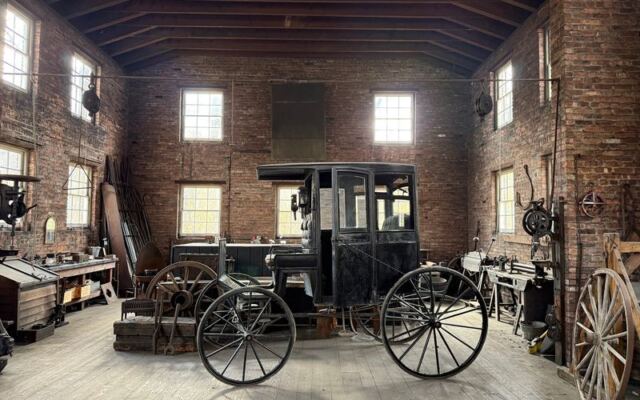
An ordinary day trip in New Jersey can turn into a surprisingly interesting lesson in how people once got things done. At an unassuming historic village, blacksmiths work in their shop and woodworkers explain creations that can leave children guessing.
The appeal goes beyond old buildings: real demonstrations help connect everyday tasks with the skills behind them. A little planning makes all the difference, especially when the goal is to catch the craftspeople at work.
A Historic Village Within a State Park
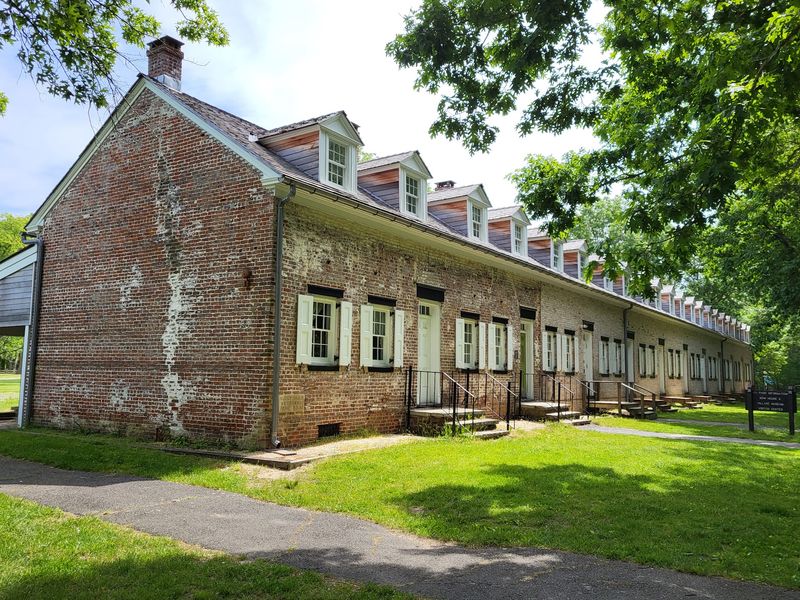
A state park holds more than walking routes here. Allaire Village, Inc. is a nonprofit organization at 4263 Atlantic Ave, Wall Township, NJ 07727, United States, where historic buildings and working demonstrations give a day trip a clear focus.
The village sits within Allaire State Park, but its historic attractions deserve their own planning. Access to the surrounding park does not automatically mean that village buildings or demonstrations are available.
For New Jersey residents, the main draw is straightforward: a chance to explore a historic community while learning about the work once done there. Rather than treating every building as a quick stop, leave room for explanations and questions.
A few hours can suit an unhurried outing, depending on the open buildings and your pace. Start with the village itself, then decide how much of the surrounding park belongs in the rest of the day.
The Story of an Industrial Community
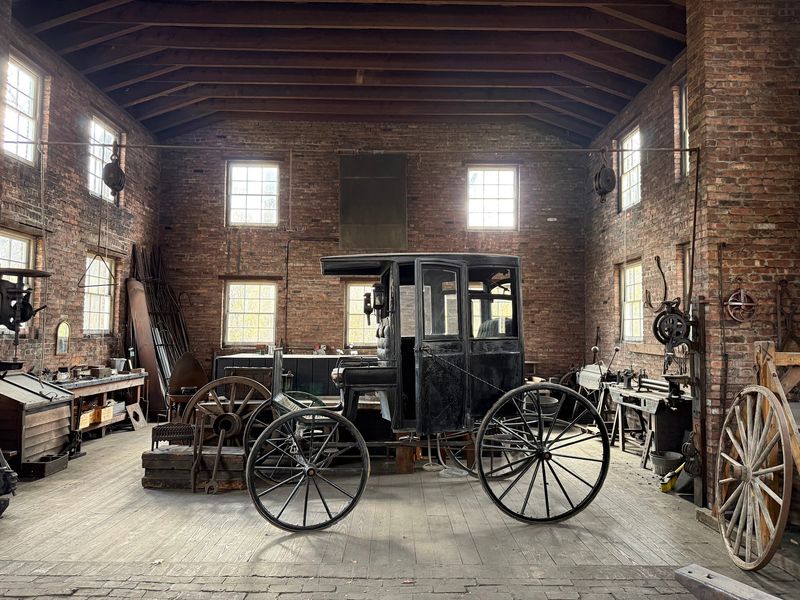
Old buildings become more interesting when their purpose starts to make sense. The village interprets a nineteenth-century industrial community, making work and everyday life central to the experience rather than treating history as a collection of dates.
That distinction matters when moving between the shops and other buildings. A craft demonstration provides one part of the story, while an explanation of a building’s use adds another.
The result is a practical introduction to the effort behind ordinary needs. Questions about how people made things, learned skills, and used different spaces have a natural place here.
No detailed knowledge of the period is necessary before arrival. Let the exhibits and interpreters establish the background, then follow the subjects that interest your group most.
The useful takeaway is not a memorized timeline, but a clearer understanding that a community depended on many different kinds of work.
An Informative Welcome Area
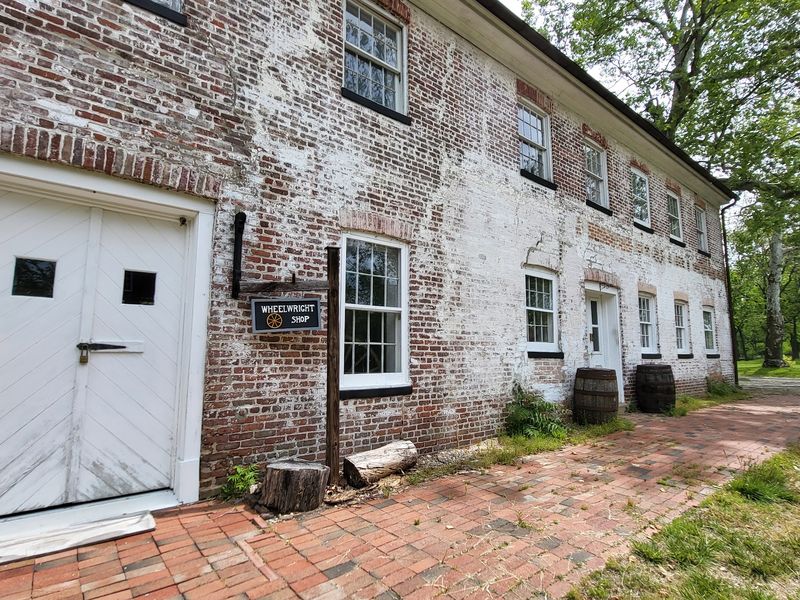
A good first stop can prevent an afternoon of wandering without context. The welcome area contains exhibits, and the visitor center occupies a historic building while providing a more modern introduction to the site.
Use that opening pause to establish what is available during your outing. Building access and demonstrations can vary, so a question at the beginning is more useful than an assumption carried through the afternoon.
The exhibits also give children and adults a shared starting point. Someone interested in workshops may notice different details than someone drawn to community history, but both can begin with the same background.
Restrooms inside the center are another practical reason to remember this stop. Before heading farther through the village, take care of the basics and ask about the day’s activities.
A little orientation leaves more time for the parts that deserve your attention.
Blacksmiths at Work
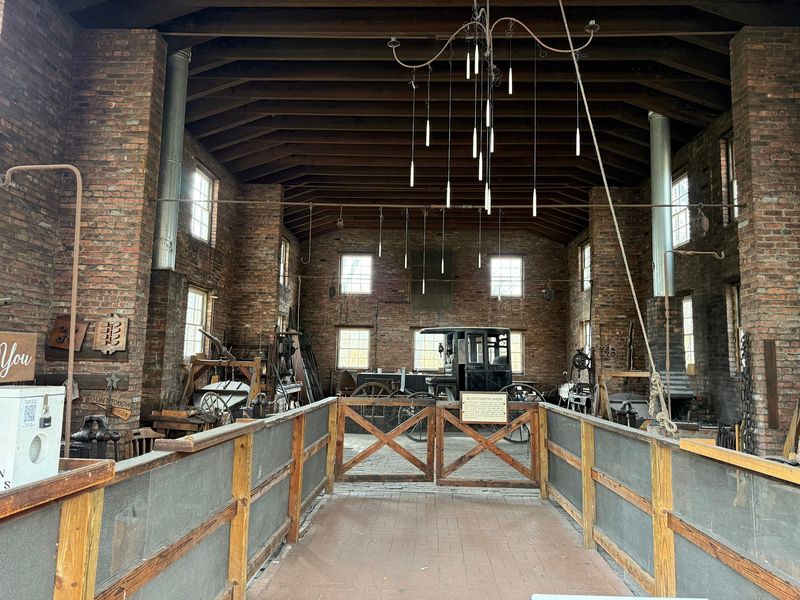
The blacksmith shop gives the headline its strongest reason to exist. Demonstrations allow people to watch a craftsperson work rather than simply study tools displayed without an explanation.
Questions are part of the appeal, including the many that children tend to bring. A working demonstration creates an easy opening to ask what the craftsperson is doing and why a particular step matters.
Keep expectations tied to the day’s program, however. Past outings have included blacksmiths working on weekends, but that does not establish a guaranteed demonstration for every open day.
Check the current schedule before making this shop the main reason for your trip. Once there, give the process time instead of treating it as a brief stop between buildings.
The value lies in following the work closely enough to understand it, not merely checking the blacksmith shop off an afternoon itinerary.
Carpentry With a Playful Side
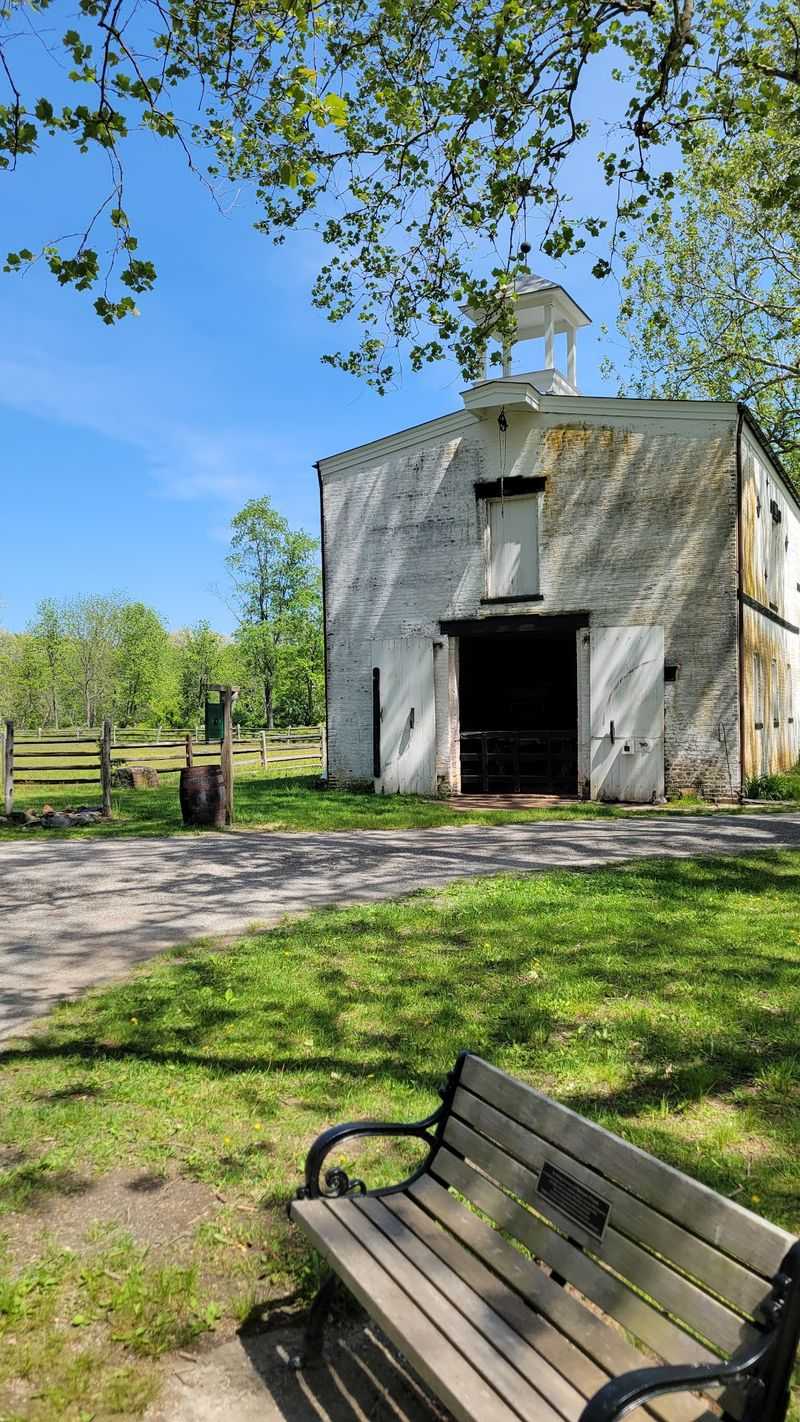
A wooden toy can prompt more conversation than its size suggests. The carpentry shop has featured a woodworker making toys and inviting children to guess how those objects were used.
That small challenge gives the demonstration a playful angle without separating it from the village’s educational purpose. Children have something specific to consider, while adults can follow the skill involved in creating the object.
The shop also broadens the outing beyond metalworking. Different materials require different approaches, and watching another craft helps explain why a historic community needed more than one kind of specialist.
As with the blacksmith shop, availability depends on the day rather than the title of an attraction. Ask which demonstrations are scheduled before setting your route through the buildings.
When woodworking is underway, leave enough time for the explanation as well as the making. A guessing game can become a useful history lesson.
Volunteers Who Explain the Details
Someone who can explain a building changes the way a group explores it. Volunteers and interpreters help connect the village’s spaces with their earlier uses, making the educational side more approachable.
Historical clothing is part of some encounters, but the conversation matters more than the costume. Questions about tools, buildings, and everyday tasks give the explanation a direction that matches your interests.
Families do not need to arrive with polished questions. A child asking what an object does can open a discussion that adults find useful too, especially during a demonstration.
Allow some flexibility in the itinerary so those exchanges do not feel rushed. Not every building will necessarily have the same staffing or activity on every date, and the experience can change accordingly.
The strongest approach is simple: ask what is happening, listen to the explanation, and let an interesting answer earn a few extra minutes.
The General Store and Bakery
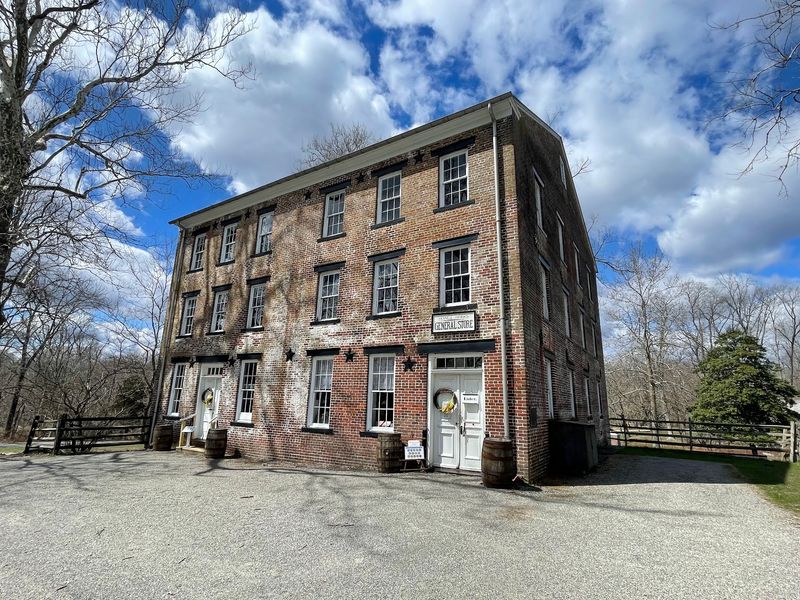
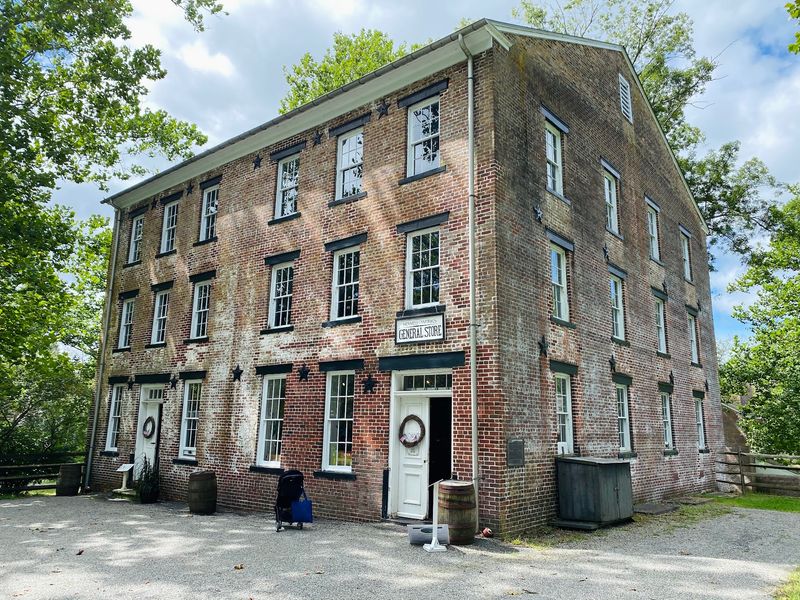
Workshops are only part of the village’s appeal. A general store and bakery add other stops to the route, helping an outing feel less like a sequence of craft demonstrations.
The general store has offered small goods and assorted items to browse. It makes a reasonable pause between longer explanations, especially for a group whose interests do not all run at the same speed.
The bakery is another established feature, although current offerings and access should be checked rather than assumed. Its presence expands the range of buildings that can hold someone’s attention during a visit.
Neither stop needs to become the main event. Give them space in the plan, then return to the historic buildings or demonstrations that interest you most.
An enjoyable route can alternate between learning, browsing, and asking questions without turning the day into a checklist. Keep purchases optional and curiosity at the center.
A Chapel Beyond the Workshops
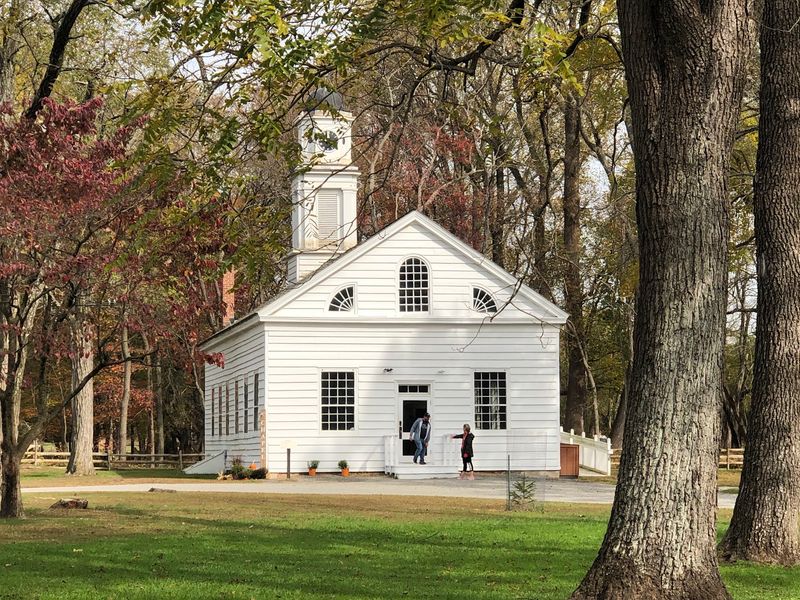
Community life needs more than places to make and sell things. The chapel adds another angle to the village, shifting attention away from trades and toward a different kind of shared space.
Its role is not limited to historical interpretation. Weddings have taken place there, connecting the building with present-day occasions as well as the village’s past.
Interior access should never be assumed. Past accounts include an open church with historical flags and an informative docent, but that does not confirm the same display or access for every future date.
Ask about availability when you arrive, especially if the chapel is high on your list. Even without an extended interior stop, it belongs in the broader understanding of the community.
The workshops explain skilled labor; the chapel helps keep the outing from reducing an entire village to its tools. Both perspectives deserve room in the day.
Park Grounds and a Picnic Pause
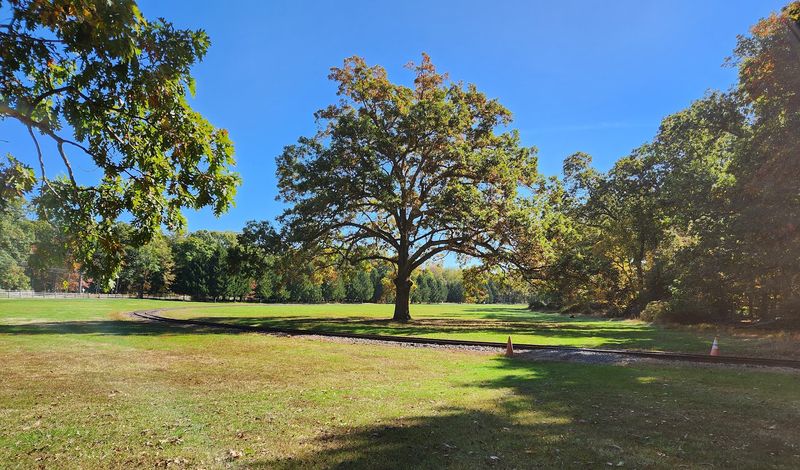
An afternoon does not have to stay inside historic buildings. The surrounding state park gives the outing additional space, and a picnic grove near the village parking area offers a practical place for a break.
Trails are another part of the broader park experience, but village access and trail access should be treated separately. An account of the village describes a single entrance and exit rather than direct connections to all surrounding trails.
That distinction is useful when planning a route. Finish one part of the day before assuming the next can begin through any convenient opening.
For families, a break can also keep the educational stops from becoming too much at once. Leave time between activities instead of filling every minute with another building.
The park setting supports a flexible outing, provided the village’s operating schedule remains the anchor for anything involving interiors or demonstrations.
A Family Outing Built Around Questions
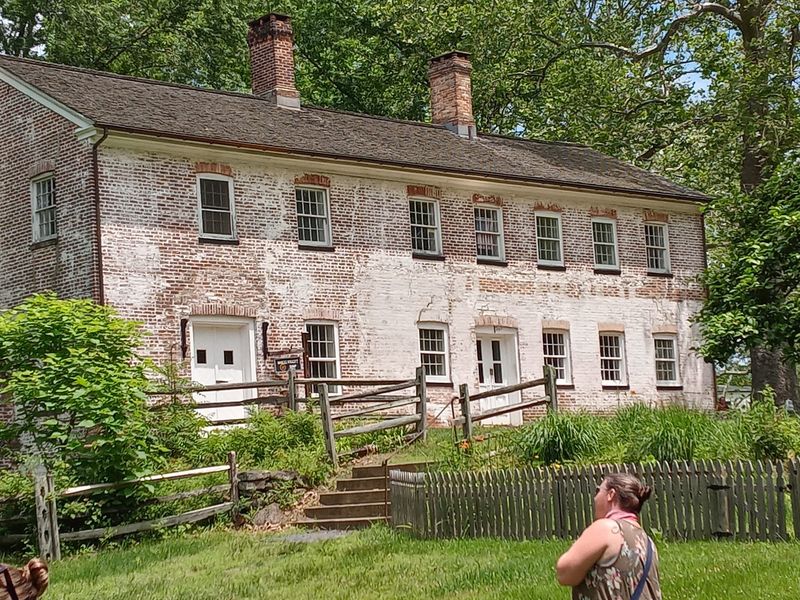
Curiosity is a better fit here than a packed entertainment schedule. Families can follow demonstrations, explore open buildings, and ask questions, but the main attraction remains history rather than nonstop activities.
The village has also hosted school outings, including elementary-age groups. That makes sense for a destination where objects and demonstrations can support discussions about how a community worked.
Children who enjoy figuring out unfamiliar things may find plenty to follow. Those who need frequent changes of activity may benefit from shorter building stops and a planned break near the parking area.
Set expectations before arrival so nobody expects the same experience as a large festival. A good family plan leaves room for different interests without demanding equal enthusiasm for every exhibit.
One person may spend longer at the blacksmith shop while another prefers the general store. The shared value is having something new to discuss afterward.
Craft Festivals and Market Dates
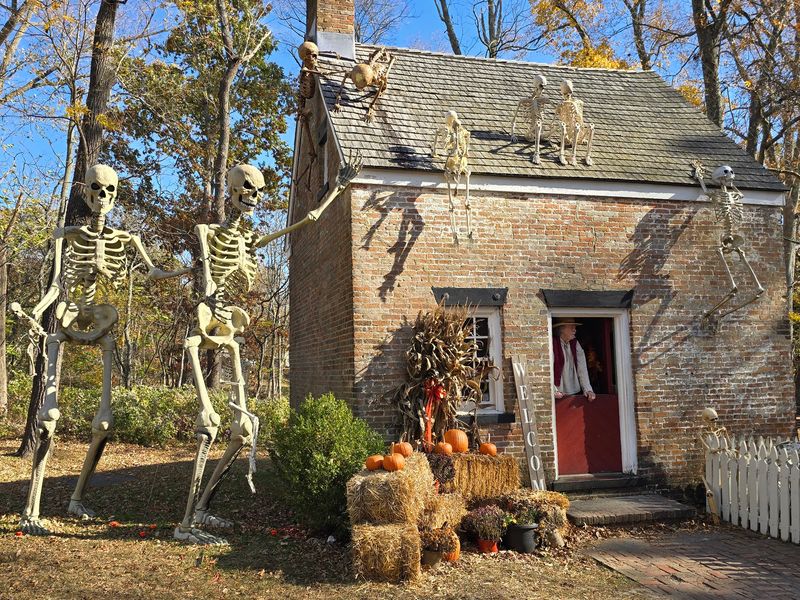
The calendar can change the purpose of a trip. Flea markets, craft shows, a fall craft festival, and holiday activities have all been part of the village’s broader range of events.
A market date adds browsing to the history-focused outing. A festival may bring a different program, so the ordinary village schedule is not enough to explain what a particular day includes.
Families should read event details closely rather than assuming every festival offers extensive children’s activities. The amount of programming can differ, and an event’s name does not establish its full contents.
Use allairevillage.org to check current dates, admission arrangements, and any separate requirements before traveling. Historical mentions confirm that these kinds of events have occurred, not that a past schedule remains in place.
Choose an event because its listed activities interest your group, then decide how much time to reserve for the village buildings themselves.
A Friday Through Sunday Schedule
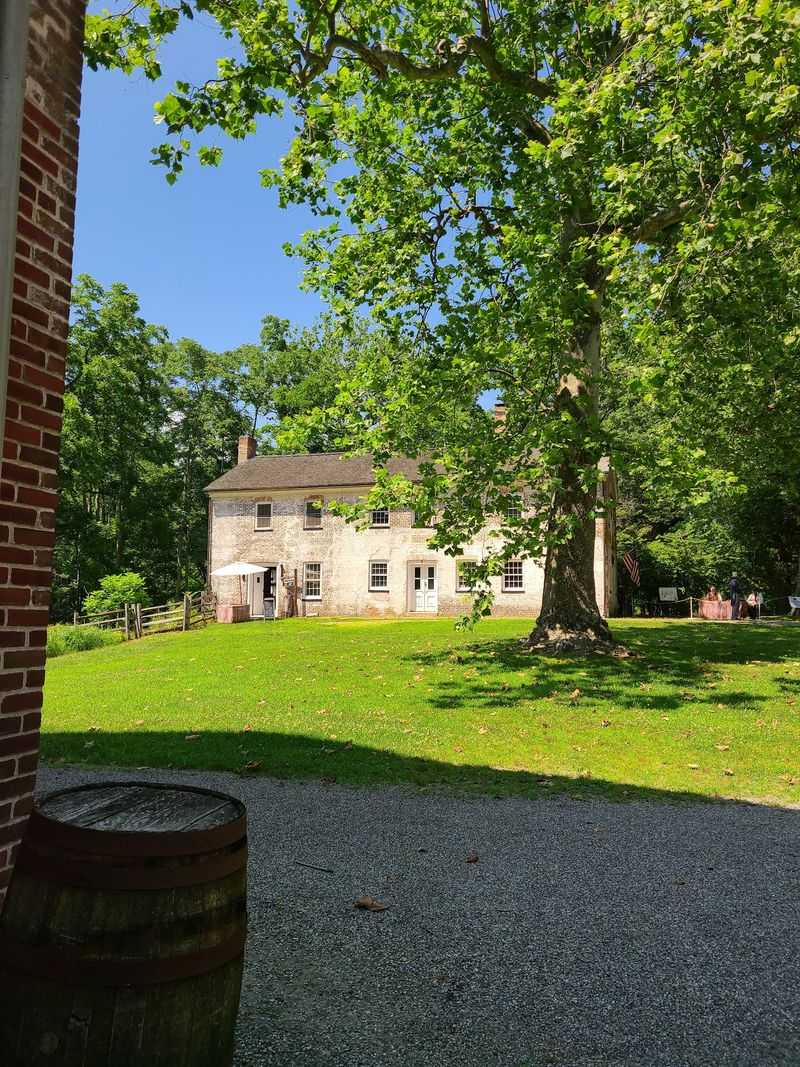
Timing is the detail most likely to shape this outing. The supplied operating hours list Friday, Saturday, and Sunday from 11 AM to 4 PM, with Monday through Thursday closed.
That is a limited window, particularly for anyone hoping to spend several hours exploring. An earlier arrival within the opening period leaves more room for demonstrations and conversations without rushing toward closing time.
Saturday has been associated with more open buildings and costumed interpretation in past accounts. Treat that as a reason to ask about the current program, not as a promise that every Saturday follows an identical plan.
Confirm hours and activities on the official website before leaving home, especially around special events. Public opening hours do not automatically guarantee that a specific workshop will be active throughout the day.
A schedule check is a small task that can protect the main reason for making the trip.
Admission and Arrival Essentials
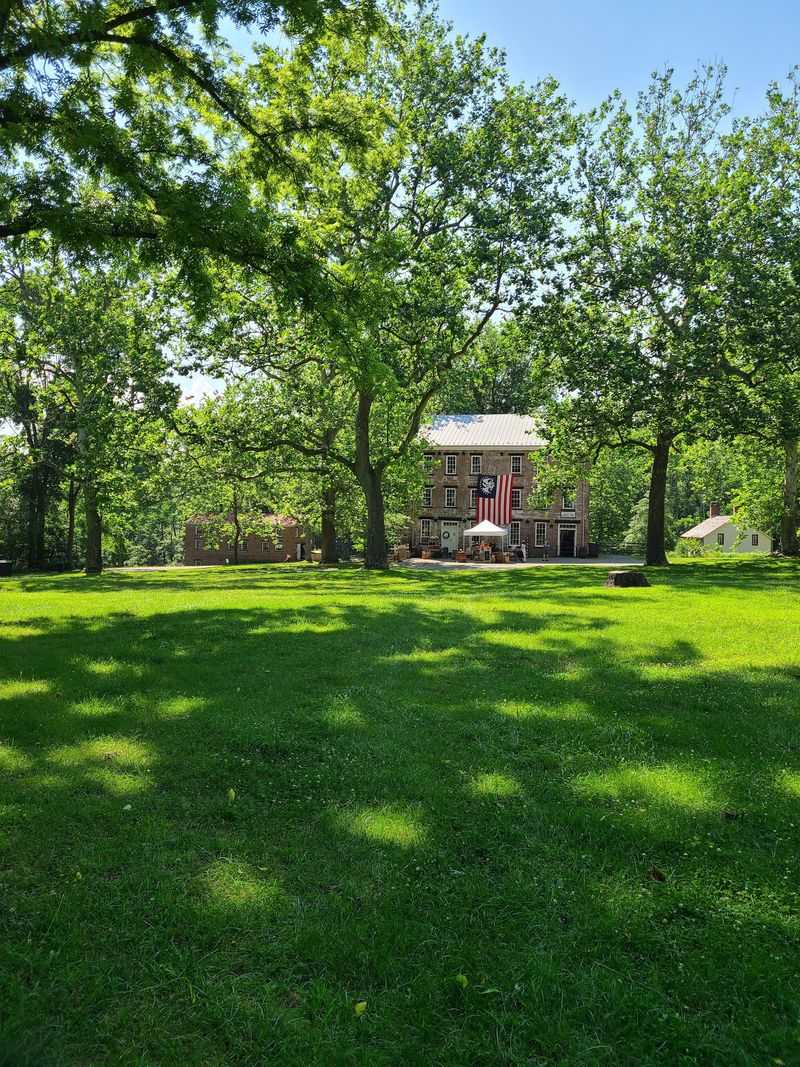
A modest admission figure appears repeatedly in past accounts: $5 per person for an ordinary village outing. Because those accounts come from different dates, that amount should be treated as a planning reference rather than a confirmed current ticket price.
Special events may use different admission arrangements. Check the official website for the date you want, and confirm what the ticket includes before building a budget around it.
Parking has been described as plentiful, and the village parking area provides a useful starting point for the outing. The nearby railroad is separate from the village, so village admission should not be assumed to cover that attraction.
Pet access also needs clarification before arrival. A past account distinguished outdoor grounds access from access inside buildings, which matters for a day centered on interiors.
Confirm current rules and keep the arrival plan simple: correct destination, checked admission, and realistic expectations.
A Worthwhile Stop for Curious Minds
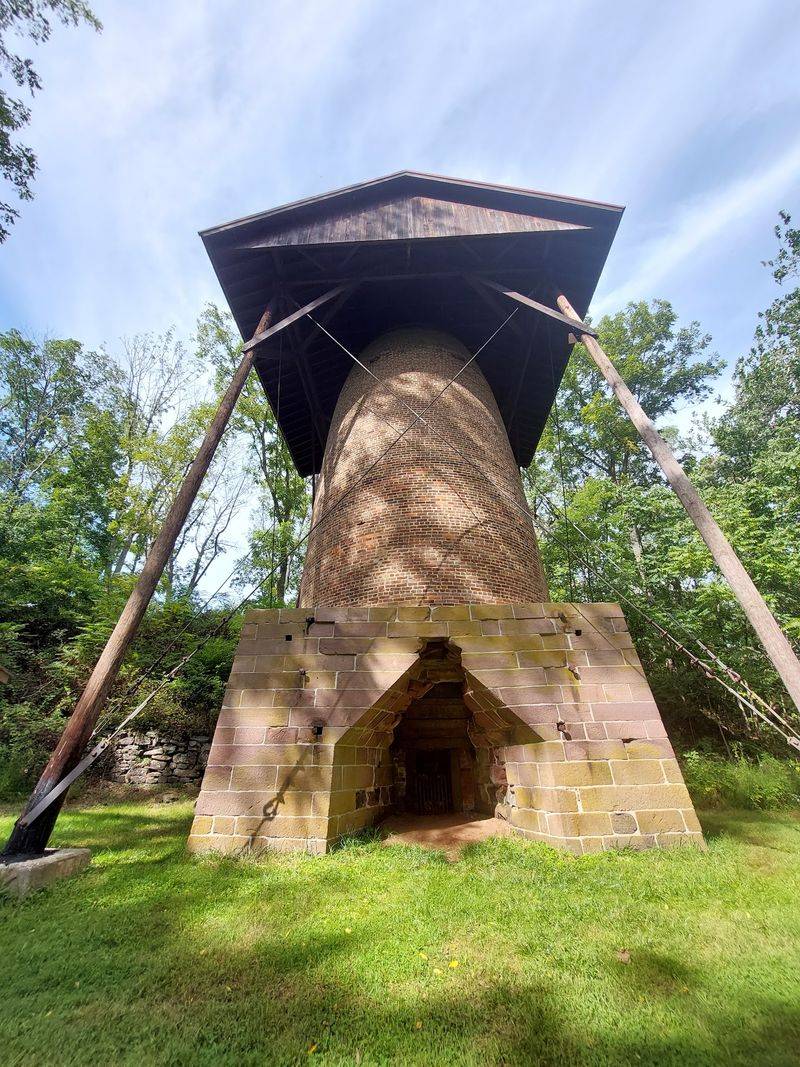
The best reason to come is the chance to understand work that usually stays outside everyday conversation. A blacksmith demonstration or a woodworking explanation gives that understanding a concrete starting point.
The rest of the village adds context through historic buildings, exhibits, the chapel, and conversations with interpreters. Together, those parts make the destination more substantial than a quick circuit around old structures.
It will suit history-minded families, curious adults, and local day-trippers willing to follow an explanation. Someone seeking a full day of constant scheduled entertainment may need a different set of expectations.
Choose the date carefully, confirm the demonstrations, and leave room for questions. The village’s appeal rests on ordinary skills receiving the attention they deserve.
A successful outing does not require seeing everything; it requires enough time at the right stops to leave with a clearer idea of how this historic community worked.
Share this story