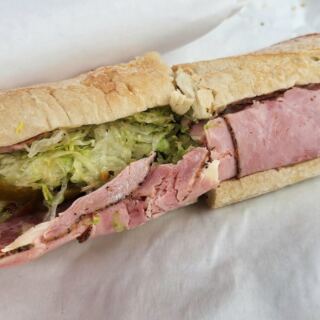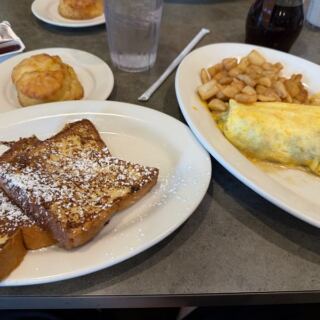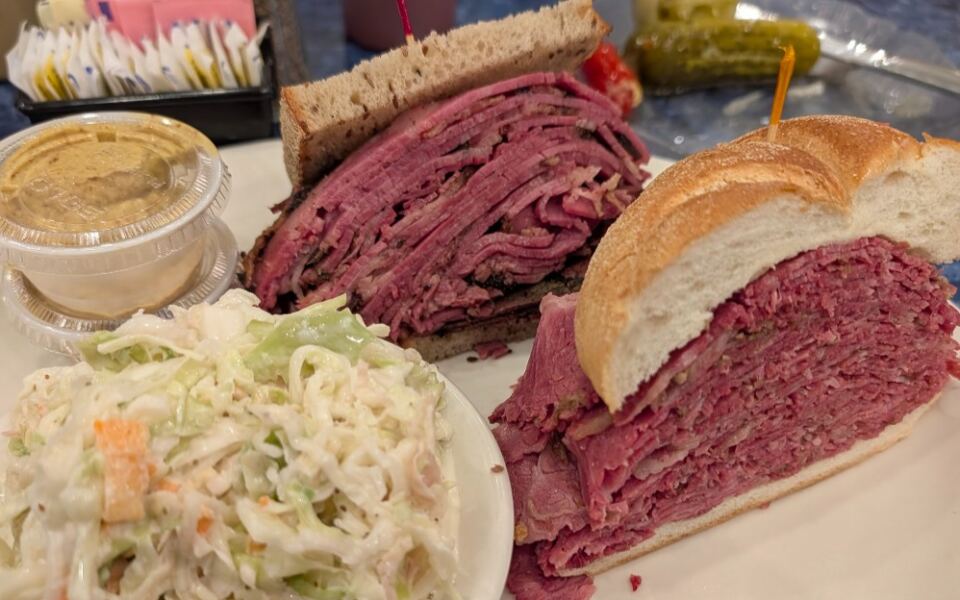
A hungry detour in New Jersey can turn into a meal that takes more planning than expected. At this old-school deli, generous sandwiches and a diner-style setting give an ordinary stop a little extra personality.
The Reuben in the headline raises curiosity, but the supplied information tells a clearer story about big portions, sharing, and a long-running deli tradition. Here is what makes the stop interesting, plus what to check before heading over.
An Edison Deli With Its Own Following
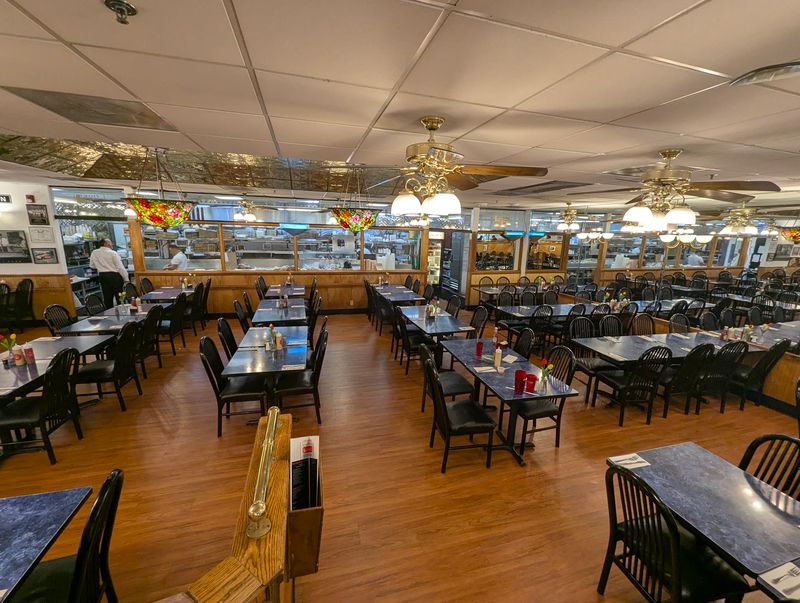
The name points toward New York, but the destination belongs to New Jersey. Harold’s New York Deli is at 1173 King Georges Post Rd, Edison, NJ 08837, in the United States.
Its identity is straightforward: an old-school Jewish deli serving large helpings in a diner-style setting. The supplied information describes a spacious restaurant with plenty of seating, so this is more than a small sandwich counter.
For nearby residents, the appeal is a familiar kind of restaurant taken to an unusual scale. For day-trippers, it offers a meal stop with enough personality to become part of the outing rather than simply a break along the way.
The important distinction is that its New York-style name does not require a trip across state lines. Edison gets the destination, and diners get a good reason to think about their order before taking a seat.
Portion planning starts sooner than expected here.
A Tradition That Spans Decades
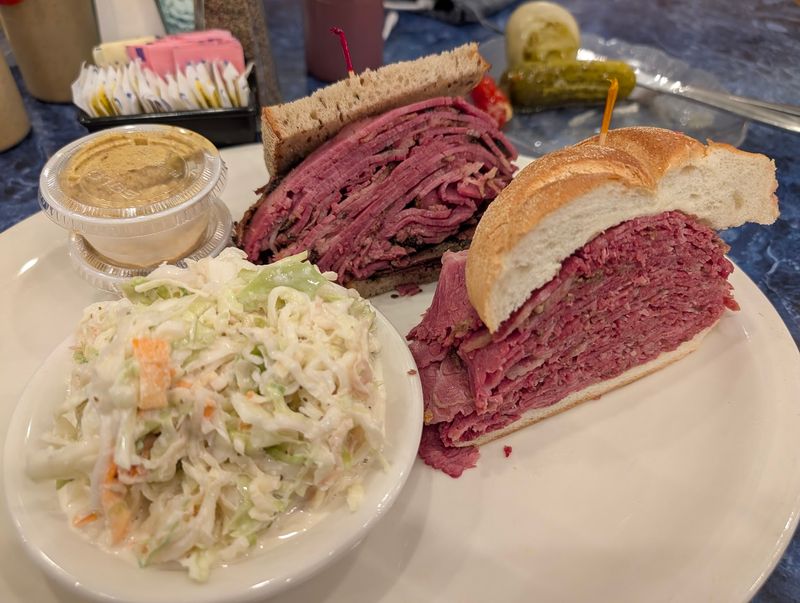
Some restaurants enter family routines and stay there for years. The supplied accounts include memories of meals during childhood and visits dating back to the 1990s, supporting a story of longstanding local familiarity.
That history matters without needing an invented founding date or a dramatic origin tale. Harold’s has been part of people’s dining plans across decades, and its oversized portions remain a recurring part of those memories.
Return trips also bring expectations. A restaurant remembered from years earlier will not necessarily deliver the exact same experience today, and the supplied accounts include both renewed enthusiasm and disappointment.
The useful takeaway is continuity rather than perfection. Its old-school Jewish deli identity still gives the restaurant a clear place in the area, while the current meal deserves to stand on its own.
Nostalgia can get someone through the door, but the order has to do the rest of the work.
The Reuben Question
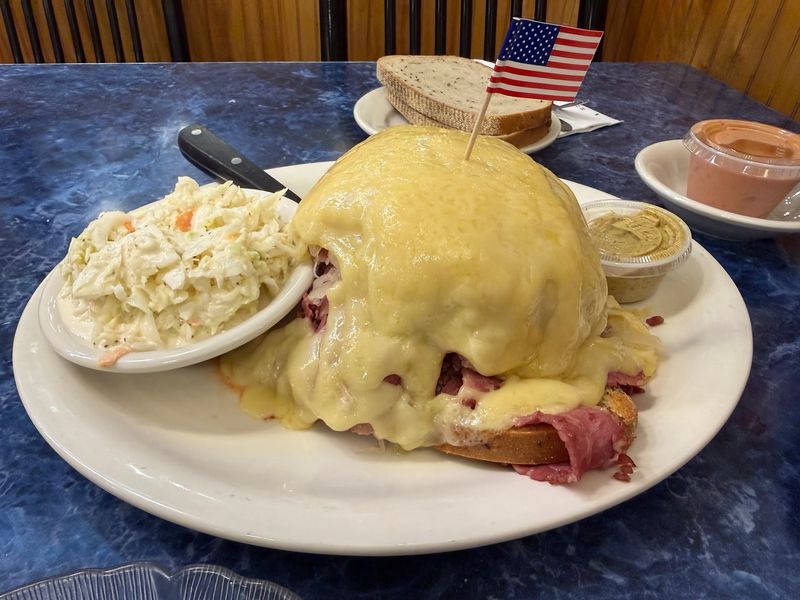
A headline can make one sandwich the entire reason for a trip. Here, however, the supplied material does not identify a Reuben order, list its ingredients, or establish its current price.
That gap deserves a plain answer rather than a made-up sandwich description. The evidence supports the restaurant’s deli identity and substantial sandwiches, but it does not support calling one particular Reuben its verified standout.
Anyone arriving specifically for that order should check the current menu or ask the restaurant before making a special journey. Confirming availability and portion size would make the plan much more useful than relying on the headline alone.
The broader reason to consider the stop remains intact: an established deli, unusually generous helpings, and an experience built around sharing. A little homework protects the main event.
Better to settle the sandwich question beforehand than discover that the headline promised more detail than the available information provides.
Portions That Change the Order
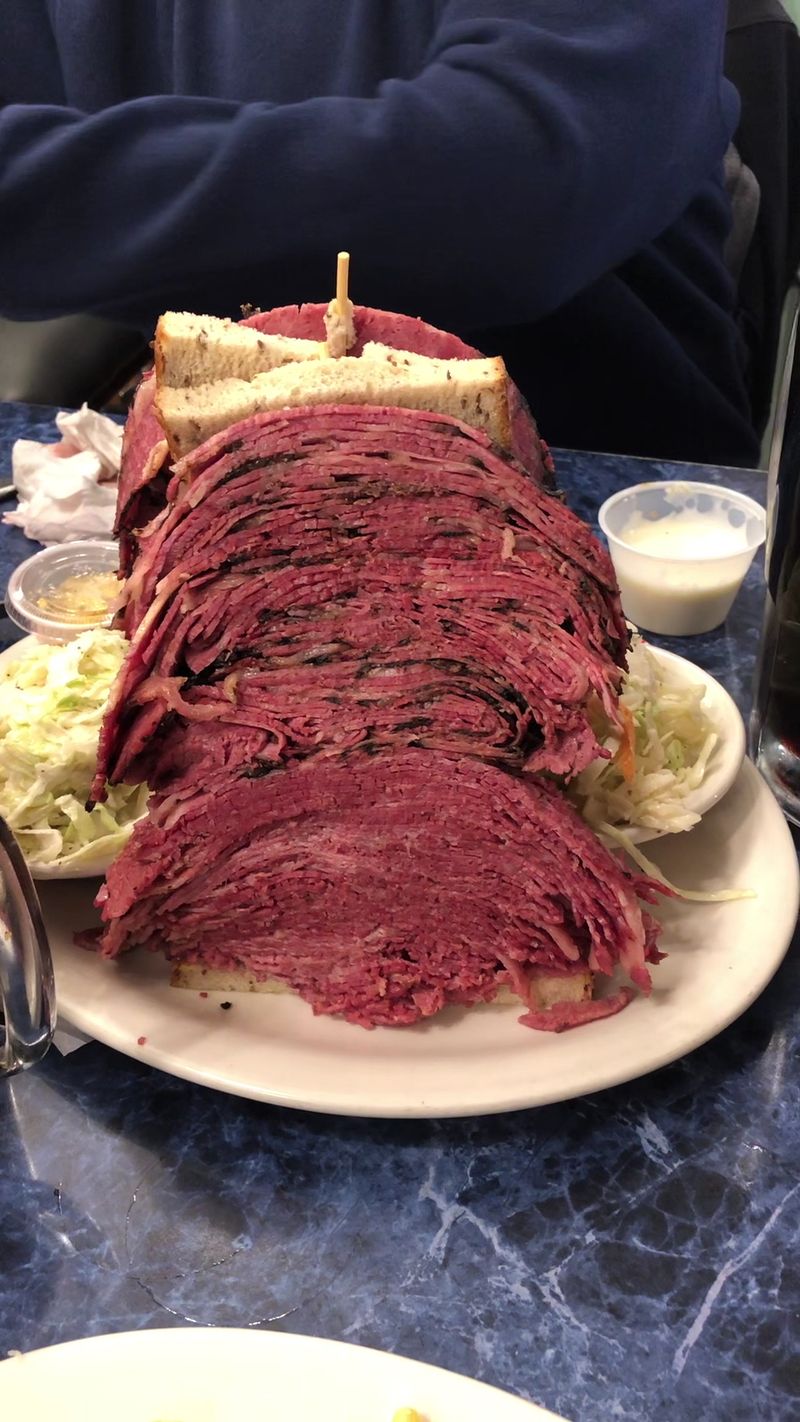
One order per person is not the safest assumption here. Generous portions are the most consistent feature in the supplied accounts, and sharing is repeatedly described as a practical approach.
Several meals reportedly provided enough for multiple people, with some sandwiches serving three. Those examples explain the restaurant’s reputation, but they should not become a promise that every order feeds the same number.
Appetites differ, and so do menu choices. Asking about the size of a specific sandwich is more useful than treating every item as a group meal.
The sensible approach is to discuss the order together before everyone chooses separately. Start with what the table actually needs, then ask staff for guidance if the portions are unclear.
That small pause can prevent an expensive over-order and leave fewer containers to manage afterward. At a restaurant known for abundance, restraint is not missing the point.
It is part of understanding the place.
Smaller Orders With Larger Expectations
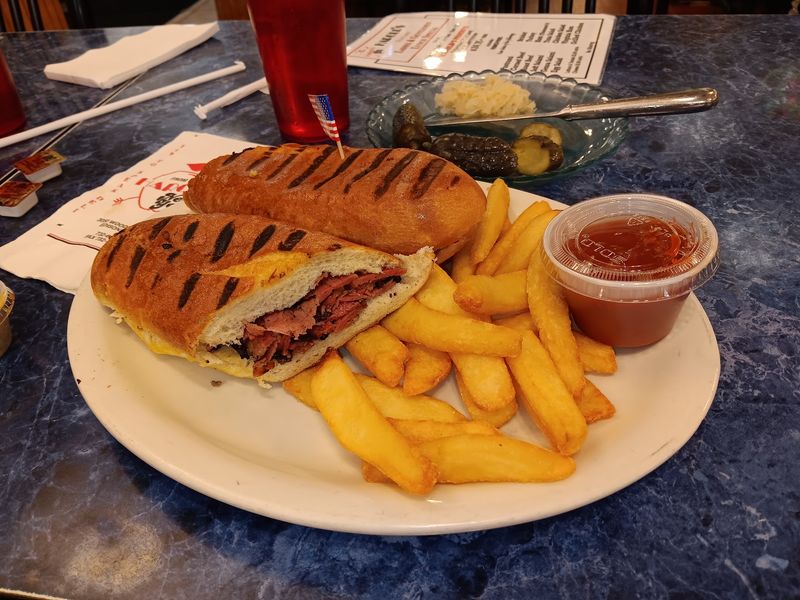
The word junior does not settle every portion question. Smaller sandwich orders appear in the supplied accounts, yet even those prompted discussion about whether one person or two could share.
That makes menu labels a starting point rather than a complete explanation. A smaller option may be useful for a solo meal, but its name alone does not establish the amount of food or the best value.
Ask how the available sizes compare before choosing. The answer can help a couple decide between sharing one larger order and selecting separate smaller ones.
Solo diners have a different calculation: how much they want now, what they can take away, and how long their trip continues afterward. There is no prize for ordering the largest version.
The restaurant’s appeal does not require a table full of excess. A thoughtful smaller order can still deliver the deli experience while keeping the rest of the day’s plans manageable.
A Dining Room Made for Company
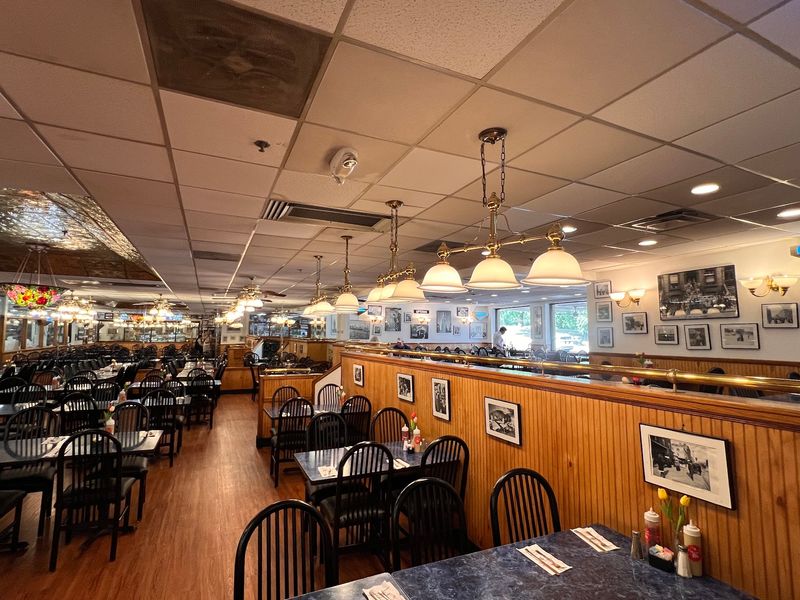
A bigger table can make the meal easier to organize. The restaurant is described as spacious, with ample seating and booths, while its portions naturally encourage a conversation about sharing.
Families and groups have a clear practical advantage: more people can divide an order without relying on leftovers. That does not mean everyone must choose the same thing, only that a little agreement helps.
The atmosphere is described as lively and nostalgic rather than intimate. It suits a casual gathering better than a plan that depends on guaranteed quiet or privacy.
Group size also changes the logistics. Seating needs, ordering decisions, and arrival times become more important when several people are involved.
For a first meal here, companions who enjoy a traditional deli setting are a sensible match. The occasion can stay simple: get together, decide what to share, and allow the restaurant’s unusual scale to provide the conversation without arranging an elaborate outing.
Helpful Guidance at the Table
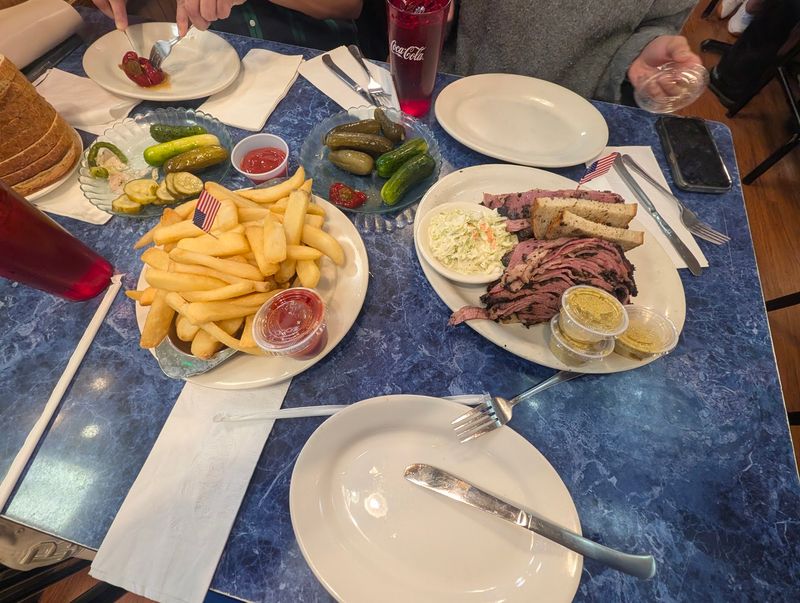
A useful question can improve the meal before anything arrives. Friendly, attentive, and professional assistance appears repeatedly in the supplied accounts, particularly when diners needed help with a broad menu.
That kind of guidance matters at a place where portion sizes can change the whole order. Ask what is suitable for sharing, how smaller options compare, and whether the table has chosen more than it needs.
The material also includes a less engaged service experience, so consistently personal attention should not be treated as guaranteed. A busy restaurant can deliver different interactions on different days.
Clear questions keep expectations practical. Staff can explain the available choices more directly than a headline or an older account can.
For newcomers, the best conversation is not about finding the biggest possible meal. It is about finding an order that fits the group.
Good guidance here can save both money and the familiar realization that another container is needed.
The Cost Behind the Generosity
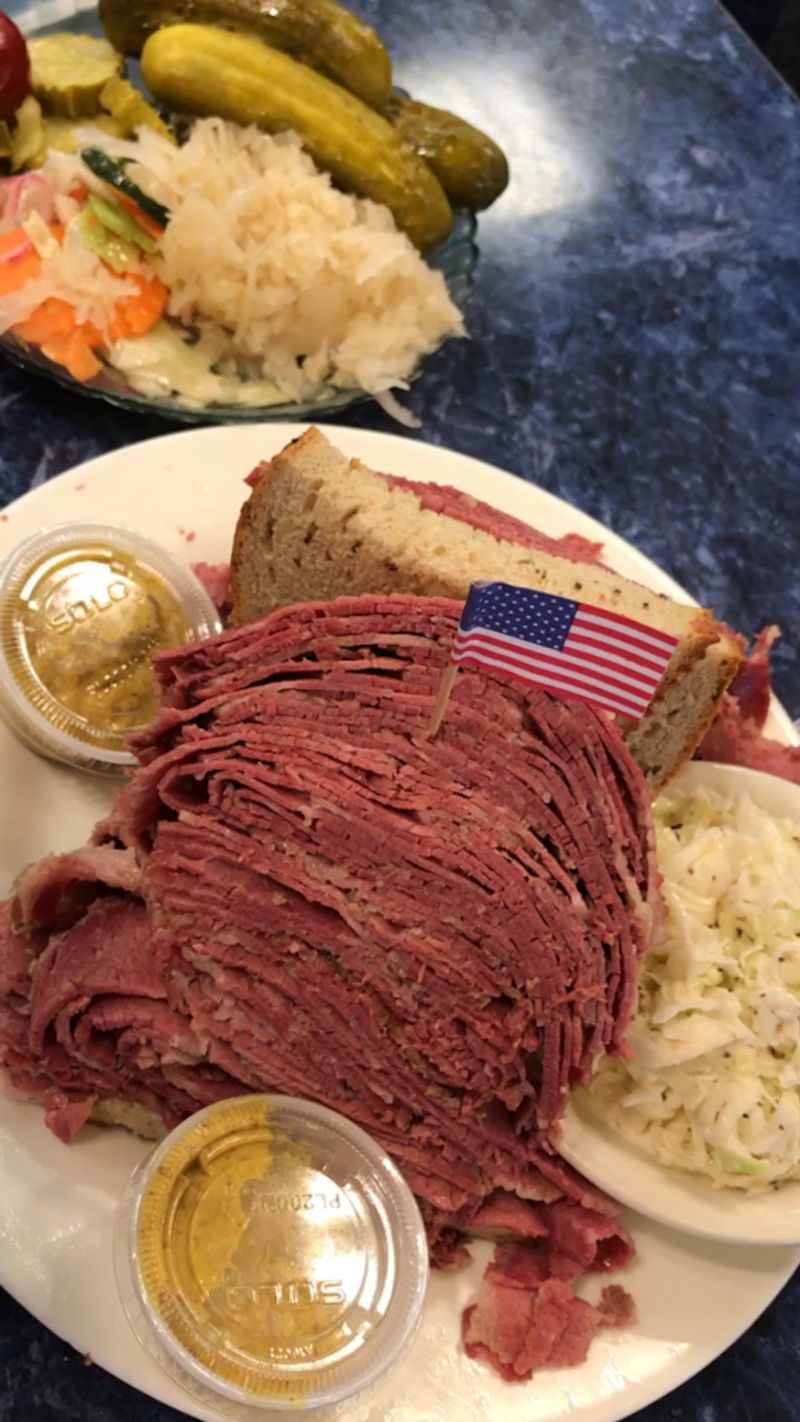
A substantial portion does not automatically mean a small bill. The supplied listing gives a general spending range of $20 to $40, while individual accounts describe meals reaching roughly $40 to $50 per person.
Those figures provide context, not a current quote for a Reuben or any other specific order. Choices, group size, and extras can change the total, so the menu should settle the actual cost.
Sharing may make a larger order more reasonable for a group. Still, dividing food only helps when the portion suits everyone and the table understands what is being purchased.
Budget-conscious diners should compare the available sizes before committing. Ask about the total rather than assuming that a smaller label guarantees a low-cost meal.
The clearest value question is simple: will the group use what it orders? Generosity is useful when it fits the plan, and less useful when it turns into an avoidable expense at checkout.
Daily Hours and Weekend Patience
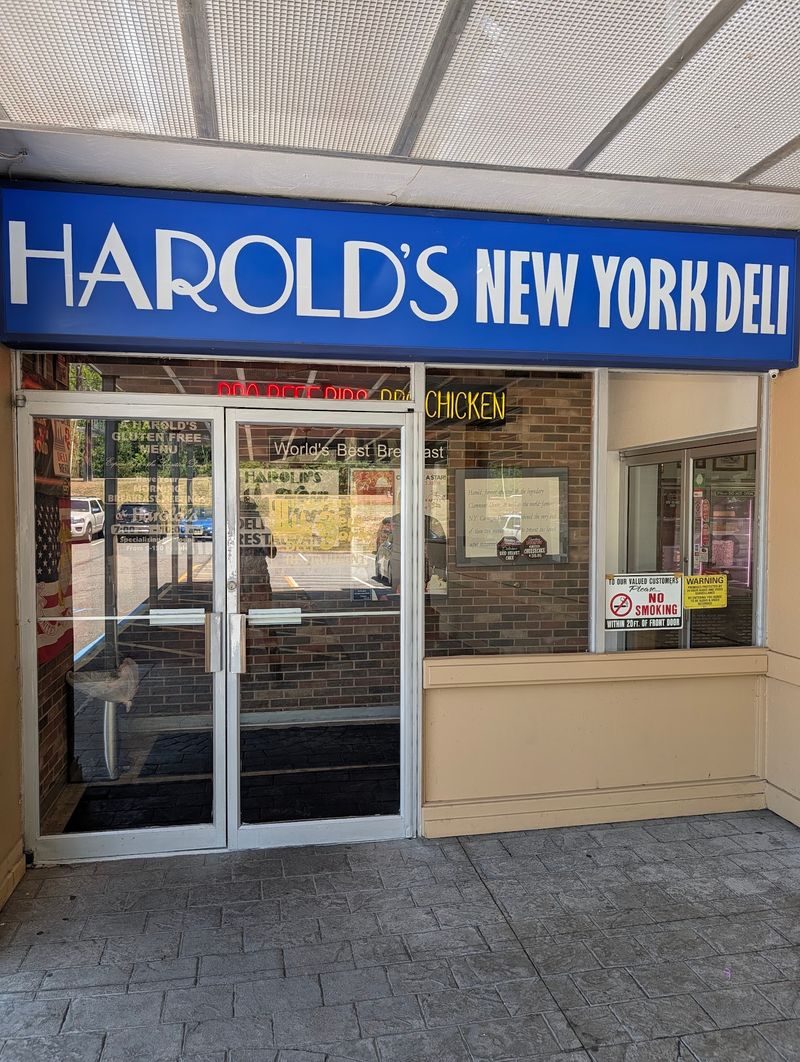
The schedule makes this stop easy to fit into different days. The supplied operating hours are 7 AM to 9 PM every day, Monday through Sunday.
That broad window leaves room for an earlier meal or an evening stop, but it does not establish when the restaurant will be least busy. No reliable hour-by-hour crowd pattern is provided.
Weekend delays deserve some attention. One supplied account describes a dining-room wait of about two hours and a takeout wait of around thirty minutes, along with congestion where arrivals and collections overlapped.
Those times are examples, not a standing schedule or a prediction for the next trip. Anyone working around a fixed event should confirm current conditions and leave room for delays.
The practical move is to check hours again before departure, especially around holidays. A flexible meal plan suits this destination better than a tight timetable that depends on immediate seating and a quick exit.
Parking and a Practical Takeout Plan
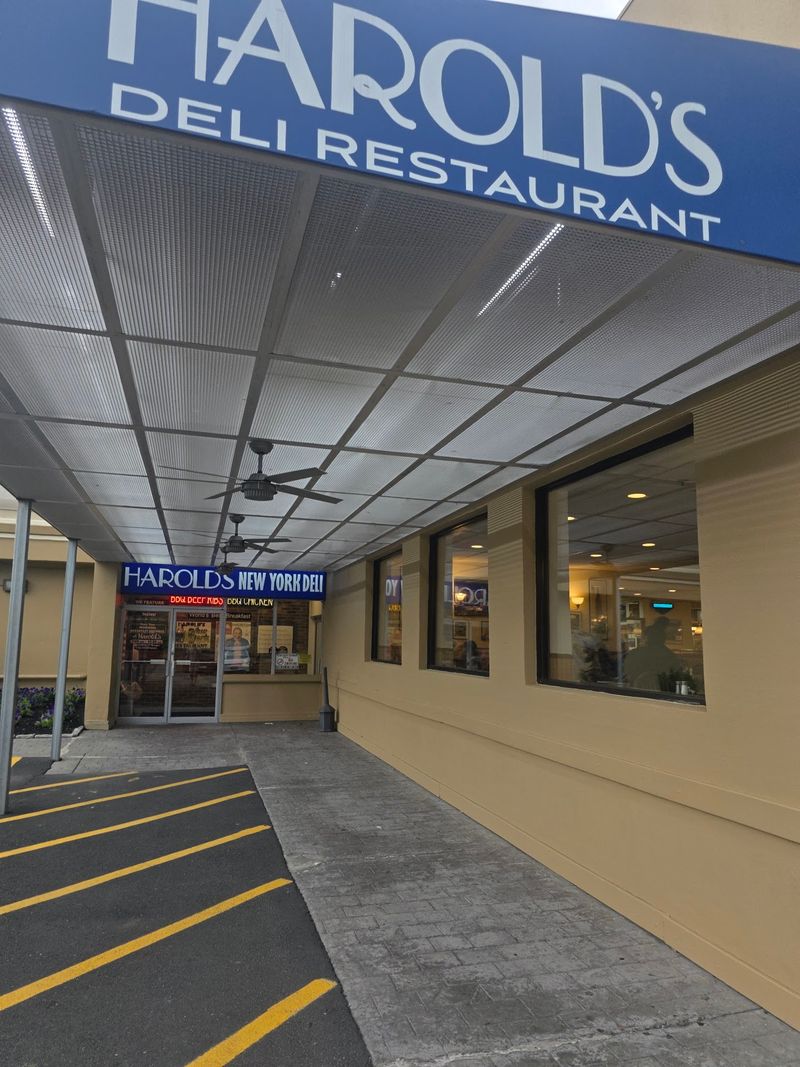
A detour works better when the arrival details are settled. The supplied accounts describe plenty of parking, making a drive to the restaurant a practical option without supporting any guarantee of an available space.
No verified highway exit, public transit route, or accessibility details are included. Use current directions to the listed address rather than relying on an invented shortcut.
Takeout is another supported option, and the material includes meals ordered specifically to bring home. Large portions also make leftovers a realistic consideration after dining in.
For travelers, that creates one more planning task. Consider the remaining drive and arrange suitable food storage rather than assuming extra food can simply stay in the car.
Collection may also take time, particularly when takeout and dining arrivals overlap. The best road-trip stop is not necessarily the fastest one.
Give the meal enough room in the schedule that its convenience does not depend on rushing through it.
A Detour With Clear Expectations
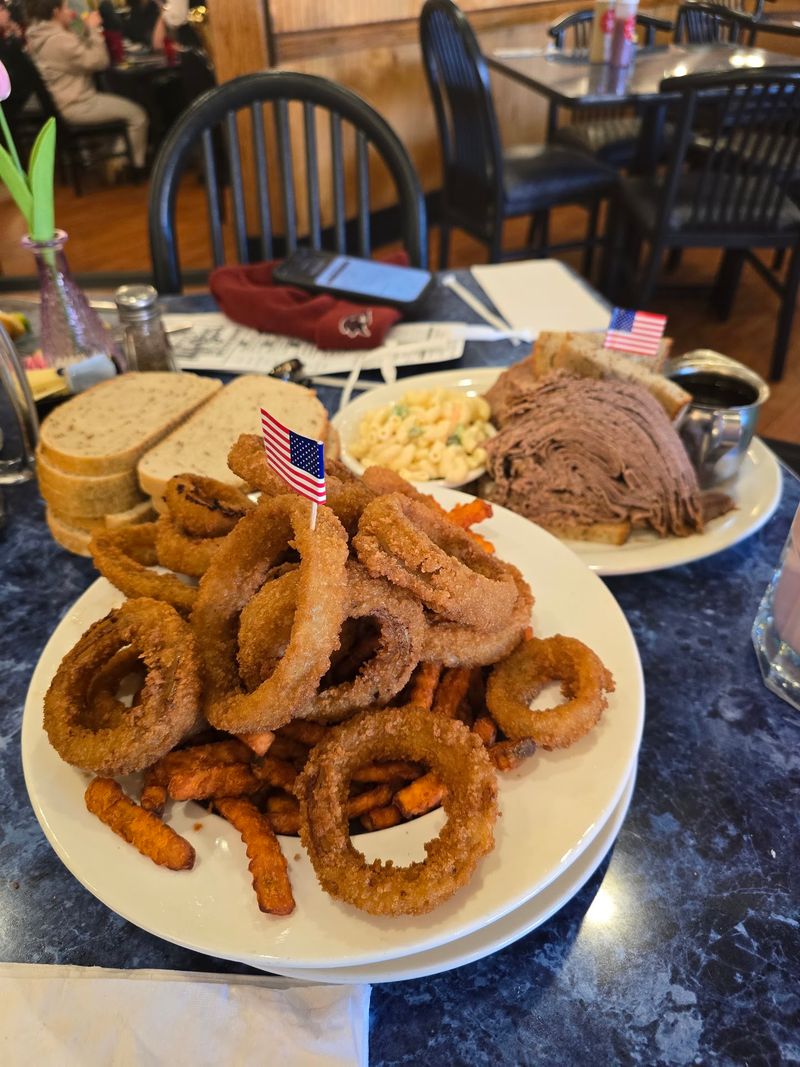
The strongest reason to come is the restaurant’s overall character, not an unsupported claim about one sandwich. Its established deli identity, large portions, and spacious diner-style setting give the stop a clear personality.
A group willing to share is especially well matched to the experience. Solo diners can still make it work, provided they ask about sizes and think ahead about anything they take away.
The cautions are ordinary but useful: costs can add up, weekend waits can be substantial, and service experiences are not identical. None of that requires dismissing the place or promising a perfect meal.
A Reuben-focused trip needs one extra step because the supplied information does not confirm that order. Check the current menu first, then decide how it fits the plan.
For New Jersey residents and nearby day-trippers, the verdict is a measured yes: a distinctive deli stop worth considering, with a little preparation doing much of the work.
Share this story