Mountains are stubborn, and so are the people who live in them. High valleys slowed down armies, roads, and trends for centuries, which gave local customs a rare chance to stick around.
In some places, families still build roofs as a team every few decades. In others, farmers water terraces carved by their great-great-grandparents, and kids learn dances older than most countries.
This list visits thirteen highland regions on four continents where old ways are not museum pieces. They are part of normal weekdays.
You will find stone towers built for protection, wooden churches made with clever joints, masked festivals, and languages that were never really written down. Each stop includes a few facts worth knowing before you visit, plus tips on how to respect the communities that keep these traditions going.
Some names will be familiar, while others might send you straight to a map. Pack your curiosity, because the first stop sits in a mountain range where nearly every old family once had its own tower.
1. Svaneti, Samegrelo-Zemo Svaneti, Georgia
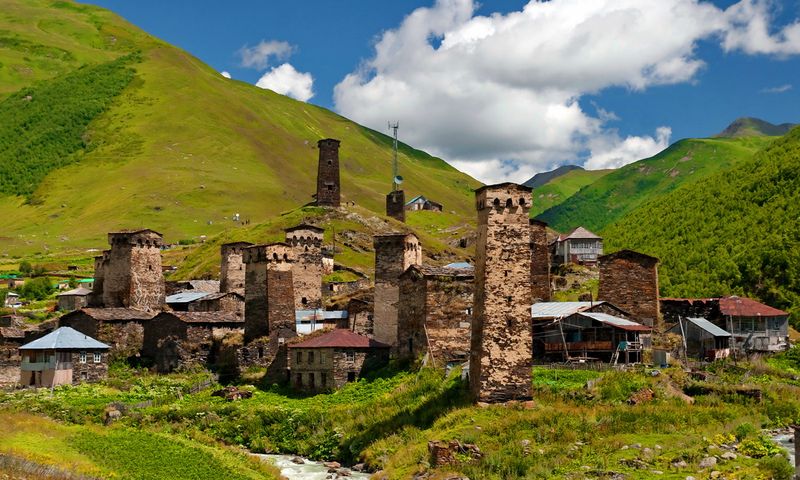
Back in the Middle Ages, a family without a tower in Svaneti was a family taking a big risk. Between the 9th and 12th centuries, locals built stone towers called koshki, often three to five stories tall, right next to their homes.
Those towers still stand in villages like Mestia and Ushguli. Ushguli is often listed among the highest lived-in settlements in Europe, which makes it a strong contender for best view from a front porch.
Isolation also protected the Svan language, known as Lushnu. It has no written form of its own, so songs, stories, and local rules travel by memory from one generation to the next.
Faith here mixes Orthodox Christianity with much older customs. Festivals like Lamproba feature large bonfires and village gatherings.
Visitors should start at the Svaneti Museum in Mestia to understand the towers before exploring. Some families allow tower climbs for a small fee.
Bring sturdy shoes, because the ladders inside are steep and very old.
2. Ifugao, Cordillera Administrative Region, Philippines
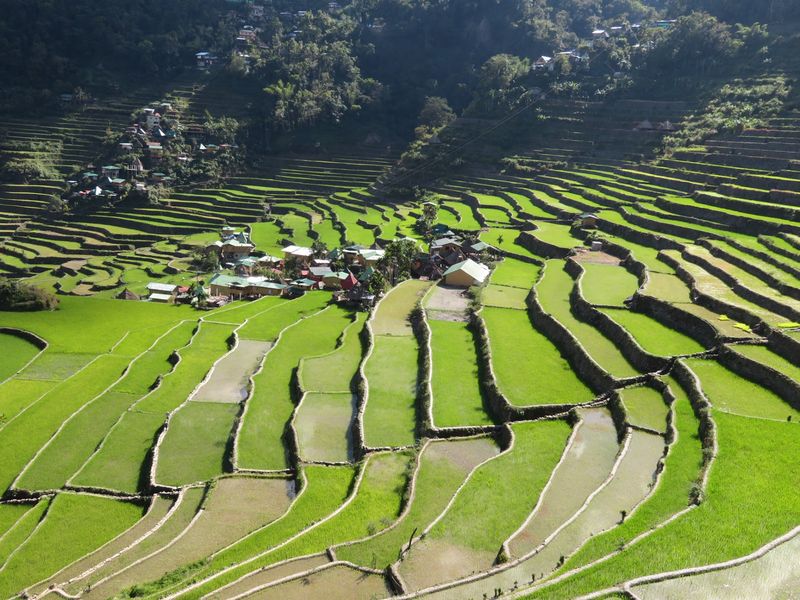
Forget bulldozers. The rice terraces of Ifugao were shaped by hand over many generations, and they still feed families today.
Farmers built stone and mud walls along steep slopes, then designed clever irrigation channels that move water from forests above down through each level. The knowledge for keeping it all working passes from parents to children, not from a manual.
UNESCO calls the area a living cultural landscape. That means the rituals, the shared labor, and the planting calendar matter just as much as the walls themselves.
Banaue is the usual starting point, but Batad gives a closer look. Its terraces curve around the valley in a shape people often compare to an amphitheater, and the hike down takes about an hour.
A few tips help. Stay on the terrace walls only where guides show you, since they are working farms.
Hire a local guide, because the fees support families who maintain the fields. Planting and harvest seasons offer the best chance to see community work in action.
3. Scottish Highlands, Scotland, United Kingdom
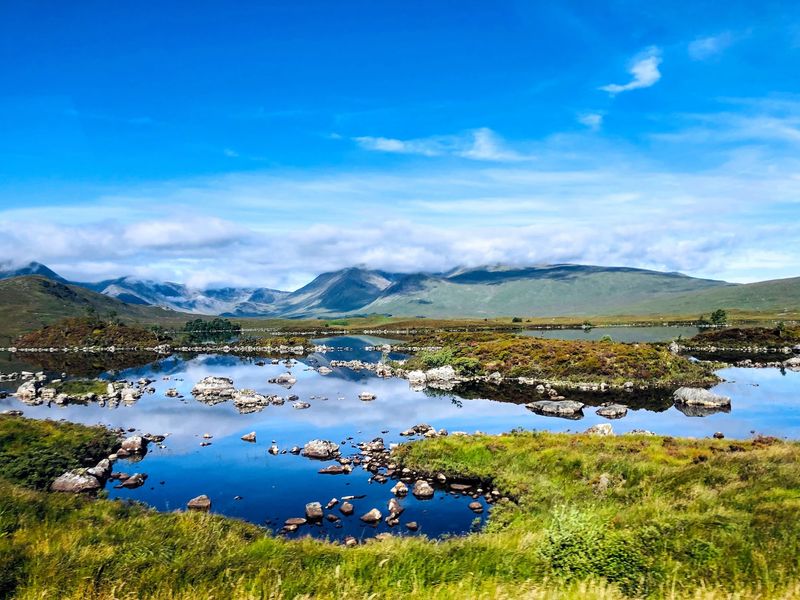
Here is a word worth learning before your road trip: croft. A croft is a small piece of farmland rented under a special system, and thousands of them still operate across the Highlands and Islands.
Crofting is not a costume for tourists. Crofters raise sheep, grow crops, and often hold a second job too, since small plots rarely cover every bill.
Gaelic remains closely tied to these communities. Road signs in many areas show names in both English and Gaelic, and you will spot words like glen, meaning valley, and loch, meaning lake.
Music is another anchor. Local events called ceilidhs bring neighbors together for traditional dancing, and visitors are usually welcome to join, even with two left feet.
The Isle of Skye and the Outer Hebrides offer some of the best chances to hear Gaelic in daily use. On narrow single-track roads, pull into passing places to let others go by.
Locals notice good manners, and they often wave back.
4. Toraja Highlands, South Sulawesi, Indonesia
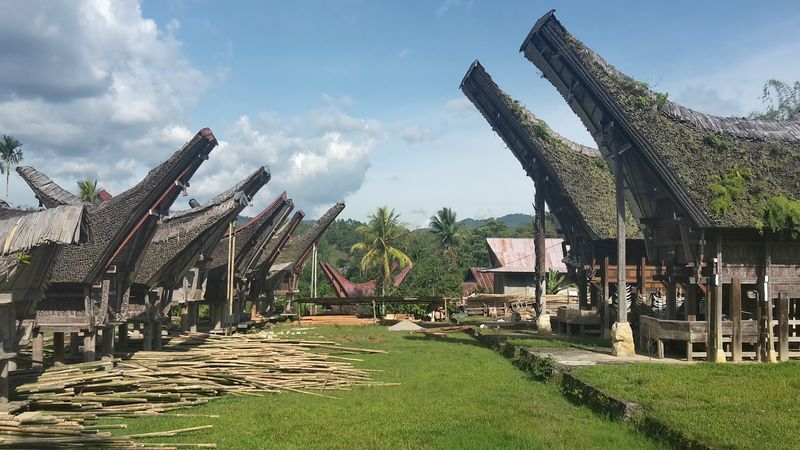
Roofs that curve upward at both ends make Toraja villages easy to spot from far away. These ancestral houses, called tongkonan, sit on wooden posts and are decorated with carvings in red, black, and yellow.
A tongkonan is more than a home. It acts as the center of a family line, and relatives connect their identity to the house where their ancestors belonged.
Across from many houses stand rice granaries in a matching style. Ceremonial grounds and old cliffside family resting places complete the village layout.
Torajan culture places great value on honoring ancestors. Traditional beliefs, known as Aluk To Dolo or the way of the ancestors, still guide many family events even among Christian households.
Large family ceremonies can take months of planning so every relative can attend. Visitors are sometimes invited, but treat it as a guest would at any family gathering.
Hire a local guide from Rantepao, dress modestly, and bring a small gift such as sugar or coffee if you attend.
5. Paro Valley, Paro District, Bhutan
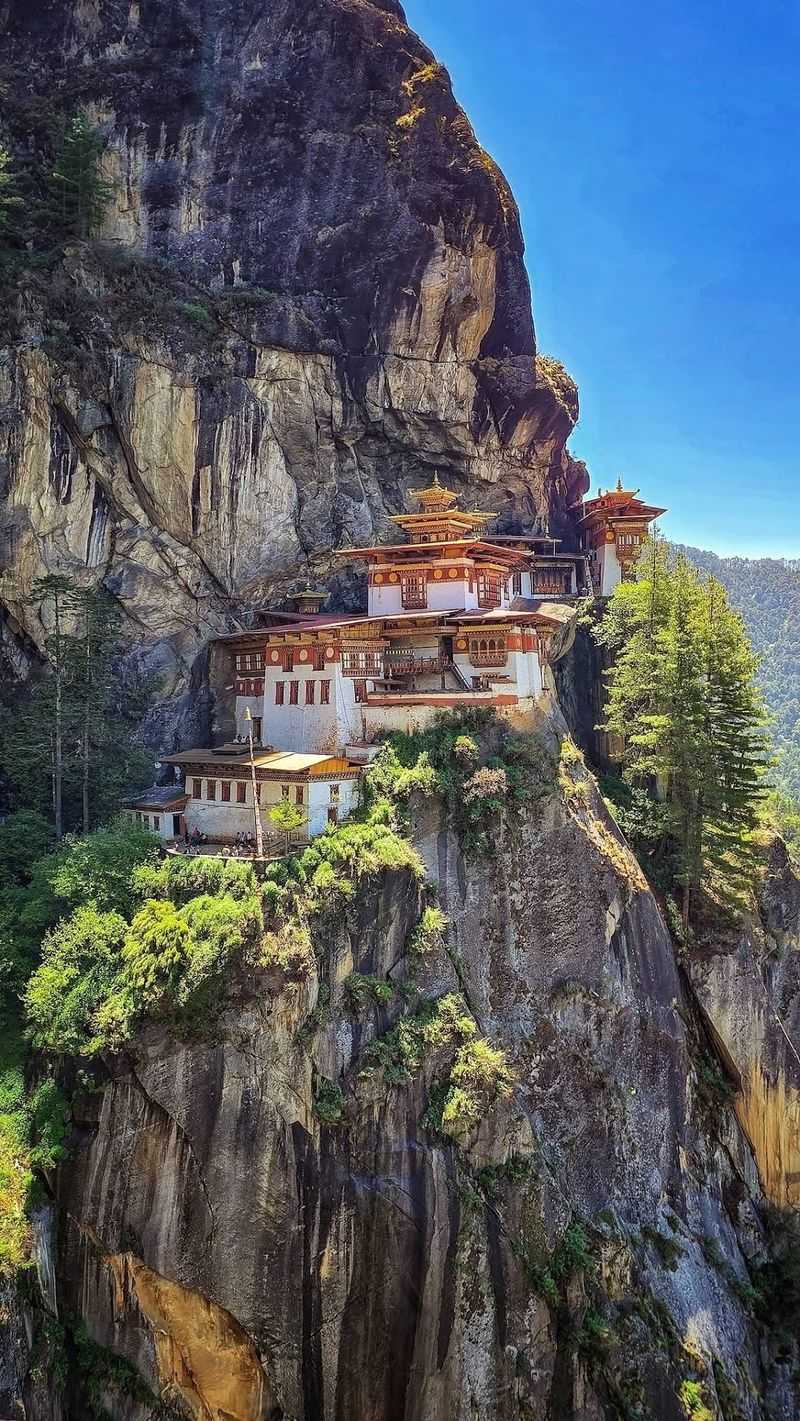
Some monasteries sit on hills. Taktsang, better known as the Tiger’s Nest, sits on a cliff about 900 meters above the valley floor.
Legend says a revered Buddhist teacher flew there on the back of a tigress in the 8th century. The hike up takes most visitors two to three hours, with a tea stop halfway and plenty of photo breaks.
Down below, Rinpung Dzong guards the valley. Dzongs combine a monastery and government office under one roof, so monks and civil workers share the same courtyards.
Every spring, the Paro Tsechu festival fills the dzong with masked dances that tell religious stories. Locals arrive in their finest traditional clothing, the gho for men and the kira for women.
Bhutan requires most visitors to book through a licensed tour operator and pay a daily sustainable development fee. Plan festival trips early, since rooms fill quickly.
Inside temples, remove your hat, skip the photos, and walk clockwise around shrines.
6. Ladakh, India
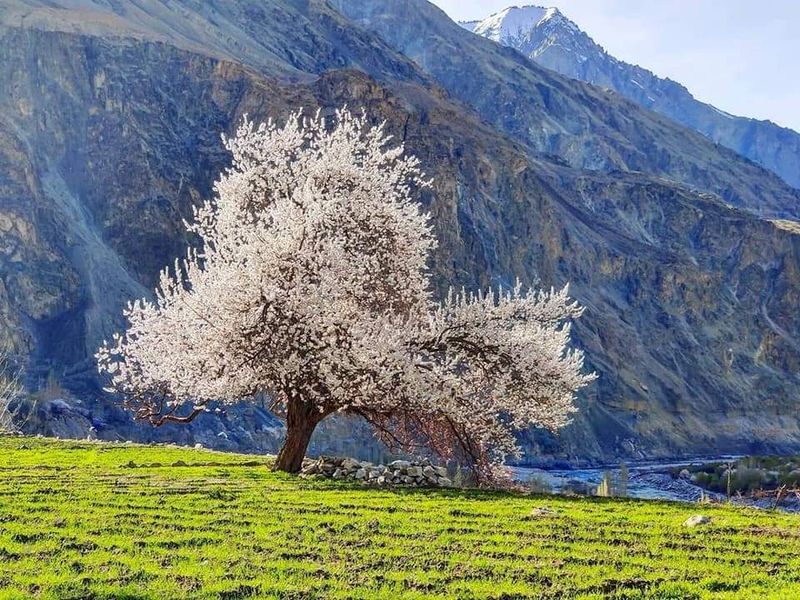
Rain is a rare visitor in Ladakh, a high desert tucked behind the Himalayas. Life here has always revolved around careful use of water from melting glaciers and snow.
Villagers guide that water through channels to barley fields and apricot orchards. Homes are made of mud brick, which works well in a place with big temperature swings.
Tibetan Buddhism shapes much of daily life. Monasteries such as Hemis, Thiksey, and Alchi still house active communities of monks, and Thiksey is stacked up a hillside in a way that makes it easy to recognize.
Hemis hosts a famous summer festival with masked dances in its courtyard. Families travel long distances to attend.
Around villages, you will see prayer wheels and white stupas. Walk past them on the left side, keeping them on your right, as locals do.
Leh sits at about 3,500 meters, so rest for at least two days after arriving. Altitude does not care how fit you are.
7. Sacred Valley, Cusco Region, Peru
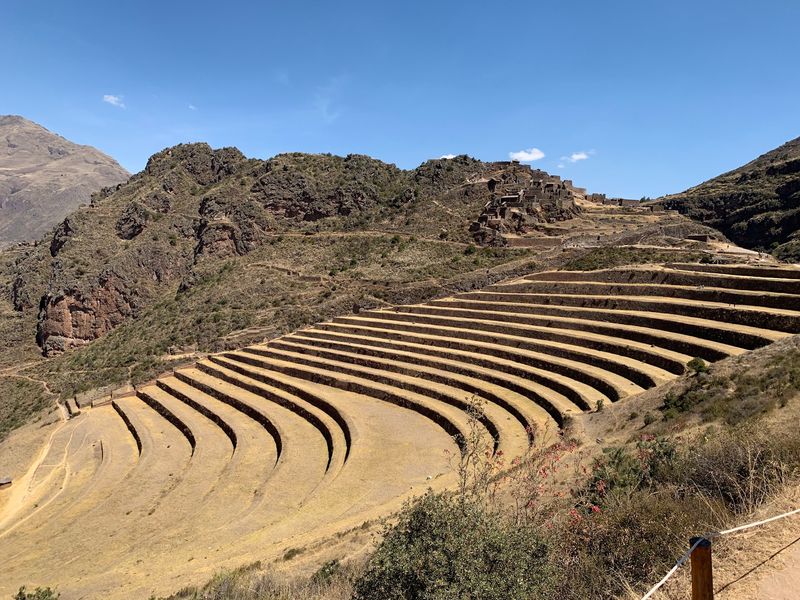
Inca builders left behind terraces so precise that farmers still plant on some of them. In the Sacred Valley near Cusco, those stone steps climb hillsides at sites like Pisac and Ollantaytambo.
Ollantaytambo is special because people still live inside its old Inca street grid. Water channels built centuries ago run beside the lanes.
Quechua, the language of the Inca, is spoken by many families in the valley. Kids often grow up using both Quechua and Spanish.
Chinchero is the place for textiles. Weaving cooperatives there show how wool is cleaned, spun, and colored with plants and insects, then woven into patterns that carry local meaning.
Buying straight from these cooperatives is one of the best ways to support the tradition. Prices are higher than at street stalls, but the work is genuine and the money goes to the weavers.
Sunday markets in Pisac and Chinchero draw farmers selling potatoes and corn. Peru grows thousands of potato varieties, so the selection can be surprising.
8. High Atlas, Morocco
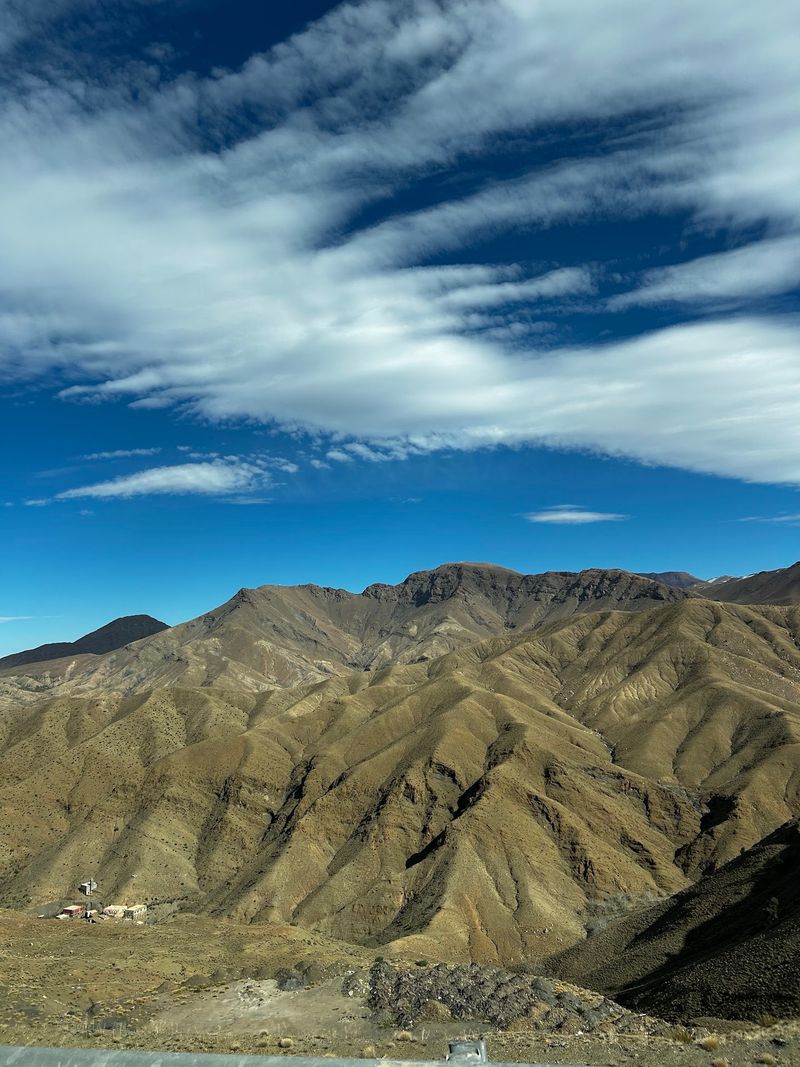
About ninety minutes from Marrakech, the city noise gives way to switchback roads and villages built from the earth around them. Welcome to the High Atlas, home to Amazigh communities for many centuries.
Amazigh people are sometimes called Berbers, though many prefer their own name. Their language, Tamazight, has its own alphabet called Tifinagh, which now appears on official signs in Morocco.
Houses here are made of rammed earth and stone with flat roofs. Families dry crops on those rooftops, so the roof is part storage area and part workspace.
Terraced fields of barley, walnuts, and apples follow the valleys. Water is shared through old irrigation agreements that set which family uses it on which day.
Imlil is a popular base for trekking, including trips toward Mount Toubkal, North Africa’s tallest peak. Weekly souks in nearby towns are where villagers trade animals, tools, and spices.
Accept mint tea when offered. Saying yes is considered polite, and the first glass is only the beginning.
9. Albanian Alps, Northern Albania
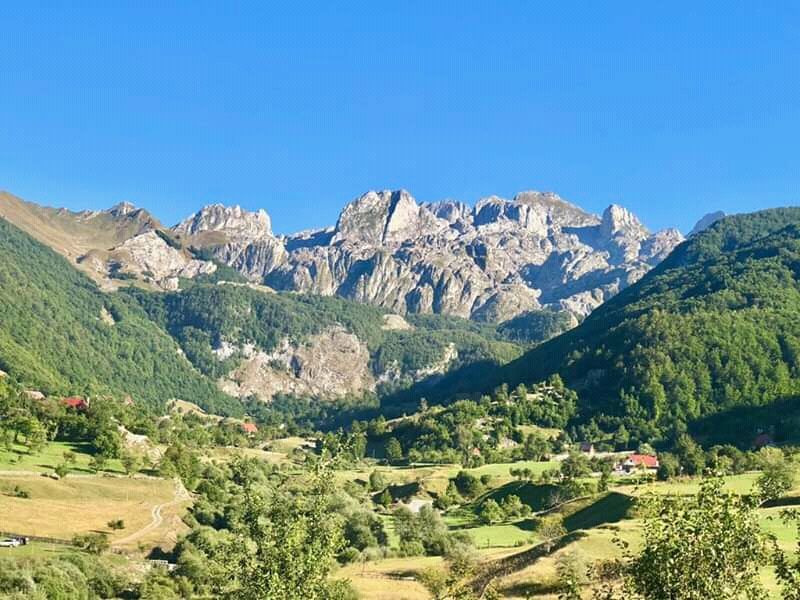
Hospitality in northern Albania once came with written rules. An old code called the Kanun said a guest must be treated with great honor, and that idea still shapes how visitors are welcomed today.
Theth is the best-known village in the Albanian Alps. Its stone houses sit in a valley surrounded by limestone peaks, and a small stone church has become a favorite photo stop.
The village also has a lock-in tower. In the past, men involved in family disputes could stay there safely until elders helped settle the conflict.
Many families now run guesthouses. Meals often feature produce from their own gardens, homemade cheese, and bread baked that morning.
The hike between Theth and Valbona takes six to eight hours and ranks among the most popular routes in the Balkans. Book guesthouses ahead in summer.
Bring cash, since card machines are rare. Mobile signal can also disappear, which might be the most relaxing part of the trip.
10. Shirakawa-go and Gokayama, Gifu and Toyama Prefectures, Japan
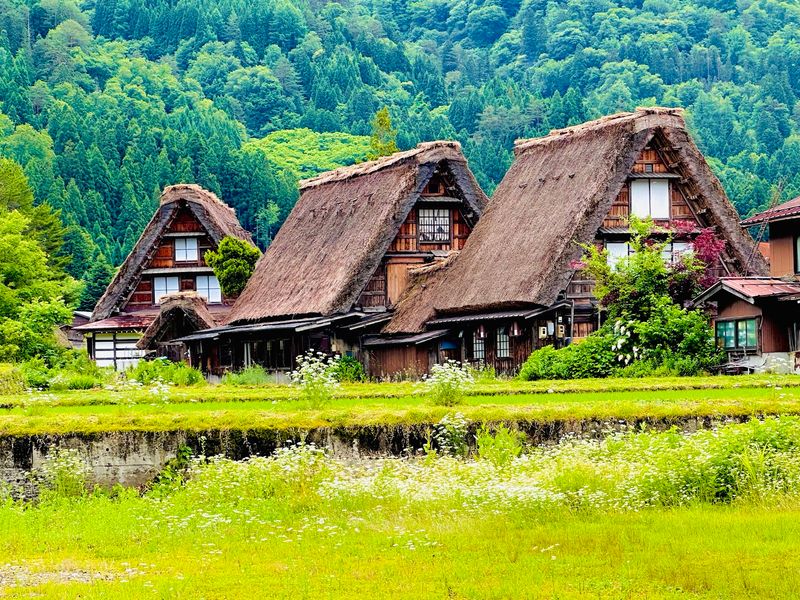
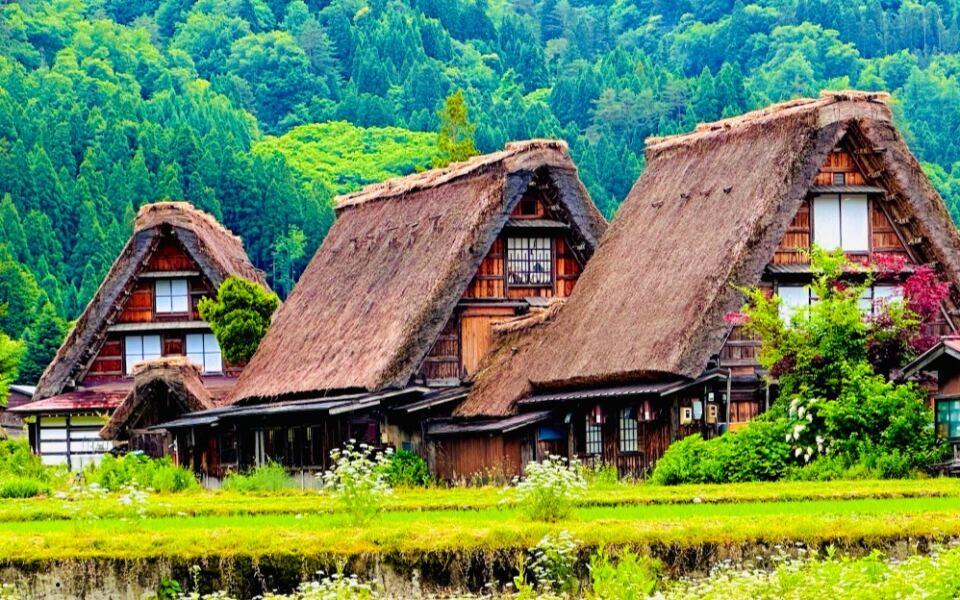
Roof day is a big deal here. When a giant thatched roof needs replacing, dozens or even hundreds of neighbors show up to help, and the job can be finished in about two days.
The houses are called gassho-zukuri, which means praying hands. Their steep roofs let heavy snow slide off and leave room for attic floors once used to raise silkworms.
The roofs are built without nails. Rope and wooden beams hold the frame together, which allows it to flex during storms.
The shared work system, called yui, has kept the tradition going for generations. UNESCO lists both villages together as a World Heritage Site.
Shirakawa-go draws bigger crowds, especially on winter light-up evenings, which require advance booking. Gokayama is quieter and offers a calmer visit.
Some farmhouses open as small museums, and a few operate as guesthouses called minshuku. Staying overnight lets you see the village after day buses leave.
Remember that many homes are private, so stay off lawns and porches.
11. Maramureș, Northern Romania
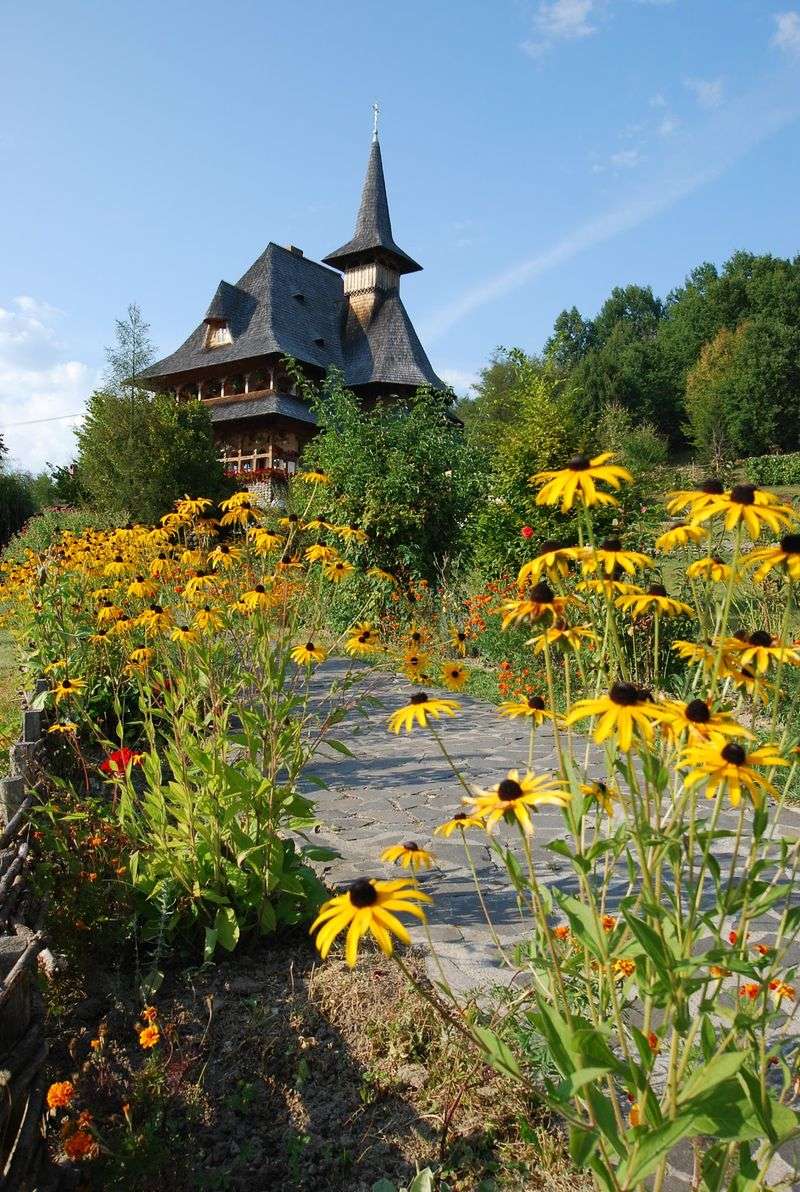
Locals sometimes call it the land of wood, and one look explains why. In Maramureș, timber shapes houses, fences, gates, and churches with spires that stretch high above village rooftops.
Eight of these wooden churches are on the UNESCO World Heritage list. Most were built between the 17th and 19th centuries, using clever joints instead of metal nails.
The church in Șurdești has a tower over 50 meters tall, one of the highest wooden structures in the area. Inside many churches, painted walls show religious scenes in bright folk colors.
Carved gates are another local signature. Patterns like twisted rope, sun symbols, and the tree of life decorate entrances and show family pride.
Farming here still uses many hand methods. In summer, you may see haystacks built by hand in the fields.
Visit on a Sunday to see villagers in traditional dress heading to church. The Merry Cemetery in Săpânța, with its colorful painted wooden markers and humorous verses, is a popular nearby stop.
12. Colca Valley, Arequipa Region, Peru
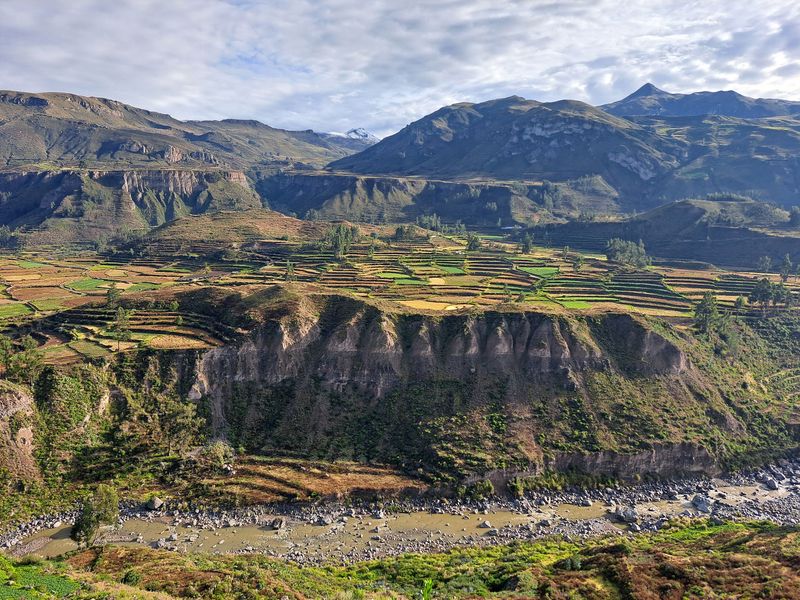
Colca Canyon is roughly twice as deep as the Grand Canyon in the United States, yet the farming terraces on its slopes often steal the show. Many of these terraces date back to pre-Inca groups.
Communities like Chivay, Yanque, and Cabanaconde still farm them today. Corn, quinoa, and barley grow on steps that stretch for kilometers.
Two local groups, the Collaguas and Cabanas, once marked their identity with different hat styles. You can still spot the difference in embroidered hats worn by local women.
The Wititi dance is the valley’s star tradition. Performed at religious celebrations, it is linked to courtship and the farming calendar, and UNESCO lists it as intangible cultural heritage.
Fun detail: male dancers traditionally wear layered women’s skirts as part of the costume, a nod to an old tale about sneaking past watchful parents.
Arrive early at Cruz del Cóndor viewpoint to spot Andean condors. Chivay also has hot springs for tired hikers.
13. Tusheti, Kakheti, Georgia
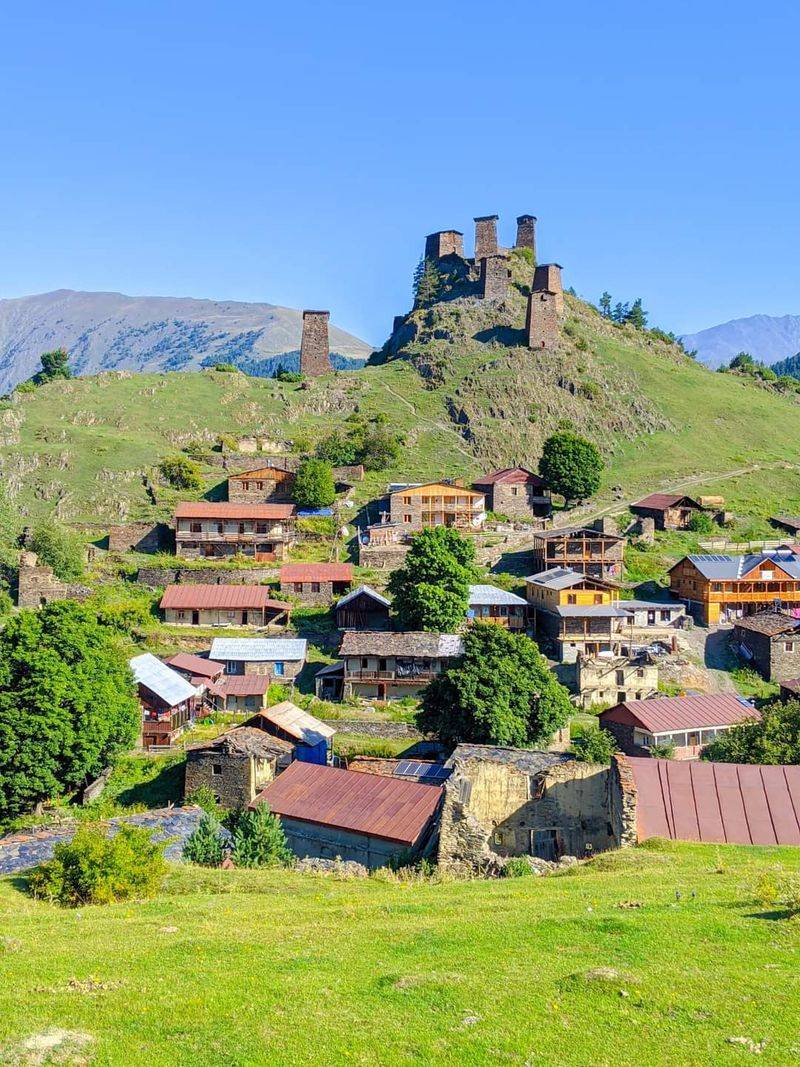
Only one road leads into Tusheti, and it is famous for good reason. The Abano Pass route climbs to nearly 2,900 meters on a narrow dirt track, open only in the warmer months.
That road keeps the region quiet. Snow closes it most of the year, so many families live in the lowlands during winter and return each summer.
Sheep herding drives the local calendar. Shepherds move flocks between high summer pastures and lowland fields, a pattern followed for centuries.
Omalo is the main village and has several guesthouses. Dartlo shows off stone houses with slate roofs, while Shenako is known for its small church set against wide mountain views.
Old defensive towers rise above several villages, a reminder of tougher times. Some shrines are reserved for men only, so watch for signs and follow local customs.
Hire an experienced local driver for the pass. Try the regional sheep cheese, then end your highland tour where old ways still set the schedule.
Share this story