Throughout history, some daughters refused to follow the paths their families chose for them. They fought for thrones, escaped unhappy marriages, and broke the rules of their time.
Their choices shook royal courts and sparked public debate. Here are twelve women whose stories still fascinate readers today.
1. Cleopatra VII
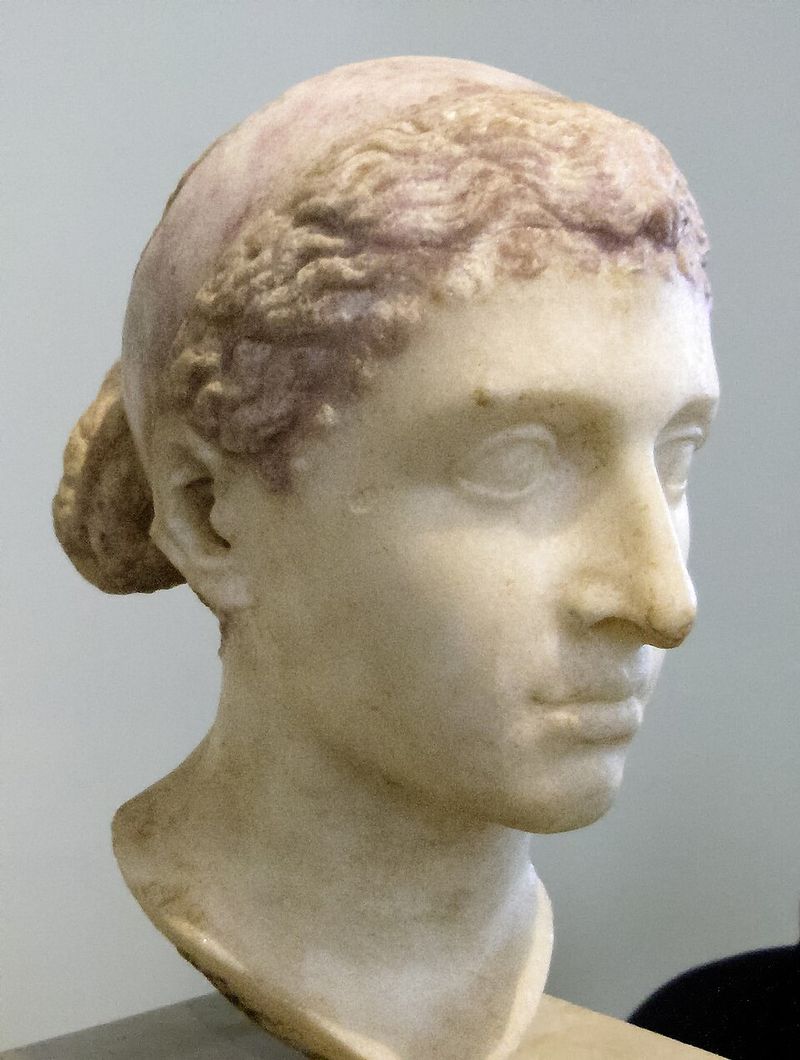
Few rulers have faced a family fight as fierce as the one Cleopatra faced. As the daughter of Ptolemy XII, she was expected to share power with her younger brother, Ptolemy XIII.
Instead, she pushed for control of Egypt’s throne herself.
Her struggle turned into a civil war. Cleopatra won the support of Julius Caesar, the powerful Roman leader, who helped place her back on the throne.
Later, she formed another alliance with Mark Antony, which tied Egypt closely to Rome’s political battles.
Her choices were bold, and critics in Rome often painted her as dangerous. Yet she was a skilled leader who spoke several languages and understood politics well.
Her story shows how a daughter could turn a family rivalry into a fight for a whole kingdom, and her name is still remembered more than two thousand years later.
2. Lucrezia Borgia
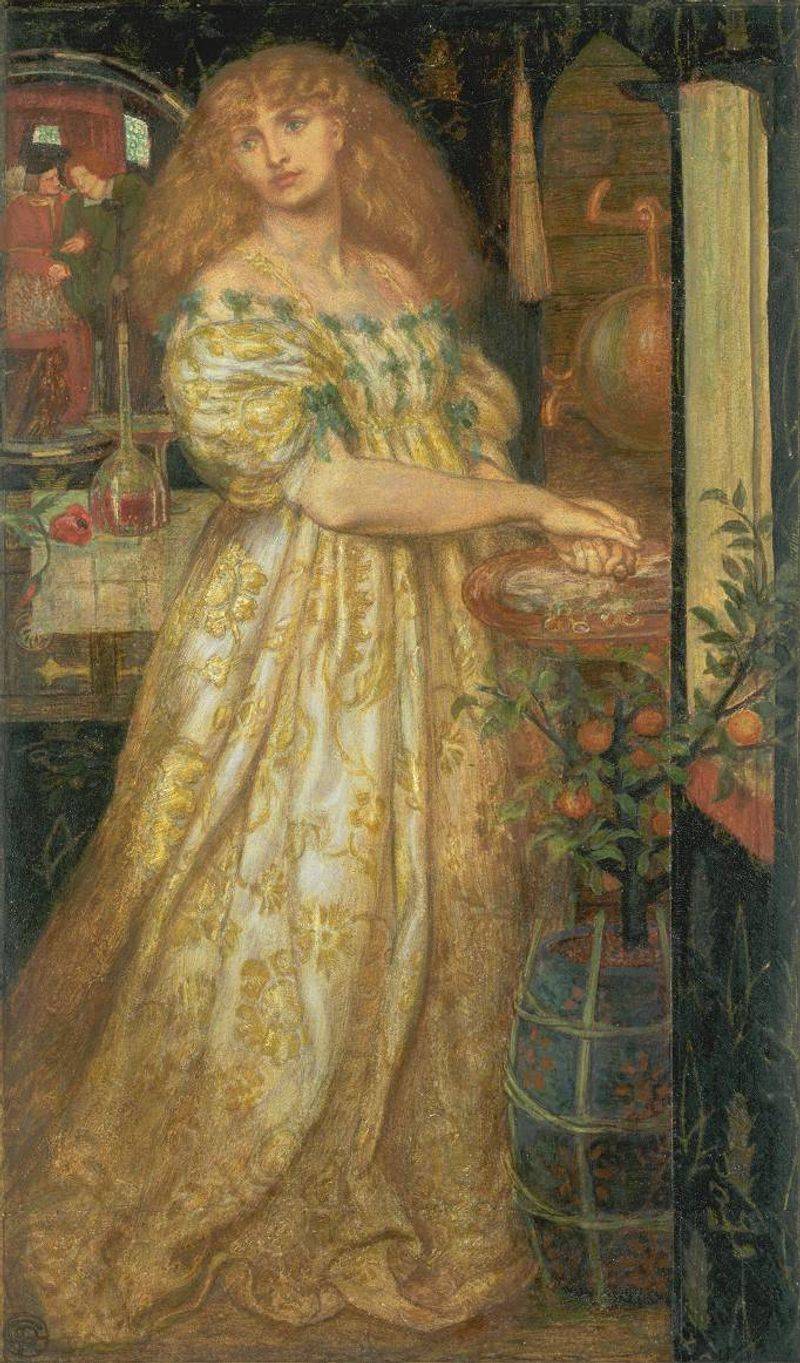
Rumors followed Lucrezia Borgia almost everywhere she went. Born into one of the most talked-about families in Renaissance Italy, she was the daughter of Pope Alexander VI.
Her father and brother, Cesare, used her marriages to build political power.
Each marriage was arranged to help the family, and when it stopped being useful, it was ended. Lucrezia was pulled into these plans, and gossip about her grew wild.
Stories said she poisoned enemies and lived a shocking life.
Historians now say many of those claims were never proven. Later in life, she became the Duchess of Ferrara, where she supported artists and ran her household with skill.
Her story is a reminder that a daughter’s reputation can be shaped by her family’s scandals as much as by her own actions.
3. Princess Margaret
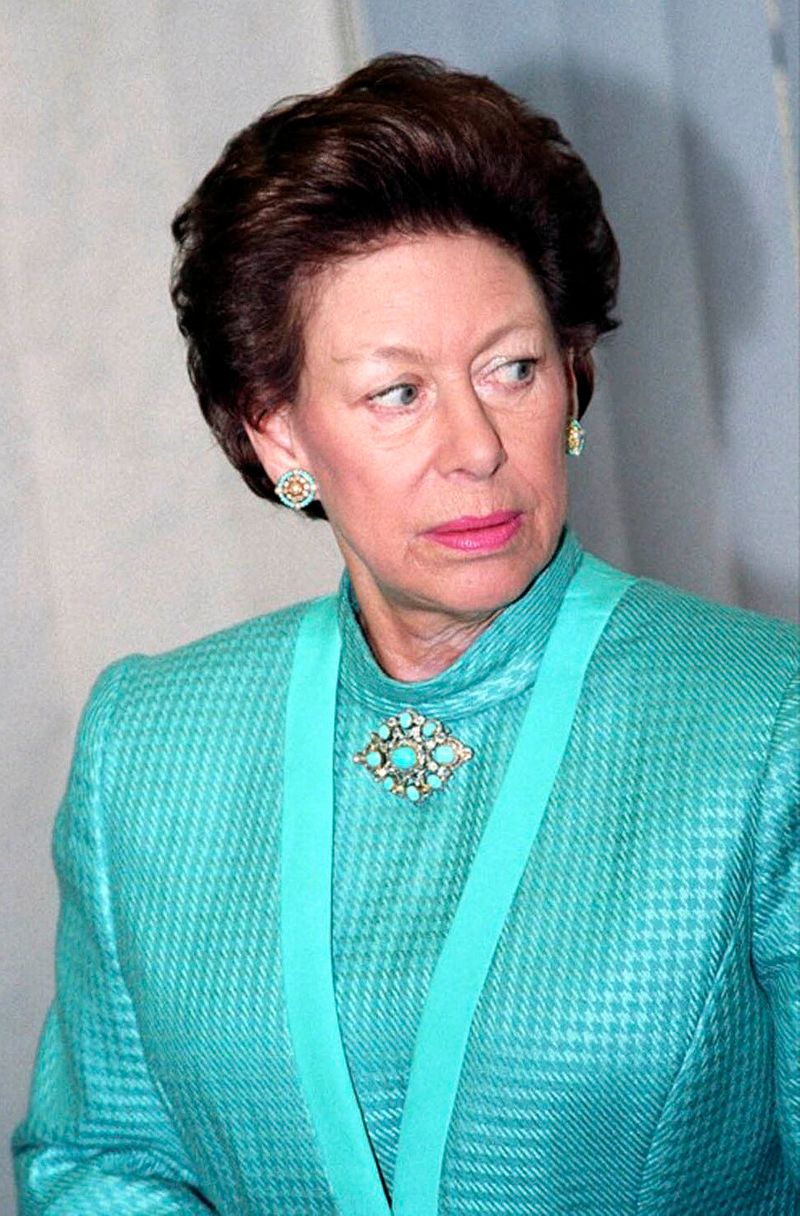
In the 1950s, a love story rocked the British royal family. Princess Margaret, the daughter of King George VI, fell for Peter Townsend, an RAF officer who was divorced.
At that time, the Church of England did not approve of marrying a divorced person.
The couple faced heavy pressure from officials and newspapers. In 1955, Margaret announced she would not go forward with the marriage, saying she put her duty first.
The decision made headlines around the world.
Her later marriage to photographer Antony Armstrong-Jones was lively and often troubled, and it ended in divorce in 1978. At the time, divorce in the royal family was rare.
Margaret’s life showed how hard it could be to balance personal happiness with royal expectations in a modern age.
4. Christina, Queen of Sweden
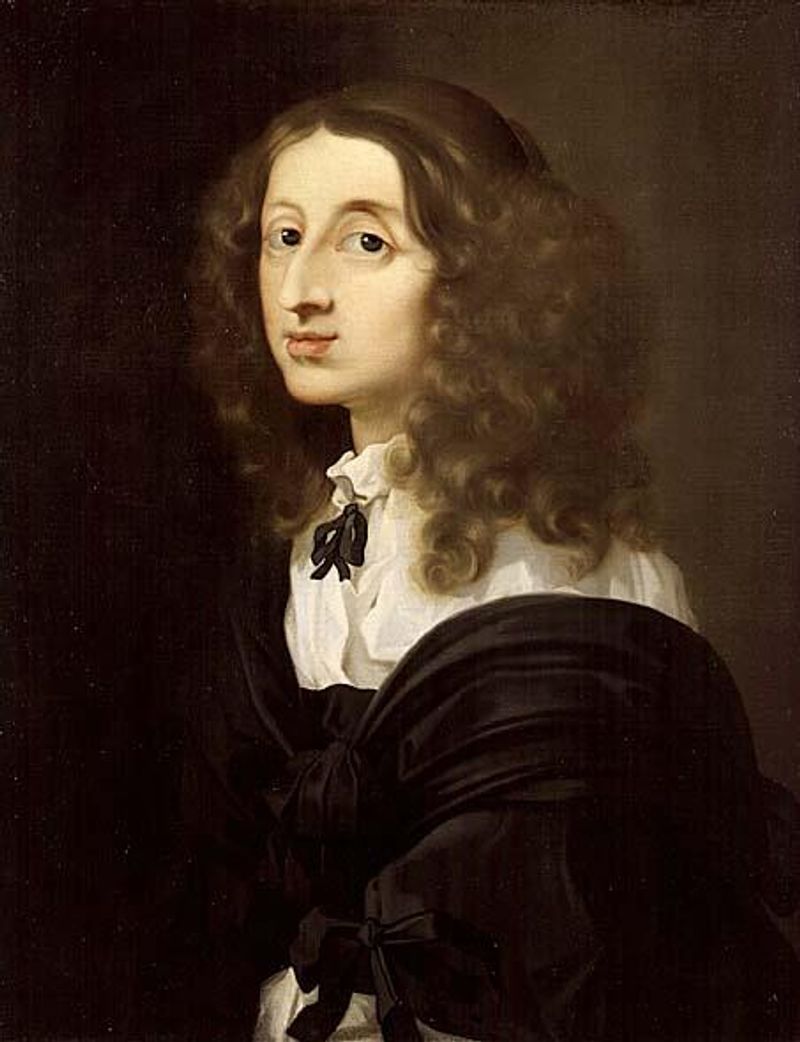
Imagine giving up a crown on purpose. Christina of Sweden did exactly that in 1654.
She was the daughter of King Gustavus Adolphus, a famous warrior king, and she became queen as a young girl after his death.
As she grew up, Christina refused to marry, even though advisers urged her to secure an heir. She preferred books, art, and long talks with scholars, and she invited thinkers from across Europe to her court.
Her biggest shock came when she stepped down and later became Catholic. Sweden was strongly Protestant, so the news stunned many people.
She moved to Rome, where she supported music and theater. Christina’s story shows how far one daughter would go to live by her own beliefs.
5. Isabella of France
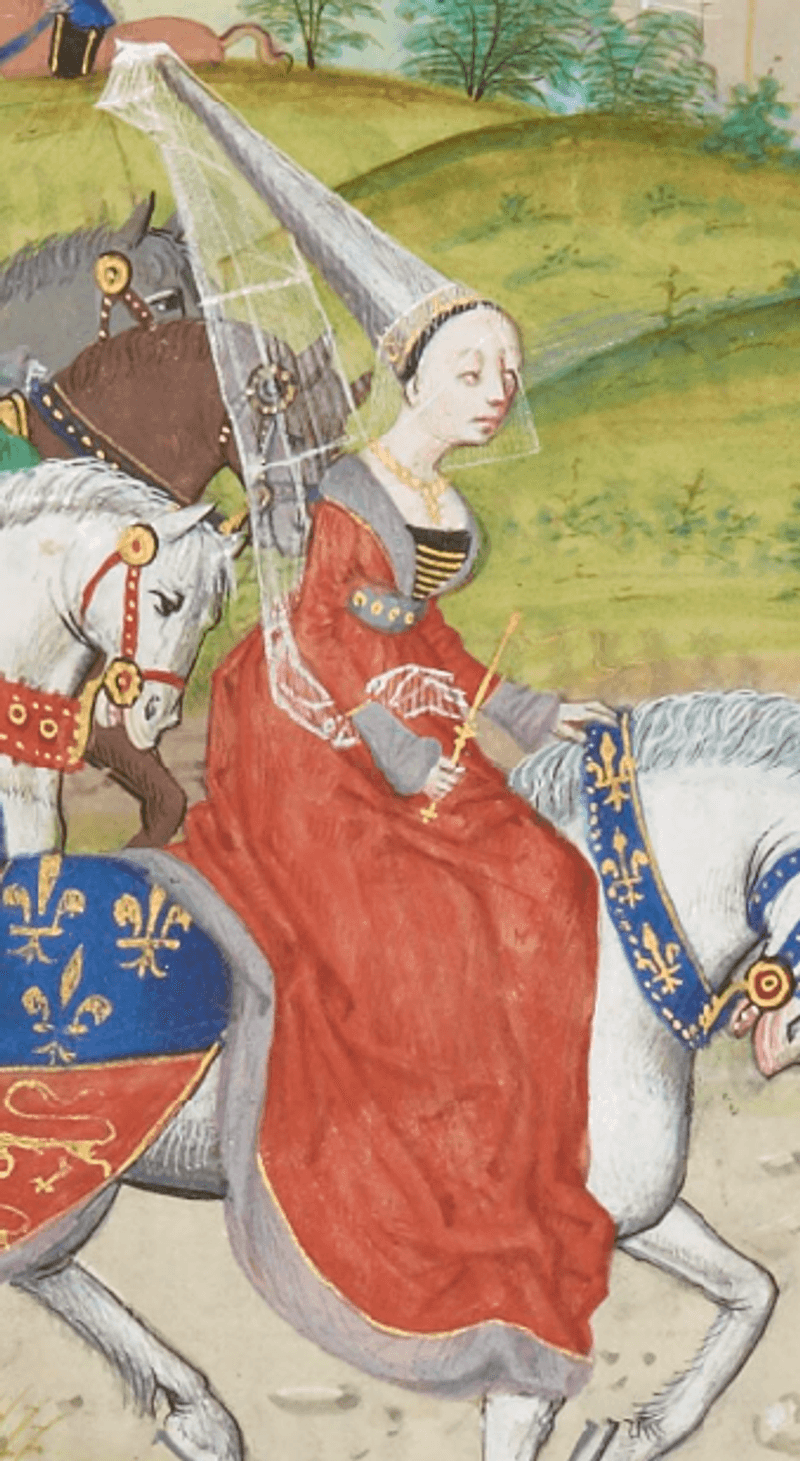
Known as the She-Wolf of France, Isabella faced a marriage that fell apart in public view. She was the daughter of King Philip IV of France and married England’s Edward II as part of a peace plan between the two kingdoms.
Edward gave great power to his favorites, and Isabella felt pushed aside. She traveled to France in 1325 and there met Roger Mortimer, a nobleman who had escaped from the Tower of London.
The two grew close and made a plan.
In 1326 they invaded England, and Edward was forced to give up the crown. His young son became Edward III, while Isabella and Mortimer ruled for a time.
Her story is one of the boldest cases of a royal daughter turning against her husband’s rule.
6. Anne Bonny
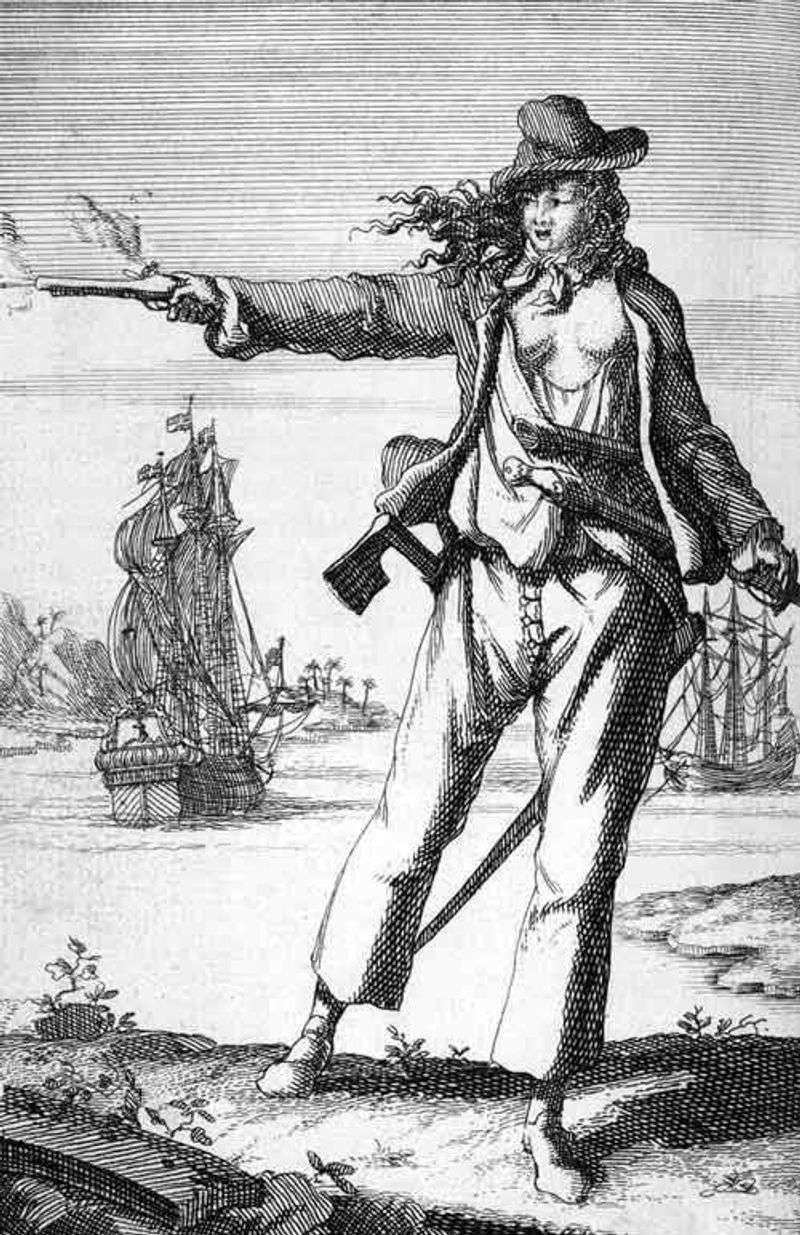
Life on a pirate ship was not what anyone expected for the daughter of an Irish lawyer. Anne Bonny was the child of William Cormac, and her family later moved to the Carolinas, where she grew up with a fiery temper.
She married a sailor named James Bonny, though her father did not approve. Soon after, she moved to the Bahamas, where she met pirate Calico Jack Rackham and joined his crew.
Anne fought alongside the men and became known for her courage. In 1720 she was captured with the crew and put on trial.
Her fate after that remains unclear, and no firm record shows what became of her. Anne’s tale still lives on in pirate legends.
7. Boudica
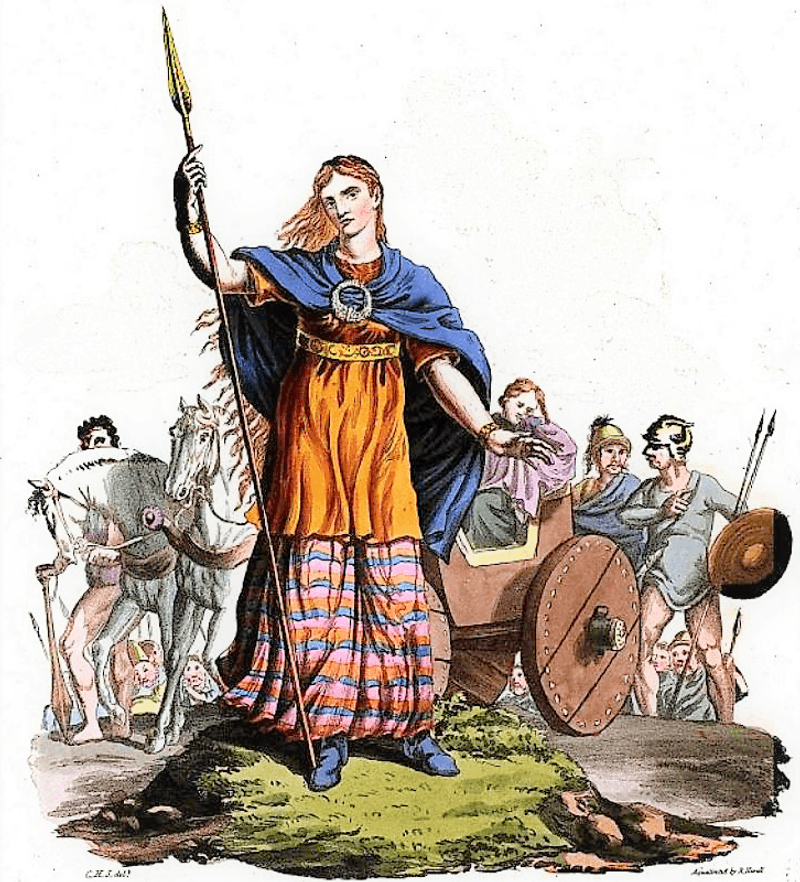
When Roman officials mistreated her family, Boudica answered with a rebellion. She was the wife of King Prasutagus, ruler of the Iceni people in eastern Britain.
Her own family background is not well recorded.
After Prasutagus died, Roman authorities ignored his will and took control of his lands. Ancient writers say Boudica was beaten and her daughters were abused.
The Iceni rose up around the year 60 or 61.
Led by Boudica, her forces burned the towns of Camulodunum, Londinium, and Verulamium. The Romans eventually defeated her army, and she died soon after.
Her story became a symbol of resistance, and today a famous statue of her stands near the Houses of Parliament in London.
8. Princess Stephanie of Belgium
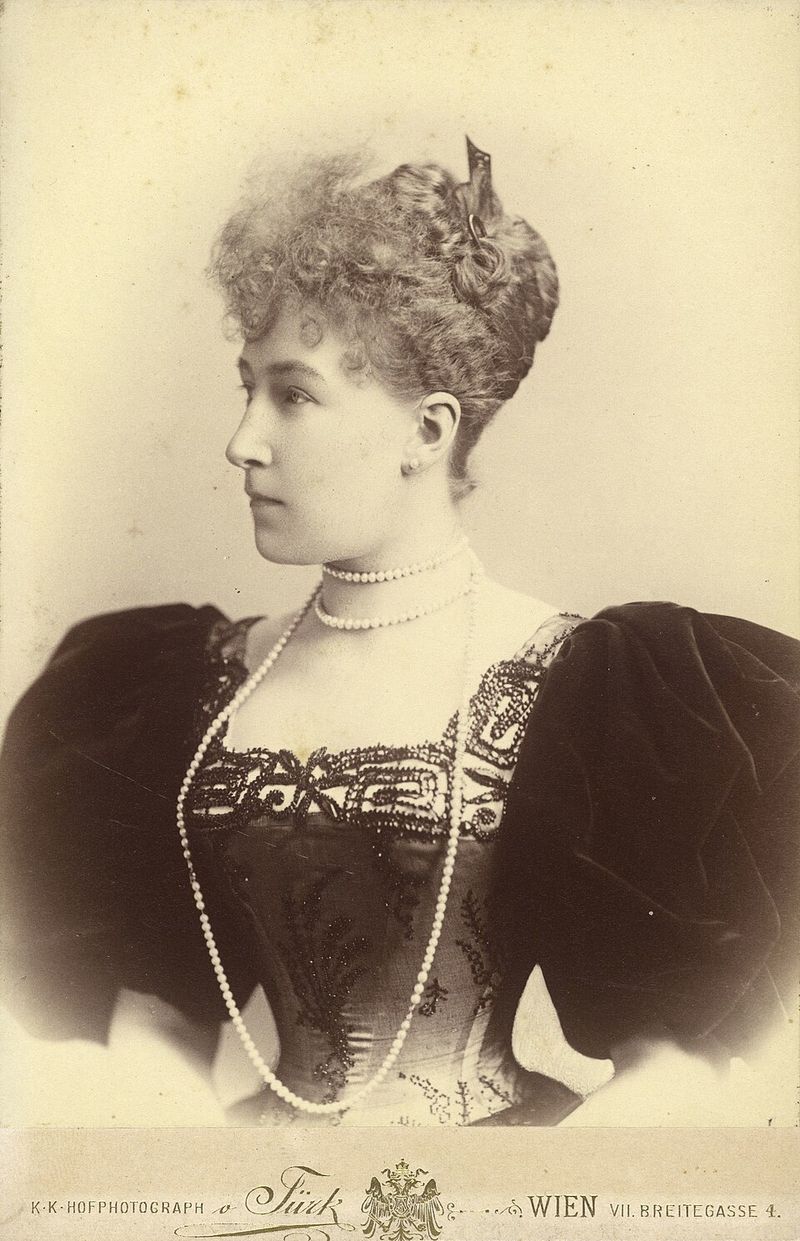
A royal wedding can turn into a family feud when a father disagrees. Princess Stephanie, the daughter of King Leopold II of Belgium, learned this firsthand.
Her first marriage to Crown Prince Rudolf of Austria ended in tragedy in 1889.
Years later, she fell in love with Hungarian Count Elemer Lonyay, a nobleman of lower rank. Leopold opposed the match, but Stephanie went ahead and married him in 1900.
The decision caused a public scandal. Leopold cut her off, and the rift with her family lasted for the rest of his life.
Even so, Stephanie stayed with Elemer and lived on her own terms. Her choice shows how some royal daughters valued love over approval.
9. Elizabeth I
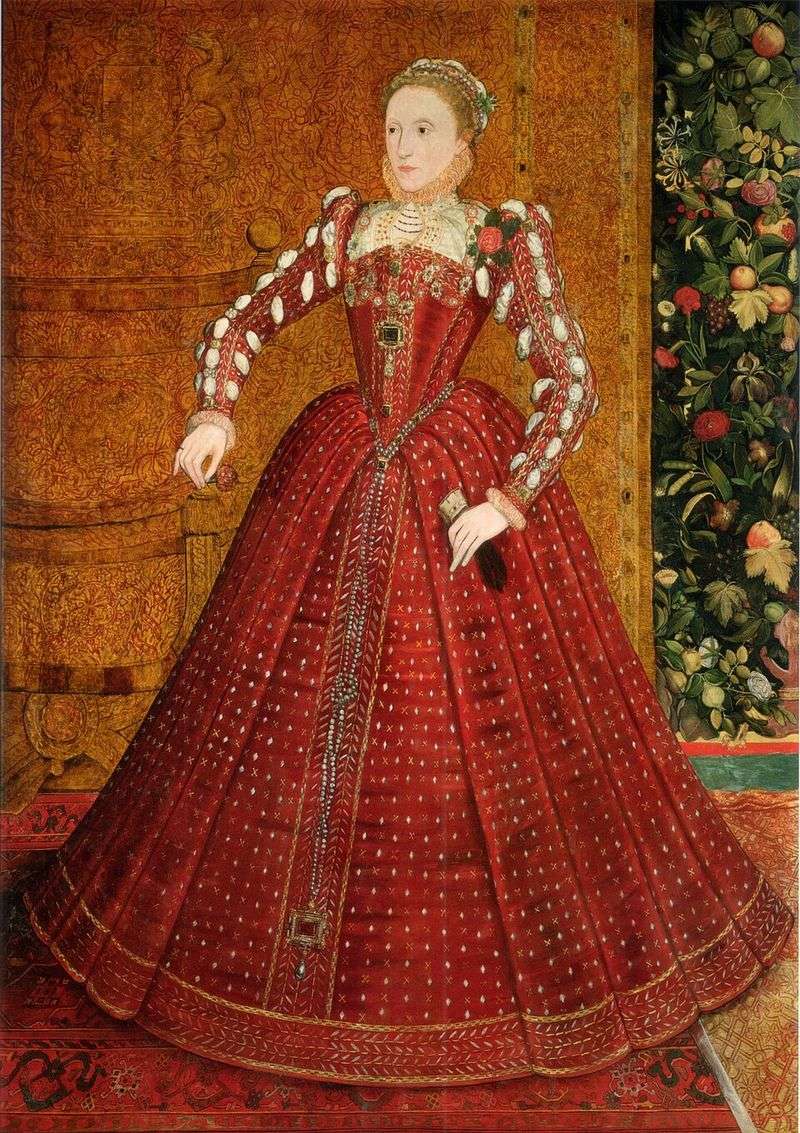
Everyone kept asking the same question: when will the queen marry? Elizabeth I, the daughter of Henry VIII, heard it again and again during her long reign.
Advisers wanted an heir, and foreign rulers hoped to win her hand.
Elizabeth listened, flirted, and negotiated, but she never said yes. Suitors came from Spain, France, and Austria, and each offer carried political promises.
She used these talks to keep her options open and to keep other nations friendly.
Her choice frustrated many people around her, yet it kept power in her own hands. She became known as the Virgin Queen, and her reign saw great growth in English culture and trade.
Her path shows how refusing a marriage could be a strategy.
10. Hortense Mancini
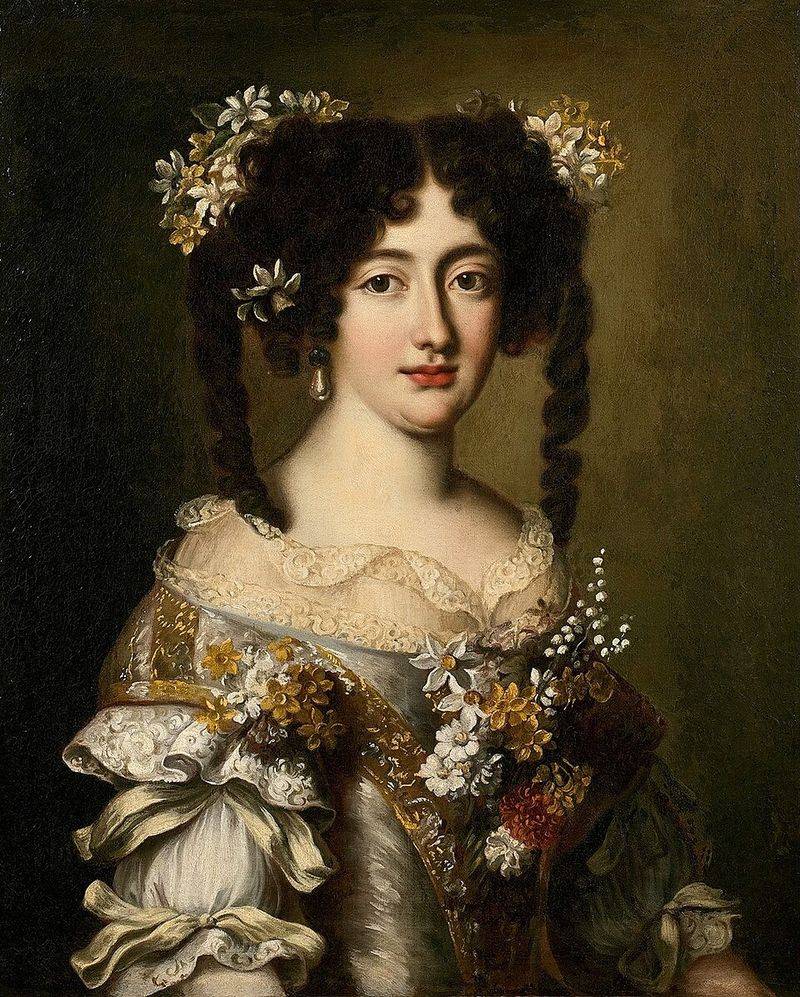
Escaping a bad marriage in the 1600s took real nerve. Hortense Mancini, the daughter of Lorenzo Mancini and niece of Cardinal Mazarin, inherited a huge fortune.
She was married to the Duke de la Meilleraye, who was strict and difficult.
In 1668 Hortense fled, sometimes dressed in men’s clothing, and traveled across Europe. Her husband tried to bring her back and spread stories about her.
She eventually settled in England, where she hosted a lively salon and attracted writers and nobles. Her romances and independent habits became talk of the town.
Hortense’s story shows how a woman could carve out her own life when she refused to stay trapped.
11. Caroline of Brunswick
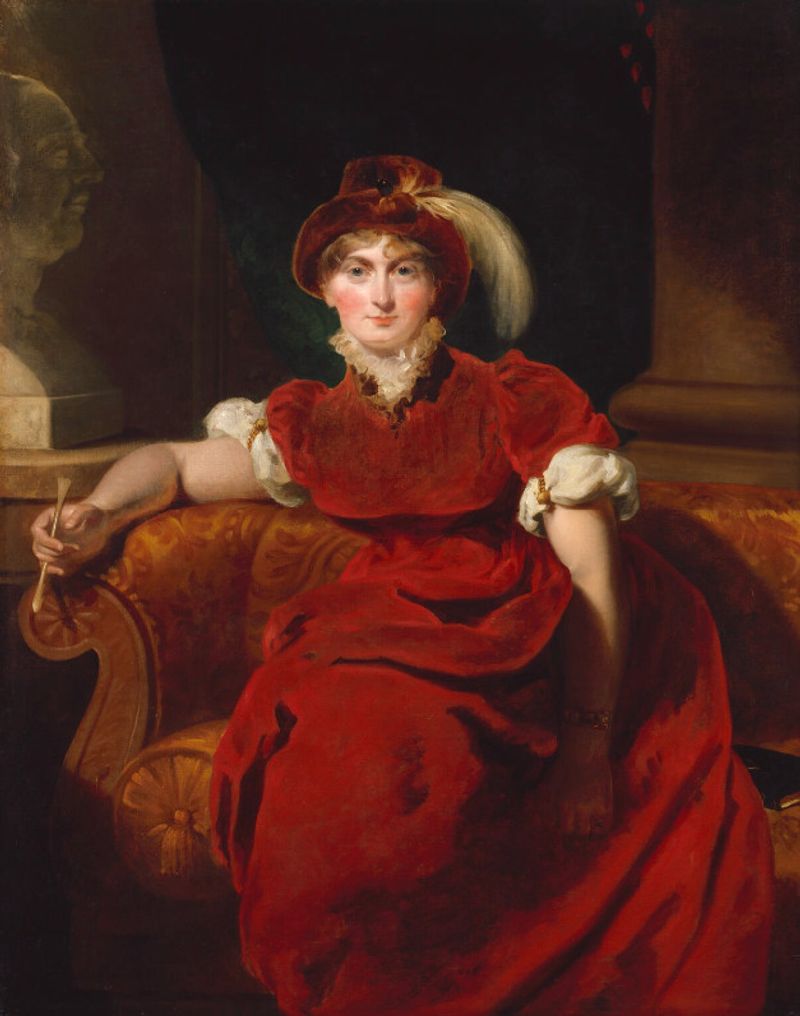
The two of them reportedly disliked each other almost from the start. Caroline of Brunswick, daughter of Charles William Ferdinand, Duke of Brunswick, married her cousin, the future George IV, in 1795.
The match was arranged to solve his money troubles.
The marriage collapsed quickly, and the couple separated within a year. Caroline then lived abroad, where rumors about her behavior spread.
George even set up an investigation into her conduct.
When he became king in 1820, Caroline returned to England to claim her place as queen. The government put her on trial in the House of Lords, and crowds cheered for her in the streets.
She was turned away from the coronation and died soon after.
12. Julie d’Aubigny
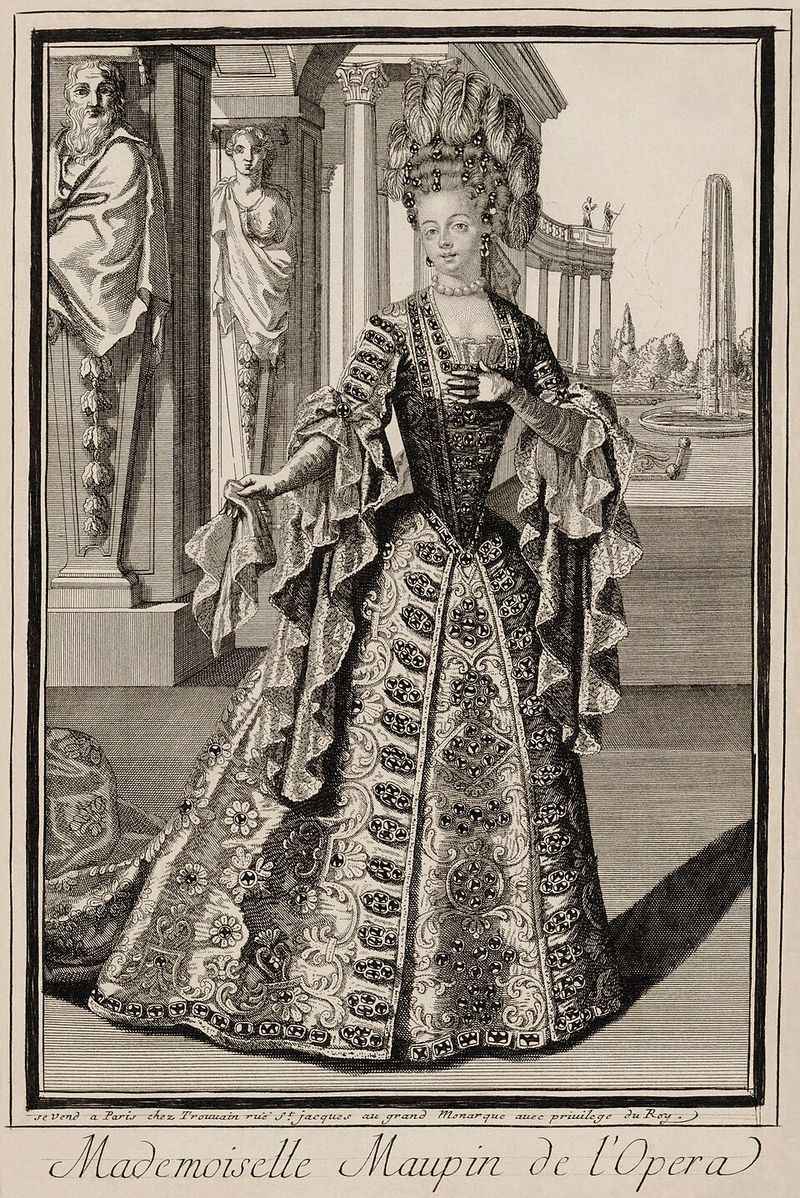
Part opera star, part swashbuckler, Julie d’Aubigny lived a life that sounds like fiction. Born around 1670, she was the daughter of Gaston d’Aubigny, who worked for a powerful nobleman in the French court.
Julie learned fencing from her father’s circle and was said to be very skilled with a sword. Tales say she fought several duels, sometimes dressed as a man, and she shocked Parisian society with her bold romances.
She also had a rich singing voice and performed with the Paris Opera as Mademoiselle Maupin. Audiences loved her, though many stories about her were exaggerated over time.
Even so, her fearless spirit made her a legend in France.
Share this story