Fried food has a reputation for being either a guilty pleasure or a health disaster. The truth sits somewhere in the middle, and a lot of what people repeat in kitchens is only partly right.
Knowing how oil, heat, and portion size really work can help you cook with more confidence and eat with fewer worries. Here are twelve common ideas about frying, along with what the facts say.
1. All Fried Food Is Automatically Unhealthy
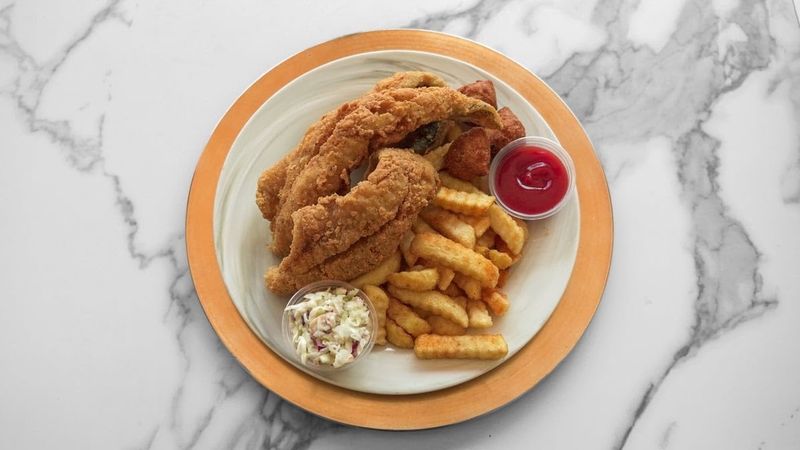
Picture two plates: a heap of greasy fast-food fries and a handful of crisp vegetable tempura. Both are fried, yet they are not the same nutritionally.
What ends up on your plate depends on several things. The ingredients matter, since vegetables, fish, and lean protein start with more nutrients than a heavily processed snack.
The type of cooking oil matters too, as do the temperature and how long the food cooks.
Portion size and frequency also play a big role. A small serving once in a while fits into most eating plans easily, while fried meals every day add up in calories and fat.
So the word fried alone does not tell the whole story. Look at what is being cooked, how it was prepared, and how often it shows up in your week.
Those details give a much clearer picture than a simple good or bad label ever could.
2. Deep Frying Always Soaks Up More Oil
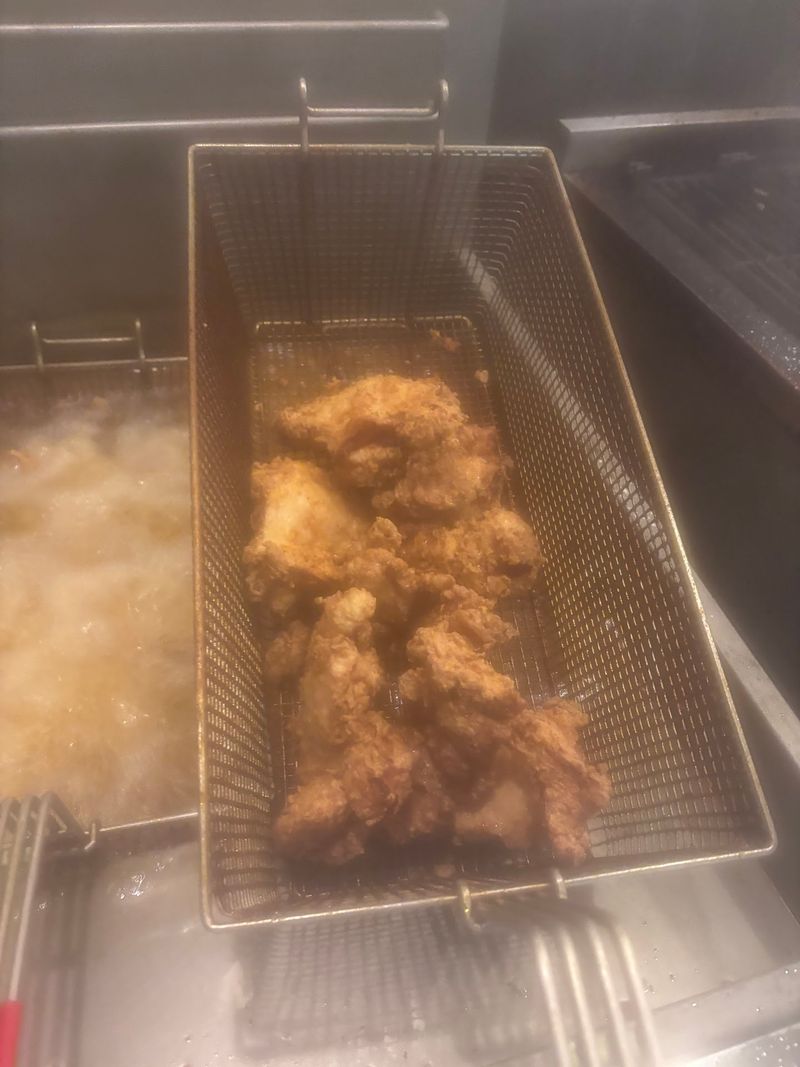
It sounds logical: more oil in the pot should mean more oil in the food. Kitchen science tells a different story.
Oil absorption has more to do with how the food is cooked than with how much oil surrounds it. When food hits hot oil, the water inside turns to steam and pushes outward, which actually blocks much of the oil from getting in.
Most of the extra oil clings to the surface after the food comes out, especially as it cools.
Food structure matters as well. A battered piece with lots of nooks holds more oil than a smooth, dense one.
Pan-frying can leave food sitting in a shallow pool that is not hot enough, and that may lead to a greasier result. Steady heat and quick draining often matter more than the method.
3. Olive Oil Should Never Be Used for Frying
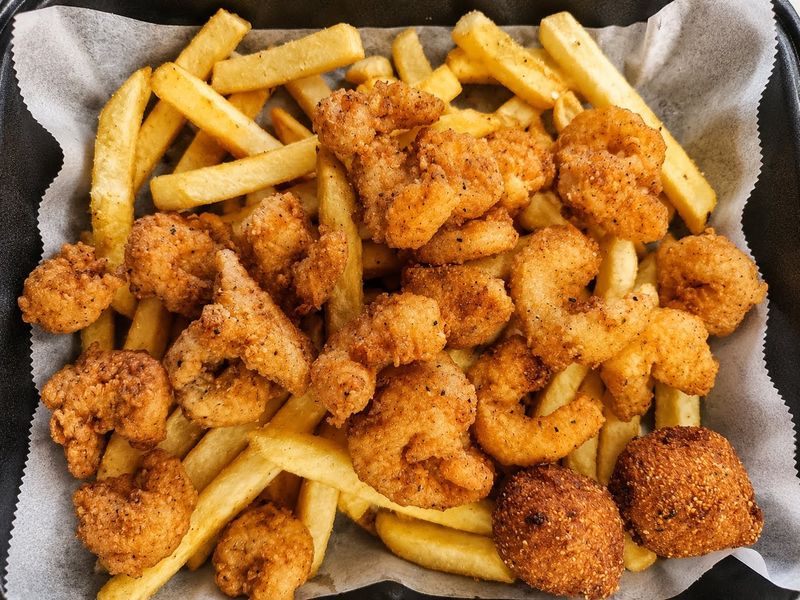
Many home cooks have been told that olive oil belongs on salads and bread, never in a hot pan. People in Mediterranean countries have fried in it for generations.
Refined olive oil handles high heat quite well. Many extra-virgin olive oils can also work for frying, as long as the temperature stays within a reasonable range, usually around medium to medium-high heat for typical home cooking.
Olive oil also brings natural antioxidants and a pleasant flavor to foods like fried eggs, potatoes, and fish.
The main limit is very high heat, such as the temperatures used in some deep frying. If the oil begins to smoke heavily, it is too hot.
A thermometer and a little attention go a long way toward keeping the oil in its comfort zone.
4. Fried Food Is Always Greasy
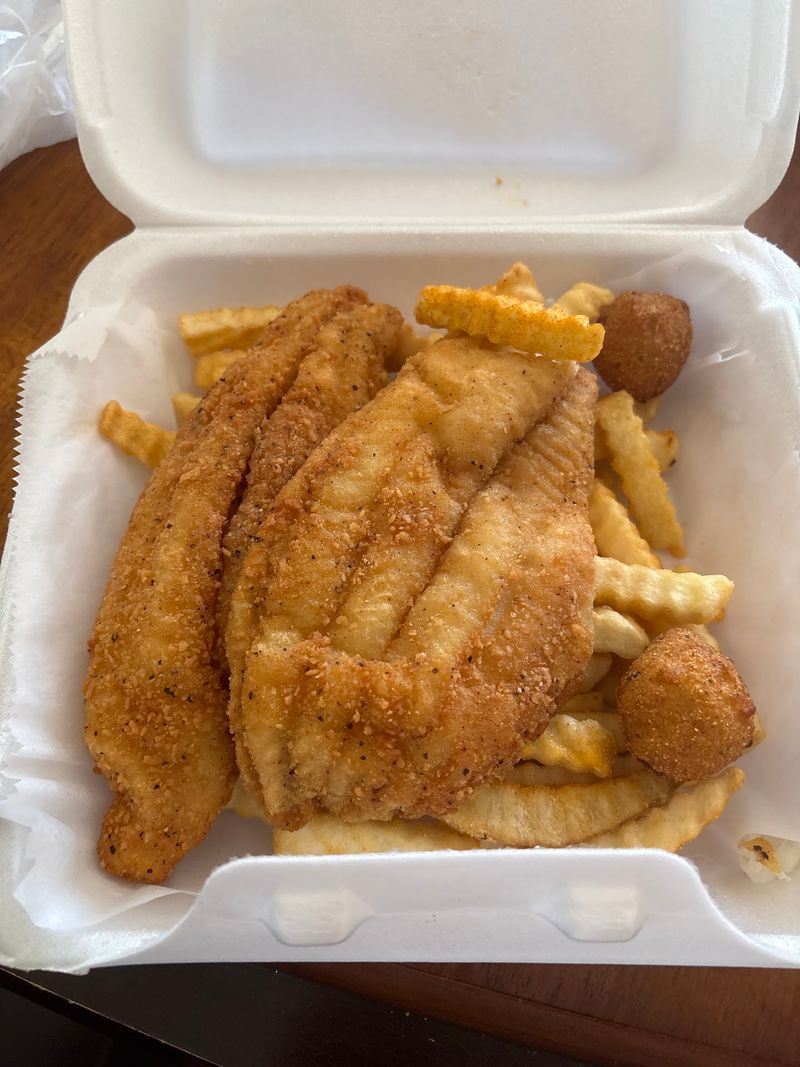
Ever bitten into a crunchy piece of fried fish that left your fingers perfectly clean? That is no accident.
Greasy results usually come from oil that is not hot enough. When the temperature drops too low, food sits in the oil longer and soaks up more of it.
Holding the oil at the right range helps the outside set quickly into a crisp shell.
Draining matters just as much. Letting food rest on a wire rack keeps it from steaming in its own moisture, while paper towels can catch some of the surface oil.
Even so, fried food will always take in some fat. Careful technique can reduce the greasy feel, but it cannot turn a fried dish into a fat-free one.
5. Air-Fried Food Is Completely Oil-Free
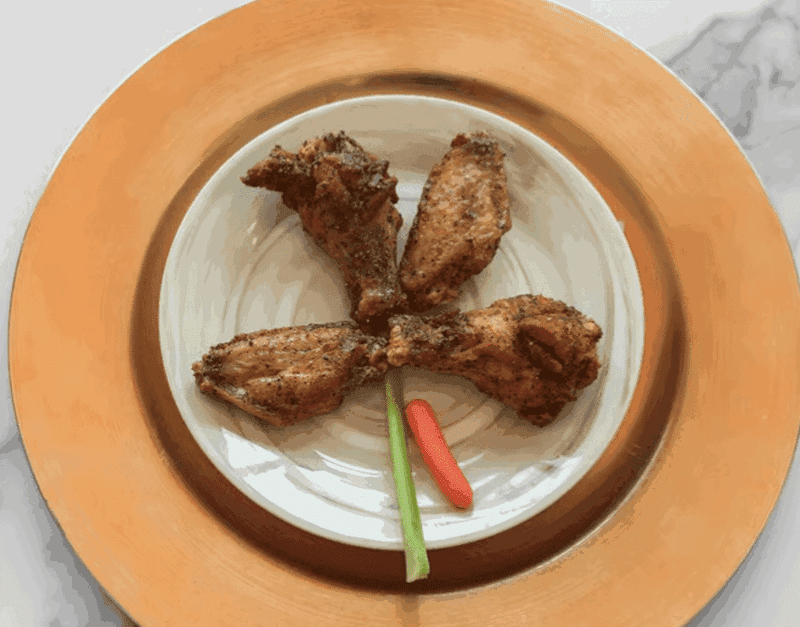
Air fryers have become a kitchen favorite, and the name causes a bit of confusion. Despite it, the machine does not fry in the traditional sense.
It works like a small, powerful convection oven, blowing hot air around the food to create a crisp outside. That uses far less oil than deep frying, but many recipes still call for a spoonful or a light spray to get a good texture.
Some frozen products, like breaded chicken or fries, already contain fat from the factory. That fat is part of the food even if you add nothing extra.
Air frying can be a handy way to cut back on oil. Just remember that less oil is not the same as none, and the food you start with still counts.
6. Reusing Frying Oil Is Always Safe
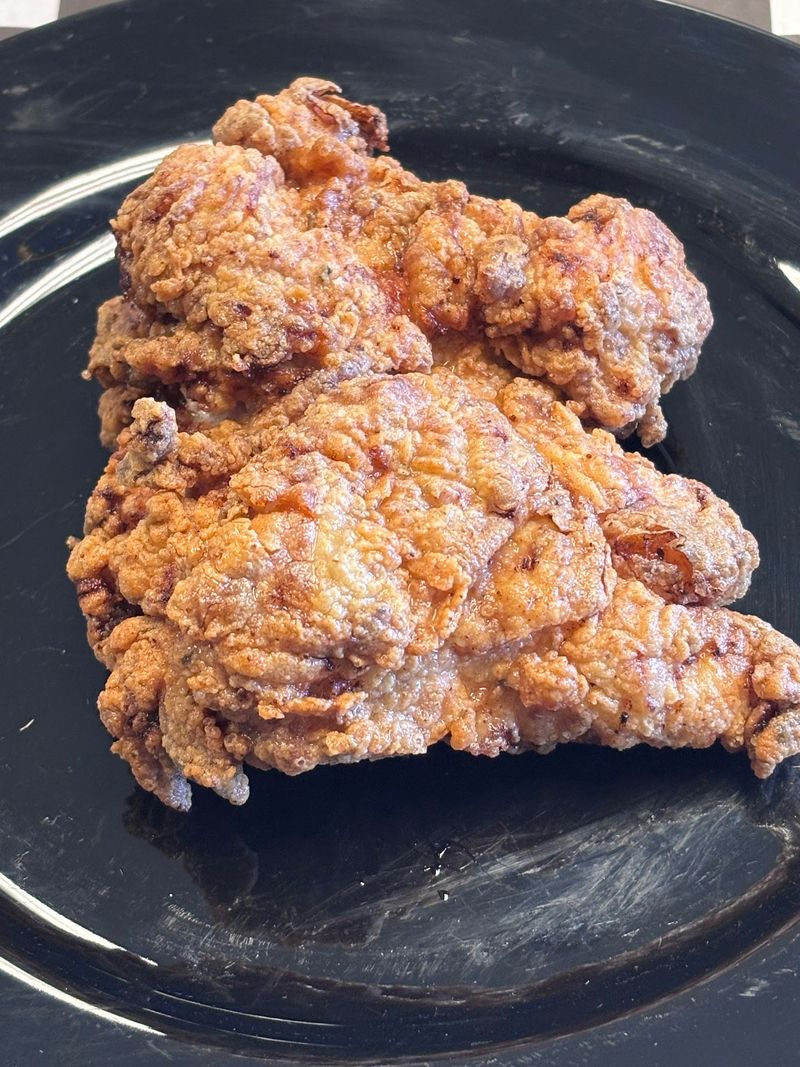
Saving oil after a fry-up feels thrifty, and sometimes it is perfectly fine. Still, oil does not last forever.
Each time it is heated, the oil breaks down a little. Tiny food bits burn, the structure of the fats changes, and the flavor gets worse.
Old oil can also produce more unwanted compounds that no one wants in a meal.
Your senses give good clues. Dark color, foam on the surface, smoke at low heat, and sharp or stale smells all mean it is time to throw the oil away.
If you do reuse oil, let it cool, strain out the crumbs, and store it in a sealed container away from light. Fish and heavily breaded foods tend to wear oil out faster, so plan to use it only a few times.
7. All Vegetable Oils Are Equally Good for Frying
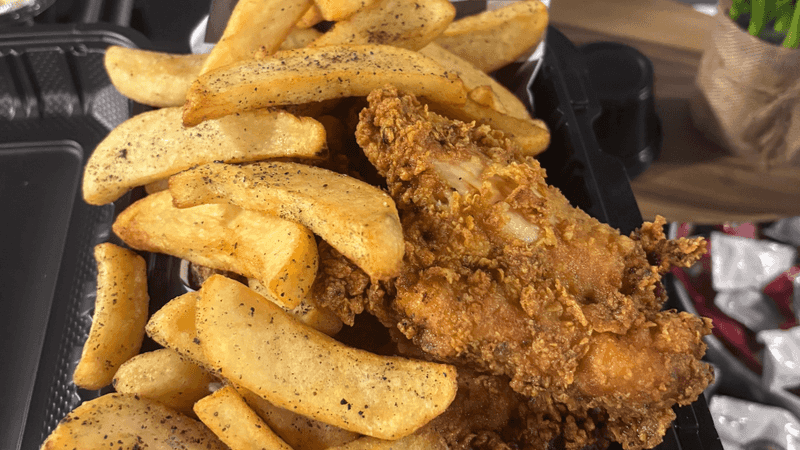
Walk down the oil aisle and you will see dozens of bottles that all seem to do the same job. They do not.
Oils vary in how well they stand up to heat. Their fatty acid makeup affects how quickly they break down, and that matters when food needs to cook for several minutes at high temperatures.
Some hold up well, while others are better used cold in dressings.
Flavor is another difference. Peanut oil adds a mild nutty taste, while refined canola or sunflower oils stay neutral.
Think about the dish before you pick a bottle. A quick stir-fry, a deep-fried batch of chicken, and a shallow pan of eggs may all call for different choices.
Reading the label for a refined or high-heat oil is a helpful start.
8. Frying at Lower Temperatures Makes Food Healthier
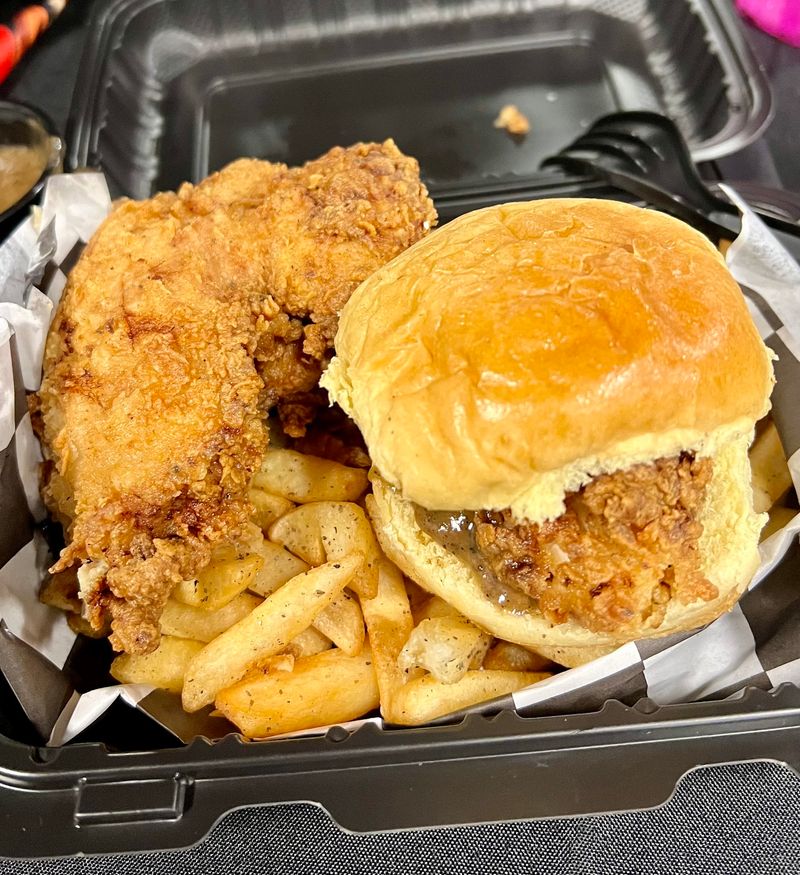
Turning the burner down seems like a gentle, healthy choice. In frying, it can backfire.
When oil is too cool, the food does not get that quick burst of steam that helps keep oil out. Instead, it lingers in the pot, and the coating soaks up more fat.
The result can be limp, heavy, and oily.
Most deep-fried foods cook best somewhere around 350 to 375 degrees Fahrenheit. At that range, the outside crisps fast and the inside cooks through.
Of course, too much heat has its own problems, including burning and smoke. A clip-on thermometer takes out the guesswork.
Adding food in small batches also helps, because crowding the pot drops the temperature quickly.
9. A Higher Smoke Point Always Means a Healthier Oil
Smoke point gets plenty of attention on bottle labels and cooking blogs. It is the temperature where oil begins to smoke, and it is a useful number.
It is not the full story, though. An oil with a high smoke point may still break down when heated for a long time, depending on its makeup.
Scientists call this oxidative stability, and it describes how well an oil resists damage from heat and air.
Cooking time matters too. A quick sear and a long deep-frying session put very different demands on the same oil.
Instead of chasing the biggest number, think about the whole picture. Choose an oil that suits your recipe, keep the heat under control, and avoid heating it for longer than you need.
10. Frying Kills Every Harmful Substance
Hot oil feels like a powerful cleaner, and it does eliminate many germs. Bacteria such as salmonella are destroyed when food reaches a safe internal temperature.
That does not mean frying fixes everything. Some bacteria produce toxins that can survive heat, so food that sat out too long may still cause illness even after cooking.
Chemical contaminants, like certain residues, are not reliably removed by frying either.
Frying can also create new compounds, such as acrylamide in some starchy foods cooked at high heat.
Good habits start before the pan heats up. Keep raw and cooked foods apart, store ingredients at proper temperatures, and wash produce well.
Cooking is one step in food safety, not the whole plan.
11. Golden-Brown Fried Food Is Always Fully Cooked
A deep golden crust looks like a promise of doneness. Sadly, color can fool you.
Browning happens on the outside, and it depends on sugars, proteins, and the heat of the oil. If the oil is very hot, the coating can darken before the center has had time to heat through.
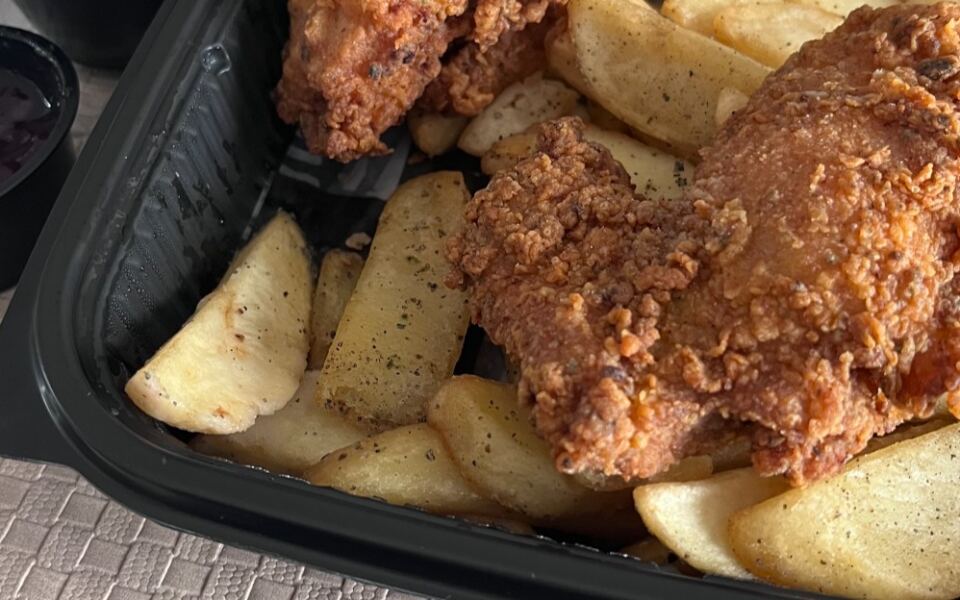
This is a common problem with thick chicken pieces and other meats.
The safest way to check is with a food thermometer. Poultry should reach 165 degrees Fahrenheit in the thickest part, and ground meats need 160 degrees.
If the outside is getting too dark, lower the heat slightly or finish the food in a moderate oven. A few extra minutes of checking can prevent an unpleasant and risky surprise.
12. Fried Food Can Never Be Part of a Balanced Diet
Few foods are truly off limits for everyone. Fried dishes can have a spot at the table, too.
A balanced diet is built over weeks and months, not by one meal. Enjoying a small serving of fried fish with a big salad, or crispy potatoes alongside grilled vegetables, can work well within an overall pattern full of whole foods.
Frequency is where the concern lies. Studies have linked eating fried foods often with a higher risk of conditions like heart disease and type 2 diabetes.
Moderation is the practical answer. Save fried favorites for occasional meals, keep portions reasonable, and fill the rest of your plate with fruits, vegetables, and whole grains.
That way you can enjoy the crunch without feeling guilty.
Share this story