Behind every White House dinner table is a first lady who helped shape what America ate. Over the centuries, many of them shared recipes that still show up in kitchens today.
Some dishes were served at big state events, while others came from family traditions. Here is a look at fifteen first ladies and the foods tied to their names.
1. Martha Washington: Great Cake
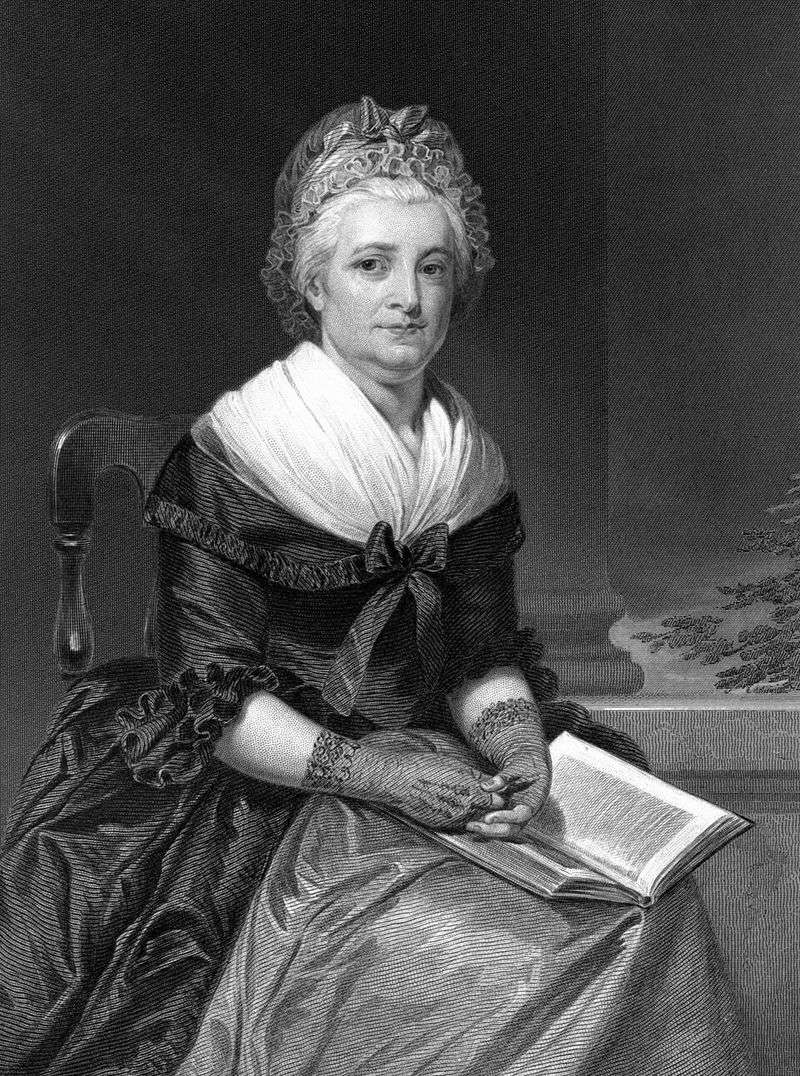
A cake that calls for forty eggs sounds like a joke, but it was real kitchen work in the 1700s. Martha Washington’s surviving recipe collection includes a great cake, a rich fruitcake-style dessert packed with dried fruit, butter, and spirits.
Cooks of her time made big cakes for big gatherings. Mount Vernon was known for hosting many guests, so a large dessert made sense.
The recipe was handed down through her family and later studied by historians who wanted to see how a wealthy Virginia household cooked.
Today, the original recipe is often scaled down because few home bakers need that many eggs. Modern versions use fewer eggs and an electric mixer instead of hours of hand beating.
Fun fact: the cake was often saved for holidays and special visitors. If you want to try a taste of early American baking, this dessert is a great place to start.
2. Dolley Madison: Ice Cream
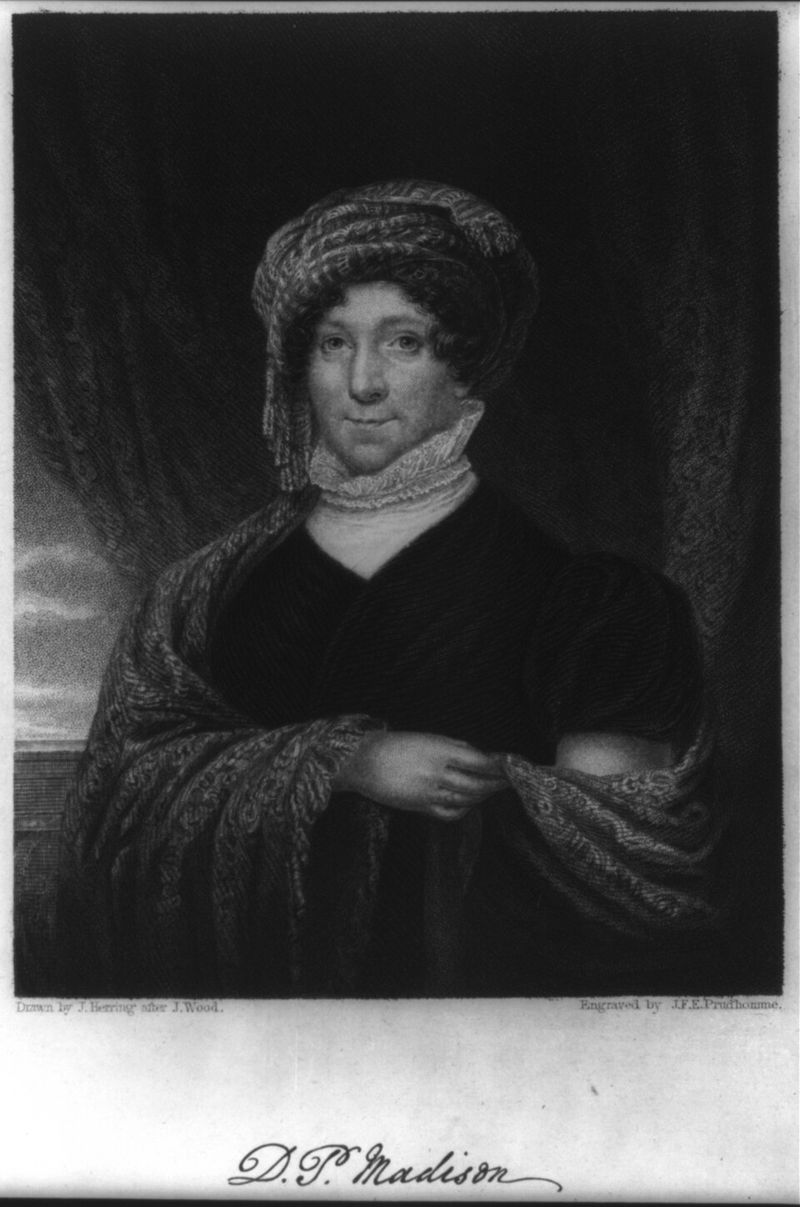
Dolley Madison became famous for hosting lively gatherings at the White House, and ice cream was served at some of them.
At the time, ice cream was a fancy treat. It took ice, salt, and plenty of hand cranking to make, so serving it showed that a host had skill and resources.
Here is the twist. Historians note that ice cream was not necessarily her personal favorite.
Still, the dessert became tied to her name because guests remembered it so well.
Her parties helped make the new capital feel welcoming and social. Next time you scoop a bowl on a summer night, you can thank a famous hostess for helping make the treat part of American entertaining.
3. Mary Todd Lincoln: White Almond Cake
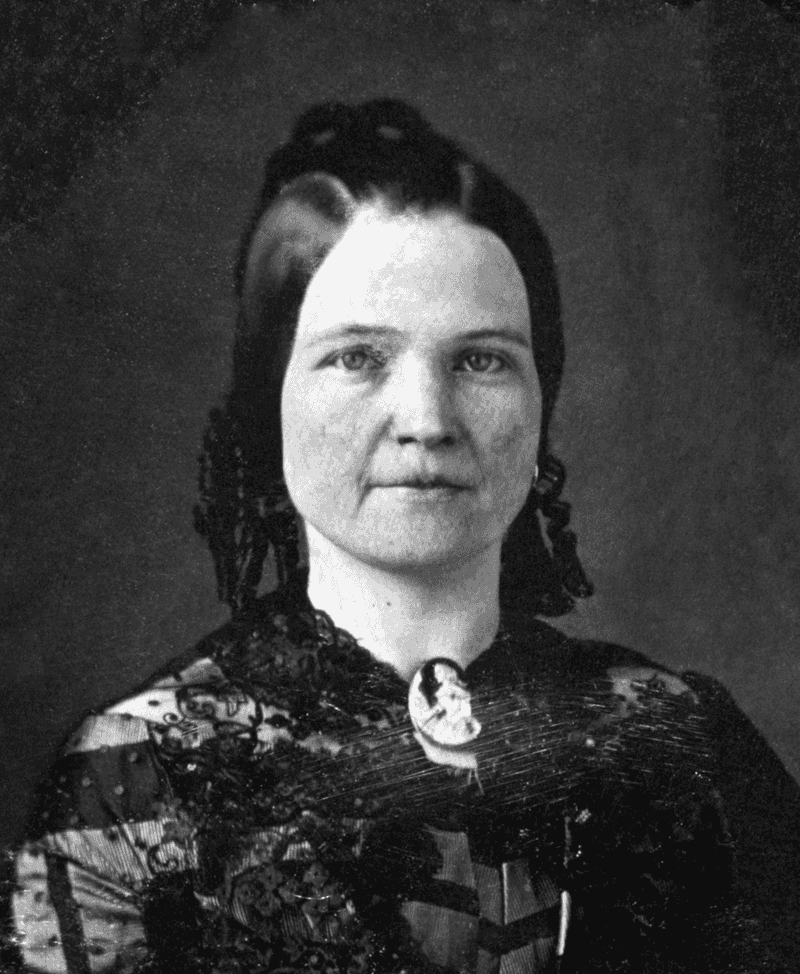
Some desserts become famous because of who loved them. White almond cake is strongly linked to Mary Todd Lincoln and her husband, Abraham Lincoln.
The cake is light in color and flavored with almond, which gives it a soft, sweet aroma. Bakers of the 1800s often made cakes like this for family meals and special days.
Stories about the recipe have been passed around for generations, and it appears in many collections of presidential desserts. Some details are hard to prove, but the connection to the Lincoln household is widely repeated.
If you bake a version at home, you will likely need blanched almonds, flour, sugar, and egg whites. The result is a tender cake that looks simple but tastes special.
It offers a small, sweet link to a family that lived through one of the hardest chapters in American history.
4. Lucy Hayes: Cornmeal Pudding
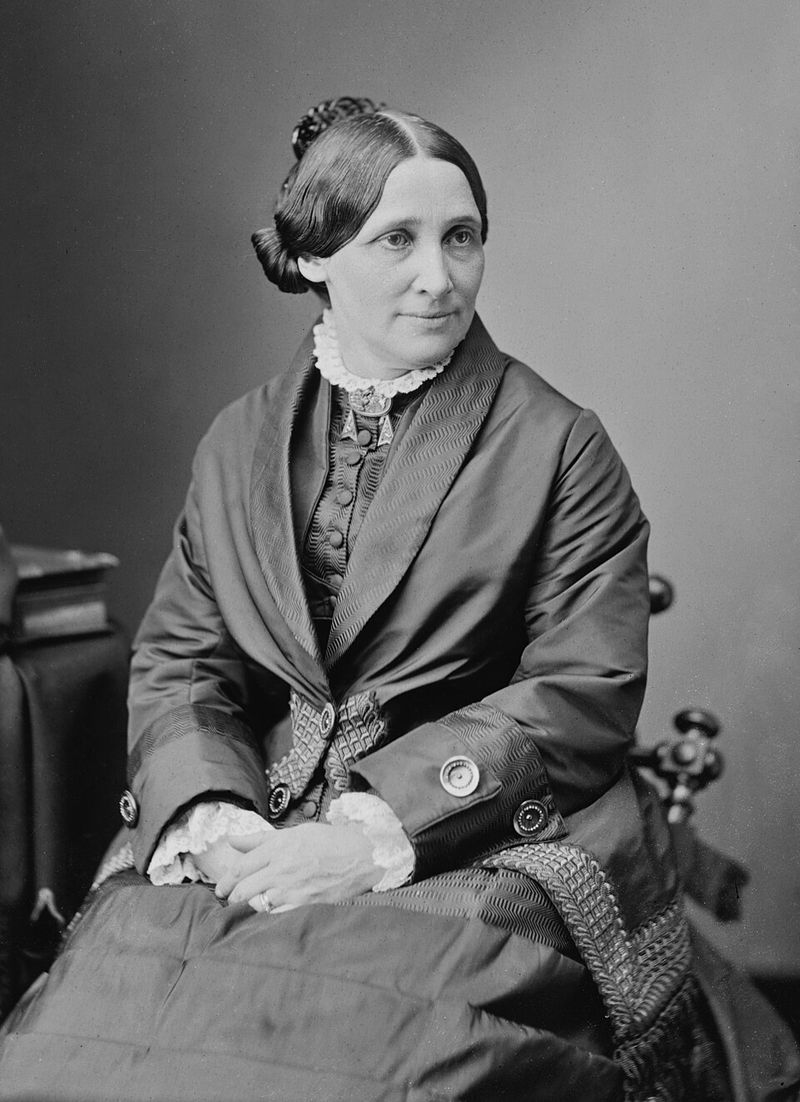
Plain food can tell a big story. Cornmeal pudding reflects the traditional American dishes served during the Hayes administration, when Lucy Hayes led the White House household.
Cornmeal was a pantry staple across the country. Cooks mixed it with milk, eggs, and a little sweetener, then baked it slowly until it turned creamy and golden.
Lucy Hayes is also remembered for running a White House that did not serve alcohol, which made her a talked-about figure in her day. Meals there leaned toward homey and familiar rather than flashy.
That makes cornmeal pudding a good fit. It is warm, filling, and easy to make with basic ingredients.
Try it for dessert or even breakfast. Many modern cooks add a pinch of cinnamon or a drizzle of molasses to bring out the corn flavor.
5. Edith Roosevelt: Hominy
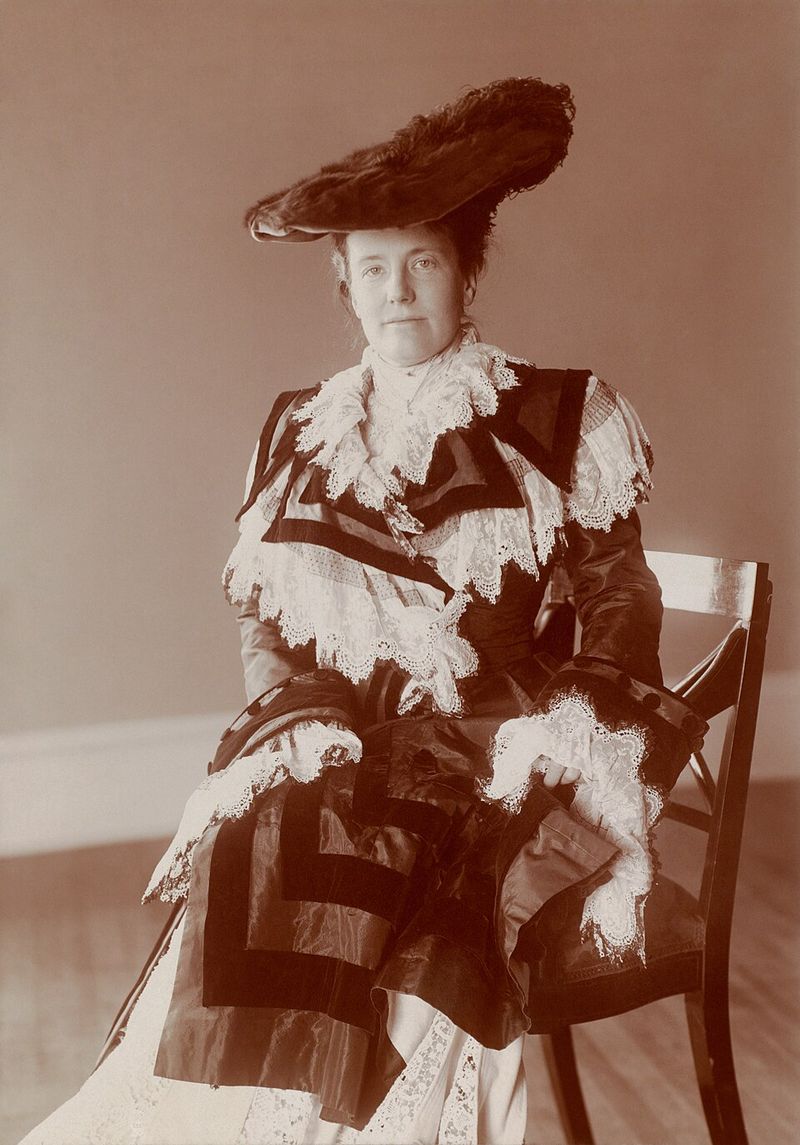
Hominy may not sound glamorous, but it has a long history on American tables. It is dried corn soaked in a special solution so the kernels puff up and soften.
The food is associated with Roosevelt-era White House menus, when Edith Roosevelt managed a busy home full of children, pets, and visitors. Her household had to feed a lot of people, and hearty corn-based dishes were practical.
Native American communities developed the process for making hominy long before European settlers arrived. Later, it became a staple in the South and beyond.
Cooks serve it simmered with butter, fried until crisp, or baked into casseroles. It also becomes grits when ground.
If you have never tasted it, look for canned hominy at the grocery store. Warm it with butter and salt, and you will get a chewy, mild side dish with a deep corn taste.
6. Grace Coolidge: Chicken Chop Suey
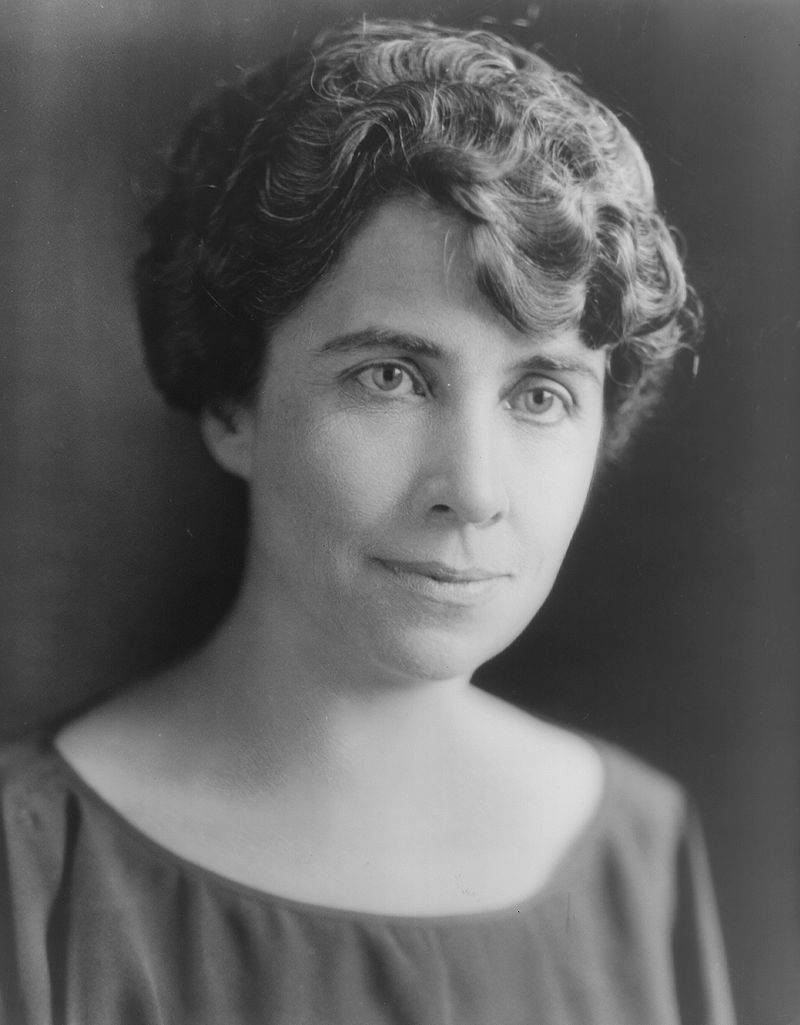
Chop suey was a hit in American restaurants during the early twentieth century, and it found its way into home kitchens too. Chicken chop suey appears in collections of recipes associated with the Coolidge White House.
Grace Coolidge was known for her warm smile and gracious style. Her time as first lady came in the 1920s, an era when many Americans were curious about new foods and dining trends.
The dish is a quick stir-fry of chicken and vegetables in a light sauce, usually served over rice. It was affordable, filling, and easy to stretch for a crowd.
Chop suey is generally seen as an American creation inspired by Chinese cooking, rather than a traditional dish from China.
For a weeknight dinner today, you can toss in celery, onions, and bean sprouts. It is a simple way to taste a bit of 1920s dining.
7. Lou Henry Hoover: Sweet Potato Pudding
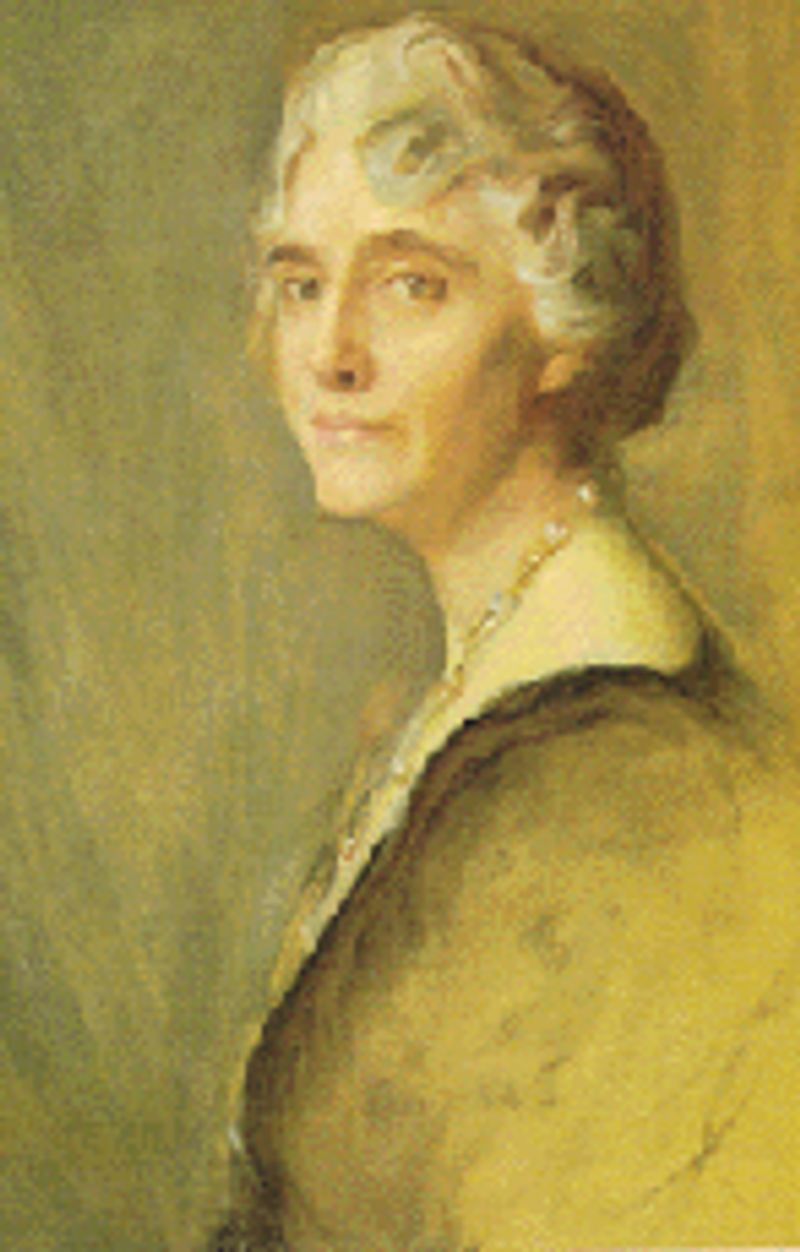
Sweet, soft, and a little spicy, sweet potato pudding is among the recipes associated with the household of Lou Henry Hoover.
She was a well-educated woman who spoke several languages and traveled widely before entering the White House. She also supported many causes, including the Girl Scouts.
Even so, her family table still featured comforting American flavors.
Sweet potatoes have been grown in the United States for centuries and became a favorite in Southern kitchens. Mashed with sugar, eggs, butter, and spices, they turn into a rich pudding that works as a side dish or dessert.
The Hoover years began just before the Great Depression, a time when people valued affordable, filling foods. Sweet potatoes fit that need well.
If you want to try it, bake the potatoes until tender, mash them well, and add cinnamon or nutmeg. It is a cozy dish for fall dinners.
8. Mamie Eisenhower: Million-Dollar Fudge
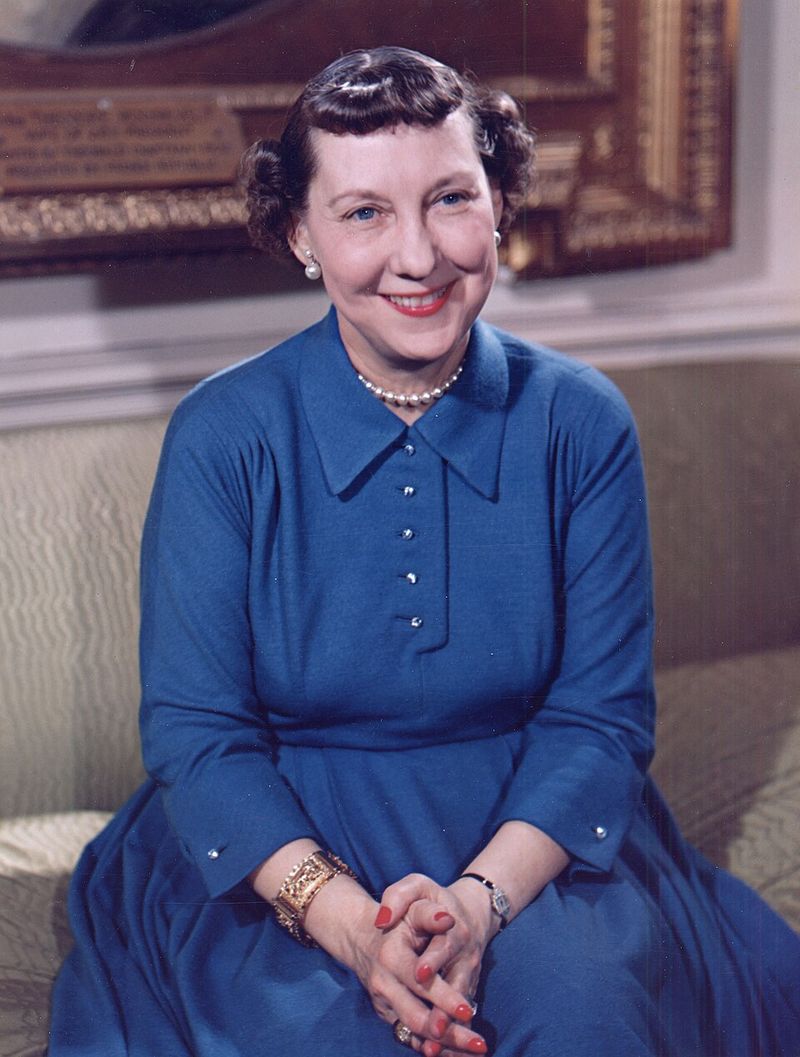
A name like million-dollar fudge makes anyone curious. Mamie Eisenhower’s chocolate fudge recipe was widely circulated, and it became one of the best-known treats tied to a first lady.
The candy is rich and smooth, made with chocolate, sugar, butter, and often nuts. Many versions use marshmallow creme to help the texture stay soft.
Mamie was a friendly hostess who loved a polished home, and her style shaped 1950s White House entertaining. Recipes from her era often showed up in newspapers and magazines, so home cooks could try them out.
The fudge gets its fancy name from how luxurious it tastes, not from its actual cost.
Tip for home bakers: use a candy thermometer and stir steadily so the fudge does not turn grainy. Cut it into small squares and share them, since this treat is very sweet.
9. Pat Nixon: Chestnut Stuffing
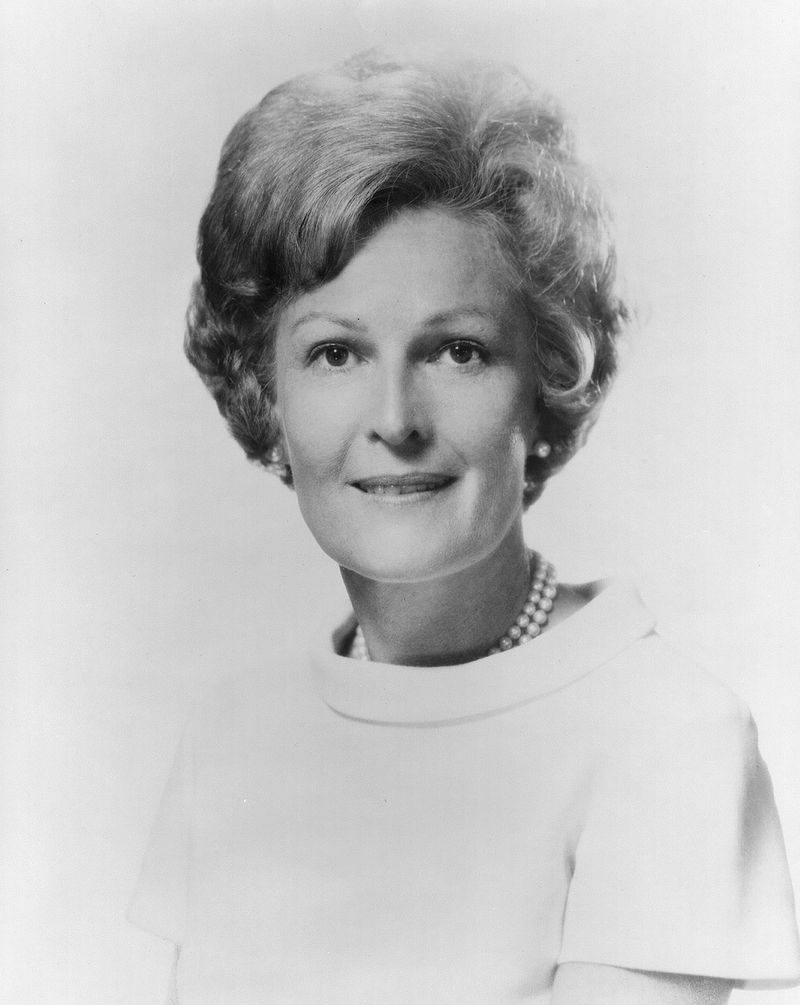
Thanksgiving tables often have one dish that quietly steals the show. For the Nixon family, that dish could be chestnut stuffing, one of the holiday recipes Pat Nixon shared publicly.
Chestnuts add a sweet, nutty flavor and a soft bite to bread-based stuffing. Cooks often mix them with onions, celery, herbs, and broth.
Sharing a family holiday recipe was a friendly way for a first lady to connect with the public. Readers could try the same dish in their own homes and feel a small link to life at the White House.
The recipe is also kept in the collection of the Richard Nixon Presidential Library and Museum, which preserves materials from the family.
If fresh chestnuts feel like too much work, many stores sell them peeled and jarred. That shortcut makes the dish much easier on a busy holiday.
10. Betty Ford: Buttermilk Pancakes
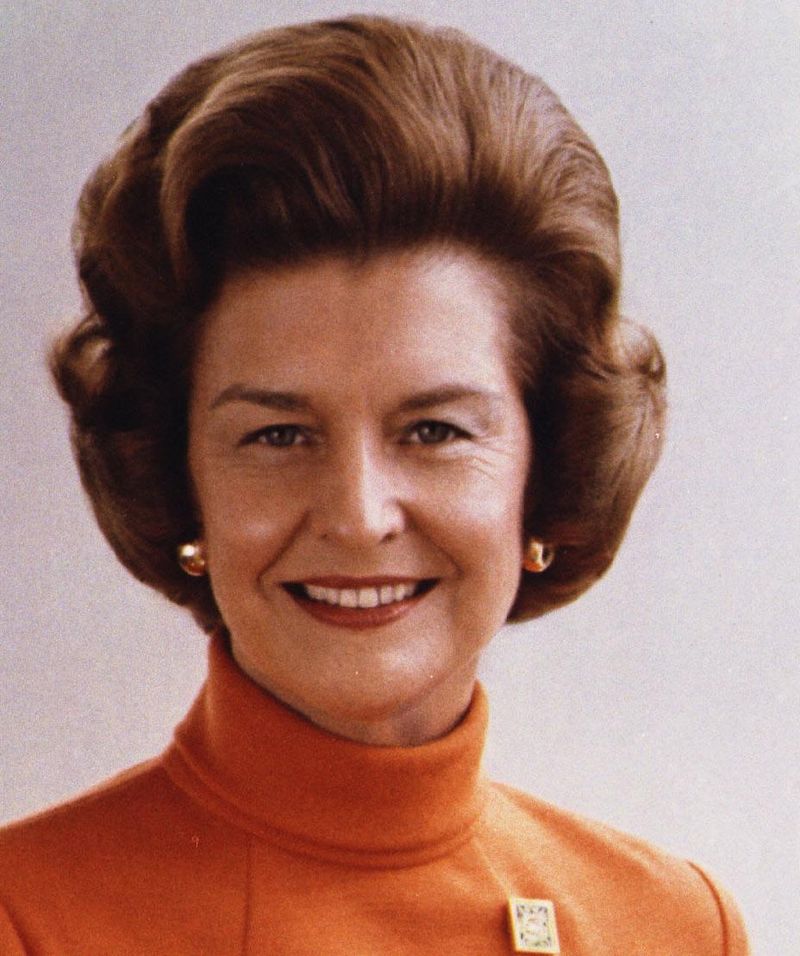
Breakfast food can be just as historic as a state dinner. Buttermilk pancakes are featured in a historical collection of first lady recipes that includes Betty Ford.
Betty Ford became first lady in 1974 during a tense moment in American politics. Her down-to-earth style helped many people feel at ease, and she was widely admired for speaking openly about health issues.
Pancakes fit that approachable image. They use everyday items like flour, eggs, and buttermilk, which gives them a light, tangy taste.
The collection comes from historical records highlighted by the National Archives, which shows how first ladies shared recipes with the public over the years.
For fluffy results at home, mix the batter just until combined, since a few lumps are fine. Let it rest for a few minutes before cooking.
Top with fruit or maple syrup for a classic morning plate.
11. Lady Bird Johnson: Pedernales River Chili
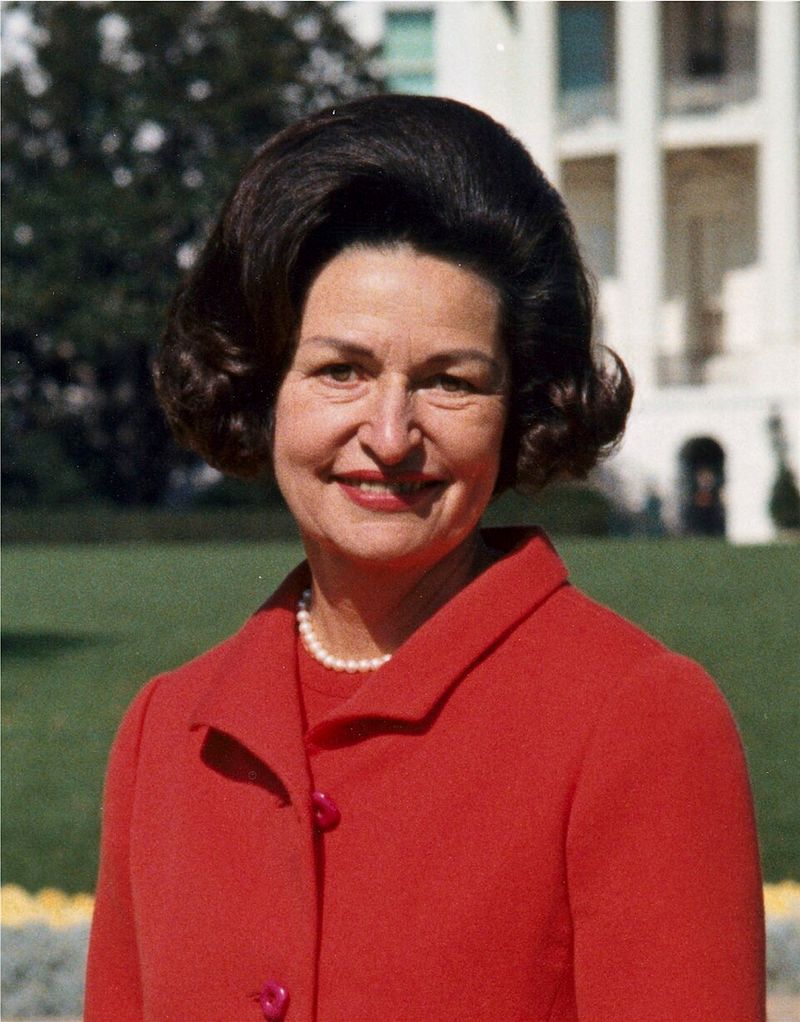
Few recipes drew as many requests as this one. Lady Bird Johnson’s Pedernales River chili became a Texas favorite after people across the country asked for the recipe.
The dish is named for the river near the Johnson ranch in Texas. It is a hearty chili made with meat, chili powder, garlic, and spices, and traditional versions do not include beans.
Lady Bird often welcomed guests at the ranch, and this chili was a comforting meal for a crowd. The recipe was so popular that it was printed and mailed to people who wrote in.
Records on the subject are held in research materials, including guides from the Library of Congress.
If you cook it, give it plenty of time to simmer. Slow cooking blends the flavors and makes the meat tender.
Serve it with crackers or cornbread for a classic Texas meal.
12. Rosalynn Carter: Sequoia Orange Biscuits
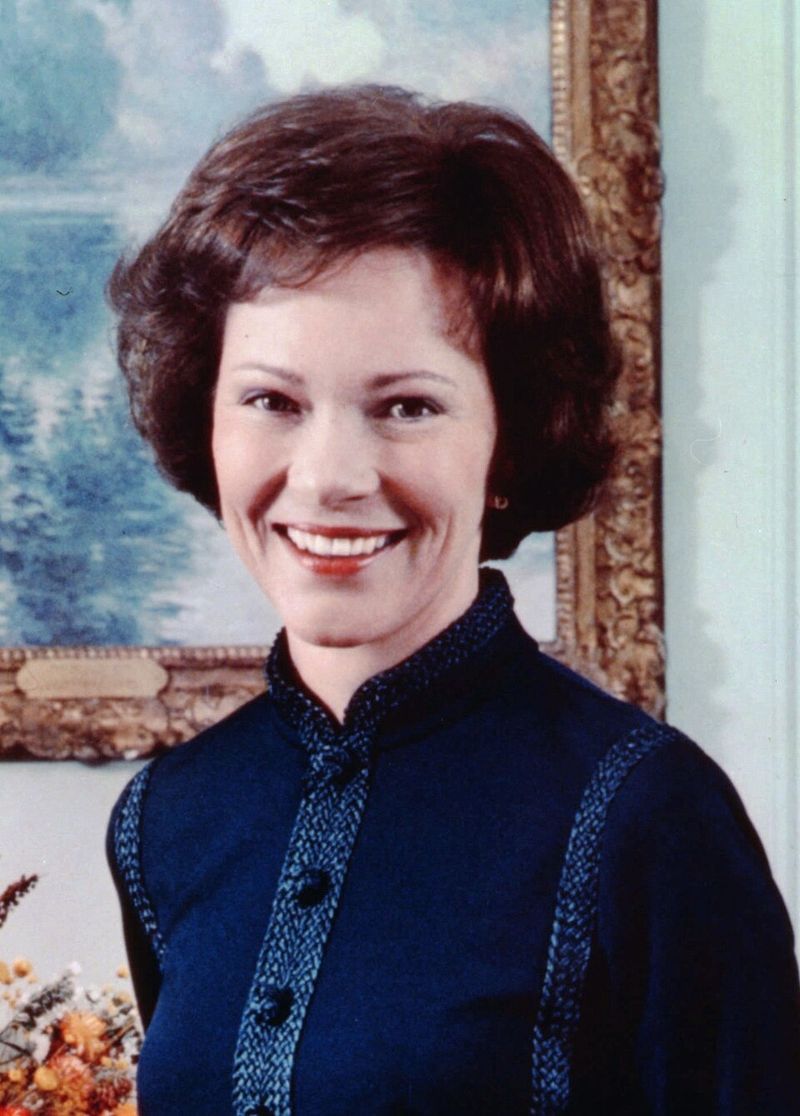
Biscuits with a citrus twist are not what most people expect from a presidential menu. Rosalynn Carter’s Sequoia orange biscuits are a recipe preserved in the National Archives.
The name points to the Sequoia, the presidential yacht used in earlier decades. A recipe tied to that vessel suggests a lighter, social style of entertaining, with small bites suited for guests.
Orange zest and juice give the biscuits a bright, sweet scent. They bake up soft inside with a golden outside.
Rosalynn Carter was known for being closely involved in policy and public service, yet food was still part of life at the White House.
To make them at home, rub orange zest into the sugar first so the flavor spreads evenly. Serve them warm with butter or jam.
They work well for brunch or an afternoon snack.
13. Barbara Bush: All-American Clam Chowder
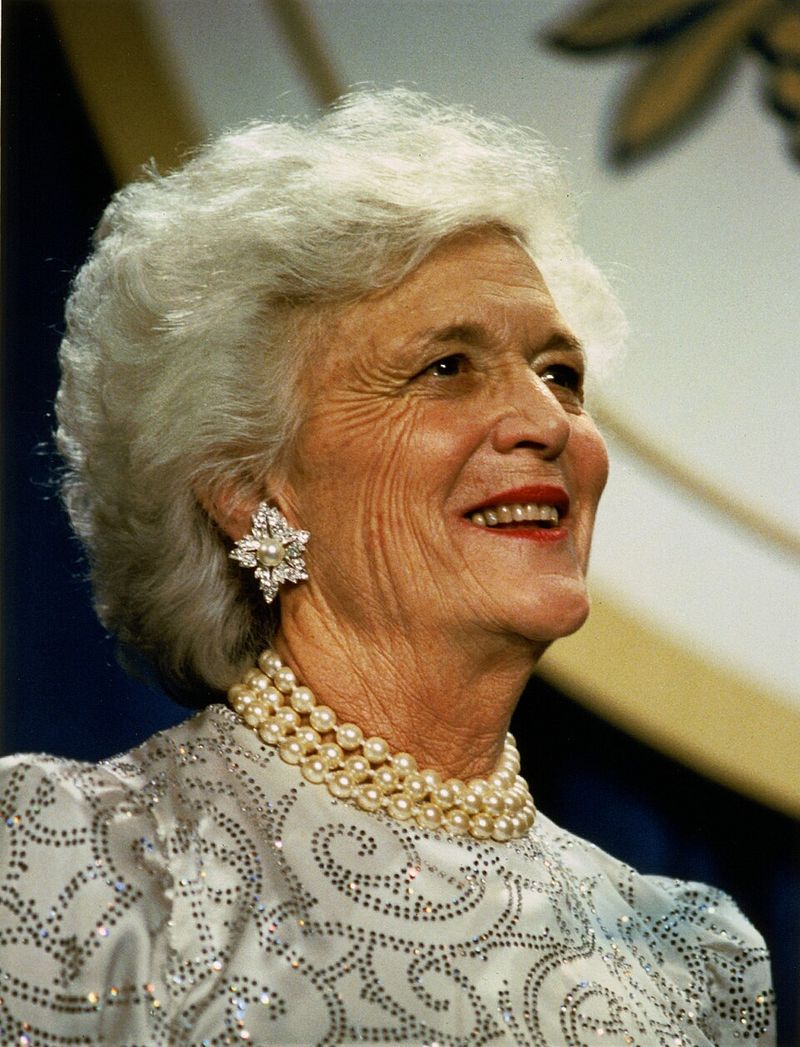
Clam chowder and a seaside family home go hand in hand. Barbara Bush’s all-American clam chowder is one of her documented recipes, preserved by the George H.
W. Bush Presidential Library.
The Bush family spent summers in Kennebunkport, Maine, where seafood was part of the local table. A creamy chowder made sense for chilly evenings by the water.
Barbara Bush was known for her pearls, her humor, and her plain-spoken way of talking. Her recipes often felt homey and practical rather than fancy.
Chowder usually includes potatoes, onions, clams, and milk or cream. Some cooks add bacon for a smoky note.
For a smooth texture, cook the potatoes until just tender, and warm the milk gently so it does not curdle. Serve the chowder hot with oyster crackers for a cozy meal.
14. Laura Bush: Cowboy Cookies

A cookie contest helped turn a simple recipe into a campaign story. In 2000, Laura Bush shared her cowboy cookies, and the recipe became famous across the country.
The cookies are big and chewy, packed with oatmeal, chocolate chips, coconut, and pecans. The mix of textures gives every bite something different.
The recipe appeared during a friendly cookie competition tied to the presidential race that year. Voters and readers loved having a chance to bake along, and the cookies became a Texas-style favorite.
The name fits the hearty, ranch-country feel of the treat.
For the best results, chill the dough for a short time before baking so the cookies hold their shape. Pull them from the oven when the edges are golden but the centers still look soft.
They firm up as they cool.
15. Hillary Clinton: Hot Sauce

Not every famous food is a full recipe. Hillary Clinton once said she loved putting hot sauce on practically everything, and the comment became part of her public image.
The remark gave people a glimpse of her everyday tastes. Instead of a formal dish, it showed a simple habit that many home cooks share.
Hot sauce is made from chili peppers, vinegar, and salt, though the recipes vary a lot. Some are mild and tangy, while others bring serious heat.
It can brighten eggs, soups, tacos, and roasted vegetables with just a few drops.
If you want to follow her lead, start small. Add a little, taste, and build up slowly.
Keep a few different bottles on hand so you can match the flavor to the meal. It is an easy way to bring bold taste to simple food.
Share this story