In 1970, millions of Americans earned a steady paycheck doing work that most people today have never seen. Some ran giant typesetting machines at newspapers.
Others connected phone calls by hand, fixed television sets in living rooms, or delivered milk before sunrise. Many of these jobs needed only a high school diploma, yet they often came with union pay, benefits, and the hope of staying with one employer for decades.
Then the world changed fast. Computers took over newspaper back rooms, robots moved onto factory floors, and cheap electronics made repair work hard to justify.
A job that seemed permanent in 1970 could look like a museum exhibit by 2000. Not every role on this list paid a comfortable wage, and much depended on location and union membership.
Still, each one tells a real story about how technology reshaped work, family budgets, and daily habits. Keep reading to discover which careers disappeared, what replaced them, and what their stories reveal about the modern economy.
Some answers might surprise you, and a few might change how you think about the job you have today.
1. Linotype Operator
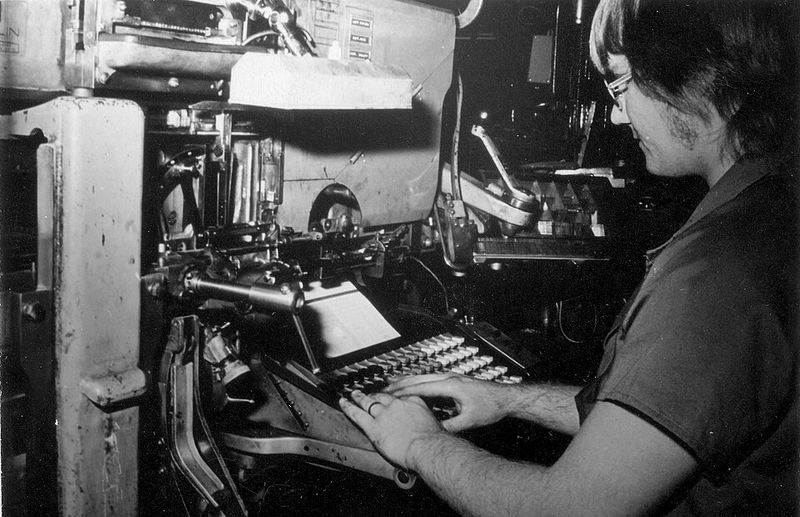
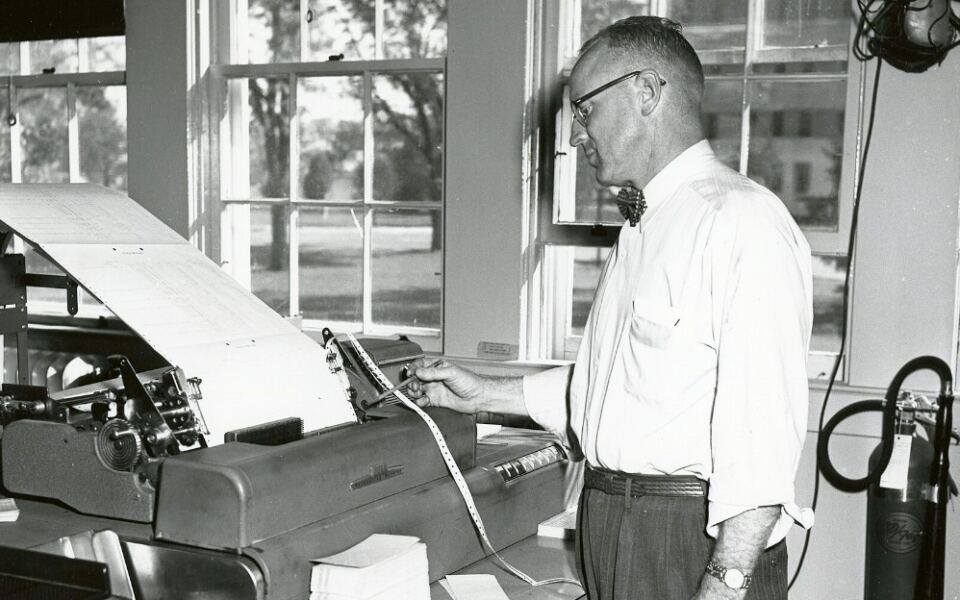
Hot lead and a keyboard made an unusual pair, but that combination paid the bills for thousands of skilled workers. A Linotype machine cast entire lines of text in molten metal, one line at a time.
Operators typed copy on a special keyboard with 90 keys. The machine assembled brass letter molds and turned them into solid metal slugs ready for the printing press.
Learning the trade often took a long apprenticeship. In return, operators held some of the best-paying jobs in printing, especially in union shops with strong benefits.
Then phototypesetting arrived, followed by computers and desktop publishing. Newspapers that once filled whole rooms with Linotypes sold the heavy machines for scrap almost overnight.
Today, working Linotypes live mostly in museums and hobby print shops. An essential career faded in about one generation.
2. Telephone Switchboard Operator
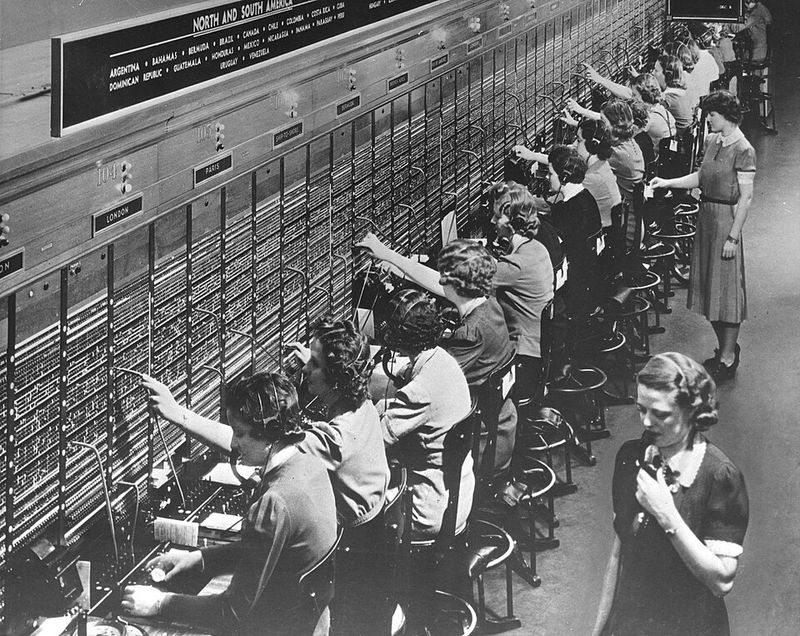
“Number, please” was once the most common greeting in American telephone history. Behind it sat rows of operators plugging cords into switchboards to connect callers.
By 1970, direct dialing handled most routine calls. Even so, phone companies still employed large numbers of operators for long-distance, collect, and assisted calls.
Most of these workers were women. Companies hired them partly because they were seen as courteous, and partly because their labor cost less than men’s.
The median pay was modest, around $4,300 a year in 1970. Union contracts at big companies like the Bell System still added structured raises and benefits.
Electronic switching kept chipping away at the work. By 2021, the Bureau of Labor Statistics counted only about 5,000 telephone operators nationwide, with further declines expected.
3. Elevator Operator
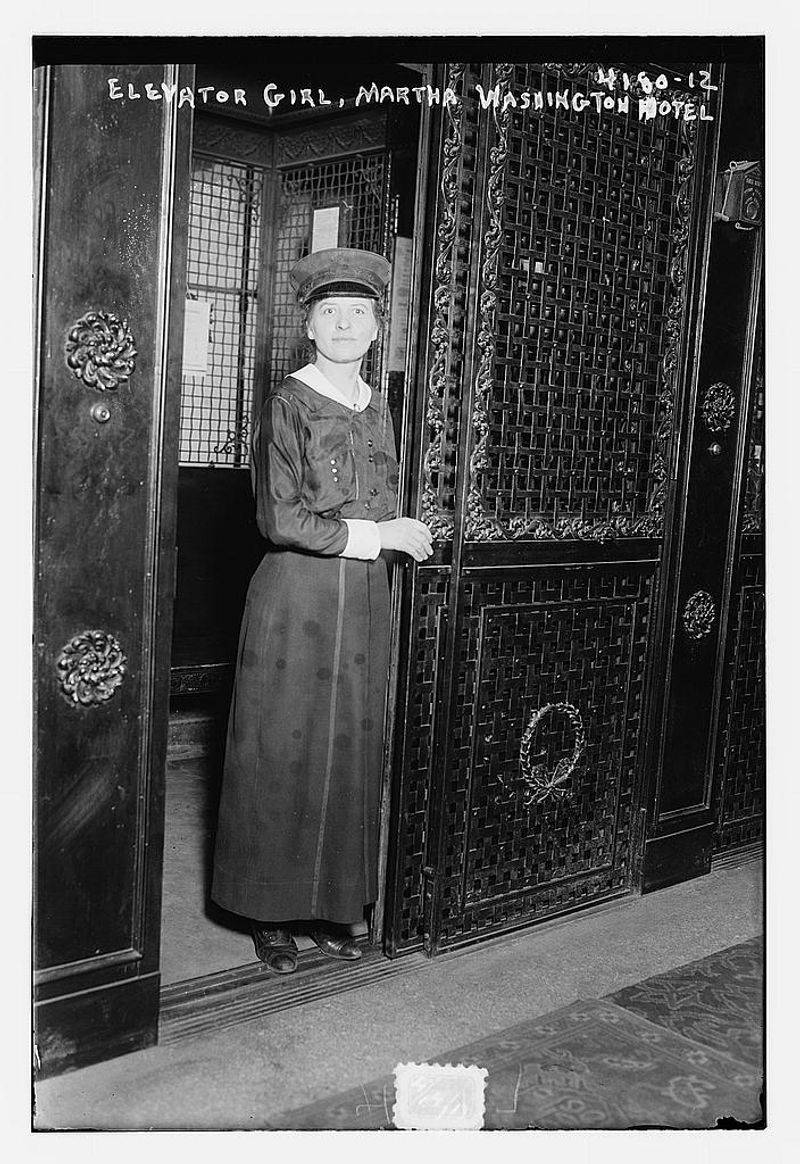
Pressing your own floor button seems normal now, yet it once counted as a job someone else did for you. Elevator operators ran the cars in hotels, offices, and department stores.
The work took more skill than it looked. Operators had to level the car with each floor by hand, open the gates, and greet passengers politely all day.
Uniforms were standard, and good manners were expected. In big cities like New York, strong service unions helped many operators earn livable wages and solid benefits.
Automatic elevators had spread widely by 1970, though older buildings still kept attendants. Gradually, owners swapped out the old controls and the staff that ran them.
A few fancy hotels and historic buildings keep attendants today for tradition. Everywhere else, riders handle the buttons themselves.
4. Railroad Telegraph Operator
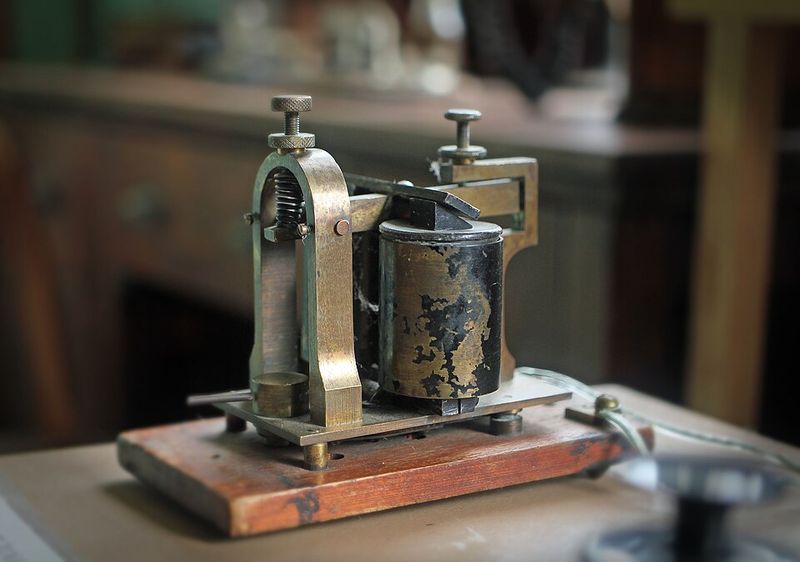
Dots and dashes kept trains from crossing paths at the wrong moment. Railroad telegraph operators sent train orders, schedules, and instructions between stations and dispatchers.
The job required fast, accurate Morse code and deep knowledge of operating rules. One wrong message could throw an entire line off schedule.
Pay was respectable for the time. In 1967, a telegrapher on the Norfolk and Western Railway earned about $2.90 an hour, plus union benefits.
Small town depots often had a single operator handing written orders up to passing crews. Many workers spent their entire careers at the same railroad.
Radio, centralized traffic control, and electronic signals slowly made local telegraph offices unnecessary. Dispatchers could finally talk to crews directly.
Modern railroads still depend on dispatchers, but the station telegrapher now belongs to the history books.
5. Newspaper Compositor
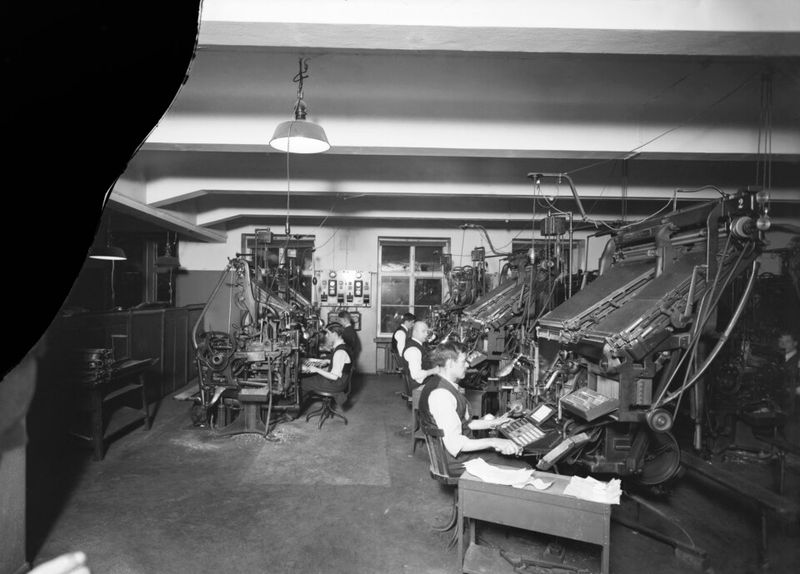
Every front page started as a puzzle made of metal. Compositors were the workers who put the pieces together before the presses ran.
They arranged type, headlines, and images into page forms. Precision mattered, since one misplaced line could show up in thousands of copies by morning.
Major city papers in 1970 kept large composing rooms full of these skilled tradespeople. Union contracts were common, which made the work a strong option for anyone skipping college.
Computerized page layout changed everything during the 1970s and 1980s. Editors and designers could now build complete pages on screen.
Graphic designers handle similar tasks today, but with a mouse instead of metal. The switch did more than change tools.
It erased an entire layer of newspaper jobs that once supported families in nearly every big American city.
6. Television Repair Technician
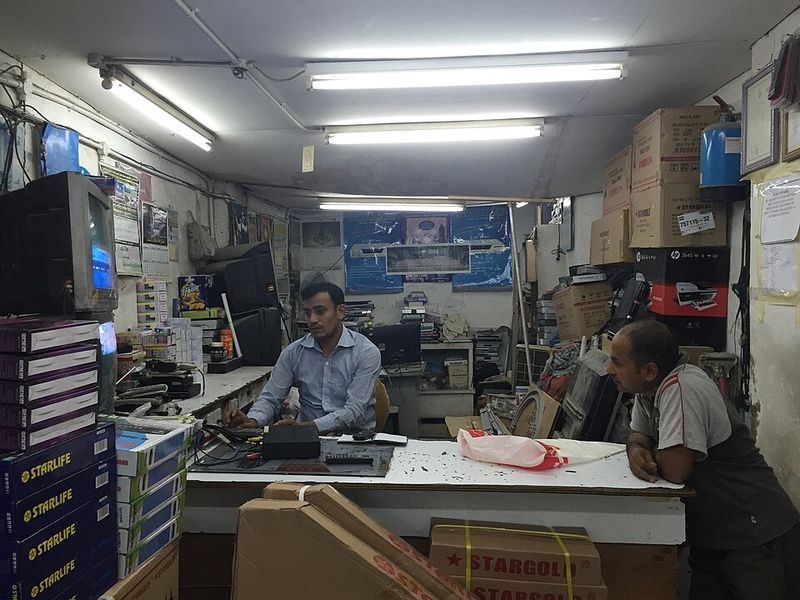
Tossing out a broken TV in 1970 would have shocked most households. Sets were expensive purchases, so families called the repairman instead.
Technicians tracked down problems in vacuum tubes, circuits, and picture tubes. Many carried a case full of spare tubes for quick fixes.
Some ran neighborhood shops with sets lined up on workbenches. Others made house calls and worked right there in the family room.
A trusted technician could build a loyal local business. For plenty of workers, the trade delivered a comfortable middle-class income.
Over time, televisions became more reliable and far cheaper. Parts became tiny integrated chips that were hard to service.
Today, repairing a flat screen often costs more than buying a new one. Electronics repair survives for pricey gear, but the friendly TV repairman has mostly signed off.
7. Film Projectionist
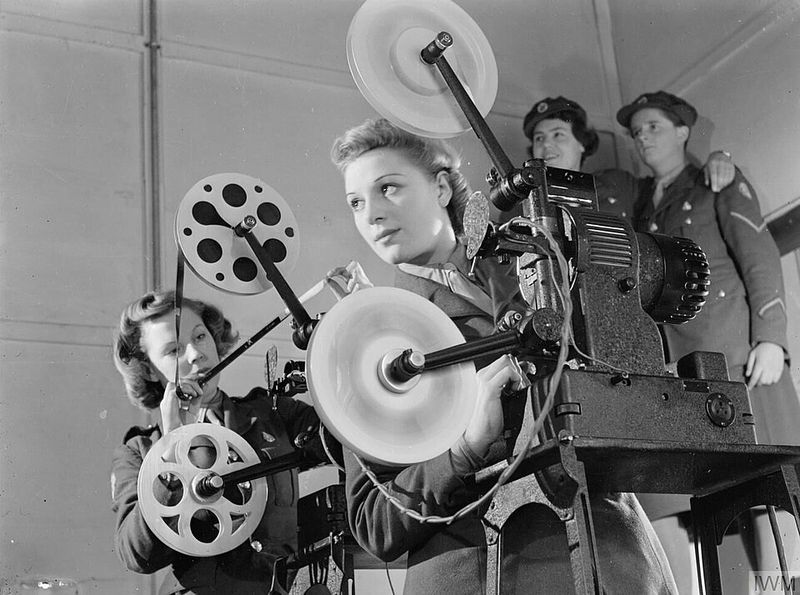
Moviegoers rarely saw the person responsible for the show. Up in a small booth at the back, a projectionist kept every film running on time.
The job involved heavy reels of 35mm film and two projectors. Operators watched for small cue marks in the corner of the screen, then switched machines at exactly the right second.
A missed changeover meant a blank screen and an unhappy crowd. Careless handling could also scratch or snap expensive prints.
In large cities, many projectionists belonged to the IATSE union. That membership helped secure good wages and long careers.
Digital cinema arrived in the 2000s and replaced film with computer files. Automated systems now handle most screenings.
Archives, festivals, and repertory theaters still hire film specialists. The everyday multiplex projectionist, however, has nearly disappeared.
8. Keypunch Operator
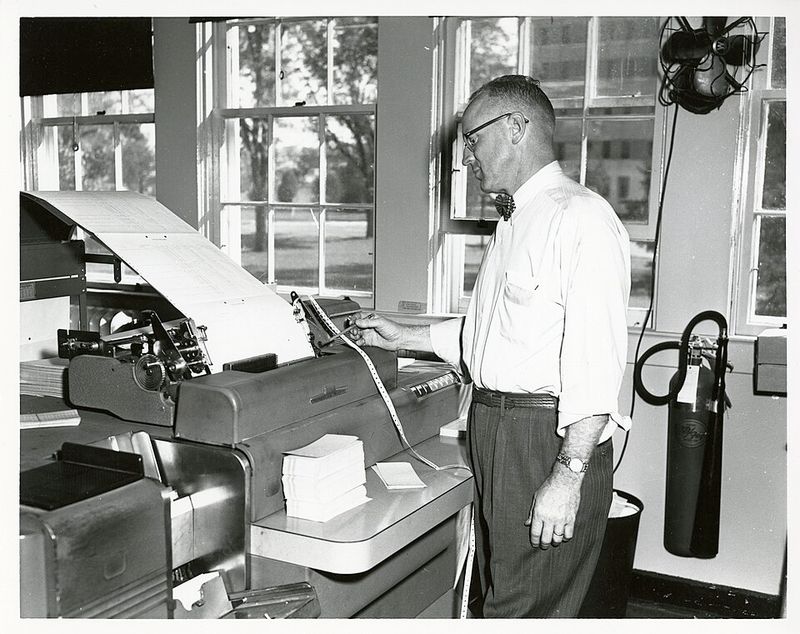
Computers in 1970 could not read your handwriting, so someone had to translate data into holes. Keypunch operators did exactly that.
They used machines like the IBM 029 to punch rectangular holes into stiff paper cards. Each pattern stood for a letter or number.
Banks, insurers, universities, and government offices stacked these cards by the thousands. A single wrong punch could ruin a whole computer run.
Pay was modest, often $3,000 to $5,000 a year during the 1950s and 1960s. Still, the job offered office work without a college degree, plus benefits and room to advance.
Fun fact: the phrase “do not fold, spindle, or mutilate” came printed on punched cards.
Once terminals allowed direct data entry, cards became unnecessary. Data entry jobs remain, but the keypunch machine has retired.
9. Typesetting Proofreader
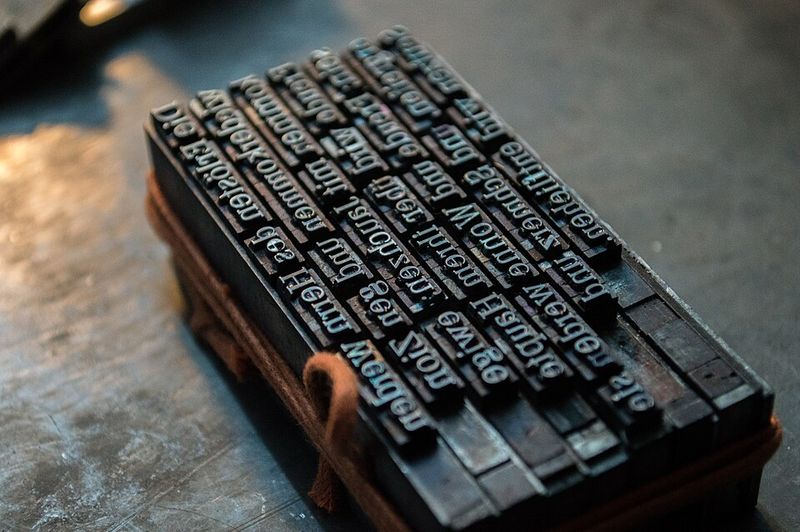
Spell-check never caught a typo set in lead. That job belonged to the typesetting proofreader, armed with a pencil and an eagle eye.
Proofreaders checked galley proofs for errors in spelling, punctuation, spacing, and layout. They used special correction symbols that compositors understood at a glance.
Large newspapers, book publishers, and commercial printers in 1970 often kept full proofreading departments. The median pay for proofreaders and copy markers was around $5,000 a year.
Careful readers could stay in one publishing house for decades. Accuracy was the main qualification that mattered.
Then computerized typesetting and word processing arrived. Editors, designers, and even authors began catching their own mistakes on screen.
Freelance proofreading still thrives today. What disappeared was the print shop specialist whose whole day revolved around inky proofs before the presses started.
10. Factory Timekeeper
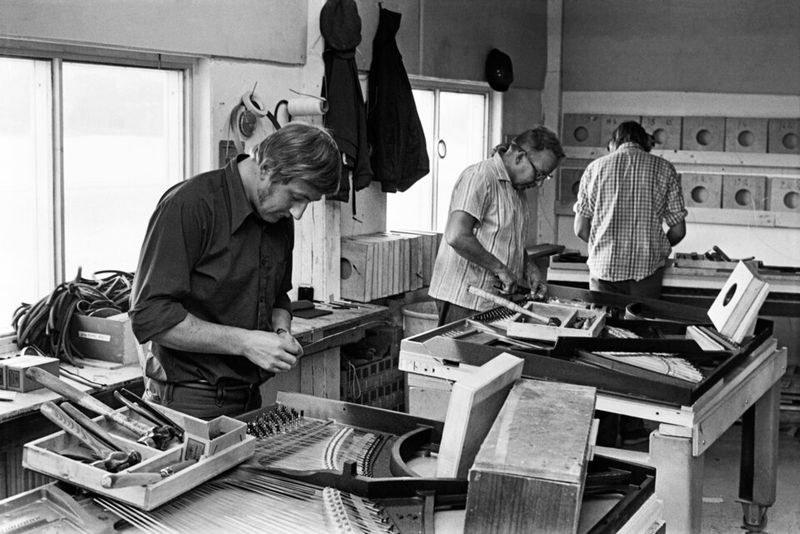
Payday at a big plant depended on paper, and lots of it. Factory timekeepers made sure every worker’s hours added up correctly.
They collected punched time cards, logged attendance, and calculated totals for payroll. Some also tracked overtime, shift changes, and job classifications.
Plants with thousands of employees needed this work done right. In union factories, contracts spelled out exact rules for wages and overtime, so errors could spark formal grievances.
The position offered steady clerical work inside major industrial companies. For many families, it meant a reliable paycheck without heavy physical labor.
Electronic time clocks and computerized payroll slowly took over. Software began calculating hours in seconds.
Supervisors and payroll staff now handle what remains. The dedicated factory timekeeper, once a fixture near the punch clock, has become far less common.
11. Photoengraver
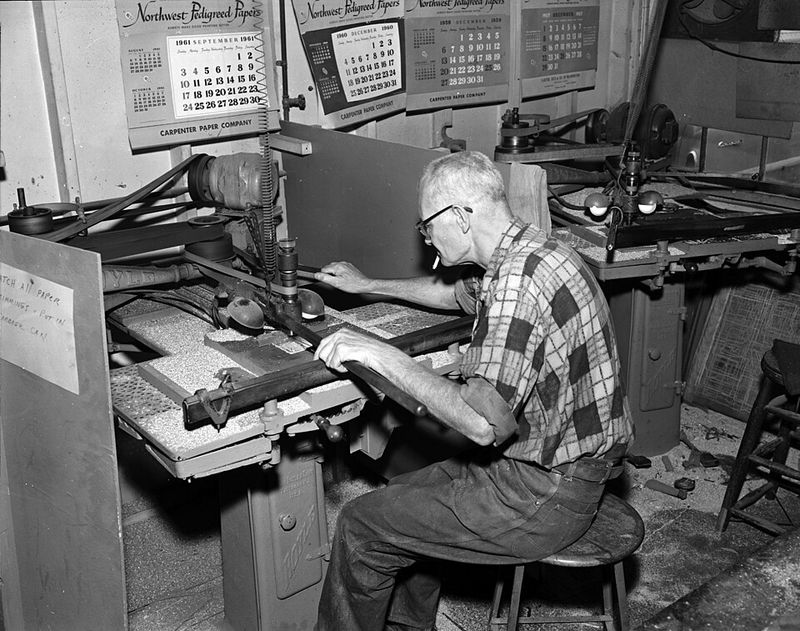
Getting a photograph onto a newspaper page once took chemistry, cameras, and a lot of patience. Photoengravers made it happen.
They photographed images through fine screens, creating patterns of tiny dots called halftones. Then they etched those patterns onto metal plates with chemical baths.
The result let presses print photos and illustrations clearly. Every magazine ad and front-page picture passed through skilled hands first.
Commercial printing was booming in 1970. Photoengravers worked in dedicated shops and inside large newspapers, and union members earned respectable wages.
Digital scanning and computer image software rewrote the process. Modern platemaking now runs straight from digital files.
A photo can now travel from camera to press without any etching at all. Technology did not just improve this trade.
It replaced its core methods, leaving traditional photoengravers exceedingly rare.
12. Door-to-Door Milk Delivery Driver
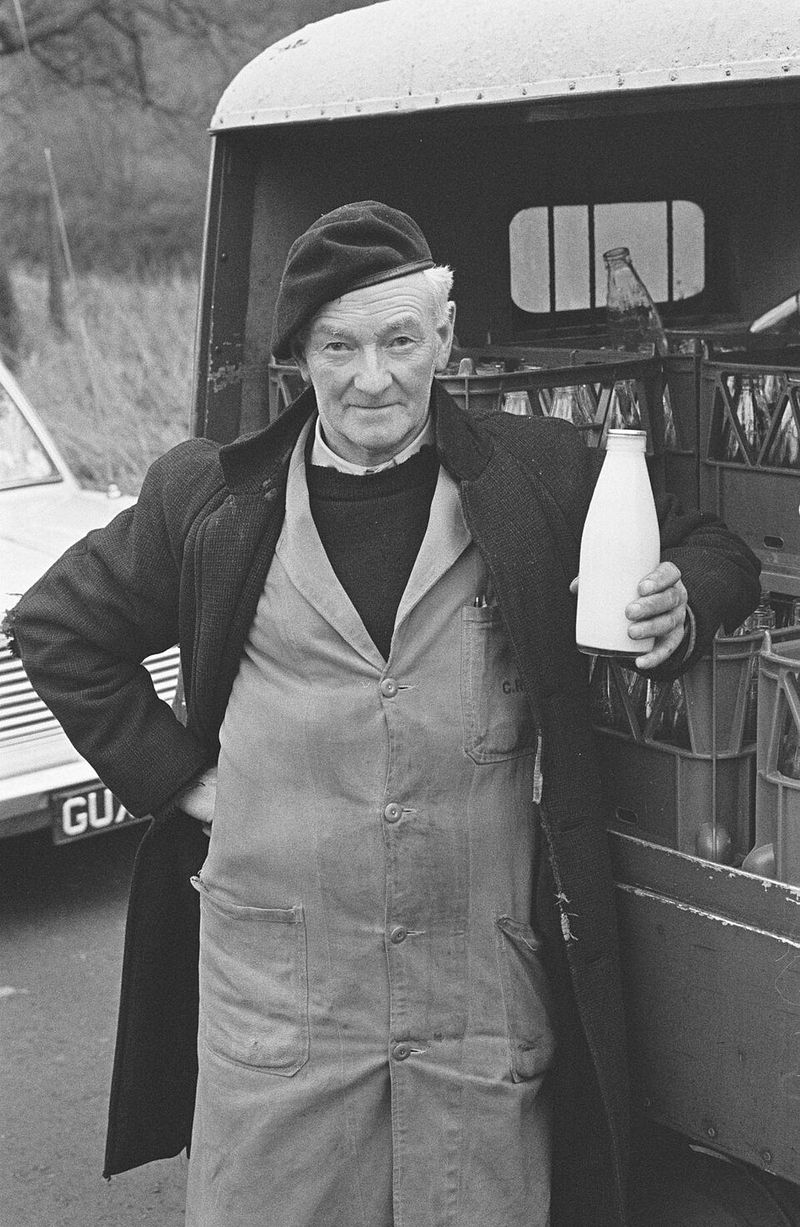
Long before grocery apps, the milk showed up on its own. Delivery drivers dropped bottles at doorsteps before many families finished breakfast.
Drivers followed set routes, swapped empty bottles for full ones, and collected payments. Some also sold eggs, butter, and cream.
Early mornings came with the territory, in rain or snow. Drivers often knew their customers by name.
By 1970, home delivery had already dropped from its peak, but it still served many neighborhoods. A driver for an established dairy could count on regular hours and predictable work.
Big supermarkets and reliable home refrigerators changed shopping habits. Families simply grabbed milk during weekly grocery trips.
Some local dairies have revived delivery through subscriptions. Still, the neighborhood milkman is now a rare sight on most streets.
13. Bowling Alley Pinsetter
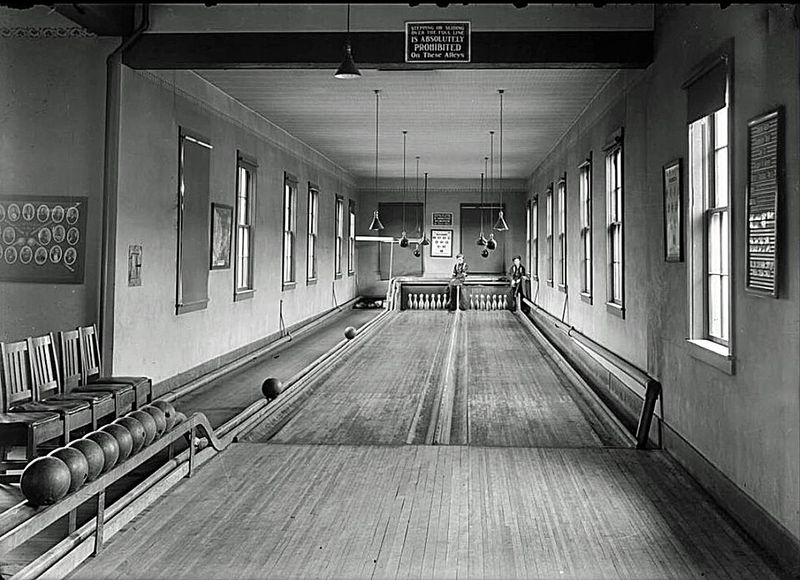
Here is the honest exception on this list. Pinsetting rarely supported a family, but it shows how fast machines can erase a familiar job.
Workers called pinboys sat behind the lanes. They cleared fallen pins, returned balls, and reset each frame by hand.
The work was tiring and risky, since flying pins and balls demanded quick reflexes. Pay often ran just $1.00 to $2.00 an hour plus tips, and many workers were teenagers.
Automatic pinsetters were invented in 1936 and patented in 1941. After AMF machines spread in the 1950s, most big bowling centers dropped human setters.
By 1970, manual pinsetting was mostly a memory. Some alleys now hire mechanics to fix jams.
Only a few historic venues still reset pins the old way.
14. Directory Assistance Operator
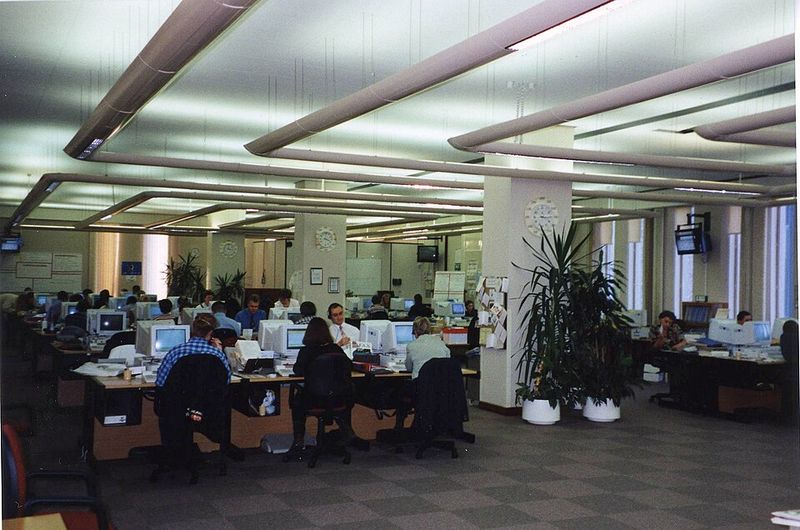
Need a phone number in another city? In 1970, you dialed 411 and a real person found it for you.
Directory assistance operators searched huge printed listings at high speed. Callers expected answers within seconds.
The service mattered most for numbers outside your local phone book. Traveling salespeople and families with distant relatives relied on it often.
Pay matched other operator jobs, with a median near $4,300 a year in 1970. Big phone companies still offered structured raises and benefits.
Computer databases soon replaced paper listings, cutting search time. Later, the internet and smartphones made calling 411 almost unnecessary.
Limited services still exist, often automated or run by small teams. A job built around finding phone numbers faded once everyone carried a searchable directory in their pocket.
15. Automobile Assembly-Line Spot Welder
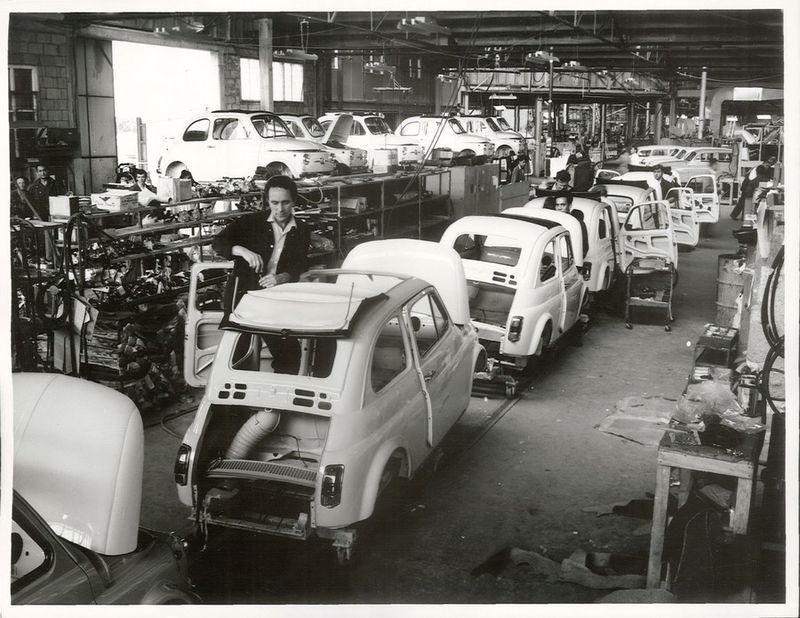
Detroit in 1970 ran on muscle and union contracts. Spot welders stood on assembly lines joining metal panels into car bodies, shift after shift.
The work was repetitive, loud, and physically hard. Workers handled heavy welding guns that hung from overhead lines.
The payoff was real, though. Thanks to the United Automobile Workers, auto jobs paid an average of about $170 a week in 1970, with solid benefits.
That income let many workers buy homes and raise families without a college degree. Early 1970s contracts pushed wages and benefits even higher.
Robots changed the picture. General Motors began using robotic welders in the late 1960s, and they spread across the industry.
Skilled welders still work in repair and fabrication. On modern assembly lines, though, robotic arms now handle most spot welds.
Share this story