Pull out the old toy chest, because the 1980s gave kids some of the most memorable playthings ever made. Puzzles, plush pals, action figures, and early video games all landed in homes during those ten years, and many are still easy to recognize today.
This list covers 20 favorites that filled bedrooms, backpacks, and living room floors. Some were hard to find in stores, some came with clever packaging, and some sparked cartoons, comics, and movies.
Whether you played with them yourself or only heard stories from older relatives, each one has a fun backstory. Scroll through, spot your favorites, and see how many you remember owning.
You might even find a few that make you want to check the attic.
Rubik’s Cube
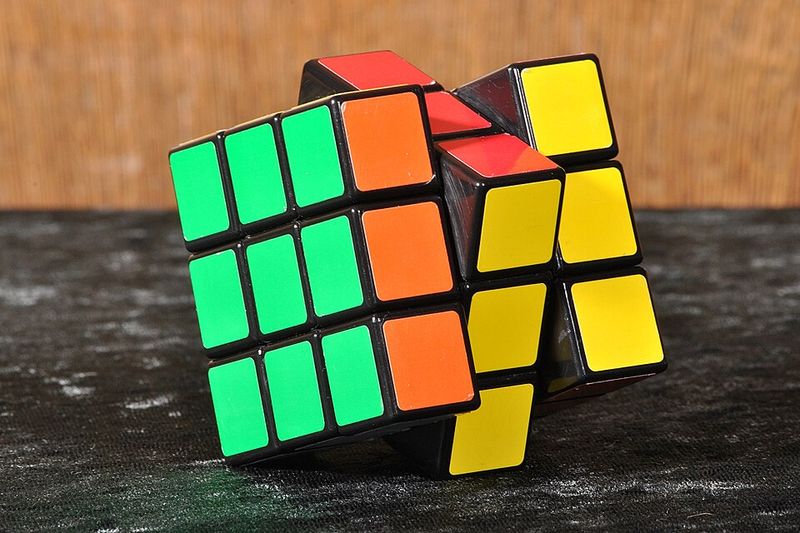
Six colors, one stubborn puzzle, and millions of twisted wrists. The Rubik’s Cube was created by Hungarian designer Ernő Rubik in the 1970s, but it reached international stores under its familiar name in 1980.
Sales took off fast. Within about two years, roughly 100 million cubes had been sold, which shows how quickly the craze spread from kids to grown-ups.
The goal sounds simple. Turn the sides over and over until every face shows just one color again.
In practice, many people ended up with a cube that looked even more mixed up than when they started.
That challenge was exactly the appeal. Friends compared methods, raced one another, and passed cubes around at school and at home.
The puzzle still sits on shelves and desks today, and its bright, blocky look instantly says early 1980s. Few toys from the decade are as easy to spot across a room.
Cabbage Patch Kids
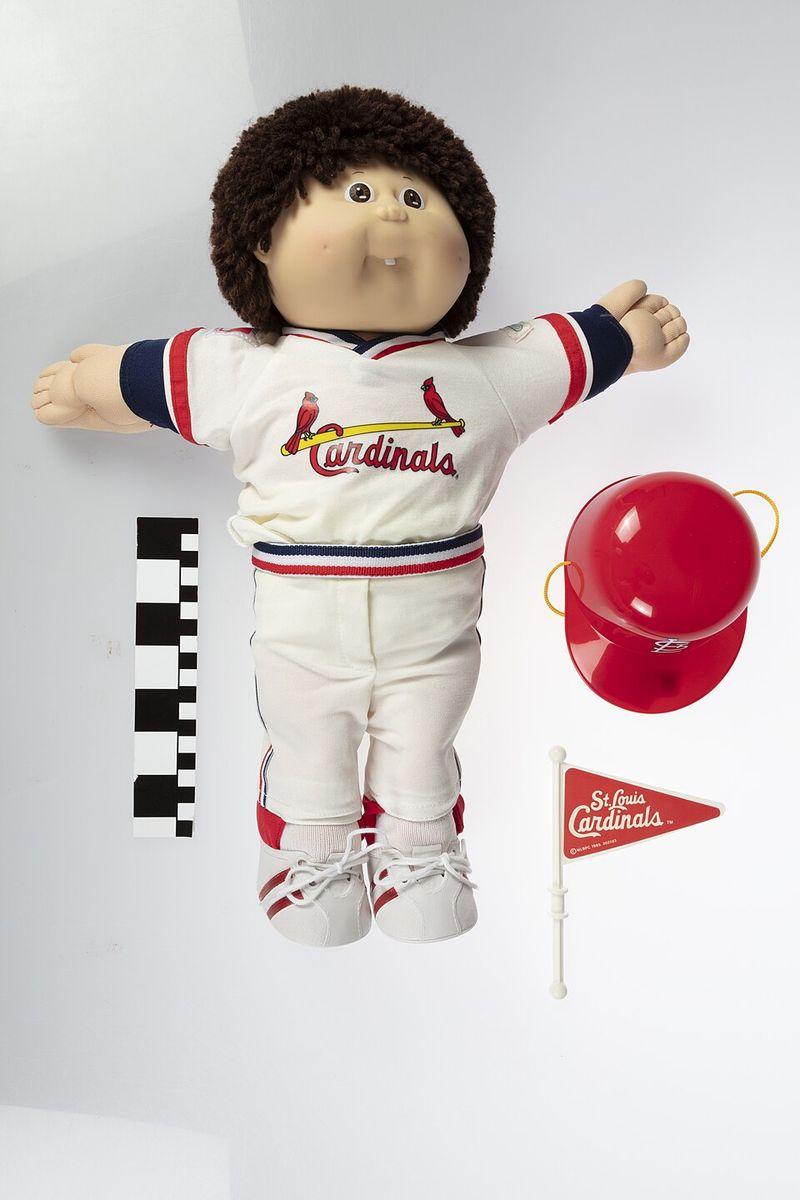
Holiday shopping in 1983 turned into a competition. Coleco’s Cabbage Patch Kids were so popular that stores struggled to keep them stocked, and long lines and highly publicized scuffles broke out among shoppers.
Part of the draw was the story behind each doll. Every one came with its own name, a birth certificate, and adoption papers.
That paperwork changed how kids thought about the toy. Instead of simply buying a doll, they were adopting a one-of-a-kind little person and taking on the job of caring for it.
The soft bodies and round vinyl faces gave each doll a different look, so no two seemed quite alike. Children carried them everywhere and treated them like real family members.
Plenty of collectors still hunt for original dolls with their papers. Having those documents handy can matter when a vintage doll is being sold or traded.
He-Man and the Masters of the Universe
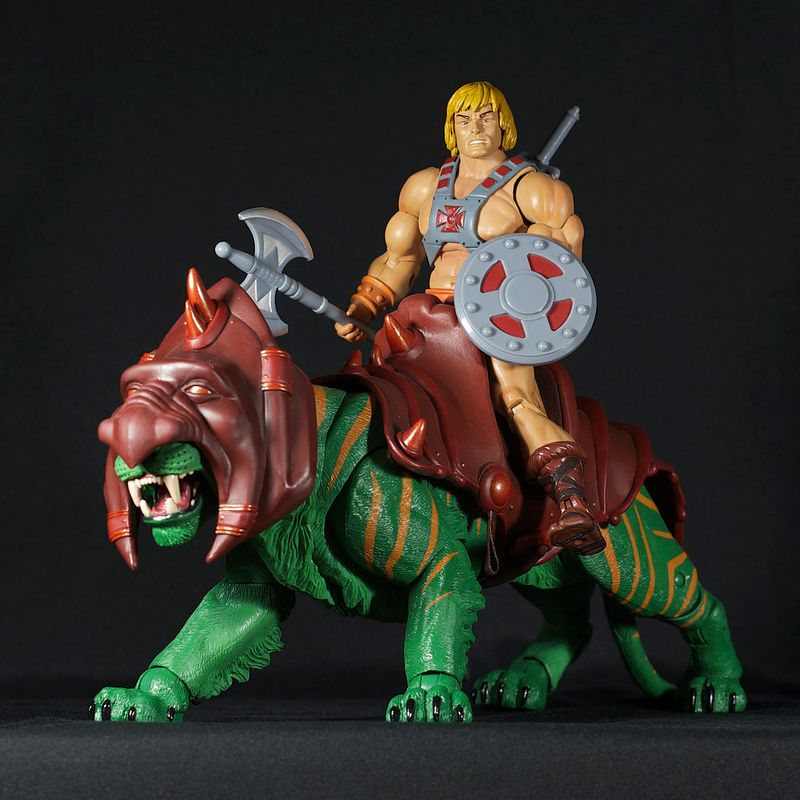
Eternia had a loyal army living in 1980s toy boxes. Mattel launched the original Masters of the Universe line in 1982, mixing muscular fantasy warriors with futuristic weapons, creatures, vehicles, and large playsets.
He-Man led the heroes, Skeletor schemed on the other side, and Battle Cat gave kids a fierce animal sidekick to add to the action. Each figure had its own look, so collecting felt like building a whole world.
The story grew even bigger in 1983 when the animated He-Man and the Masters of the Universe series arrived. Suddenly the characters had voices, battles, and plotlines kids could act out after school.
That mix of toys and television was a powerful combination. Playtime could pick up right where the cartoon left off.
Vintage figures remain popular among collectors, and the bold, chunky style is easy to recognize on sight.
Transformers
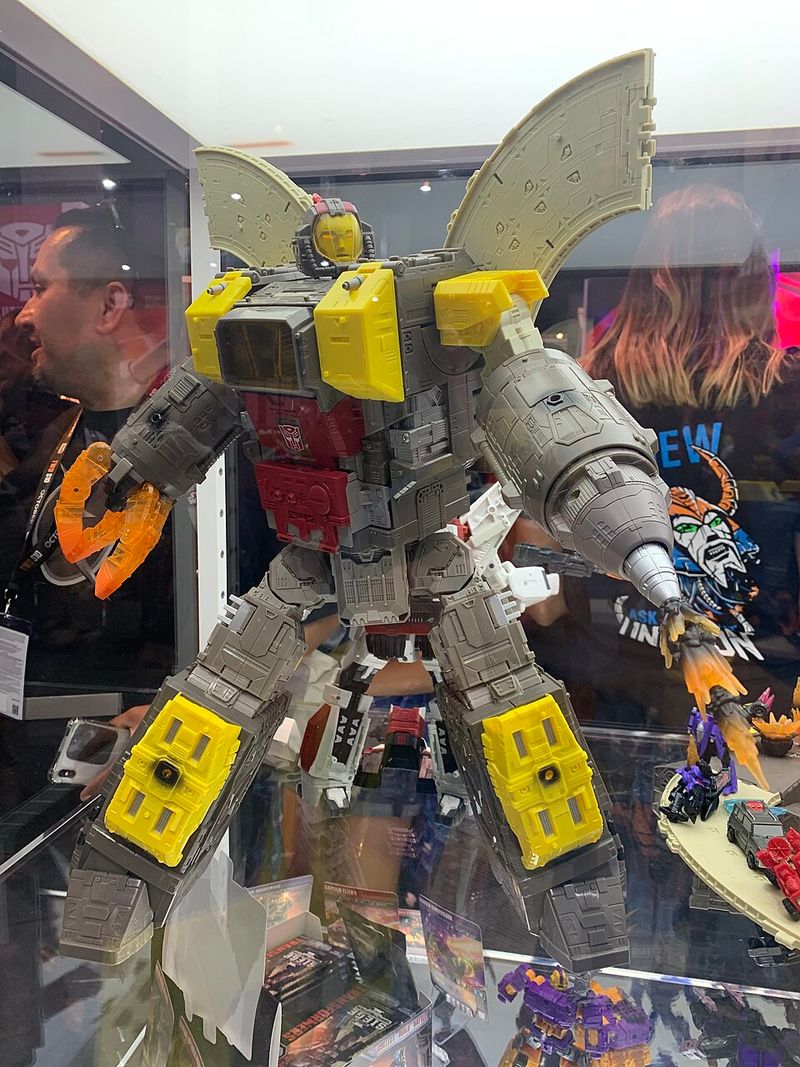
Here was a toy that changed shape right in your hands. Transformers arrived in 1984 with the idea that a vehicle could be converted into a robot and back again.
Hasbro adapted Japanese transforming toys into a new franchise built around two sides, the Autobots and the Decepticons. Optimus Prime, Bumblebee, Megatron, and Starscream became the headliners.
Comic books and an animated series gave the characters personalities and a long-running story. Kids could watch an episode, then recreate the fight with figures in the backyard.
Part of the fun was figuring out the steps. Folding arms, flipping panels, and swinging legs into place felt like solving a small puzzle each time.
The line became one of the defining children’s franchises of the decade, and the sight of a truck turning into a hero is still tied to the 1980s for many fans.
My Little Pony
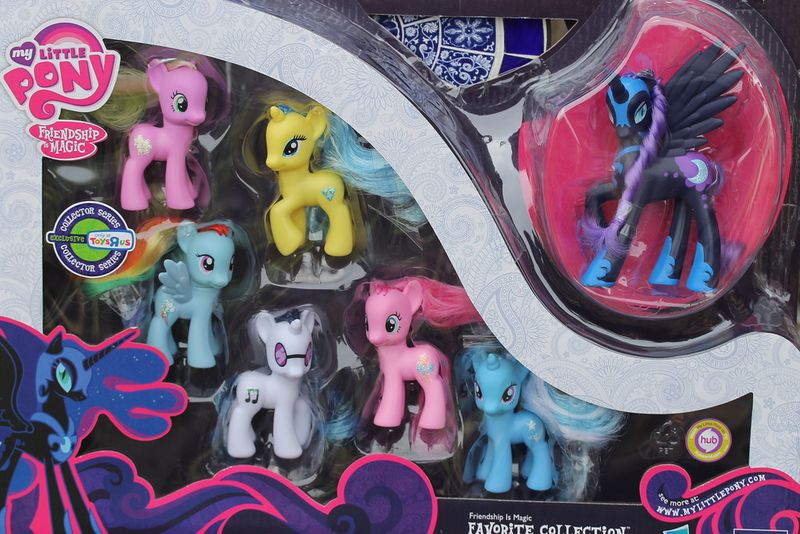
Six small vinyl ponies started it all. Hasbro introduced My Little Pony in 1983, designing the toys for imaginative play and collecting.
Each pony had a long, brushable mane and a distinctive symbol on its side. Kids could comb hair, arrange tiny scenes, and give every character a name and a story.
The brand grew quickly into many more characters and into television entertainment. That meant a new pony was always waiting on a store shelf, and collections seemed to expand with every trip.
Pastel shades made the ponies easy to spot in a pile of toys. Lined up on a dresser, a set looked like a rainbow parade.
The line has returned in many forms since, but the original 1980s ponies still have a loyal following. Their soft colors and simple, friendly faces are a big part of that lasting charm.
G.I. Joe: A Real American Hero
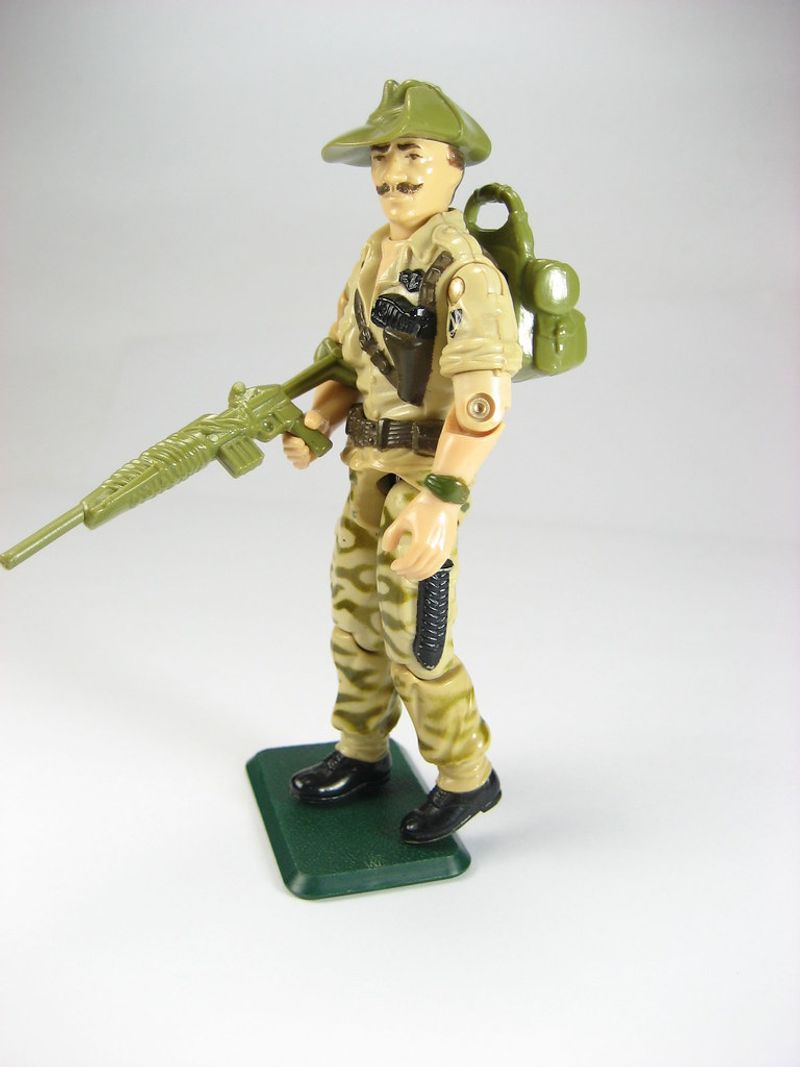
The soldier was an old name, but the 1980s version looked brand new. G.I.
Joe had existed since the 1960s, yet the brand went through a major transformation in the early part of the decade.
Hasbro brought Joe back as smaller 3.75-inch action figures. Vehicles, playsets, comics, and animated television adventures rounded out the world.
Collecting became a big part of the fun. Heroes such as Duke and Snake Eyes faced off against the Cobra villains, and every new figure added another character to the story.
The smaller size mattered, too. A kid could fit a whole team in one pocket and still have room for a vehicle or two.
Many 1980s kids spent hours staging huge imaginary battles across the living room floor. Those mission setups were as much a part of the toy as the figures themselves.
Care Bears
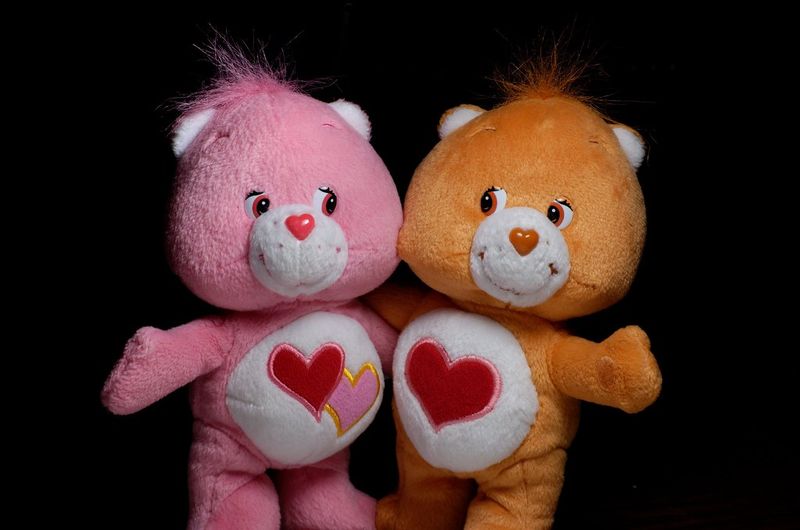
Bellies with pictures on them were everywhere in the 1980s. Care Bears began as characters and then spread into plush toys, television programs, movies, books, and other merchandise.
Their cheerful designs made them easy to recognize. Cheer Bear, Grumpy Bear, and Tenderheart Bear each had a look and a personality that kids could pick favorites from.
The Strong museum describes the characters as entertaining children since the early 1980s, which shows how long they have been part of toy history.
Each bear’s belly symbol gave a quick hint about who it was. Kids could grab one that matched their mood or collect a whole group.
Soft fur and bright colors made the plush versions popular for bedtime and for carrying around. Vintage bears are still easy to spot at flea markets and in online listings.
Teddy Ruxpin
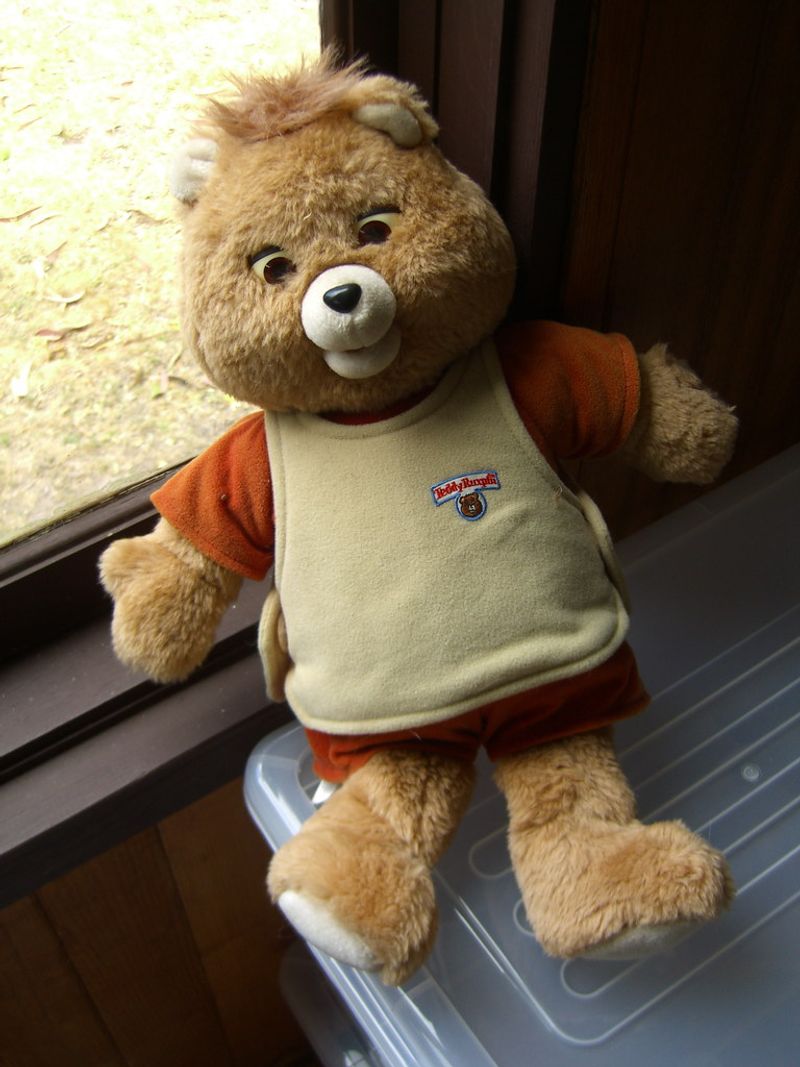
A bear that could read to you felt like science fiction in 1985. Teddy Ruxpin looked like a plush toy, but inside was an audio cassette system.
When a tape played, Teddy told stories while his mouth and eyes moved along with the words. Kids could sit back and watch him act out each tale.
Ken Forsse created the character, and Worlds of Wonder originally produced it. The talking bear became one of the biggest toy hits of the mid-1980s.
Extra story tapes and books gave children more adventures to play. Swapping in a new cassette was like opening a fresh chapter.
Teddy also helped make electronic, interactive toys seem exciting and new. Many later talking and moving toys followed the path he helped open, which makes him a key figure in toy history.
Rainbow Brite
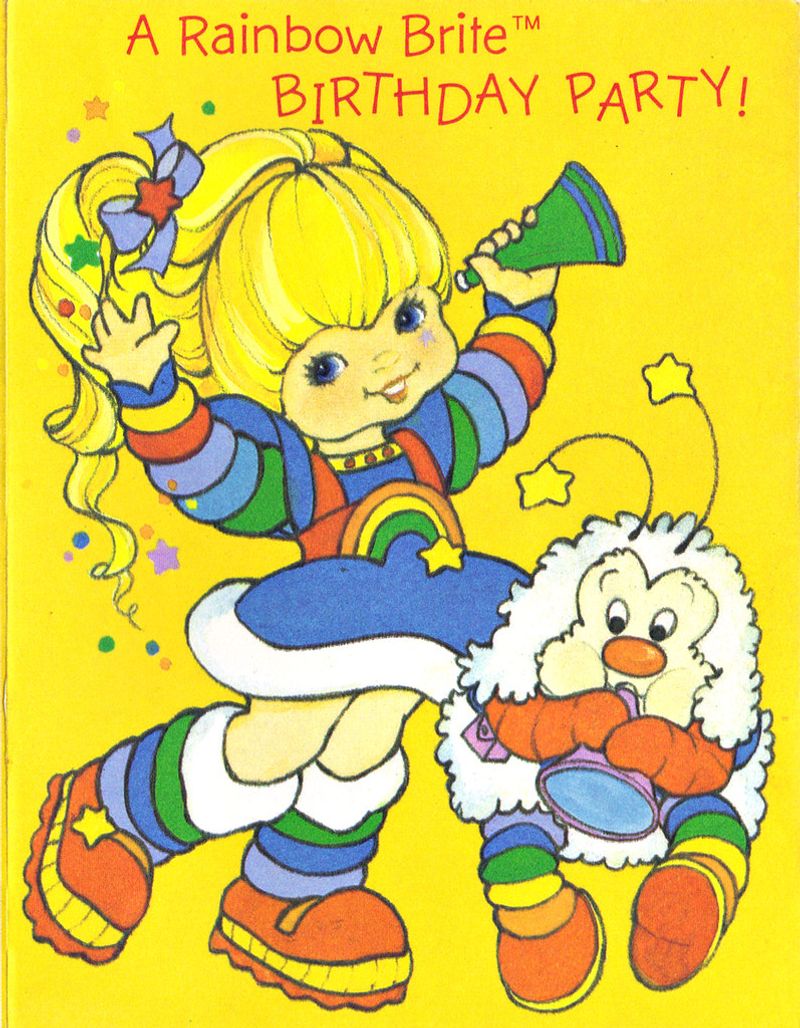
Hardly any character of the decade used as many colors as Rainbow Brite. Hallmark developed the fantasy heroine into a major consumer brand.
The brand included dolls, books, comics, television specials, a series, and even a feature film. That wide reach made her easy to find in many parts of a child’s life.
Kids could collect Rainbow Brite herself along with other characters from the bright world of Rainbow Land. Each friend added another shade to a growing group.
Her look was bold, with a rainbow-striped outfit and cheerful style that stood out on toy shelves. It matched the era’s love of vivid color.
The franchise reflects how character-based toys exploded in the 1980s. A single idea could become a doll, a story, and a cartoon at the same time, and Rainbow Brite did all three.
Strawberry Shortcake Dolls
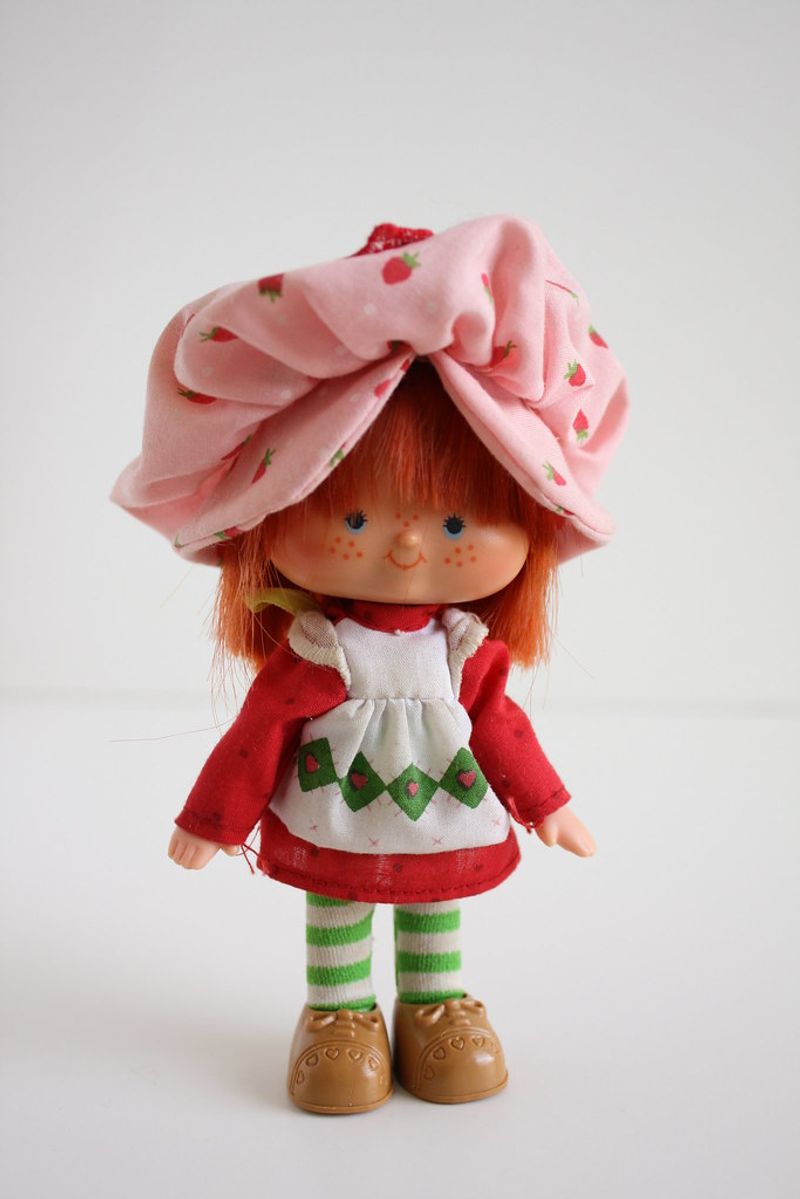
Most dolls looked the part, but these ones came with a scent. Kenner released the famous scented Strawberry Shortcake dolls in 1980.
The character had originally appeared in American Greetings artwork before moving into toy form. That card-shop beginning gave her a sweet, storybook feel.
Strawberry was joined by dessert-and-fruit-themed friends such as Blueberry Muffin and Huckleberry Pie. Each friend had her own look and fragrance.
The world kept growing with tiny pets, accessories, and more characters. Collectors could build an entire little neighborhood on a shelf.
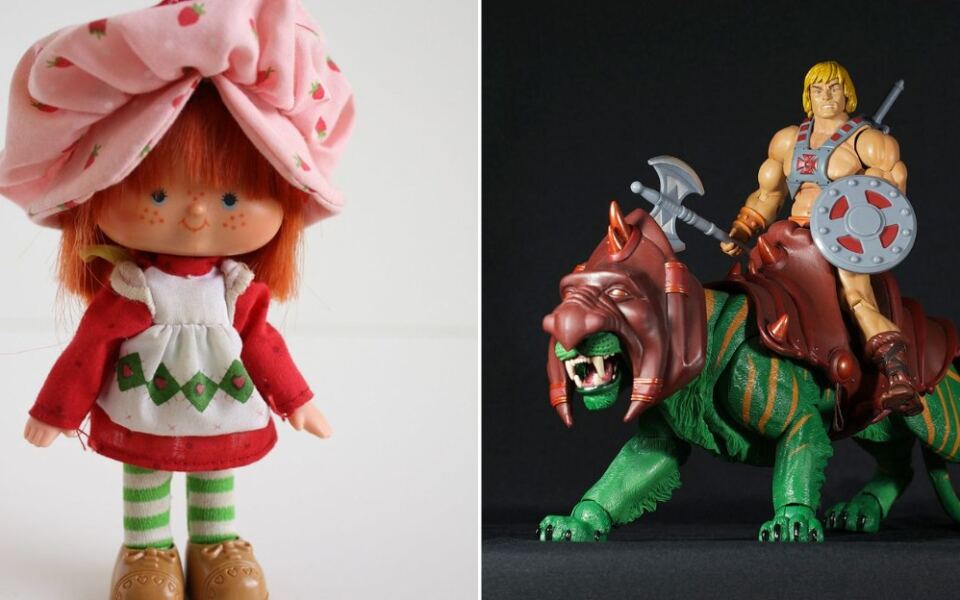
Vintage dolls are still sought after by fans who remember the original line. Their floppy hats, ruffled outfits, and cheerful faces make them easy to pick out from other toys of the time.
She-Ra: Princess of Power
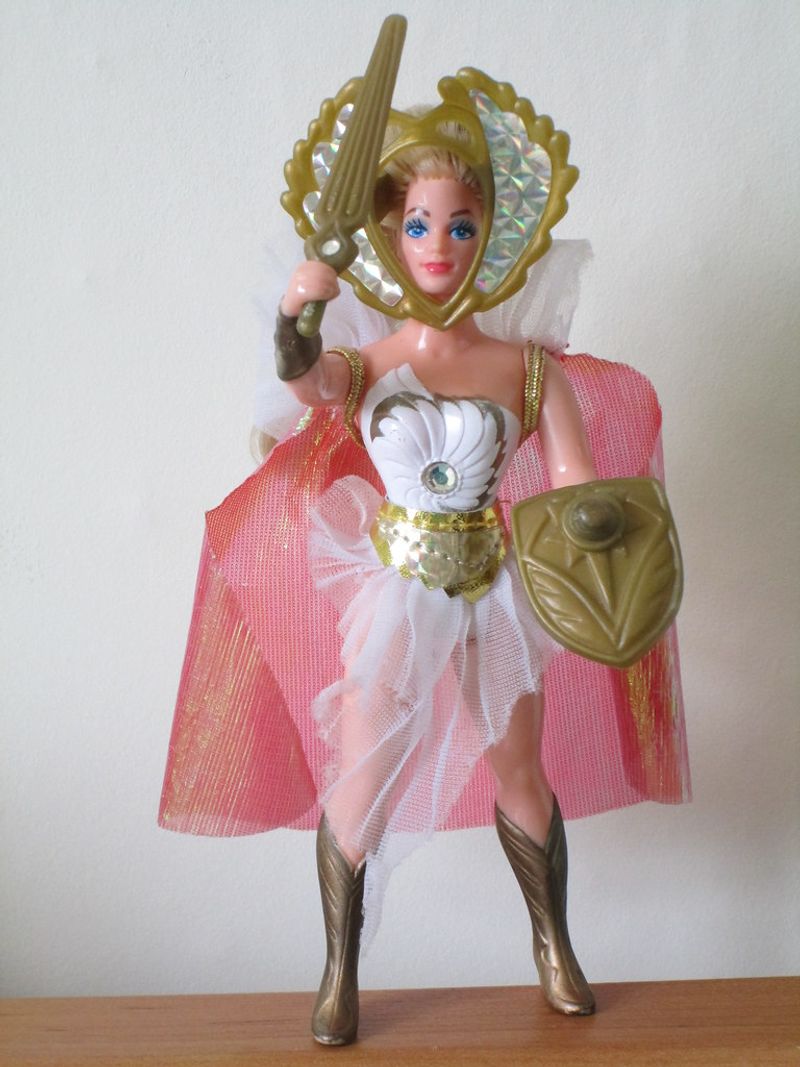
Eternia was not the only fantasy world on the toy aisle. Mattel’s Princess of Power line brought She-Ra into 1980s playrooms with a cast of her own.
The line was connected with the Masters of the Universe world. It included She-Ra alongside heroes, villains, creatures, accessories, and playsets.
Mattel dates the vintage Princess of Power line to the mid-1980s. It ran alongside the original Masters of the Universe collection.
The figures blended the feel of a fashion doll with the adventure of an action figure. Long hair, bold outfits, and fantasy gear gave kids plenty to play with.
That mix helped it become a major franchise of its own. Collectors still look for the original dolls and their accessories, since small pieces often went missing years ago.
Pound Puppies
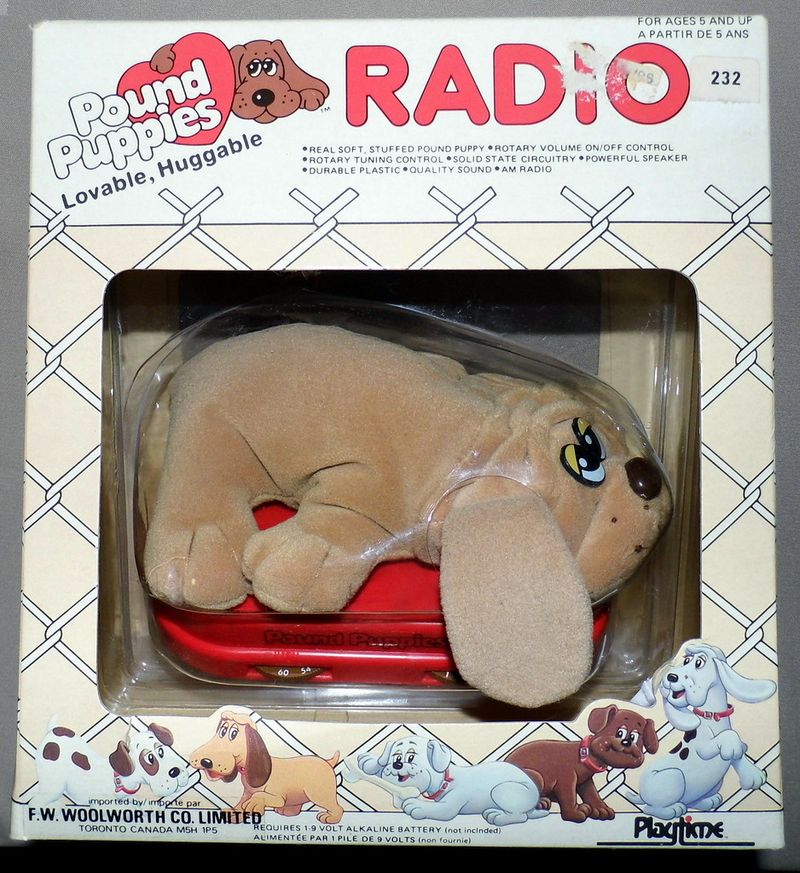
Adoption was part of the play. Pound Puppies packaged soft, floppy plush dogs so they looked like puppies waiting for new homes.
Mike Bowling created the toys, and they appeared in the mid-1980s. Paperwork in the package reinforced the idea that a child was rescuing a pet.
That small detail made the toy feel personal. Kids were not just picking up a stuffed animal, they were giving a pup a family.
Droopy ears and wrinkly faces gave each puppy a sad-but-sweet look. Many children carried theirs around like a real dog.
The toys became so successful that they soon inspired television entertainment. A growing group of puppy characters followed, so collectors always had another pup to bring home.
Popples
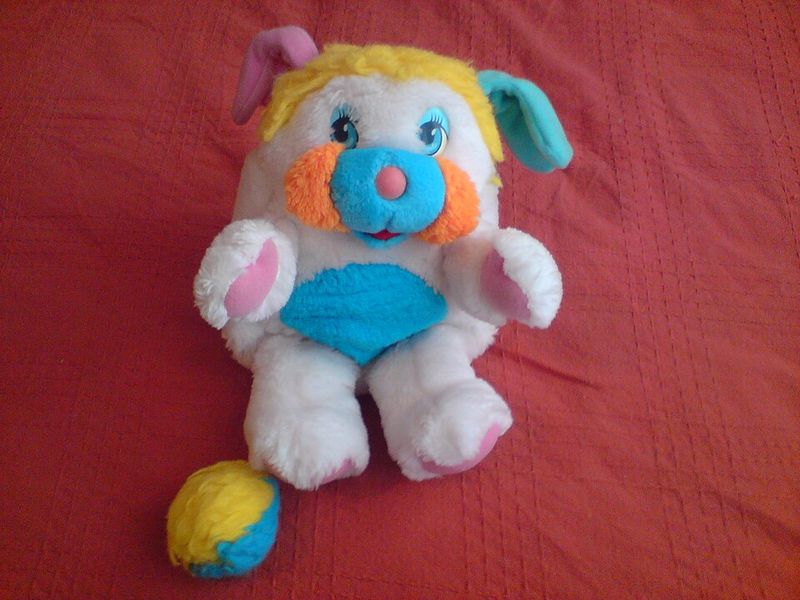
Flip it, fold it, and it becomes a ball. Popples were colorful plush creatures with a pouch on the back that they could tuck themselves into.
That reversible design was the big trick. One moment a Popple was a furry character, and the next it was a soft, round bundle.
The characters joined the growing world of 1980s toys and television. An animated Popples series began airing in 1986.
Bright colors and unusual shapes helped them stand apart. Even among a decade full of imaginative plush characters, they were hard to confuse with anything else.
Kids liked tossing them, hiding them, and showing friends the transformation. That simple pop-in, pop-out action made them playful without needing any batteries or tapes.
Teenage Mutant Ninja Turtles Action Figures
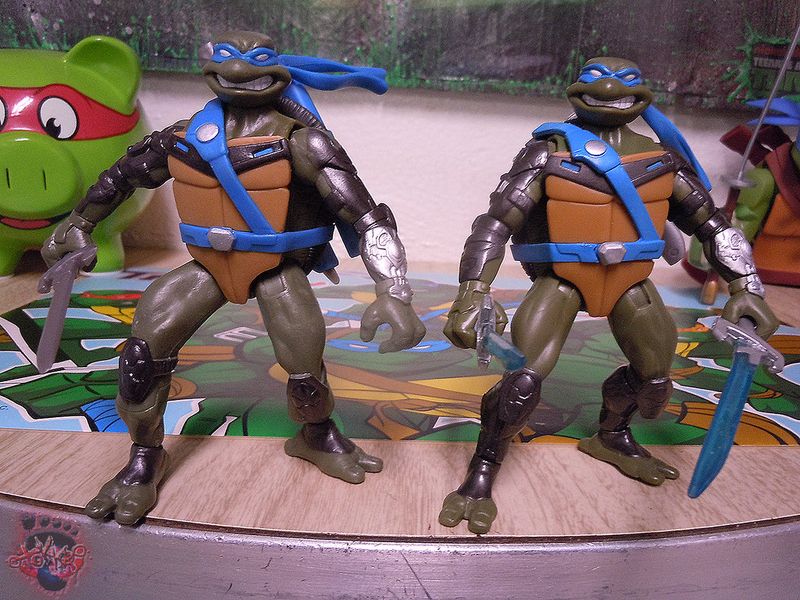
Four brothers with colored masks became toy-box royalty near the end of the decade. Leonardo, Donatello, Raphael, and Michelangelo each had a look kids could spot right away.
Playmates Toys began producing the action figures in 1988. The line followed the success of the animated series.
The original assortment included the four Turtles plus Splinter, Shredder, Bebop, Rocksteady, and April O’Neil. That gave kids both heroes and villains from the start.
Vehicles, odd villains, and endless variations soon followed. Every shopping trip seemed to bring a new figure or playset to want.
Many kids picked a favorite Turtle based on mask color and weapon. Arguing over who was best became a playground habit all its own.
Nintendo Entertainment System
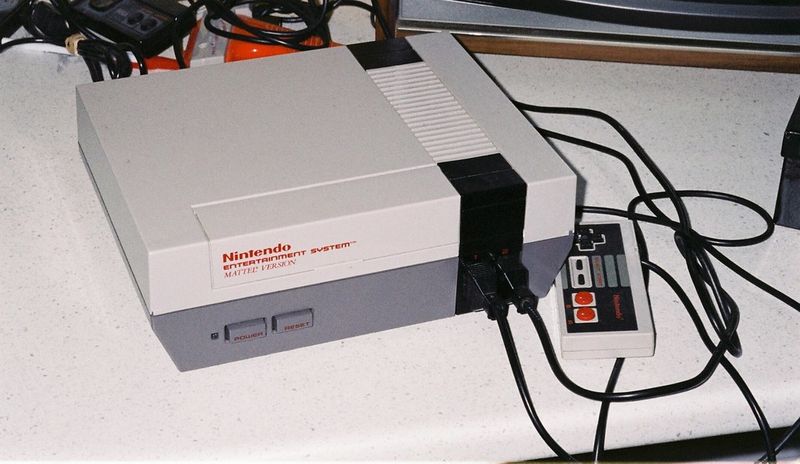
Some kids counted a game console as their best toy. Nintendo launched the Nintendo Entertainment System in North America in 1985.
It helped revitalize the home video game market after the industry’s early-1980s downturn. Families who had lost interest in games found a reason to look again.
Games such as Super Mario Bros. transformed afternoons and weekends. Kids traded tips, argued over turns, and tried to beat levels one more time.
The gray console and rectangular controllers became permanent fixtures beneath millions of televisions. Plugging in a cartridge was a daily routine for many households.
Blowing into the cartridge was a famous ritual, even if it did not always help. Today the system remains a symbol of 1980s play and the start of a new era in gaming.
Nintendo Game Boy
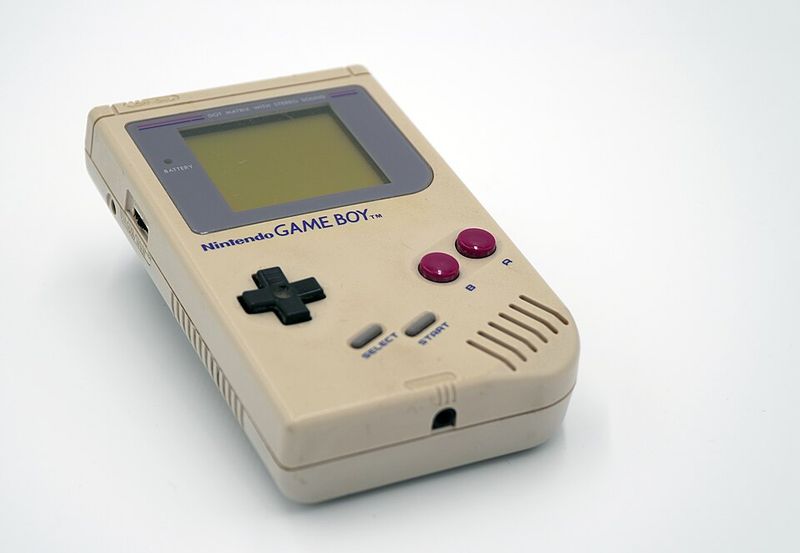
By 1989, the TV was no longer required. The original Game Boy brought cartridge-based gaming into a portable package.
It became an immediate success, and kids took it on car rides, to school, and to friends’ houses. Games could now go wherever a pocket or backpack could.
Tetris was famously bundled with the system in many markets. Titles including Super Mario Land widened its appeal even further.
The handheld had a small screen and a chunky gray body. Even with simple graphics, it was easy to lose track of time with a puzzle or platform game.
Battery use was a regular topic, so spare batteries often traveled along. The Game Boy became one of the final great toy and gaming sensations of the decade.
Micro Machines
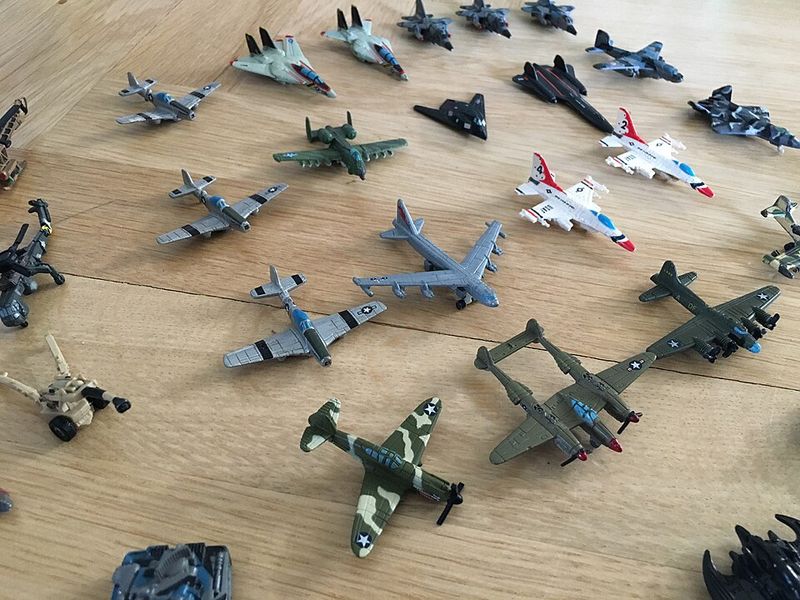
Tiny vehicles were big business in the late 1980s. Galoob introduced Micro Machines during the second half of the decade.
The line offered miniature cars, trucks, aircraft, military vehicles, and playsets. Variety meant kids could build a whole fleet.
Small size made collecting easy on the budget and on storage space. A surprising number could fit without needing an enormous toy chest.
The brand also became famous for fast-talking television commercials. The quick pace of the announcer matched the speedy little vehicles.
Kids could carry a handful in a pocket and set up a race almost anywhere. Playsets added roads, garages, and scenes to drive through.
Koosh Ball
Almost nobody could pick one up without squeezing it. The Koosh Ball was simple, weird, and hard to resist touching.
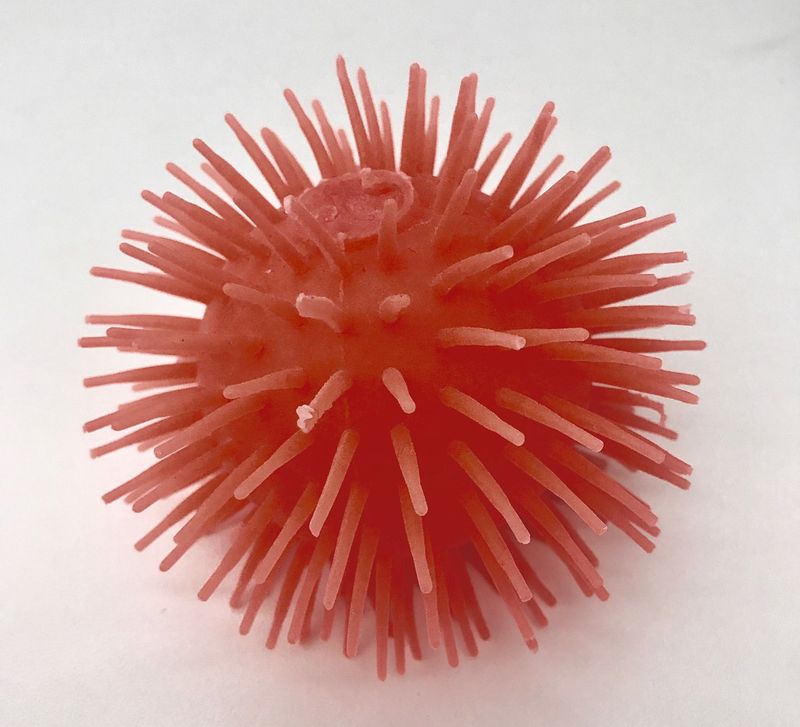
Introduced at the end of the 1980s, it was made of hundreds of soft rubber strands that formed a squishy ball. It was easy to throw and catch.
The texture made it feel nothing like an ordinary rubber ball. It could be tossed indoors without much worry, which parents appreciated.
Bright colors gave it a playful look on any shelf. Kids tossed them across classrooms and living rooms and compared favorite shades.
The original design quickly inspired more Koosh toys and accessories. A basic idea turned into a whole product family.
Polly Pocket
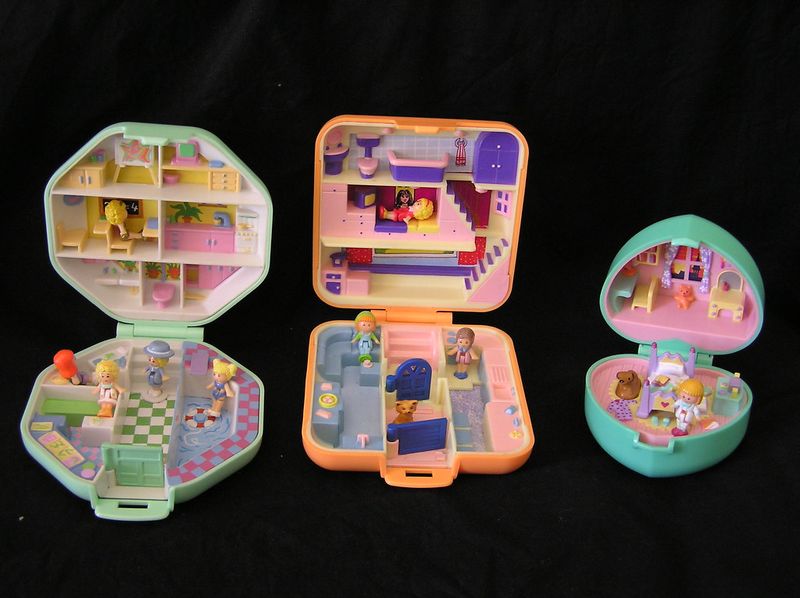
A whole tiny world could fit in one hand. The original Polly Pocket compact playsets debuted in 1989.
Each case opened to reveal a small molded room or setting. Inside were equally tiny figures ready for play.
The pocket-size format was a huge part of the appeal. Children could close the case and carry the entire playset along.
Later, they could reopen a miniature house or fantasy world almost anywhere. Car rides, waiting rooms, and school bags became play spaces.
Small pieces needed careful handling, which made keeping everything inside the case a habit. The clever design still gets credit as one of the decade’s most inventive travel toys.
Jenga
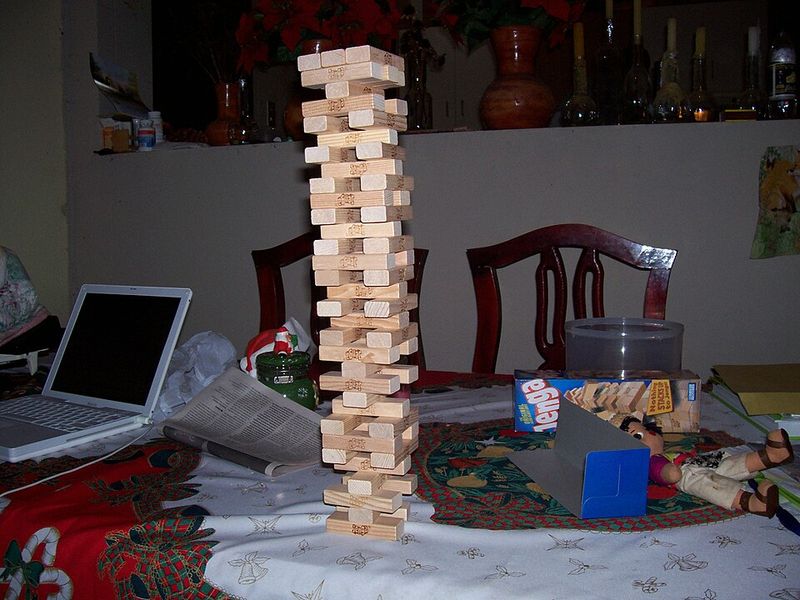
Every turn raises the tension a little higher. Jenga turned a simple stack of wooden blocks into one of the tensest games around.
Leslie Scott developed it from a block-stacking activity her family played while she was growing up in Africa. She began manufacturing and marketing Jenga during the 1980s.
The idea could hardly be simpler. Remove a block from the tower and stack it on top without causing everything to crash onto the table.
Players slide, tap, and test each piece before pulling. A shaky tower makes everyone at the table go quiet.
Because the rules take seconds to learn, it works well for groups of different ages. The game remains a popular pick for family nights and parties.
Share this story