Centuries before anyone owned a robot vacuum, clever craftspeople were building mechanical dolls that could write letters, draw pictures, and play tunes. Some of these figures ran on nothing more than springs, gears, and spinning metal drums.
Audiences in the 1700s sometimes refused to believe there was no tiny person hiding inside. Many of these machines still work today, and a handful of museums keep them ticking for curious visitors.
You can watch a silver swan catch a fish, crank a fortune teller from the 1920s, or see department store window characters move again after nearly a century. Some collections let you push the buttons yourself, while others schedule careful demonstrations of priceless pieces.
This list covers museums in France, Switzerland, the Netherlands, the United Kingdom, and the United States. Each entry explains what makes the collection special, which famous machines to look for, and a few practical tips for planning your visit.
Some stops are quiet and historic, and others are loud, quirky, and hands-on. Keep reading to find out where the oldest working machines live and which museum lets you play with history for a quarter.
1. Morris Museum, Morristown, New Jersey
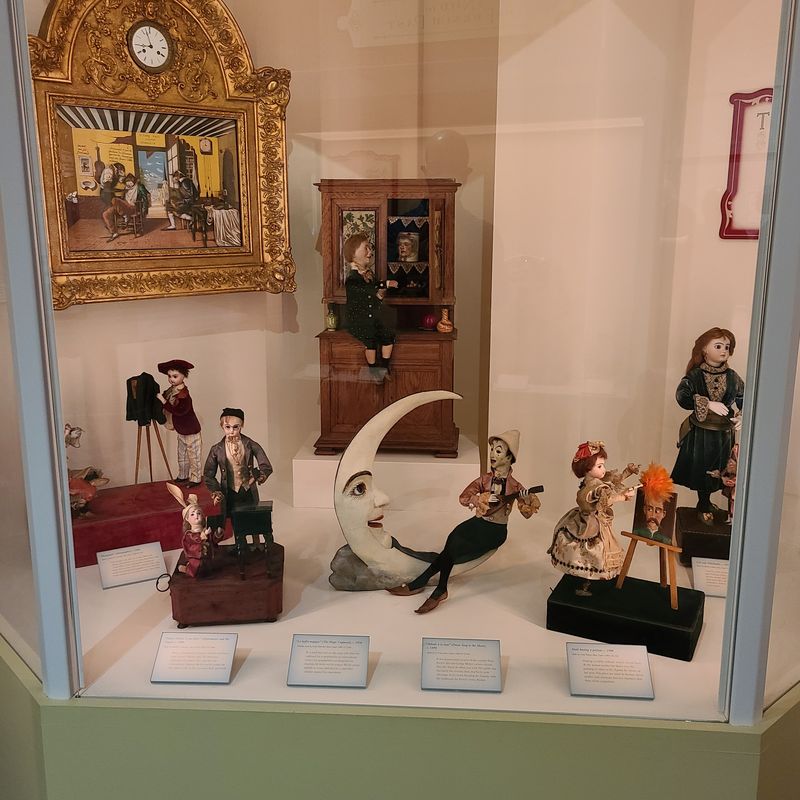
Murtogh D. Guinness spent decades collecting machines that could make music all by themselves.
His treasures now fill a gallery at the Morris Museum in Morristown.
The Guinness Collection ranks among the most important groups of mechanical musical instruments and automata in the United States. It includes music boxes, self-playing organs, and figures that move while tunes play.
Some automata show magicians, acrobats, and dressed-up animals performing tiny routines. Many date to the 1800s, when French makers led the world in this craft.
Here is the practical part. Most pieces are too delicate to run all day, so the museum offers scheduled demonstrations and guided tours where staff operate selected machines.
Check the museum calendar before you go. Timing your trip around a demo makes a huge difference, since a still automaton is only half the story.
The museum also covers art, science, and local history. That mix makes it an easy pick for groups with different interests, especially kids who think music needs a phone.
2. Musée d’Art et d’Histoire, Neuchâtel, Switzerland
A small boy made of wood and metal dips a quill in ink and writes a full sentence. He has been doing it since the 1770s.
The Writer is one of three famous automata built by Pierre Jaquet-Droz, his son Henri-Louis, and Jean-Frédéric Leschot. The other two are the Draughtsman, who sketches pictures, and the Musician, who plays a real organ with her fingers.
The Writer can be programmed to write different texts using a wheel of interchangeable letters. Some historians call it an early ancestor of the computer.
The Musician even appears to breathe and moves her eyes while she plays. Visitors often notice she bows at the end of each piece.
These figures are not running all day. Demonstrations happen on set dates, usually the first Sunday of the month, so check ahead.
Arrive early on demonstration days because seats fill fast. The museum also has strong collections of Swiss art and history to explore afterward.
3. MuMAPS Musée de la Mécanique d’Art et du Patrimoine, Sainte-Croix, Switzerland

Sainte-Croix sits high in the Jura mountains, and for generations its families built music boxes through long winters. Their skill turned the town into a world capital of the craft.
MuMAPS tells that story through cylinder music boxes, disc players, singing birds, and animated figures. Many pieces were made right in the region.
A highlight is seeing how a tiny metal comb and a pinned cylinder can produce a complete song. Guided tours explain each step without getting too technical.
Small singing bird boxes are a local specialty. A feathered bird pops out of a lid, flaps, turns, and performs, then disappears again.
Tours are the best way to see the machines work, so plan your timing with the museum schedule. Guides often share stories about the workers who built these pieces at kitchen tables.
Nearby, the CIMA music box center offers more of the same craft. Visiting both makes a satisfying day for anyone who wants the full Sainte-Croix experience.
4. The House on the Rock, Spring Green, Wisconsin
Alex Jordan Jr. started building a quirky retreat on a rock column in the 1940s. He never really stopped, and the result is one of America’s strangest attractions.
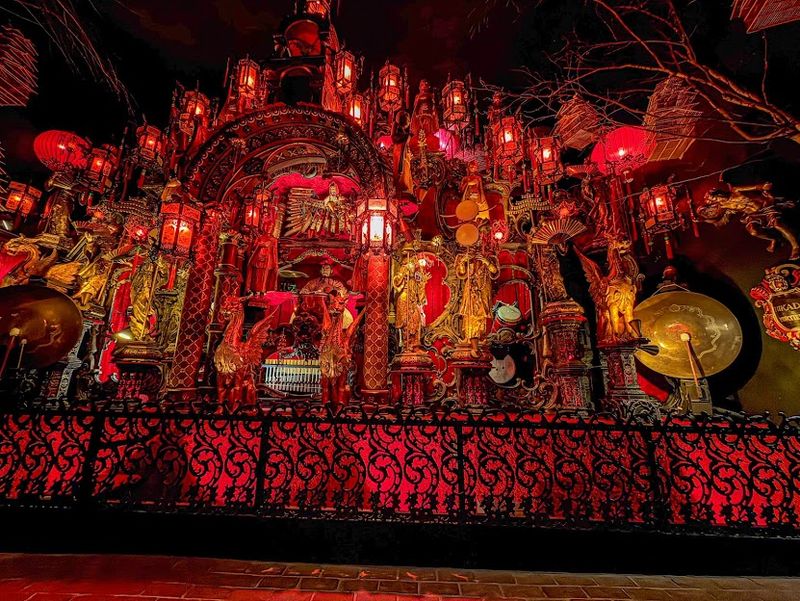
The House on the Rock holds massive collections, but its mechanical music machines steal the show. Visitors drop tokens into huge automated orchestras that play real instruments.
The Mikado is a favorite. It features a Japanese-themed stage with drums, cymbals, and moving parts that perform together.
Another stop, the Carousel Room, displays one of the world’s largest indoor carousels, with over 260 animals and not a single horse. That detail surprises almost everyone.
Bring comfortable shoes because the full tour can take several hours. The route is split into sections, and many guests pick one or two instead of doing everything at once.
Buy tokens early for the music machines. Watching an entire band of gears play a tune is the whole point, so do not leave your pockets empty.
5. Musée Mécanique, San Francisco, California
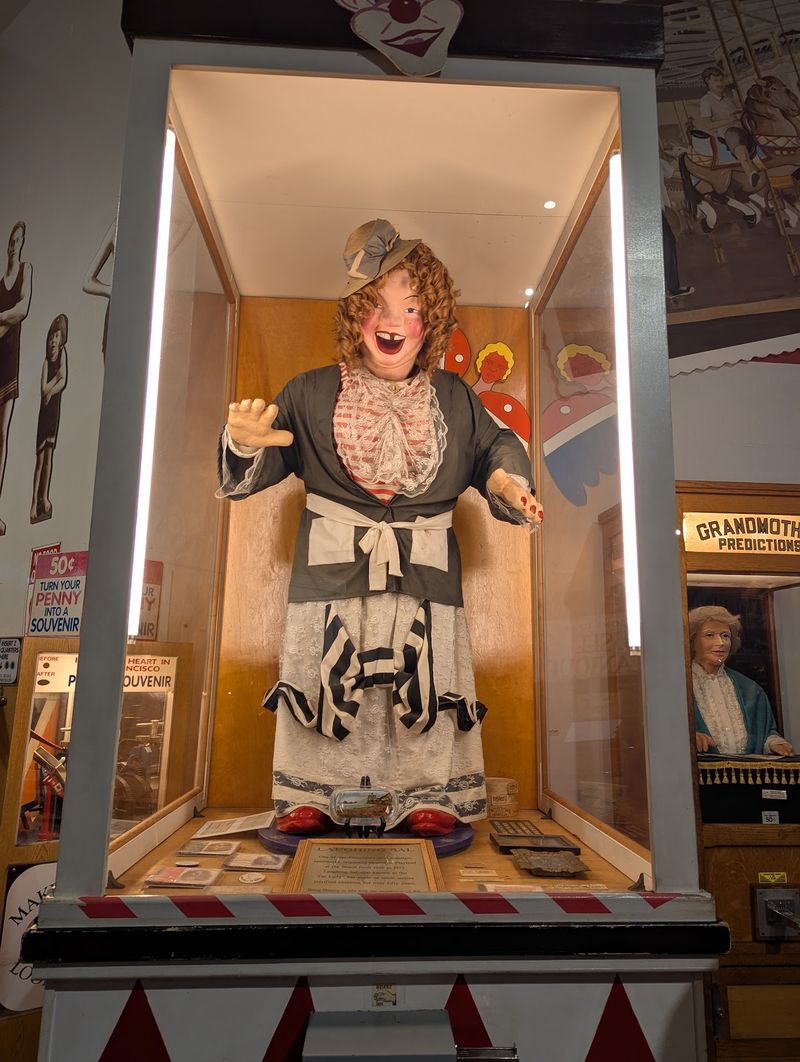
Pocket change is the best ticket in San Francisco. At Musée Mécanique, a few quarters unlock more than a century of entertainment.
Admission is free, and the museum sits on Pier 45 at Fisherman’s Wharf. Inside are hundreds of coin-operated machines, from fortune tellers to tiny animated carnivals.
The most famous resident is Laffing Sal, a giant cackling figure who once greeted visitors at a seaside amusement park. Kids either love her or hide behind their parents.
Other highlights include hand-cranked movie viewers, old strength testers, and miniature scenes built with toothpicks. Most machines still work, which is rare for antiques this old.
The collection began with Edward Zelinsky, who started buying machines as a boy. His family still runs the place today.
Bring a roll of quarters or use the change machines inside. Weekday mornings are calmer, and you can easily spend an hour feeding history one coin at a time.
6. Musée des Automates, Falaise, France
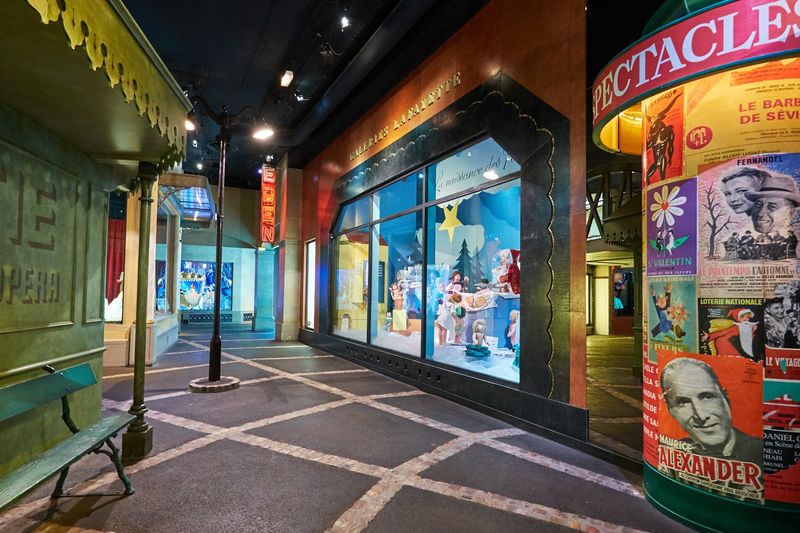
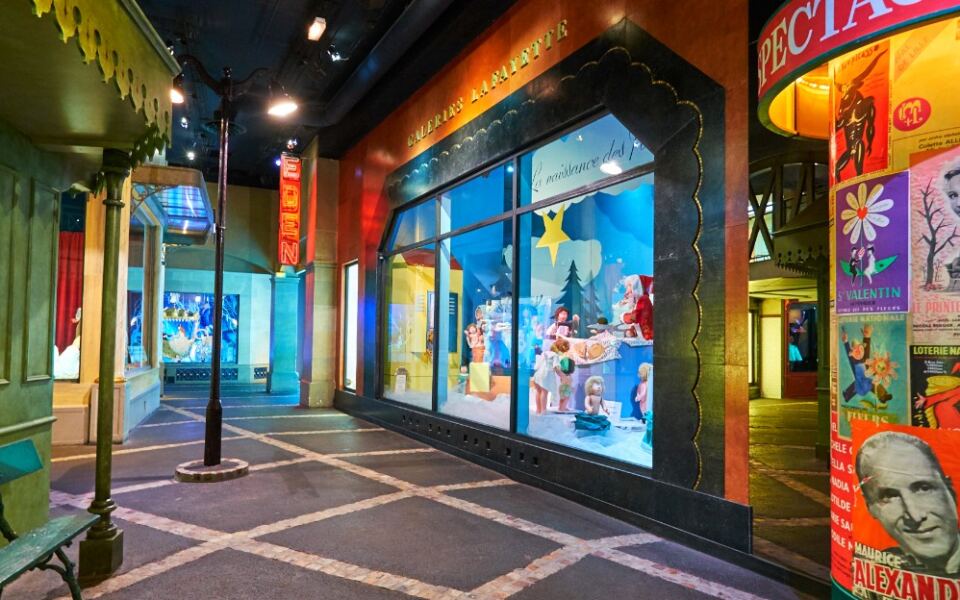
Holiday shopping in 1930s Paris meant crowds pressing their noses against store windows full of moving characters. Falaise, a small Normandy town, now keeps that tradition alive.
The museum holds around 300 automata, many built for famous stores like Galeries Lafayette, Le Bon Marché, Printemps, and La Samaritaine. Most came from the Roullet-Decamps workshops between the 1920s and 1960s.
More than ten full scenes are on display. Several were designed by well-known French illustrators, including Peynet, Dubout, and Effel, who loved poking gentle fun at daily life.
The layout recreates a Parisian street, so visitors stroll past window after window on a self-guided tour. An expert restorer keeps the figures in shape, and a computerized system protects the mechanisms while they run.
Families will appreciate the extras too. There is a shop, a digital art space called a Micro-Folie, a Fablab, and free temporary exhibitions.
Plan around an hour here, then pair it with a visit to the nearby castle of William the Conqueror.
7. Museum Speelklok, Utrecht, Netherlands
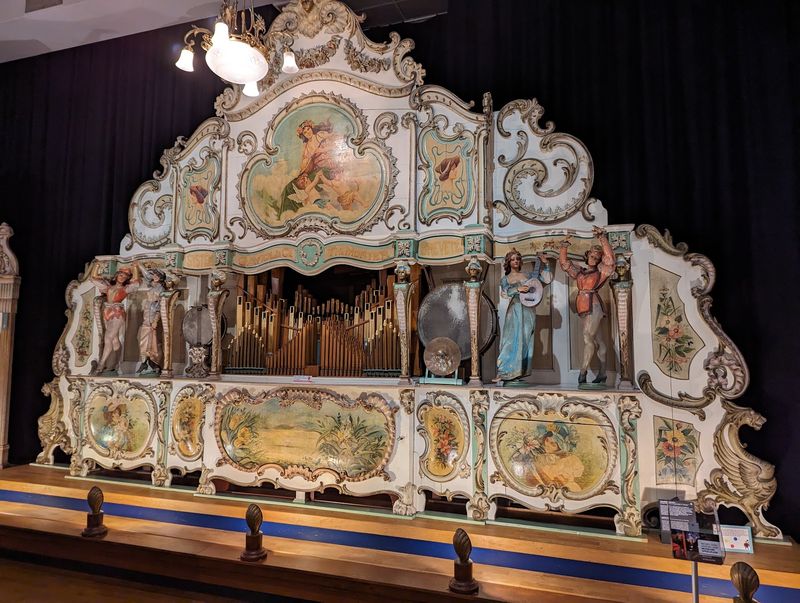
Few museums are housed inside a medieval church, and fewer still fill it with dancing organs. Museum Speelklok in Utrecht does both.
The collection focuses on self-playing instruments. Expect musical clocks, music boxes, pianolas, and the famous Dutch street organs painted in bright colors.
Some pieces date back to the 1500s. A few clocks feature small figures that move whenever the hour strikes.
The real draw is the guided tour. Staff play the machines live and explain how punched cardboard books and pinned barrels control every note.
The museum also has a workshop where restorers repair instruments. Visitors can sometimes peek in and watch the careful work happening.
Tours run several times a day and are included with admission. English options are available, but checking the schedule helps.
Utrecht itself makes a pleasant day trip from Amsterdam, about half an hour by train. Combine the museum with a canal walk and the nearby Dom Tower for a full outing.
8. York Castle Museum, York, England, United Kingdom
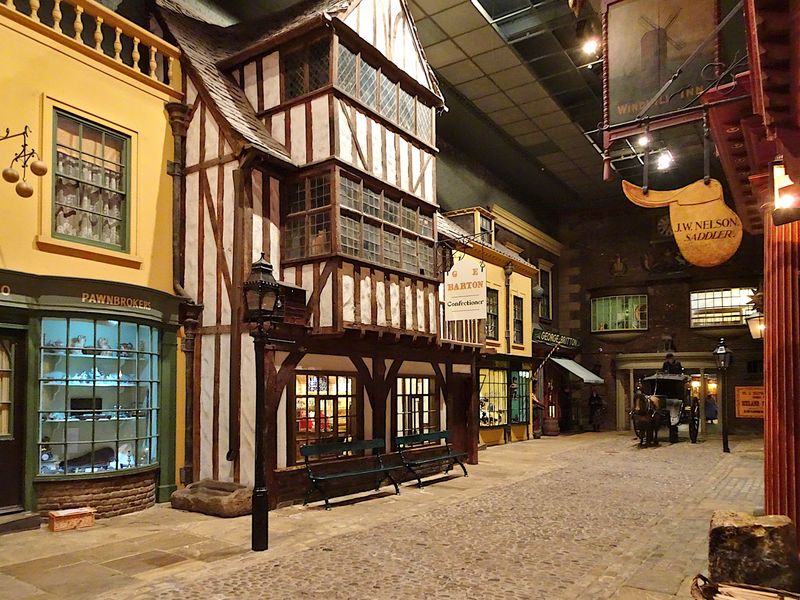
British seaside piers once rang with coins dropping into spooky little puppet shows. York Castle Museum brings that pier culture indoors.
Its Mechanical Marvels display gathers fourteen machines from the twentieth century. The group includes automata, mutoscopes, and a stereoscope.
A mutoscope is an early movie viewer. You turn a crank, and a stack of photo cards flips past to create moving pictures.
The automata tell short stories with familiar characters, including Dracula and Aladdin. Some scenes are mildly spooky, which makes them a hit with older kids.
Best of all, several machines actually work. Visitors can try them and see why arcade fans lined up for these tiny shows.
The rest of the museum is worth your time too. Kirkgate, a recreated Victorian street, is one of its most popular sections.
Give yourself at least two hours for the whole building. York’s city center is compact, so this stop pairs easily with the Minster and the old city walls.
9. The Bowes Museum, Barnard Castle, England, United Kingdom
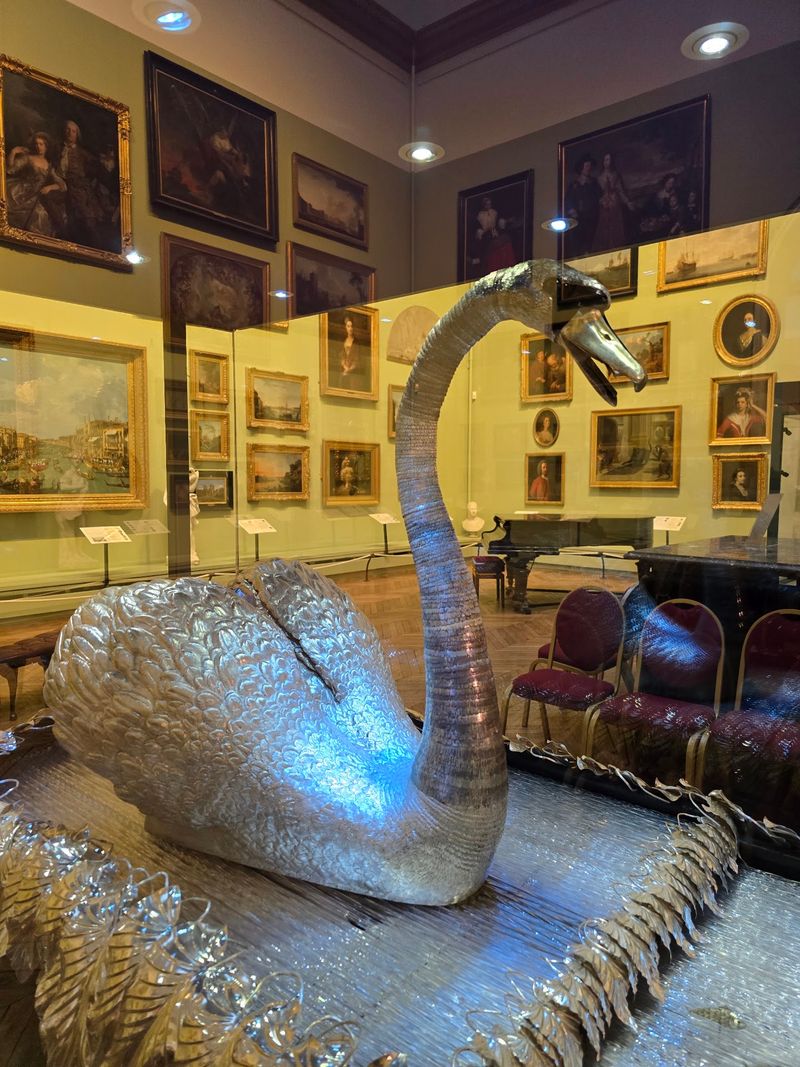
Mark Twain saw this swan in 1867 and wrote about its living grace. Over 150 years later, it still draws crowds every day it performs.
The Silver Swan is the star of The Bowes Museum in County Durham. It was built in the 1770s by James Cox and John Joseph Merlin.
The life-size bird sits on a stream made of twisted glass rods. During its show, it turns its head, preens its feathers, and then dips down to catch a small silver fish.
The whole performance lasts about 40 seconds. Three clockwork mechanisms inside control the music, the water, and the swan’s movements.
Demonstrations happen once a day at a set time, usually early afternoon. Staff recommend arriving a little early to find a good viewing spot.
The museum building looks like a French palace dropped into the English countryside. Its art, fashion, and decorative collections can easily fill a full day.
10. American Visionary Art Museum, Baltimore, Maryland
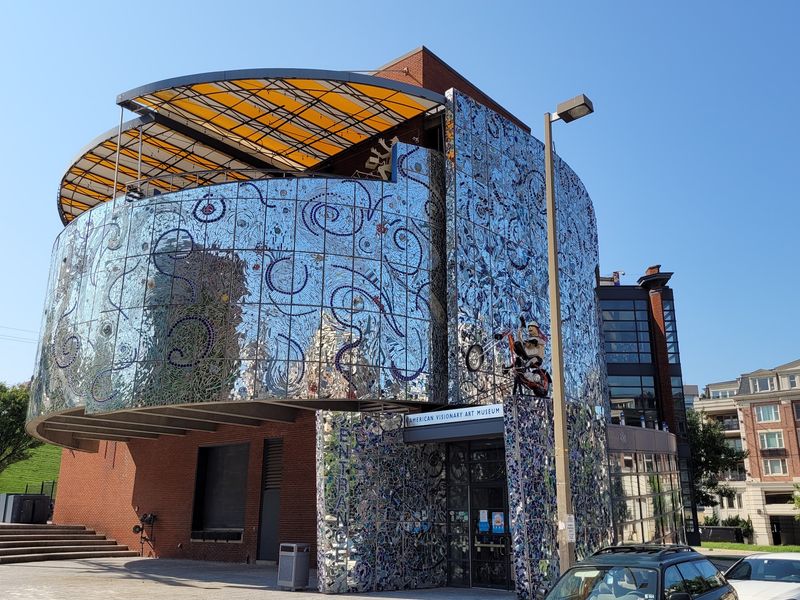
Cranks, cams, and a healthy sense of humor drive the automata at this Baltimore favorite. The American Visionary Art Museum celebrates self-taught artists, and its moving sculptures fit right in.
The museum owns 45 automata from the original Cabaret Mechanical Theatre collection. That British group helped spark a modern revival of the art form starting in the 1970s.
These pieces are very different from eighteenth-century clockwork. Most are carved from wood and tell silly, clever little stories.
One figure might be stuck in a never-ending chore. Another shows a goofy creature popping up at just the wrong moment.
Many works let you see the gears and cams, so the mechanics become part of the joke. Kids quickly figure out how the movement works.
The museum sits near Baltimore’s Inner Harbor, and its outside walls are covered in mirrored mosaics. Spend time in the other galleries too, since the whole building is packed with unusual creative work.
11. Aberdeen Art Gallery, Aberdeen, Scotland, United Kingdom
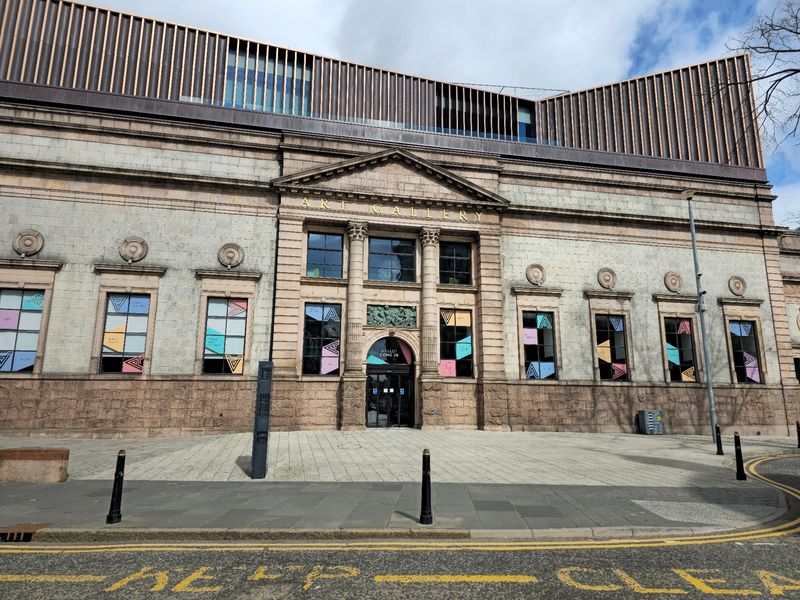
Granite buildings and grand paintings are what most people expect from Aberdeen Art Gallery. Right now, the surprise guests are mechanical.
The gallery is hosting Making Waves: Amazing Machines, an exhibition built around pieces from Cabaret Mechanical Theatre. It runs through October 25, 2026.
The show focuses on how modern artists took an old tradition and made it fresh. Expect quirky characters, playful mechanisms, and plenty of visible gears.
Many works are interactive. Turning a handle or pressing a button sets a tiny scene in motion, which keeps younger visitors busy for ages.
The exhibition also helps explain basic engineering ideas. Cams, cranks, and levers become easy to understand once you watch them move.
Since this is a temporary show, plan your trip before the closing date. Check the gallery website for opening hours and any booking details.
The building itself reopened in 2019 after a major renovation. Its rooftop space offers a fine view across the city center.
12. American Museum & Gardens, Bath, England, United Kingdom
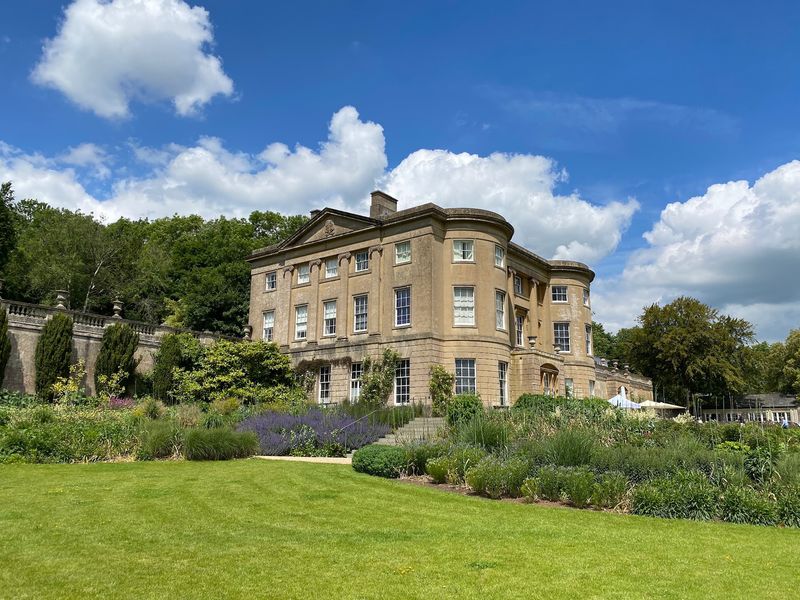
Roll up, roll up, and press the button. A whole circus of wooden performers is waiting near Bath.
The American Museum & Gardens is hosting Circus of Curiosities, featuring 25 animated sculptures from Cabaret Mechanical Theatre. The show runs through January 3, 2027.
Acrobats, strongmen, and odd little animals spring into action with buttons and hand cranks. Each piece is small, but the movements are clever and often funny.
The circus theme makes it easy for kids to connect with. Adults tend to enjoy spotting how a simple crank creates surprisingly complex motion.
Fun fact: this is the only major museum of American decorative arts outside the United States. It sits in a historic manor house called Claverton Manor.
Leave time for the gardens, which offer wide views over the Limpley Stoke Valley. A visit can easily stretch into an afternoon.
The museum is a short trip from central Bath. Check seasonal opening dates first, since hours change during winter.
13. Discovery World, Milwaukee, Wisconsin

Gears are not just for clockmakers. At Discovery World, they are tools for teaching how real machines work.
This science and technology museum sits on Milwaukee’s Lake Michigan shoreline. Its Milwaukee Muscle exhibition explores the city’s manufacturing history and the mechanics behind it.
Cabaret Mechanical Theatre contributed automata to the exhibit. Their playful moving sculptures sit alongside hands-on displays about engines, pulleys, and production.
That mix is the smart part. Visitors see a funny wooden figure move, then learn the same principles that power factory equipment.
It works especially well for students. Kids who think engineering sounds boring often change their minds after cranking a few handles.
Discovery World also offers aquariums, a tall ship, and plenty of other interactive zones. Budget at least half a day if you want to see more than one section.
Wisconsin fans could even pair this with The House on the Rock. Together they make a mechanical road trip about two hours apart.
Share this story