Cold air, early sunsets, and glowing windows can make a city feel like a storybook. Across Europe, winter turns familiar streets into something calmer, cozier, and a little bit magical.
From steamy baths to Arctic skies, each place on this list has its own way of making the chilly months shine. Pack a warm hat and get ready to meet your next cold-weather getaway.
Tallinn, Estonia
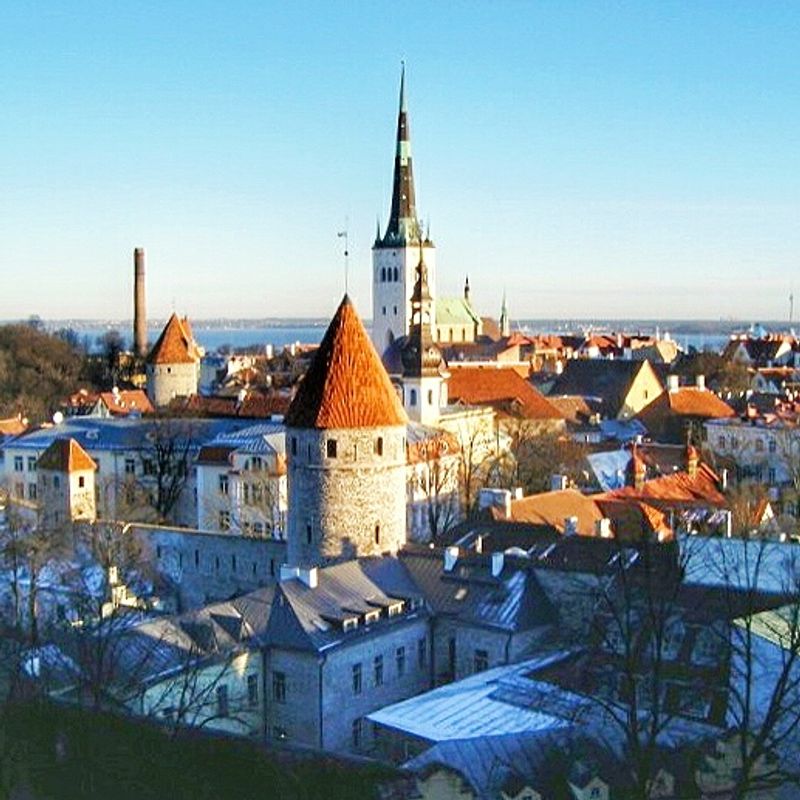
Picture a fairy-tale town where the rooftops wear snow like frosting. That is Tallinn’s Old Town in winter, and it is hard to look away.
The lanes and many of the buildings date from the 13th to 16th centuries, when the city was a busy Hanseatic trading hub.
Town Hall Square is the heart of the season. The Christmas Market usually runs from late November to early January, with warm drinks, crafts, and twinkling lights.
After the stalls pack up, the city still has concerts, exhibitions, and cozy cafés ready to welcome frozen travelers.
Walk the old fortified walls if the paths are safe and not icy. Snow sharpens the outlines of the towers and church spires, so photos almost take themselves.
Wear shoes with good grip, because cobblestones and ice make a slippery team.
Fancy a bit of sport? In the nearby district of Nõmme, you can even try cross-country skiing without leaving the city.
Few capitals let you swap sightseeing for skiing so easily. Tallinn proves that medieval charm and winter fun fit together nicely.
Salzburg, Austria
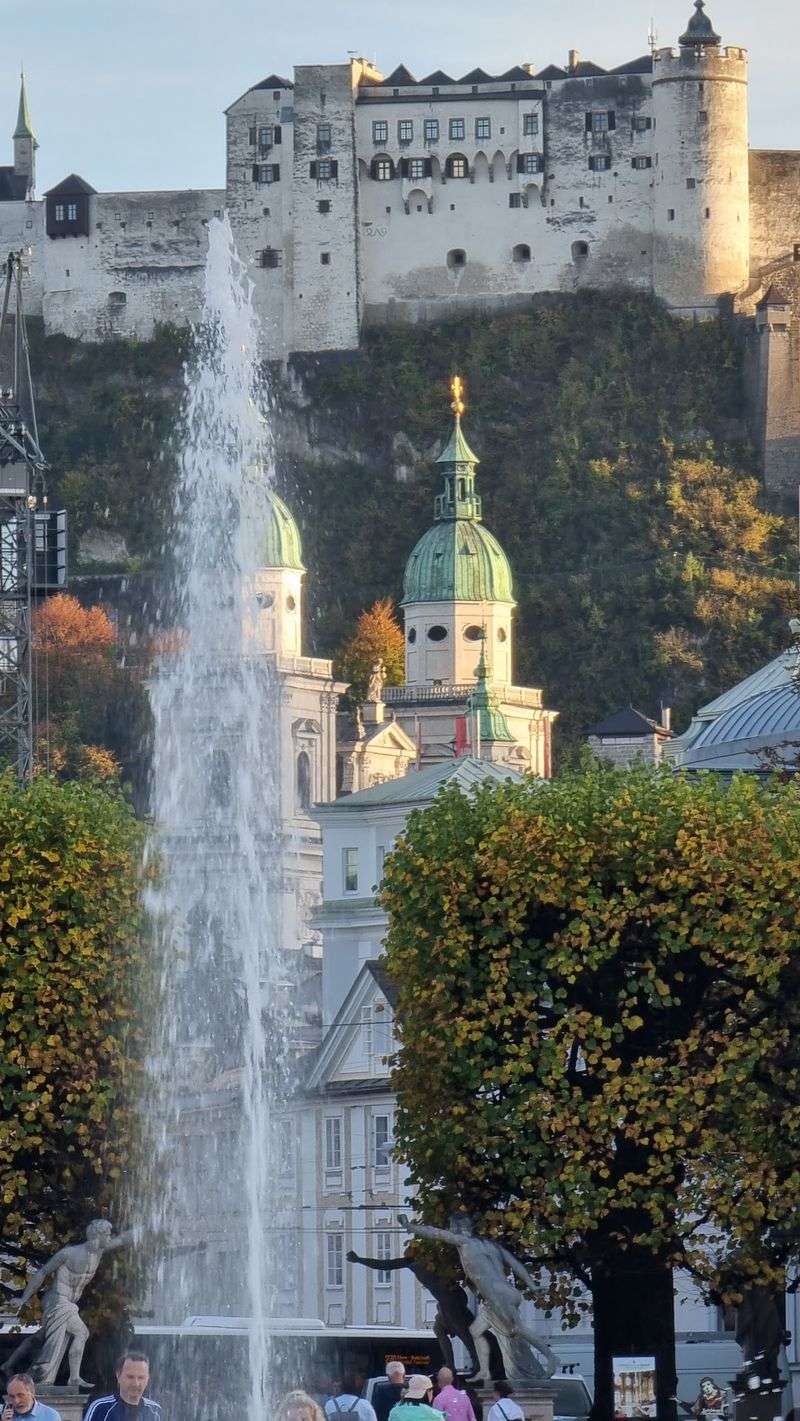
Mozart was born here in January, so winter feels like a birthday party that lasts for weeks. Salzburg already has a dramatic setting, but snow on the Mönchsberg and Hohensalzburg Fortress makes it look like a painting.
The Baroque rooftops add the perfect finishing touch.
Advent markets fill November and December with music and sweet treats. Then January arrives and the crowds drift away.
The local tourism office calls January and February an insider period, when viewpoints and streets feel wonderfully peaceful.
Late January brings Mozart Week, a major festival around the composer’s birthday on January 27. Concerts pop up in grand halls and historic rooms, so music lovers have plenty to enjoy.
Book tickets early if you want a good seat.
Between concerts, stroll along the Salzach River or climb toward the fortress. Without summer’s busy sidewalks, you can stop and enjoy the view at your own pace.
Bring warm gloves, since the wind off the water can bite.
Vienna, Austria
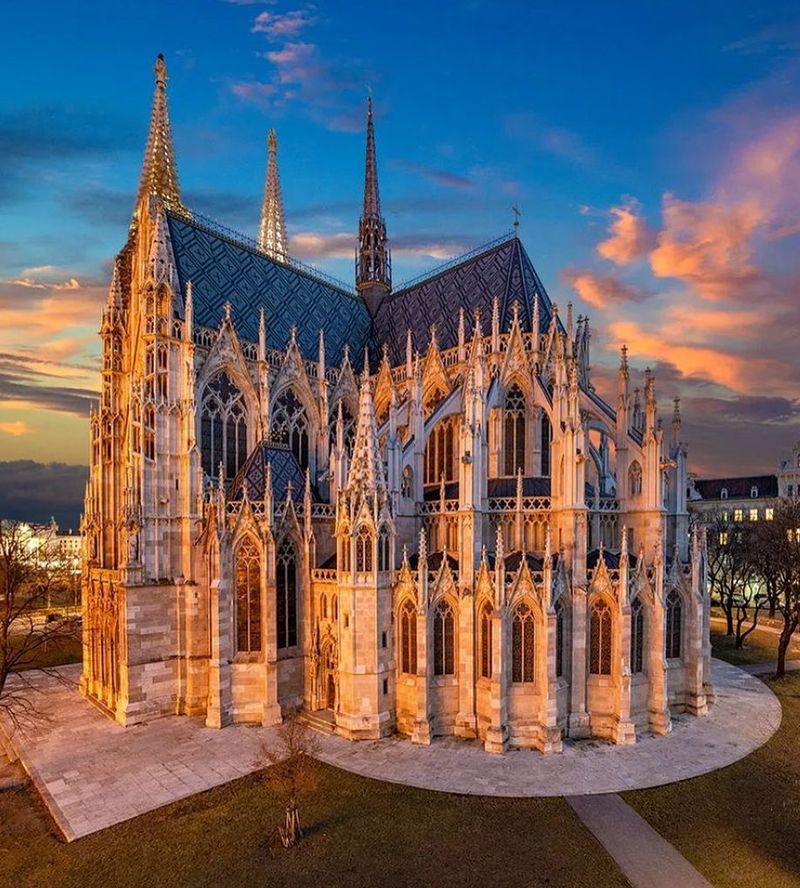
Coffee, cake, and a velvet-covered chair: Vienna knows how to fight the cold. So much of its culture happens indoors that chilly weather hardly matters.
Coffeehouses, opera houses, museums, and grand imperial rooms all offer warm breaks from the street.
Winter temperatures often hover around freezing, and snow can fall. From mid-November, squares near Rathausplatz, Schönbrunn, Belvedere, and Stephansplatz fill with seasonal markets.
Each one has its own mood, so try more than one.
After Christmas, the city does not simply switch off. Ice skating continues, and the famous ball season fills January and February with waltzes and evening gowns.
Even if you skip the dancing, the elegant atmosphere is fun to watch.
Vienna shifts from festive show to concerts, museums, and polished social traditions. That makes the quieter months rewarding in their own right.
Plan a day with one museum, one long coffee stop, and one evening concert, and you have the perfect winter rhythm.
Prague, Czech Republic
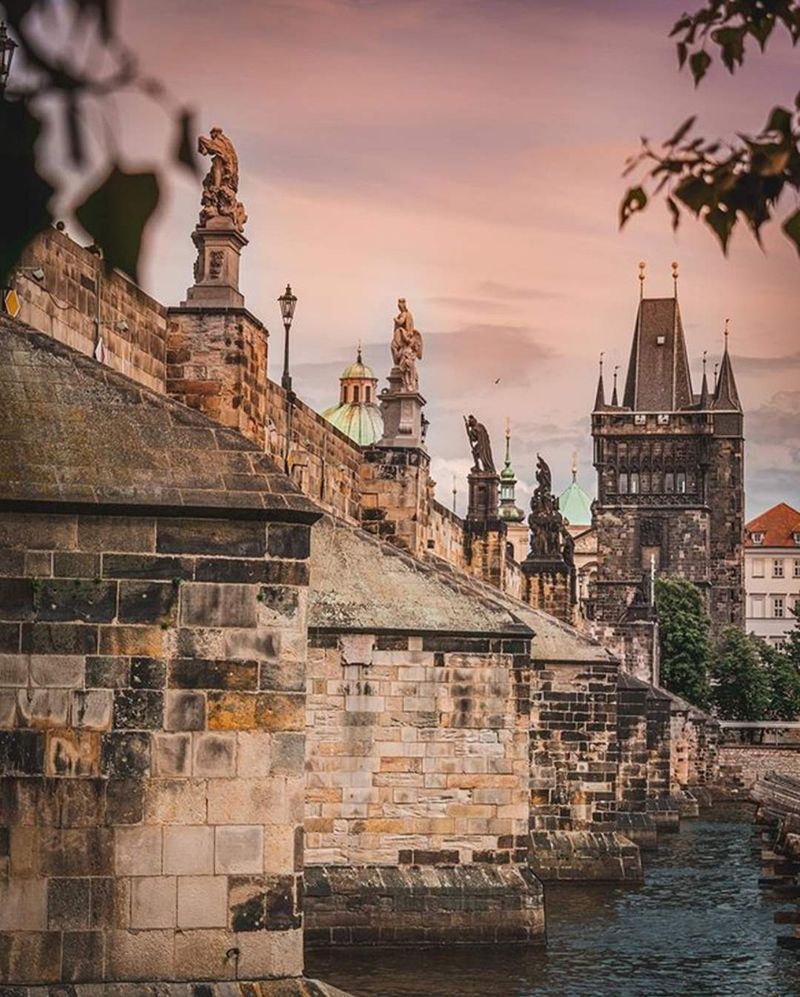
Low winter sun does wonders for a skyline full of spires. Prague’s towers, steep roofs, and Gothic shapes look especially moody in the cold light.
Even on gray days, the city has a glow that feels a bit like a movie set.
Old Town Square is the center of the Advent season. A big market traditionally runs from late November into early January, and the 2026 edition begins on November 28.
Look for hot drinks, wooden toys, and sweet pastries.
When the weather turns nasty, step inside. The National Gallery, theaters, and concert halls give you plenty of warm options.
Because the historic center is compact, you can wander between Old Town, Charles Bridge, Malá Strana, and Prague Castle without long rides.
Snow is not reliable here. But when it does settle on the tiled roofs and the castle, the medieval and Baroque buildings take on a whole new character.
Keep your camera ready and your boots waterproof.
Bruges, Belgium
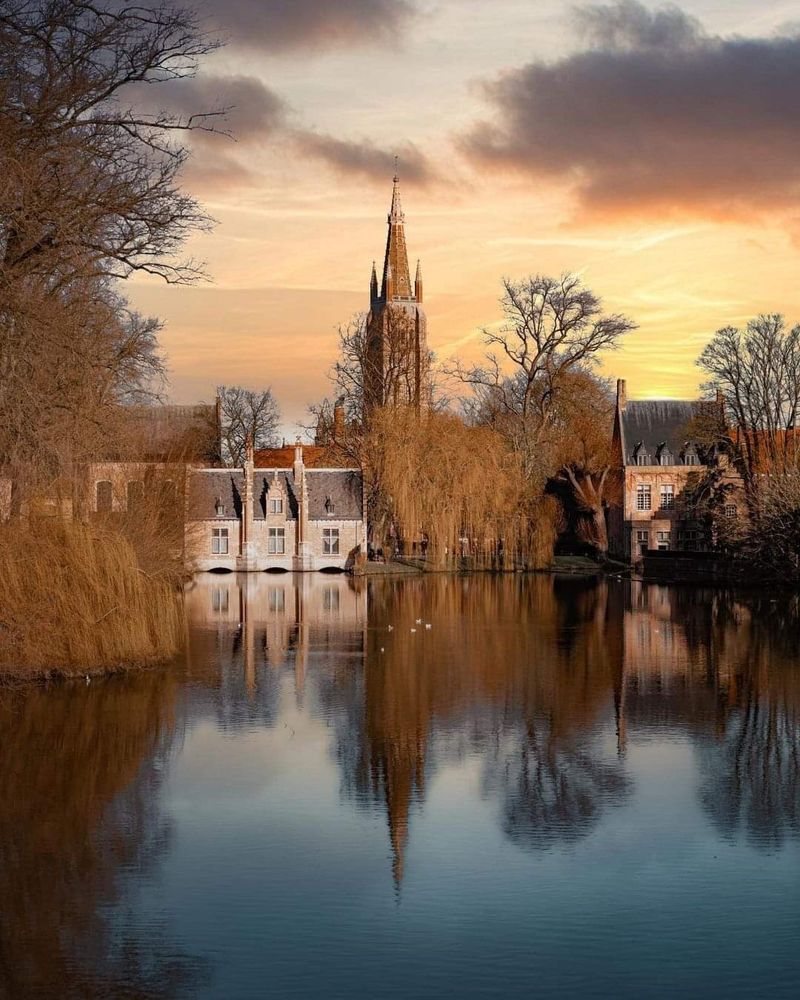
Mist rising off a canal can do more for a city than a foot of snow. Bruges proves it.
The official tourism group recommends the colder months for foggy waterways, cobbled streets, cozy pubs, and quieter museums.
From November 20, 2026 through February 14, 2027, the Winter Glow program lights things up. You will find ice skating, light displays, winter bars, and seasonal events.
The fun stretches well beyond Christmas, which is rare for a small city.
Everything is close together. You can walk between the Markt, the Burg, medieval churches, and the canals without spending much time in the cold.
Duck into a pub when your fingers go numb and warm up with a Belgian beer or hot chocolate.
January can feel wonderfully calm. Just remember that some businesses close for a short break after the holidays.
A quick check of opening times before you go will save you from a surprise locked door.
Copenhagen, Denmark
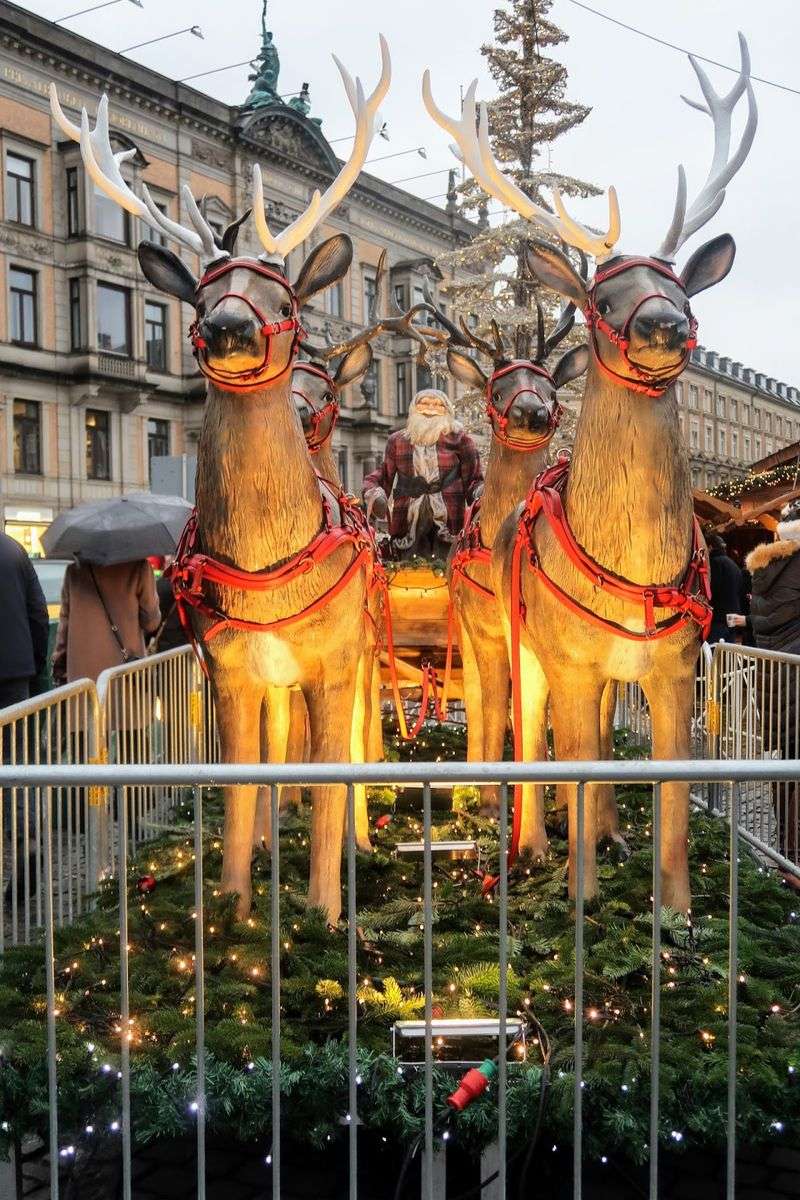
Danes have a secret weapon against dark afternoons: candles, and lots of them. Copenhagen has made coping with darkness part of its charm.
The idea of hygge means warm rooms, friendly company, cafés, and long, slow meals.
Locals do not hide indoors all season, though. Outdoor ice rinks, harbor walks, and even winter swimming are popular, often followed by a sauna or a hot drink.
Temperatures usually sit around 0 to 5°C (32 to 41°F), so it is chilly but rarely extreme.
Nyhavn’s colorful waterfront looks especially vivid after dark. Tivoli’s seasonal decorations and the historic streets add more sparkle.
Take an evening walk and you will see why the city loves its lights.
February brings the Copenhagen Light Festival, which turns some of the longest evenings of the year into an attraction. Glowing art pops up around town, giving you a reason to stay out late.
Dress in layers and plan a cozy café stop.
Stockholm, Sweden
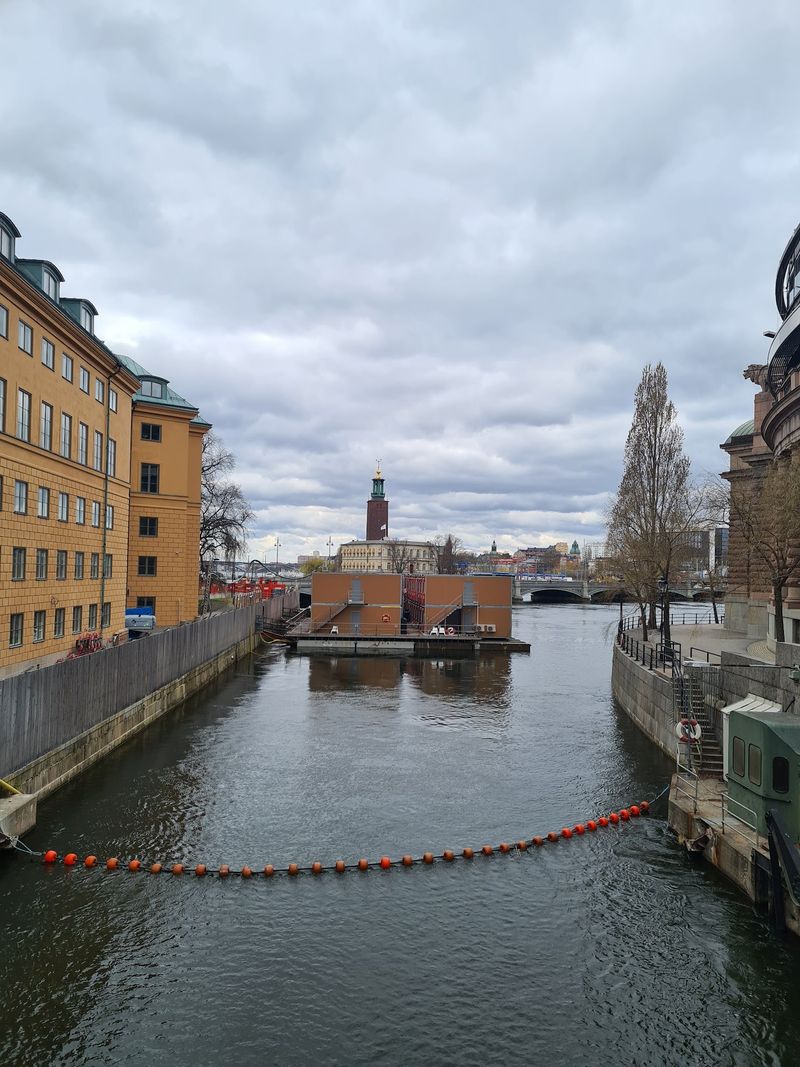
Frozen water is not a problem in Stockholm. It is a playground.
The city’s islands, waterfront buildings, and historic Gamla Stan look totally different when winter arrives.
Snow can fall across town, and icy waterways remind you that locals see the season as part of life, not something to wait out. Stockholm leans into the fun.
The city tourism team promotes downhill skiing, ice rinks, and long-distance skating on Lake Mälaren when conditions allow.
February’s sportlov school break shows how seriously Sweden takes outdoor winter play. Families head outside for skiing and skating.
Visitors can join in, but always check ice safety before stepping onto any frozen lake.
Short days are easy to handle thanks to the museums. You can spend the bright hours outside and the dark ones indoors.
That makes Stockholm a smart pick for anyone who wants a real Nordic winter without giving up the comforts of a big capital.
Oslo, Norway
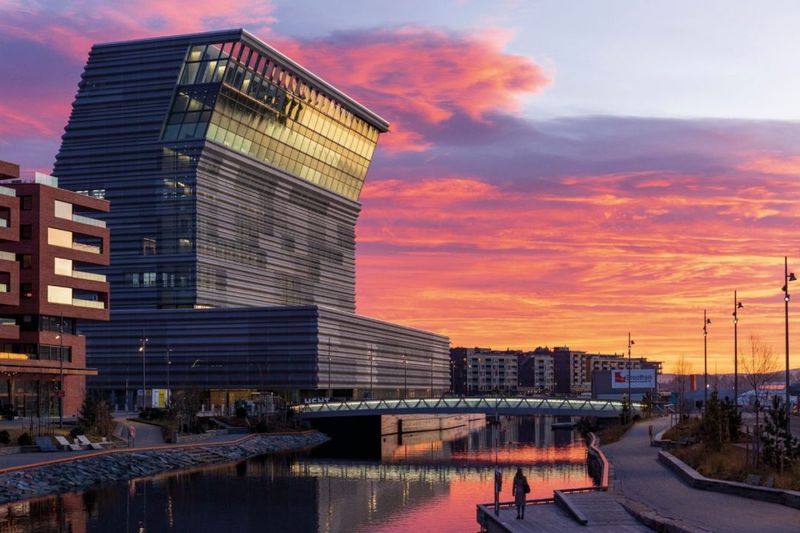
Hop on the metro in Oslo and you could be on a ski trail within minutes. Few capitals put winter sports so close to downtown.
Trains carry travelers from the center toward forests and slopes, so downhill skiing, sledding, and cross-country routes are all easy to reach.
Along the Oslofjord, a newer winter habit has caught on: floating saunas. You sweat in the heat, then the brave take a plunge into near-freezing water.
Even if you skip the plunge, the steamy views are a treat.
Add snow-covered harbor walks, the Holmenkollen ski complex, and the Korketrekkeren toboggan run, and you have a full winter menu. Sledding down a forest track is just as fun as it sounds.
Rent gear in town if you did not bring your own.
Winter is considered off-season for many attractions, so museums and cultural sites are quieter. Oslo mixes a classic city break with mountain-resort fun.
It is the best of both worlds in one ticket.
Tromsø, Norway
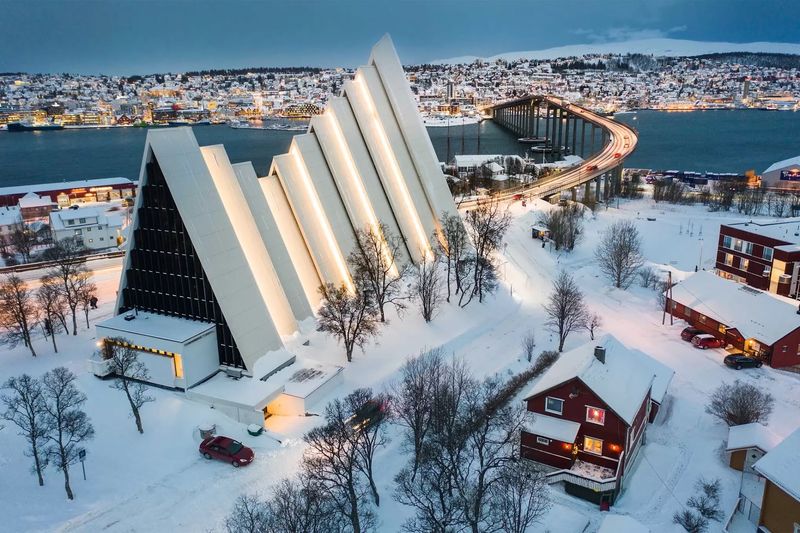
In Tromsø, the sun takes a long vacation, and everyone is happy about it. Winter is not the off-season here.
It is one of the main reasons to visit.
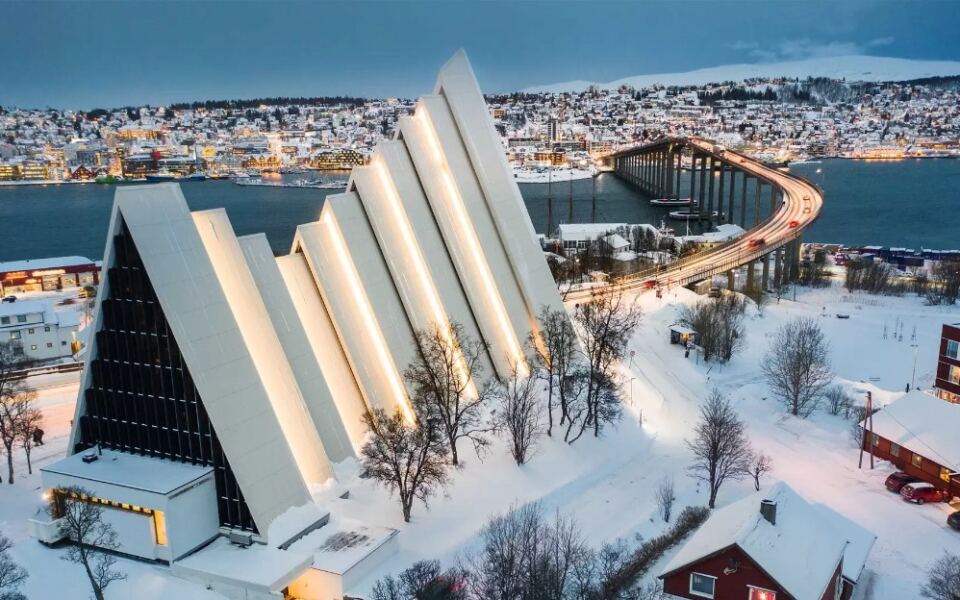
The city lies above the Arctic Circle, and Polar Night lasts from about November 27 to January 15. The sun stays below the horizon, yet it is not pitch black.
Around midday, you get a few hours of blue, pink, and purple twilight that looks unreal.
Tromsø also sits beneath the auroral oval, giving it strong chances for northern lights from late summer into early spring. Clear skies matter most, so be flexible with your plans.
Joining a guided aurora trip can improve your odds.
Snowy mountains and fjords surround a lively center full of cafés, museums, and restaurants. You can spend the day dog sledding and the evening at a cozy dinner.
It is wild adventure and city comfort in one neat package.
Rovaniemi, Finland
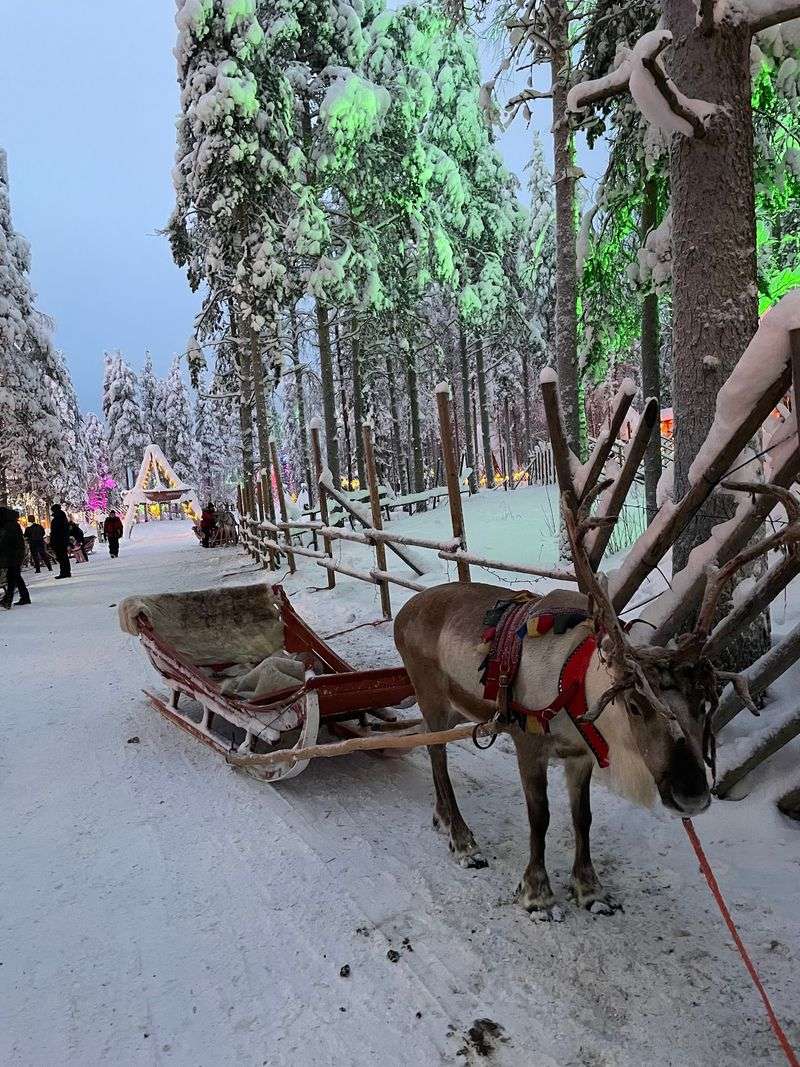
Santa picked his hometown well. Rovaniemi sits right on the Arctic Circle and goes all in on winter.
Reliable snow usually arrives as the season settles in, and the tourism board describes the snowy period as roughly November to April.
In December, Polar Night brings only a few hours of daylight. Deep blue twilight and snow-reflected light keep the landscape glowing.
It is dark, but never gloomy.
Outside town, you can try northern lights watching, reindeer rides, husky trips, and snowshoeing. Book popular tours early, especially in December.
Warm layers are a must, and thick socks are your best friends.
Back in the city, museums, restaurants, and modern architecture give you indoor options. December is the busiest month thanks to the Santa Claus link.
January through March offers a calmer, more purely Arctic experience, perfect if you want snow without so many crowds.
Helsinki, Finland
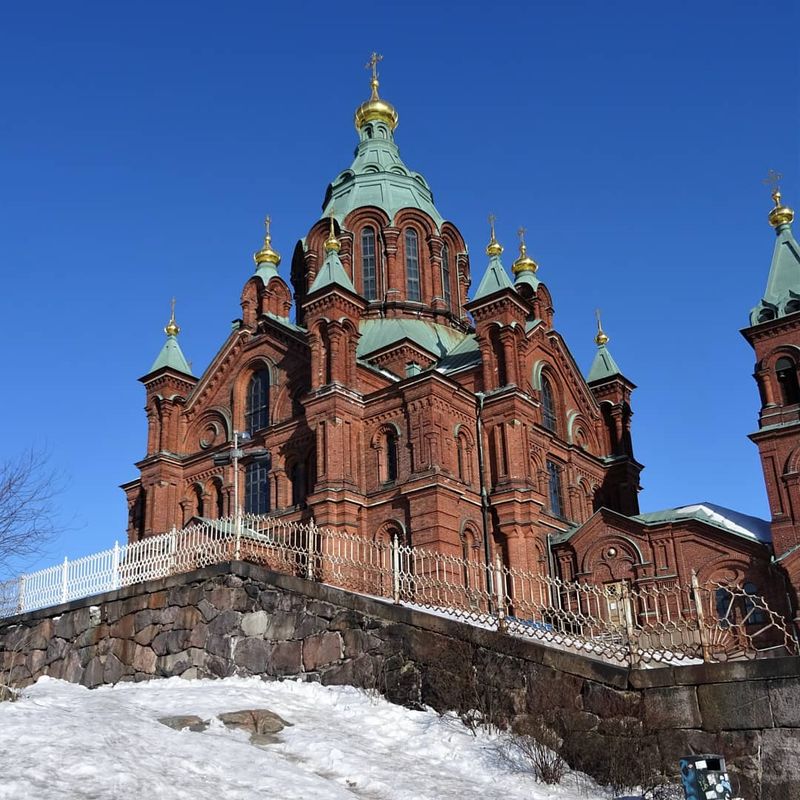
Finns have a simple answer to freezing weather: go sit in a hot room. Helsinki’s sauna culture makes winter feel friendly instead of harsh.
According to its tourism organization, the city has about 131 kilometers of shoreline and around 30 public saunas.
That means plenty of chances to mix cold outdoor walks with intense indoor heat. Sea ice, low light, and occasional snow turn the waterfront into a stark Nordic scene.
It is quiet, bright, and a bit dramatic.
When the weather turns rough, head to the design museums, markets, and cafés. Helsinki is known for clever design, so even a shop visit feels like a gallery trip.
Try a cinnamon bun with your coffee.
The city is compact, so Senate Square, the harbor, Katajanokka, and the design districts are all easy to reach. You will not spend hours stuck in transit.
Public saunas turn winter itself into part of the fun.
Budapest, Hungary
Nothing beats sinking into hot water while snowflakes land on your hair. Budapest turns thermal baths from a nice treat into the perfect winter plan.
The city’s tourism organization calls it a spa city with more thermal bathing options than any other capital.
Széchenyi’s medicinal water comes from a well 1,246 meters deep at around 76°C before feeding the pool complex. On a cold day, steam drifts above the outdoor pools in a way you will not forget.
Bring flip-flops and a swimsuit, and arrive early to dodge lines.
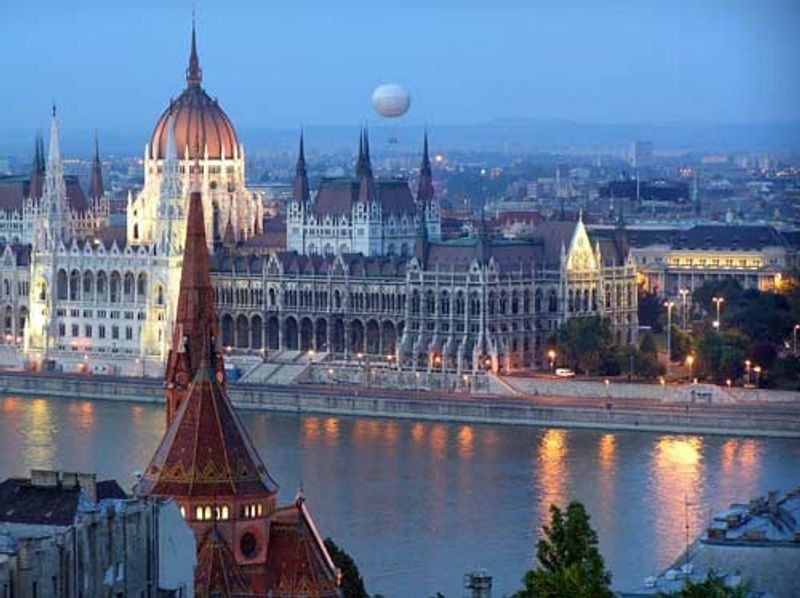
Outside the baths, the city looks moody in early darkness. Parliament, Buda Castle, and the Danube embankments glow after sunset.
A riverside walk at night is worth bundling up for.
Cafés and ruin bars keep evenings lively once you are warm and relaxed. Grab a hot chocolate or a glass of local wine.
Budapest rewards you for braving the chill.
Ljubljana, Slovenia
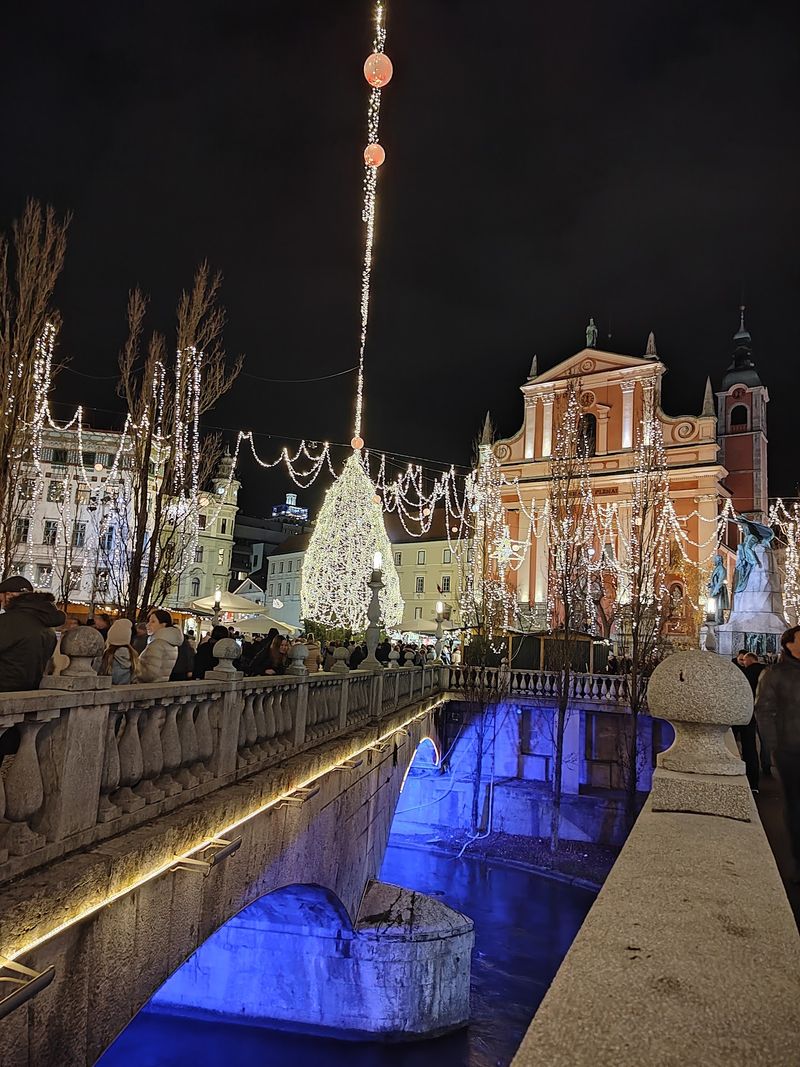
When the sun sets early, Ljubljana simply turns on the art. From late November through early January, light installations stretch along the Ljubljanica River and across the historic center.
Markets, free concerts, and outdoor shows join the party.
For 2026, the main festive program starts November 27 and runs into mid-January. The castle stays lit above town, while bridges and riverside buildings mirror the glow in the water.
A slow evening stroll is the best way to see it.
Snow is possible in the center but not guaranteed. The stronger snowy scenery lies in the nearby Alpine landscape, which makes a good side trip.
Check the forecast before you plan any mountain day.
What makes Ljubljana special is its size. Nearly every major event, café district, and historic sight is reachable on foot.
That small scale gives the city a cozy, friendly feel that bigger capitals struggle to copy.
Kraków, Poland
Tiny buildings with big dreams: that is Kraków’s nativity tradition. Each December, local makers show off handmade scenes that reimagine the city’s towers and monuments in bright colors.
The tradition is recognized by UNESCO as Intangible Cultural Heritage.
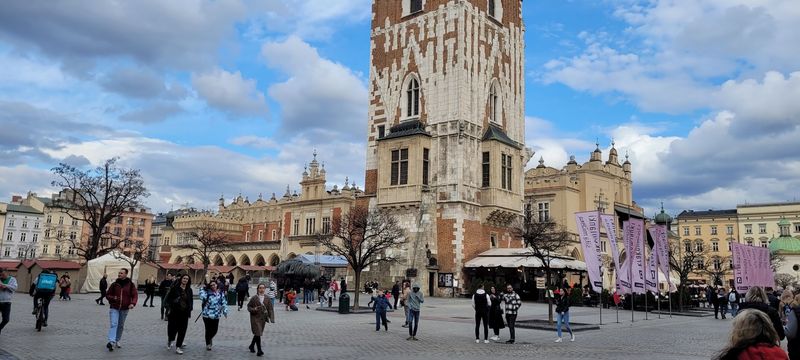
The Main Market Square, Rynek Główny, has been the center of city life since medieval times. In winter, it hosts seasonal fairs around Christmas.
Wander the stalls for ornaments, snacks, and warm drinks.
After December, the city still has plenty to do. Wawel Castle, Kazimierz, and a long list of museums offer lots of indoor sightseeing for colder January and February days.
Pick one neighborhood per day and you will not feel rushed.
Snow is never guaranteed here. Yet when it arrives, the Gothic church towers and the huge medieval square look especially striking.
Keep your schedule flexible so you can enjoy a snowy morning if you get lucky.
Edinburgh, Scotland
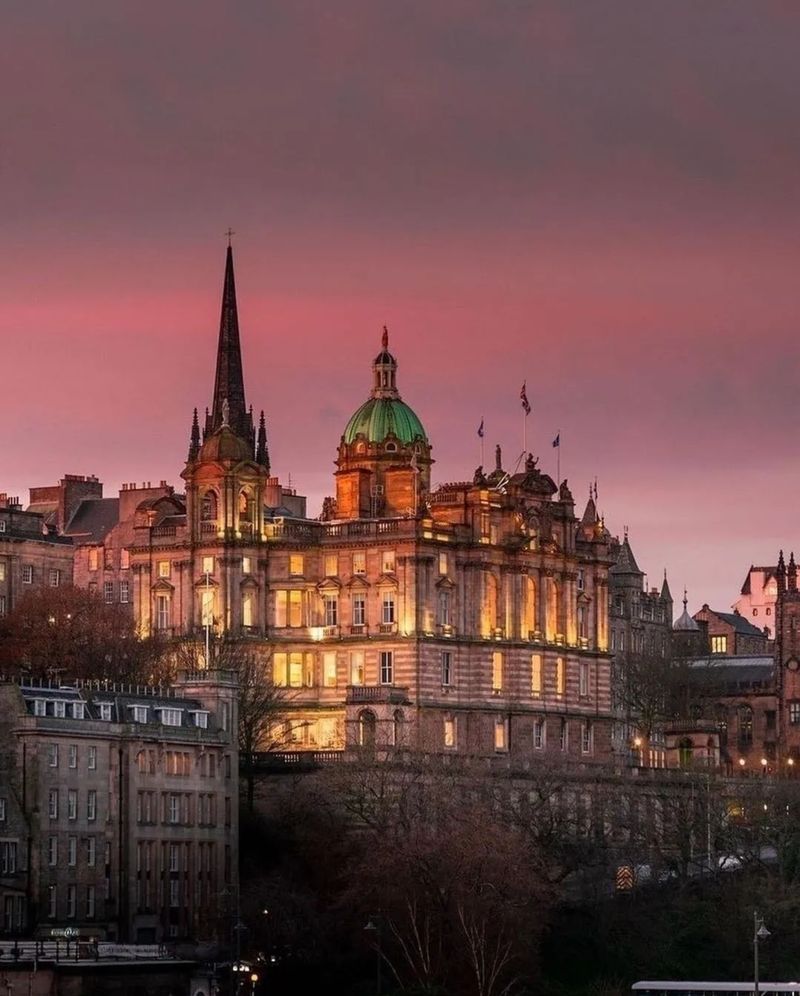
Edinburgh does not need snow to put on a show. Its winter charm comes from dramatic architecture, long nights, and a love of celebration.
The volcanic ridge under Edinburgh Castle already gives the skyline a bold shape.
Short days make the dark stone tenements and narrow closes of the Old Town feel even more mysterious. December brings big seasonal markets and entertainment.
Then comes Hogmanay, the city’s famous multi-day New Year party.
The fun does not end there. Once the festivities fade, museums, pubs, galleries, and historic interiors give shelter from cold, windy weather.
A fireside pub stop after a brisk walk feels like a reward.
Views toward Arthur’s Seat and the Pentland Hills can look striking under frost or a rare snowfall. The mood is quieter and moodier than in festival season.
Bring a waterproof jacket and enjoy a different side of the Scottish capital.
Share this story