Some islands are packed by noon. Others still have room to breathe, and that is the kind of list this one is.
From Greek villages and Atlantic cliffs to car-free paths and dark night skies, these 13 islands offer slower travel without feeling out of reach. Some need a ferry, a small plane, or a bit of planning, and a few come with local rules that keep the place healthy.
Each stop below has a clear reason to be on your radar, whether you love hiking, birdwatching, beaches, or quiet evenings. If you are tired of crowded photo spots, save this list for your next trip and see which island fits your pace.
You may find a favorite you had never heard of before.
Folegandros, Greece
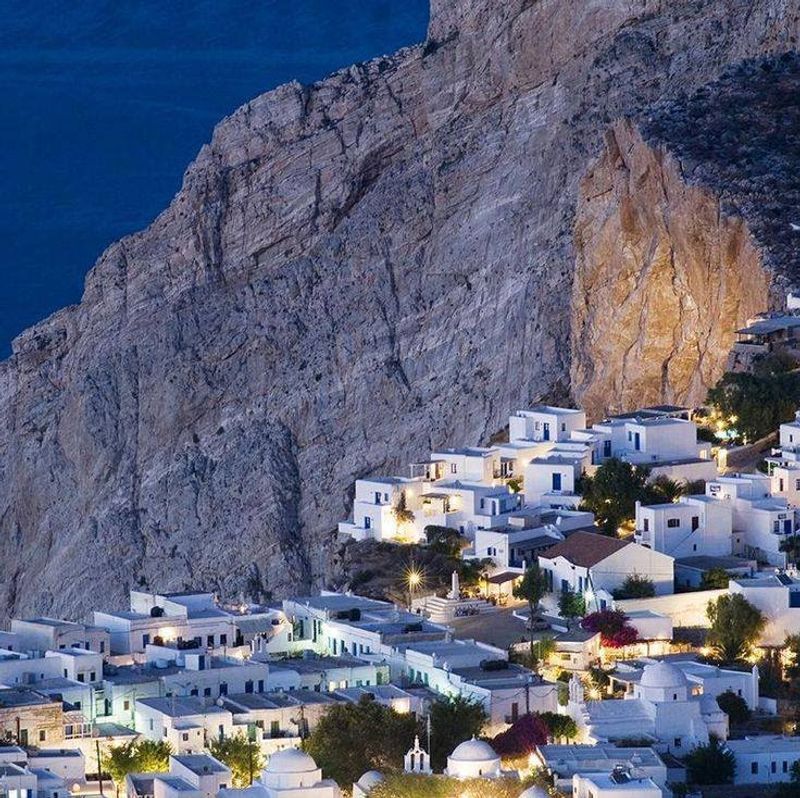
Greece has plenty of famous islands, but Folegandros shows a calmer side of the Cyclades. You still get whitewashed villages and bright Aegean water, just with more breathing room.
The main settlement, Chora, sits roughly 200 meters above the sea. It is surrounded by steep cliffs, and narrow lanes are lined with traditional houses that make wandering on foot the best way to explore.
Greek tourism authorities describe the island as a place of quiet charm. Secluded beaches such as Katergos and Livadas are part of the appeal, and a network of walking trails links villages, chapels, and coastal areas.
There is no airport here, so visitors generally arrive by ferry. That small extra step keeps the pace of travel more deliberate.
I would pick Folegandros for anyone who wants the Cyclades without turning every beach visit into a hunt for space. Pack comfortable shoes, because the trails are a big part of the fun.
Flores, Azores, Portugal
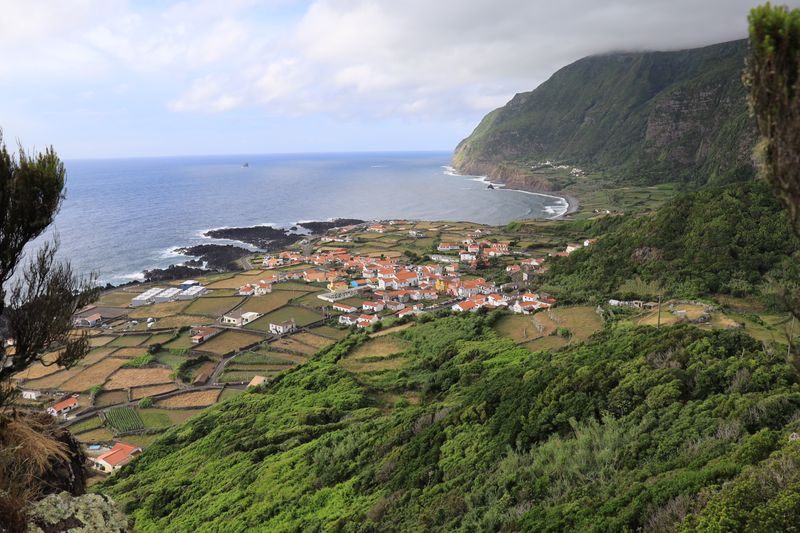
Flores looks as though someone turned the color setting all the way up. Green volcanic slopes surround crater lakes, hydrangeas line roads and fields, and waterfalls drop down tall cliffs along the western coast.
The island measures just 141.4 square kilometers, and UNESCO recognized Flores as a Biosphere Reserve in 2009. Official Azores tourism information points to volcanic lakes, basalt formations such as Rocha dos Bordões, hiking routes, and the waterfall-filled landscape around Fajã Grande.
Flores does receive visitors, but its remote spot in the western Azores keeps the experience far from a typical beach resort. Nature is the main draw here.
Plan to take it slowly. Bring hiking boots and a rain jacket, and leave extra time in the day, because another waterfall may appear around the next bend and you will want to stop for it.
Mykines, Faroe Islands
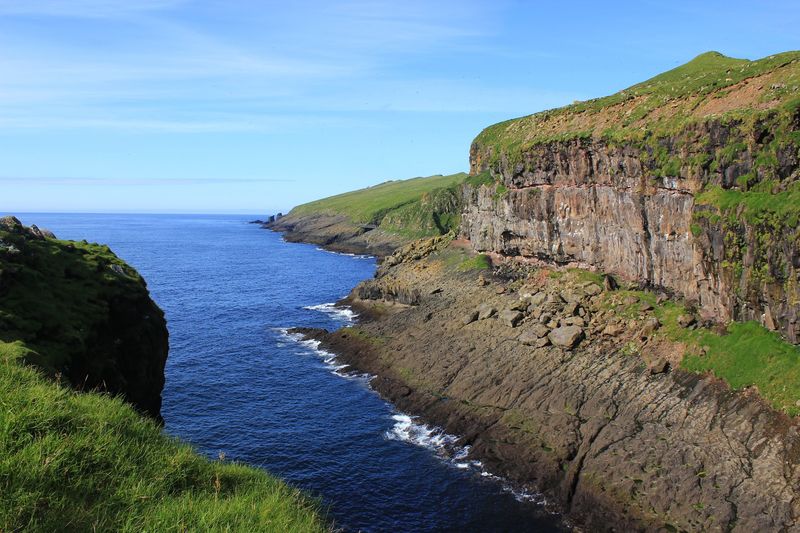
Few islands show the need for careful tourism better than Mykines. The tiny Faroese island is known for steep green cliffs, huge Atlantic views, and plenty of seabirds.
Its popularity has led to specific visitor controls. From May through August, ferry visitors must currently pay an access fee that includes a mandatory guide.
Official tourism information also warns that the path toward the lighthouse is presently closed because of a landslide. Hiking is still possible in other parts of the island, so check current conditions before you go.
Those limits are good reminders that beautiful landscapes are not amusement parks. Weather, nesting birds, fragile trails, and local residents all come first.
Mykines is still open to visitors, but it rewards travelers who follow local rules instead of expecting unlimited access. Booking ahead and listening to your guide will make the day smoother.
Værøy, Norway
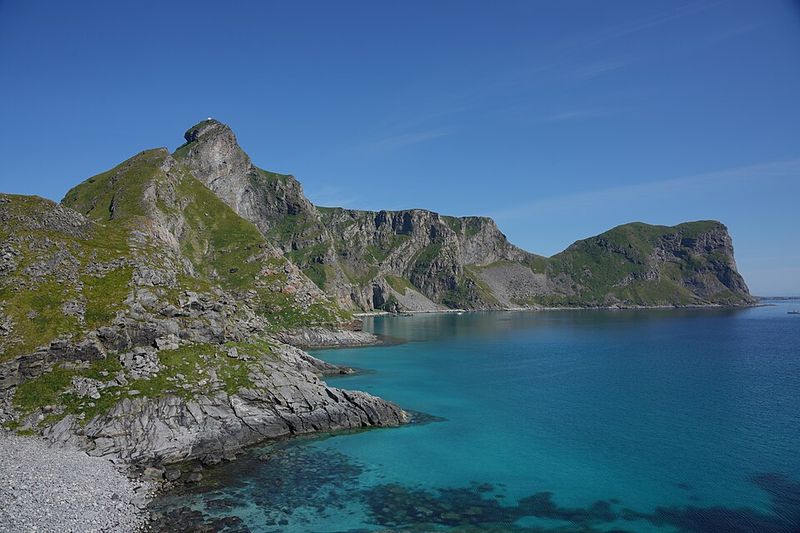
Far out in Norway’s Lofoten archipelago, Værøy is surrounded by mountains, beaches, strong currents, and open sea. Compared with the most photographed corners of Lofoten, getting here takes extra effort.
Visitors can arrive by ferry from Bodø, Røst, or Moskenes, or by helicopter from Bodø. Once on the island, hiking is one of the main things to do.
The Håheia hike offers panoramic views toward Vestfjord and the abandoned settlement of Måstad. Fishing also remains central to island life.
The landscape mixes white beaches with sharp mountain ridges in a way that looks almost unlikely. Even so, Værøy is a working community rather than a place built for tourism.
That balance is what makes it appealing, and it is a good reason to treat the island with care. Respect private land, stay on marked routes, and bring weatherproof layers.
Sark, Channel Islands
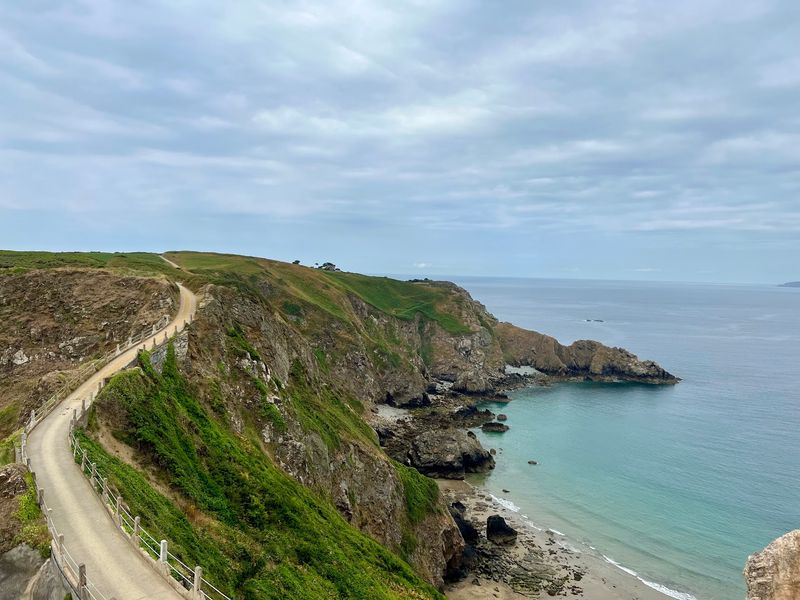
Here is a rule that changes everything: cars are prohibited on Sark. Visitors get around on foot, by bicycle, or by horse-drawn carriage, and the island keeps a rhythm very different from mainland Europe.
It is only about 35 to 50 minutes by ferry from Guernsey. Even so, the lack of normal road traffic gives the island a strong sense of separation.
Sark also became the world’s first designated Dark Sky Island, helped by low light pollution and no streetlights.
You will still find restaurants, shops, gardens, accommodation, and visitor facilities, so the island is far from hard to enjoy. What it has avoided is the heavy infrastructure of mass-market destinations.
If you can, stay overnight. The island feels different once day-trippers head home, and the night sky becomes the main show.
Utö, Finland
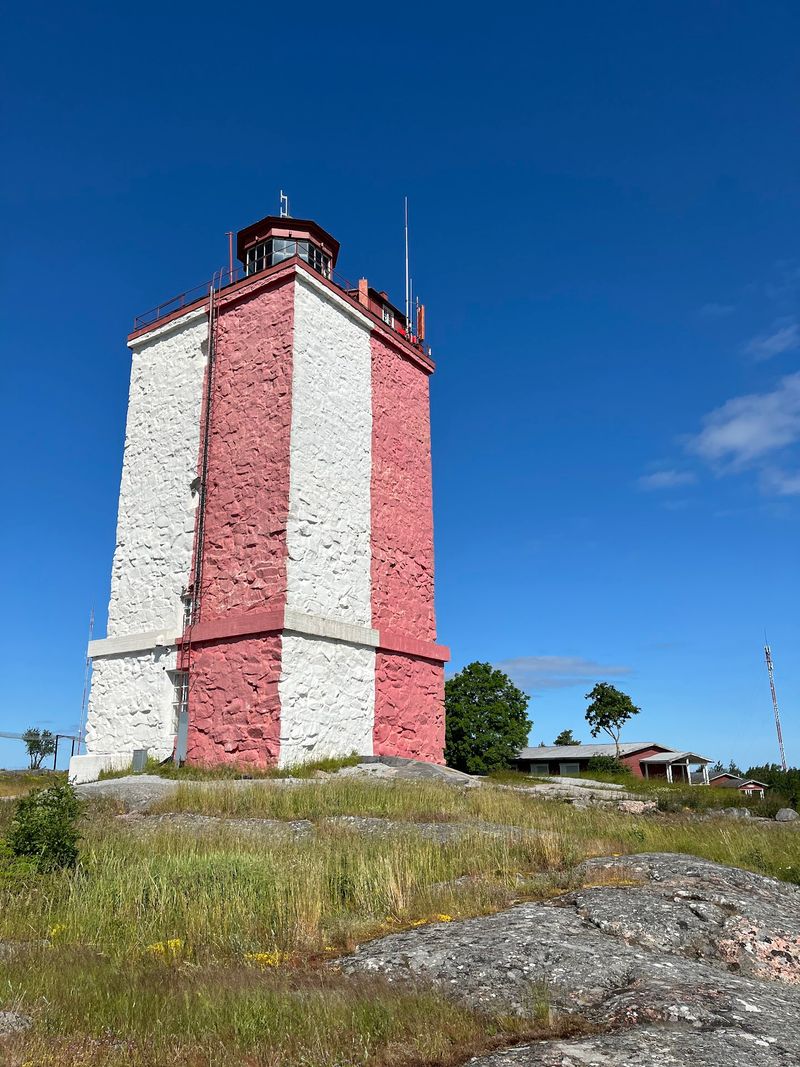
Finland’s southernmost permanently inhabited island is a rocky, windswept spot, not a tropical one. Utö lies deep in the outer archipelago, and that sparse landscape is part of its charm.
The island has Finland’s oldest operating lighthouse, a working pilot station, military history, birdwatching, and notable shipwreck diving sites.
Visit Finland notes that the ferry from Pärnäs runs throughout the year. That makes Utö a real community rather than only a seasonal attraction.
Only around 40 people live here year-round, according to Finland’s official tourism information. Summer brings more visitors, while autumn storms and winter bring a stronger sense of isolation.
Utö suits travelers who value silence, sea air, and wide horizons more than a long sightseeing checklist. Check ferry times before booking, and plan your stay around the weather.
Anholt, Denmark
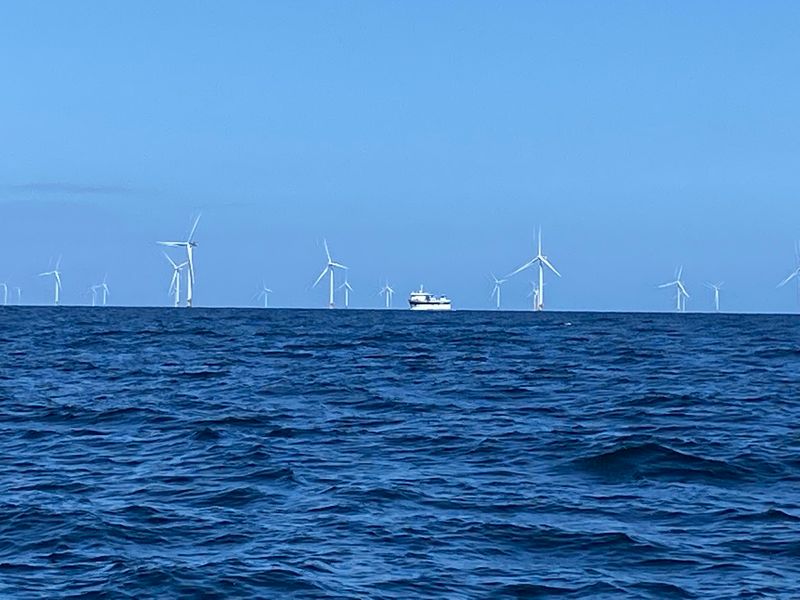
About three hours on a ferry from Grenaa gets you to Anholt, and that journey is part of the story. The island sits alone in the Kattegat between Denmark and Sweden and feels surprisingly remote for northern Europe.
Once you arrive, walking and cycling make the most sense. Only around five kilometers of the island’s roads are paved.
Denmark’s official tourism site describes Anholt as one of the country’s most isolated communities. The ferry serves as an essential link to the mainland.
The island offers beaches, dunes, and wide-open landscapes. The long crossing helps visitors slow down before they even step onto shore.
The tourist office stays open throughout the year, which shows the island actively welcomes travelers and is not just a summer curiosity. Pack for changing coastal weather and bring comfortable shoes.
Inis Meáin, Aran Islands, Ireland
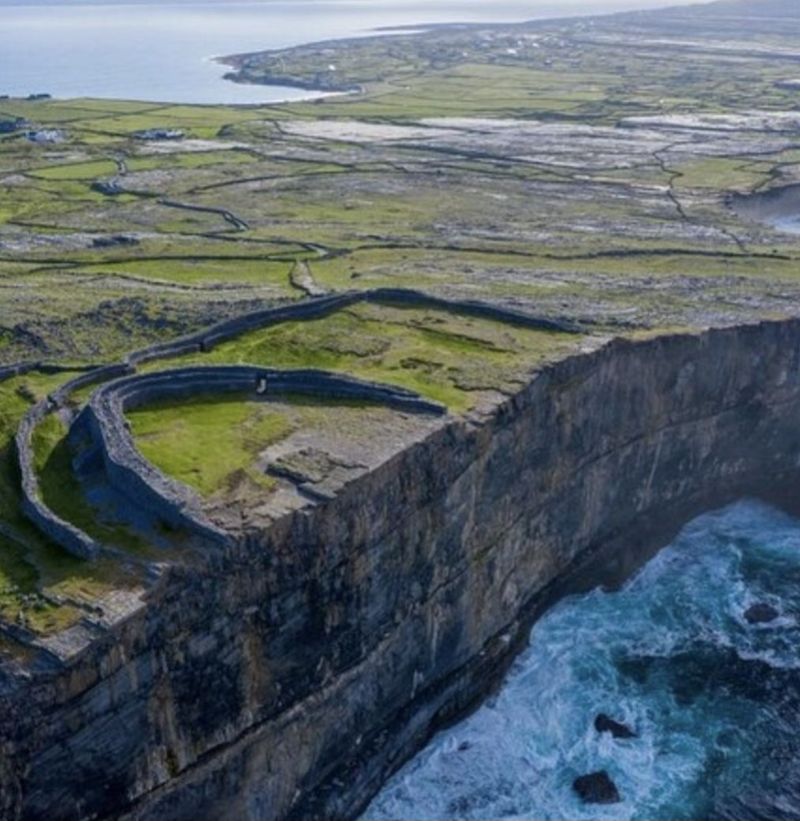
Between Inis Mór and Inis Oírr sits Inis Meáin, the middle of Ireland’s three Aran Islands. It generally feels quieter than its larger neighbor.
The Aran Islands are Irish-speaking communities where traditional culture, stone walls, Atlantic scenery, cycling, and ancient sites shape the visitor experience.
Ferries run from Rossaveal throughout the year, and seasonal services also leave from Doolin. Air connections are available as well.
Inis Meáin is not about ticking off dozens of attractions. The appeal is in walking narrow lanes, hearing Irish spoken, and seeing dry-stone landscapes.
It is also a community with a strong cultural identity. Tourism works best here when visitors adapt to the island, so go with curiosity, a slow pace, and a willingness to simply wander.
Herm, Channel Islands
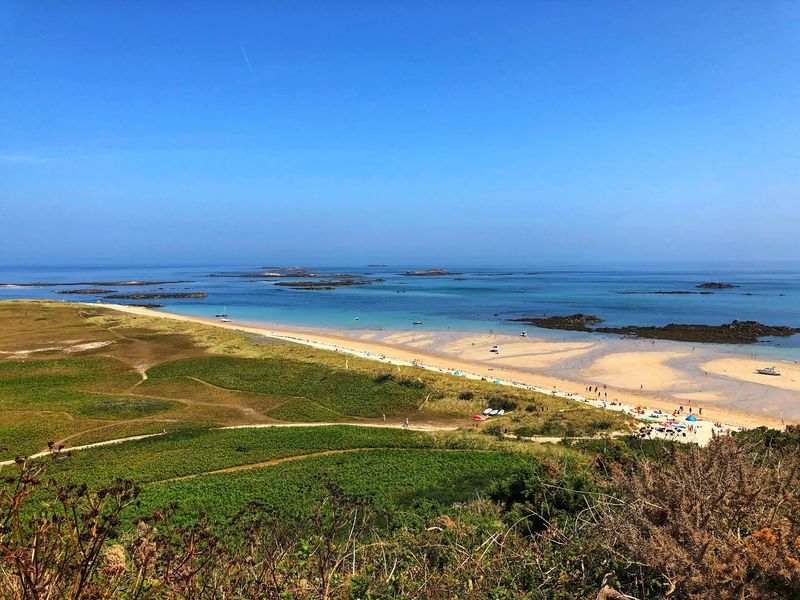
Close to Guernsey, Herm has white beaches and turquoise shallows that look far removed from the English Channel.
The island is reached by a boat trip of roughly 20 minutes from St Peter Port. Shell Beach and Belvoir Bay are among its best-known spots, and coastal paths make much of the island easy to walk.
Boats operate throughout the year.
Cars and bicycles are absent, so walking is the main way to get around. That creates a peaceful setting even though Herm is easy to visit as a day trip.
The island offers beaches, camping, hotel accommodation, kayaking, and wildlife watching, all with a small physical footprint. Herm shows how an island can welcome tourists without designing every corner around them.
Kythira, Greece
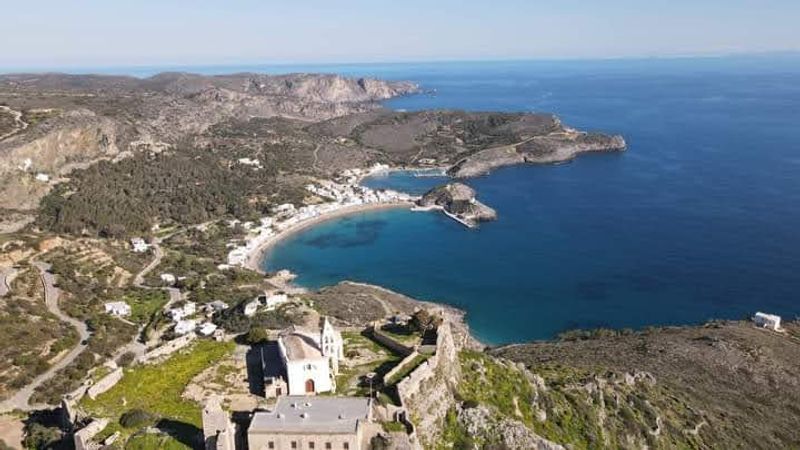
Kythira sits between the Peloponnese and Crete, where the Ionian and Aegean seas meet. Greece’s official tourism organization describes it as authentic, with quiet seaside settlements, waterfalls, beaches, trails, and unspoiled landscapes.
The architecture shows Venetian influences alongside traditions from Crete and Mani. Hiking routes lead to chapels, old settlements, and countryside far from resort development.
Kythira has an airport, including service from Athens, so it is not hard to reach. Yet it is much less tied to mass tourism than Mykonos or Santorini.
That mix of access and calm is a big part of the draw.
For travelers who want a Greek island with real villages, varied terrain, history, and plenty of space to explore, Kythira deserves more attention than it usually gets.
Antikythira, Greece
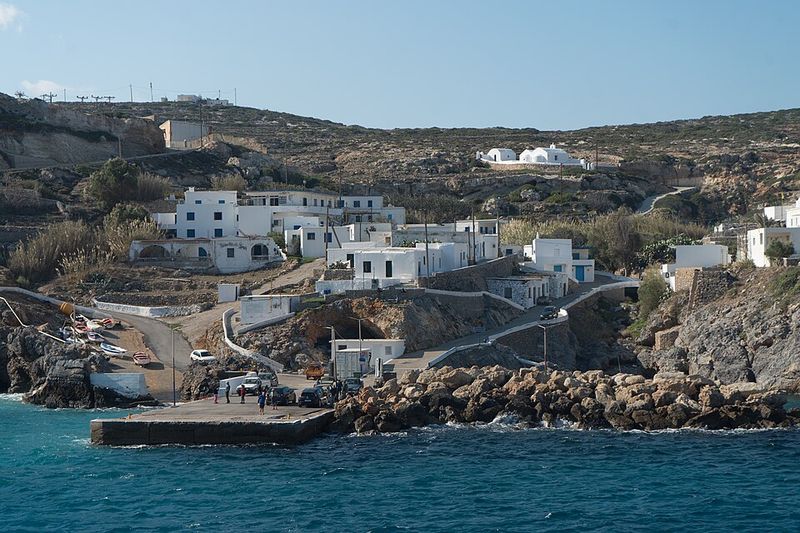
If Kythira feels quiet, Antikythira takes isolation much further. The island sits between Kythira and Crete, has very few permanent residents, and is one of Greece’s most remote inhabited destinations.
Greece’s official tourism site describes it as an island of wild beauty, tranquility, and open sea, with just two tavernas.
It is famous worldwide because of an ancient shipwreck found offshore in 1900. The wreck yielded the Antikythera Mechanism, now displayed in Athens.
Yet the island itself remains comparatively unknown.
Come expecting simplicity rather than luxury. The limited development is not a flaw.
It is a core part of the island’s character and one reason Antikythira feels so different from heavily promoted Mediterranean destinations.
Tory Island, Ireland
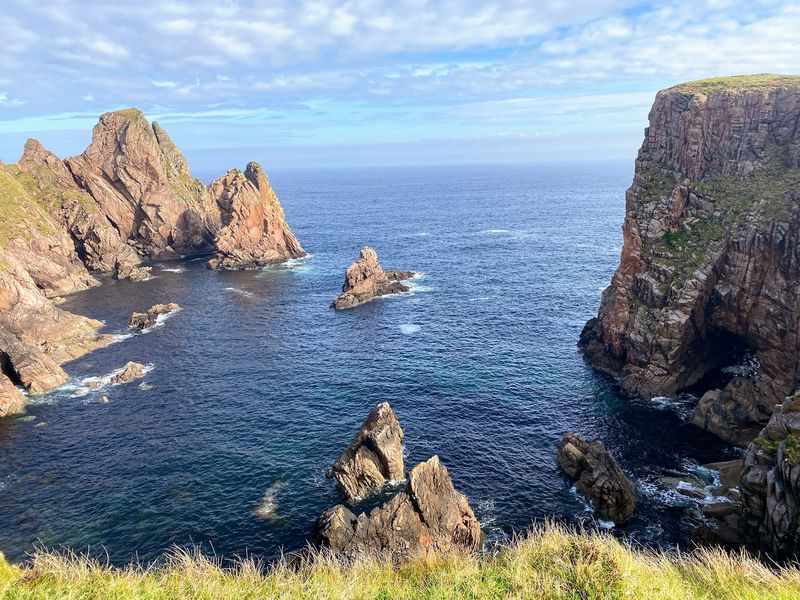
About 12 kilometers off County Donegal, Tory Island is considered Ireland’s most remote inhabited island. Official Irish tourism information highlights its scenery, lasting local traditions, historical sites, and birdlife.
The Tory Ferry connects visitors with the island, but the crossing still feels like a real journey into the Atlantic.
Tory has long kept a strong cultural identity, and that cultural landscape matters as much as the cliffs and ocean views.
Big attractions do not run the itinerary here. Walking, meeting local people, watching the weather change, and soaking in the remoteness are the main activities.
For anyone interested in Ireland beyond its busiest coastal routes, Tory is a reminder that island communities can stay distinctive while welcoming visitors.
Porto Santo, Portugal
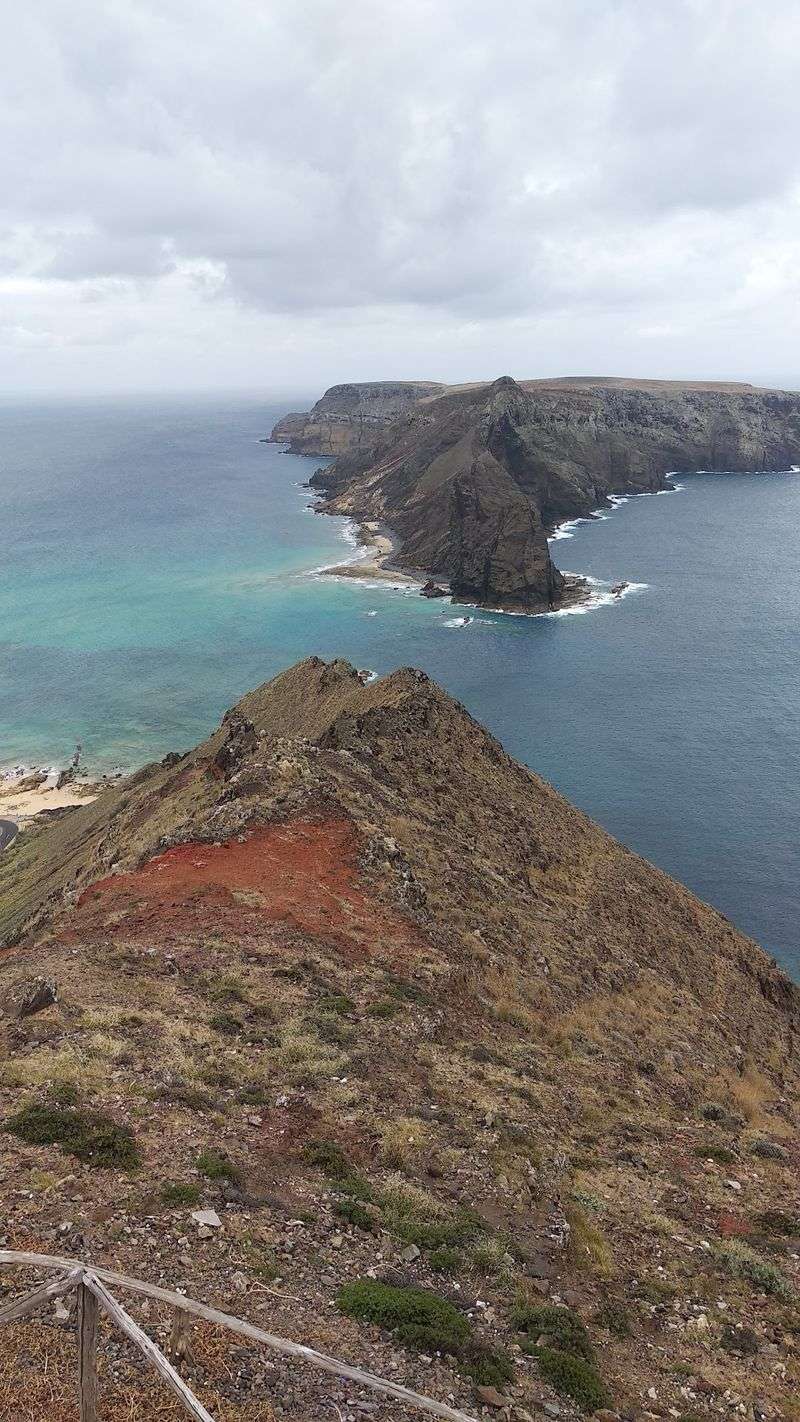
Porto Santo is the most developed island on this list, yet it still offers a much gentler experience than many major European beach destinations.
Its defining feature is a golden-sand beach about nine kilometers long, backed by clear Atlantic water. Away from the shore, visitors can explore volcanic formations, viewpoints, hiking routes, diving sites, and small settlements.
Porto Santo is also recognized as a UNESCO Biosphere Reserve, which reflects the environmental importance of the island and its surrounding marine areas.
Its beauty makes continued tourism likely. The challenge is protecting the landscape while letting people enjoy it.
That makes Porto Santo a fitting final stop. An island does not need to be hard to reach to reward slower, more thoughtful travel.
Share this story