An unassuming museum in New Jersey can turn a casual stop into a much bigger discovery. Rare manuscripts, a surgeon’s kit, and objects once used in everyday life give curious minds plenty to explore beyond the familiar stories about George Washington.
The appeal is in the details: a document worth reading carefully, a piece of furniture worth studying, or an exhibit that makes local history easier to understand. Keep reading for the collection’s surprises, the historic house tour, and the practical details that help make the most of a free outing.
A Historic Starting Point in Morristown
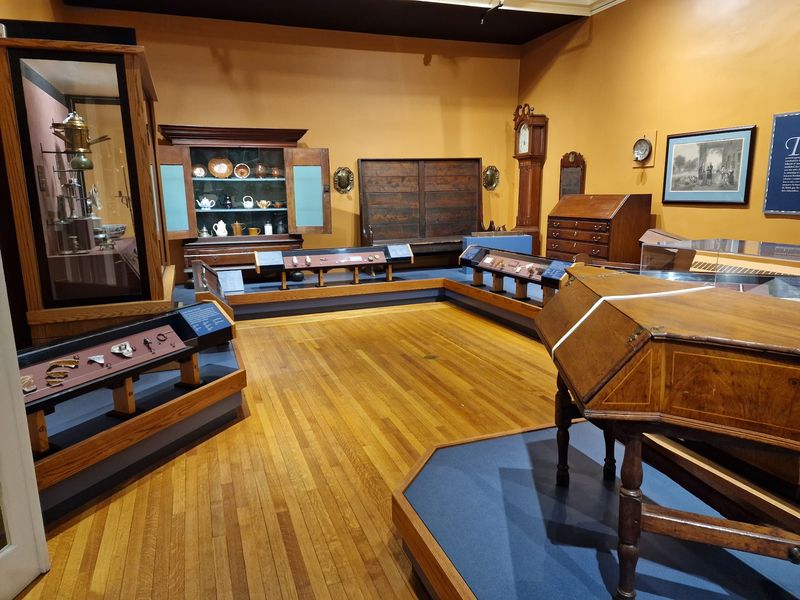
A familiar name opens the door to a surprisingly varied collection. Washington’s Headquarters Museum stands at 30 Washington Pl, Morristown, NJ 07960, United States, within Morristown National Historical Park.
The museum focuses on George Washington, the Colonial era, and the events that made this part of New Jersey important to the country’s early history. Its rooms hold original artifacts alongside information that explains their place in a larger story.
Rather than treating the building as a quick stop before the historic house, give its collection time of its own. Documents, portraits, household objects, and interactive exhibits offer several different ways to explore.
The museum also distributes tickets for the nearby Ford Mansion tour, making it a useful first stop. Start by asking about the house schedule, then plan the exhibits around that timing.
A little organization at the desk leaves more room for discovery afterward.
The Winter Story Behind the Collection
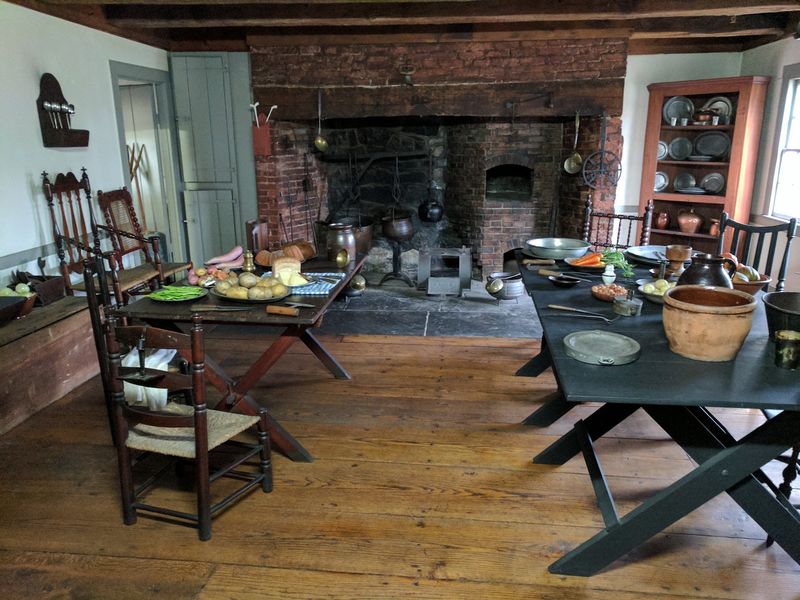
Before the smaller objects claim your attention, the orientation movie provides a useful introduction. It explains the Continental Army’s difficult winter at Morristown and gives the museum’s collection a clearer historical setting.
The winter of 1780 is a major part of the story presented here. Learning about the challenges of that period helps connect individual belongings with the daily needs of the people who used them.
A recreated soldier’s hut adds another point of reference. Alongside the museum’s information about the encampment, it encourages attention to shelter and ordinary routines rather than famous names alone.
Consider beginning with the film before choosing which rooms deserve the most time. That order makes the visit easier to follow, especially for anyone whose school lessons have grown a little fuzzy.
The objects become more meaningful when their historical context comes first, and the rest of the museum becomes less of a guessing exercise.
Manuscripts Worth a Longer Pause
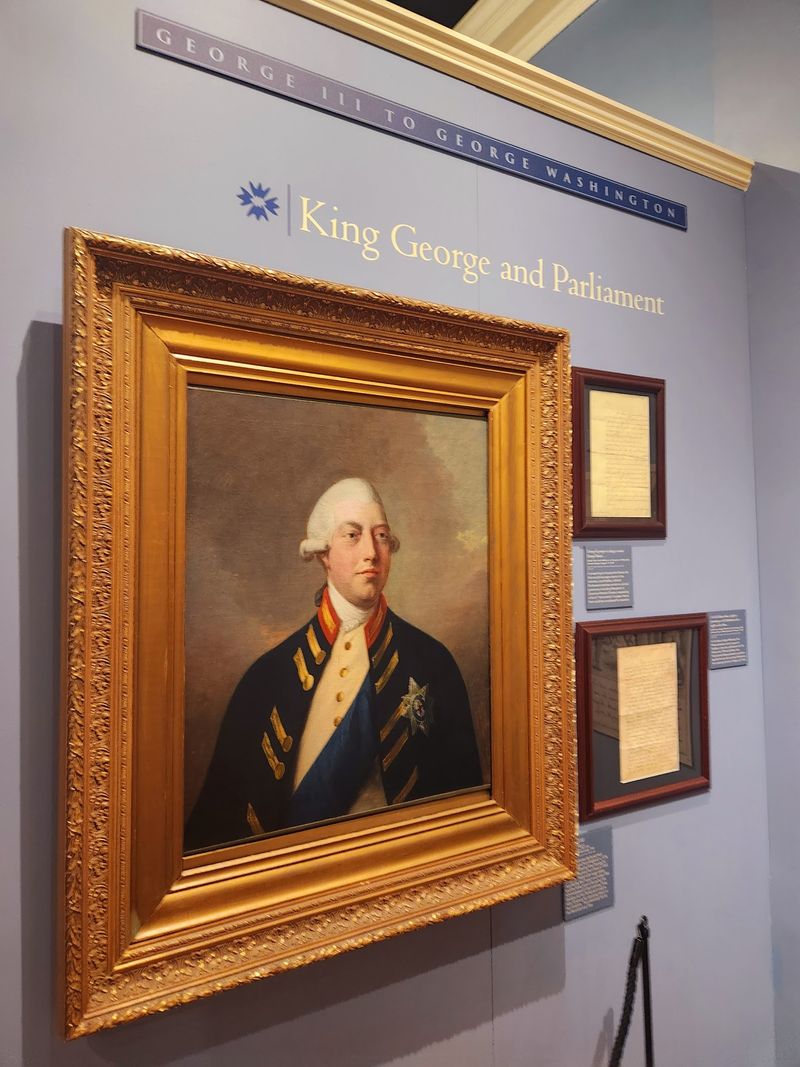
Paper earns more attention here than a quick glance usually allows. Rare manuscripts and historical documents are among the collection’s notable features, with a rare book and pamphlet room adding another reason to slow down.
These materials offer a different approach to history than household objects or portraits. They invite readers to consider how people recorded ideas, shared information, and explained the events around them.
Washington Irving biographies of the founding figures are also noted among the materials available for viewing. That detail gives book-minded travelers something specific to seek out instead of simply passing through the document displays.
Allow time to read the accompanying information rather than trying to finish every room at the same pace. A manuscript may require more attention than a larger object, but that effort is part of its appeal.
Here, a small piece of paper can justify a surprisingly substantial portion of the outing.
A Surgeon’s Kit With Everyday Context
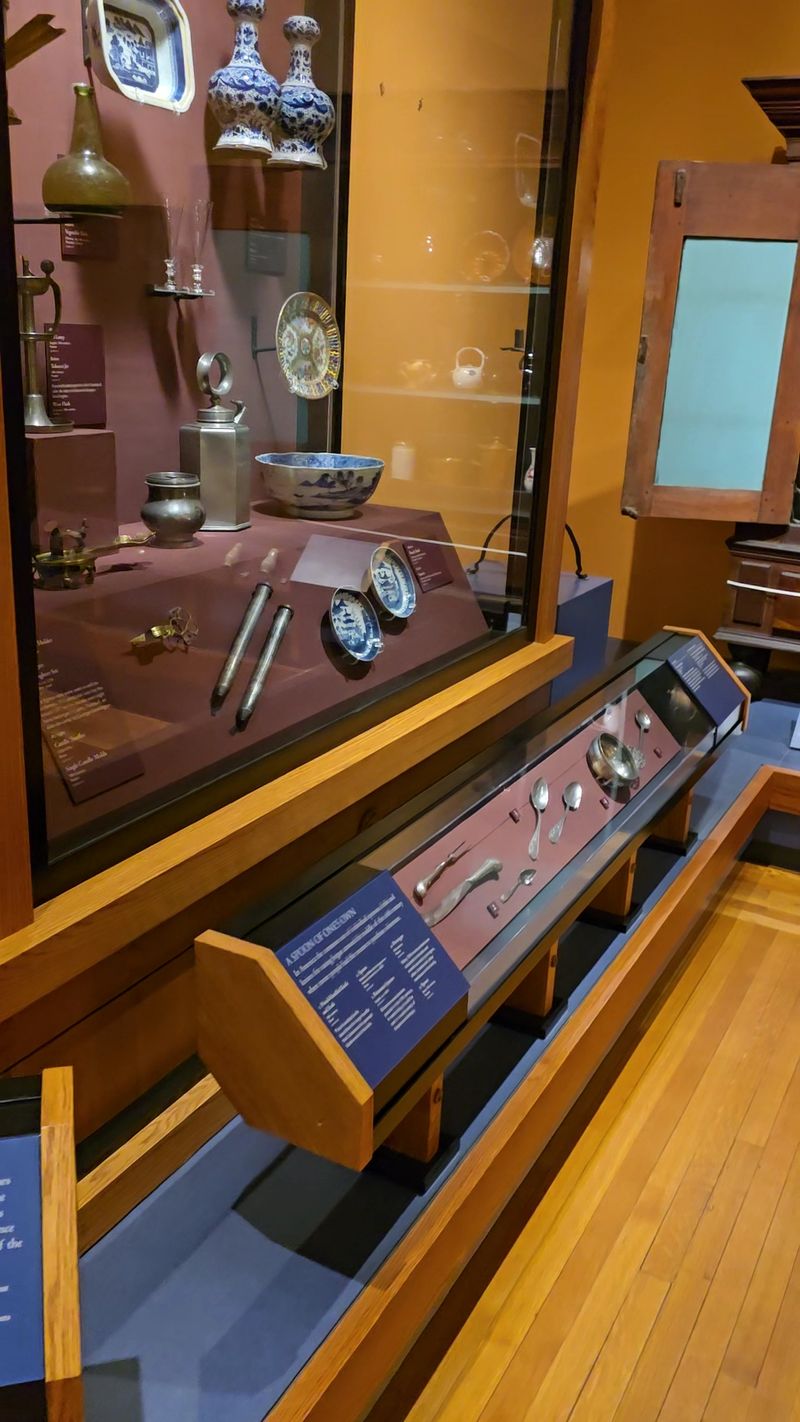
One compact collection of tools gives the title its most unusual detail. The museum’s surgeon’s kit introduces the medical side of life during the historical period covered by the exhibits.
Its interest lies in the object itself and the questions it raises about training, preparation, and available equipment. There is no need for graphic detail to appreciate how different professional work could be from modern practice.
Study the accompanying interpretation for the kit’s context rather than assuming every instrument has an obvious purpose. Historical equipment can be unfamiliar, and the museum’s explanation matters more than a confident guess.
Set beside manuscripts and ordinary household goods, the kit broadens the story beyond leadership and major events. It reminds curious readers that a community also depended on people with specialized skills.
For anyone drawn to unusual artifacts, this is a clear reason to give the collection more than a hurried circuit around the rooms.
Household Objects and Human Scale
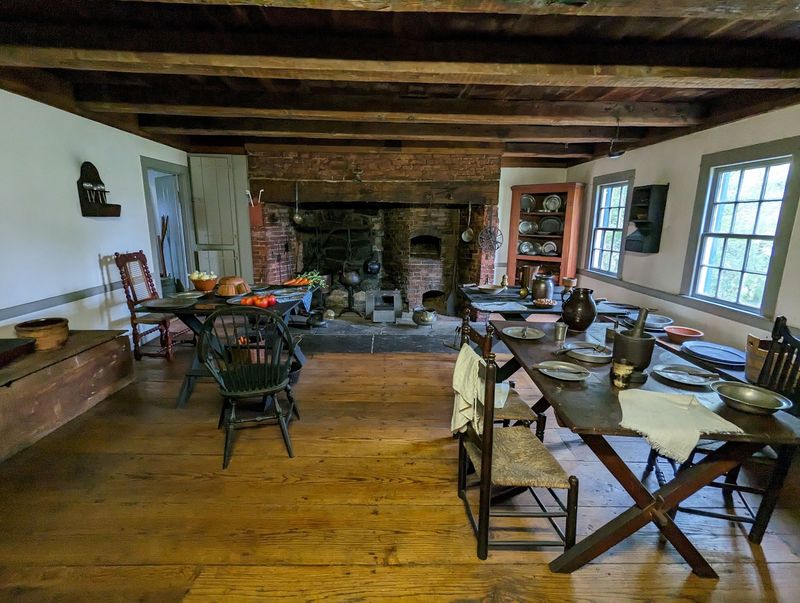
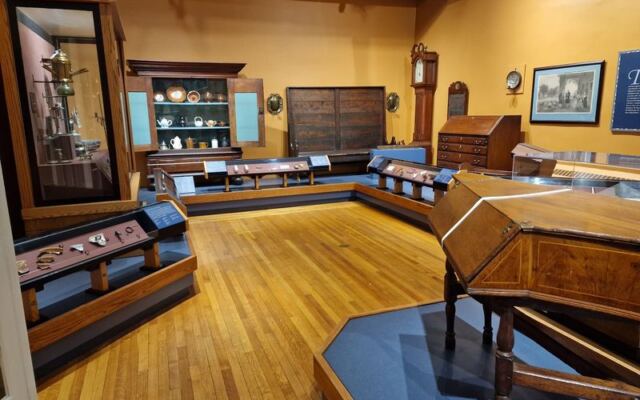
Not every interesting object belonged to a famous person. Furniture, silverware, plates, and other everyday goods give the museum a useful connection to ordinary life.
These pieces encourage a different kind of attention. Instead of focusing only on dates, consider how an object was made, what purpose it served, and what it suggests about the routines of its era.
The collection also includes information about fashion and apparel. Together, clothing-related interpretation and domestic objects help broaden the visit beyond the familiar outline of Washington’s story.
People interested in antiques, miniature furnishings, or historical crafts may find this part especially rewarding. Details of construction and use offer plenty to study without requiring advanced knowledge of national history.
Give these displays their own share of time rather than treating them as background. The everyday pieces help make the period understandable through practical needs, familiar tasks, and possessions that once had a regular purpose.
Portraits and a Musical Detour
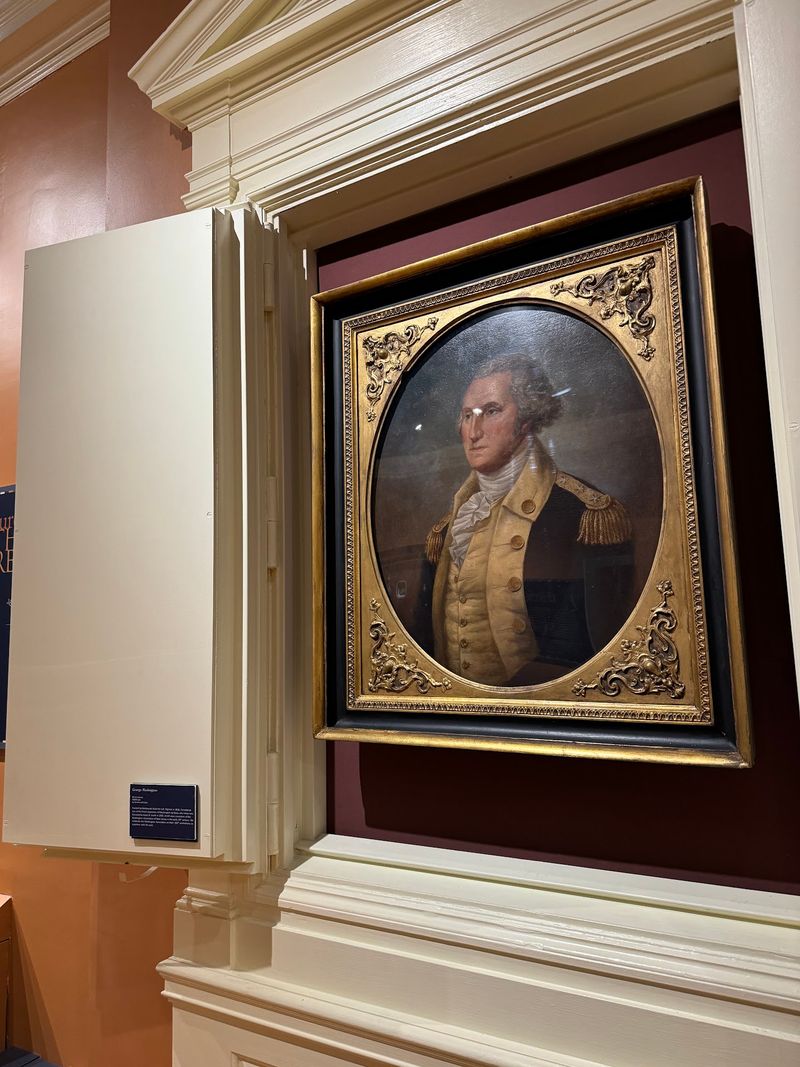
Art and music add an unexpected change of subject. Paintings of Washington, including a Peale portrait, share the museum’s broader collection with historical musical instruments.
A harpsichord is among the documented highlights, and the music room includes pianos. Those objects create another reason to explore beyond the exhibits most closely tied to Washington’s time in Morristown.
The portraits offer a chance to consider how a familiar historical figure was represented. Read their accompanying information for context rather than assuming every painting tells the same story or comes from the same moment.
Musical instruments invite a separate line of curiosity about design, craftsmanship, and cultural life. No musical expertise is needed to appreciate their place among the museum’s varied holdings.
This combination helps explain why the building deserves an unhurried visit. A person who arrives mainly for documents may leave with a new interest in instruments, while an art enthusiast has portraits to explore.
Hands-On History for Curious Families
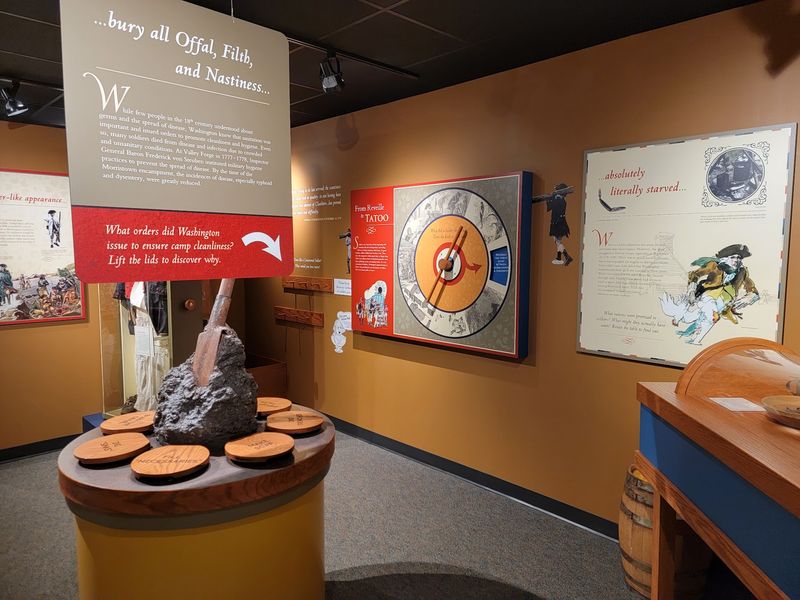
A museum outing does not have to depend entirely on reading labels. The Discover History Center includes interactive digital exhibits and interpretation based on primary sources.
That approach gives families another way to work through the material. Children can engage with interactive elements while adults connect the information to artifacts elsewhere in the building.
The center also uses audio displays to introduce historical perspectives. Together, these features offer alternatives to a visit built only around display cases and written explanations.
Let interest guide the pace rather than expecting everyone to spend equal time at every station. A family can choose a few exhibits to discuss closely, then move on when attention shifts.
The museum is self-guided, which supports that flexible approach. Helpful staff can explain where to begin or point out an exhibit that matches a particular interest.
Curiosity is enough to get started; a detailed knowledge of the period is not required.
The Ford Mansion Tour Connection
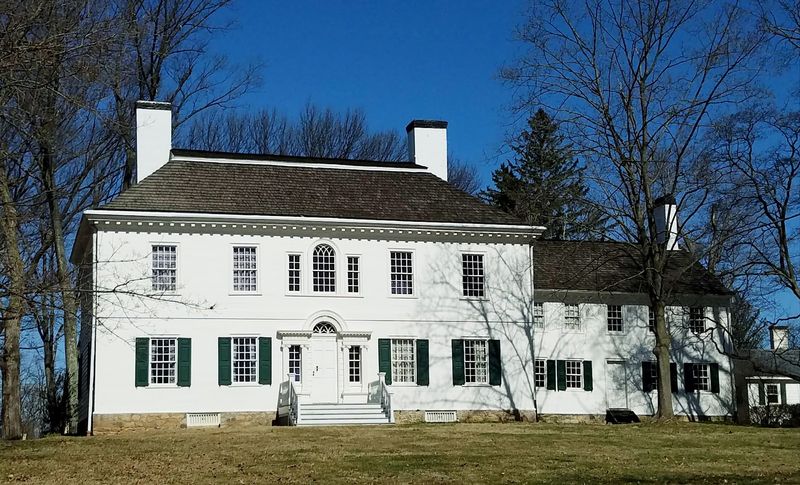
The nearby historic house changes the outing from a museum visit into a fuller exploration of the site. Ford Mansion, where Washington stayed, is available through a guided tour rather than independent entry.
Tickets are distributed at the museum, and the tour is free. Ask about availability when you arrive, since the museum’s opening hours should not be mistaken for a promise of continuous house tours.
An early arrival is a sensible choice when the house is a priority. Securing a ticket first lets you use the remaining time for the self-guided collection without wondering about the tour schedule.
Guides provide context about the house and the people of its period. The house has stairs, so anyone with access concerns should ask staff about current arrangements before committing to the tour.
Keep the two experiences connected in your plan: the museum explains the wider story, while the house adds its historic setting.
Free Admission and a Clear Visit Plan
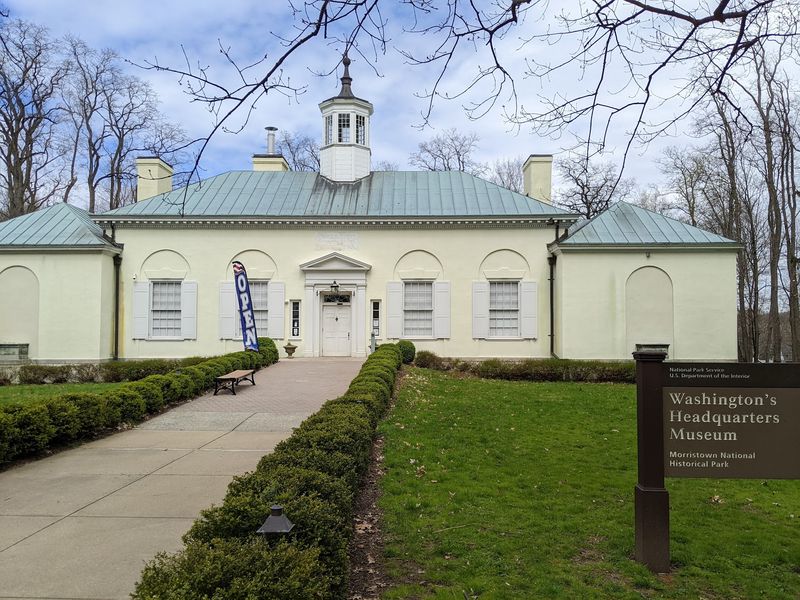
Free admission makes this an easy outing to consider without a ticket budget. Both the museum and the guided house tour are listed as free, though the house requires a tour ticket.
The supplied schedule lists opening hours of 9:30 a.m. to 4:30 p.m. on Monday and Thursday through Sunday. Tuesday and Wednesday are closed.
Check the official National Park Service website before leaving for current hours and tour arrangements. A posted museum schedule alone does not establish the day’s house tour times or ticket availability.
Allow roughly one to two hours for the museum, depending on how closely you explore the collection. Add time separately for the house tour rather than trying to squeeze both into a brief stop.
Use the street address in the opening section for navigation, then make the information desk your first destination. Confirming the day’s arrangements early keeps the practical questions from interrupting the more interesting ones.
A Small Museum With Plenty to Explore
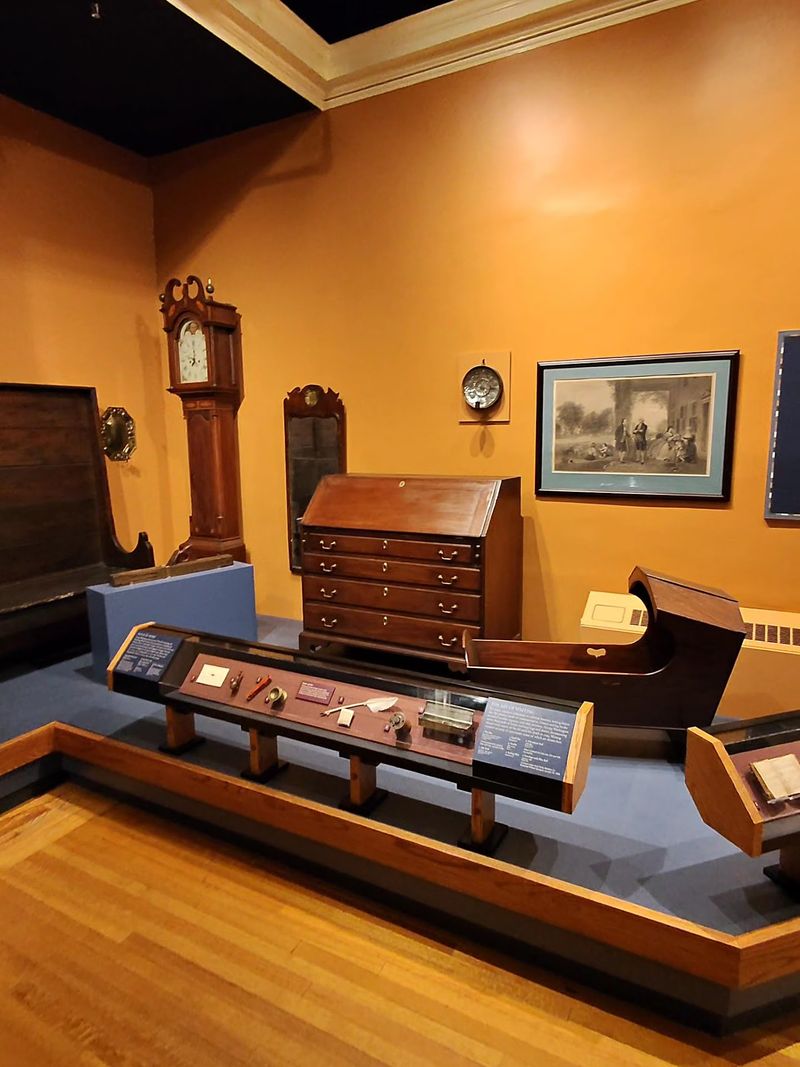
The strongest reason to come is the range of things worth investigating. A relatively small museum holds enough different material to reward people with interests in documents, art, crafts, local history, or historical homes.
Its spacious, air-conditioned interior supports an indoor outing, while the self-guided format allows a pace suited to your interests. The collection does not require everyone to follow one fixed route through the subject.
National Park Service Passport stamps are another detail to ask about at the site. For park enthusiasts, they add a practical reminder of the visit without taking attention away from the exhibits.
Return to the objects that first caught your interest before leaving. A second look after the film or house tour may give their explanations more meaning.
For a free New Jersey stop, the appeal is straightforward: substantial history, unusual artifacts, and room to follow your own questions. That is a satisfying reward for curiosity.
Share this story