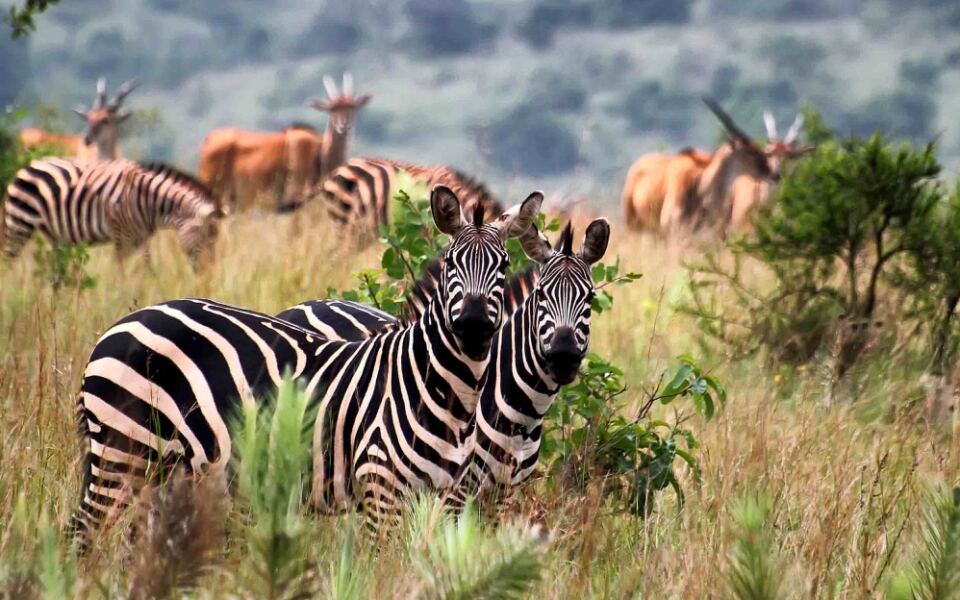
Africa has far more to offer than lions on open grasslands. Its national parks include towering desert dunes, giant salt pans, misty mountain forests, wetlands, and lake shores.
Some parks are easy to reach by car, while others take real planning and a sense of adventure. This list covers 13 protected areas across eight countries, each with its own landscape and its own wildlife.
You will find famous names like Serengeti and Kruger next to quieter places like Matusadona and Odzala-Kokoua. Whether you want to track gorillas, watch elephants beneath Kilimanjaro, or stand among dunes in Namibia, there is a park here that fits your travel dreams.
Serengeti National Park, Tanzania
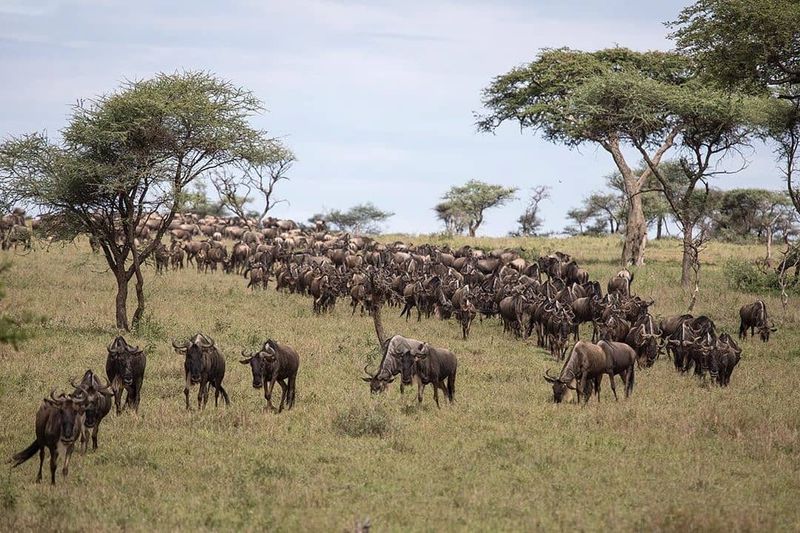
Few places say “African safari” as loudly as the Serengeti. Grasslands, rivers, woodlands, and rocky outcrops called kopjes stretch out in every direction, and they support lions, elephants, leopards, cheetahs, buffalo, and countless grazing animals.
The star event is the Great Migration. Huge numbers of wildebeest, zebras, and gazelles move through the wider Serengeti ecosystem in search of fresh grass and water.
UNESCO calls it one of the world’s most impressive natural spectacles.
The park is open year-round, but the herds do not stay in one spot. Their location shifts with the seasons, so it helps to match your travel dates to the area you most want to see.
Tanzania National Parks lists game drives, walking safaris, photography, and hot-air balloon safaris among the visitor experiences. A balloon ride gives a very different view of the plains than a vehicle does, and it suits travelers who want a special highlight on their trip.
Namib-Naukluft National Park, Namibia
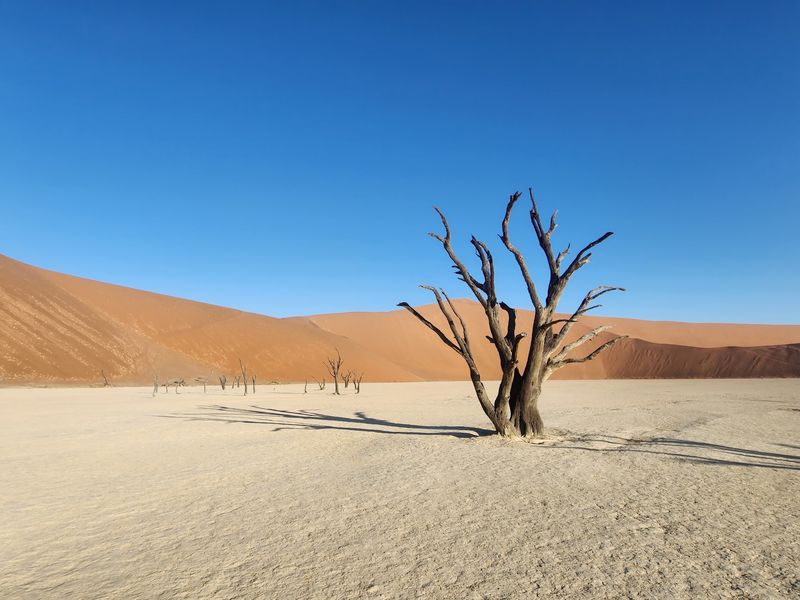
Picture a desert where giant dunes rise above pale clay floors and mountains break up the horizon. That is Namib-Naukluft, one of the most dramatic dry landscapes on the continent.
Sossusvlei is the best-known spot, with tall dunes wrapped around stark clay pans. Sesriem Canyon, the Naukluft Mountains, gravel plains, and remote desert tracks add plenty of variety for anyone who wants more than one view.
Life here is tougher than it looks. Oryx, Hartmann’s mountain zebra, springbok, brown hyenas, leopards, and many bird species all survive in this dry setting.
Namibia’s environment ministry lists camping, hiking, four-wheel-drive routes, bird-watching, photography, and stargazing among the activities. Some sections need permits, so anyone heading beyond the main visitor areas should check the latest access rules first.
Etosha National Park, Namibia
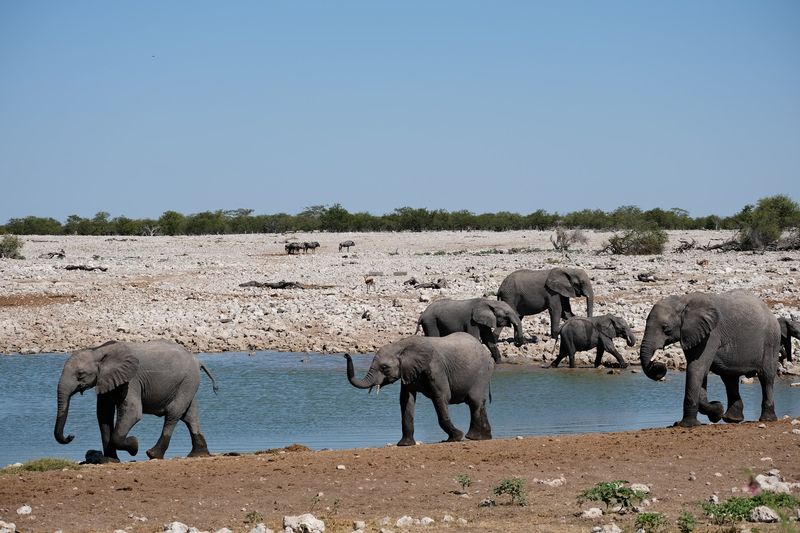
A giant pale salt pan sits at the center of Etosha, and it gives this park a look unlike any other safari spot. Around it, waterholes become the main stage for wildlife.
During dry periods, animals gather at those waterholes, so visitors can watch from one place rather than chasing sightings down long roads. That makes Etosha a good pick for patient travelers who enjoy sitting and watching.
The park is home to elephants, lions, giraffes, zebras, springbok, black and white rhinos, leopards, and many more species. Namibia’s environment ministry also records more than 400 bird species here.
Tourism setup is well established. Okaukuejo, Halali, Namutoni, Dolomite, and other areas offer accommodation and wildlife viewing, and several camps have floodlit waterholes where animals can be watched after sunset.
Kruger National Park, South Africa
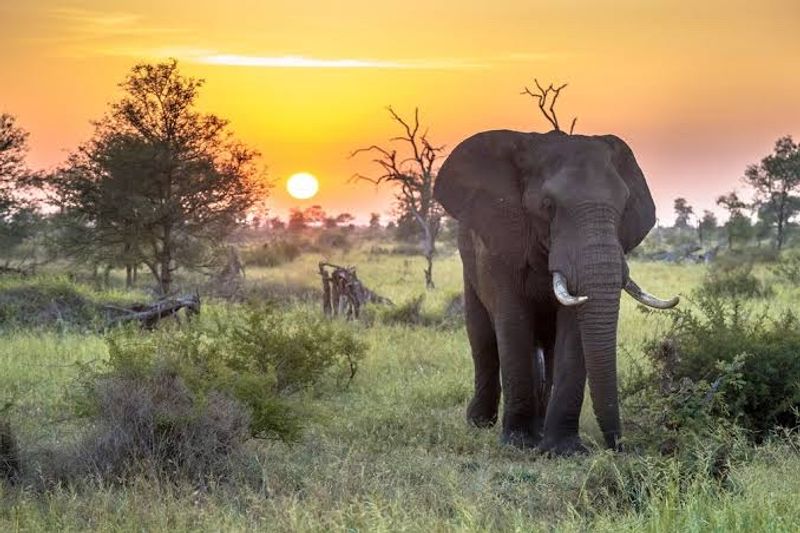
Plan a visit to Kruger and you may feel like you are planning a trip across a region. The park is that big, with savanna, woodland, rivers, and rocky areas all within its borders.
Those habitats shelter elephants, lions, leopards, buffalo, rhinos, giraffes, antelope, and hundreds of bird species. It is a strong choice for anyone hoping to see a wide mix of animals on one trip.
Kruger is also easy to explore because of its large network of roads and camps. Travelers can drive on their own, join guided drives, or stay at one of the many rest camps spread across the park.
SANParks welcomes day visitors and publishes gate opening hours. Heavy rain affected access to some sections earlier in 2026, so check current road conditions before you arrive.
Regular visitor access and day visits are operating.
Bwindi Impenetrable National Park, Uganda
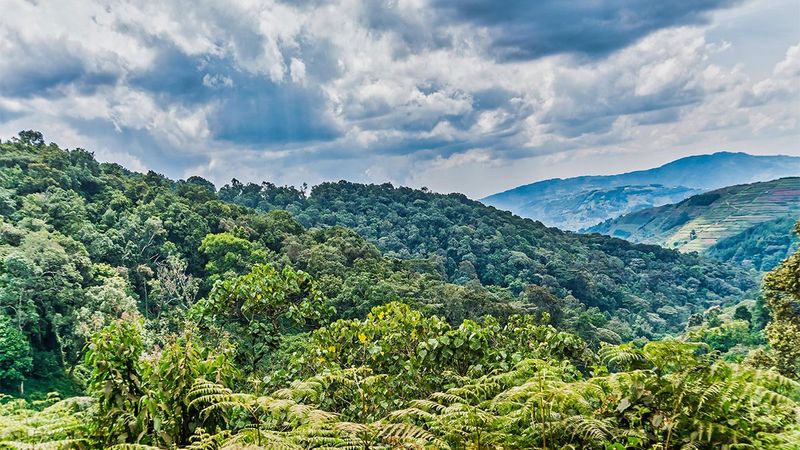
The name is not an exaggeration. Bwindi is packed with thick vegetation, steep forested hills, vines, mist, and huge trees, and it looks nothing like the open grassland parks elsewhere in Africa.
Mountain gorillas are the headline residents. Guided gorilla tracking is one of Uganda’s signature wildlife experiences, with trekkers heading into the forest with trained guides to find habituated gorilla families.
The Uganda Wildlife Authority says gorilla trekking currently takes place in Bwindi and in neighboring Mgahinga Gorilla National Park.
Gorillas are only part of the story. A 2026 census confirmed a significant chimpanzee population spread across the forest, which adds another reason to visit.
For travelers who love rain forests and primates, Bwindi is hard to match.
Nyungwe National Park, Rwanda
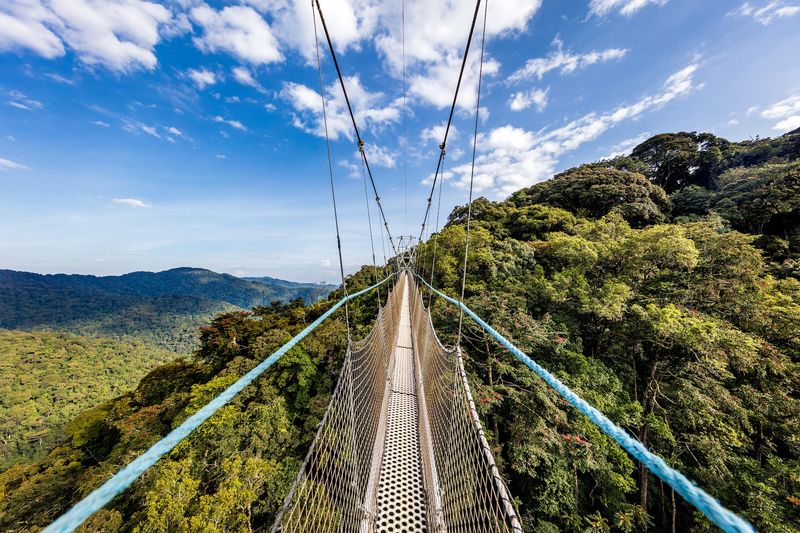
Some forests are young, but Nyungwe is counted among Africa’s oldest rain forests. It is also the largest remaining forest area in Rwanda, covering more than 1,000 square kilometers of Afromontane forest, bamboo slopes, wetlands, and grasslands.
The numbers on wildlife are striking. African Parks reports more than 1,100 recorded plant species, 345 bird species, and 85 known mammal species, including 13 primates.
Chimpanzees and Ruwenzori black-and-white colobus monkeys are among the best known.
Visitors can explore on hiking trails and primate excursions. The most recognizable attraction is the canopy walkway, a suspension bridge that rises above a forest ravine.
You reach the bridge on guided walks. Visit Rwanda currently describes the canopy experience as open year-round, which makes planning simpler.
Odzala-Kokoua National Park, Republic of the Congo
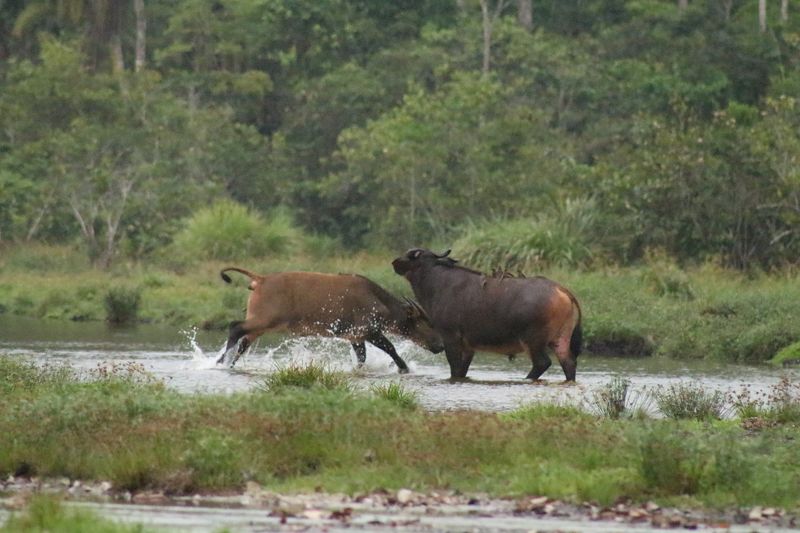
Imagine a safari with no wide plains at all, only thick equatorial forest. Odzala-Kokoua sits in the Congo Basin and offers exactly that, with rain forest, swamp forest, rivers, and open clearings known as bais.
Wildlife includes forest elephants, chimpanzees, western lowland gorillas, bongos, sitatungas, and hundreds of bird species. African Parks describes the protected area as covering 13,546 square kilometers within one of the world’s great surviving tropical forest systems.
It is remote, yet tourism is active. African Parks keeps visitor information for the park and promotes experiences on foot and by boat.
Camp Imbalanga has helped grow ecotourism in the area. It is a very different style of African trip, shaped by forest rather than open grassland.
Amboseli National Park, Kenya
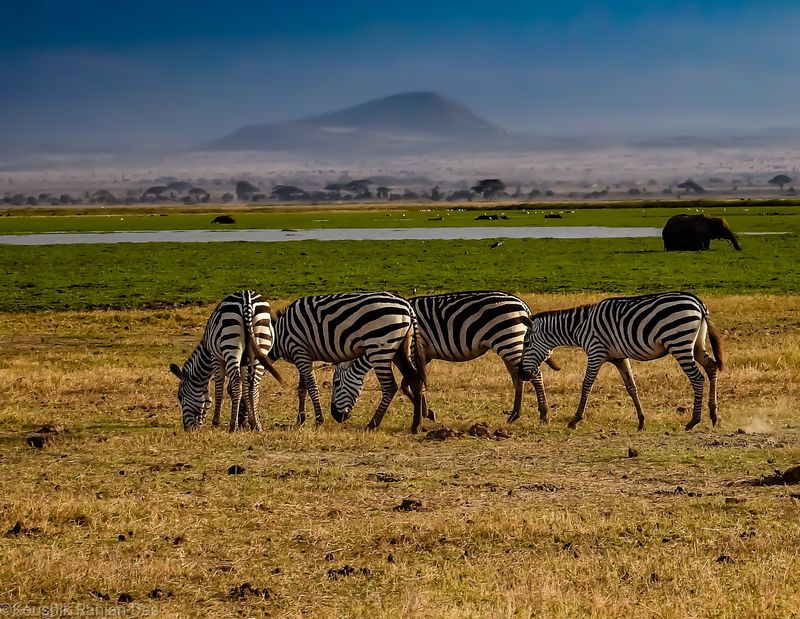
Elephants with a snowy mountain behind them make for one of Africa’s best-known photo scenes. Amboseli delivers it, with Mount Kilimanjaro rising across the border in Tanzania.
The park mixes open plains, swamps, marshes, and acacia woodland. Elephants are the signature animals, and visitors often see herds moving between grasslands and wetland areas.
Lions, giraffes, zebras, antelope, and plenty of birds round out the classic East African safari scene.
Kenya Wildlife Service operates the park for tourism and shares entry and travel details, including access through Iremito, Kimana, and Meshanani gates. KWS presents it as a place for wildlife watching, birding, and photography.
Clear days give the best chance at that Kilimanjaro view.
South Luangwa National Park, Zambia
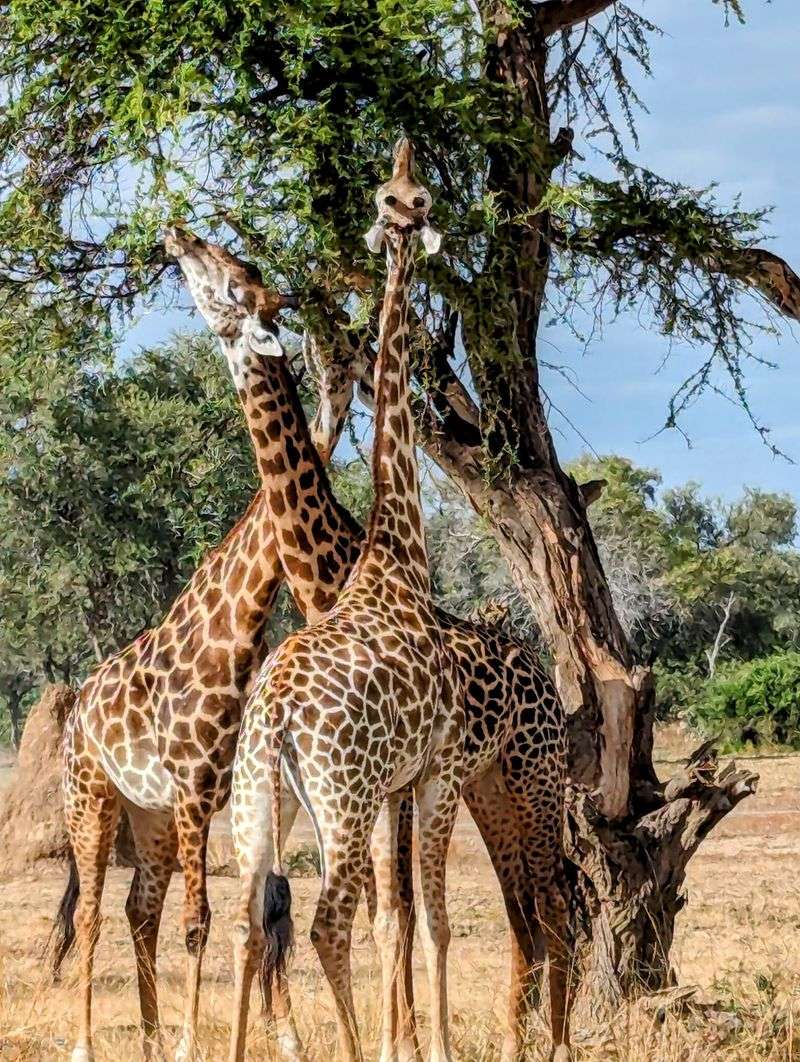
Everything here follows the river. The Luangwa River and the floodplains, lagoons, woodlands, and grasslands around it shape the whole park.
In the dry season, animals crowd around shrinking water sources, and wildlife viewing becomes superb. Elephants, buffalo, hippos, crocodiles, lions, and leopards are all regularly linked with the valley.
South Luangwa is also famous for walking safaris, which became an important part of Zambia’s safari tradition.
Zambia Tourism confirms that game drives, guided walks, night drives, and many lodging choices are on offer. Some properties close for part of the rainy season when access gets difficult, though several lodges in the central area stay open all year.
The landscape changes sharply between dry and rainy months, which keeps repeat visits interesting.
Hwange National Park, Zimbabwe
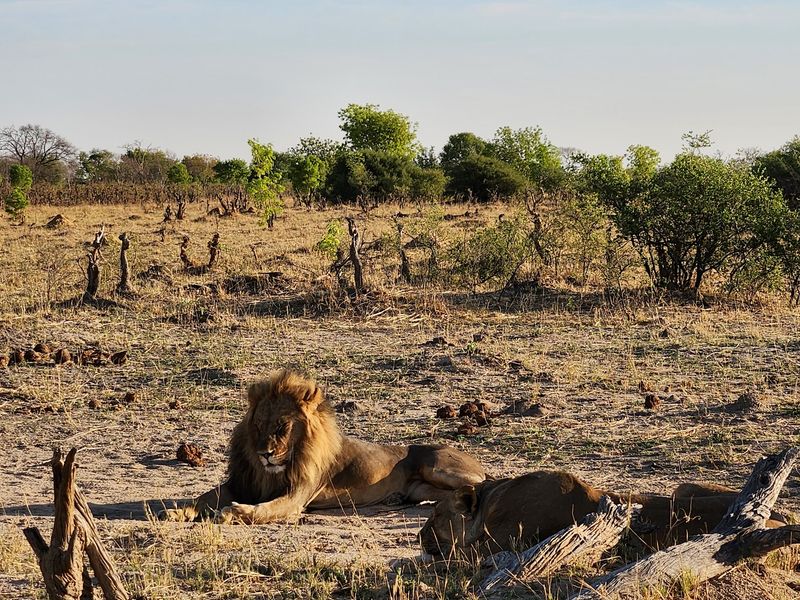
About 14,650 square kilometers makes Hwange the largest national park in Zimbabwe. That is a lot of room for wildlife to roam.
Savanna, teak woodland, and mopane woodland cover much of the landscape. The park sits close enough to Victoria Falls to fit nicely into a wider Zimbabwe itinerary.
Elephants are the main draw. Zimbabwe Parks also records around 100 mammal species and nearly 400 bird species, along with lions, leopards, buffalo, wild dogs, sable, and roan antelope.
Hwange is an established tourism destination, with road access and connected camps. The appeal is not mountains or lush jungle.
It is the sense of space, with wildlife-filled plains, woodland, and long stretches of open wilderness.
Table Mountain National Park, South Africa
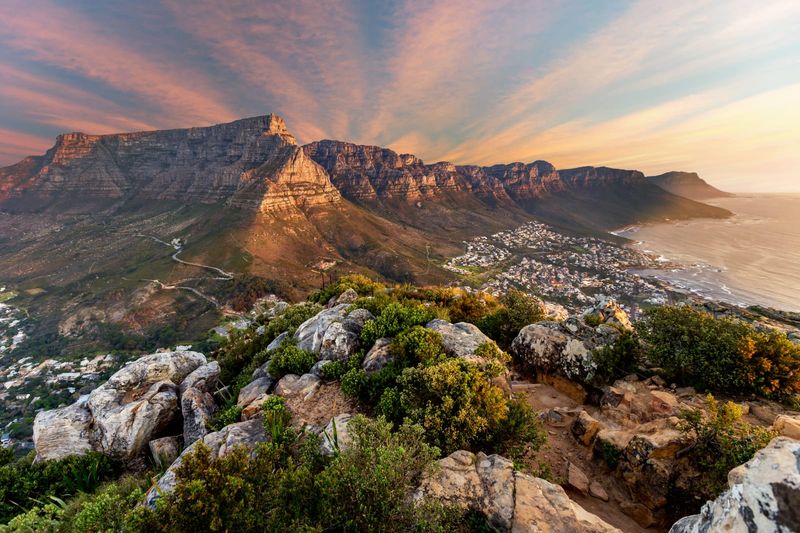
A national park does not always need a multiday safari. Table Mountain National Park rises right above Cape Town, so you can reach it without leaving the city.
The park stretches across mountains, coastline, cliffs, beaches, and fynbos vegetation. Table Mountain itself dominates the view, but the park covers many separate recreation areas across the Cape Peninsula.
Hiking is a major draw, and the viewpoints show both the city and the Atlantic coast.
SANParks publishes visitor hours and access details. Trails can close at times for maintenance, fire conditions, or safety.
Parts of the Lion’s Head trail network had temporary maintenance limits in 2026, while other summit routes stayed available, and the wider park remains open.
Akagera National Park, Rwanda
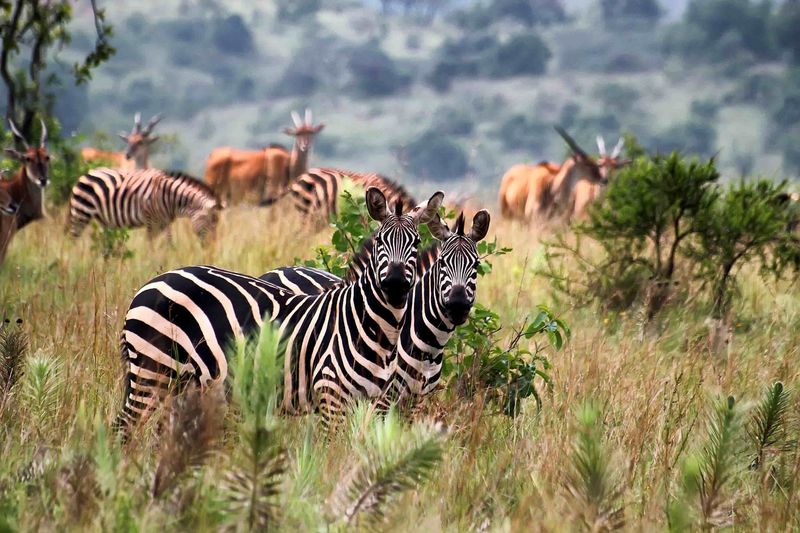
Rwanda is known for mountains and gorillas, yet Akagera shows another side. The park lies in the east and protects savanna, lakes, woodland, and a large wetland system.
African Parks describes it as Rwanda’s last major refuge for savanna wildlife and one of Central Africa’s largest protected wetlands. Conservation programs have brought back lions and both black and white rhinos, helping rebuild a wildlife community that had shrunk sharply in earlier decades.
Tourism is active, with visitor services and a dedicated tourism office.
A safari here feels completely different from time in the rain forests of Nyungwe. That contrast makes the two parks a smart pair on a single Rwanda trip.
Matusadona National Park, Zimbabwe
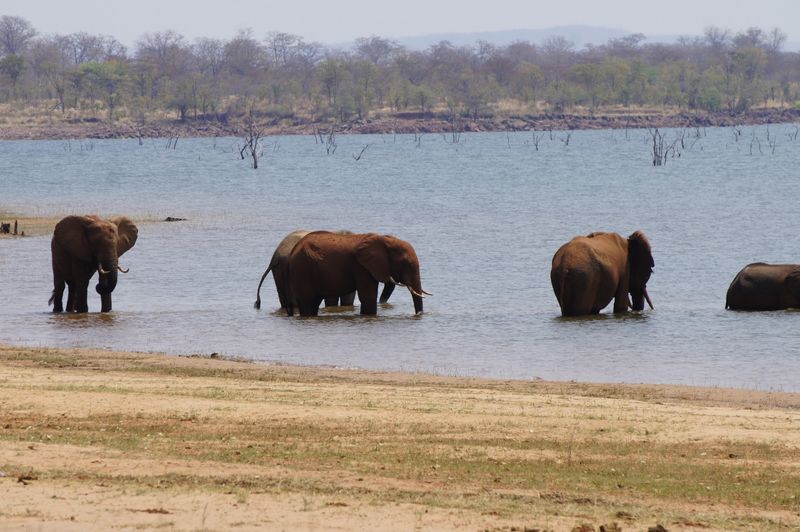
Matusadona sits on the edge of Lake Kariba, where water, grassland, mopane woodland, dense thickets, and the rugged Zambezi escarpment all meet. That mix gives it a look unlike Zimbabwe’s better-known savanna parks.
Elephants, lions, buffalo, leopards, antelope, and plenty of birds live here. The lake adds a waterside element, and the surrounding hills make the scenery especially striking.
Zimbabwe Parks provides visitor information, entry details, accommodation information, and road directions for the park.
It is remote, and its tourism setup is smaller than at Kruger or Serengeti. That quiet is part of the character, and it suits travelers who want wilderness without busy safari circuits.
Share this story