Some train rides are more than a way to get from one place to another. They are rolling history lessons, complete with steam whistles, mountain grades, and tracks laid more than a century ago.
This list covers ten American railroads where you can still climb aboard and travel along routes tied to gold rushes, logging camps, copper mines, and early tourism. A few have run nonstop for generations.
Others closed, nearly vanished, and then came back thanks to people who refused to let them disappear. Each one has its own story, its own scenery, and its own twist on the past.
Whether you love trains or just like a good road trip with a view, these railroads show how living history can be a lot more fun than a museum case. Here is a look at where the rails still run.
Strasburg Rail Road, Strasburg, Pennsylvania
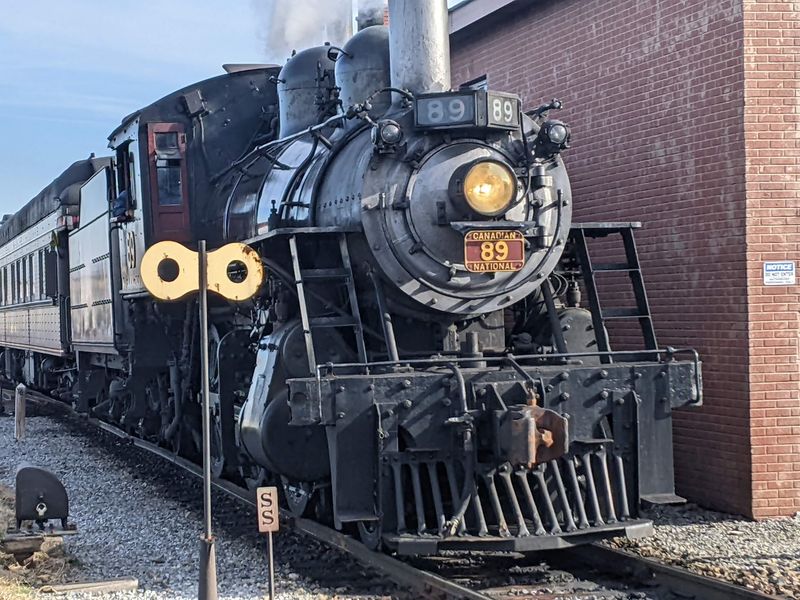
Chartered in 1832, Strasburg Rail Road makes one of the strongest claims in America to being the oldest continuously operating railroad. It still handles both excursion passengers and freight-related work, which sets it apart from many historic lines.
Riders board restored passenger cars for a roughly 45-minute, nine-mile round trip through Lancaster County’s Amish countryside. Steam locomotives provide much of the experience.
Dining cars, first-class seating, and themed excursions give guests plenty of ways to pick a ride that fits their style.
The story almost ended in the 1950s, when the line narrowly avoided abandonment. A group of investors stepped in, bought the railroad, and revived passenger excursions.
That rescue helped turn Strasburg into one of the best-known heritage railroad experiences in the country.
For families or first-time rail fans, this is an easy place to start. The ride is short enough to fit into a day of exploring Pennsylvania farm country, yet it carries nearly two centuries of railroad history.
Mount Washington Cog Railway, Mount Washington, New Hampshire
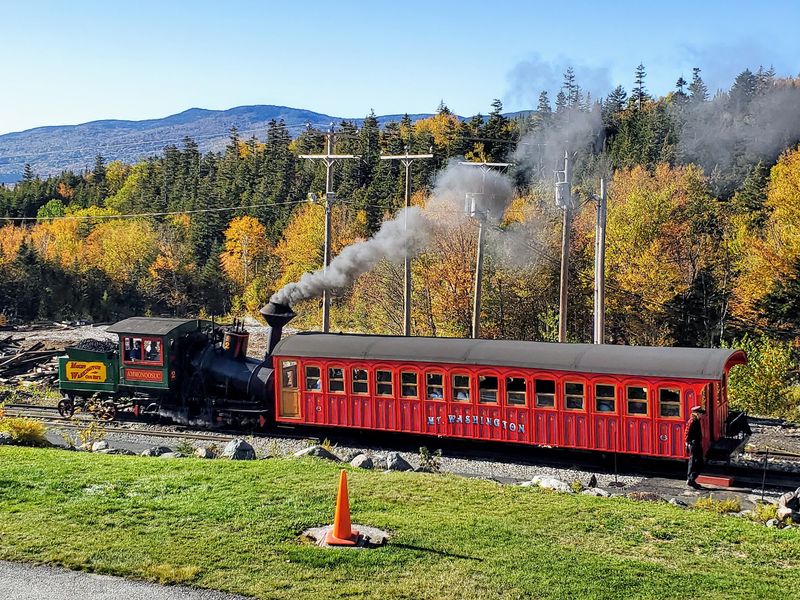
Picture a train so determined to climb that it uses gears instead of just wheels. When the Mount Washington Cog Railway opened to the summit in 1869, nothing else quite like it existed.
It became the world’s first mountain-climbing cog railway, using a rack-and-pinion system to handle slopes far steeper than an ordinary railroad could manage.
More than 150 years later, passengers are still climbing Mount Washington by rail. Modern biodiesel locomotives handle much of the service, but historic steam locomotives also operate during portions of the warmer season.
The railway currently runs throughout the year. During warmer months, trains can reach the 6,288-foot summit.
Winter trips typically end at lower stations when summit facilities are closed, so it helps to check the schedule before choosing a date.
That mix of old engineering and big mountain scenery makes the Cog one of the most unusual surviving railways in America.
East Broad Top Railroad, Rockhill Furnace, Pennsylvania
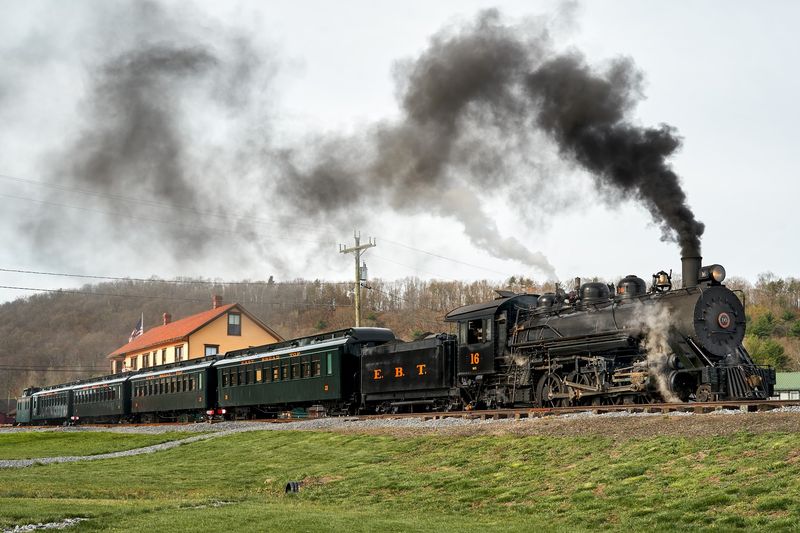
Here is a railroad that came back from a long pause. East Broad Top traces its history to an 1856 charter, though construction began in 1872 and passenger service reached Rockhill Furnace in 1873.
The three-foot-gauge line eventually served the coal mines and iron industry of central Pennsylvania.
Unlike Strasburg, it has not operated continuously. Regular operations ended in the 1950s, tourist service later returned, and the railroad closed again after its 2011 season.
That could have been the end of the story. Instead, the EBT Foundation acquired the railroad in 2020 and restored passenger operations beginning in 2021.
Today, visitors can ride trains along part of the historic route and explore one of the best-preserved railroad industrial complexes in America. The 2026 regular operating season runs from May through October, with additional special events.
I would plan around the season dates before booking a trip.
Cumbres & Toltec Scenic Railroad, Colorado and New Mexico
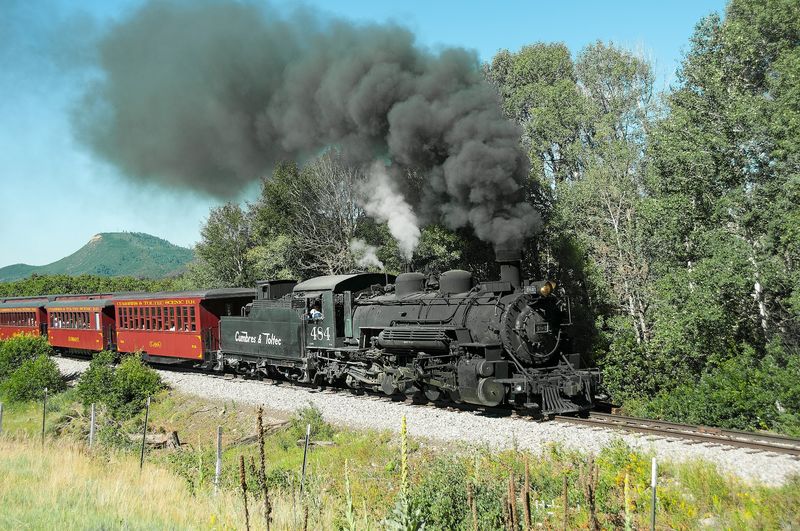
Rails laid in 1880 still carry passengers over a mountain pass today. The tracks used by the Cumbres & Toltec Scenic Railroad were built as part of the Denver & Rio Grande’s narrow-gauge San Juan Extension.
The route originally helped connect mining communities across southern Colorado and northern New Mexico.
Later, the Rio Grande sought to abandon much of its narrow-gauge system. Preservationists saved one spectacular section, and Colorado and New Mexico jointly purchased the line between Antonito and Chama in 1970.
Tourist trains began running the following year.
Now, steam-powered excursions cross rugged mountain terrain, climb Cumbres Pass, and follow portions of track dating directly to the railroad’s 19th-century origins.
The tourist operation is not continuous from 1880, but the surviving infrastructure makes this one of the oldest historic rail routes in the country that passengers can still experience. It also gives travelers a chance to cross a state line without leaving their seat.
Durango & Silverton Narrow Gauge Railroad, Durango, Colorado
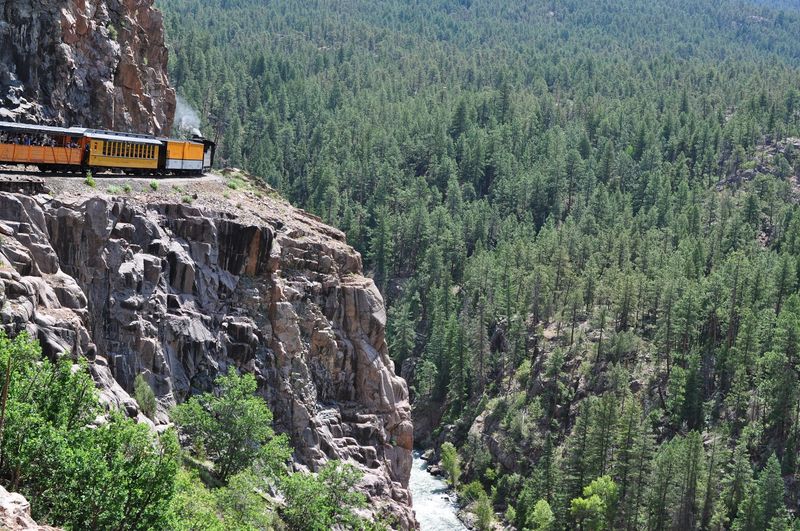
Few American railroads can match this kind of continuity. Construction began after the Denver & Rio Grande reached Durango in 1881, and the tracks to Silverton were completed in 1882.
Trains originally carried gold and silver ore from the San Juan Mountains, along with passengers.
The railroad says trains have operated between Durango and Silverton continuously since 1882. Visitors still travel through the Animas River canyon aboard trains powered by historic steam locomotives, modernized oil-fired steam engines, and diesels.
When mining traffic declined, the dramatic mountain scenery helped preserve the route. A working industrial railroad slowly became one of the most famous historic train rides in the country.
More than a century later, the journey remains closely tied to the track and landscape that made the original railroad famous. It is a strong pick for anyone who wants a ride that still follows its first purpose, moving people through the San Juan Mountains.
White Pass & Yukon Route, Skagway, Alaska
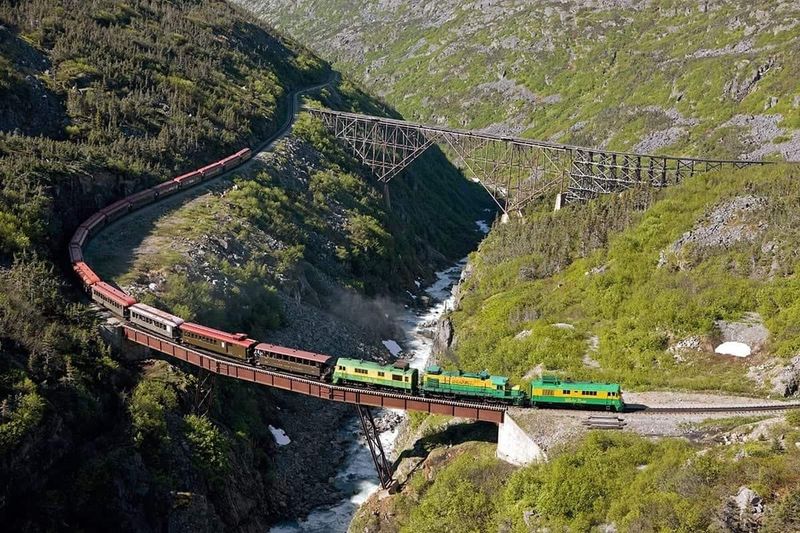
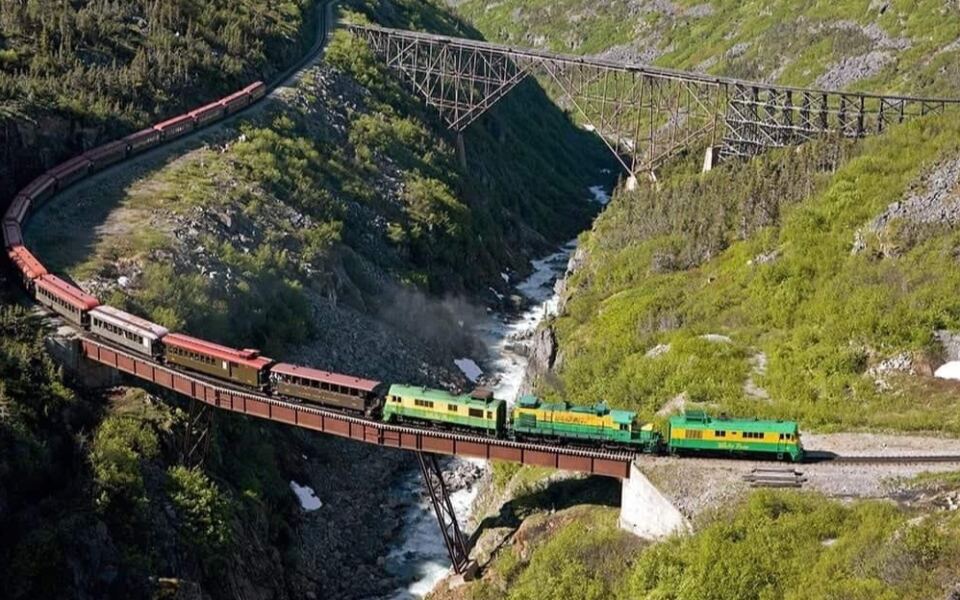
Gold fever built this one. The White Pass & Yukon Route was born during the Klondike Gold Rush, and construction began in 1898.
The first locomotive entered service that July over the initial four miles of completed track.
Engineers eventually pushed the narrow-gauge route through steep mountain terrain from Skagway toward Canada’s Yukon Territory. It is a bold bit of railroad building, especially for the late 1800s.
The railroad has seen periods when regular operations were suspended, so it is not a continuously operating line from 1898. Still, substantial portions of the historic route survive and remain active.
In 2026, White Pass continues to offer seasonal passenger service from Skagway, including trips toward Fraser and Carcross. Some excursions follow the same mountain corridor traveled by prospectors and railroad workers more than a century ago.
Since service is seasonal, summer trip planning matters here.
Cass Scenic Railroad, Cass, West Virginia
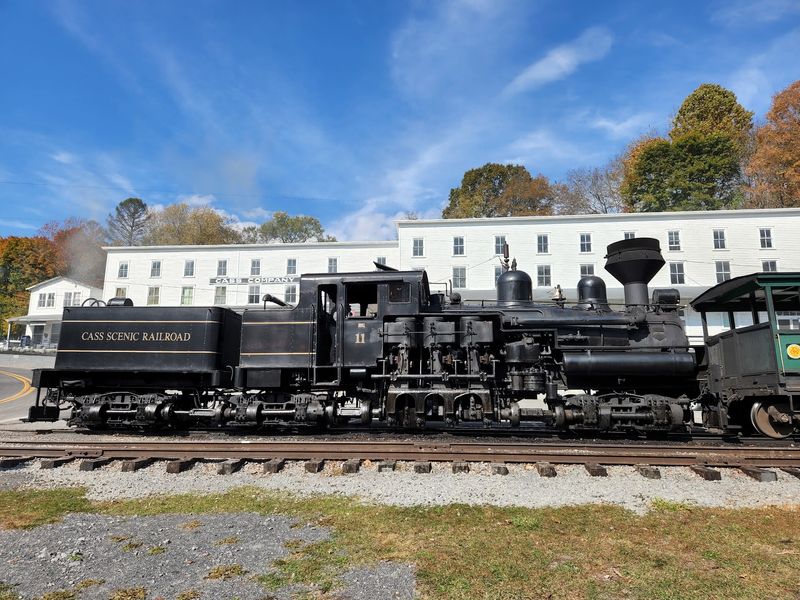
Timber built Cass, and the trains came first. In 1901, the West Virginia Pulp and Paper Company constructed a rail system to haul timber from the surrounding Appalachian mountains to its mill.
Logging trains eventually climbed toward Bald Knob, using geared steam locomotives designed for steep grades and sharp curves. Industrial operations ended in 1960, when the mill and railroad shut down.
Rather than let the line disappear, West Virginia made Cass part of its state park system and turned the railroad into a tourist operation.
Today, Cass Scenic Railroad remains fully operational as a heritage attraction. Its mountain excursions preserve the feel of Appalachian logging railroads, and the surrounding company town adds another layer of history.
What stands out is that the railroad, the town, and the industrial landscape survive together instead of as separate artifacts.
Grand Canyon Railway, Williams, Arizona
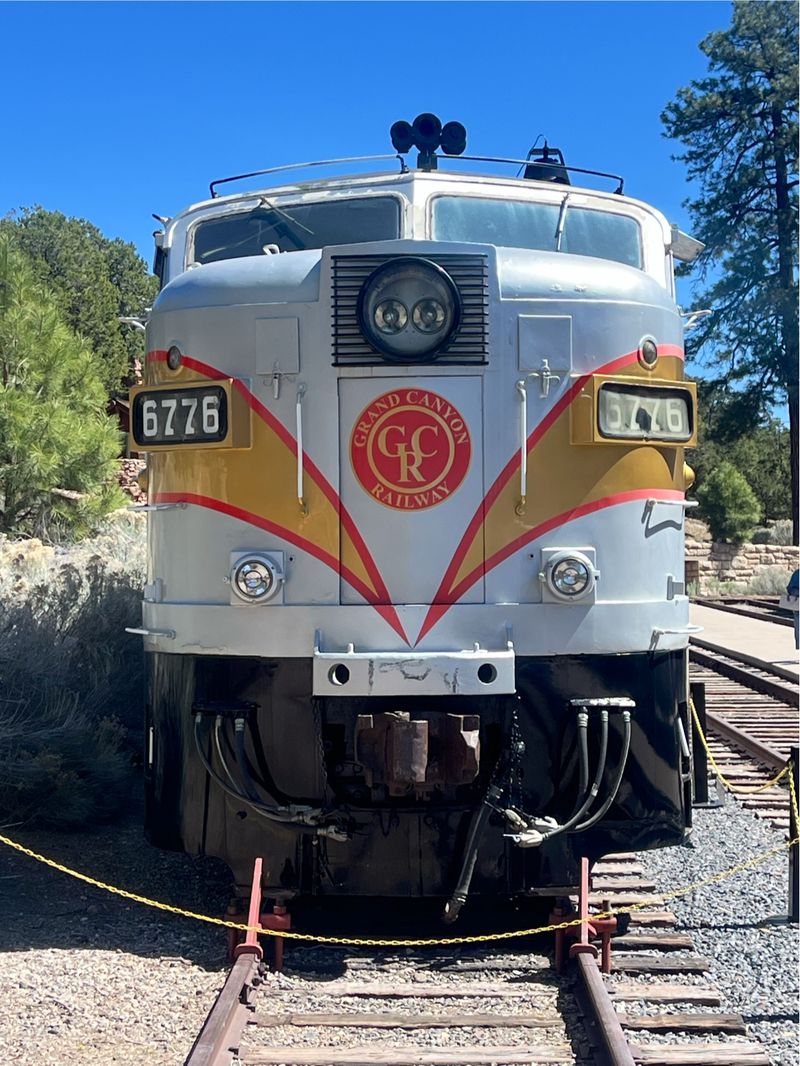
Before highways, reaching the Grand Canyon meant a rough stagecoach ride. On September 17, 1901, the first Grand Canyon Railway passenger train reached the South Rim.
The railroad helped turn the canyon into a destination ordinary travelers could actually visit.
Passenger operations ended in 1968 as automobile travel took over. The railway stayed dormant for years before passenger service was successfully revived.
Today, trains again travel approximately 65 miles between Williams and the South Rim of Grand Canyon National Park. The modern operation uses the historic rail corridor while recreating aspects of early Western rail travel.
It is more than a nostalgia ride. The railway also offers an alternative to driving into one of the busiest national parks in America, which can make the trip feel a little less stressful when parking gets crowded.
Nevada Northern Railway, Ely, Nevada
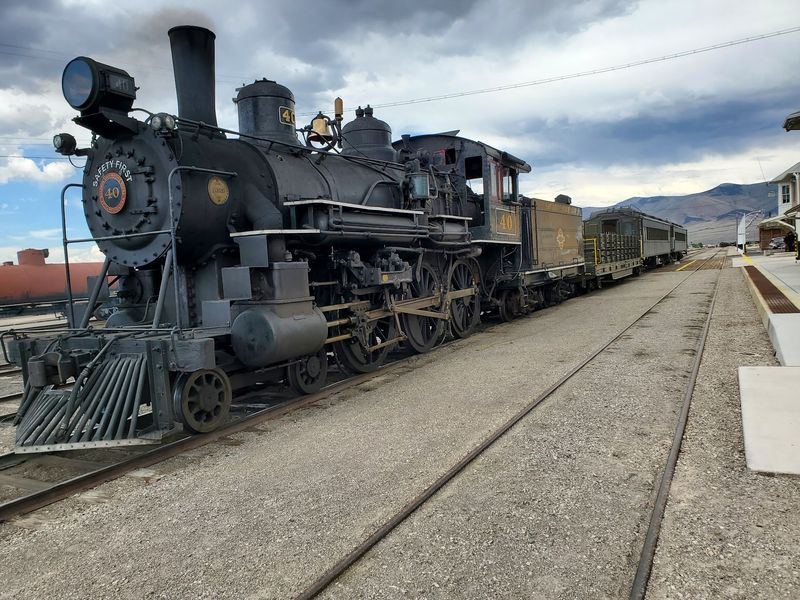
Most railroad museums show you old trains. In Ely, the whole railroad is still standing.
The Nevada Northern Railway began operations in 1906, primarily serving the enormous copper-mining industry around town, and much of the original complex survived.
Regular railroad operations ended in 1983, so Nevada Northern cannot claim uninterrupted service. Preservation efforts then turned the property into a living railroad museum rather than a place where locomotives sit behind barriers.
Visitors can currently ride historic trains pulled by steam or diesel locomotives, and the museum operates hundreds of trains during the year.
Roughly 30 miles of track and dozens of historic buildings, shops, and railroad structures remain part of the site. Current 2026 schedules include regular excursions, seasonal trains, and special events.
I would check the calendar first to match the ride with the day you visit.
Black Hills Central Railroad, Hill City, South Dakota
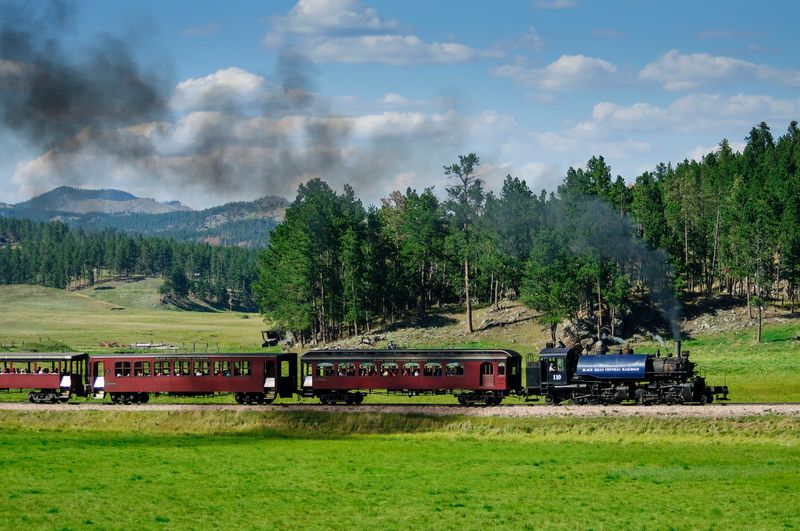
The name says 1880, but the date needs a little explaining. The Black Hills Central Railroad runs over a historic corridor between Hill City and Keystone.
Portions of the route came from the railroad expansion tied to the Black Hills mining era.
The current 1880 Train began running in 1957. It describes itself as the world’s oldest continuously operating standard-gauge excursion train.
Historic steam locomotives pull passengers across roughly ten miles of surviving Black Hills trackage.
The name describes the feel of the ride, not the founding date of today’s excursion railroad. That is a useful distinction when comparing it with lines such as Strasburg or the Mount Washington Cog Railway.
Even so, more than six decades of continuous excursion service make it one of the longest-running heritage railroad experiences in the country.
Share this story