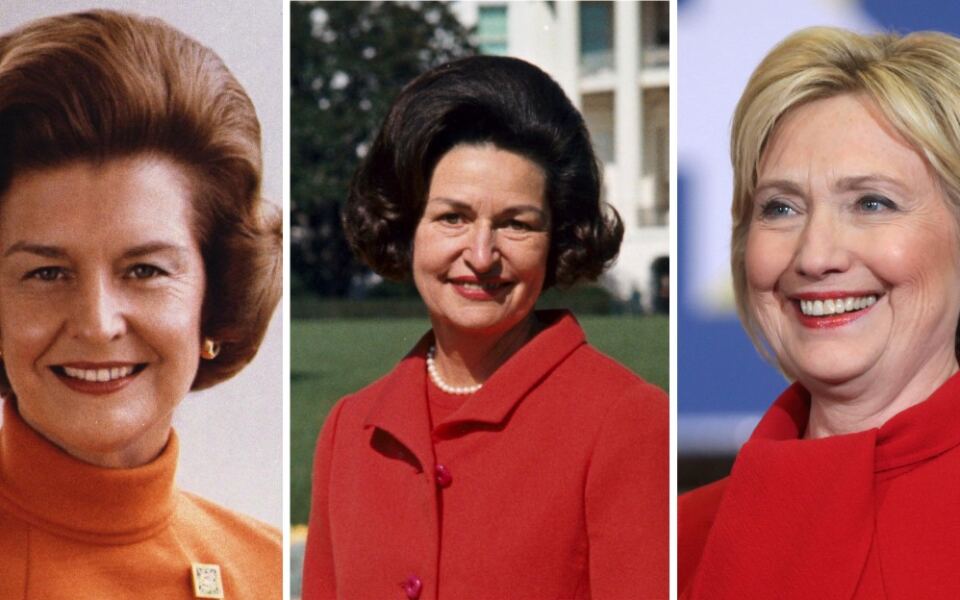
The women who have held the title of first lady shaped American history in ways that often go unnoticed. Some guided presidents through hard times, while others launched causes that changed the country.
Here are fifteen facts about their lives, their choices, and their lasting influence.
1. Martha Washington
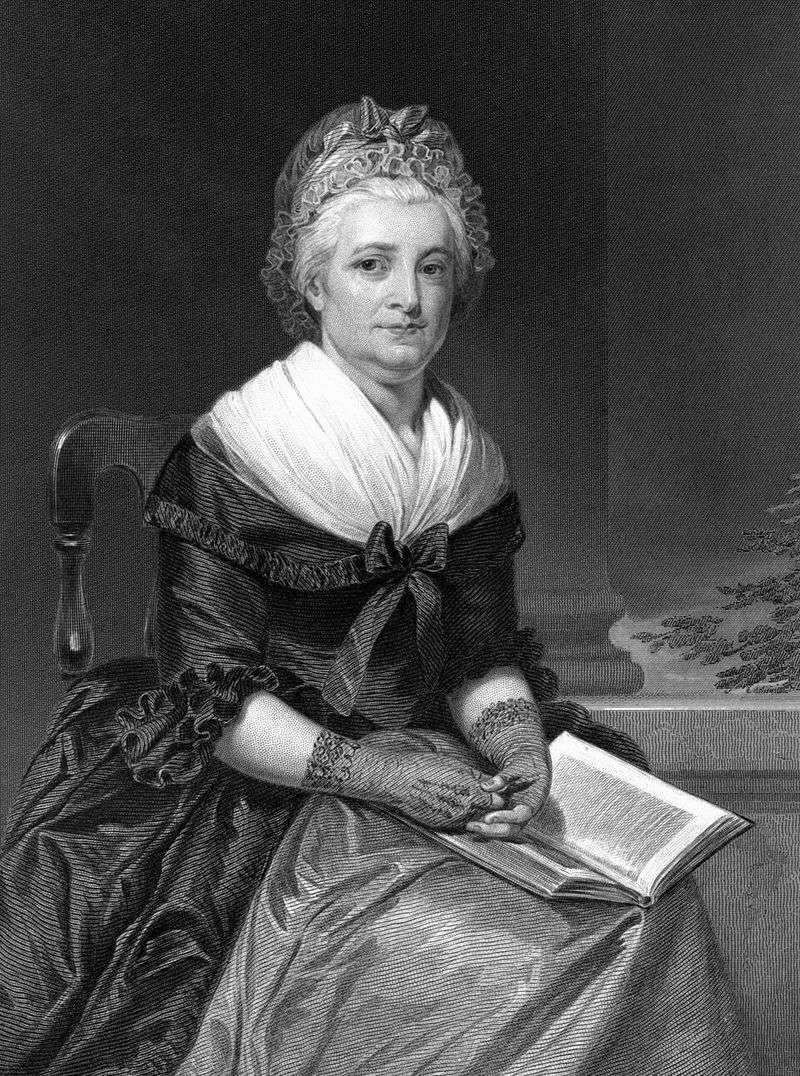
Here is a fact that surprises many visitors to Washington: the nation’s first first lady never lived in the White House. Martha Washington spent her time as first lady in New York City and Philadelphia, where the national government met in those early years.
The White House was still being built during George Washington’s two terms. Construction was not finished until 1800, more than three years after he left office.
That means the Washingtons never slept there at all.
Martha also had to invent the role as she went. No rules existed for hosting official guests, so she held regular receptions and dinners that helped set the tone for future first ladies.
She once described herself as feeling more like a state prisoner than a leader, because the duties were so demanding. Her example still echoes in the traditions of the office today.
2. Abigail Adams
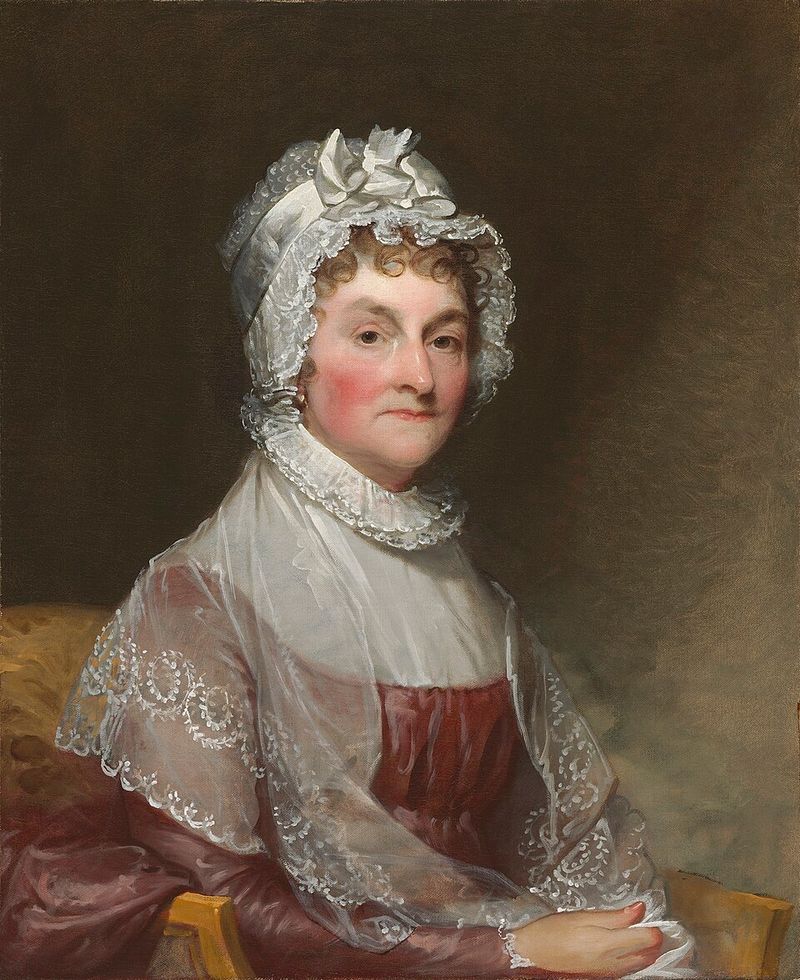
“Remember the ladies.” Abigail Adams wrote those words to her husband, John Adams, in 1776, while the nation’s leaders were busy shaping a brand new government.
She asked him to think about women’s rights as the laws were being written. Her letter warned that women would not feel bound by laws they had no voice in making.
John answered with a joke, but her message stuck around in history books.
Abigail was an early supporter of women’s education and legal rights. She believed girls deserved the same chance to learn as boys did.
Her many letters also give historians a vivid look at daily life during the American Revolution and the early republic. Today, her famous line is often quoted in discussions of how women helped shape the country’s ideals long before they could vote.
3. Dolley Madison
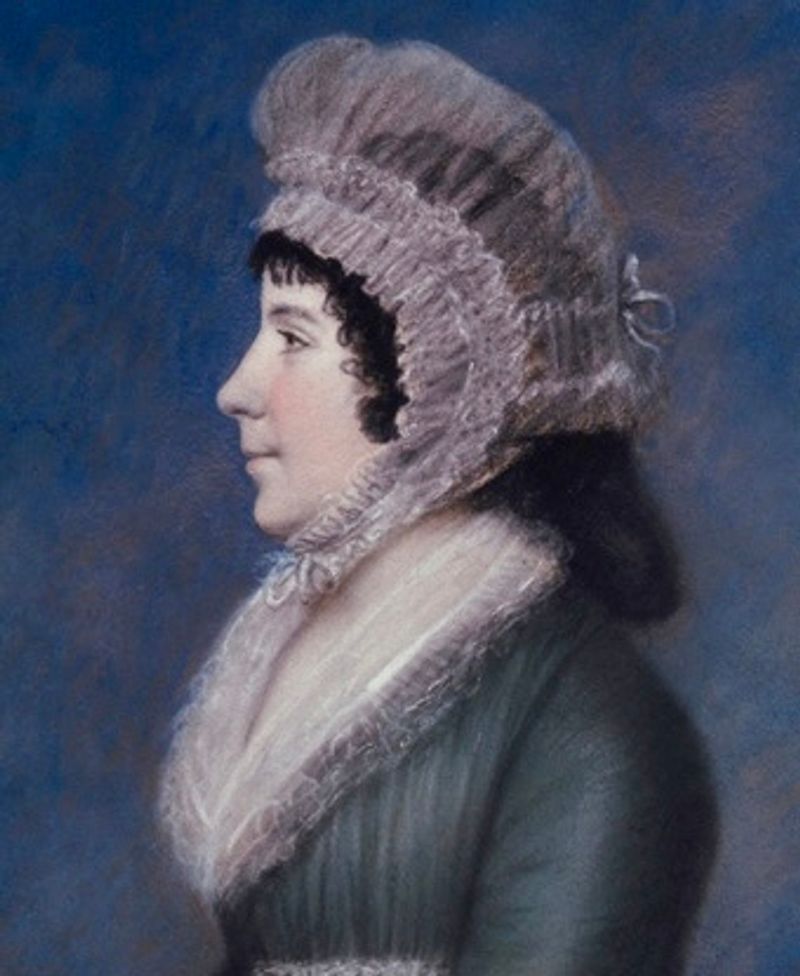
Smoke filled the sky over Washington in August 1814 as British troops marched toward the capital. Dolley Madison, calm under pressure, was still thinking about the treasures inside the president’s home.
Before she left the White House, she helped arrange the rescue of Gilbert Stuart’s portrait of George Washington. The painting was removed from the wall and carried to safety.
Soon afterward, the building was burned.
Thanks to her quick action, the portrait survived and still hangs in the White House today. Dolley is also remembered as a gifted host who brought political rivals together at lively social events.
Her warmth and skill helped smooth tension in a young and often divided government. Many historians see her as the first first lady to truly shape the public image of the role.
4. Louisa Catherine Adams
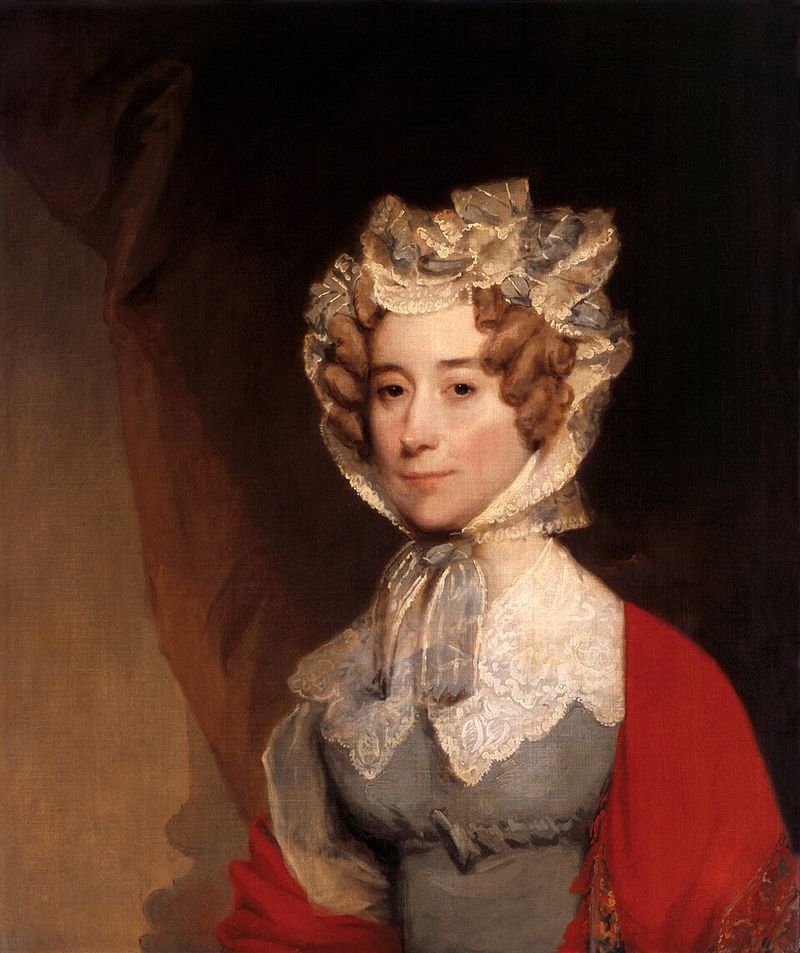
Born in London in 1775, Louisa Catherine Adams had a start in life that no other first lady matched for more than two centuries. She remained the only first lady born outside the United States until Melania Trump took on the role in 2017.
Her father was an American merchant working in England, and she grew up in Europe. She later married John Quincy Adams, who served as a diplomat before becoming president.
Her life took her to places like Russia, Prussia, and England.
One of her most memorable journeys was a long, dangerous winter trip across Europe to reach her husband in Russia. She wrote about it in a vivid memoir.
Her worldly background made her well prepared for the social side of life in the capital.
5. Sarah Polk
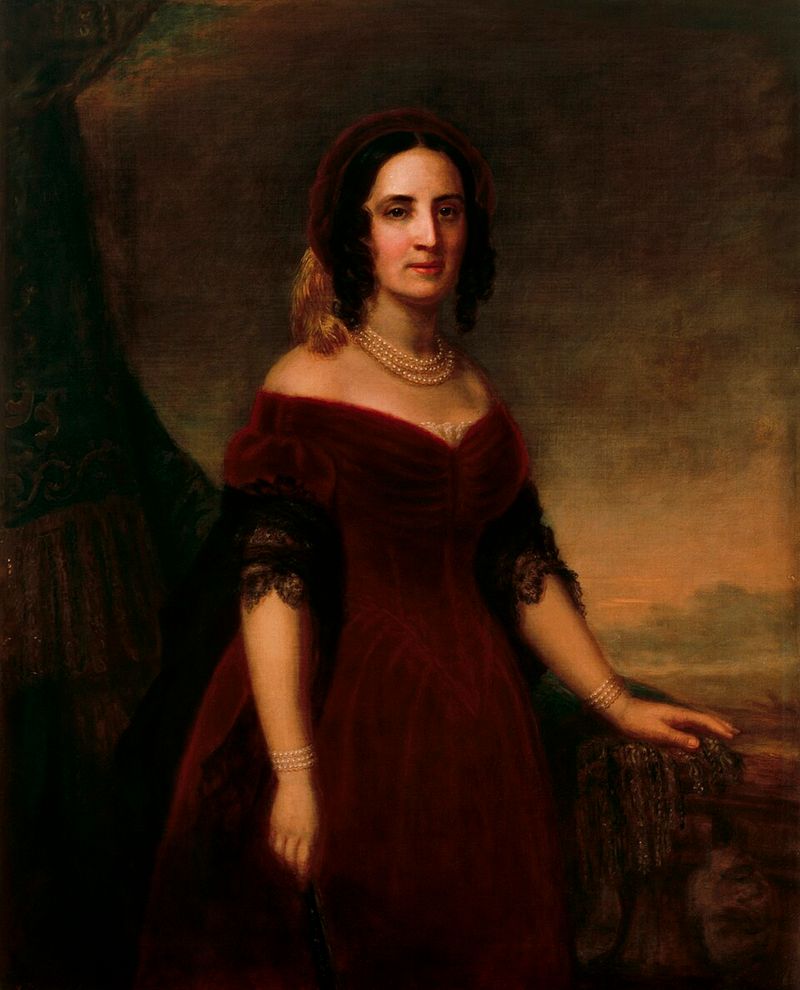
Behind many presidents stood a trusted helper, and for James K. Polk that person was his wife.
Sarah Polk served as a key political adviser and helped manage his letters and papers.
She read newspapers, marked important articles, and gave her opinions on the issues of the day. Many who knew the couple believed her judgment was sharp and her instincts dependable.
President Polk relied on her more than on almost anyone else.
Sarah also set firm rules for the social side of the White House. She did not allow dancing at official receptions, which reflected her strong religious beliefs.
Guests still came in large numbers, drawn by her dignified style and quick conversation. Her blend of influence and discipline made her one of the most capable first ladies of the 1840s.
6. Mary Todd Lincoln
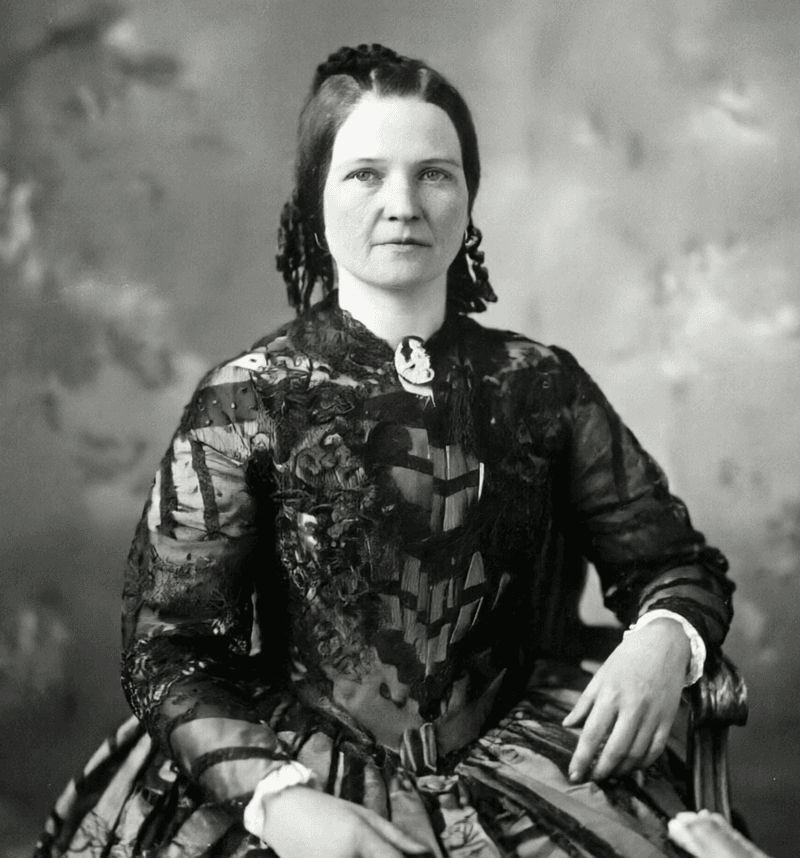
Few first ladies faced as much public scrutiny as Mary Todd Lincoln. While the Civil War raged, newspapers criticized her for spending money on costly renovations to the White House.
Her goal was to restore a building that had grown shabby, but the timing made many Americans uneasy. The country was suffering enormous losses, and her spending looked out of step with the mood of the times.
Yet there was another side to her story. Mary visited wounded soldiers in hospitals around Washington, bringing flowers, fruit, and kind words.
She also backed efforts to help Union troops. Her life was marked by deep personal grief, including the death of her son Willie in the White House.
History’s view of her has grown more sympathetic over time.
7. Frances Cleveland
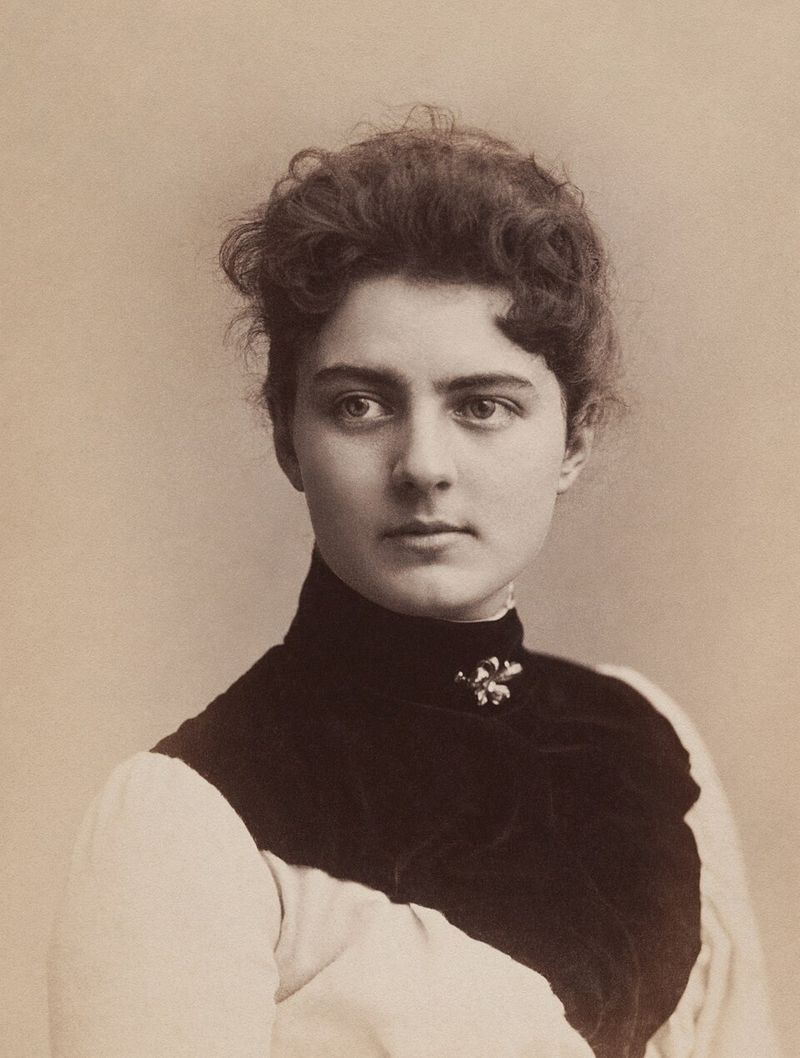
At just 21 years old, Frances Cleveland became the youngest first lady in American history. That record has never been broken.
She married President Grover Cleveland in 1886 in the Blue Room of the White House. It remains the only wedding of a sitting president held inside the building.
Crowds gathered outside, and the event drew attention across the country.
Frances quickly won the public over with her grace and charm. She hosted receptions that were open to many visitors, and people admired her friendly manner.
Her image even appeared in advertisements, which she did not approve of. She later returned to the White House when her husband won a second term, making her one of the best-known figures of her era.
8. Helen Herron Taft
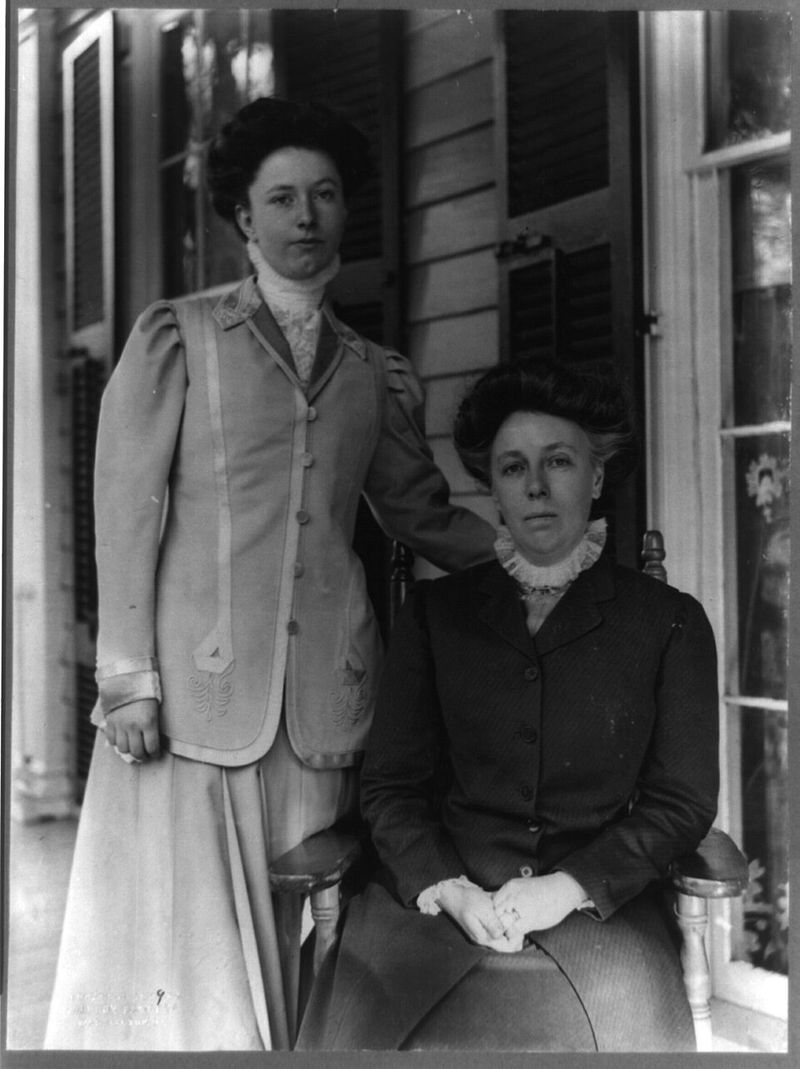
Every spring, thousands of visitors flock to Washington, D.C., to admire pink and white cherry blossoms. Much of that tradition traces back to Helen Herron Taft.
She learned that a gift of Japanese cherry trees was heading to the capital and took a strong interest in the plan. Her enthusiasm helped bring the project to life.
In 1912, she took part in the first ceremonial planting along the Potomac River.
Helen was also known for being ambitious and well informed about politics. She had dreamed of life in the White House long before her husband, William Howard Taft, became president.
As first lady, she supported the arts and brought music into the public spaces of the capital. The blossoms remain her most visible legacy.
9. Edith Wilson
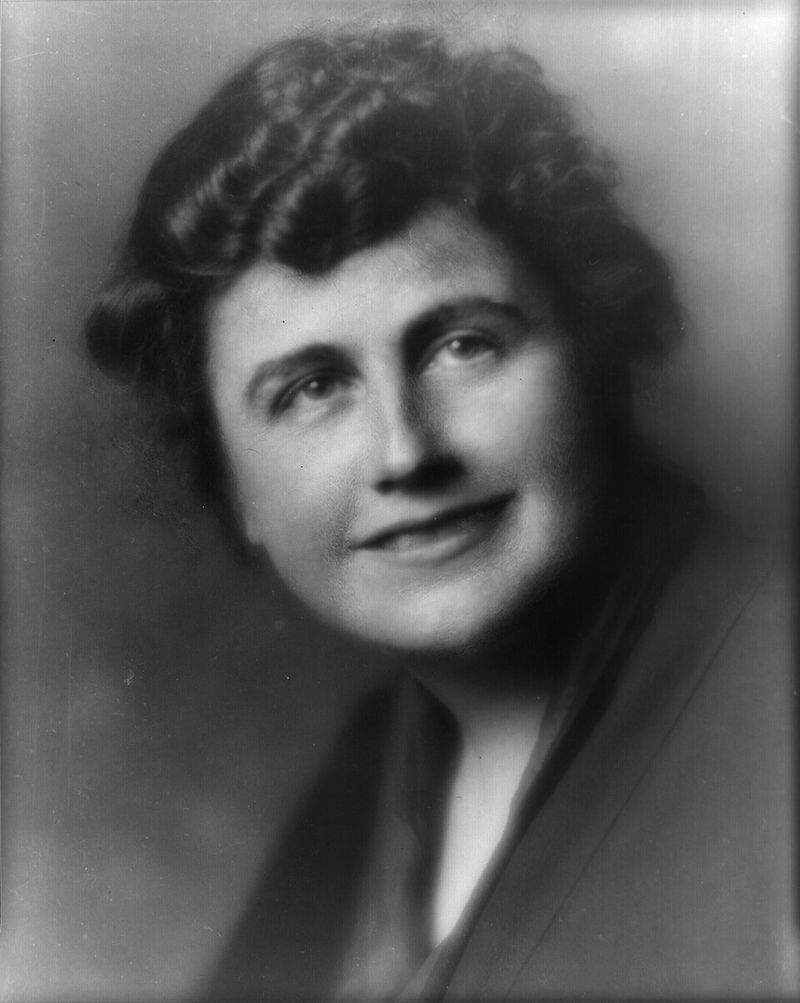
In 1919, President Woodrow Wilson suffered a severe stroke, and the country was kept largely in the dark about how serious it was. His wife, Edith Wilson, stepped into a powerful and unusual position.
She controlled who could see him and screened government matters that needed his attention. Papers passed through her hands, and she often relayed messages back to officials.
Some critics later described her as a secret president.
Even so, she never officially took on presidential powers. She said she was only deciding what was important enough to bring to her husband and when.
The episode raised questions about presidential illness that led, years later, to the 25th Amendment. Her role is still debated by historians today.
10. Eleanor Roosevelt
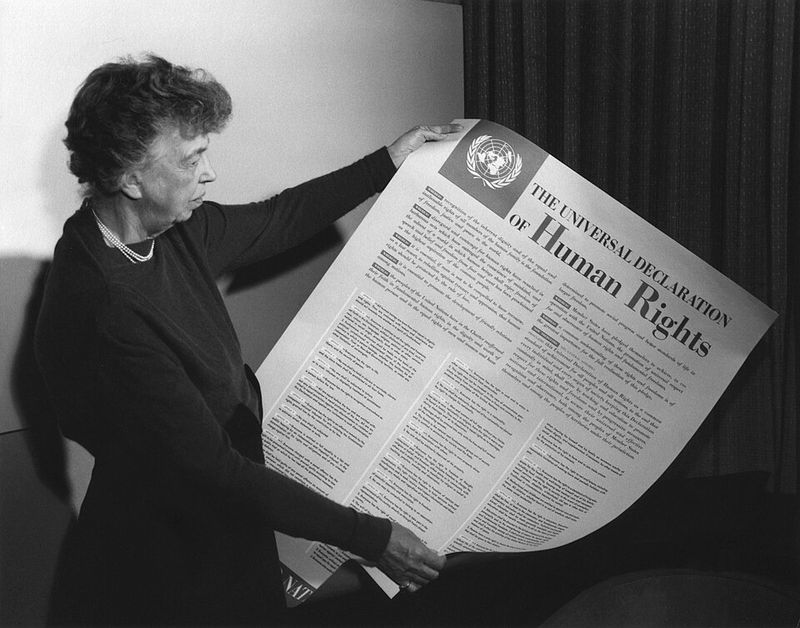
Between 1933 and 1945, Eleanor Roosevelt held 348 press conferences, and only female journalists were invited. It was a clever move with a serious purpose.
At the time, newspapers rarely hired women for top reporting jobs. By offering news only to women, she gave those reporters a reason to stay employed.
Editors needed someone in the room, and that someone had to be a woman.
Eleanor used the sessions to talk about social issues, including civil rights, working families, and poverty. She also wrote a newspaper column and traveled widely across the country.
Her active approach changed what Americans expected from a first lady. Later, she helped write the Universal Declaration of Human Rights at the United Nations.
11. Jacqueline Kennedy
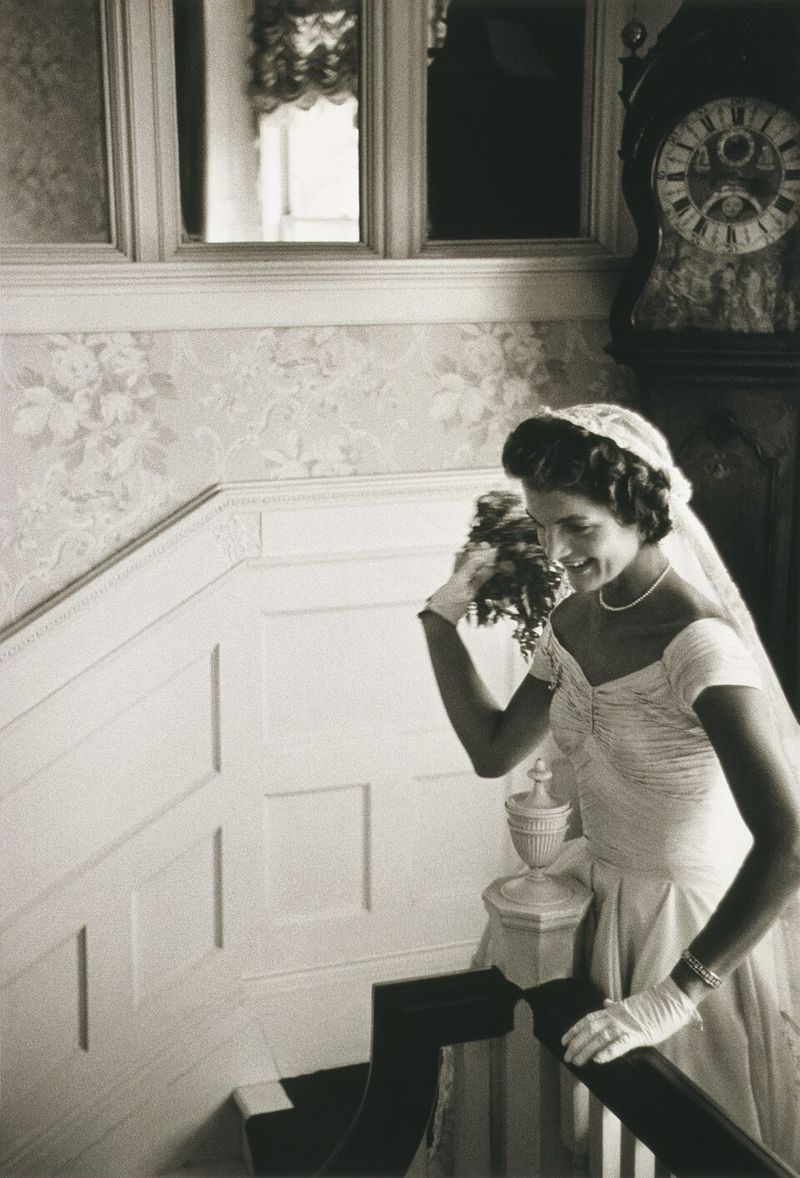
In 1962, millions of Americans sat down in front of their televisions to watch a first lady lead a tour of the White House. Jacqueline Kennedy guided viewers through rooms filled with history and furniture she had helped restore.
She had taken on a major project to bring historic pieces back to the mansion. Many rooms had lost their original character over the years, and she worked with experts to find authentic items.
Donations poured in from supporters across the country.
Jacqueline also spoke French fluently, which impressed foreign leaders and guests. Her studies abroad and love of the arts shaped her approach to public life.
The televised tour drew a huge audience and made the White House feel like a shared national treasure.
12. Lady Bird Johnson
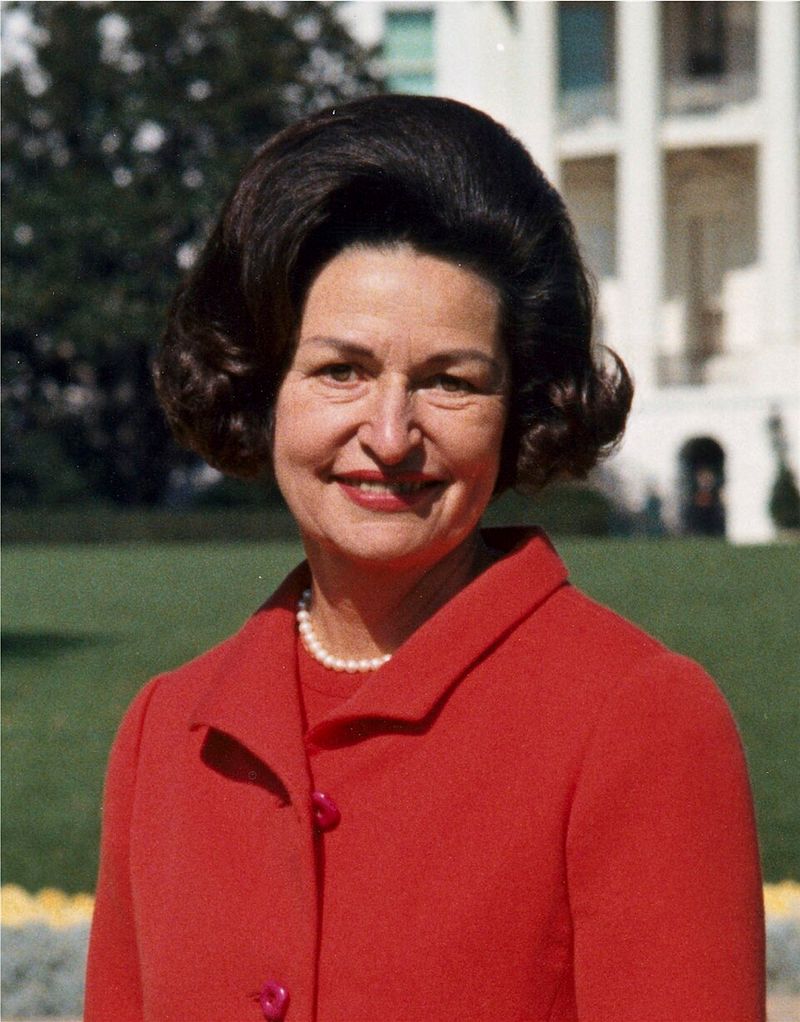
Long before she entered the White House, Lady Bird Johnson proved she was a sharp businesswoman. She owned radio and television interests, and her investments grew into a successful company.
As first lady, she turned her attention to the outdoors. She led efforts to beautify Washington and promoted the planting of flowers and trees in public spaces.
Her work also reached the nation’s roads, where she pushed for cleaner and more attractive highways.
Her campaign helped lead to the Highway Beautification Act of 1965. Wildflowers now bloom along many roadsides thanks in part to her passion.
She later helped found a center in Texas dedicated to native plants. For many Americans, a colorful drive in spring owes something to her vision.
13. Betty Ford
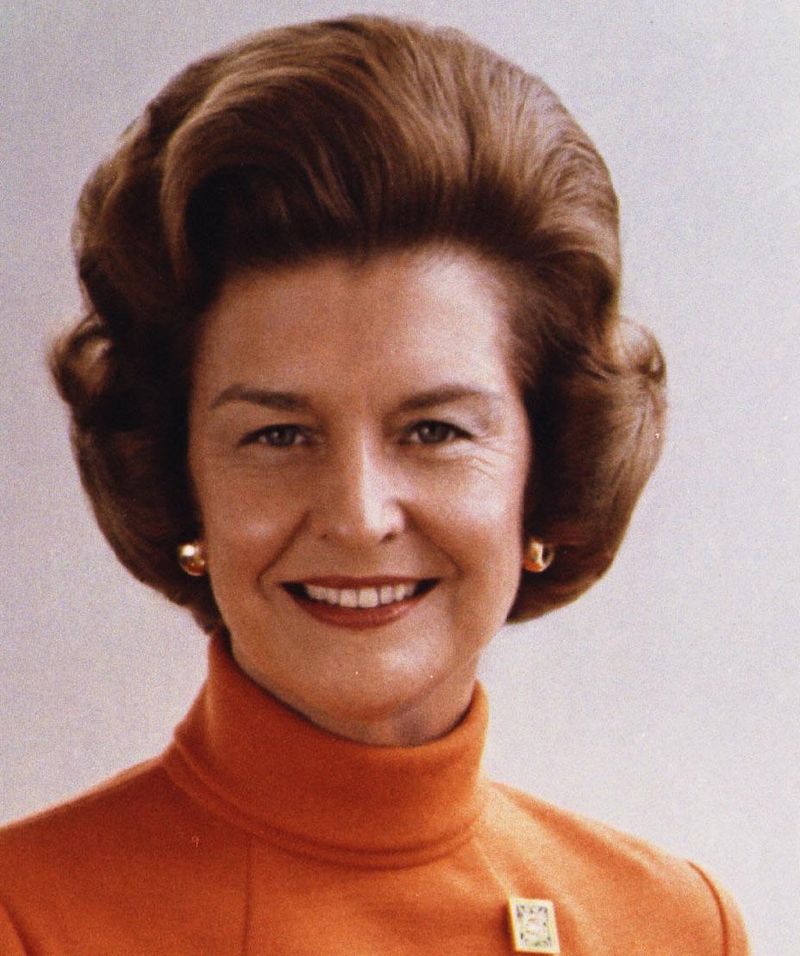
Before she ever set foot in the White House, Betty Ford had trained and worked as a dancer and model. She studied modern dance and even performed with a well-known company in New York.
As first lady, she spoke openly about topics many people avoided. After her breast cancer diagnosis in 1974, she shared the news publicly.
Women across the country were inspired to schedule checkups, and screenings rose sharply.
Later, she spoke honestly about her struggle with substance dependence and sought treatment. In 1982, she helped found the Betty Ford Center to help others recover.
By being honest about her health, she helped reduce the stigma around both subjects. Her courage still shapes how people discuss illness and recovery.
14. Hillary Clinton
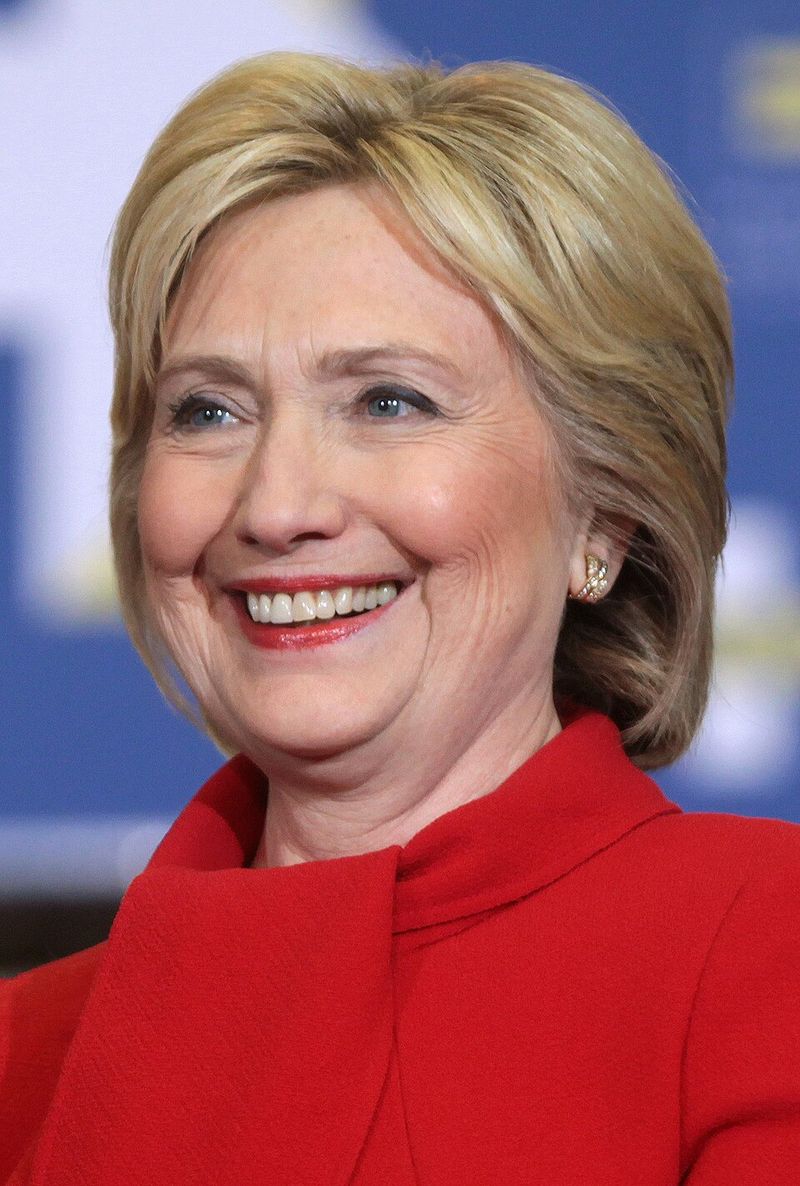
No first lady had ever won an election before Hillary Clinton did. In 2000, she became the first former first lady elected to the U.S.
Senate, representing New York.
She had spent years working as a lawyer and children’s advocate before moving into the White House. As first lady, she led a major push for health care reform.
That effort did not pass, but it shaped national debate for years.
After serving in the Senate, she became secretary of state from 2009 to 2013 under President Barack Obama. She traveled to more than 100 countries in that role.
Her career opened new doors for future first ladies who wished to pursue public service on their own terms.
15. Michelle Obama
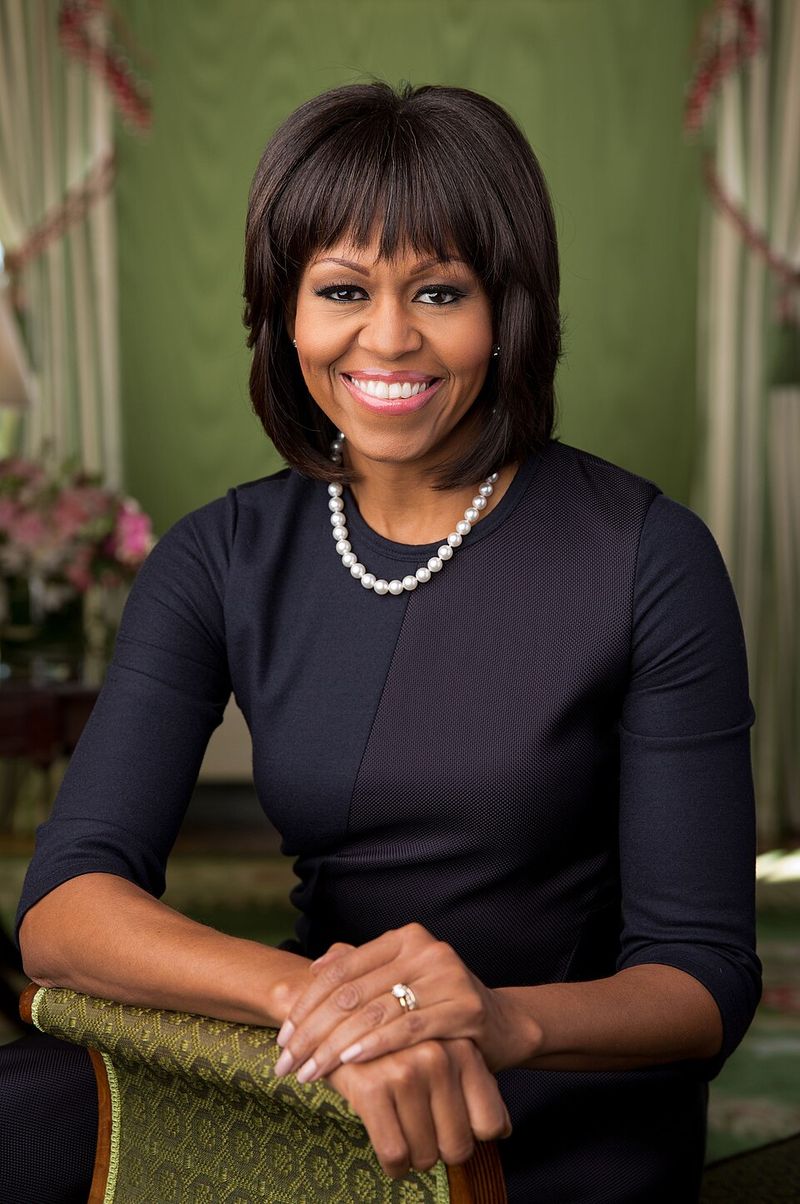
Michelle Obama built a strong career before her husband’s presidency began. She worked as a lawyer and later became an executive at the University of Chicago Medical Center.
In 2009, she made history as the first African American first lady in the nation’s history. The moment carried deep meaning for millions of families across the country.
Once in the White House, she planted a kitchen garden and launched the Let’s Move! campaign to encourage healthy eating and exercise among children. She also supported military families and championed girls’ education around the world.
Her mix of professional experience and public service showed how varied the role of first lady can be. Her memoir, Becoming, became one of the best-selling books of its time.
Share this story