A car museum in New Jersey asks for no ticket at the door, and the cars inside swap out every few months. That second part got me.
Most museums let you visit once and see the same rooms for years.
This one runs on donations and on volunteers from a local car club. They know these machines well, and they clearly enjoy sharing the stories behind them.
There’s even a tiny race car kids can sit in, plus a wax driver realistic enough to make you look twice.
I like how small and personal it feels. You can lean in close enough to study the details, which bigger museums rarely allow.
A Free Car Museum Sitting Quietly by the Water
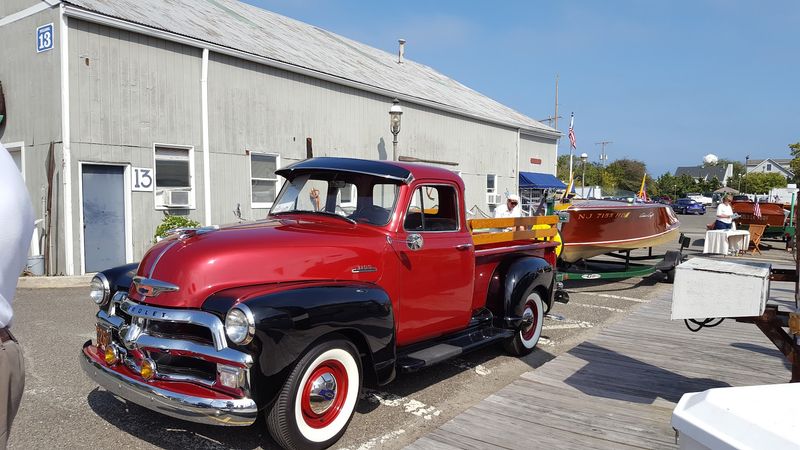
Free admission and classic cars rarely show up in the same sentence. The Vintage Automobile Museum of New Jersey makes that pairing feel completely normal.
You’ll find it in Point Pleasant, close to the water and surrounded by boats. It’s a small museum, and it owns that fact proudly instead of pretending to be a sprawling hall.
Admission works on donations rather than tickets. That means you can wander in, admire some beautiful machines, and decide for yourself what the visit was worth.
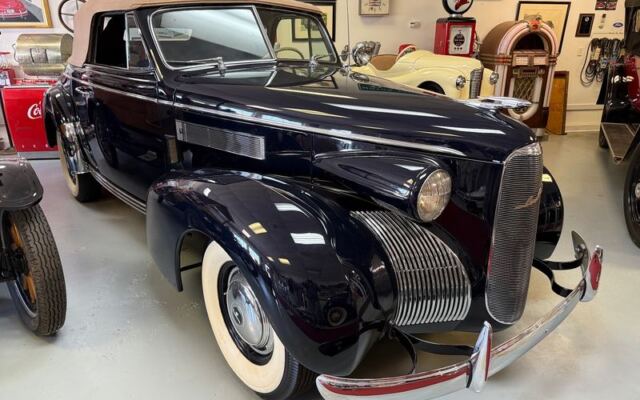
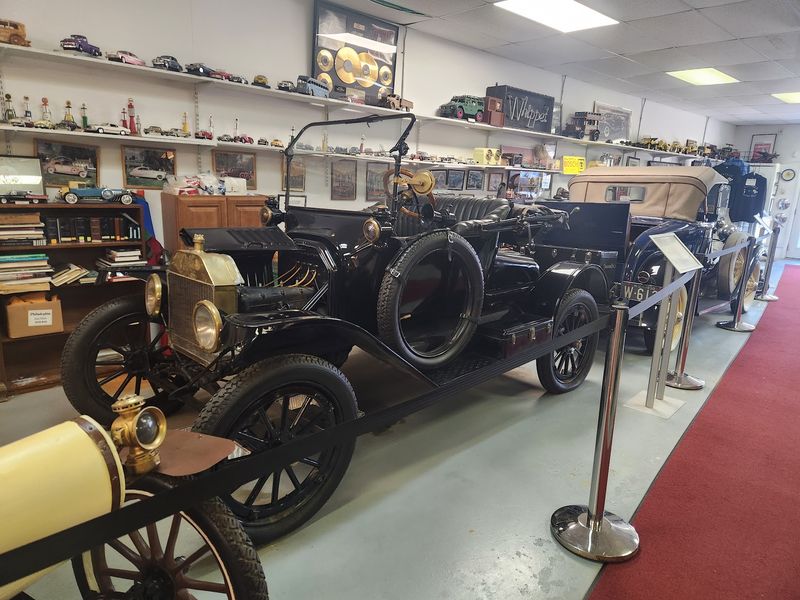
The collection centers on vintage automobiles, with memorabilia filling in the story around them. A vintage truck collection has also been part of the mix, which adds a hardworking edge to all that polish.
What makes it stand out in New Jersey is the way it keeps changing. The cars rotate on a regular schedule, so the room you see this spring may look different by fall.
Volunteers keep the whole operation running, and their enthusiasm sets the tone. Think of it less as a formal institution and more as a shared passion project with the doors wide open.
Short visit, big personality. That combination is exactly why it deserves a spot on your weekend list.
The Car Club Crew Who Keep the Lights On
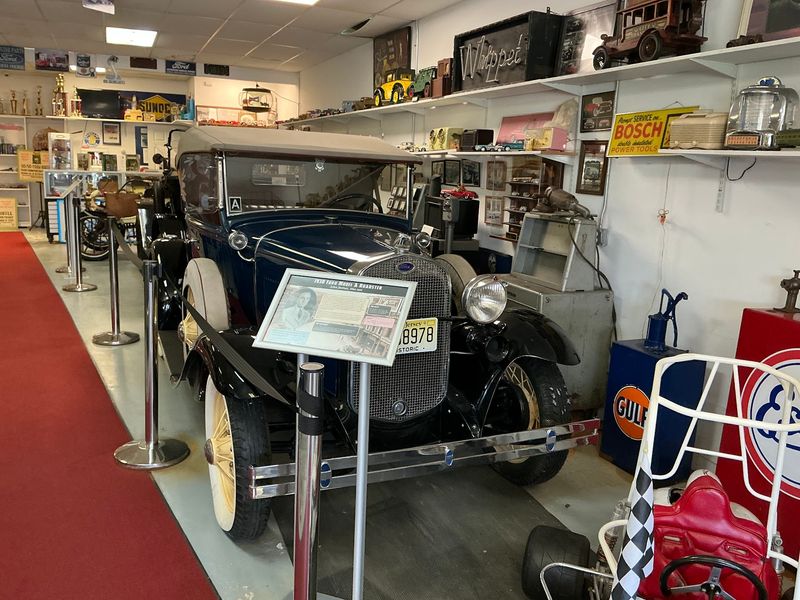
Behind every great small museum stands a group of people who simply care. Here, that group comes from a local car club.
The staff are volunteers, and they bring real knowledge to the floor. Ask about a fender, an engine, or a model year, and you’re likely to get a story along with the answer.
That personal touch changes the whole visit. Instead of reading placards in silence, you can turn a quick look into an actual conversation about automotive history.
Because the space is compact, chatting with the host comes naturally. Nobody has to shout across a giant gallery or hunt down an information desk.
Kids benefit from that easy access too. A curious question from a six-year-old gets the same warm attention as one from a lifelong collector, and that kind of patience is a gift.
It’s worth remembering that volunteers make the free model possible. Their time, combined with donations from visitors, keeps the cars on display and the doors open on weekends.
So if you leave with a new favorite fact about carburetors or tailfins, you know exactly who to thank. A friendly wave on the way out goes a long way.
Finding Building 13 Near the Marina
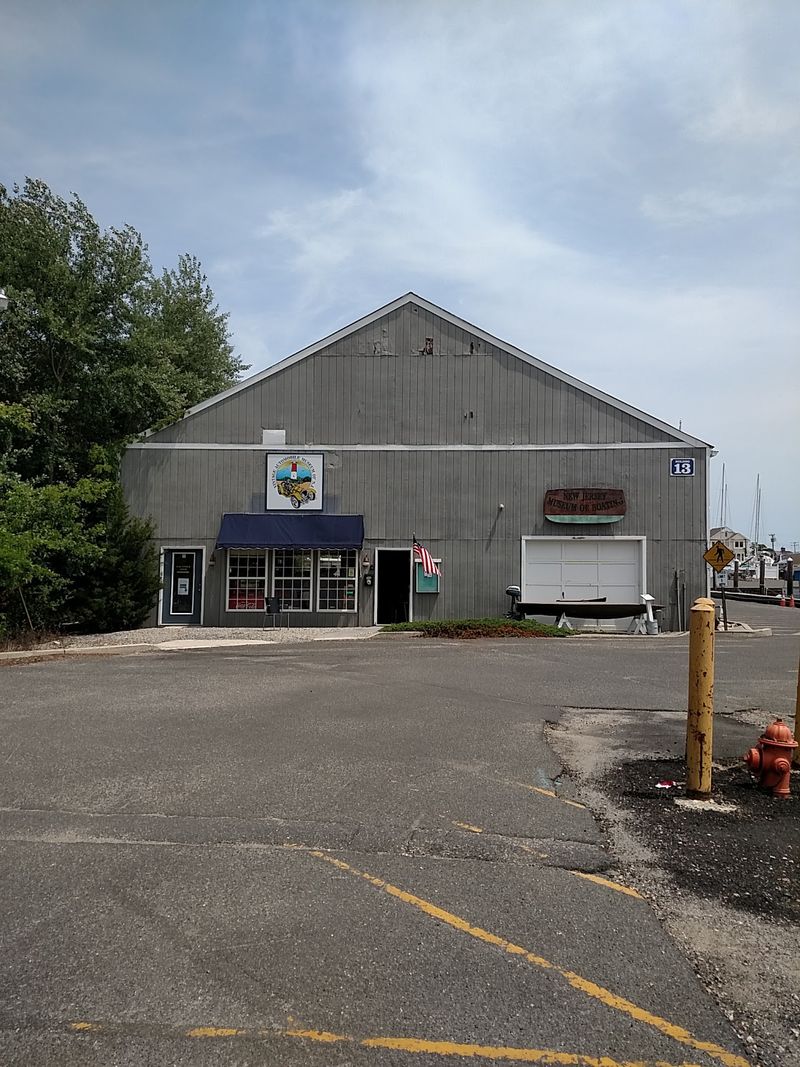
Directions here come with a little personality. The museum sits at 1800 Bay Ave, Bldg 13, Point Pleasant, NJ 08742, and the route includes a left turn onto Meadow Ave.
That detail matters, so keep it handy. Missing the turn is easy if you’re busy admiring the scenery around the waterfront.
And the scenery is part of the charm. The location sits near the water and boats, giving the whole outing a breezy, shore-town feel before you even see a single car.
Parking is simple, right next to the water. Just know that spaces are limited to a handful, so carpooling with friends is a smart move.
The setting suits a museum of this size. It feels relaxed and unhurried, like a neighborhood garage that happens to hold some very handsome guests.
Once you’ve parked, the museum building is easy to spot as part of the larger complex. From there, it’s just a few steps from salty air to shiny chrome.
Plan your arrival with the limited weekend hours in mind. Pulling up at noon on a Friday, Saturday, or Sunday gives you the full afternoon window to enjoy the place.
Exhibits That Refuse to Stay the Same
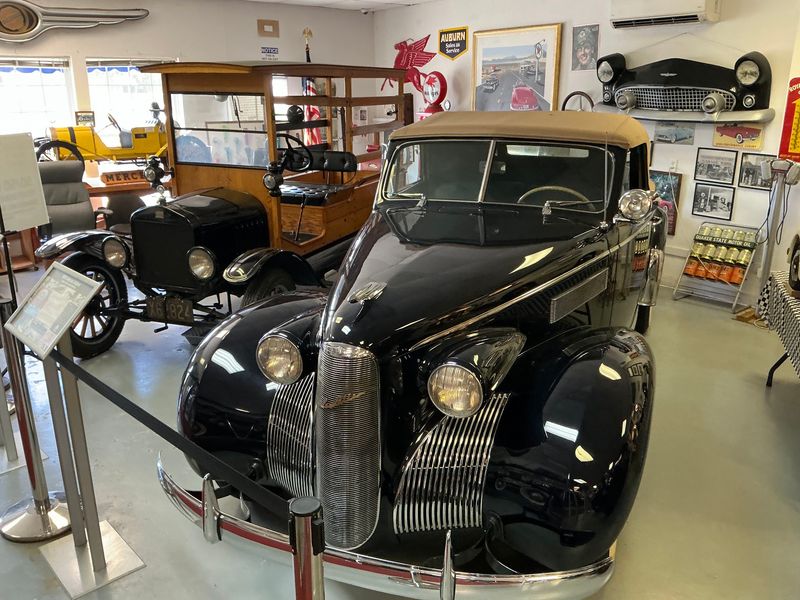
Here’s a museum that practically begs you to come back. The cars rotate out on a regular basis, so every visit can offer something new.
Timing for the swaps has been described in a few ways over the years. Some mention every 60 days, others every three months, and others simply a few times a year.
Either way, the message is clear. The lineup you see today won’t be the lineup you see next season, and that keeps things fresh.
Themes change too. One visit might lean toward a certain style or era, while the next could spotlight something entirely different.
For New Jersey families looking for a repeat outing, that rotation is a real perk. You can treat it like a free seasonal ritual and see what has rolled in since your last trip.
It also gives car fans a reason to check in often. Missing one display is no tragedy when another interesting batch is already on its way.
Honestly, it’s a clever approach for a small space. Rather than expanding the building, the Vintage Automobile Museum of New Jersey expands what the building holds over time.
Close Enough to Count the Rivets
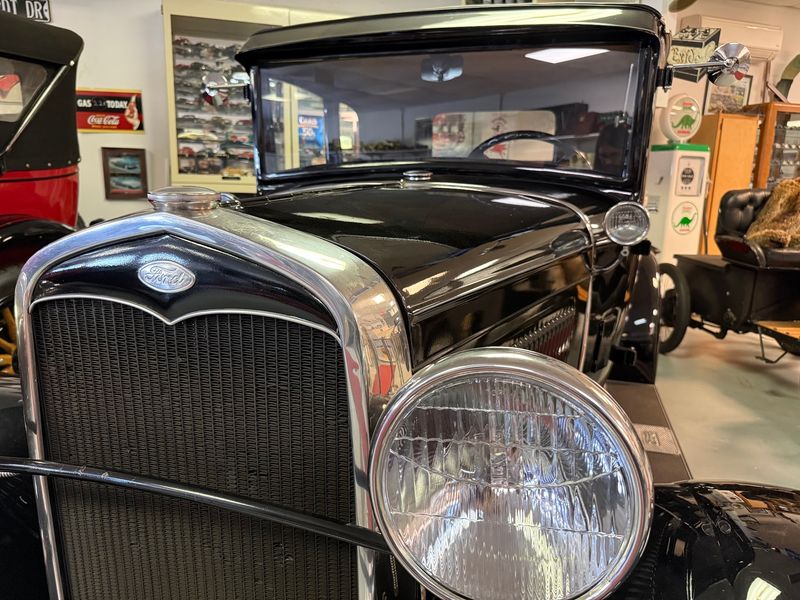
Some museums keep their prize cars at a polite distance. This one lets you get very close to the vehicles on display.
That closeness turns looking into studying. You can take in the curves of a fender, the shape of a headlamp, and the little design choices that made each car special.
The collection on view is modest in number. At times, roughly eight cars have filled the room, each paired with very good descriptions.
Those descriptions do a lot of heavy lifting. Even if you can’t tell a coupe from a sedan, the signs help you understand what makes each machine worth admiring.
A quiet day makes the experience even better. With fewer people around, you can circle each car slowly and take as many photos as your phone can handle.
Many of these cars are the kind most of us have only seen in old movies. Standing beside one in person feels a bit like stepping into a film reel.
It’s a simple pleasure, really. Good cars, clear signs, and enough elbow room to enjoy both without anyone rushing you along.
Work Trucks With Serious Character
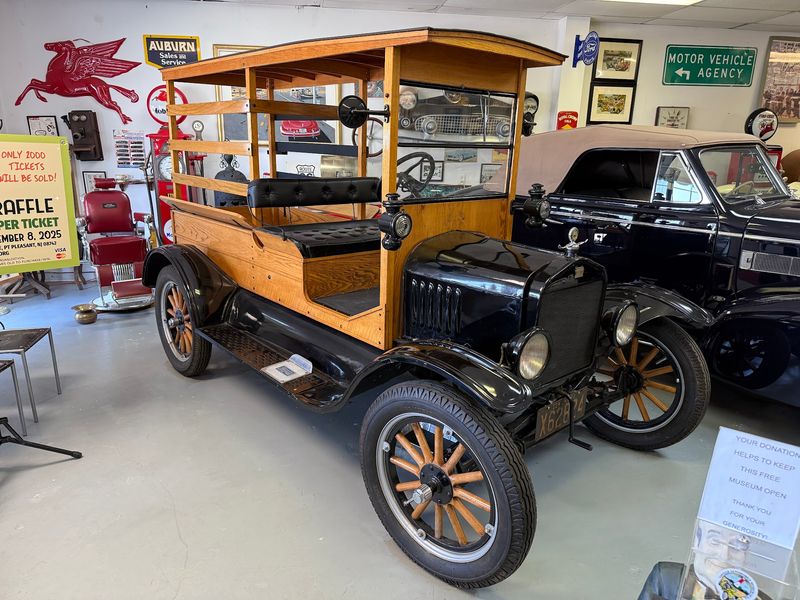
Not every classic was built for Sunday drives. The museum has featured a cool vintage truck collection, and those rugged machines bring a different kind of charm.
Trucks tell the story of work. They hauled goods, supported farms and businesses, and kept towns moving long before modern delivery vans existed.
Seeing them restored and displayed gives them a well-earned moment in the spotlight. Their boxy shapes and practical designs feel refreshingly honest next to sleeker passenger cars.
Kids often find trucks easier to love at first sight. Big wheels, sturdy frames, and open beds look like something straight out of a picture book.
Since the displays rotate, trucks may not always be on view. That’s part of the fun, though, because you never quite know which vehicles will be waiting inside.
If you have a truck lover in your life, ask the volunteers what’s coming up. They can usually share the kind of details you’d never find on a sign.
Either way, the presence of trucks says something nice about the Vintage Automobile Museum of New Jersey. It celebrates the everyday workhorses, not just the show ponies.
Memorabilia That Fills in the Backstory
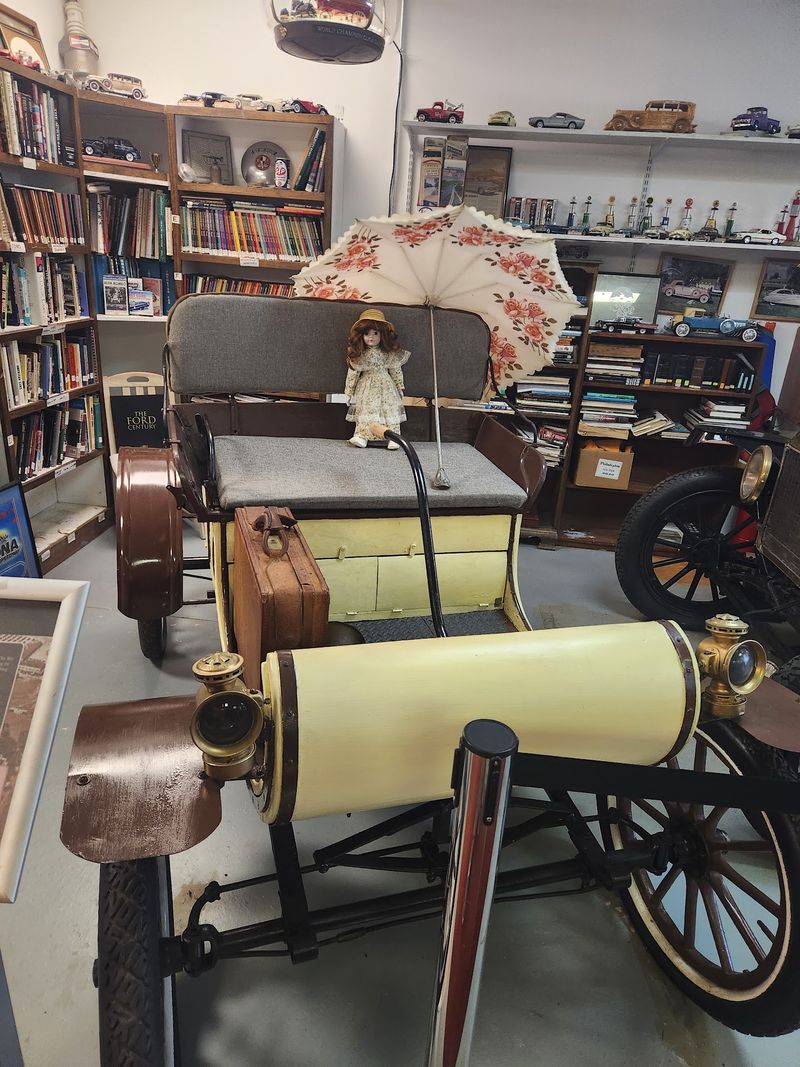
Cars are the headliners, but the supporting cast deserves applause. Auto memorabilia fills the museum and gives the vehicles context.
These items help explain the world the cars came from. They hint at how people shopped for, drove, and celebrated automobiles in decades past.
Memorabilia often catches the attention of younger visitors in surprising ways. Kids who might glance quickly at a car can get absorbed by smaller objects they can study one by one.
For adults, these pieces can spark memories. A familiar logo or design might bring back a grandparent’s garage or a childhood road trip.
Take your time with this part of the visit. It’s easy to rush past the shelves on your way to the next fender, but the details reward a slower look.
The mix of big and small also keeps the room interesting. Your eyes move from gleaming bodywork to tiny treasures and back again.
Think of the memorabilia as the footnotes of the collection. They’re quiet, a little nerdy, and often the most fun part once you start reading.
Tiny Models, Big Craftsmanship
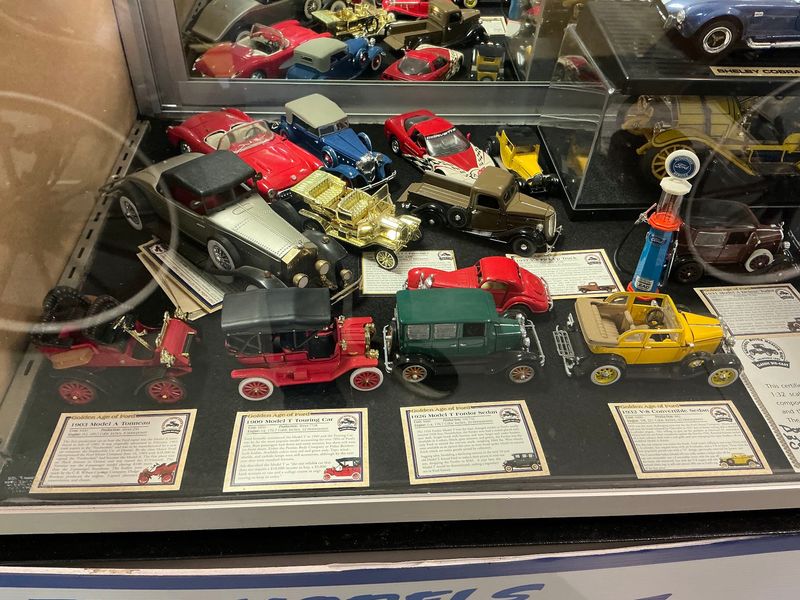
Good things come in small packages, especially here. The museum has displayed small metal and wooden model cars alongside the full-size vehicles.
Scale models are a world of their own. They capture the shape and spirit of a car in something you could hold in your palm.
Wooden models add a handcrafted feel. Each one suggests hours of careful work, sanding and shaping until a block becomes a recognizable automobile.
Metal models, meanwhile, appeal to the collector in all of us. Plenty of grown-ups once lined these up on a bedroom shelf, and seeing them again can feel delightfully familiar.
These displays work well for curious kids. A miniature car is easy to examine eye to eye, without needing to stand on tiptoe.
They also connect nicely with the big cars in the room. Spot a model, then try to find a real-life cousin parked a few steps away.
It turns into a gentle little game. And at a museum where everything feels hands-on in spirit, that kind of playful discovery fits right in.
A Pint-Size Racer Kids Can Actually Sit In
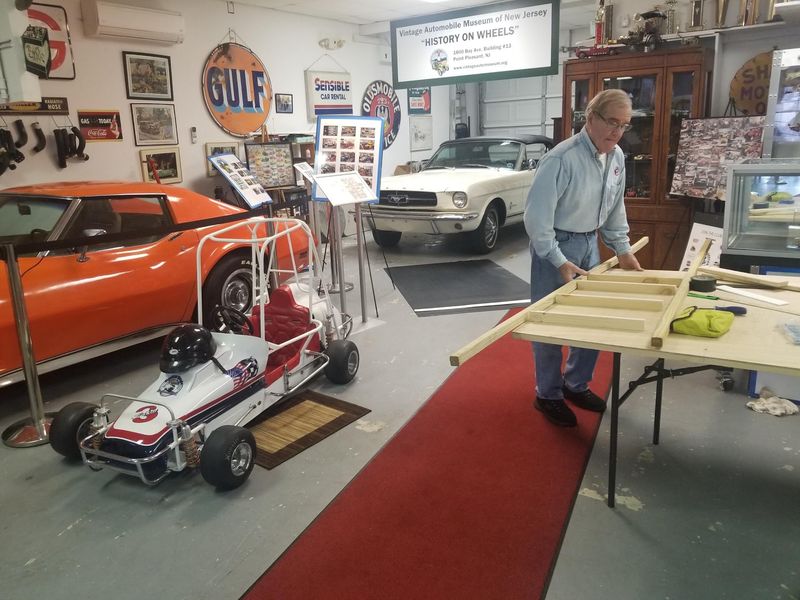
Kids have been able to do something most museums forbid. They could climb into a quarter-midget and sit behind the wheel.
A quarter-midget is a small race car built for young drivers. Its size makes it perfect for little hands and feet, and it looks like real racing gear.
That one interactive moment can turn a quick visit into a highlight. Sitting in a car beats just looking at one, especially when you’re seven.
Parents will appreciate the photo opportunity too. A tiny driver grinning in a tiny race car is pretty much guaranteed to end up on the fridge.
Since displays change over time, it’s smart to ask whether the quarter-midget is currently available. The volunteers can tell you what kids are allowed to touch that day.
Even without it, young visitors tend to stay engaged. The cars, models, and memorabilia give them plenty to point at, ask about, and remember.
Small museums often struggle to hold a child’s attention. The Vintage Automobile Museum of New Jersey seems to understand that a little playfulness makes history stick.
A Boating Museum Right Next Door
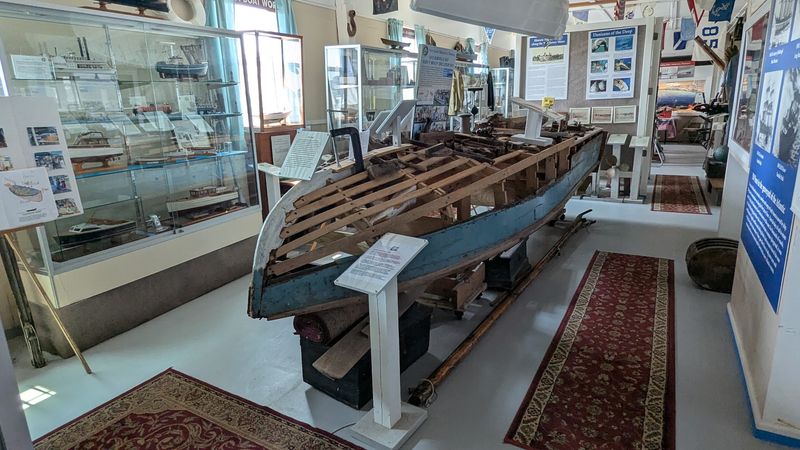
One stop, two museums. The car collection shares its building with the New Jersey boating museum, which sits right next door.
That pairing makes perfect sense on the waterfront. Cars on one side, boats on the other, and the marina outside tying it all together.
The boat museum has been called a great history and nautical lesson for kids. It adds a maritime chapter to an afternoon that started with tailfins and hubcaps.
Both museums have worked on donation admissions. That makes it easy to explore one, then wander into the other without any extra planning.
Pairing them also solves the length question. The car museum is a short visit, so adding the boats turns a quick peek into a fuller outing.
New Jersey has a long relationship with its waterways. Seeing that history beside classic vehicles gives you a neat snapshot of how people traveled on land and sea.
So budget a little extra time when you arrive. Leaving without checking out the neighbors would feel like skipping dessert.
Perfect for Car Lovers and the Merely Curious
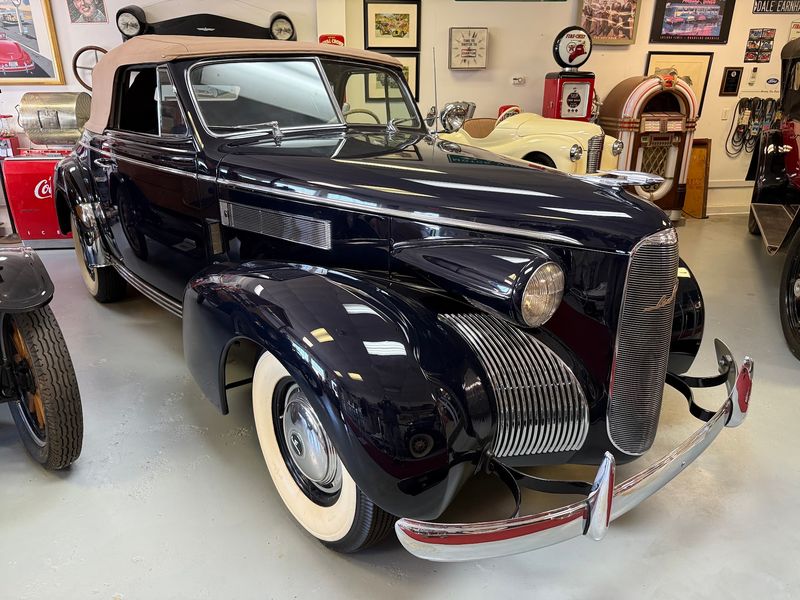
You don’t need to know a single engine part to enjoy this place. Even people who aren’t into old cars have walked out having learned a few things.
That’s the beauty of a small, friendly museum. Nothing feels intimidating, and nobody expects you to arrive with expert knowledge.
Classic car fans, of course, will feel right at home. The vehicles are gorgeous, and the volunteers can match their enthusiasm detail for detail.
Families fit well too. Children ages eight to twelve have been seen fascinated by both the cars and the memorabilia, and younger kids get plenty to enjoy as well.
Multigenerational trips work nicely. A grandparent who remembers these cars can trade stories with grandchildren seeing them for the first time.
Be realistic about the time commitment, though. This is a short visit, sometimes just 15 minutes, rather than an all-day adventure.
That brevity is actually a strength. It slips easily into a shore-town afternoon, fitting between lunch, a stroll by the water, and whatever else is on your list.
Hours, Donations, and Other Handy Details
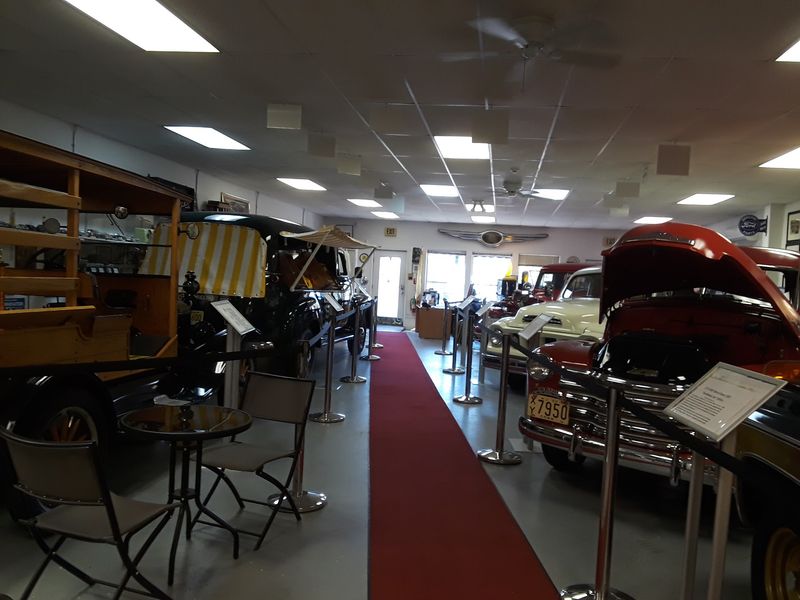
Weekends are your window. The museum opens Friday, Saturday, and Sunday from 12 to 4 PM, and it’s closed Monday through Thursday.
Hours can shift, so calling ahead or checking before you go is wise. Limited schedules are common for volunteer-run spots, and a quick check saves a wasted drive.
Admission is free, with donations welcomed. Bringing some cash is a good idea for donations, raffle tickets, or merchandise.
Speaking of merchandise, the museum has sold t-shirts and caps. A souvenir is a fun way to remember the trip and support the volunteers at the same time.
Restrooms are available inside the small building toward the back. They aren’t heavily signposted, so just ask the friendly staff if you need directions.
Parking sits right by the water, but spaces are limited. Arriving with fewer cars in your group makes the whole process easier.
Rainy days can be a smart choice for a visit. It’s an indoor stop, and a gray afternoon is a fine excuse to admire chrome instead of clouds.
A Small Stop Worth Making Again and Again
Big museums impress you once. Small ones like this can charm you every season.
The Vintage Automobile Museum of New Jersey doesn’t try to overwhelm anyone. It offers a tidy collection, rotating displays, and volunteers who genuinely enjoy sharing what they know.
Free admission makes saying yes easy. You can pop in on a whim, enjoy a few beautiful cars, and leave a donation that feels meaningful.
The setting by the water adds to the appeal. Pair it with the boating museum next door, and a short visit becomes a pleasant afternoon.
It’s honest about its size, and that honesty is refreshing. Expect a quick, friendly look at automotive history rather than a marathon.
For New Jersey residents, it’s the kind of place worth telling a neighbor about. Day-trippers heading toward the shore can slide it into their plans with very little effort.
Check the weekend hours, bring some cash, and keep an eye out for the left turn onto Meadow Ave. Then come back in a few months, because the cars probably won’t be the same ones.
Share this story