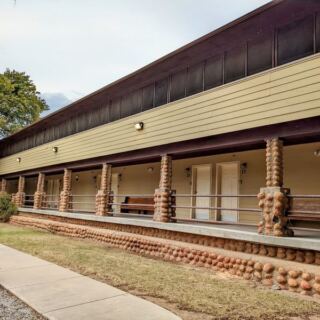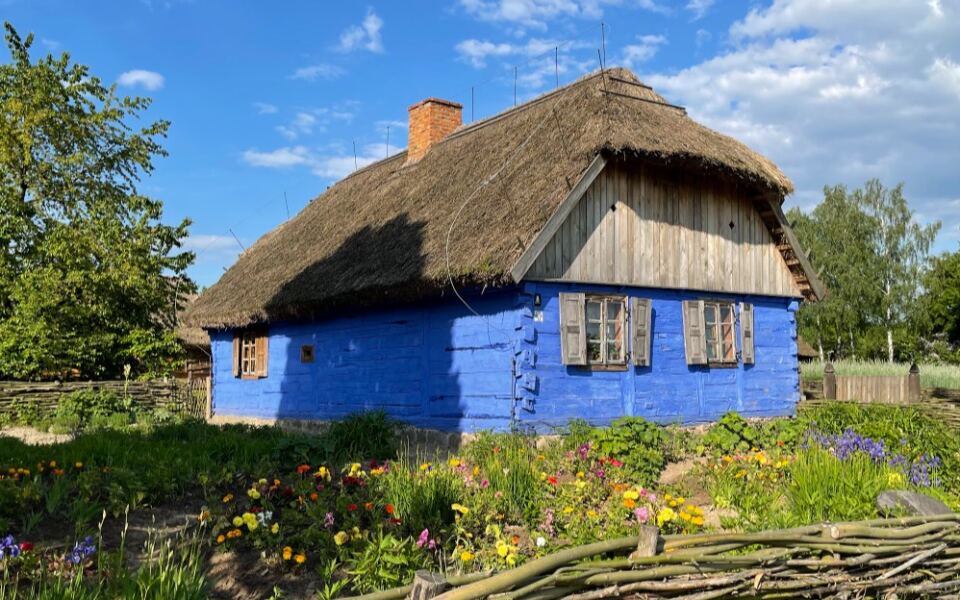
Poland has small villages that seem to come straight out of a storybook. Some are covered in painted flowers, while others have wooden cottages, old synagogues, or quiet mountain views.
Visiting them offers a calm look at local history, craft, and daily life. Here are 15 places worth adding to a trip.
1. Zalipie – Lesser Poland
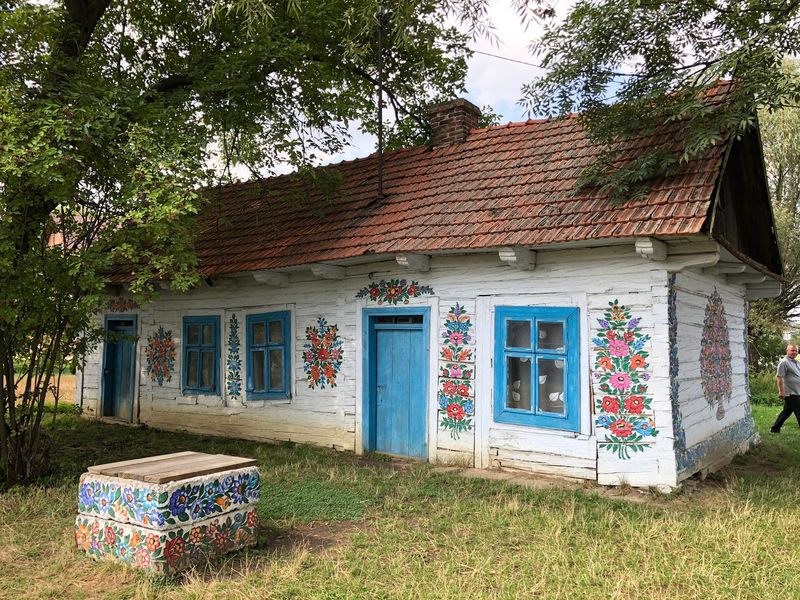
Imagine a farmhouse where even the doghouse wears flowers. In Zalipie, women have painted blooms on their homes, barns, and wells for more than a century.
The tradition reportedly began as a way to cover soot stains from old stoves that had no chimneys. Over time, it grew into a proud art form, and the village now holds a yearly painted cottage contest around Corpus Christi.
The Felicja Curylowa Painted House is a good first stop. It shows how the artist decorated her home and gives a close look at the patterns, colors, and brushwork used.
Plan your visit for late spring or summer, when gardens are blooming and the painted walls match the flowers outside. Wear comfortable shoes, because the best way to see the cottages is on a slow walk or a bike ride along quiet lanes.
Remember that most houses are private homes, so always be respectful and ask before stepping onto a property.
2. Chochołów – Lesser Poland
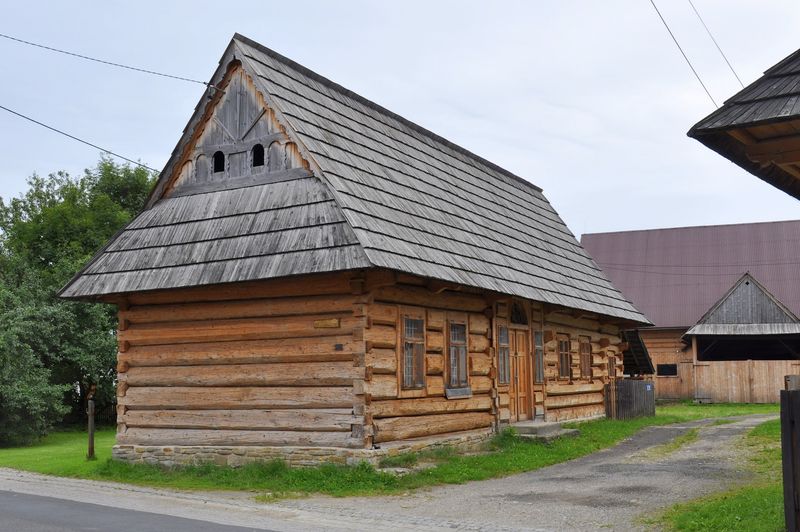
Dark timber, steep roofs, and mountain air set the tone in Chochołów. The village sits near Zakopane and is known for its neat row of log houses built in the 19th century.
Many of the homes still stand along the main street, and the wood has turned a deep, rich brown with age. Their carved details and tall gables are classic examples of Podhale highlander style.
History runs deep here. In 1846 and again in 1945, local people took part in uprisings, and the Chochołów Uprising of 1846 is remembered in a small regional museum.
Visit in the morning for fewer people and softer light for photos. If you come in spring, you may see Easter traditions, including colorful processions.
Pair your stop with a trip to the nearby thermal pools, which are a relaxing way to end a day of sightseeing in the foothills of the Tatra Mountains.
3. Kazimierz Dolny – Lublin Voivodeship
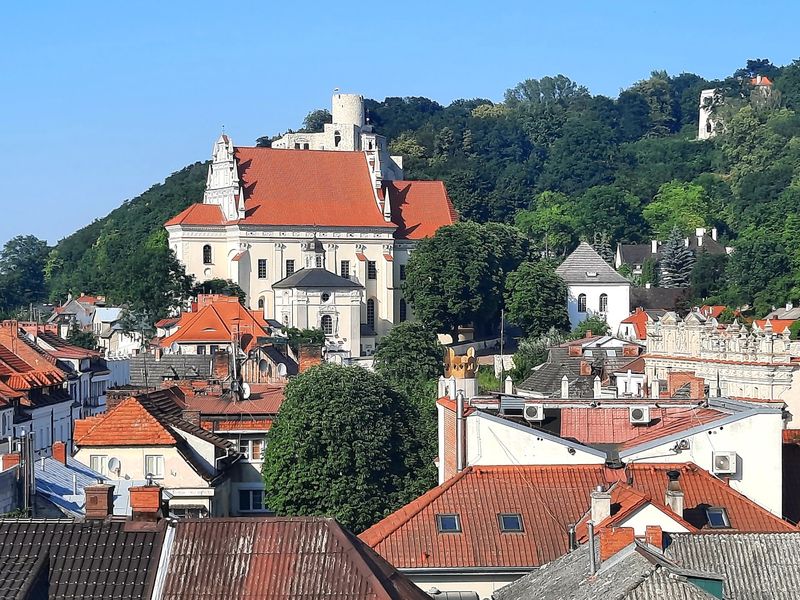
Artists have been drawn to Kazimierz Dolny for generations, and it is easy to see why. The town sits on the Vistula River, with Renaissance townhouses framing a lively market square.
Climb the hill to the castle ruins and the old watchtower for a wide view over red rooftops and green river plains. The walk is short, but the scenery rewards the effort.
Food is part of the charm. Try the local rooster-shaped bread, called kogut, which is sold in bakeries and shops all around the square.
For something quieter, follow the Gorge of Albrecht, a narrow path with steep earthen walls and tree roots overhead. Weekends in summer can be busy, so a weekday visit gives you more room to wander.
Galleries, small museums, and riverside cafes make it easy to spend a full day without rushing.
4. Sromowce Niżne – Lesser Poland
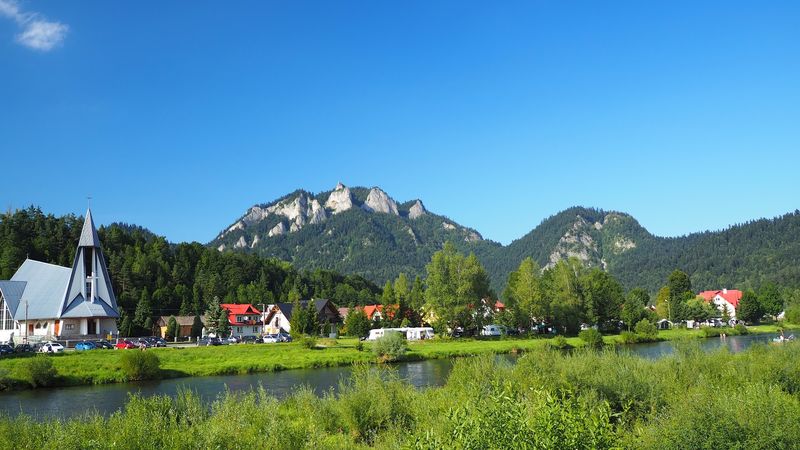
Here is a village where the river is the main road. Sromowce Niżne sits at the start of the famous Dunajec River raft trip in the Pieniny Mountains.
Rafts are made of wooden canoes tied together and guided by local men in highlander outfits. The ride lasts about two hours and glides through a gorge with tall limestone cliffs on both sides.
Guides often share jokes and legends along the way. One popular story involves the tragic love of a young woman named Kinga, who is linked to a nearby mountain.
The rafting season usually runs from spring to autumn, depending on water levels. Book ahead in July and August.
After the trip, walk or bike along the riverside path to enjoy the scenery at your own pace. Nearby Czorsztyn Lake and its castle ruins are great places to continue your day.
5. Lanckorona – Lesser Poland
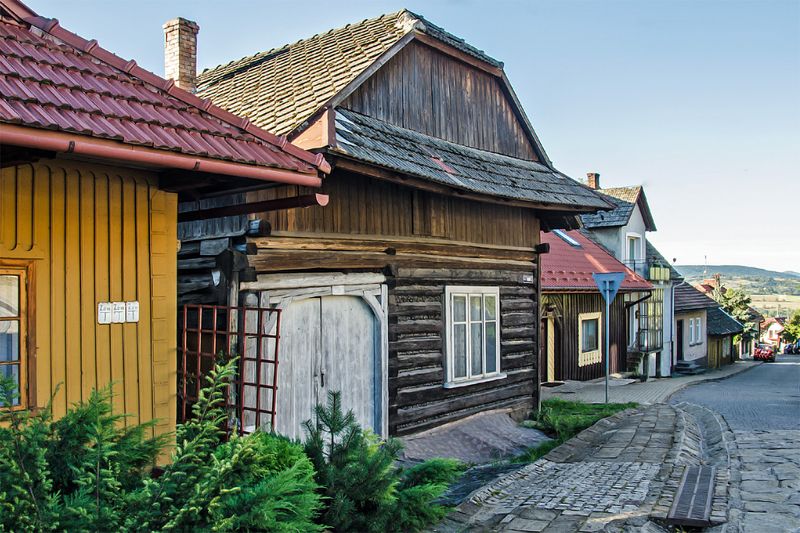
Some towns are known for what they have, and Lanckorona is loved for what it kept. Its wooden houses from the 18th and 19th centuries still line the market square and the small streets nearby.
Once a royal town, it lost its status and stayed small, which helped protect its old look. Today, artists and writers live here, and the pace feels slow and welcoming.
Walk up to the ruins of Lanckorona Castle for views across the hills. On clear days, you can even spot the Tatra Mountains far away.
Every year, the village hosts a Night of Lanterns where residents carry glowing lights through the streets. Visiting on a quiet weekday is a good way to enjoy the peace.
Cafes and small guesthouses make it an easy day trip from Kraków, just under an hour away by car.
6. Kwiatoń – Lesser Poland
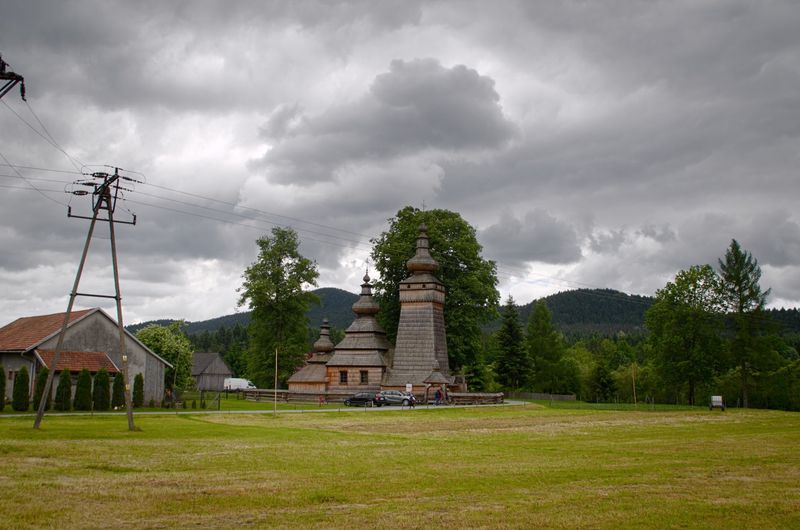
Tucked in the Low Beskids, Kwiatoń is a tiny place with a big reputation among history lovers. Its wooden church of Saint Paraskeva dates to 1700 and is part of a UNESCO World Heritage listing.
The building was once an Orthodox church and reflects the Lemko culture of the region. Inside, painted walls and an icon screen give a glimpse of centuries-old craftsmanship.
The setting adds to the feeling of calm. Hills roll out in every direction, and the church sits quietly among trees and old graves.
Getting here takes a little planning because public transport is limited. A car makes the trip easier, and you can combine it with other wooden churches in the area, such as those in Owczary and Sękowa.
Check visiting hours before you go, since interiors may not always be open to the public.
7. Sierpc – Masovian Voivodeship
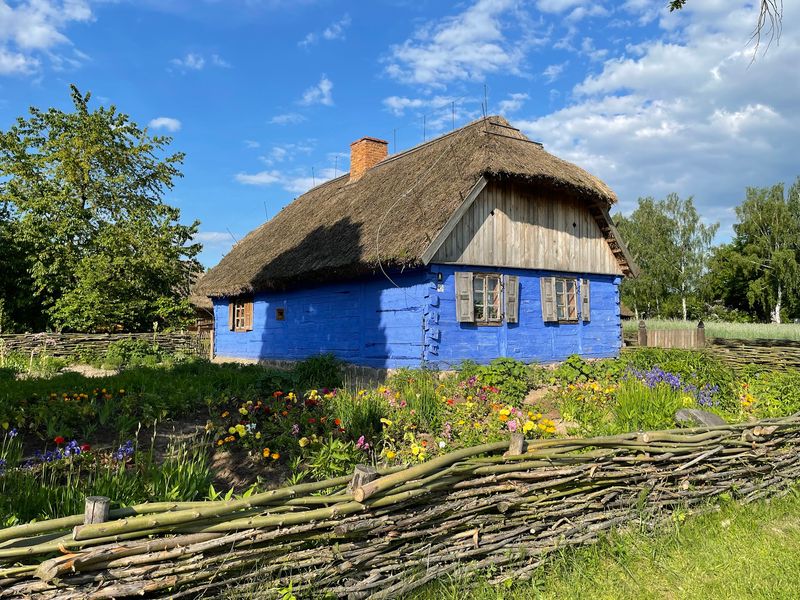
Step through a gate in Sierpc and a century or two seems to disappear. The Museum of the Mazovian Countryside is an open-air site with more than 80 historic buildings.
Farmhouses with thatched roofs, a windmill, a church, and a manor house are arranged like real villages. Many were moved from across the Masovian region and carefully rebuilt.
Inside some cottages, you can see old kitchens, tools, and furniture. Staff in folk clothing sometimes demonstrate baking, weaving, or other daily tasks, especially during special events.
Families will enjoy the wide paths and the farm animals. Allow at least three hours to explore without hurrying, and bring water in summer.
Fall is lovely too, when the trees around the cottages turn gold. The museum is about two hours from Warsaw by car, which makes it a fine day trip.
8. Swołowo – Pomeranian Voivodeship
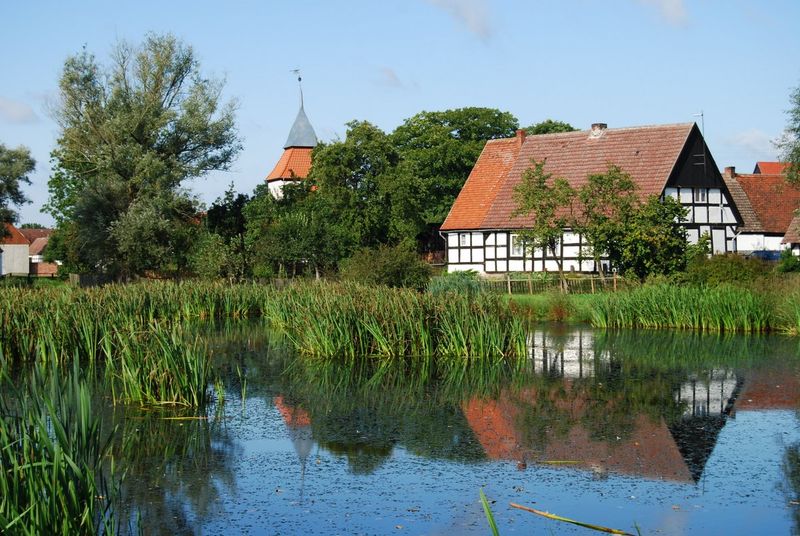
Few places in Poland feel as unique as Swołowo. This small village near Słupsk is home to the Museum of Slovincian Village, which preserves the heritage of a Baltic Slavic people.
The Slovincians once lived along the Pomeranian coast and developed their own dialect and building style. Half-timbered houses with thatched roofs still stand here, showing how families lived and worked.
Exhibits cover fishing, farming, and handmade crafts. Visitors can look through old kitchens, tool sheds, and a small chapel that gives context to local traditions.
The museum is quiet and rarely crowded, which makes it good for slow exploring. Take a few extra minutes to chat with staff, who often know colorful local stories.
The Baltic coast and Słowiński National Park, known for its moving sand dunes, are close enough to include in the same trip.
9. Kruszyniany – Podlaskie Voivodeship
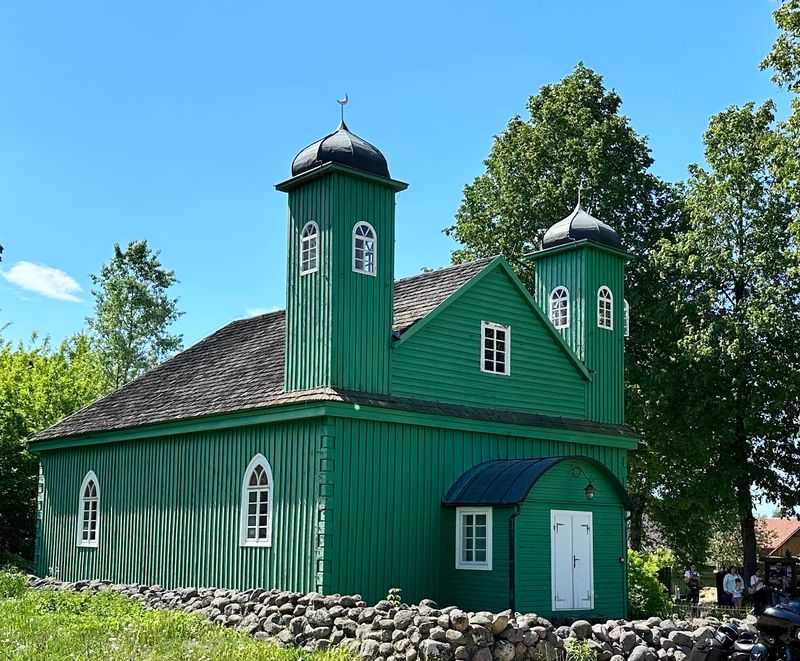
Rural Poland holds a surprise in Kruszyniany: a wooden mosque more than 300 years old. It was built by Polish Tatars, descendants of Muslim soldiers who settled here after serving a Polish king in the 17th century.
The mosque is small, with a simple shape and a modest minaret, and it still hosts prayers. Visitors can go inside outside prayer times, but dress modestly and follow the posted rules.
Nearby, a Tatar cemetery called a mizar rests under old trees, with gravestones in Arabic and Polish.
Food is another reason to stop. Local homes serve Tatar dishes such as siemieniatka, a lightly sweet fried flatbread, and pierekaczewnik, a layered pastry with meat.
Call ahead if you want a meal, since many places are small and family run.
10. Tykocin – Podlaskie Voivodeship
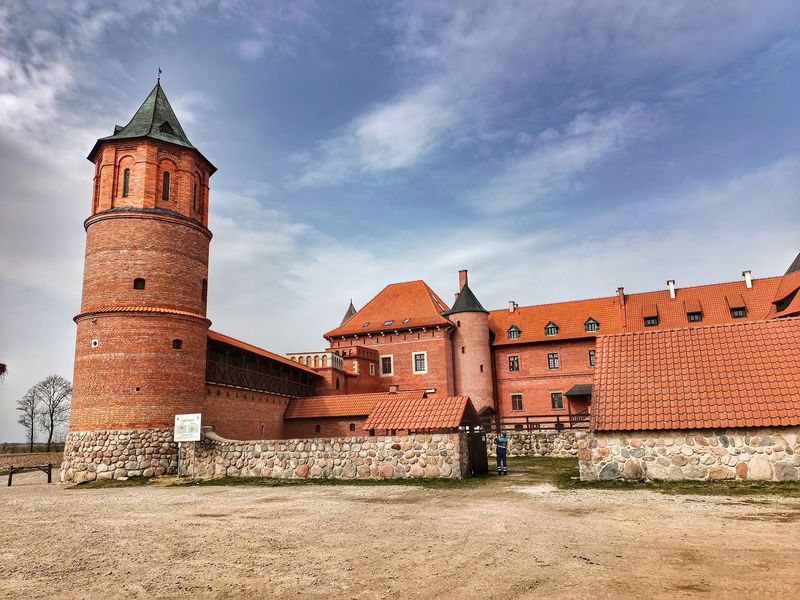
Tykocin looks like a movie set, yet it is a real small town with centuries of history. Pastel houses surround a wide square, and a statue of Stefan Czarniecki stands at its center.
The Great Synagogue, built in the 17th century, is one of the most important Jewish monuments in Poland. It now serves as a museum, and its painted walls and Hebrew inscriptions are carefully preserved.
A reconstructed castle sits by the Narew River and holds exhibits about local history. A short walk along the water gives pleasing views of reeds and wooden bridges.
Try a local pastry or a bowl of soup at a cafe on the square. Tykocin is quiet in the evenings, so a night or two in a guesthouse lets you see it without the day crowds.
11. Białowieża – Podlaskie Voivodeship
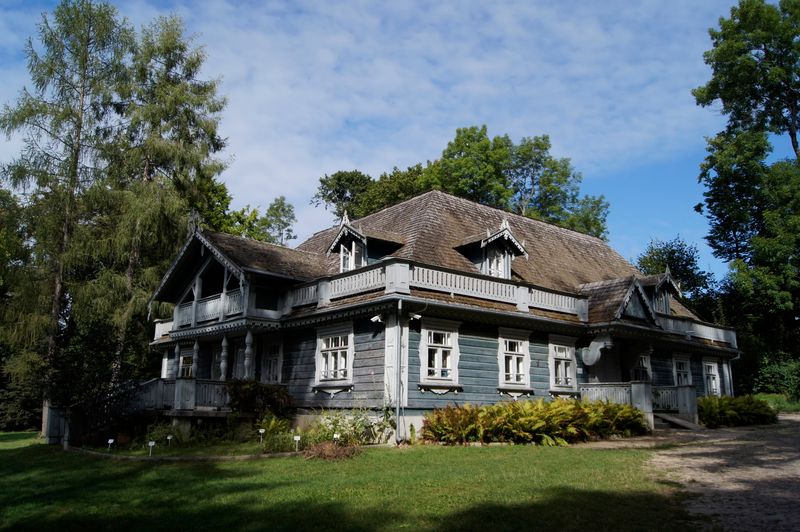
If you have ever wanted to meet Europe’s largest land animal, head to Białowieża. The village borders one of the last primeval lowland forests on the continent, home to wild European bison.
The forest is a UNESCO World Heritage Site, shared with neighboring Belarus. Giant oaks, spruces, and fallen trunks create a landscape that has changed little in centuries.
Some areas can only be explored with a licensed guide, which helps protect the habitat. Guided walks, bike rides, and horse-drawn carriage tours are all popular options.
Back in the village, look for carved wooden window frames painted in bright colors. The Białowieża Palace Park, with its ponds and old trees, is a calm spot for a stroll.
Book guides in advance during summer, and bring insect repellent for warmer months.
12. Międzygórze – Lower Silesia
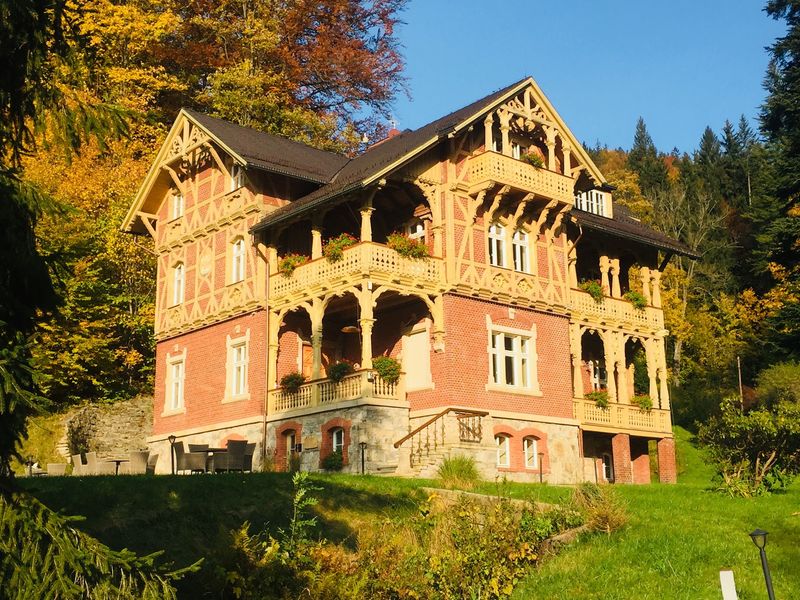
Cradled by the Śnieżnik Massif, Międzygórze feels like a mountain retreat from another era. Wooden villas with ornate trim climb the hillside, and forest trails start right at the edge of the village.
The star attraction is the Wodospad Wilczki, the Wilczka Waterfall, which drops about 27 meters into a rocky gorge. A short walk from the center brings you to a viewing platform and footbridge.
In winter, the village turns into a quiet ski spot with gentle slopes for beginners. Summer visitors hike, bike, and enjoy cool air under tall spruces.
Look up from the village and you may spot the old Marianna Orańska hunting lodge nearby, once tied to Dutch royalty. Stay in a guesthouse to enjoy the calm evenings, when the only sounds are birds and rushing water.
13. Sokołowsko – Lower Silesia
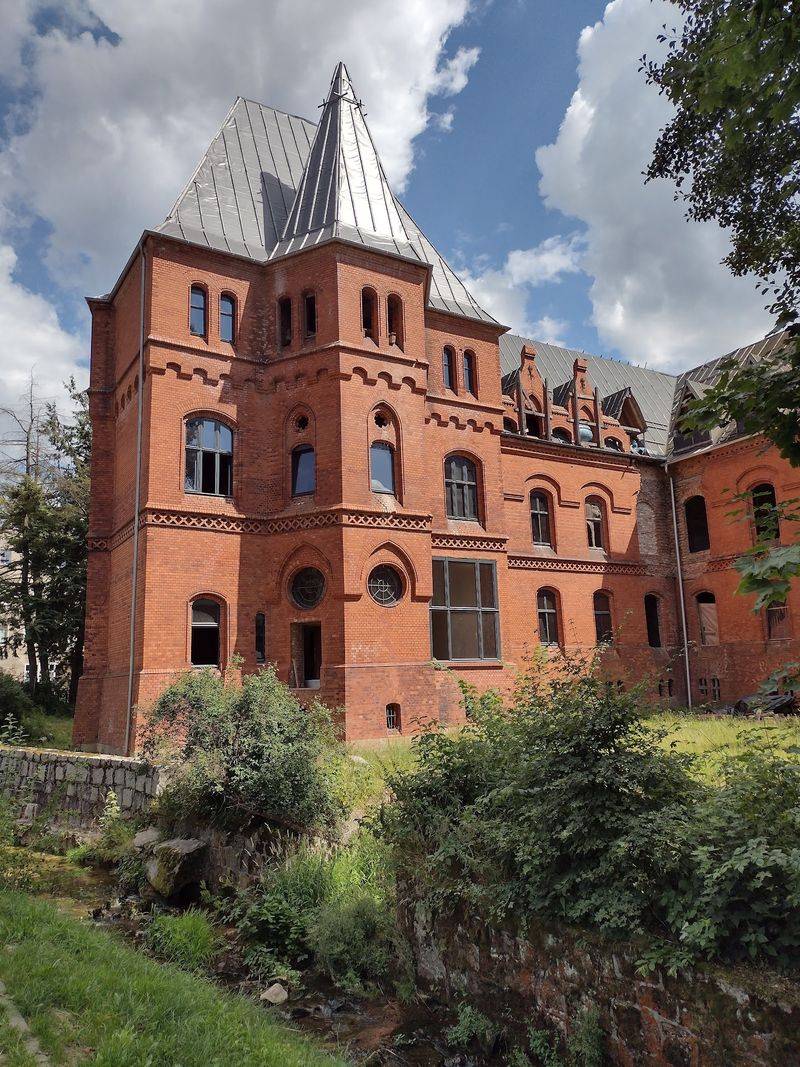
A sleepy village with a medical history, Sokołowsko once drew patients from across Europe. In the 19th century, Dr. Hermann Brehmer opened one of the world’s first tuberculosis sanatoriums here.
Many of the villas and spa buildings still stand, some restored and others weathered by time. That mix gives the place a quiet, creative mood, and artists have been drawn to it in recent years.
The Foundation Sokołowsko hosts art events and film screenings in former spa buildings, including the Grand Hotel complex. Check the schedule before visiting if you want to catch an exhibit.
Trails lead into the Owl Mountains, offering easy walks through beech forest. The village is small, so plan to stay a night or just spend an afternoon.
Pack a picnic, since options for food can be limited outside the main season.
14. Chmielno – Pomeranian Voivodeship
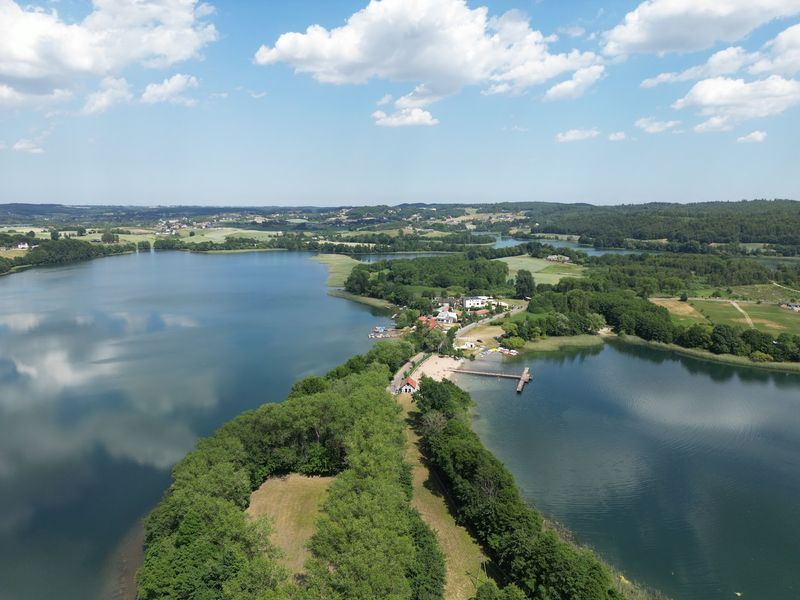
Pottery fans, this one is for you. Chmielno, in the Kashubian Lake District, is famous for ceramics decorated with bold blue, green, and yellow folk patterns.
The craft goes back to the early 20th century, when Neclaw Necel founded a pottery workshop here. Today, the Necel Ceramics Museum and Gallery displays pieces from several generations.
Several local studios invite visitors to watch artists at work, and some offer short workshops where you can try the wheel yourself. A small mug makes a lovely and practical souvenir.
Beyond the workshops, the area is full of lakes and forested hills, perfect for kayaking and bike trips. Kashubian culture is distinct, with its own language and embroidery, so look for patterned textiles in local shops.
Chmielno is about 40 kilometers from Gdańsk, making it a handy countryside escape.
15. Łopuszna – Lesser Poland
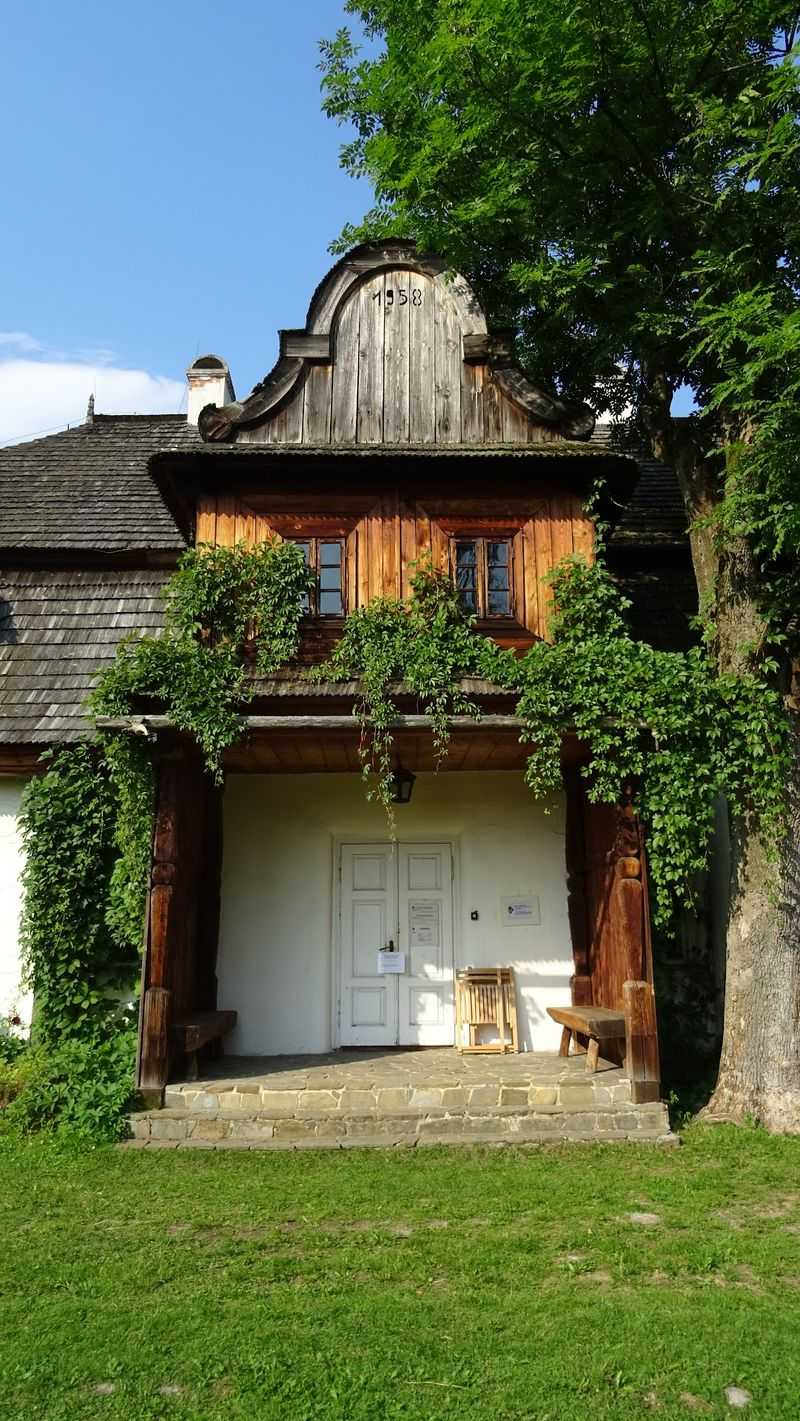
Few villages can claim a manor that hosted famous guests, and Łopuszna can. Its wooden Tetmajer manor, built in the 17th century, is now a branch of the Tatra Museum.
Inside, rooms are furnished in period style, with portraits, old stoves, and heavy wooden furniture. A small exhibit explains how nobles lived in the Podhale region.
Poet and painter Kazimierz Przerwa-Tetmajer, who lived here in later years, is a key figure in local culture. His story adds a personal touch to the visit.
Outside, the garden and an old wooden church of Saint Andrew the Apostle feel peaceful. The village lies between Nowy Targ and the Gorce Mountains, so you can combine it with a hike.
Visit on a weekday for a quieter experience, and check museum hours before you set off.
Share this story