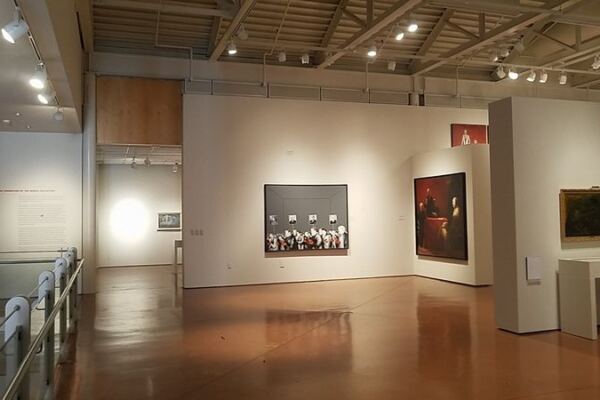
A whole immigrant farming story sits on the lower level of a township municipal building. You reach it by ramp, by stairs, or straight from the lobby.
Inside, a diorama and walls of photographs trace the people who worked one sprawling South Jersey farm operation. Japanese Americans arrived from wartime internment camps.
Displaced families from many nations followed.
I like how unassuming the setting is. You could pay a local bill upstairs and never guess this much history waits below.
I believe that quiet surprise is exactly what makes it worth the drive in New Jersey.
The hours are short and the staff are volunteers, so planning matters. Still, I can’t imagine a better small museum for anyone curious about how strangers became neighbors.
So how did a farm turn into a community?
A Museum Hiding Below the Township Offices
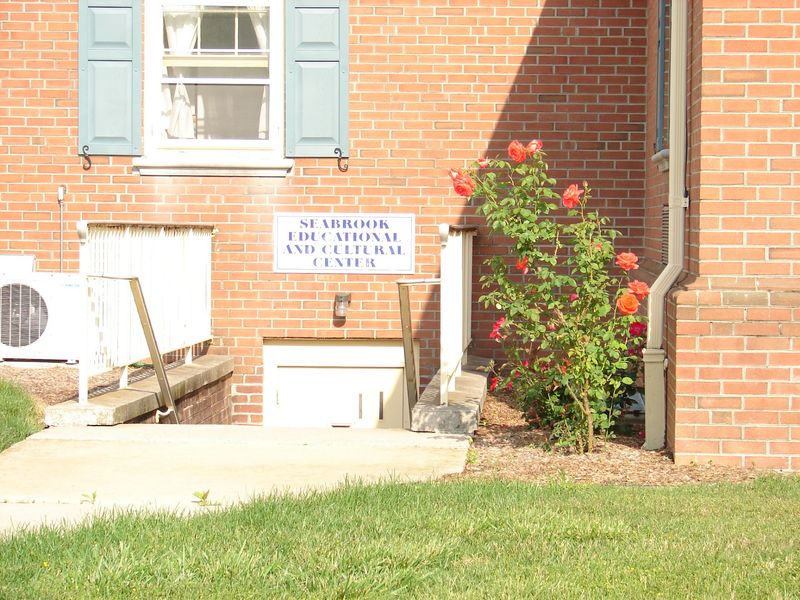
Few museums share a front door with the local tax office. The Seabrook Educational and Cultural Center, Inc. does exactly that, and it works surprisingly well.
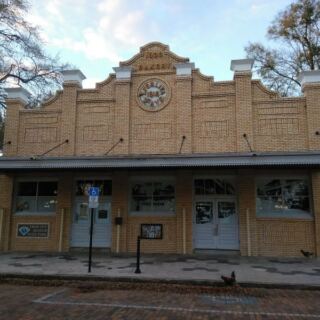
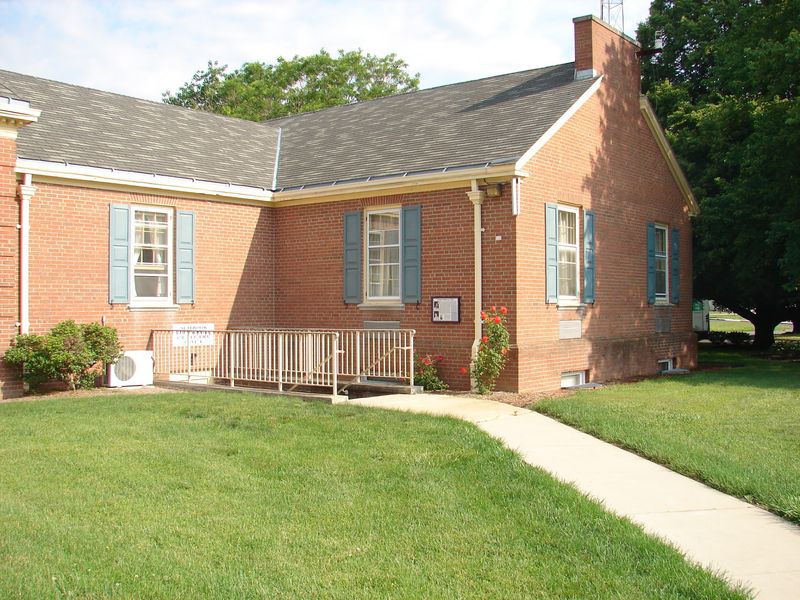
The museum sits on the below-ground level of the Upper Deerfield Municipal Building. You can get down there by a ramp, by stairs, or directly from the lobby.
That easy access is a real plus for families with strollers or anyone who prefers to skip steps. It also means the space feels like part of everyday township life rather than a stuffy attraction.
The center’s focus is clear and specific. It tells the story of Seabrook Farms and the many people who came to Cumberland County, New Jersey, to work there.
Plenty of longtime county residents have admitted they never knew this place existed. Some lived nearby for decades without spotting it.
That small, low-key profile is part of the charm. You won’t find flashy signs or a giant gift shop here.
What you will find is a compact collection packed with local memory. For a museum this size, it carries a surprising amount of weight.
The Farm That Grew Into a Melting Pot
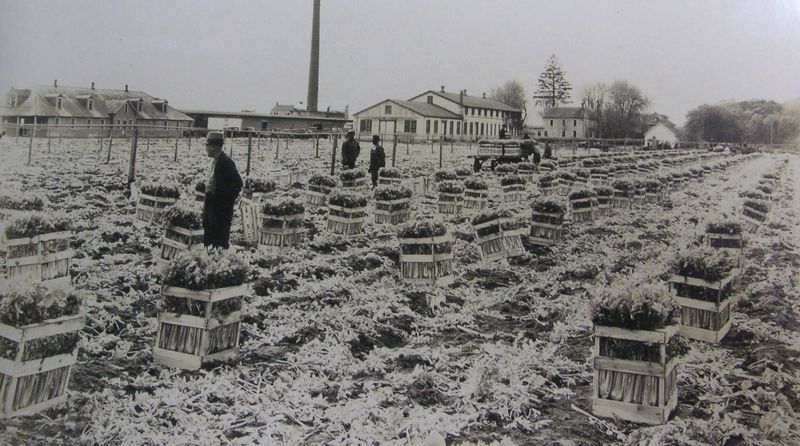
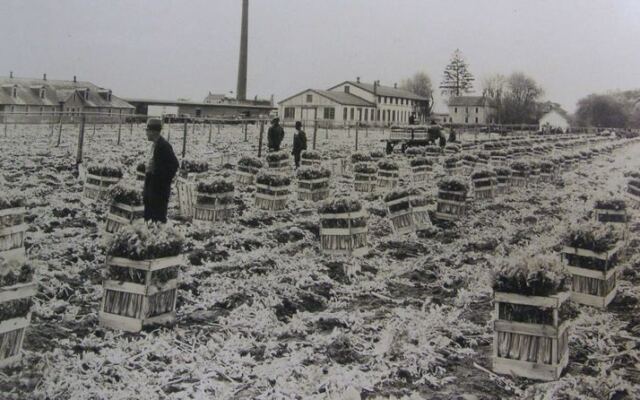
Seabrook Farms was far more than rows of vegetables. It became a magnet for workers from across the globe, and that’s the heart of what this museum preserves.
After World War II, people arrived from many different nations to work the fields and plant. The exhibits trace how those arrivals shaped the surrounding community.
Japanese Americans formed one of the largest groups. Many came directly from wartime internment camps, looking for work and a fresh start.
Other displaced people followed from different corners of the world. Together, they turned a farming operation into a genuinely mixed neighborhood.
It’s a story many New Jersey residents have never heard. Even people raised nearby have been caught off guard by how much happened right here.
The museum also covers Seabrook family history, giving context to the business behind it all. You see both the company and the people who kept it running.
That balance makes the story feel human rather than corporate. A farm needs workers, and workers need homes, schools, and neighbors.
Standing among these exhibits, the phrase farming community starts to mean something much richer.
One Diorama Worth Leaning In For
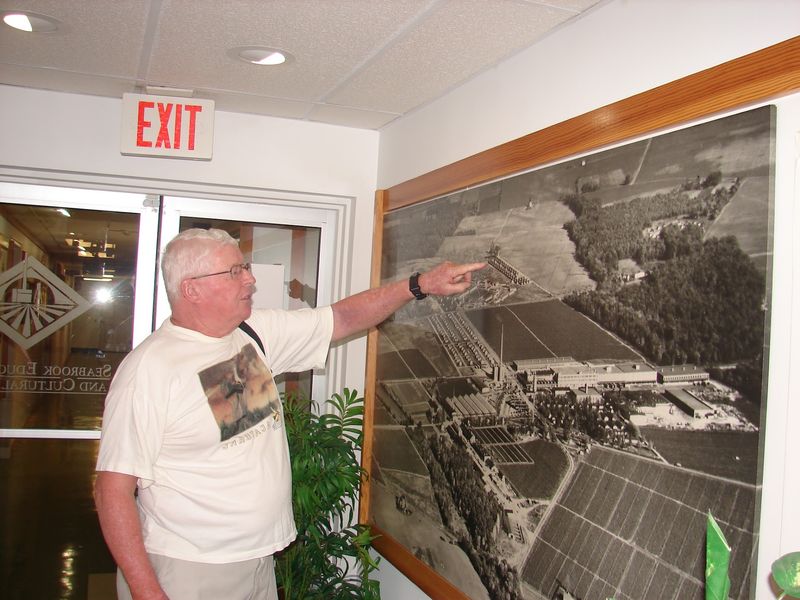
Small museums often have one showpiece, and here it’s the diorama. Visitors single it out again and again as a favorite.
A diorama does something photos can’t. It lets you see an entire place at once, from above, like a bird drifting over the fields.
For a story about how a community took physical shape, that bird’s-eye view matters. You can picture where people lived, worked, and crossed paths each day.
Kids especially tend to connect with models. Tiny buildings invite pointing, questions, and plenty of where-would-I-live conversations.
Adults get something from it too. It turns abstract history into a layout you can actually trace with your eyes.
Give yourself a few unhurried minutes here. The details reward a slow look rather than a quick glance on the way past.
It pairs nicely with the photographs elsewhere in the room. One shows the place, the others show the faces.
If you only remember one exhibit from the Seabrook Educational and Cultural Center, Inc., chances are good it’ll be this one.
Faces That Tell the Immigrant Story
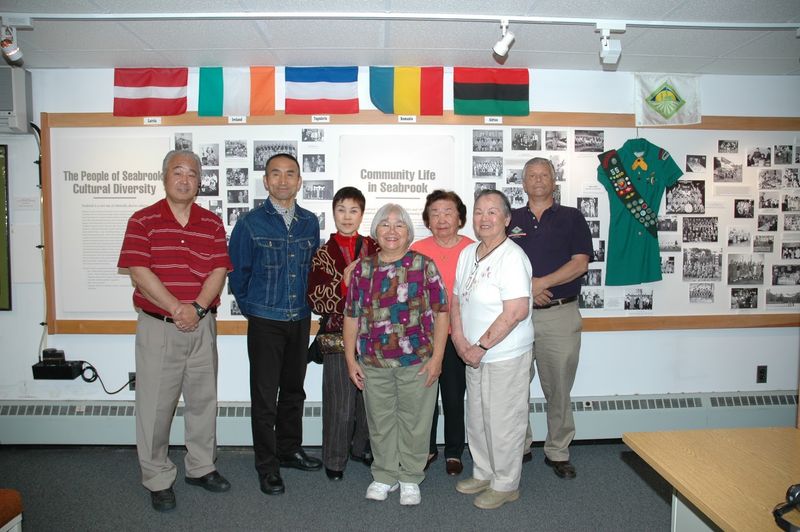
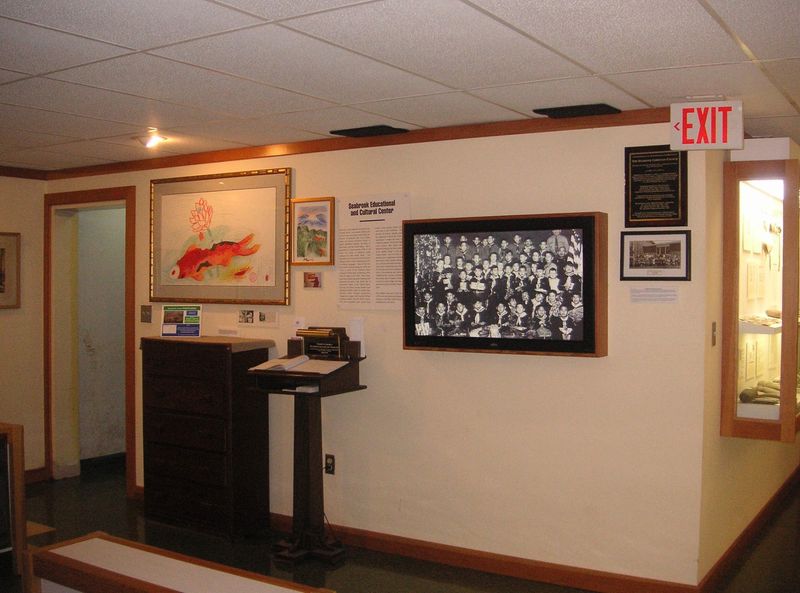
Pictures do much of the talking in this museum. Photographs and the immigrant story are the two things people bring up most.
The images connect names to a big, complicated chapter of American history. Suddenly the word internment isn’t a textbook term anymore.
Japanese Americans who left the camps and resettled at Seabrook appear throughout the story. So do families from other nations who had lost their homes overseas.
Seeing them at work and at home makes the history personal. These were parents, kids, and coworkers building ordinary lives.
One visitor described stumbling onto these photos online and realizing their own area held immigrant stories they never knew about. That kind of discovery happens a lot here.
The pictures also invite reflection. How did people from so many backgrounds learn to live side by side?
The museum doesn’t need dramatic staging to make that question land. The faces handle it on their own.
Bring a curious mind and maybe a family question or two. You may recognize a surname from your own South Jersey town.
Volunteers Keeping the Story Going
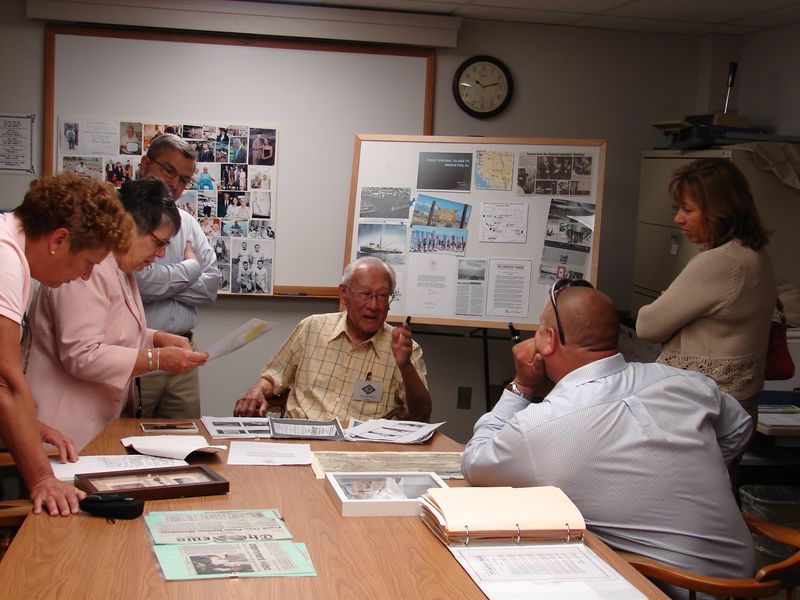
Everything here runs on volunteer power. No big staff, no corporate budget, just people who care about keeping this history alive.
That shapes your visit in a good way. Staff earn warm praise, and the place feels personal rather than polished.
The center also has an active board that has welcomed new members. Plans have been shared to refresh some displays with newly gifted material.
Donated items matter a lot for a museum like this. Each one can add a new layer to a family’s or a neighborhood’s story.
Online photos often show an older gentleman who appears closely tied to the museum. It’s a reminder that community history is often guarded by community members.
Because staffing is all volunteer, calling ahead is smart. A quick check can save you an unexpected locked door.
If your family has ties to Seabrook Farms, this could be a meaningful place to start a conversation. Local museums grow when neighbors share what they know.
Honestly, that sense of shared ownership is one of the best things about the place.
Who Will Get the Most Out of a Visit
History buffs, obviously. But the audience is wider than you might guess.
Students studying World War II or immigration will find a local angle textbooks rarely offer. It’s real history from real New Jersey ground.
Families with Japanese American roots or ties to postwar resettlement may find it especially moving. The same goes for anyone whose relatives worked at Seabrook Farms.
Seniors in Upper Deerfield Township have described it as a nice local resource. The weekday morning schedule fits retirees well.
Curious Cumberland County residents are another natural fit. Many have discovered it only after years of driving right past.
Day-trippers from elsewhere in the state can fold it into a South Jersey outing. It’s compact, so it won’t swallow your whole day.
Younger kids may enjoy the diorama most. Older kids tend to connect with the photographs and the stories behind them.
The atmosphere is calm and modest. Think quiet learning, not interactive screens or noisy exhibits.
For many visitors, that slower pace is exactly the point.
Mornings Only, So Plan Ahead
Timing is everything with this one. The museum keeps short weekday hours, and they’re easy to miss.
You’ll find it open Monday through Thursday from 9 am to 12 pm. It’s closed Friday, Saturday, and Sunday.
That rules out casual weekend drop-ins. It does make it a great stop for a weekday morning off or a school break.
The address is 1325 NJ-77, Bridgeton, NJ 08302. It sits in the Upper Deerfield Municipal Building, near the Seabrook area of Cumberland County.
Because volunteers staff the center, calling before you go is a wise move. Hours can be hard to guarantee when everyone donates their time.
Arriving early helps too. A three-hour window goes faster than you think once the photos pull you in.
Access is friendly, with a ramp, stairs, or an entrance from the lobby. That makes the lower level reachable for most visitors.
Pair the trip with lunch somewhere nearby afterward. Since the museum closes at noon, the timing basically plans itself.
Small Space, Big South Jersey Story
Size can fool you. This basement museum holds one of the most surprising chapters in New Jersey history.
The Seabrook Educational and Cultural Center, Inc. shows how a single farm drew people from across the world. It also shows how they built a community together.
You won’t spend all day here. You might spend the drive home thinking about it, though.
The diorama, the photographs, and the volunteer spirit add up to something personal. It feels less like a museum tour and more like hearing a neighbor’s family story.
For New Jersey residents, it’s a chance to discover something right under their noses. Many locals have admitted they had no idea it was there.
For visitors, it’s a reminder that farm country holds deep, layered stories. Cumberland County is far more than fields along the highway.
Plan a weekday morning, call ahead, and bring your curiosity. The payoff is real for such a modest stop.
Sometimes the best history isn’t behind velvet ropes. Sometimes it’s downstairs from the township offices, waiting patiently.
Share this story