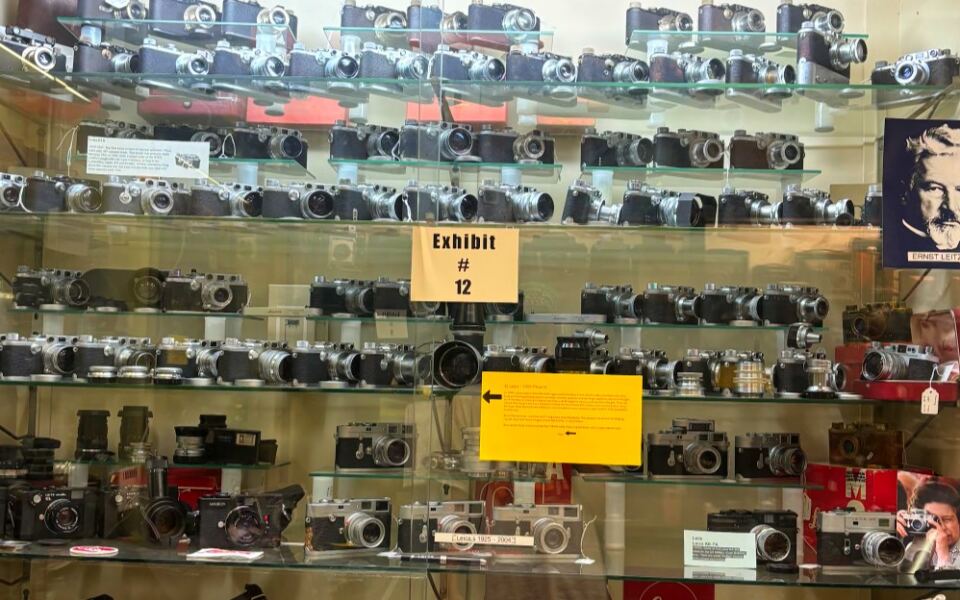
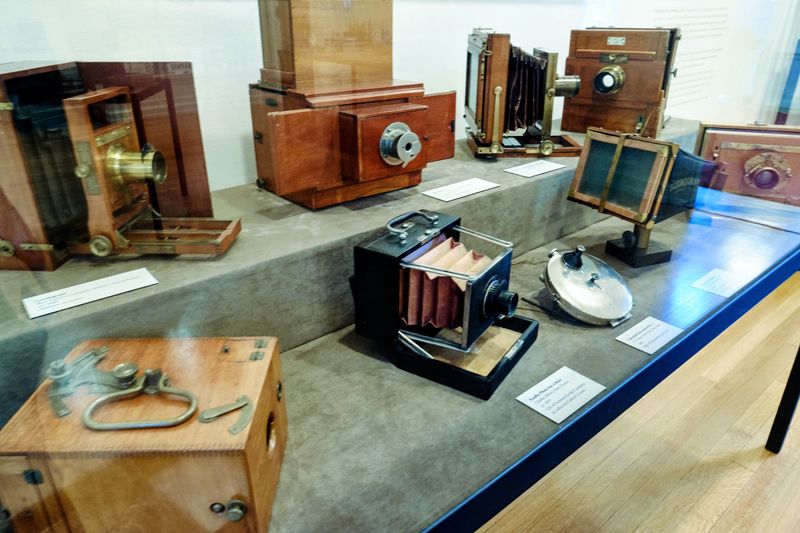
Before smartphones, taking a photograph could mean carrying a bulky wooden camera, preparing chemicals, and waiting for the perfect exposure. Some of those early cameras still exist, and a few American museums have collected thousands of them.
In Virginia, one museum displays miniature spy cameras, vintage Kodaks, and an antique camera that shows the outside world upside down. In New York, you can tour George Eastman’s former mansion and explore the history of the company that helped bring photography into everyday homes.
Other museums preserve rare photographs, original negatives, and the personal archives of legendary photographers like Ansel Adams and Robert Capa.
These 13 destinations reveal how photography changed over nearly two centuries, from complicated early equipment to the cameras we carry everywhere today.
1. George Eastman Museum, Rochester, New York
Kodak founder George Eastman once said he wanted to make the camera as convenient as a pencil. His Rochester home now celebrates how well that plan worked.
Founded in 1947, the George Eastman Museum is known as the oldest photography museum in the world. It sits on his estate, which is a National Historic Landmark with a Georgian Revival mansion and tidy gardens.
The numbers here are huge. The collection includes more than 400,000 photographs, nearly 30,000 motion picture films, and a world-leading set of camera and film technology.
Temporary exhibitions change about every four months, so repeat visits stay fresh.
Movie lovers should check the schedule at the 500-seat Dryden Theatre. It screens over 300 films each year and hosts the Nitrate Picture Show, a festival for rare early film prints.
Plan at least half a day. Between the mansion rooms, gardens, and galleries, there is plenty to explore.
2. Photo Antiquities Museum of Photographic History, Pittsburgh, Pennsylvania
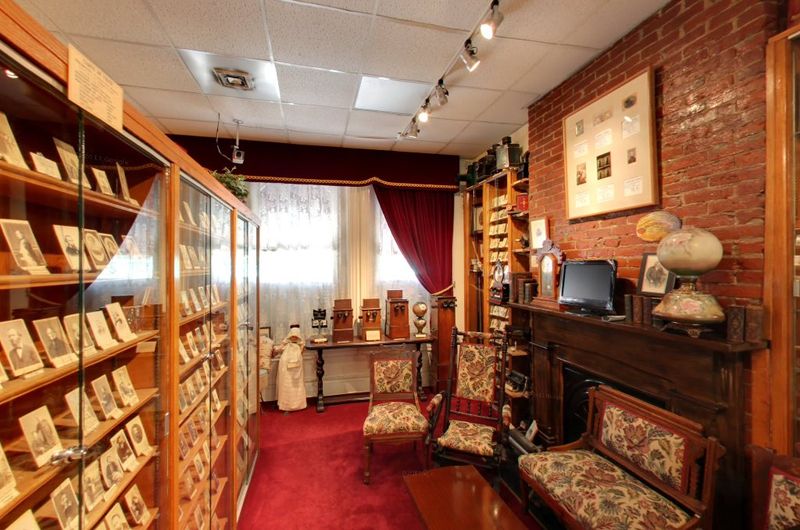
Say cheese, and then hold that smile for a very long time. Early portraits demanded patience, and this Pittsburgh museum shows exactly why.
Opened in 1993 on the North Side, Photo Antiquities focuses on photography from 1839 to 1939. Few museums in the country zero in on that era so closely.
Director Bruce Klein built a collection of more than 3,000 historical cameras. Original images, accessories, and memorabilia fill the rest of the space.
Visitors can follow the path from daguerreotypes to cheaper ambrotypes and tintypes. A replica studio explains how photographers used skylights because electric lighting was not an option.
Hand-painted magic lantern slides line the walls. Some were painted with brushes that had only a single hair.
Local history fans get a treat as well. Vintage prints show Civil War generals, the Bessemer furnace in 1885, and George Ferris’s original Ferris wheel.
Guided tours bring the details to life, so ask about one when you arrive.
3. Appalachian Center for Photography, Floyd, Virginia
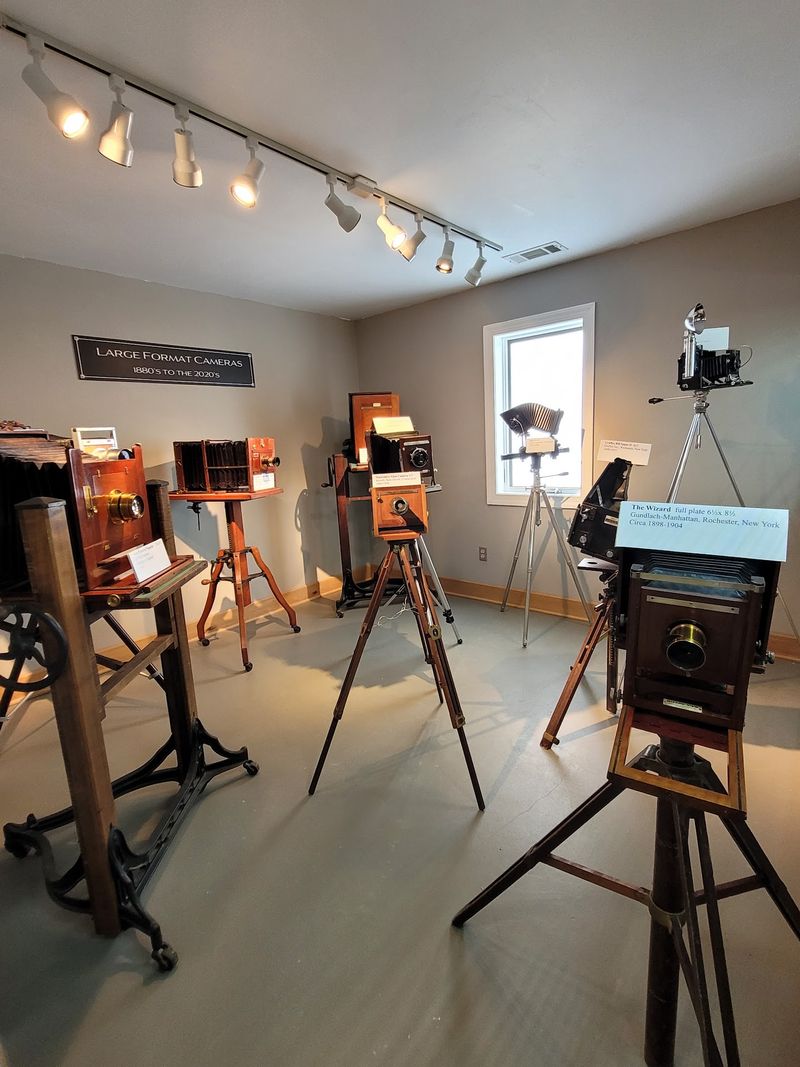
Big cameras get the spotlight in tiny Floyd, a mountain town in Virginia’s Blue Ridge region.
The Appalachian Center for Photography lives inside the Floyd Center for the Arts. Founder and managing director Dr. Russell Young holds a master’s degree in photography from The University of Texas and a doctorate from Saint Andrews University in Scotland.
One highlight is the large format camera exhibit. These machines range from the 1880s to the 2020s and use sheet film instead of rolls.
Some create images as small as 4×5 inches. Others go all the way up to 20×24 inches, which is a lot of photo for one click.
The center also explains older printing methods like platinum palladium and gelatin silver prints. Stereoscopic photography and darkroom work get attention, too.
The small size works in its favor. Visitors often get a relaxed, workshop-style experience with time to ask questions.
Check the calendar for regional shows like the Art Appalachia exhibition.
4. California Museum of Photography at UCR ARTS, Riverside, California
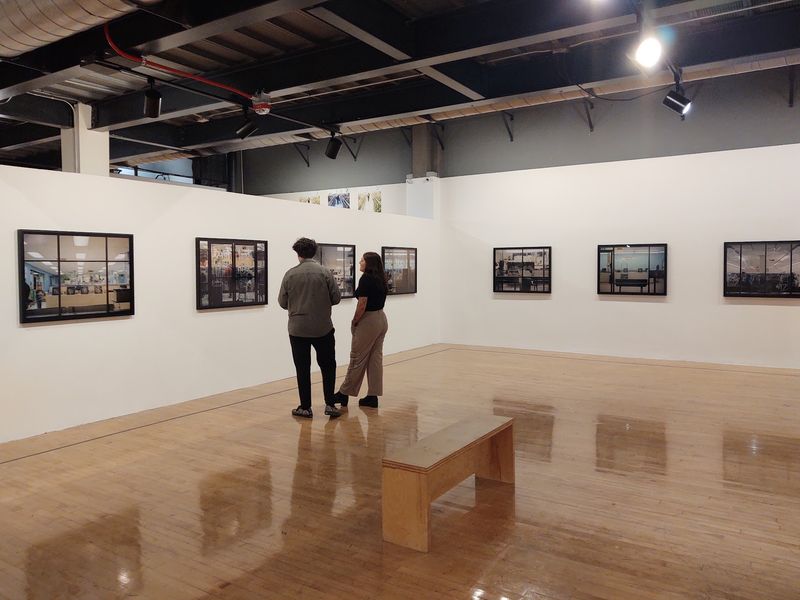
College campuses usually keep their best stuff behind classroom doors. The University of California, Riverside chose to put photography right downtown for everyone to enjoy.
The California Museum of Photography sits inside a historic building on Riverside’s main pedestrian mall. It is part of the larger UCR ARTS complex.
Inside, old meets new. Vintage cameras, from early large-format models to well-known historical designs, share space with changing exhibitions of modern work.
The museum’s image archive is a strong point. Historical photographs record how communities, fashion, and daily life shifted over many decades.
Students and researchers use the collection often. Regular visitors benefit from that academic energy through talks and programs that connect early techniques with digital practice.
UCR ARTS also covers film and contemporary art. That means one trip can include several kinds of visual storytelling.
Tip for planners: downtown Riverside has plenty of nearby cafes and historic spots. Pair your museum stop with a walk to the famous Mission Inn nearby.
5. Center for Creative Photography, Tucson, Arizona
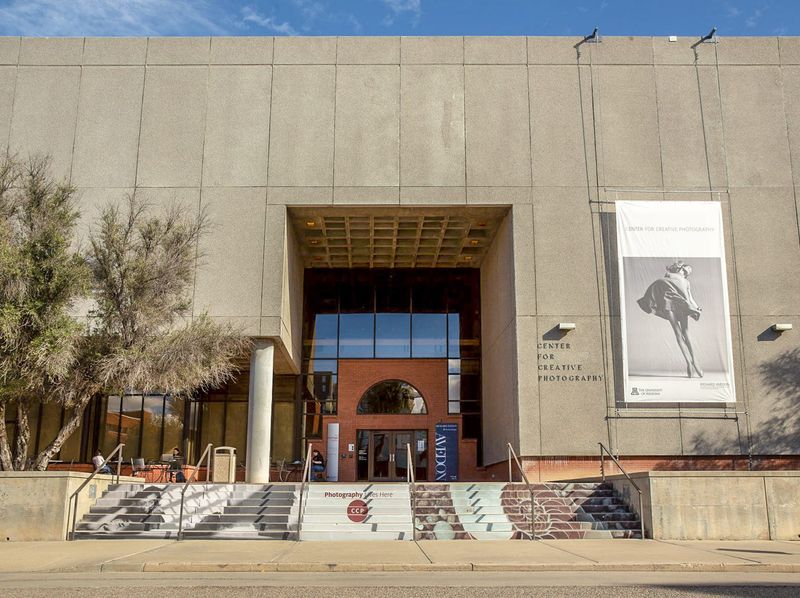
Ansel Adams did not just photograph national treasures. He also helped build one in the Arizona desert.
In 1975, Adams teamed up with University of Arizona president Dr. John P. Schaefer to start the Center for Creative Photography.
It began by caring for the archives of five photographers, including Adams, Harry Callahan, and Aaron Siskind.
Today the center is considered the largest institution in North America devoted to photography research and exhibition. Its holdings top eight million objects.
That count includes negatives, letters, and personal items from more than 300 archival collections. Over 120,000 fine prints by more than 2,200 photographers round things out.
A conservation lab and digital imaging team keep everything in good shape.
Exhibitions are free, which makes this a budget-friendly stop. Researchers can also request to view prints in person by appointment.
Try visiting during cooler months. Tucson summers are famously hot, and the campus deserves a stroll afterward.
6. Camera Heritage Museum, Staunton, Virginia
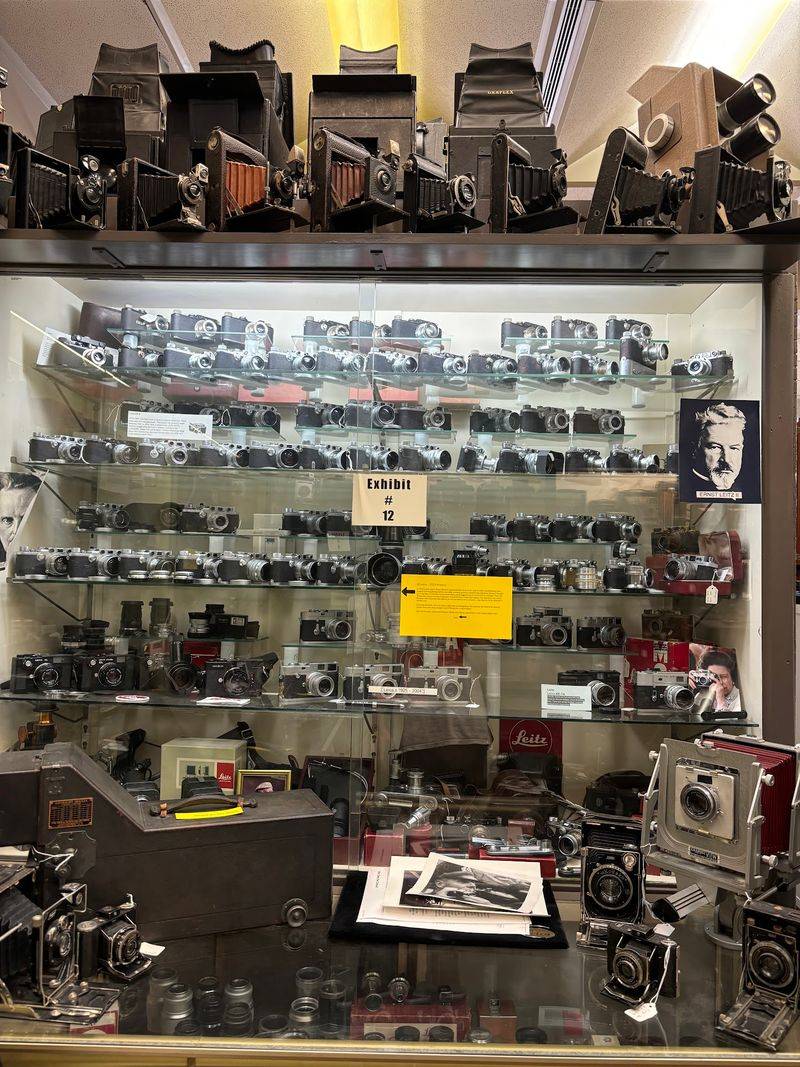
More than 7,000 cameras fit inside one downtown storefront in Staunton, which might be the most impressive packing job in Virginia.
David Schwartz started collecting in 1968 and opened the museum in 2011. His shelves hold early Kodak models, tiny spy cameras, and fancy antique equipment covering over 150 years of invention.
His Brownie collection grew so large that it reportedly topped Kodak’s own historical holdings. More than 1,000 pieces of Kodak memorabilia add extra charm.
Right by the entrance, an 8×10 view camera lets visitors look at the street outside. The catch is that everything appears upside down and backwards, just as early photographers saw it.
Staunton has its own claim to fame, too. The reflex camera was invented and patented here in 1872.
Here is a fun bonus for gear fans. Nearly 95 percent of the cameras and lenses still work, so ask the staff questions because they love sharing stories.
7. Museum of Photographic Arts at The San Diego Museum of Art, San Diego, California
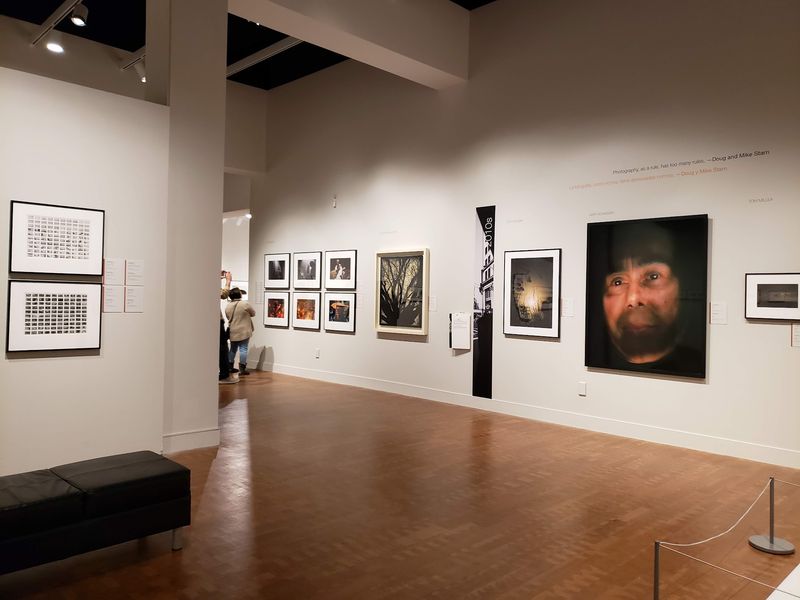
On July 1, 2023, two San Diego museums joined forces. The result goes by a short name, MOPA@SDMA, and it lives in beautiful Balboa Park.
The Museum of Photographic Arts now operates as part of The San Diego Museum of Art. Its mission is to celebrate photography across many generations and cultures.
Exhibitions rotate through the year. Topics range from documentary storytelling to experimental imagery, and many displays appear in both English and Spanish.
Recent shows have featured Cecil Beaton’s fashion photos and the work of Mexican photographer Graciela Iturbide.
The permanent collection holds nearly 9,000 images. Bookworms will appreciate the Edmund L. and Nancy Dubois Library, which has more than 24,000 items about photography.
Film festivals and classes for all ages keep the calendar busy.
Balboa Park has many museums in walking distance. Grab a map at the visitor center and build a full day around this stop.
8. Museum of Contemporary Photography, Chicago, Illinois
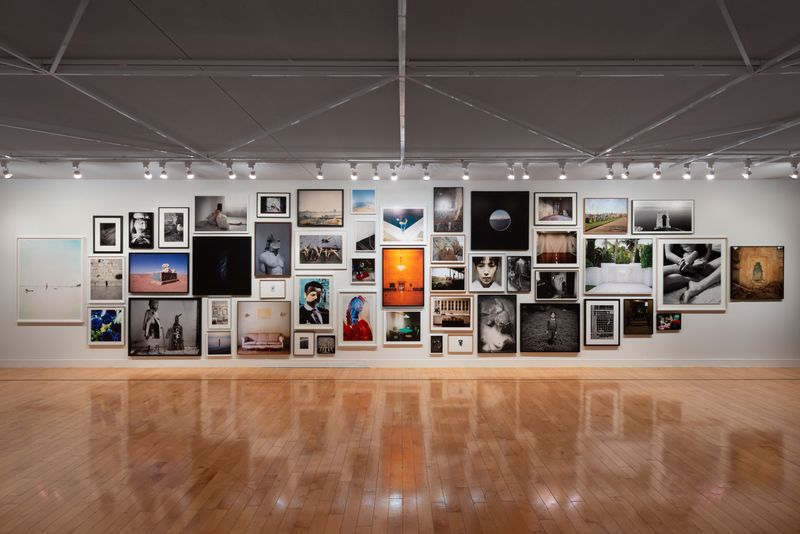
Free admission on Michigan Avenue sounds too good to be true. At the Museum of Contemporary Photography, it is simply how things work.
Founded in 1976 at Columbia College Chicago, the museum is the only one in the Midwest devoted entirely to photography.
Collecting began in 1979. Today the museum holds more than 17,000 works by over 1,950 artists.
Three floors of galleries host changing exhibitions. Subjects range from personal identity to major social events, and some shows connect with citywide events like the Chicago Architecture Biennial.
Curious visitors can book time in the print study room. Original works can be viewed there by appointment, which offers a closer look than any gallery wall.
Lectures and artist talks happen throughout the year. Teachers will find programs built for K-12 students as well.
Tip for city explorers: Grant Park is just across the street. A gallery visit followed by a lakefront walk makes for an easy, low-cost afternoon.
9. Southeast Museum of Photography, Daytona Beach, Florida
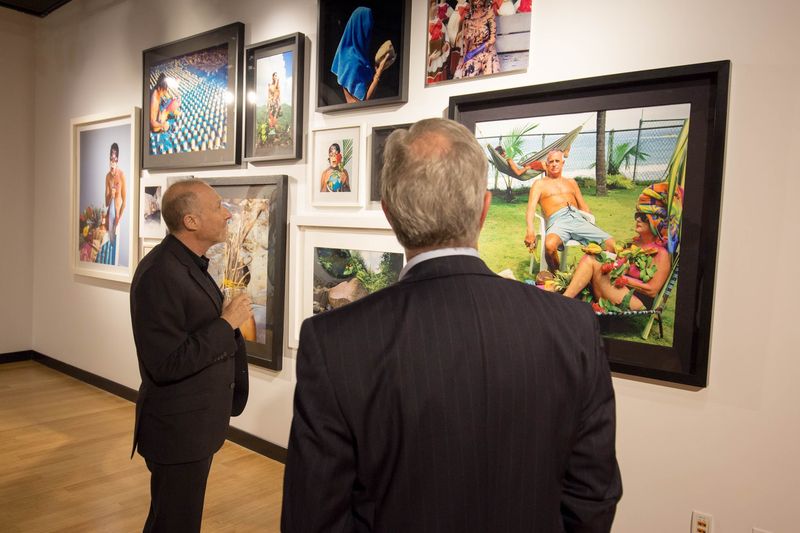
Daytona Beach is famous for racing, but its college campus holds a different kind of speed record. Around 20 exhibitions roll through this museum every year.
The Southeast Museum of Photography opened in 1992. In 2007 it moved into the Mori Hosseini Center at Daytona State College.
Its roots go back to 1975, when Dan Biferie began bringing fine art photography to the school. The first photograph joined the collection in 1978.
Today the holdings include thousands of photographs. Big names like Gordon Parks, Sally Mann, Alfred Stieglitz, and Edward Steichen appear on the list.
Vintage cameras and related artifacts show how the tools changed over time.
One standout feature surprises many guests. The museum keeps one of the largest collections of post-revolutionary Cuban photography in the country.
Beach days and museum visits pair nicely here. Stop by on a cloudy afternoon when the sand can wait.
10. International Center of Photography, New York City, New York
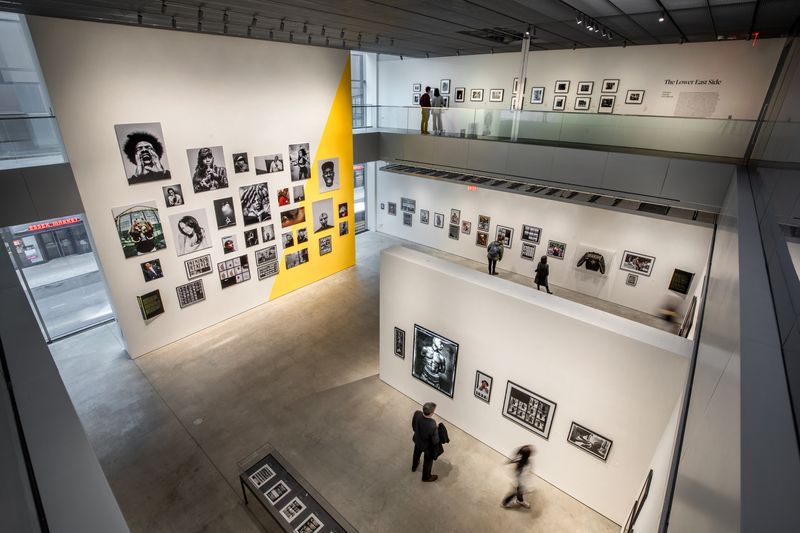
Cornell Capa believed photographs could change the world. In 1974 he founded the International Center of Photography to prove it.
Capa was the brother of famous photojournalist Robert Capa. He championed what he called concerned photography, meaning images that inform people about real social issues.
The center now sits on Manhattan’s Lower East Side in a 60,000-square-foot space. Galleries, a photography school, and a bookstore share the building.
Over 500 exhibitions have featured more than 3,000 photographers. The permanent collection contains over 200,000 photographs.
Documentary work from the 1930s through the 1990s is a particular strength. Holdings include work by W.
Eugene Smith, Henri Cartier-Bresson, and Robert Capa.
Students take classes in studios, darkrooms, and classrooms on site. The annual Infinity Awards, started in 1985, honor top achievements in the field.
Save time for the bookstore. It carries photo books that are hard to find elsewhere.
11. Griffin Museum of Photography, Winchester, Massachusetts
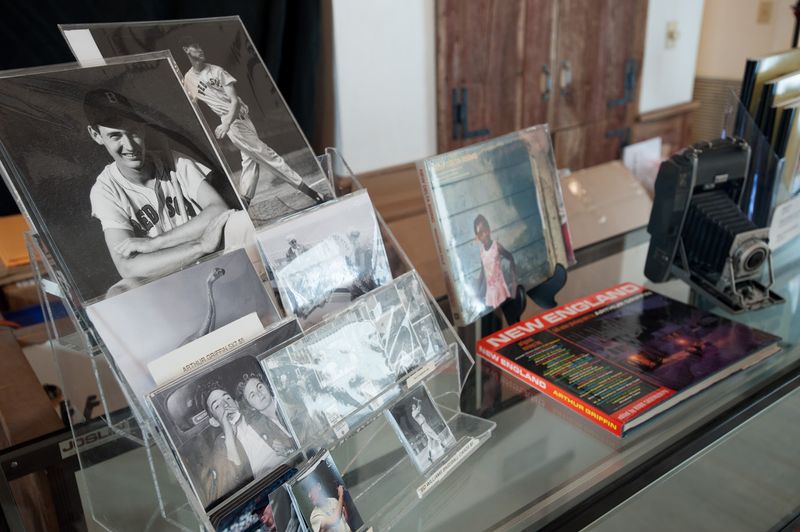
A secondhand folding Brownie camera changed Arthur Griffin’s life in 1929. He swapped illustration for photography and never looked back.
Griffin became a well-known New England photojournalist for Life and Time in the 1930s. He supplied the first color photos ever printed in the Saturday Evening Post.
Baseball fans will enjoy this detail. In 1939, he took the first color picture of Red Sox legend Ted Williams.
In 1992, Griffin founded his museum beside the Aberjona River in Winchester. It focuses entirely on photographic art.
The Main Gallery features contemporary artists. Smaller spaces spotlight emerging and mid-career talent.
The Founders Gallery runs a series called Illuminating the Archive. Modern artists create work in conversation with Griffin’s own collection.
The museum also runs satellite galleries and hands out the annual Focus Awards.
Winchester is a short trip from Boston. Its calm riverside setting offers a peaceful break from busy city museums.
12. Florida Museum of Photographic Arts, Tampa, Florida
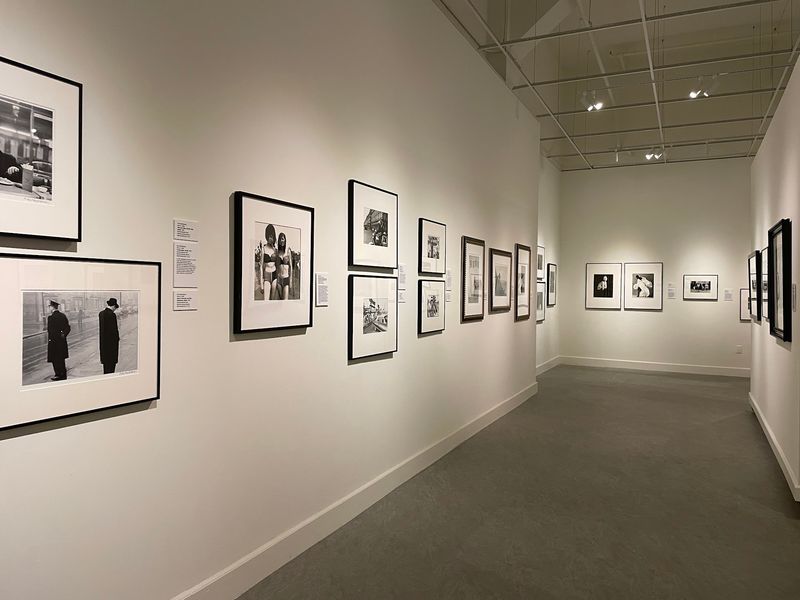
Strobe lights, celebrity portraits, and Woodstock snapshots all share one home in Tampa.
The Florida Museum of Photographic Arts was founded in 2001 by Cynthia L. Flowers, Charles J.
Levin, and Vincent Sorrentino. It started in Old Hyde Park Village and moved to historic Ybor City in 2023.
The permanent collection keeps growing. Harold Edgerton’s high-speed strobe images freeze motion in ways the eye cannot.
Other highlights include a piece by Dorothea Lange and a portrait of Ansel Adams by Judy Dater. Charles Teenie Harris contributed scenes of Pittsburgh life.
Burk Uzzle’s Woodstock photos and Bud Lee’s images of the 1960s and 1970s capture a famous era. Early panoramic Cirkut photographs add another layer of history.
Classes and an annual International Photography Competition keep local photographers involved.
After your visit, explore Ybor City’s brick streets. The neighborhood’s cigar-factory history makes for a great self-guided walk.
13. Houston Center for Photography, Houston, Texas
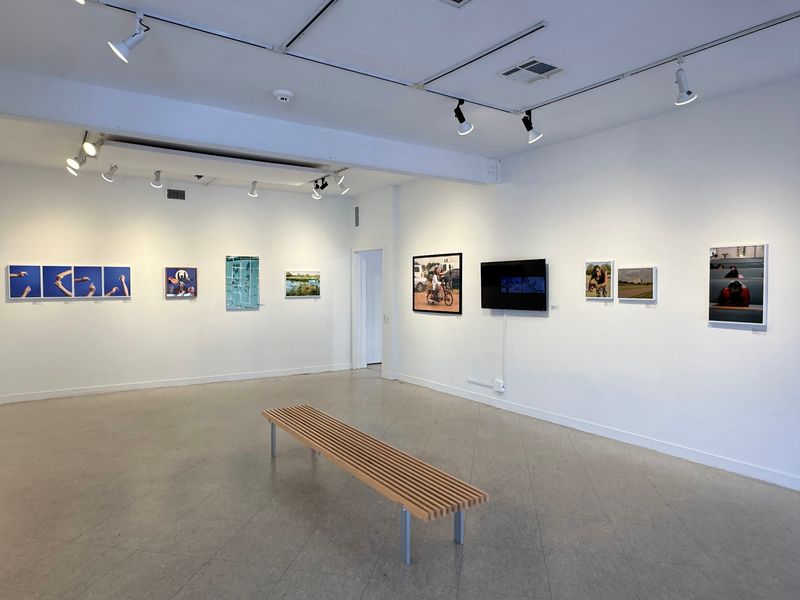
Back in 1981, a group of Houston artists pooled their efforts to create a home for photography. That grassroots idea grew into a nationally known nonprofit.
The Houston Center for Photography sits in the Montrose neighborhood. Its gallery shows fine work by contemporary photographers, and admission is free.
Learning is a big part of the mission. The center offers over 300 classes and workshops each year.
Beginners can learn the basics of exposure and composition. More experienced photographers can tackle advanced artistic projects with skilled instructors.
An on-site library holds thousands of photography books. A digital darkroom gives students modern tools for editing and printing.
Readers who prefer screens can check out SPOT. The online magazine shares thoughtful writing about photography today.
This final stop brings the story full circle. After seeing old cameras and famous prints elsewhere, sign up for a class here and start making history of your own.
Share this story