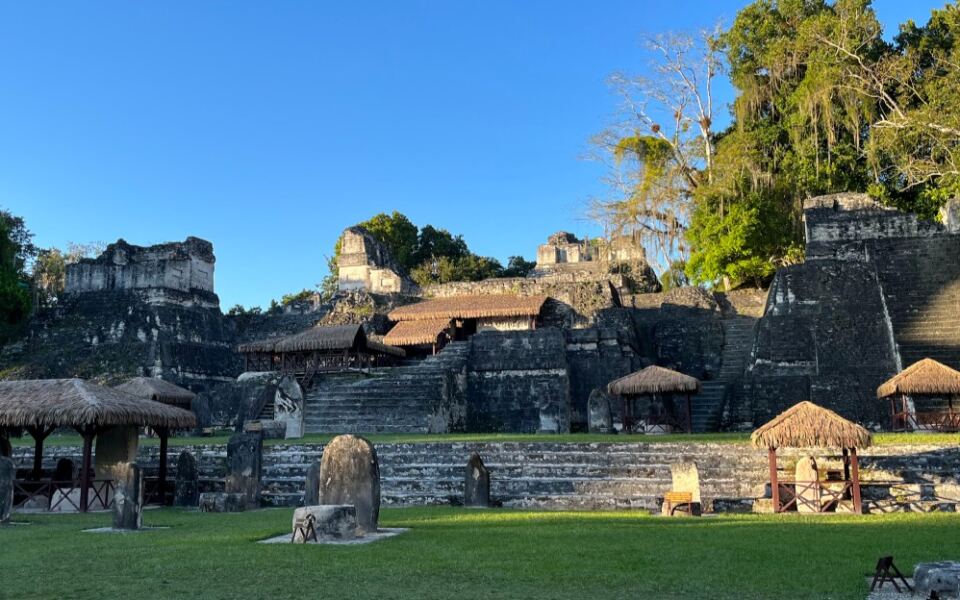
Deep in the jungles of northern Guatemala, stone temples poke through the treetops like giants waking from a very long nap. Tikal National Park holds one of the greatest cities the Maya ever built.
Today you can climb its pyramids, hear howler monkeys roar, and walk where kings once ruled. Here are ten things that make this place unforgettable.
Temple IV, the Tallest Lookout
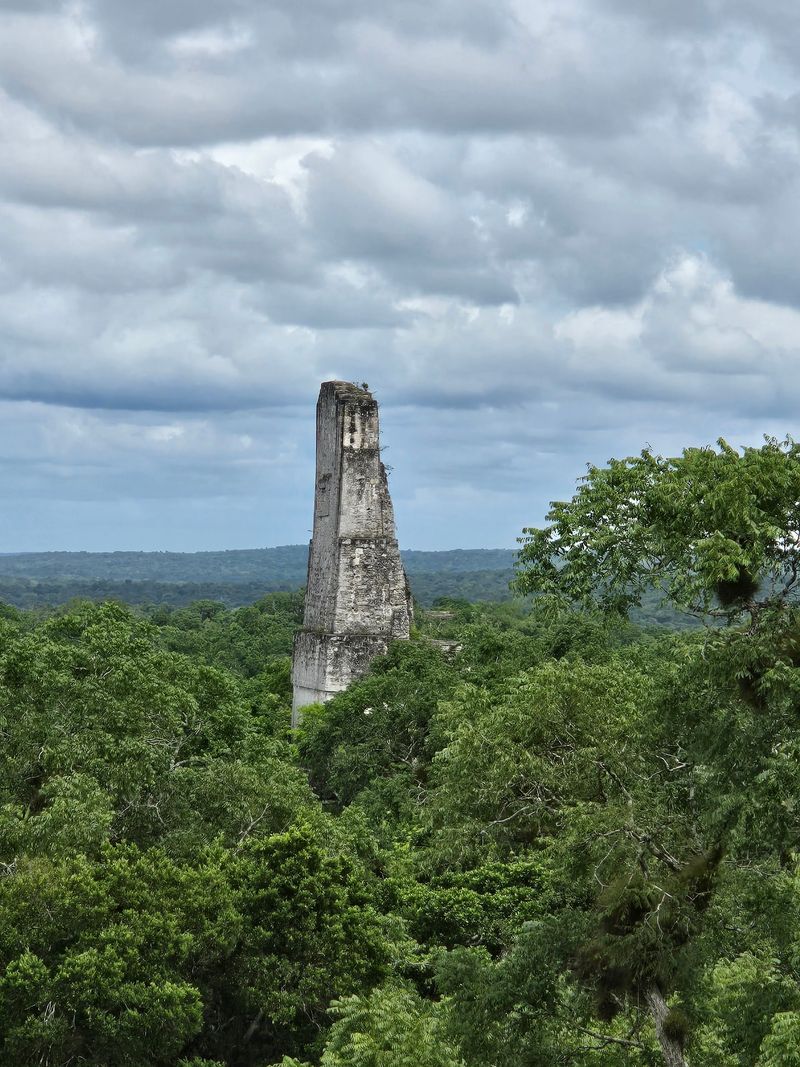
Standing on top of Temple IV feels like sitting on the roof of the world. At about 70 meters, it is one of the tallest ancient buildings in the Americas.
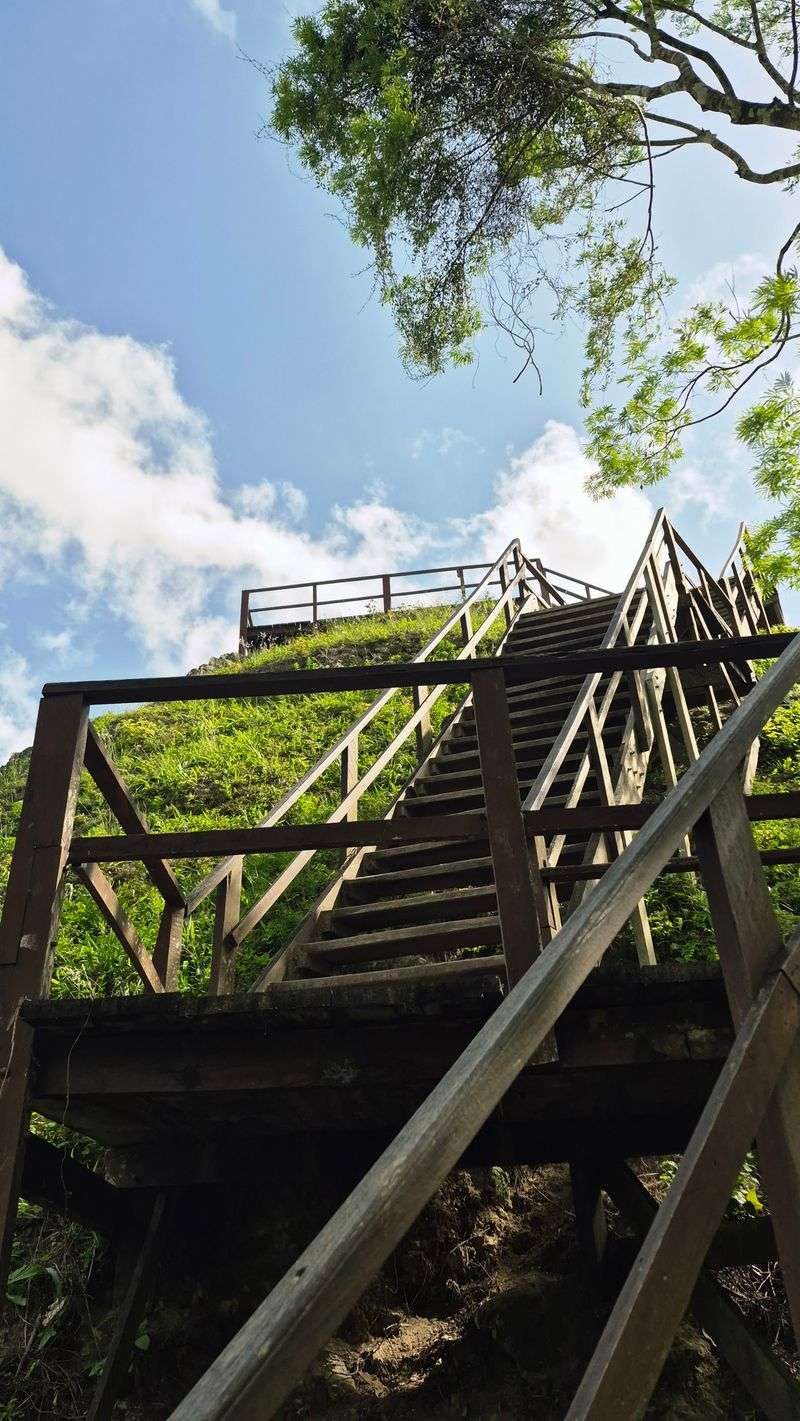
A sturdy wooden staircase helps you reach the top, so you do not need to scramble up crumbling stone.
Once you arrive, the jungle spreads out like a green ocean. Other temple roofs peek out above the leaves, and the view goes on for miles.
One visitor said it was a must-see, and film fans may know it as the Yavin 4 rebel base from the first Star Wars movie.
The Maya built this giant around 740 CE, and it honors a ruler named Yik’in Chan Kawiil. Think about that for a second.
People moved huge stones here without metal tools or wheels.
Bring water for the climb, because the air is thick and sticky. Take your time on the steps and stop for photos on the way up.
The reward at the top is worth every sweaty breath.
The Grand Plaza
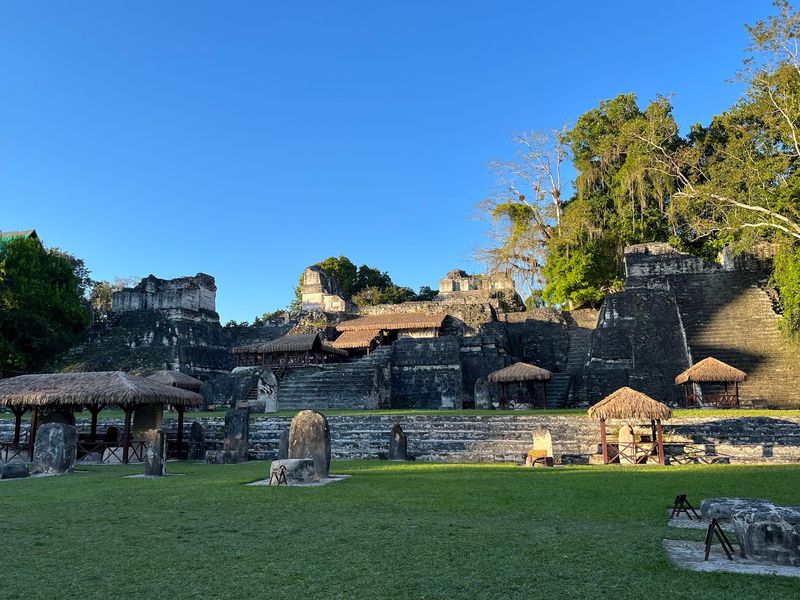
Two stone giants stare at each other across a wide green lawn. That is the Grand Plaza, the beating heart of ancient Tikal.
Temple I sits on the east side and Temple II on the west, and both are packed with history.
Long ago this open space hosted ceremonies, markets, and royal events. Priests in feathered costumes once stood on these steps while crowds watched below.
Walking across the grass today, you can almost hear the drums.
Temple I is known as the Temple of the Great Jaguar. It holds the tomb of the ruler Jasaw Chan Kawiil, who led Tikal to a comeback in the 700s CE.
Climbing is no longer allowed on this one, but the view from the ground is still jaw-dropping.
Visit early if you can, when the light is soft and the crowds are thin. Visitors say the plaza feels amazing and there is so much to see.
Give yourself time to sit, look around, and soak it in.
Sunrise Among the Ruins
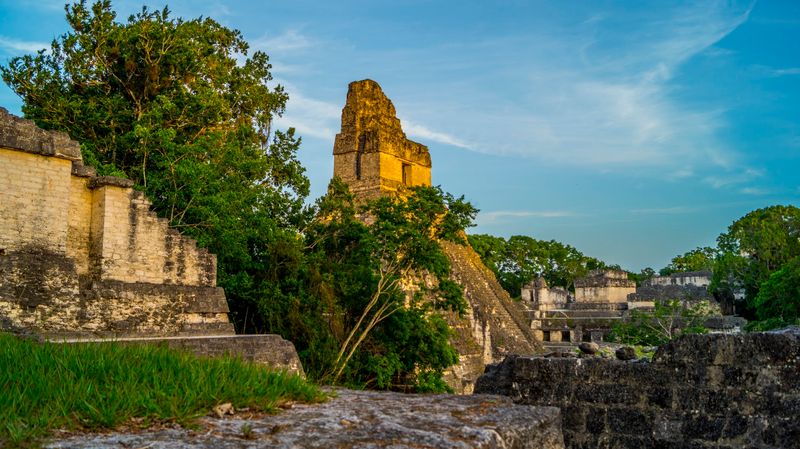
Alarm at 3 AM? Brutal.
Yet many travelers swear the Tikal sunrise tour is worth losing sleep over. Entry for sunrise starts around 4 AM and costs extra on top of the regular ticket.
In the dark, the jungle comes alive with strange sounds. Howler monkeys growl, birds start their morning chorus, and a local guide leads you safely along the path with legendary stories.
One visitor called the whole scene otherworldly.
Not every morning is perfect, though. Mist can hang over the trees until late morning, and some guests felt the views were blocked by foliage and crowds.
It is a bit of a gamble, like ordering a mystery dish.
Pack a flashlight, a light jacket, and bug spray. Wear shoes with good grip for the dark trails.
Even if the sun hides, the sounds of the waking forest make the early start feel special.
The Lost World Complex
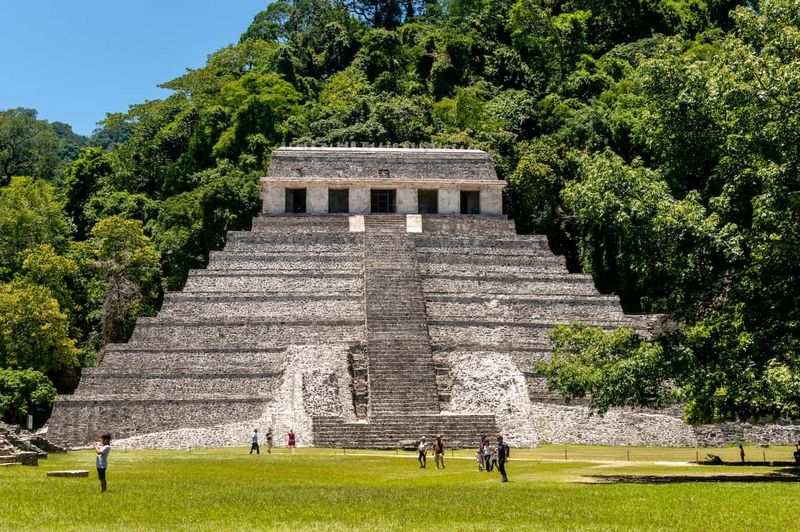
Hidden at the edge of the main sights, the Lost World is a reviewer favorite for the best views. The name is Mundo Perdido in Spanish.
It is one of the oldest parts of Tikal, with buildings that reach back to around 700 BCE.
The star here is the Great Pyramid, a wide stepped structure you can climb. From the top, you can spot Temples I, II, and IV rising above the trees.
It is a perfect place to watch the day change colors.
One visitor even saw howler monkeys while climbing, which they called a special treat. Keep your eyes on the branches overhead.
The animals here are not shy.
This area is also a popular spot for sunset. If you plan to stay late, check the park rules and bring a flashlight.
The walk back can get dark faster than you expect.
Howler and Spider Monkeys
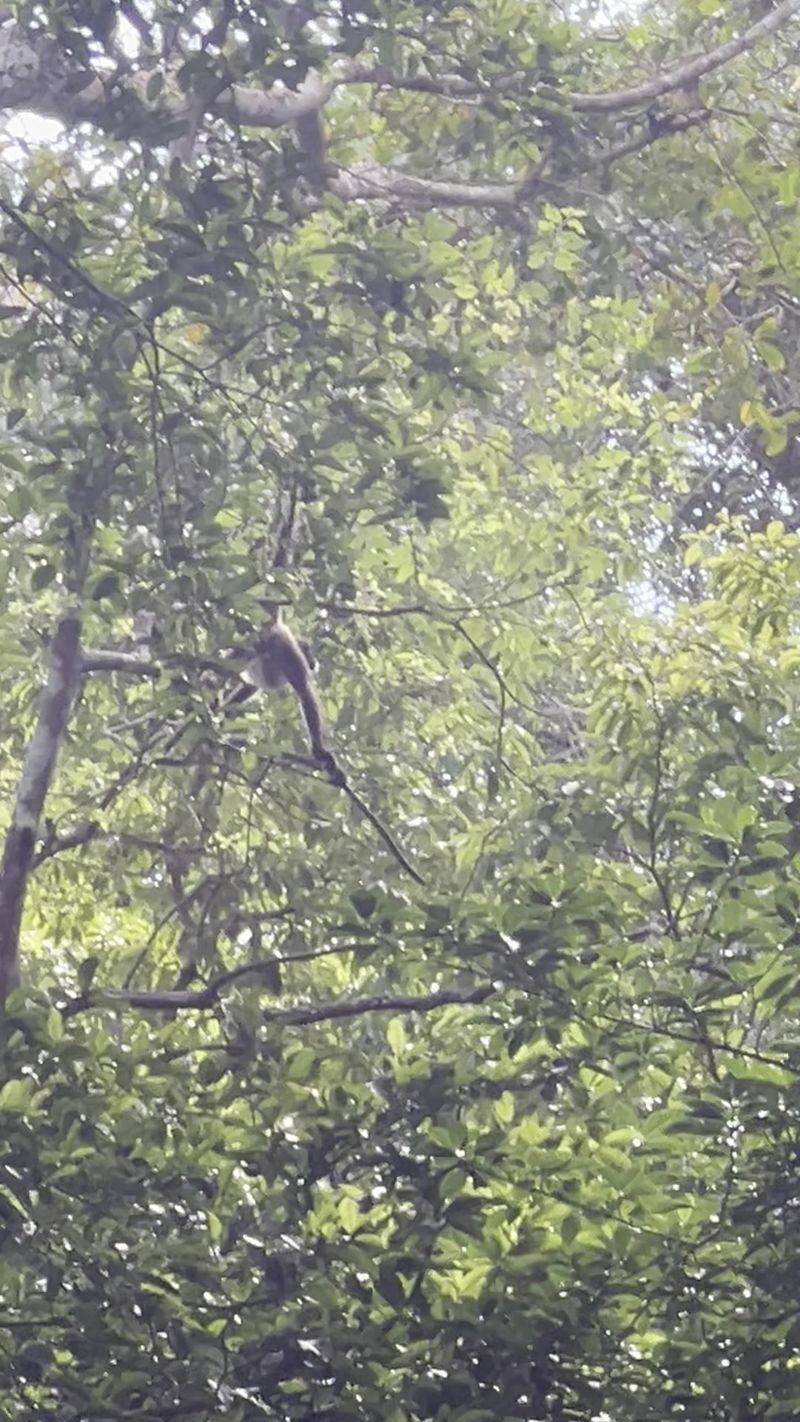
Hear that roar? It is not a jaguar.
It is a howler monkey, and its call can travel for miles through the jungle. Visitors mention these monkeys again and again in their reviews.
Spider monkeys also swing through the trees here, using their long tails like an extra arm. They move fast, so keep your camera ready.
Look up when you walk under big trees, especially near the temples.
Tikal feels like an open zoo with ruins as the backdrop. Besides monkeys, people spot toucans, parrots, owls, and even a tarantula now and then.
All of it happens in the wild, with no cages in sight.
Remember the golden rule of the jungle. Do not feed the animals, no matter how cute they look.
Wild snacks can make them sick and teach them bad habits, so let them eat their own food.
Birds of the Canopy
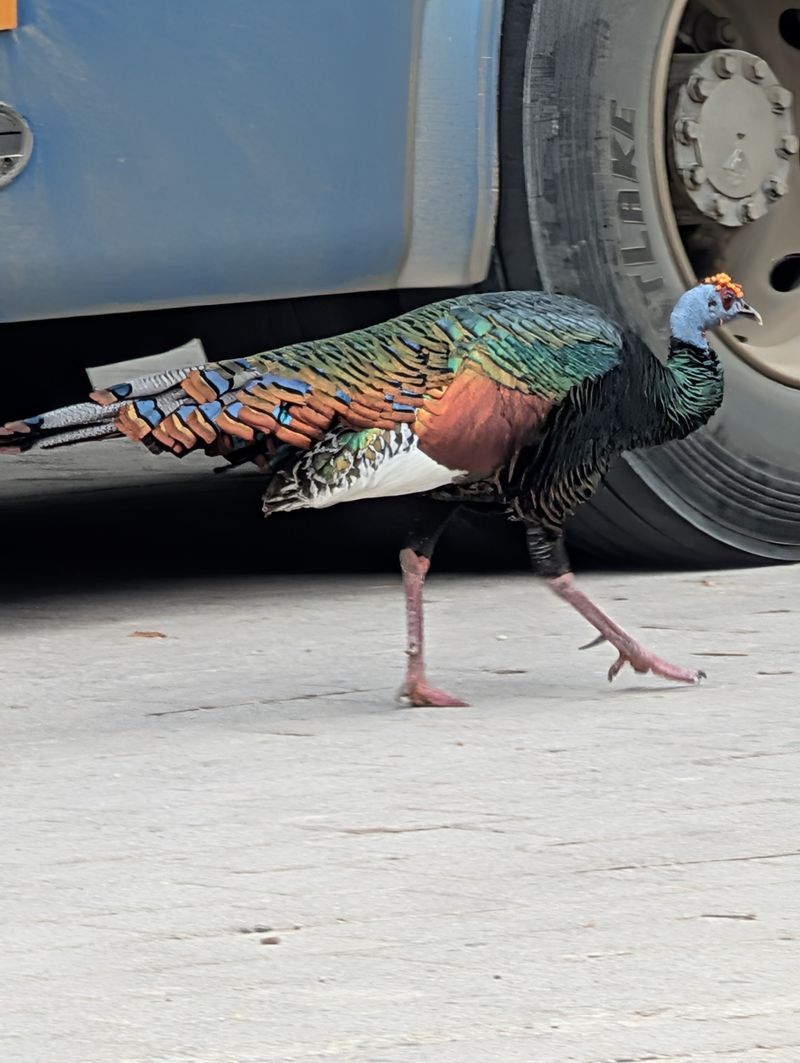
A flash of orange beak, and suddenly a toucan steals the show. Tikal is a paradise for bird fans.
Many visitors say they saw parrots flying overhead and toucans resting in the trees.
The park sits inside a huge protected rainforest, so the birdlife is rich. Early morning is the best time to listen and look.
A good guide can spot birds you would walk right past.
Bring binoculars if you have them. Even a small pair makes tall treetops feel much closer.
Your phone camera will not always keep up with a bird that is far away.
Walk slowly and stop often. The trick is to be quiet and patient.
Some of the best sightings happen when you pause beside a temple and simply listen to the jungle around you.
Climbing the Pyramids
Tikal lets you do something many famous ruins do not. You can still climb some of the pyramids.
One visitor loved it so much that they said it beat Chichen Itza in Mexico.
Stairs on several temples are safe and sturdy, even for people who are nervous about heights. Some are wooden stairs built beside the original stone.
Others are old stone steps, so go slow and hold the rails when they are there.
Expect a real workout. The whole visit can mean seven to nine kilometers of walking and some uphill stretches.
One traveler counted about 13,000 steps.
Wear closed shoes with good grip. Bring a full water bottle and take breaks in the shade.
Your legs may complain, but the views will make you forget about them.
Why a Guide Is Worth It
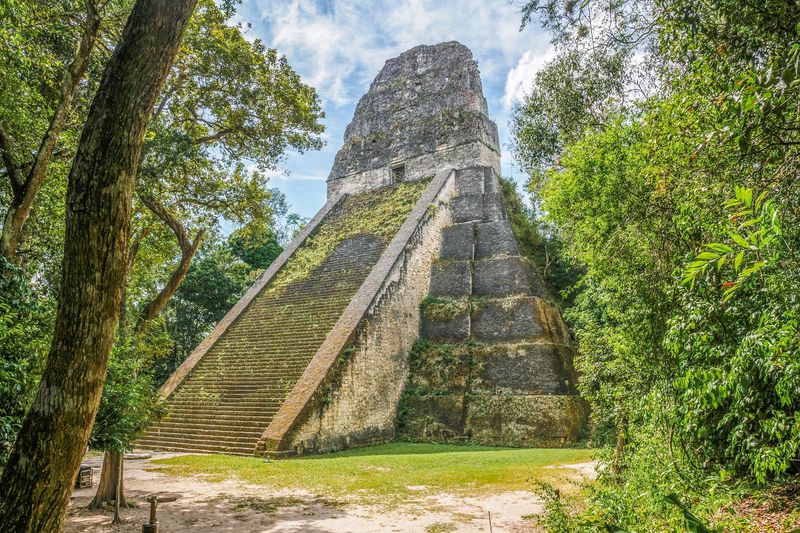
Without a guide, a temple is just a pile of impressive rocks. With one, it turns into a story full of kings, wars, and secret tunnels.
Many reviewers say a guide made their visit far better.
Guides explain what each building was used for and point out hidden animals. Some are funny, too.
One group laughed all morning while learning about ancient rulers.
Hotels in nearby Flores often arrange tours at fair prices. Groups can reach 20 people or more, but the guide gives free time at the main sites.
Local Maya guides are also great for sunrise visits because they know the dark trails well.
You can explore alone if you prefer, and some visitors did just that. Still, most say they would hire a guide next time.
It is a small cost for a lot of knowledge.
Tickets, Hours, and Costs
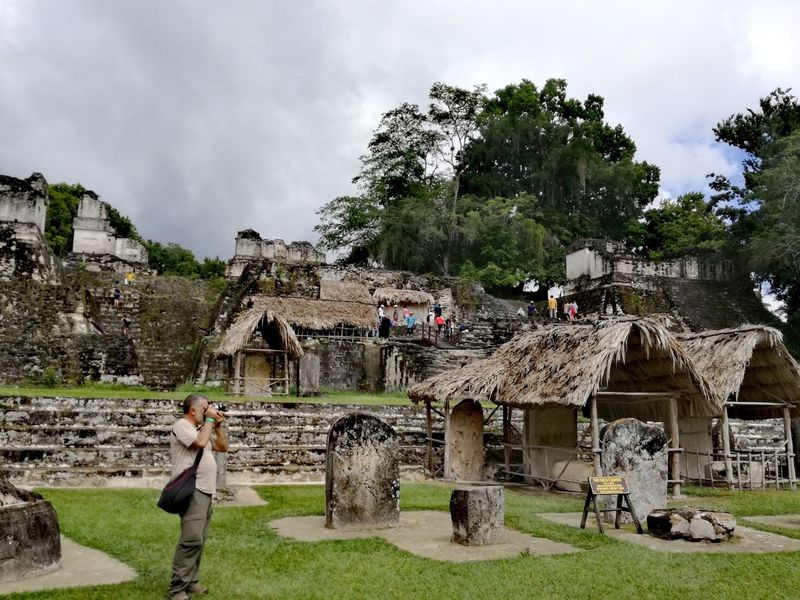
Plan the boring stuff first and the fun part gets easier. Tikal is open every day from 6 AM to 6 PM.
Foreign visitors paid around 150 quetzales for entry in recent reviews.
You can buy tickets online on the government website or at the gate. One traveler suggested buying in advance to skip the kiosks.
A sunrise ticket costs an extra 100 quetzales and lets you in from 4 AM.
Food and plastic bottles are officially not allowed, but visitors say the rule is rarely enforced. Vendors even sell snacks at the gate.
Inside, a few spots sell drinks for roughly 5 to 20 quetzales, and there are several restrooms.
Pack sunscreen, bug spray, and cash. Prices can change, so check the official website before you go.
Most people spend a few hours, but a full day lets you see much more.
Getting There from Flores
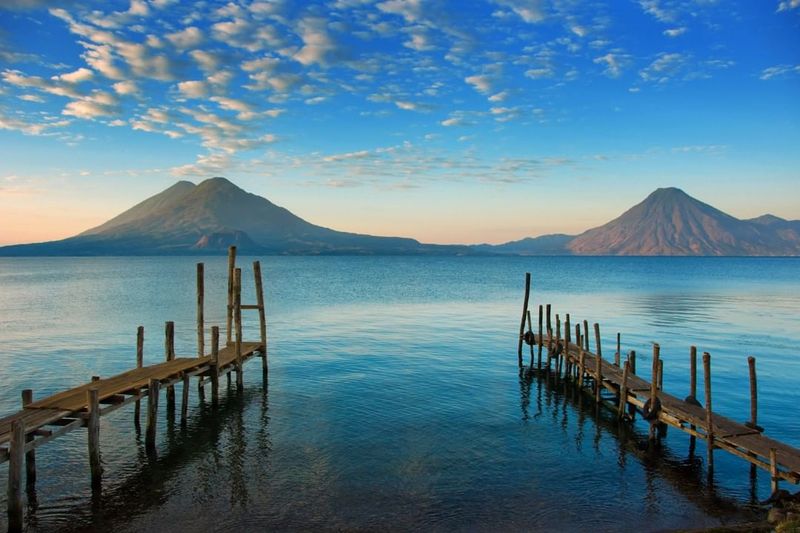
Most adventures to Tikal begin in Flores, a small island town on Lake Petén Itzá. The trip to the park takes about an hour by road.
Many hotels and tour companies run shuttles every day.
Early starts are the secret weapon. One visitor woke up very early to arrive before the heat and the crowds.
They said it made the whole experience better.
If you go with a tour, expect a minivan ride and a guide waiting at the site. If you go on your own, plan your transport back in advance.
Do not get stuck at the gate at closing time.
Pack light but smart. Bring water, a hat, comfy shoes, and a rain layer in wet months.
The jungle is humid, and the ancient city is worth every bit of the journey.
Share this story