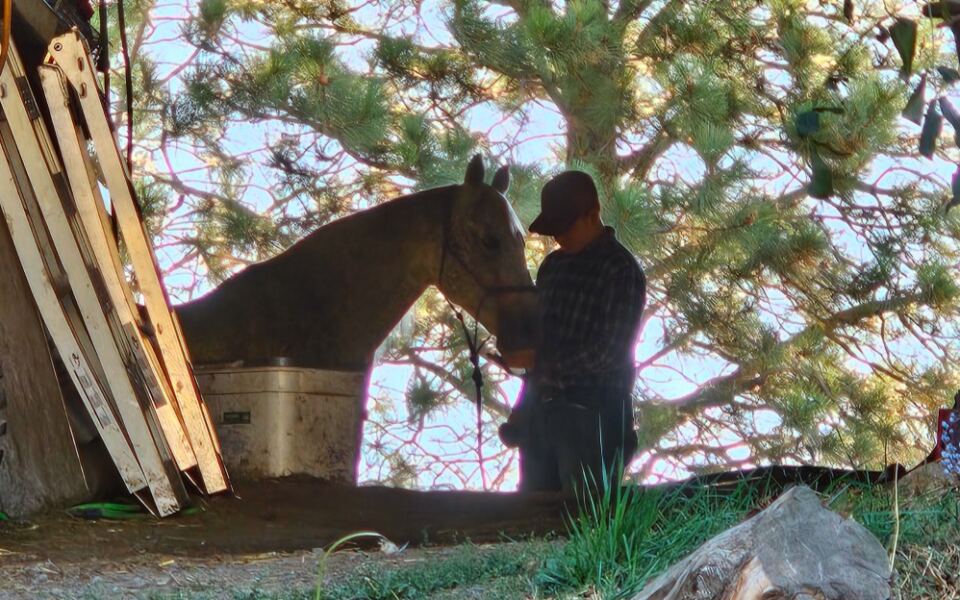
More than 4,270 horses have passed through Orphan Acres in Viola, Idaho, since 1975. Many arrived neglected, abandoned, or in need of medical care.
More than 3,530 have gone on to new homes, while others have stayed at the sanctuary for the rest of their lives.
Founded by Brent Glover, the nonprofit has spent over five decades giving unwanted horses another chance. Today, volunteers care for more than 40 horses at a time, including animals that need rehabilitation and older horses that cannot be rehomed.
The ranch also welcomes visitors who call ahead, offering a chance to learn how this long-running rescue operates and what happens to the horses that stay.
A Rescue Ranch on Rothfork Road
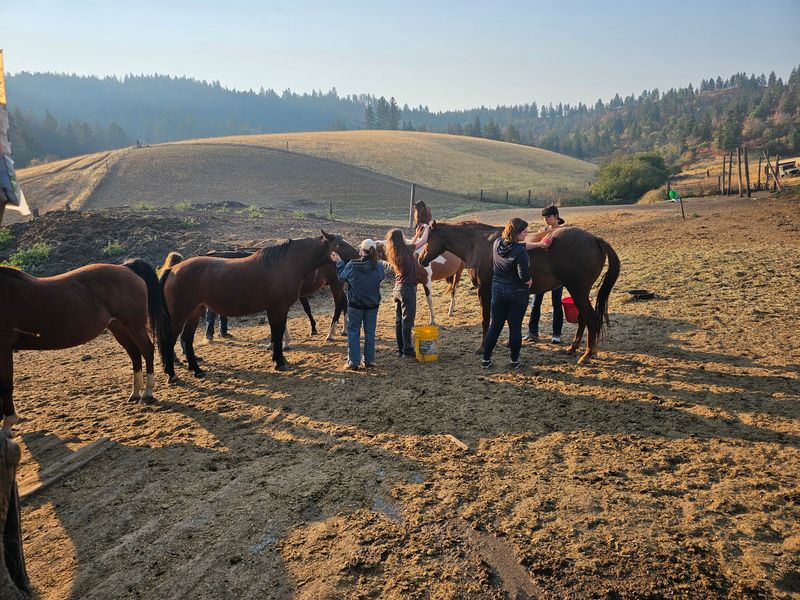
Few people driving through the Palouse hills would guess how many horses have passed through one small corner of it. The place is called Orphan Acres Inc., and it sits at 1183 Rothfork Rd in Viola, Idaho, a short drive north of Moscow.
The organization is a nonprofit horse rescue. Its main job is simple to explain and hard to do.
It takes in horses that have nowhere else to go, then gives them food, medical care, and time to recover.
Since 1975, that work has added up to more than 4,000 horses. That number covers horses that were abused, neglected, unwanted, or simply too costly for their owners to keep.
I find the long timeline the most interesting part. Plenty of rescues start with big hopes and fade within a few years.
Keeping a horse sanctuary running for decades takes steady effort, money, and a lot of early mornings.
The ranch is listed as open daily from 9 AM to 5 PM. Calling ahead before any visit is a smart move, since working ranches have busy days.
And once you learn who has been doing the daily work, the story gets more personal.
The Man Who Knew Every Horse by Name
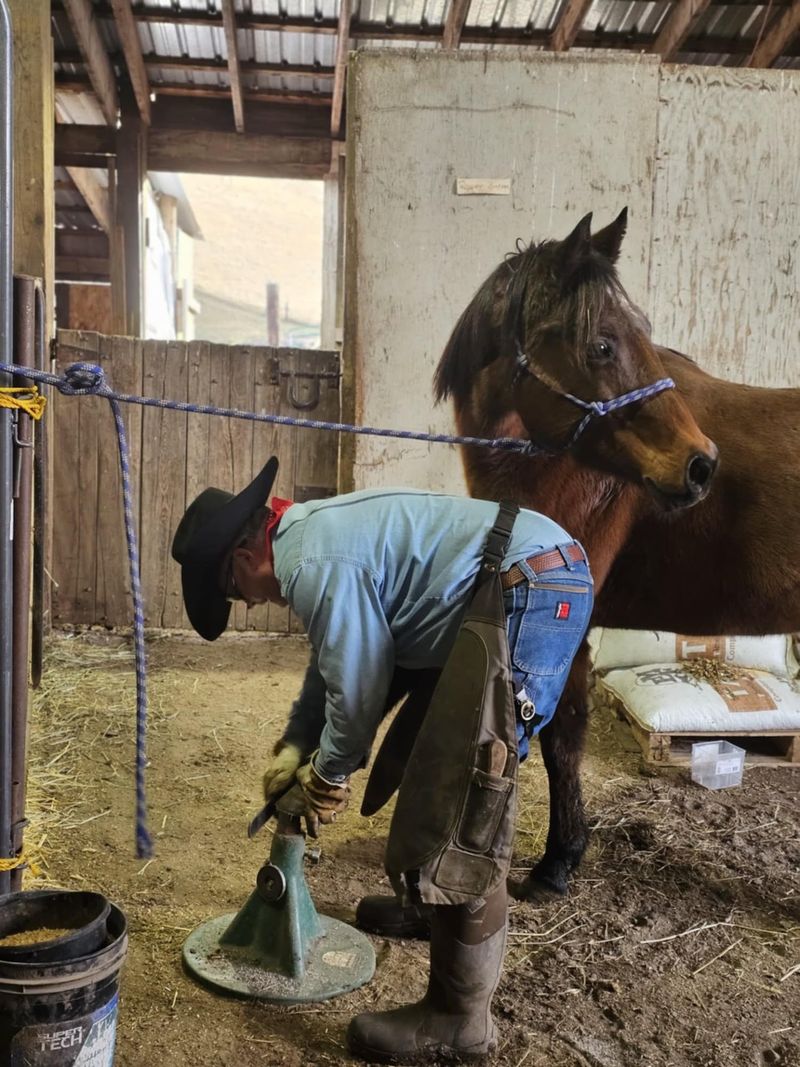
Supporters have described Brent Glover, the longtime face of Orphan Acres, as someone who knows each horse by name. Some even called him a horse whisperer, mostly because of how he worked with animals that arrived frightened or hurt.
Rehabilitating an abused horse is slow work. It means earning trust one small step at a time, from accepting a halter to standing calmly for a hoof trim.
Caring for around 80 horses every single day is another challenge entirely. That means feeding in snow, heat, and mud, 365 days a year.
Nobody gets a holiday from hay duty on a horse ranch.
I respect that kind of commitment because it rarely gets noticed. Most of the work happens without an audience, long before anyone posts a happy adoption photo.
Dedicated leadership built the reputation of this rescue. Still, no single person can carry a herd forever, which is where the newer chapter of the sanctuary begins.
New Managers, Fresh Energy
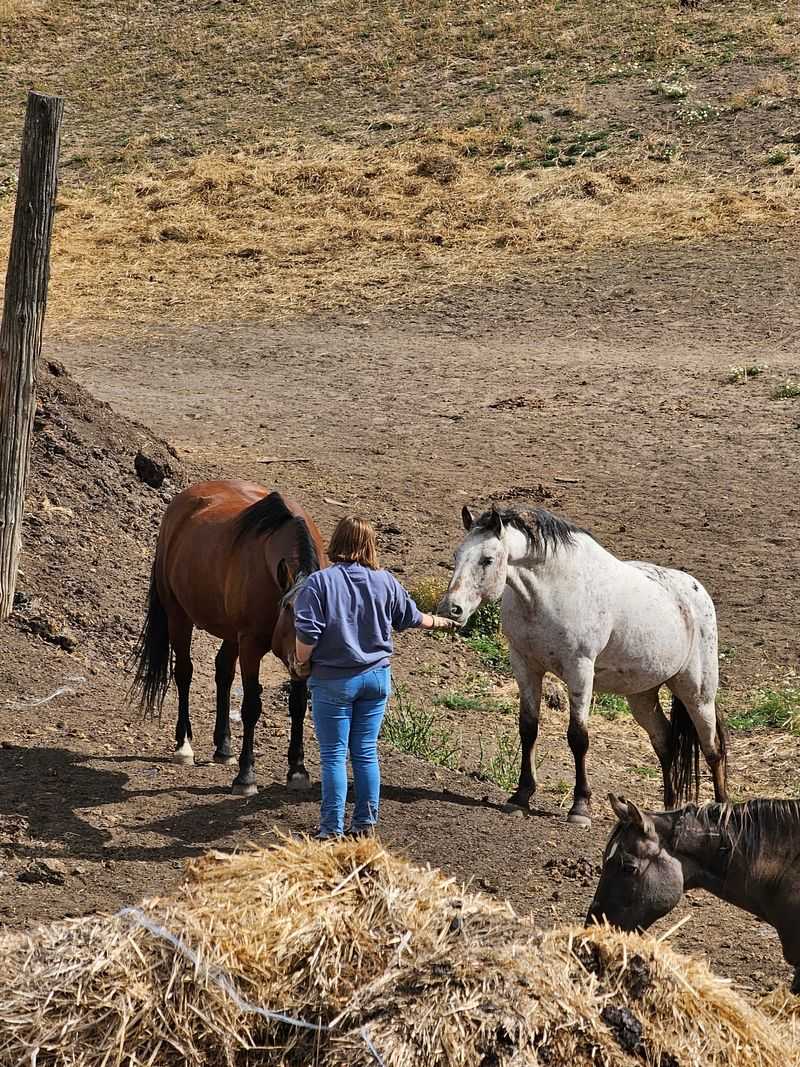
Change can be good news at an animal rescue. Recent feedback about Orphan Acres points to new management that has made noticeable improvements around the ranch.
One recent visitor mentioned a staff member named April who answered questions and gave a tour. That visitor had seen the place years earlier and said it had really changed for the better.
The horses were described as well cared for and friendly toward people. That second detail matters more than it might seem.
A horse that enjoys human company has a much better shot at finding a new family.
Fresh leadership often brings new routines, cleaner systems, and better ways to reach supporters. Those things help a rescue last for another generation.
For anyone who heard about this sanctuary long ago, now could be a good time to take a second look. The mission stays the same, even if the faces running the barn are different.
Of course, good management only goes so far without the right space. Where all those horses actually live is a big part of the story too.
Room to Roam on Idaho Hillsides
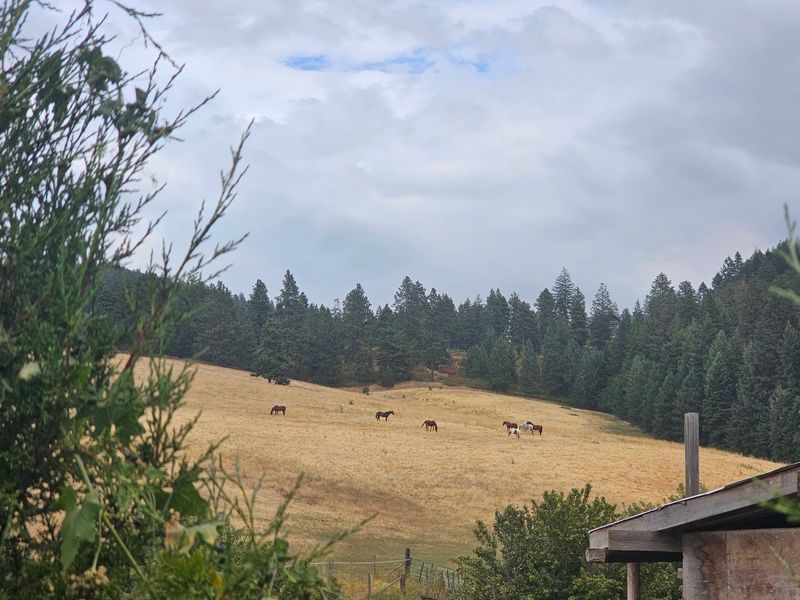
Horses need space, and lots of it. At Orphan Acres, the herd lives on hilly pasture land in the rolling country around Viola.
Volunteers have described the property as about 55 acres in earlier years. Supporters also mention that more acreage was purchased and facilities were enlarged as the number of horses grew.
That growth tells you something important. When a rescue keeps saying yes to horses in trouble, it eventually needs more fences, more shelter, and more grass.
The hills also play a role in daily life. Horses can wander, graze, and move around in a group, which suits their natural habits much better than a small stall all day.
Northern Idaho weather adds challenges. Winters bring snow and cold, while summers can turn the hills dry and golden.
Each season changes how much hay the herd needs and how chores get done.
I like that the horses here get to behave like horses. Space to walk and graze is a big part of healing, especially for animals coming out of rough situations.
Golden Years for Senior Horses
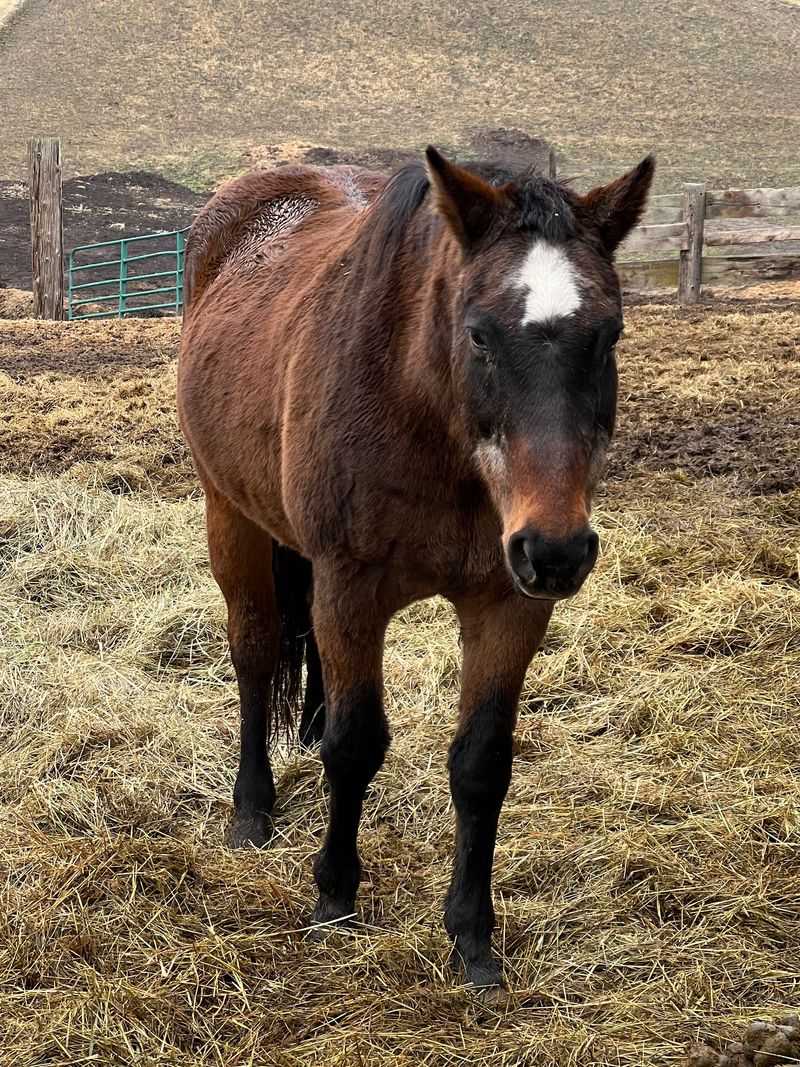
Horses can live well into their twenties and thirties. That long lifespan creates a real problem when an owner’s health, money, or living situation suddenly changes.
Orphan Acres offers an option for those older horses. Instead of being sold to an unknown buyer, a senior horse can settle into a calm retirement with steady care.
One recent visitor noticed two very old stallions on the property and said they were in great shape. Keeping an elderly horse healthy takes extra attention, from softer feed to careful hoof and dental care.
Not every horse here is meant for adoption. Some simply get to retire and spend their remaining years grazing with friends.
That sounds like a fair reward after a lifetime of work under saddle.
A recent supporter shared that she had to give up her own horse because of a medical problem. The staff sent her photos and videos afterward, which says a lot about how they treat families.
Senior horses take up much of the sanctuary’s care. Younger rescues, though, often have another path waiting for them.
Second Chances Through Adoption
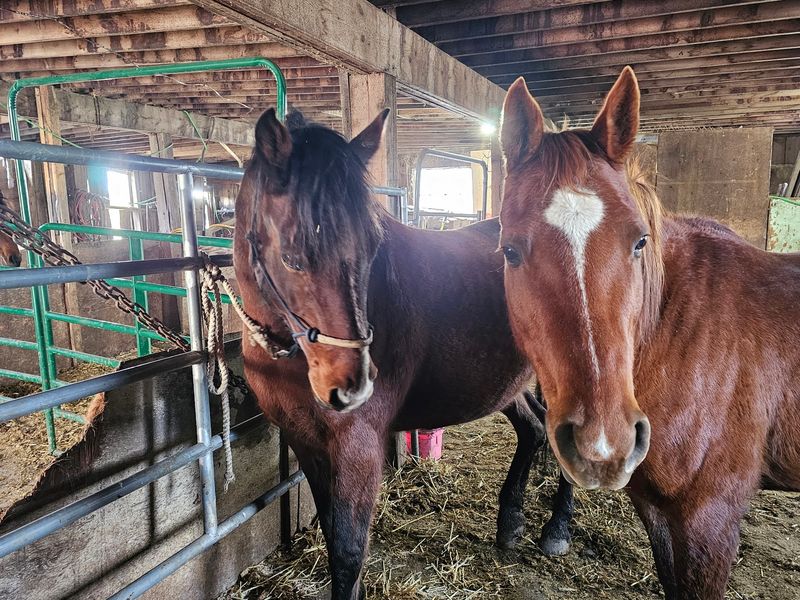
Some of the happiest days at a rescue start with a horse trailer pulling up the driveway. At Orphan Acres, adoption gives many healthy horses a chance at a brand new life.
Plenty of rescued horses have the training and personality to become trail partners or family companions. They just needed someone to step in before their situation got worse.
At least one supporter has shared that they brought home two horses from the sanctuary. That same person also visited the ranch and toured it with the owner, which is a smart move for any future adopter.
Meeting a horse in person helps you judge its size, energy, and comfort around people. It also gives the staff a chance to match the right horse with the right home.
Each successful adoption frees up space for another horse in need. That cycle is a big reason the total has climbed past 4,000 over the years.
Adoption is one way to help, but it isn’t the only one. Many people get involved with a pair of work gloves instead of a trailer.
Volunteers Who Show Up Week After Week
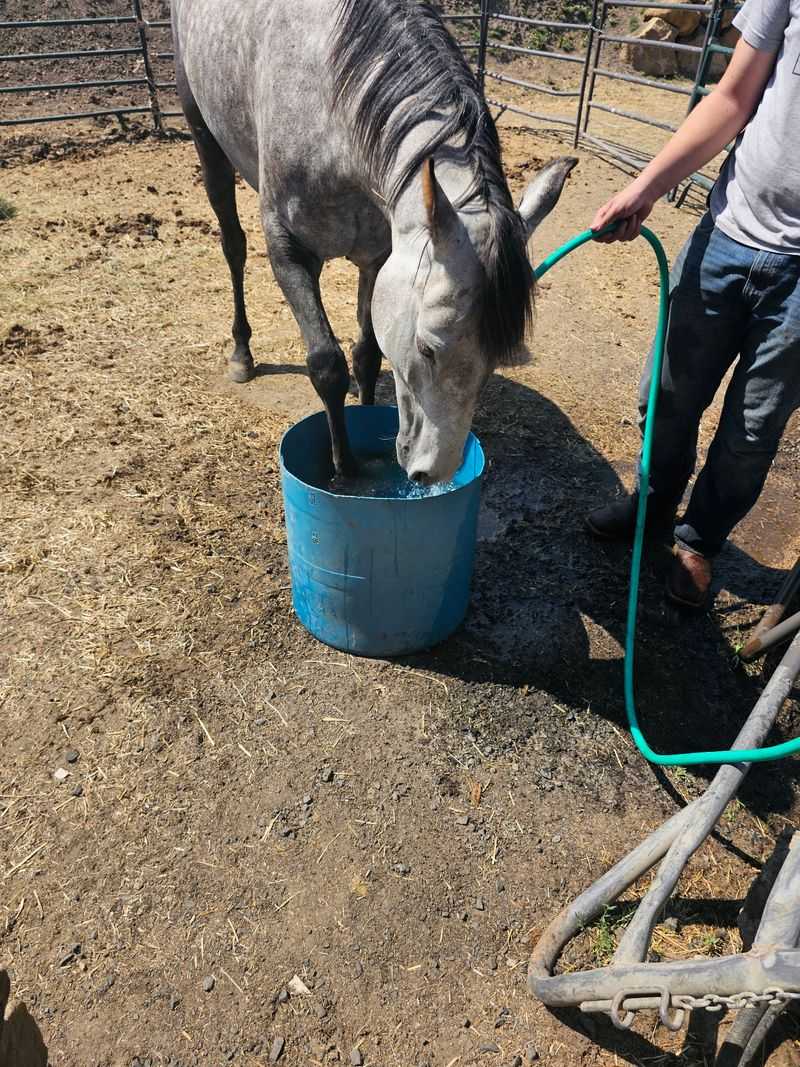
Hay doesn’t move itself. Volunteers have long been part of the daily rhythm at Orphan Acres, helping with chores that keep dozens of horses fed and comfortable.
Their stories are surprisingly varied. One volunteer said she moved all the way from Tucson to be closer to the rescue and drives over an hour to help each week.
Another helped out while studying abroad at the University of Idaho in nearby Moscow. That closeness to a college town gives students a handy way to spend time around horses.
Several longtime helpers have described the work as rewarding and even life changing. Watching a scared horse slowly relax and then leave for a loving home sticks with people.
If you’re thinking about volunteering, start by contacting the rescue to ask what help they need. Dress for mud, bring sturdy boots, and expect real physical work.
Even regular help covers only part of the cost of keeping a large herd. Money matters just as much, and that side of the story deserves a look.
What It Takes to Feed a Herd
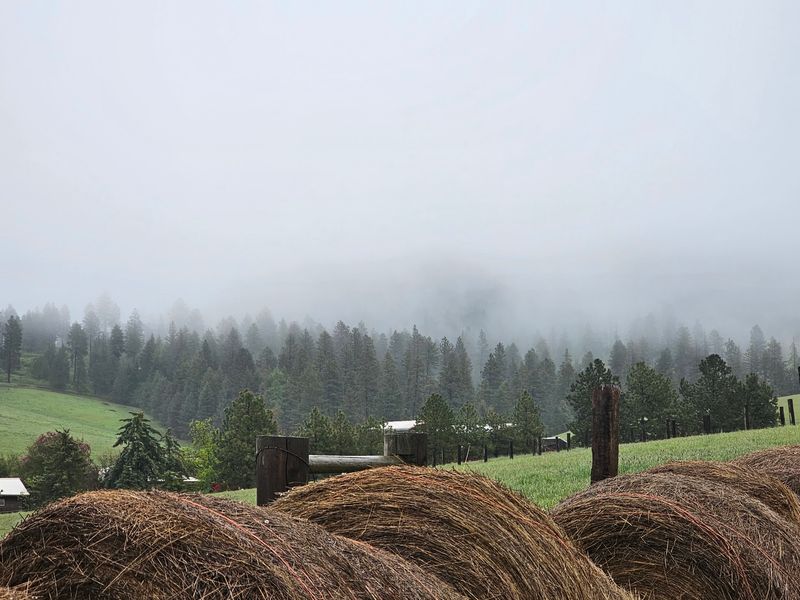
Ask any horse owner about expenses, and you’ll probably hear a long sigh. Now multiply that by around 80 horses, which is roughly the herd size supporters have described here.
Every horse needs hay, clean water, hoof trims, vaccinations, and dental care. Senior horses and recovering rescues often need special feed or extra vet visits.
Orphan Acres runs as a nonprofit, so donations do a lot of heavy lifting. Some supporters live too far away to visit but still give money year after year to keep the work going.
Small donations add up quickly. Even a modest gift can help cover feed for a horse that arrived underweight and needs to rebuild strength.
Before giving to any rescue, it’s wise to learn how it operates. Asking questions, reading updates, and touring the property can all help you feel confident about where your money goes.
Winter tends to be the hardest season for costs. Snow covers the grass, so horses depend almost entirely on stored hay until spring returns to the Palouse.
Healing Horses Who Lost Their Trust
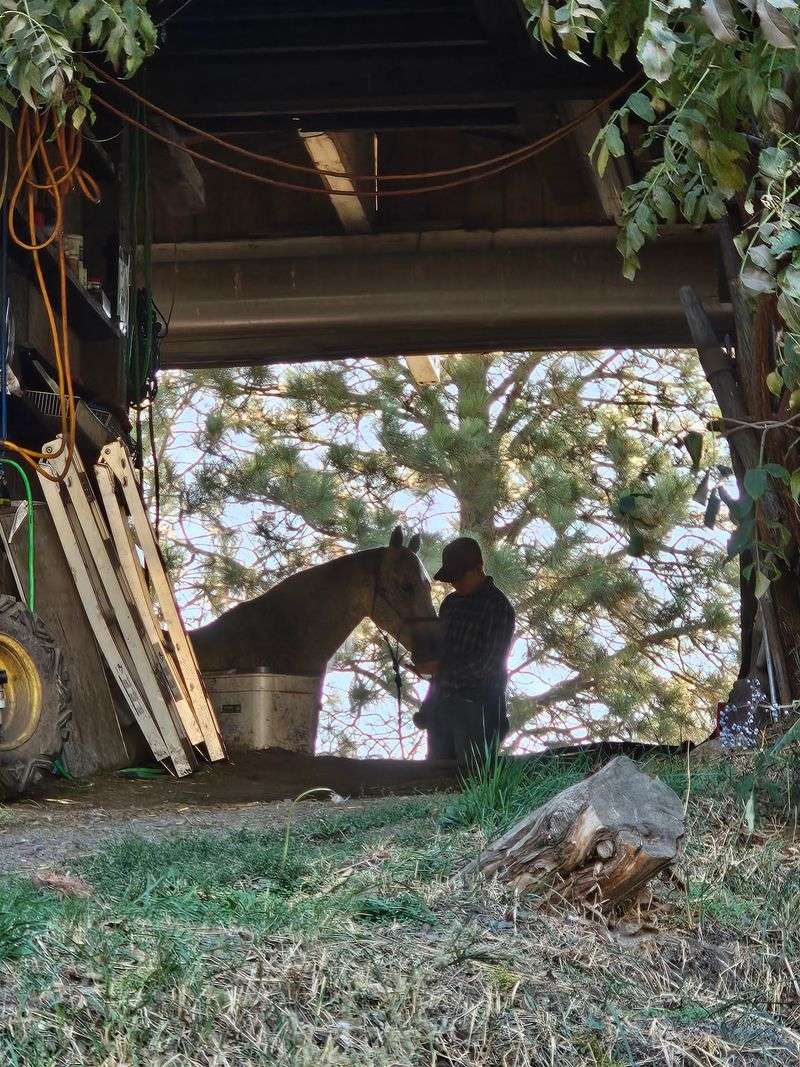
Recovery doesn’t follow a schedule. Some horses arrive at Orphan Acres after being abused or neglected, and their healing can take months.
Physical care usually comes first. That may include slowly adding weight, treating hooves, and getting a vet to check for hidden problems.
Then comes the harder part. A horse that learned to fear people needs patient, consistent handling before it can relax around anyone again.
Supporters have described the rescue’s work as giving these horses their dignity back. I like that phrase because it focuses on respect, not pity.
Calm routines help a lot. Feeding at the same times, gentle grooming, and quiet voices all show a nervous horse that its world has become safe.
Many horses that once flinched at a raised hand later become friendly enough to meet visitors. Some go on to adoption, while others stay and enjoy a peaceful life with the herd.
Each of these turnarounds is a small win. Put enough of them together over several decades, and you get a legacy worth talking about.
Fifty Years of Saying Yes
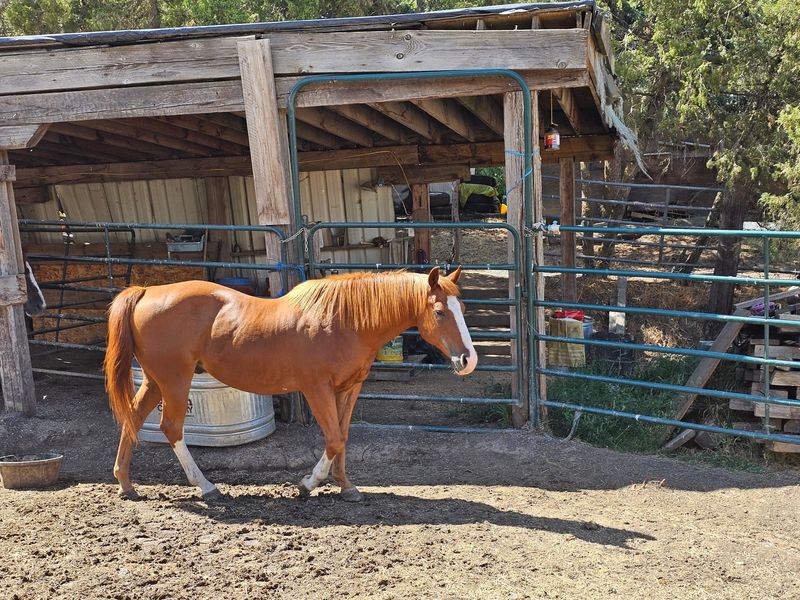
Back in 1975, nobody could have known this rescue would eventually help thousands of horses. Yet here it is, still taking in animals nearly fifty years later.
That kind of staying power is rare. Horse rescues face high costs, tough weather, and endless chores, and many don’t last long.
Supporters have called Orphan Acres one of the few lasting horse rescue operations in the Northwest. Its high ratings online back up the strong loyalty people feel toward it.
The long history also means families across Idaho and nearby states probably have a connection to it. Maybe a neighbor adopted a horse there, or a friend retired an old mare to its pastures.
If you’re planning to stop by, reach out first and ask about tours or volunteer days. Treat the ranch like a working farm, follow staff directions, and keep a respectful distance from unfamiliar horses.
For me, the most meaningful part is how ordinary the mission sounds. Feed the horses, heal the hurt ones, and find them homes.
Doing that for five decades is anything but ordinary.
Share this story