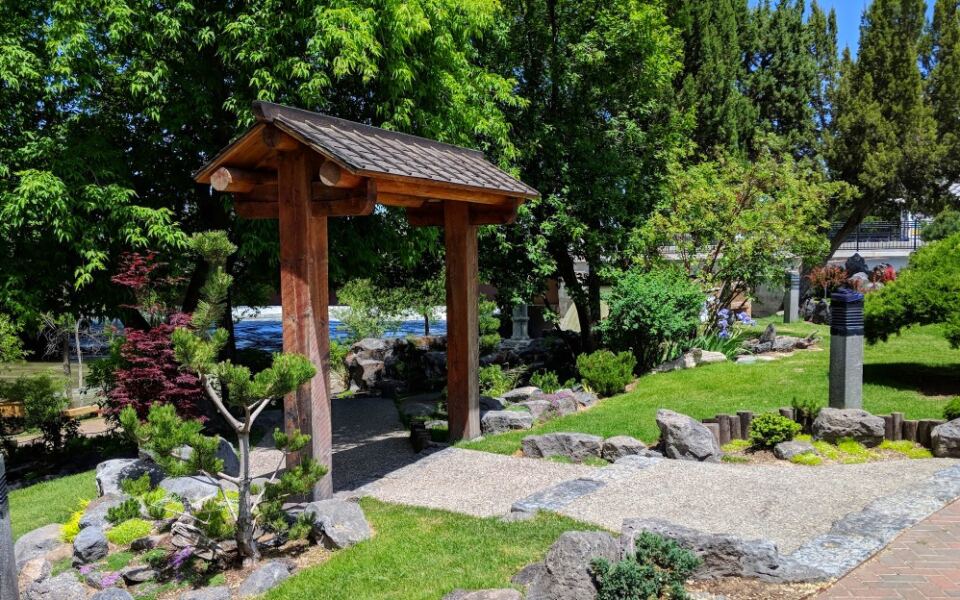
A small island in downtown Idaho Falls holds something unexpected: a Japanese garden with waterfalls, stepping stones, and a traditional pavilion. It’s right beside the Snake River, just steps from the Broadway Bridge.
The Japanese Friendship Garden is part of a public park, making it an easy stop during a walk along the Idaho Falls Greenbelt. Visitors can explore its paths, see a Japanese lantern, and enjoy views of the river without planning a full-day outing.
But this isn’t just a pretty place to take a break. The garden celebrates Idaho Falls’ friendship with Tokai-Mura, Japan, and the island itself has a surprising connection to the city’s earliest history.
A Riverside Retreat on West Broadway
Right where downtown meets the water, the Japanese Friendship Garden fills a small slice of riverbank in Idaho Falls. Its address is 600 W Broadway St, Idaho Falls, Idaho 83402, near the Broadway bridge.
The city runs the garden as a public park. That makes it easy to reach, whether you drive downtown or simply walk along the river.
What catches my attention first is the setting. Most Japanese gardens hide behind walls, but this one sits out in the open beside the Snake River.
The space is compact, so you won’t need a full afternoon. Many people spend about an hour or two, wandering the paths and resting near the water.
Google lists the park as open from 5 a.m. to 11 p.m. every day. That long window gives early risers and night walkers plenty of chances to visit.
Traffic from the nearby road and bridge can be heard in some spots. I see that as part of its personality, since the calm feels earned right next to city life.
The name points to a deeper story, and it starts with a city across the Pacific Ocean.
Friendship That Crosses an Ocean
Gardens with the word friendship in their names usually honor a bond between two cities. Idaho Falls has a sister city relationship with Tsuruga, Japan, and the garden celebrates that tie.
Sister city programs connect towns in different countries through culture, students, and shared events. The idea is simple.
People who know each other tend to understand each other better.
I find it meaningful that this tribute sits in a public park instead of a private space. Anyone can walk in and enjoy it, which fits the spirit of friendship.
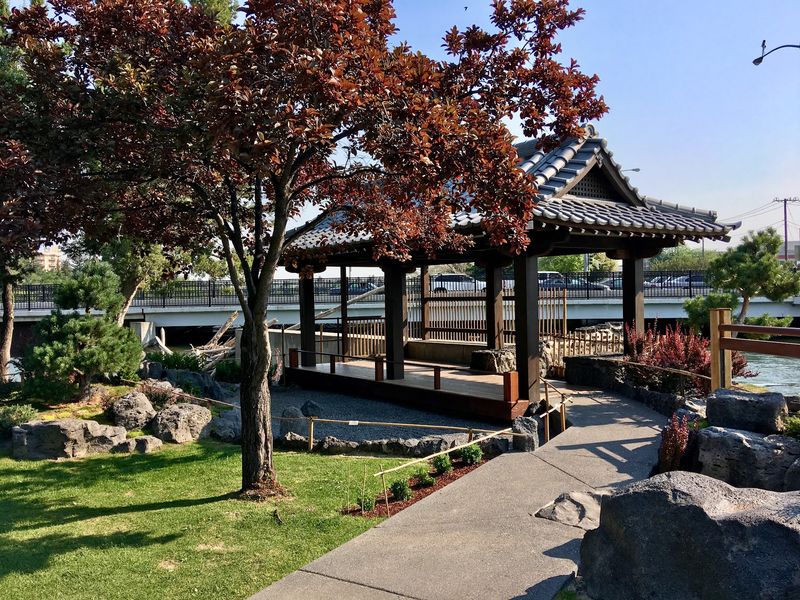
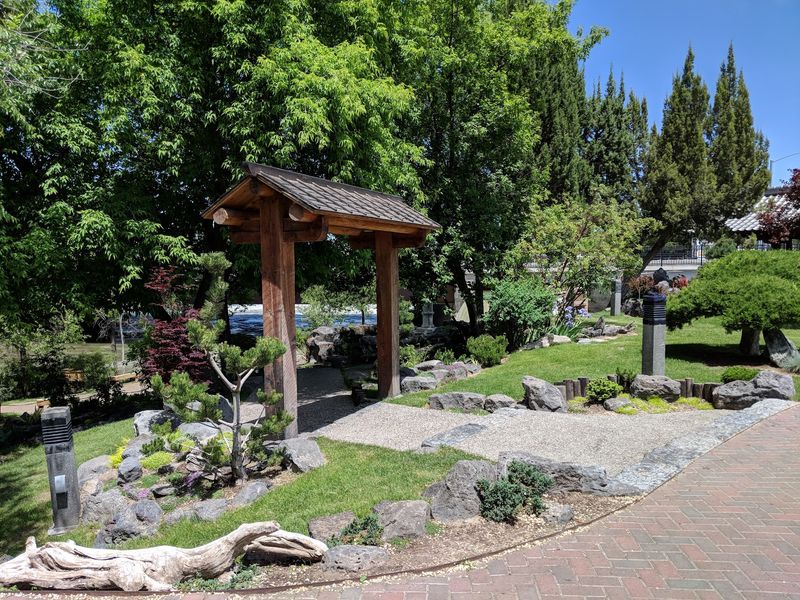
The pagoda is the easiest symbol to spot. It gives the garden a clear Japanese look, even from the walking path above.
Small details like this help a short visit feel thoughtful. You’re not just looking at plants and rocks, you’re seeing a gesture between two communities.
Take a moment near the pagoda and think about how far the friendship travels. Tsuruga sits on the Sea of Japan, thousands of miles from eastern Idaho.
That long-distance connection shapes the garden, but the local water shapes it even more.
Waterfalls Around Every Turn
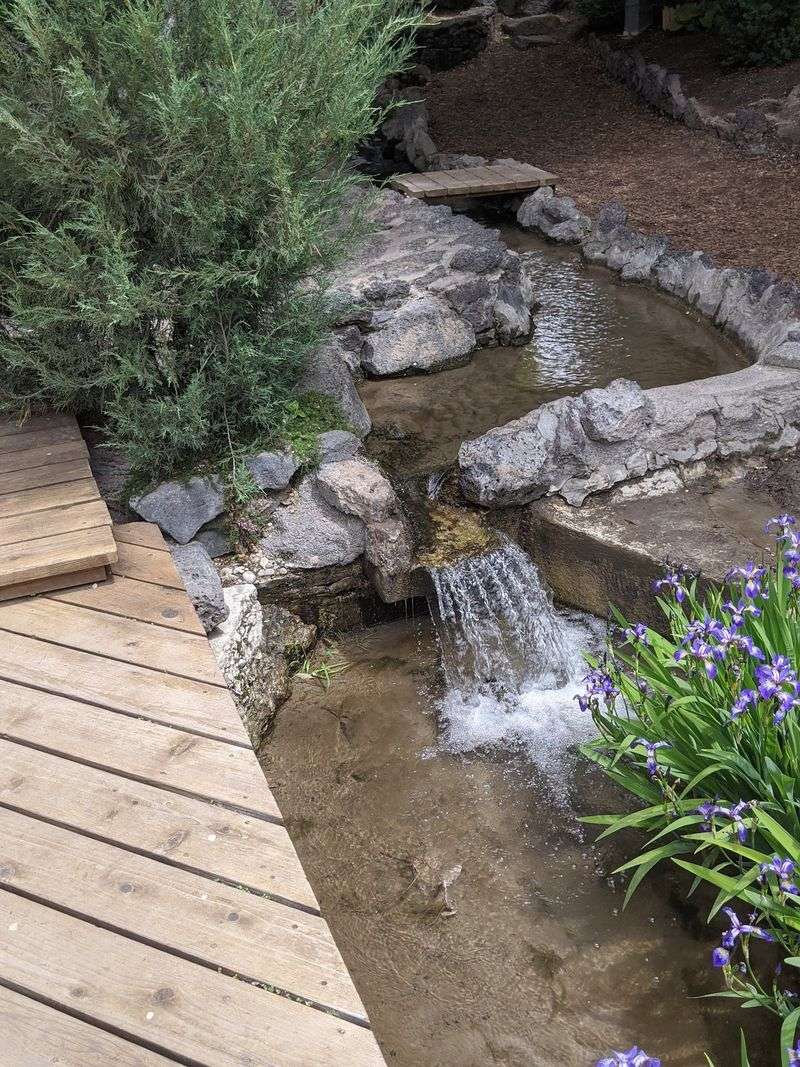
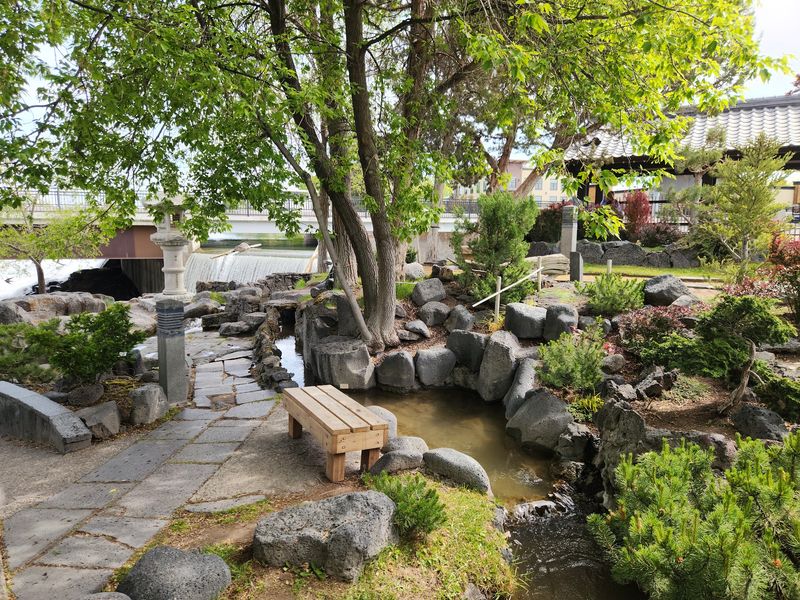
Water does most of the talking here. Small waterfalls spill over rocks throughout the garden, feeding little pools along the way.
Japanese garden design often uses moving water to suggest calm and nature in a small space. In Idaho Falls, that idea fits perfectly, since the city is famous for its river falls.
The sound is a big part of the appeal. Running water helps soften the noise of nearby traffic, so the garden feels quieter than its location suggests.
I’d plan to slow down at each fall instead of hurrying to the end of the path. Each one has its own shape and rhythm.
Bring a camera or phone. The flowing water and rocks make easy, pretty photos, even for beginners.
Kids usually love spotting where each stream goes next. It turns a simple walk into a small treasure hunt.
Moss grows on many of the wet stones, adding deep green color. Watch your step, though, because damp rocks can be slick.
Some of that water leads to one of the garden’s most playful features: the stepping stones.
Stepping Stones Over a Tiny Waterfall
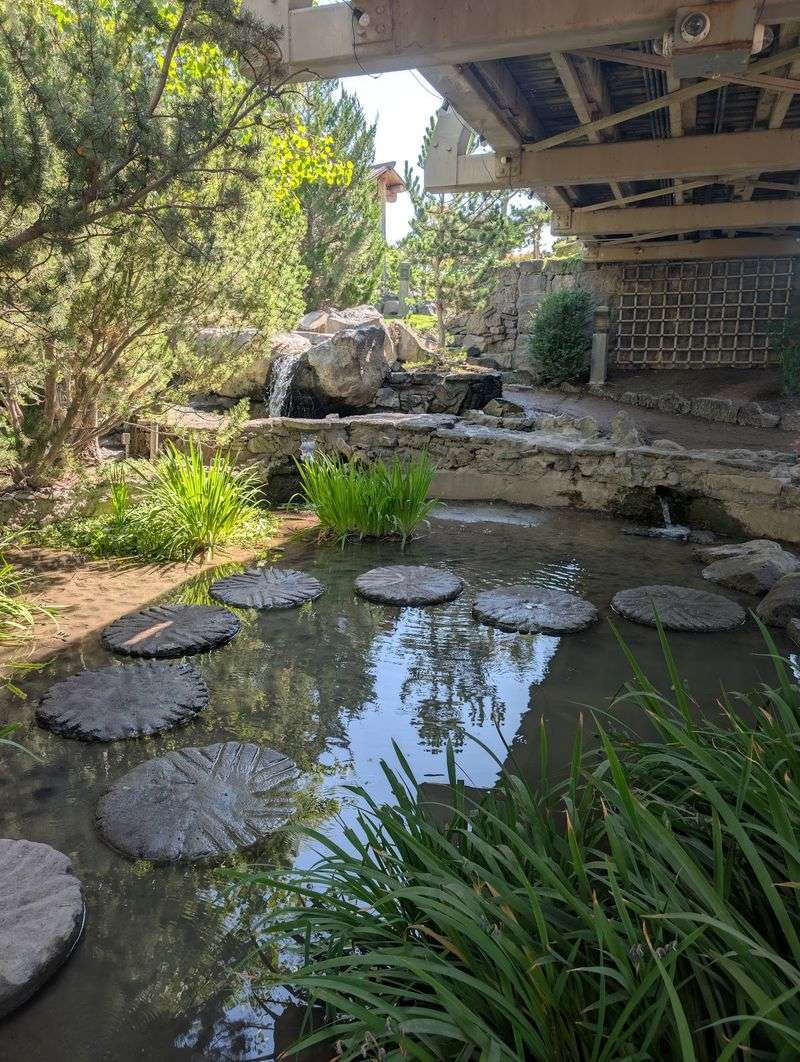
Crossing water on flat stones feels a little like a game. In this garden, stepping stones lead across a small waterfall and beside shallow pools.
Japanese gardens often use stepping stones to slow people down. You have to watch each step, so you notice the water and plants around you.
That small challenge makes the path more fun for families. Children tend to enjoy hopping carefully from stone to stone.
Safety matters, though. After rain or on cool mornings, the stones and nearby trails can turn slippery or muddy.
Good shoes with grip are a smart choice. Skip the flip-flops if you plan to cross.
I like how this feature invites people to take part in the garden instead of only looking at it. It feels active and calm at the same time.
Dog owners walking the riverside path sometimes stop here too. Keep pets on a leash and be respectful of the plants.
Once you reach the other side, take a look out past the garden. A wide view of the Snake River is waiting.
Front-Row Views of the Snake River
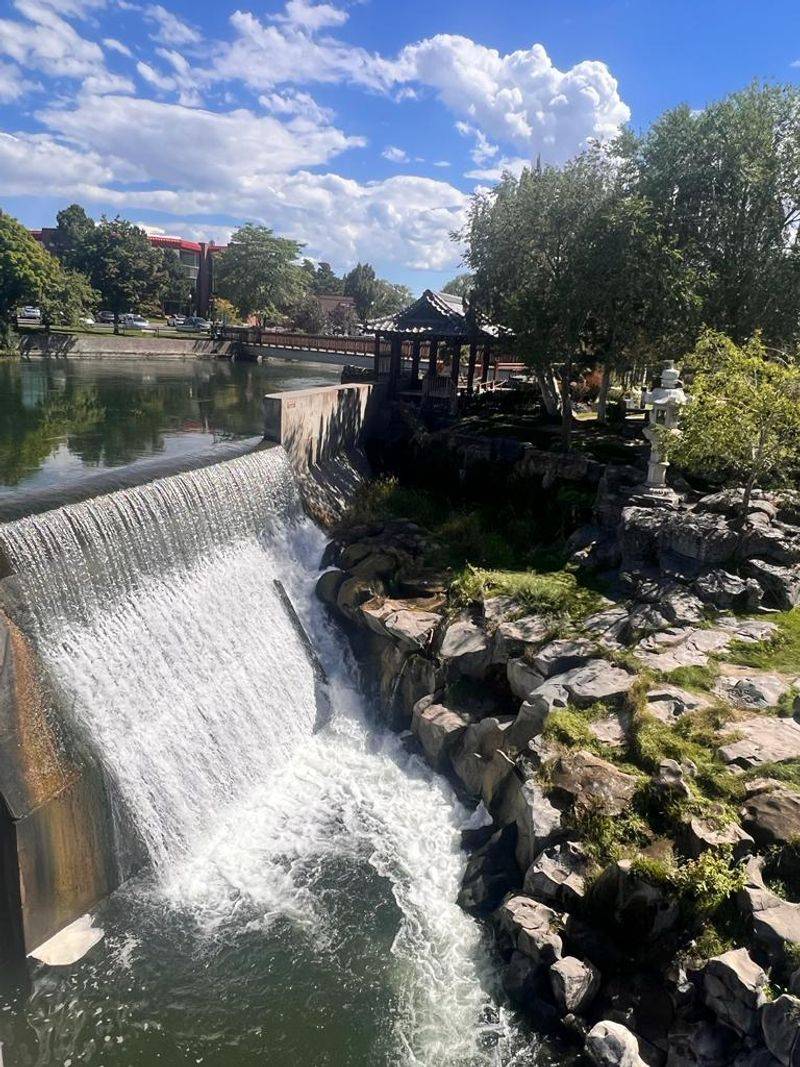
Few gardens get a backdrop this big. From the paths, you can look out over the Snake River as it moves through downtown Idaho Falls.
The lower falls and an old railroad trestle bridge show up in the view. Those details give the scene a mix of nature and local history.
Photographers often use the garden for this reason. The pagoda, the plants, and the river can all fit in one frame.
I’d suggest finding a bench or grassy spot and just watching for a few minutes. Joggers and walkers pass by on the path, and the river keeps rolling.
Wildlife sometimes appears along the rocky bank. Marmots, for example, live in this part of Idaho and may sit on rocks near the water.
Remember to keep a respectful distance from any animals. They’re wild, even in the middle of town.
The view also shows how the garden connects to a much longer trail. That trail is worth knowing about before you go.
Part of the Idaho Falls Greenbelt
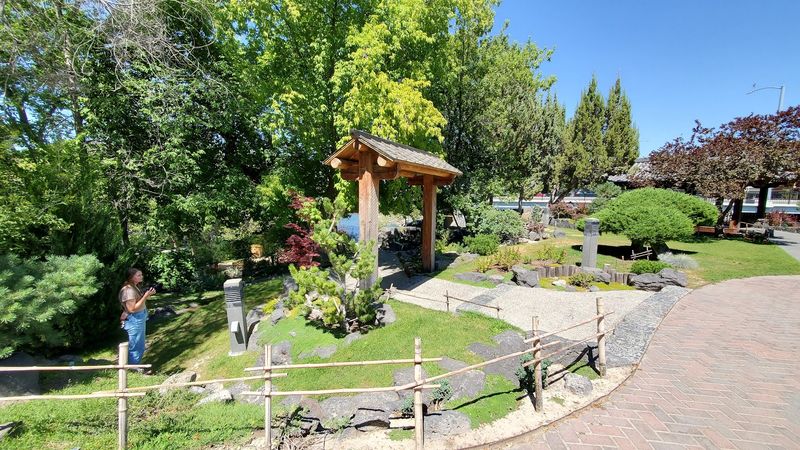
Here’s a handy tip: you don’t have to visit the garden as a separate trip. It sits along the Idaho Falls Greenbelt, a popular path that follows the Snake River.
The Greenbelt is great for walking, jogging, and biking. Many people find the garden while strolling by and decide to step inside.
That makes it an easy add-on to a longer outing. You could walk the river path, then stop at the garden for a quiet break.
The Greenbelt also passes other river sights in downtown Idaho Falls. You get a lot of scenery in a short distance.
I like plans that don’t need much effort. Parking once and exploring on foot keeps the day simple.
Families with strollers or young kids can enjoy the paved sections of the path. Inside the garden, some trails are rougher, so keep that in mind.
Dogs on leashes are a common sight along the river. Bring a bag and water for them.
Along the way, keep an eye out for signs that share something many visitors miss: local history.
History Lessons Hiding on Signboards
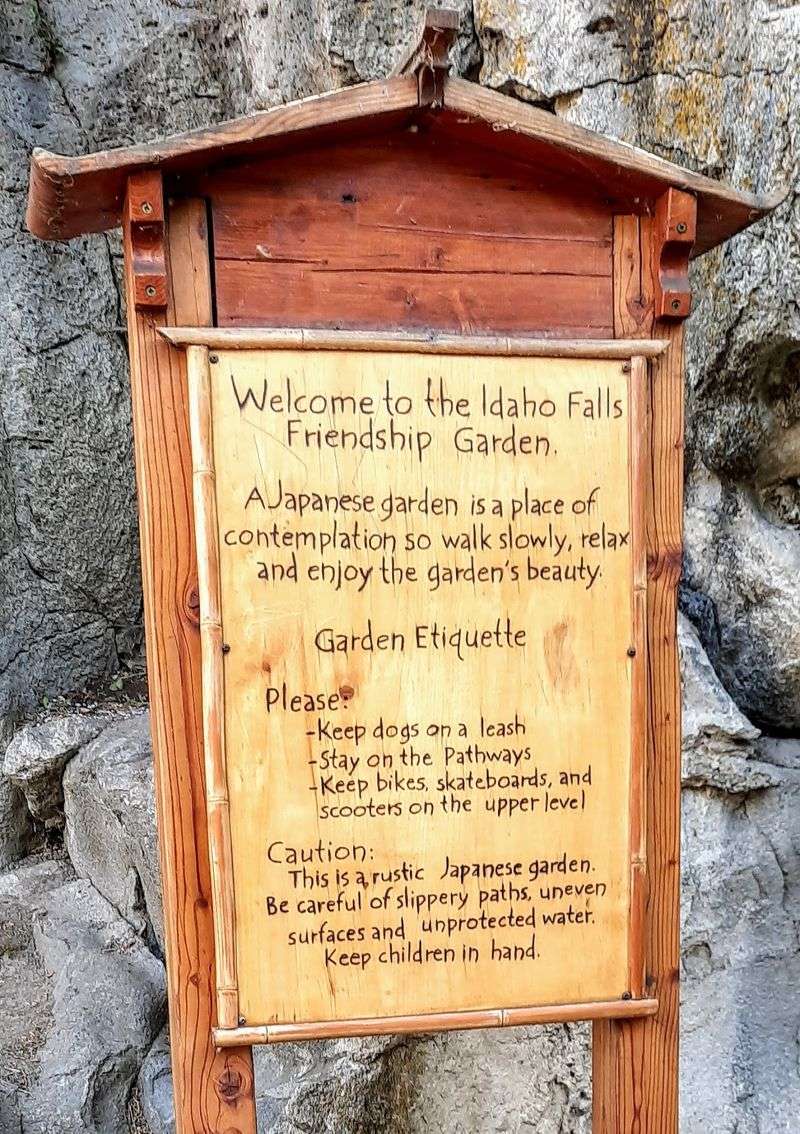
Did you know Idaho Falls had a hydroelectric plant running in 1912? Signs near the garden share that fact and other bits of local history.
The old plant sits close by on the river. It shows how the Snake River powered the city long before modern energy systems.
History signs might seem like a small extra. Still, they add meaning to the scenery you’re already enjoying.
I think these signs are a nice way to keep kids curious. Reading one or two together can spark questions about how rivers make electricity.
The mix of history and garden design works well here. One side honors a friendship with Japan, and the other honors the hard work that built Idaho Falls.
Take your time with the signs instead of skimming them. They’re short and easy to read.
A quick photo of a sign can help you remember facts for later. It’s handy if you want to look things up at home.
History is interesting, but sometimes you just want to sit down and relax. The garden has room for that too.
Picnics, Books, and Slow Afternoons
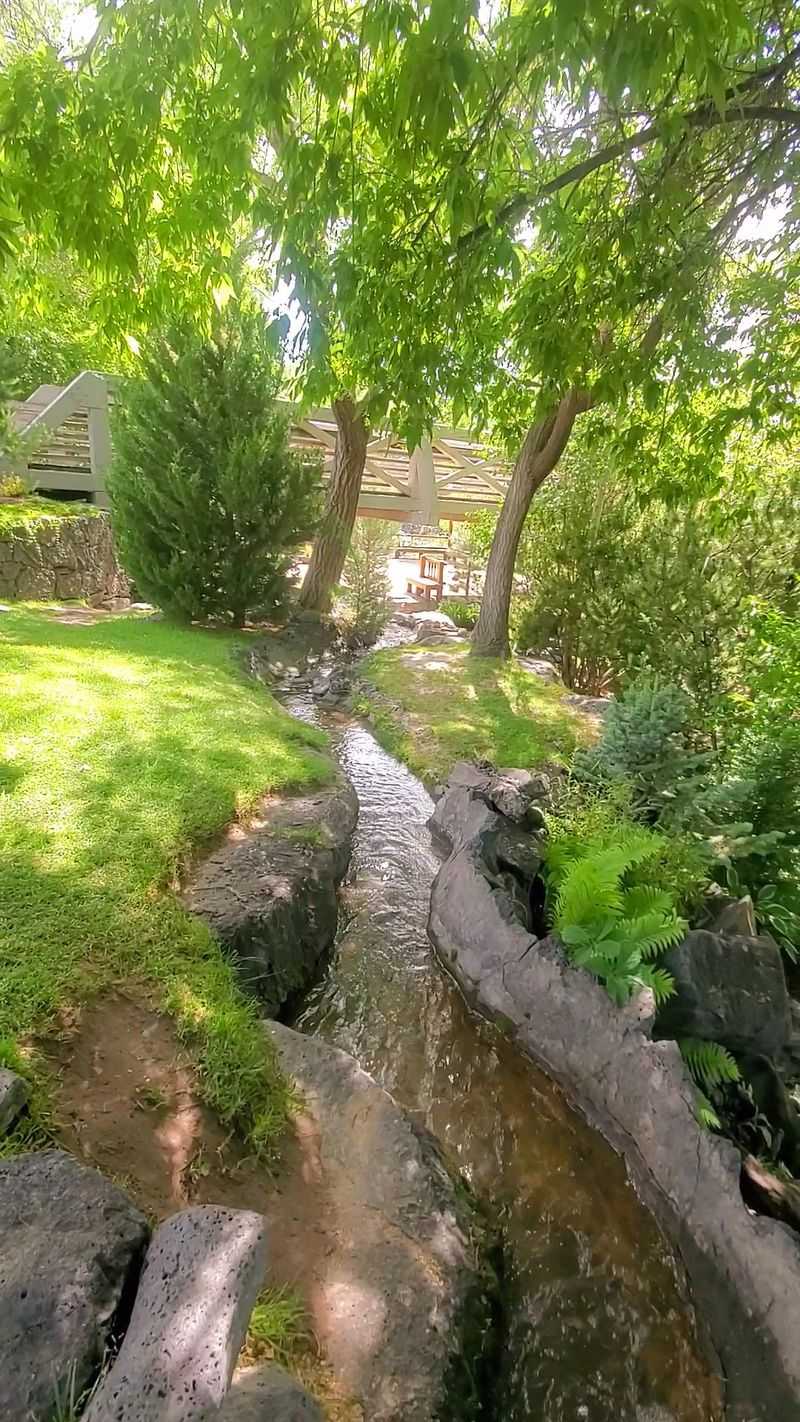
Grab a blanket, pack a few snacks, and pick a grassy spot. The garden makes a calm place for a simple picnic.
The sound of the waterfalls creates a relaxing background. Many people come just to sit, read a book, or rest after a walk.
Since the garden is small, it rarely feels like a big outing. That’s part of the charm for busy families.
I’d bring easy food that doesn’t make a mess. Sandwiches, fruit, and water bottles work well.
Please carry out all your trash. Keeping the garden clean helps it stay pretty for everyone.
Quiet activities fit best here. Sketching, journaling, or a short nap on the grass all match the peaceful mood.
Summer is a popular time, with long days and warm weather. Morning or evening can feel cooler and calmer.
If you visit with kids, give them a mission. Count the waterfalls or find the pagoda from different angles.
When daylight fades, the garden doesn’t just close up. It takes on a whole new look.
After Dark and Holiday Lights
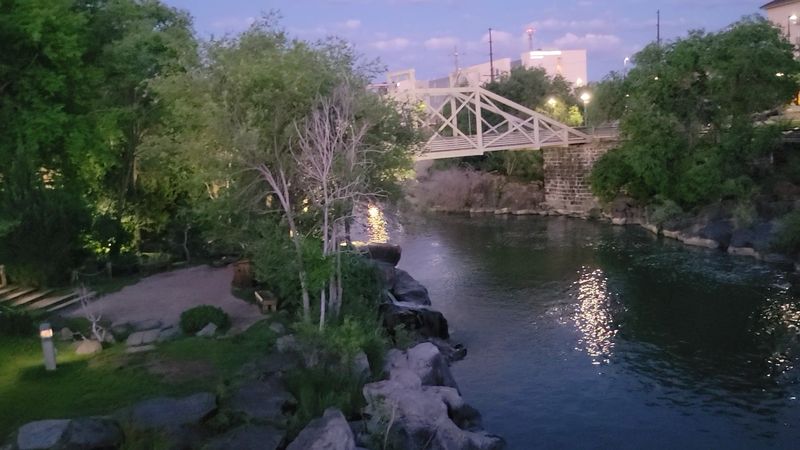
Night changes everything. Because the park stays open late, you can walk the garden after sunset and see the river lights glowing nearby.
The bridge lights reflect on the water, giving the area a soft shine. It’s a peaceful way to end a day downtown.
During the Christmas season, the garden is decorated with lights. The pagoda and paths look festive and cozy against the cold air.
I’d recommend a winter visit if you can handle chilly weather. Dress warmly with gloves and a hat.
Evening walks can be quieter than busy afternoons. That makes them great for couples or anyone wanting a calm moment.
Bring a small flashlight or use your phone light on uneven paths. Some spots can be dark or slippery.
Holiday photos here can turn out lovely. Try standing so the lights and river both show behind you.
Each season brings a different feel, from bright summer greens to winter sparkle. Planning around the weather can help you get the most from your trip.
Smart Tips Before You Go
A little planning goes a long way, even for a small park. Start by checking the weather, since storms can make paths muddy and stones slick.
Wear shoes with good grip. Sandals are fine on paved paths, but the garden trails can be uneven.
The park is free and open daily from early morning to late evening. That gives you flexibility to visit before work, after dinner, or during a road trip.
Idaho Falls sits on a common route to Yellowstone and other northern parks. The garden makes an easy stop to stretch your legs.
Plan for about an hour or two. You can see the main sights faster, but slowing down is the point.
Expect some road noise near the bridge. Moving closer to the waterfalls helps block it out.
Leave plants, rocks, and moss as you find them. Small gardens need extra care to stay healthy.
Finally, bring a little patience and curiosity. A quiet garden by a big river rewards people who take their time.
Share this story