Italy has famous towns that fill up with visitors every summer. But hundreds of smaller places sit quietly off the usual path.
Some have cave homes, painted walls, or mountain traditions you will not find anywhere else. Here are 13 towns that offer beauty, food, and character without the big crowds.
Agnone, Molise
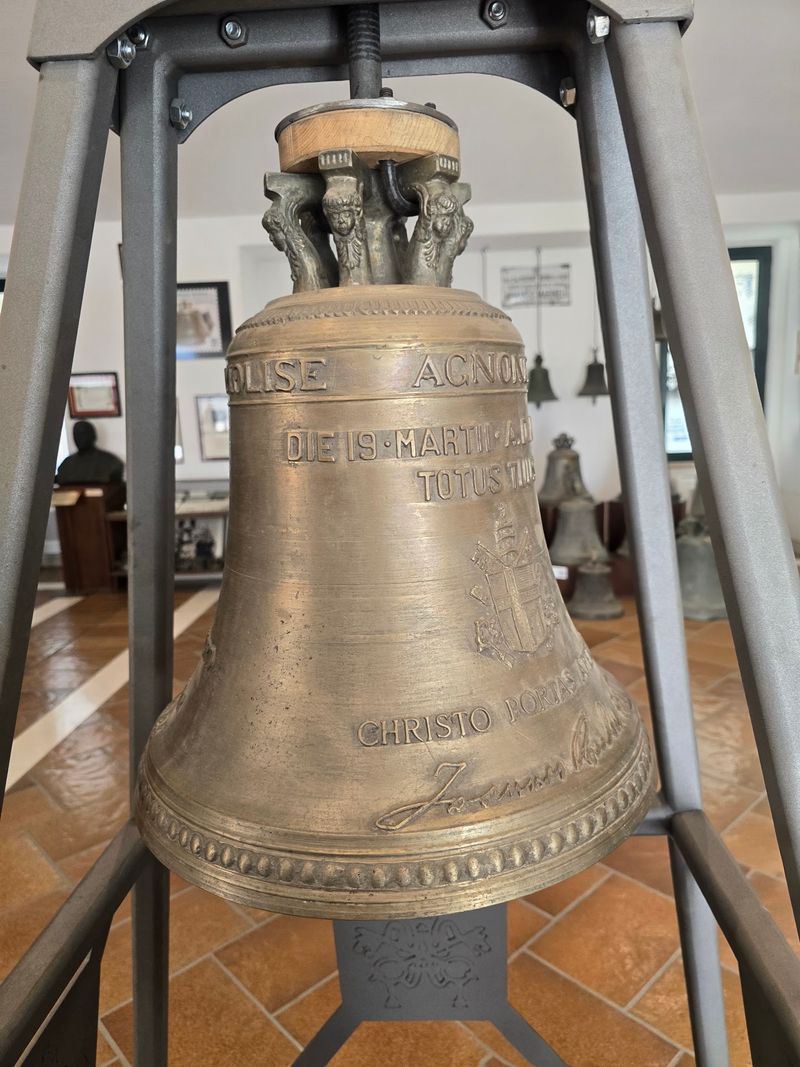
Ding, dong, and welcome to Agnone, where bells have been the family business for centuries. The town sits about 840 meters above sea level in Molise, a region most travelers skip entirely.
The Marinelli Pontifical Bell Foundry got permission from Pope Pius XI in 1924 to use the papal crest. You can visit the bell museum and see how giant bronze bells are shaped and cast.
It is surprisingly gripping to watch metal turn into music.
The old center holds 16 churches, along with workshops, water mills, and a fine collection of antique books and printing history. Wander slowly, because every corner seems to hide another small treasure.
Bring a warm jacket, since the mountain air can be crisp even in spring.
December is a special time to come. The town lights up with the traditional ‘Ndocciata, a torch festival where people carry huge bundles of fire through the streets.
Book a room early if you plan to attend, because small guesthouses fill up fast. Try the local cheeses and hearty pasta dishes while you are there, and you will leave happily full and a little smoky.
Glorenza, South Tyrol
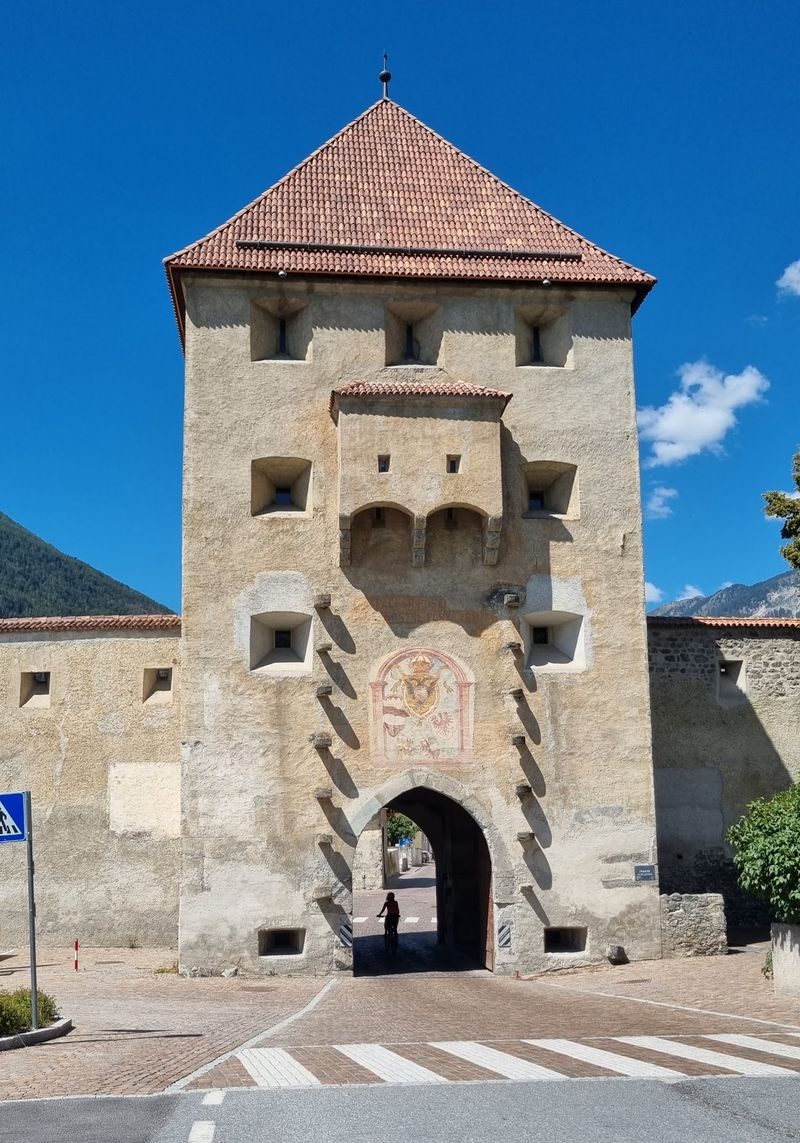
Fewer than 1,000 people live inside Glorenza, yet it wears a full set of medieval walls like a proud little fortress. Some call it Glurns, which is its German name, and both names appear on local signs.
Step through a monumental gateway under a defensive tower and you land in a compact center of arcaded streets and old merchant houses. The layout comes from the days when the town guarded Alpine trade routes, between the 16th and 18th centuries.
Walking the wall path is quick, and the views are lovely.
Mountains of the upper Vinschgau Valley frame the town on all sides. The mix of Tyrolean style and Italian history feels far from Tuscany or the Amalfi Coast.
You may hear German more often than Italian, which adds to the fun.
Plan a slow afternoon here. Stop for pastries in a small cafe, browse tiny shops under the arches, and let the quiet settle in.
Visit outside midsummer if you can, since the streets are calmest then. Cyclists love the valley paths nearby, so pack your helmet.
Venzone, Friuli-Venezia Giulia
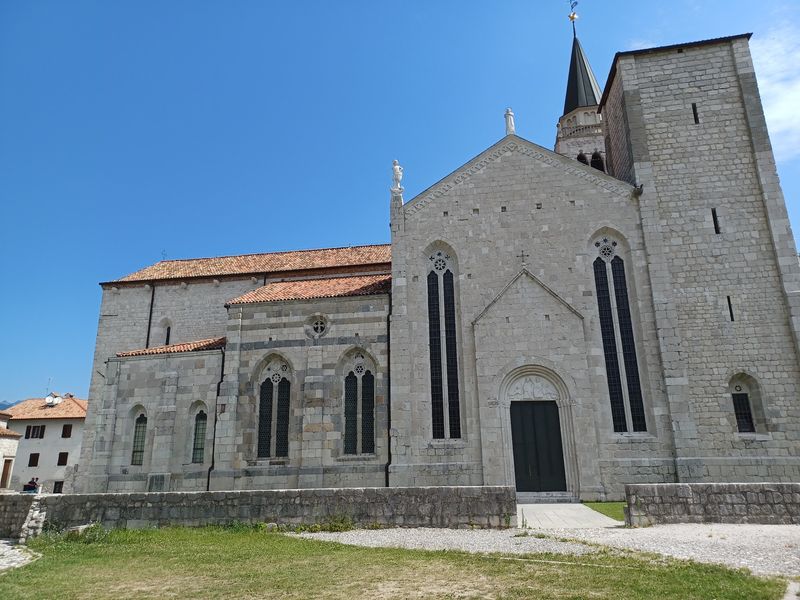
Picture a town that fell down in 1976 and then got put back together stone by stone. That is Venzone, and its story is as moving as its looks.
The Friuli earthquake wrecked the fortified village, including much of its 14th-century fabric. Residents refused to let it vanish.
They insisted on rebuilding the walls, gates, Gothic cathedral, civic buildings, and old street pattern exactly as before.
Today Italia.it calls Venzone the best-preserved fortified village in Friuli-Venezia Giulia. Walk the ramparts and you can hardly tell what was rebuilt.
Exhibitions in town explain both the disaster and the long recovery, and they help the visit feel meaningful.
The Julian Pre-Alps rise nearby, and the Tagliamento River adds wide, pebbly scenery. Hikers and photographers will find plenty to do.
Stop by the cathedral first, then wander the lanes with no plan at all.
Venzone also holds a pumpkin festival in autumn, a cheerful event that fills the streets with orange. Pair your visit with local cheese and a glass of regional white wine.
It is a small town with a very big heart.
Dozza, Emilia-Romagna
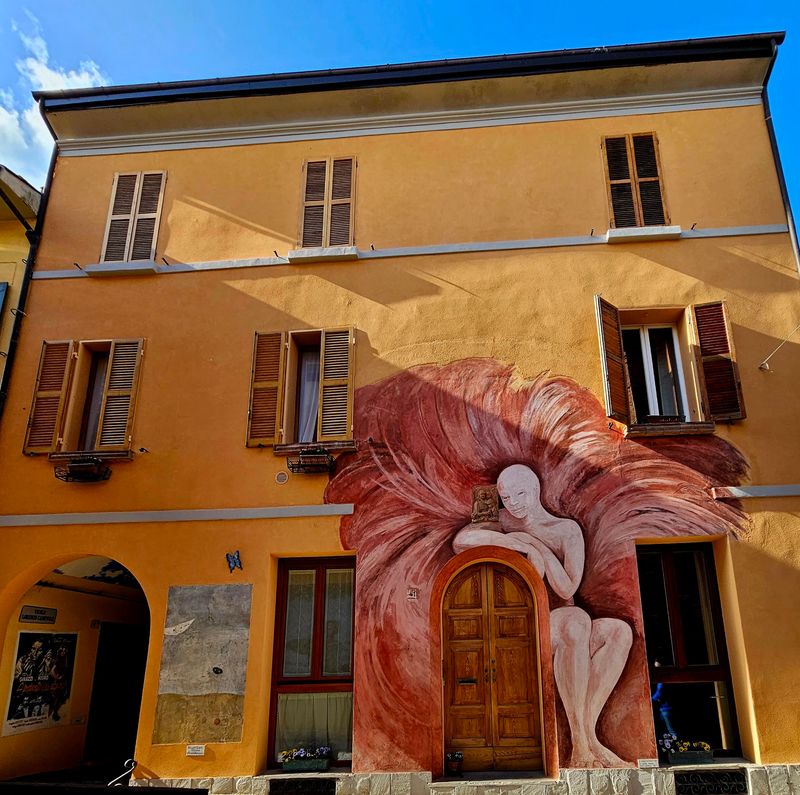
Every wall in Dozza seems to be saying something. More than 200 murals cover the house fronts, turning the whole village into an outdoor art gallery.
The paintings come from the Biennale del Muro Dipinto, an art event running since the 1960s. New works appear over time, so no two visits look exactly alike.
Under all that color, the medieval street pattern still stands untouched.
At the top of the hill sits the Rocca Sforzesca, a fortress filled with historic furniture and art. The castle also holds the regional wine collection of Emilia-Romagna.
That makes it a smart stop if you enjoy Albana or Sangiovese.
Dozza sits close to Bologna, yet far fewer foreign visitors make the trip. A half day is enough to stroll, snap photos, and taste a glass or two.
Wear comfy shoes, because the lanes climb steadily.
For lunch, look for a trattoria serving fresh tagliatelle or tortellini. The region takes its food very seriously, and so should you.
Finish with a gelato and a last look at the murals.
Sperlinga, Sicily
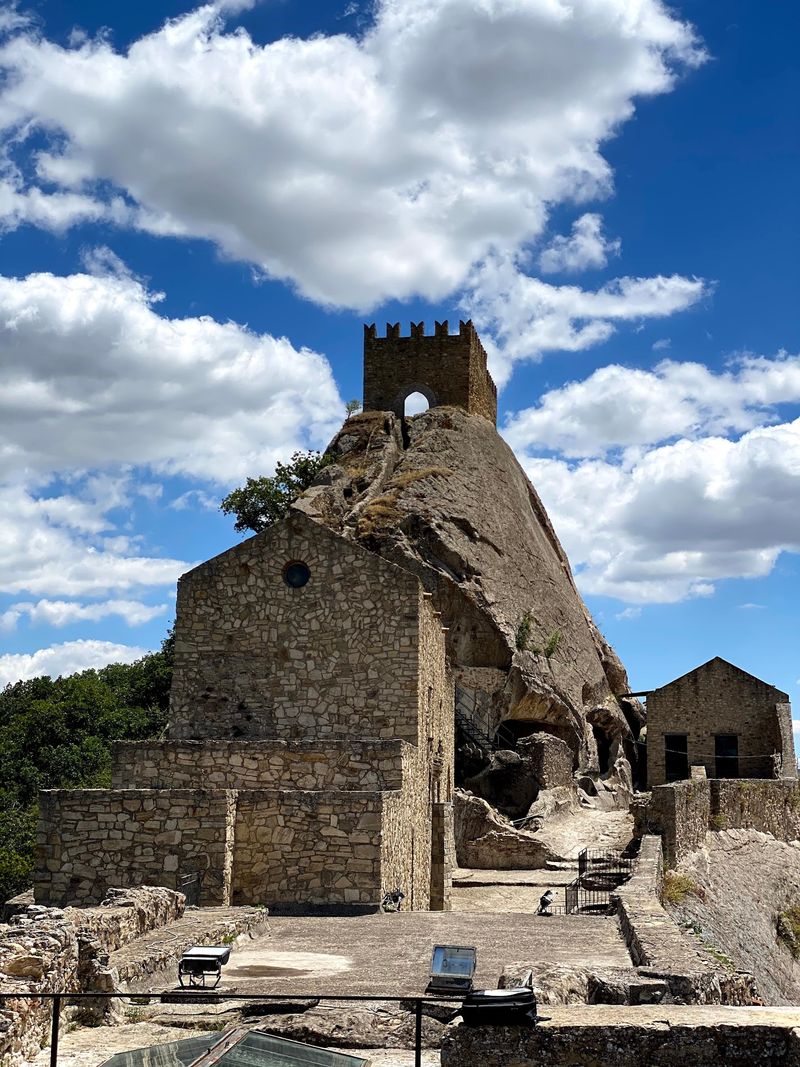
Here is a quirky fact for you: the name Sperlinga comes from the Latin word spelunca, which means cave. And caves are exactly what you get.
Ancient rock-cut homes fill the sandstone cliffs, and the castle is partly carved right into the stone. Climb the fortress tower for views toward the Madonie Mountains.
Then head down into the chambers beneath the complex.
Do not miss the Borgo Rupestre, the surviving cave district. Italia.it traces the use of these caves back thousands of years.
Some rooms feel cool and hushed, and you will want a light layer even on a hot Sicilian day.
Sperlinga feels nothing like the Baroque towns and beach resorts that most visitors know. It is rugged, quiet, and a little mysterious.
Kids and adults both enjoy poking around the tunnels.
Bring a flashlight app on your phone, just in case. After exploring, look for a local spot serving ricotta, sausages, and bread from a wood oven.
You will leave with dusty shoes and great stories.
Civitella del Tronto, Abruzzo
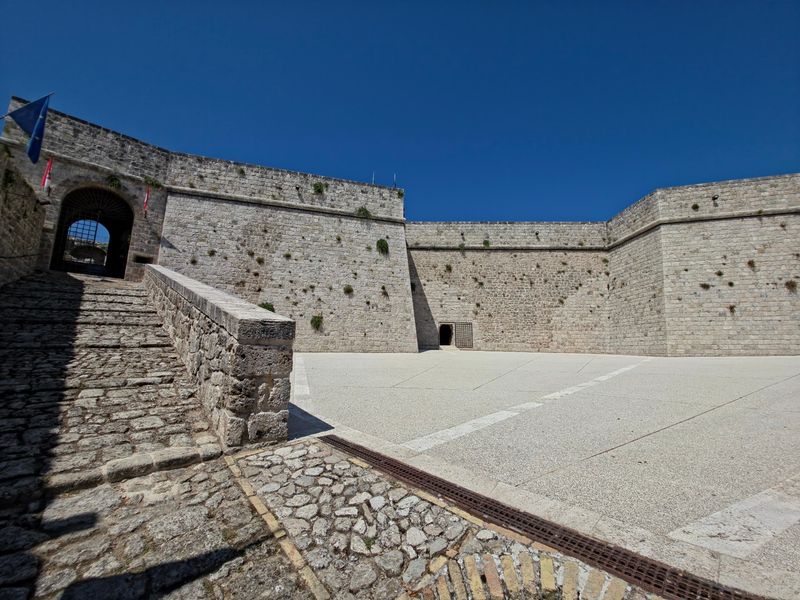
Standing on this ridge, you can almost see two kingdoms arguing. Civitella del Tronto sits near the old border between the Kingdom of Naples and the Papal States.
That position explains the enormous fortress looming over town. It grew in stages starting in the 16th century.
Walk its long walls and you get views stretching from the Gran Sasso toward the Adriatic Sea.
Below the fortress, medieval and Renaissance buildings line narrow streets inside defensive walls. Look for the tiny lane known as the Ruelle, one of the narrowest in Italy.
Squeeze through it and giggle.
The mix of military history and mountain scenery gives Civitella the drama of far more famous hill towns. Yet it sits in northeastern Abruzzo, away from most first-time itineraries.
That means shorter lines and calmer streets.
Come hungry. Abruzzo is known for grilled lamb skewers called arrosticini and strong red Montepulciano wine.
Plan at least half a day, and save energy for the uphill climb to the fortress.
Sauris, Friuli-Venezia Giulia
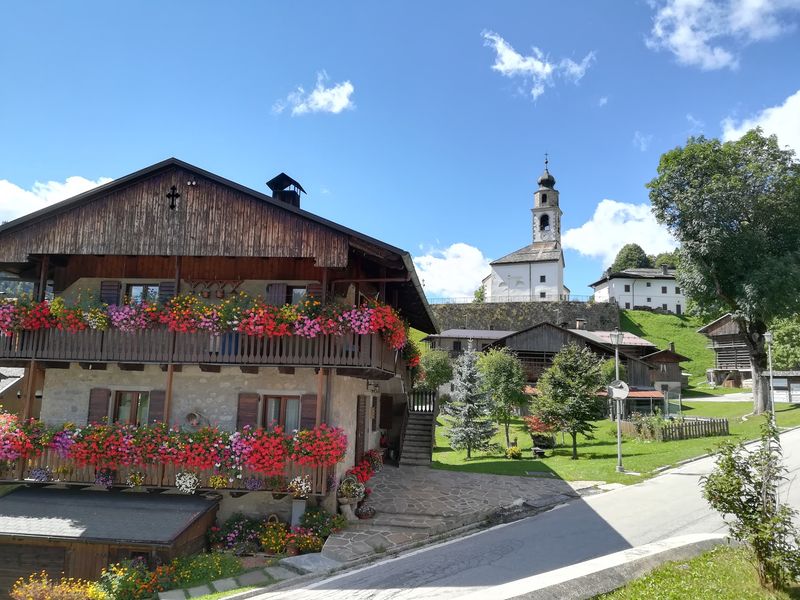
Smoky ham, German words, and wooden balconies: this is not the Italy you pictured. Sauris sits around 1,400 meters up in the Carnic Alps.
The village grew as a German-speaking enclave. Its isolation helped keep its language, food, and customs alive.
Traditional houses mix stone lower levels with timber upper floors.
Carnival brings the atmospheric Lantern Night, when glowing lights fill the dark streets. The UN tourism program for rural destinations has praised Sauris for its sustainability and cultural continuity.
That recognition is well earned.
Hikers can follow trails through meadows and forests right from town. In summer the air is cool and fresh, a nice break from lowland heat.
Winter brings snow and a cozy, fireside mood.
Do not leave without trying the local smoked ham and the beer brewed in the village. Both are small-scale treats you will not find in big supermarkets.
Sauris makes a refreshing alternative to the crowded Dolomite resorts.
Pizzighettone, Lombardy
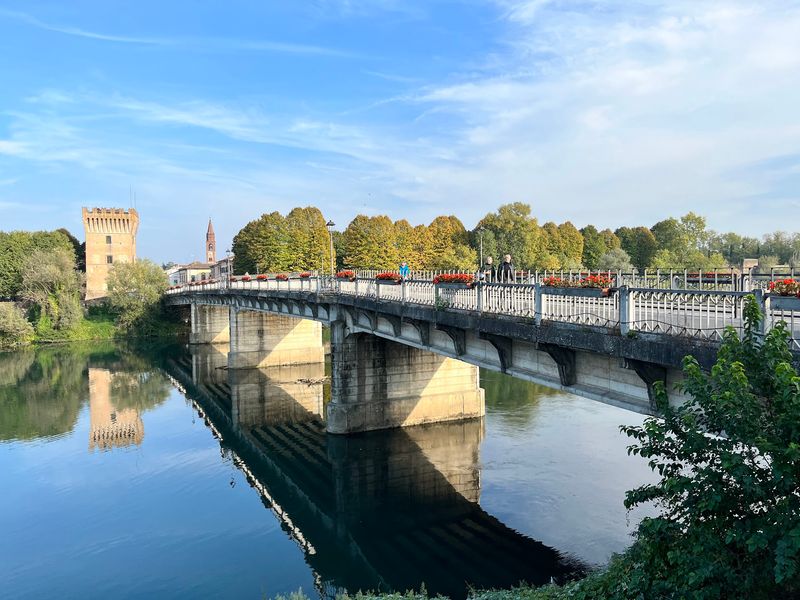
Two kilometers of walls, 12 meters tall, wrap around this quiet town on the Adda River. Pizzighettone does not get the glam of Lake Como, but its defenses are the real star.
The walls date to the 16th century. Inside them, barrel-vaulted casemates connect like a secret tunnel maze.
Italia.it describes the surviving complex as unique in Europe.
The river splits the historic center in two, which gives every stroll a watery backdrop. Cross the bridges, peek into churches, and visit the small museums.
The old prison tower holds a fun story, too, since a French king was once held nearby.
The flat Po Valley setting makes this a great place for cycling. Rent a bike and follow riverside paths for a relaxed afternoon.
Boat trips on the Adda are another easy way to see the walls from a new angle.
For lunch, look for local specialties like risotto and cured meats. Lombardy cooks rice with real pride.
Pizzighettone is an easy stop between Milan and Cremona, so add it to your route.
Pitigliano, Tuscany
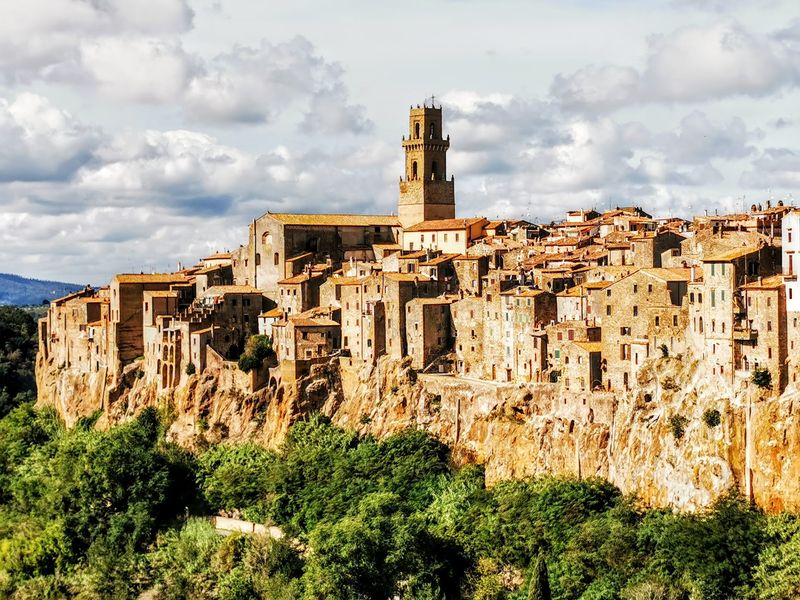
Houses seem to grow straight out of the cliff in Pitigliano, as if the rock itself built them. The golden tuff stone gives the town a warm glow at sunset.
Etruscans lived here long ago, and they carved deep paths into the rock called vie cave. Hike one and you walk between towering stone walls.
Later the Orsini family shaped the town, leaving a Renaissance palace, a Baroque cathedral, and an aqueduct.
The Jewish quarter centers on a synagogue dating from 1598. Because of that long history, Pitigliano earned the nickname Little Jerusalem.
The museum there tells the story well.
Tuscany has many hill towns, yet this one gets skipped on lots of itineraries. That is your gain.
You can enjoy the views with fewer selfie sticks around.
Taste the local white wine and look for sweet unleavened pastries tied to Jewish tradition. Park outside the center and walk in, since the streets are tight.
Come in the evening for the best light.
San Ginesio, Marche
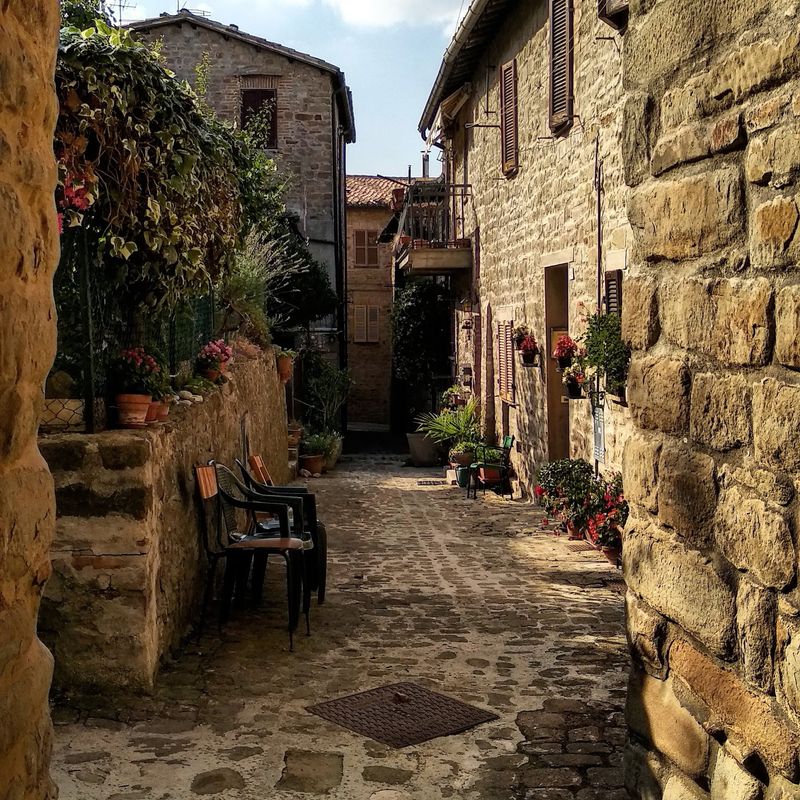
Locals call it the Balcony of the Sibillini, and one look at the view explains why. San Ginesio perches above the Marche countryside, with mountains rolling out in every direction.
The town has so many churches that people sometimes call it the city of 100 churches. Medieval walls, the Porta Picena gate, and historic civic buildings add to the old-world feel.
Traditional festivals still bring the community together.
The 2016 earthquake caused serious damage here. Recovery has become part of the town story, and visitors help by staying, eating, and shopping locally.
Many buildings have reopened, and work continues.
The Best Tourism Villages program has recognized San Ginesio for its slow-tourism approach. That means the pace is relaxed and the welcome is warm.
Nobody will rush you through lunch.
Take a long walk along the walls at sunset. Then try local dishes like handmade pasta with rich meat sauce.
Bring a camera, because the views on a clear day are huge.
Otricoli, Umbria
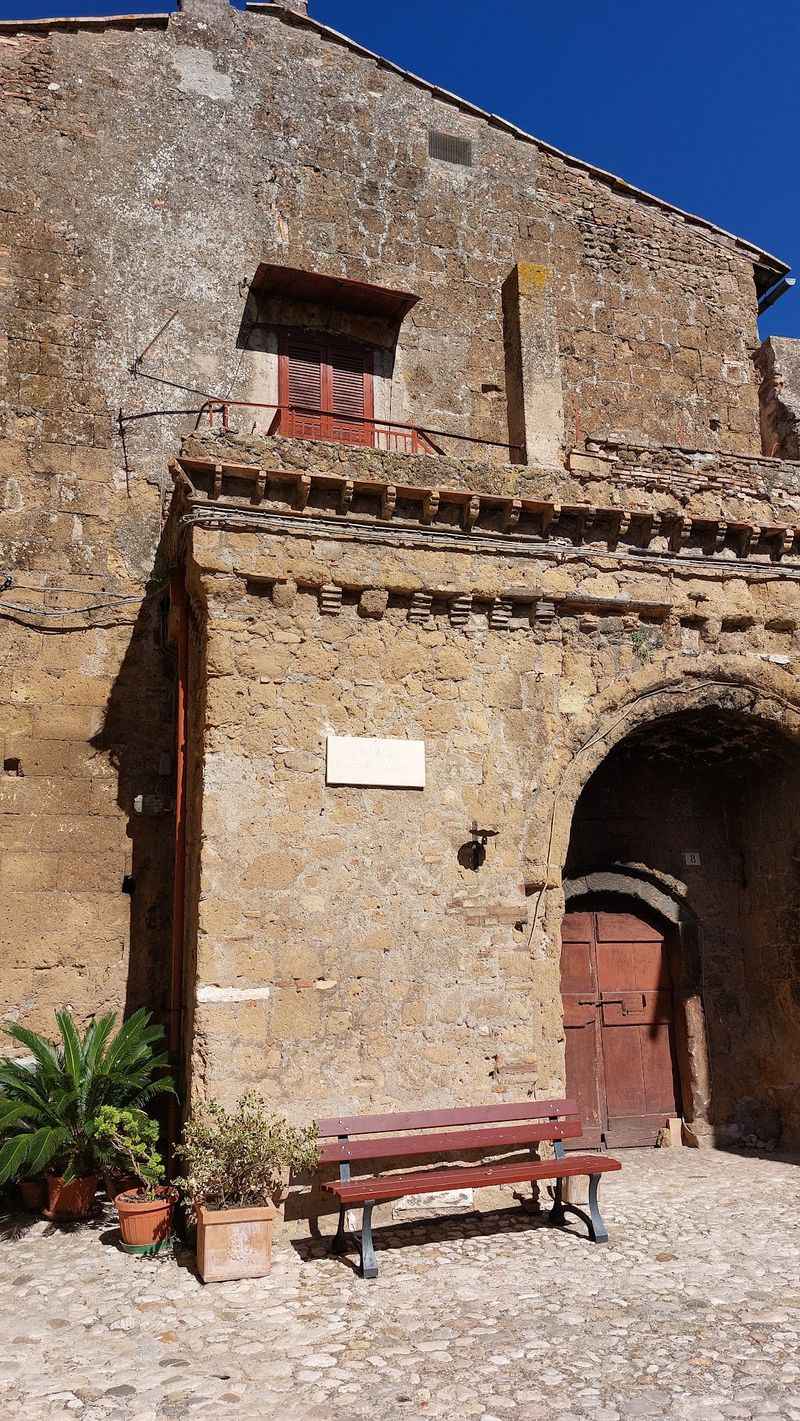
Skip the Assisi-Perugia-Orvieto loop for a moment and try Otricoli instead. This hilltop village looks over the Tiber Valley and rarely sees tour buses.
Just nearby lie the remains of Ocriculum, an important Roman center linked to a river port and the Via Flaminia. Walk the archaeological area and you can sense how big the old city once was.
Stone ruins sit quietly among the fields.
The modern village keeps its medieval walls, a castle, and Renaissance buildings. Climb the lanes to reach panoramic spots over the valley.
Italia.it notes that Otricoli has been recognized through the UN tourism program for rural destinations.
What makes it special is the mix of classical history and everyday Umbrian life. You might share a piazza with locals playing cards.
It feels real, not staged.
Plan a lazy day. Explore the ruins in the morning, eat lunch in the village, and wander the walls in the afternoon.
Try local olive oil, which Umbria produces beautifully.
Montefortino and the Sibillini Villages, Marche
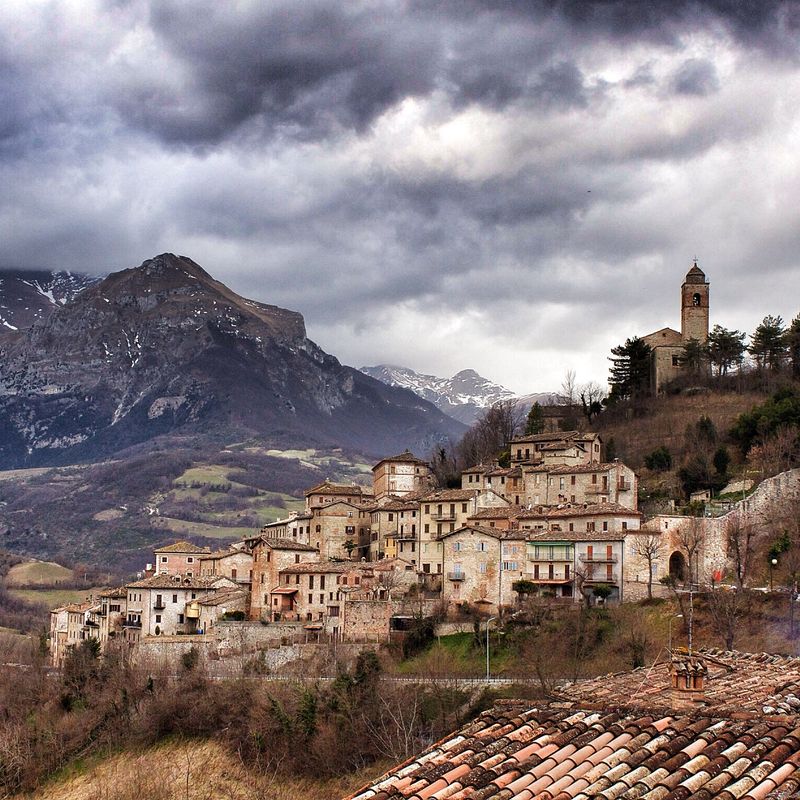
Terracotta roofs tumble down the hillside in Montefortino like spilled paint. Behind them, the Sibillini peaks rise sharp and blue.
This is one of several small towns in the Sibillini foothills that travelers often pass by. Stone houses cluster below a church tower, and narrow lanes wind between them.
It is a photographer’s dream.
The area suits anyone who wants small-town Italy paired with hiking. Monti Sibillini National Park is close, with trails, gorges, and tiny communities to explore.
Skip the vineyard crowds and pick up a trail map instead.
The villages here keep a slower rhythm that is getting harder to find in central Italy. Shops close for lunch, and nobody minds.
Evenings bring neighbors out to chat in the square.
Use Montefortino as a base for a few days. Hike in the morning, nap in the afternoon, and eat well at night.
Look for local lentils and cured meats on the menu. The mountain air will do the rest.
Castelmola, Sicily
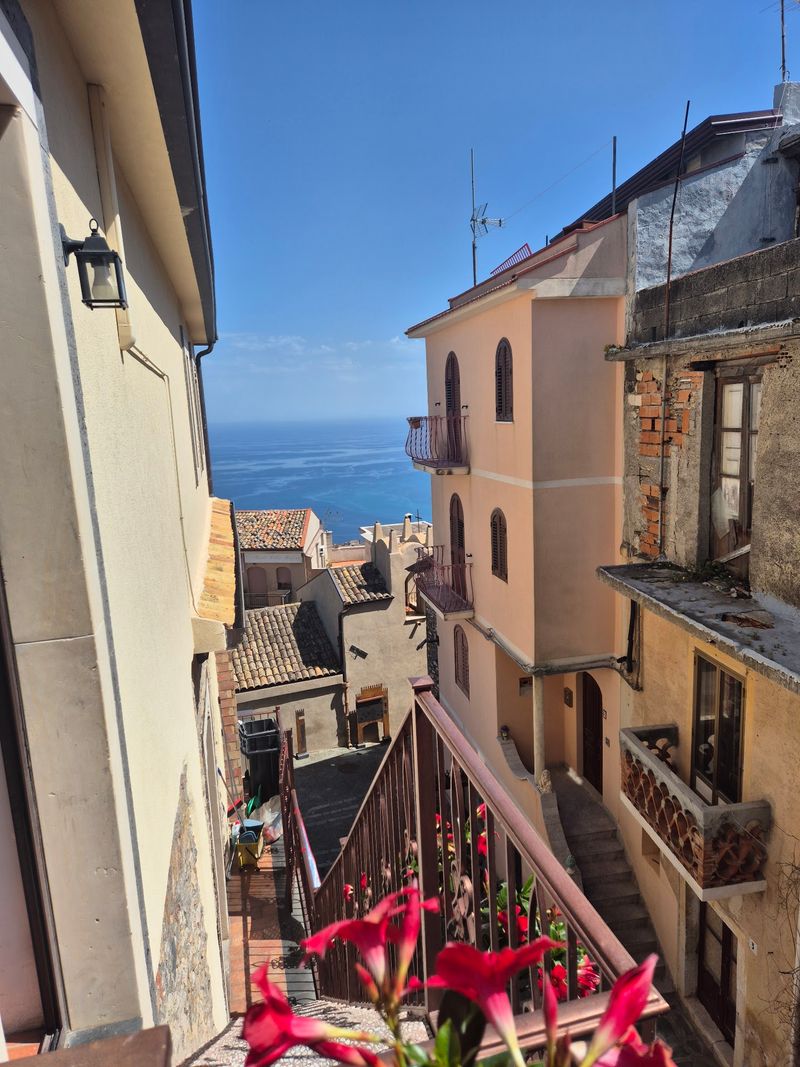
Taormina grabs the headlines, but the village perched above it has the better seat. Castelmola sits on a dramatic hilltop with the Ionian coast on one side and Mount Etna on the other.
Stone houses, narrow lanes, and small cafes fill the center. Terraces face some of the finest views in Sicily.
Italia.it lists Castelmola among the island’s most beautiful villages.
The contrast with Taormina is striking. A short climb or drive takes you from one of Sicily’s busiest spots into a compact village where scenery matters more than luxury shopping.
You can hear church bells instead of crowds.
Stop for a glass of almond wine, a local specialty, and sit with the view. Many visitors say the sunset here beats anything down below.
Arrive early for a good table.
If you feel energetic, hike up the old stairway path from Taormina. It takes a while, but the reward is worth every step.
Otherwise, take a taxi and save your legs for exploring the ruins of the castle.
Share this story