Some trips are about sleeping in and sipping coffee. Others are about strapping on a harness, lacing up boots, or paddling through white water.
This list is for the second kind of traveler. It covers fifteen countries where the landscape does most of the work, from Himalayan trails and glacier walks to bridges made for bungy jumping and rivers that run bright green.
Each stop includes real activities that operate through official tourism channels, plus a few planning notes to help you picture the trip. Some are easy to book on short notice.
Others need permits, early tickets, or a good guide. Save this list for your next big plan, or send it to the friend who is always asking where to go next.
Queenstown Bungy Jumping, New Zealand
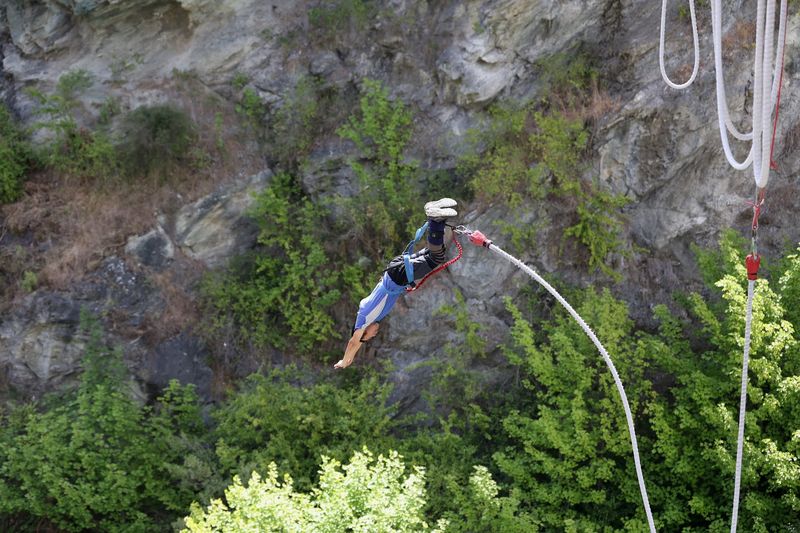
Queenstown has turned adrenaline into a whole town identity. Bungy jumping, skydiving, jet boating, rafting, canyoning, and paragliding all compete for your attention here.
The Kawarau Bridge and Nevis bungy experiences are both listed as operating options. That gives first-timers and bigger risk takers a choice, since each one offers a very different kind of drop.
Adventure activities run throughout the year, so you do not have to plan around one narrow season. Weather can still change schedules, so keep a flexible day or two in your itinerary.
If you want to try several activities, many visitors book them in a loose order. Start with something short and simple, then save the biggest jump for the day you feel most ready.
The town itself is compact, which makes it easy to move between booking offices, cafes, and lakefront walks between thrills.
Bring layers, because mountain weather near the lake can shift quickly even in warmer months.
Everest Base Camp Trek, Nepal
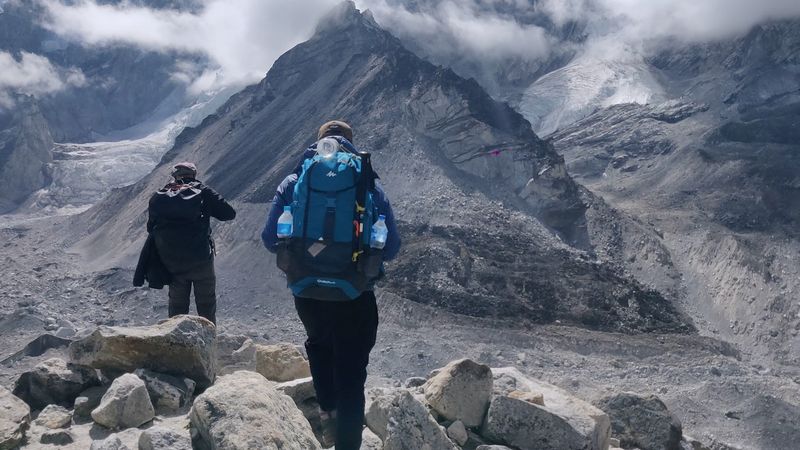
Few trail names carry as much weight as Everest Base Camp. The trek remains one of Nepal’s signature Himalayan adventures, and it draws hikers from all over the world.
The classic route begins around Lukla and continues through Namche Bazaar and Sagarmatha National Park. Namche is a popular stop for resting and getting used to the altitude.
Permits are required for trekkers entering protected areas, so sort that out before you set out. Many travelers book through a licensed local agency to handle paperwork and guides.
Give yourself time. Slow days with built-in rest help your body adjust to thinner air, and rushing is the most common planning mistake.
Pack broken-in boots, warm layers, and a good sun hat. Mountain light is strong, even on cold mornings.
This is a long walk with big rewards, so train for steady uphill hiking in the months before you go.
Torres del Paine W Circuit, Chile
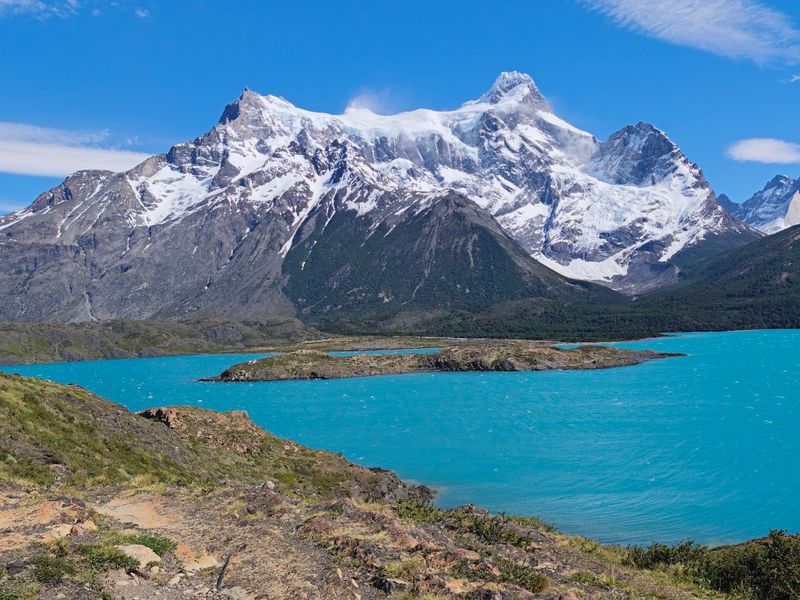
The letter W sounds like a simple shape, but this Patagonian route packs in a lot of scenery. Torres del Paine National Park is one of Patagonia’s great trekking destinations, and the W Circuit is its best-known hike.
The path leads through mountain landscapes, forests, and turquoise lakes. It also reaches areas overlooking Grey Glacier, which gives the trip a big icy highlight.
Weather in Patagonia is famous for changing fast. Wind, sun, and rain can all show up in one day, so waterproof layers are a smart choice.
Book ahead if you plan to stay in park lodging or campsites, since popular dates can fill up. Planning your nights early makes the route much easier to manage.
Trekkers often walk the circuit over several days, giving time to enjoy viewpoints without rushing. Sturdy boots and trekking poles help on rocky sections.
Great Barrier Reef Diving, Australia
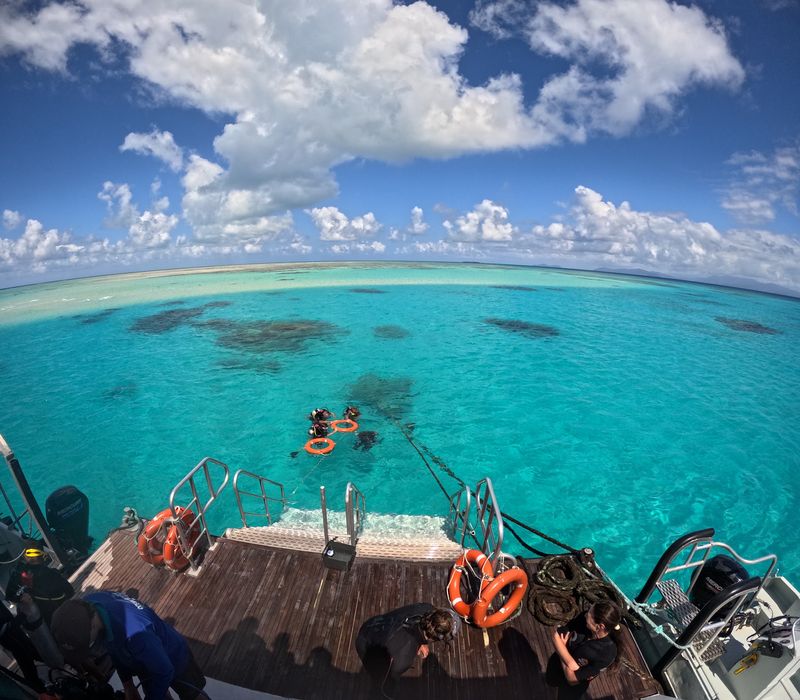
Strap on a mask and the biggest coral reef system on Earth is suddenly your backyard. Scuba diving and snorkeling remain some of the best ways to explore Australia’s Great Barrier Reef.
Cairns and Port Douglas provide access to numerous reef excursions. Boats head out from both towns, and trips range from simple snorkel outings to full dive days.
Farther south, the Southern Great Barrier Reef offers established dive sites around islands such as Heron and Lady Elliot. That gives travelers another way to see the reef with a different base and a quieter feel.
If you are new to diving, look for operators that offer introductory options with instruction. Experienced divers can choose trips built around more advanced sites.
Wear reef-safe sunscreen or a rash guard, and follow your guide’s advice about keeping distance from coral. Good habits help protect the reef for the next visitors.
Arenal Volcano Hiking and Rafting, Costa Rica
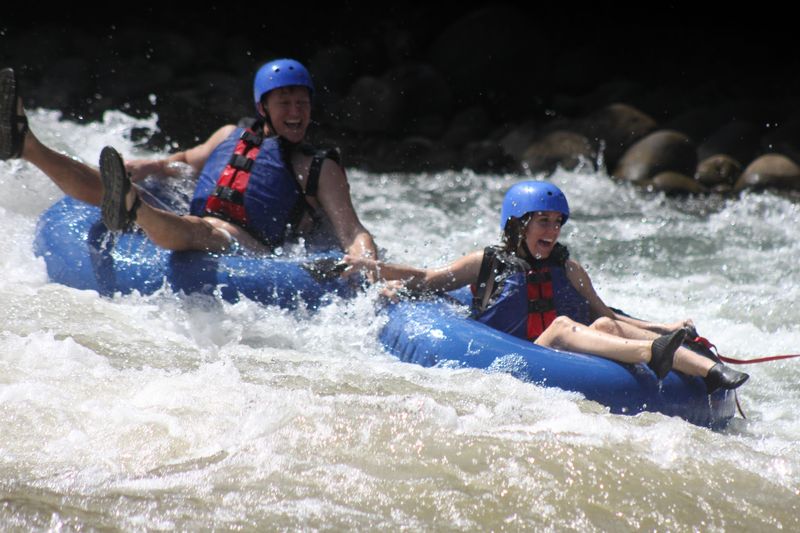
Here is a place where you can hike in the morning and paddle white water in the afternoon. Arenal Volcano National Park sits near La Fortuna and offers an extensive network of trails with volcanic scenery.
The region around it adds even more options. Rafting, ziplining, canyoning, kayaking, and other adventure experiences are all available, so a few days can feel very different from one to the next.
The national park operates throughout the year, which makes planning more flexible. Costa Rica has a wet season, so bring a rain jacket and shoes with good grip.
La Fortuna works well as a base, with tour offices and lodging close to the main activity areas. You can mix a trail day with a river day without much driving.
Start hikes early when possible, since mornings often offer clearer views of the volcano. Pack water and a small snack for longer walks.
Skaftafell Glacier Hiking, Iceland
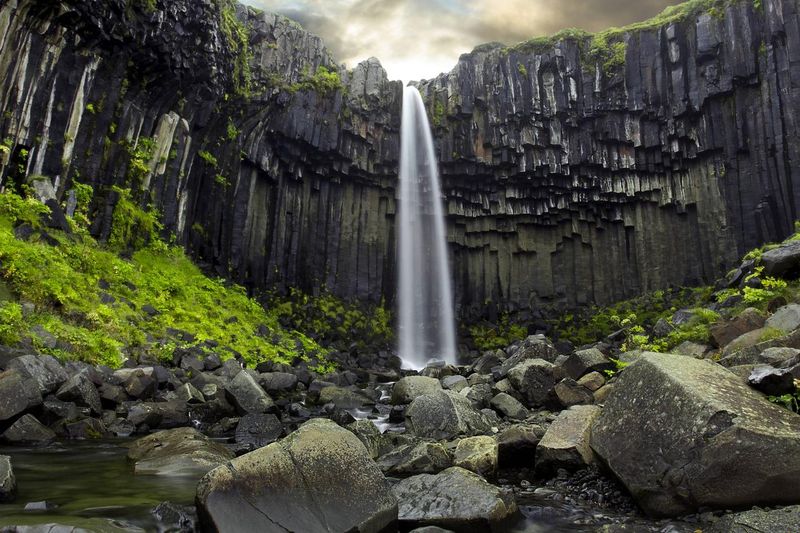
Walking on ice sounds odd until you try it with proper gear. Iceland’s glacier regions offer guided walks, ice climbing, ice caves, and increasingly adventurous glacier routes.
Current tourism listings include guided glacier experiences around Skaftafell and southeastern Iceland. Guides provide equipment and lead the way, which is the safest way to explore moving ice.
Some ice-cave trips operate seasonally, so check dates before planning. Glacier walks may be more widely available across the year, depending on conditions.
Dress in warm layers, waterproof pants, and sturdy hiking boots. Gloves and a hat come in handy, even when the sun is out.
Book your tour ahead, especially in busy travel months. Icelandic weather can change plans, so having an extra day in the region gives you a backup option.
Skaftafell also has hiking trails if you want a break from the ice.
Inca Trail to Machu Picchu, Peru
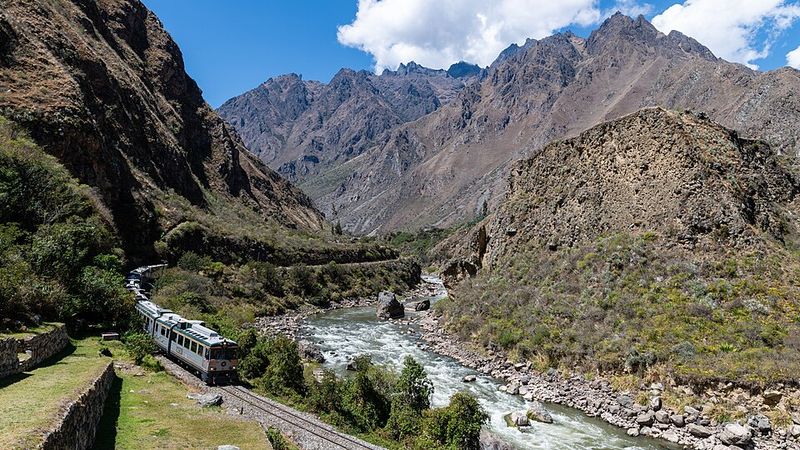
Arriving at Machu Picchu on foot is a different experience than arriving by train. The Inca Trail follows historic Andean routes toward the famous citadel, and it remains one of Peru’s best-known trekking experiences.
Peru continues to operate regulated visitor circuits at Machu Picchu. Entry limits and advance ticketing are used to manage access, so spontaneous plans are not a good idea here.
Plan well ahead and book through an authorized operator. Dates can fill early, especially in popular travel periods.
The route climbs and descends through mountain scenery, so good boots and steady fitness help. Spending a day or two in the Cusco area first can help you adjust to the altitude.
Bring a rain layer, sun protection, and a refillable water bottle. Pack light but smart, because you will be carrying your own daypack.
Interlaken Paragliding and Canyoning, Switzerland
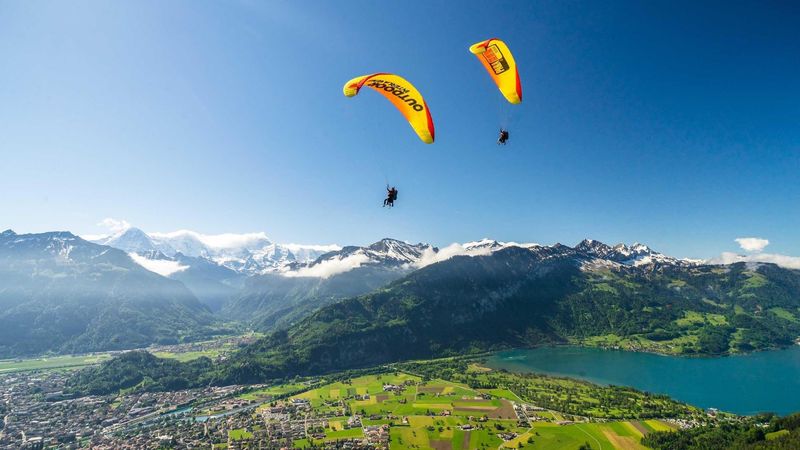
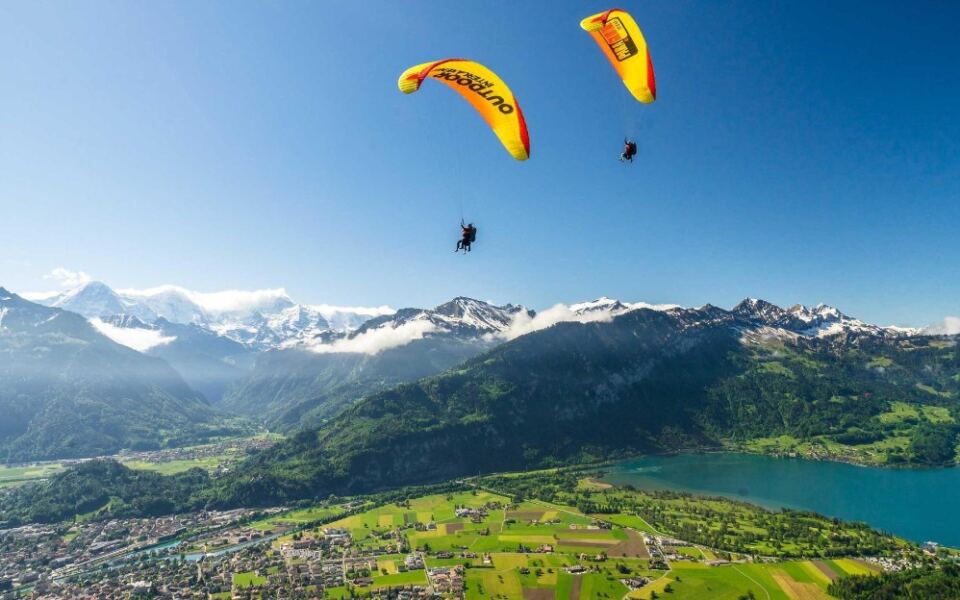
Europe has plenty of mountain towns, but Interlaken has a reputation as an adventure base. It sits among the Bernese Alps and gives travelers a long menu of outdoor choices.
You can try paragliding, skydiving, rafting, canyoning, climbing, hiking, and winter sports. That mix means you can plan a trip around one big activity or sample a few.
Paragliding gives you wide views of the valley, while canyoning takes you down into narrow water-carved gorges. Both are usually done with trained guides and provided equipment.
Weather matters a great deal here, especially for flying. Keep your schedule flexible so you can swap days if clouds roll in.
Winter visitors can swap summer activities for snow sports. Whatever the season, bring layers, since mountain temperatures can change from valley to ridge.
Lofoten Islands Hiking and Kayaking, Norway
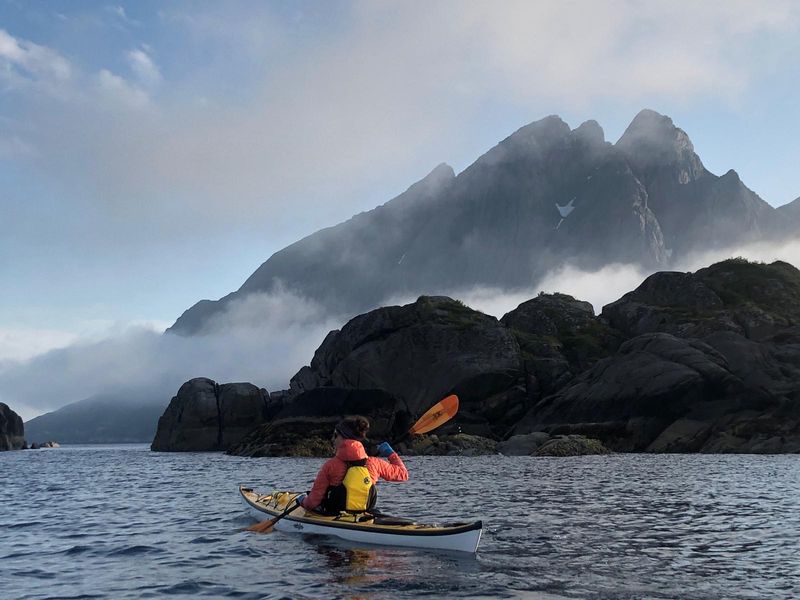
Steep peaks that rise straight from the sea give Lofoten a look all its own. The islands combine mountains, Arctic fjords, beaches, and fishing villages in a fairly small area.
Norway’s official tourism organization promotes hiking, kayaking, ocean rafting, skiing, scuba diving, horseback riding, and even Arctic surfing. That is a wide list for a remote island chain.
Hikers can choose routes with views over water and peaks, while kayakers can explore calm stretches of coast. Ask local outfitters about conditions, since coastal weather shifts quickly.
Pack waterproof layers no matter the season. Even a sunny day can turn windy by the afternoon.
Renting a car makes it easier to move between villages and trailheads. Plan your stays in advance during busy summer months, when lodging can be limited.
Banff Highline Trail and Rocky Mountain Adventures, Canada
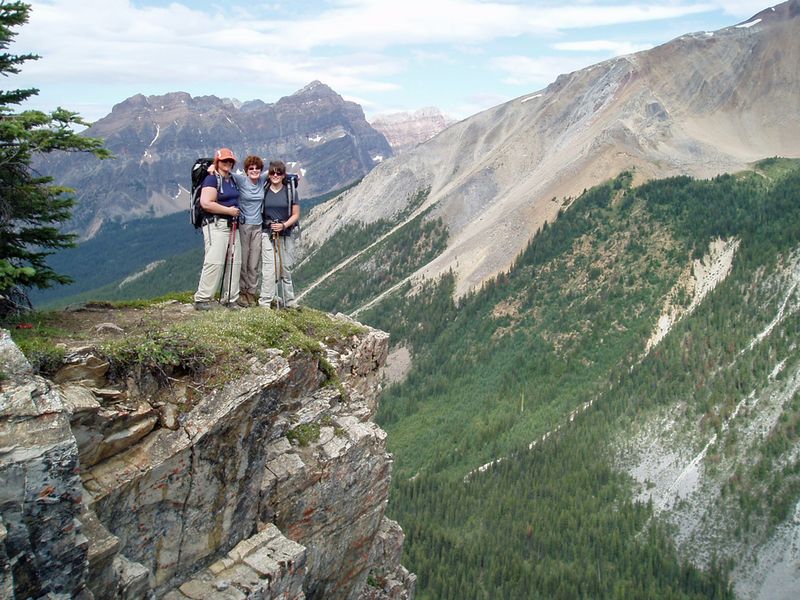
A trail network of more than 100 kilometers is not a casual weekend stroll. The Banff Highline Trail network is a serious option for experienced multi-day hikers in the Canadian Rockies.
The area around Banff offers much more than long walks. Via ferrata climbing, rafting, skiing, and other outdoor pursuits are all part of the mix.
If you are not ready for a multi-day trek, you can still enjoy shorter hikes and guided activities. That makes the region useful for groups with different comfort levels.
Travel Alberta promotes the area as a big outdoor playground, and its seasons shape what you can do. Summer is a natural time for hiking and rafting, while winter turns attention to snow sports.
Check trail conditions and permit needs before heading out on overnight routes. Carry layers and plan for changing mountain weather.
Wadi Rum Desert Trekking and Climbing, Jordan
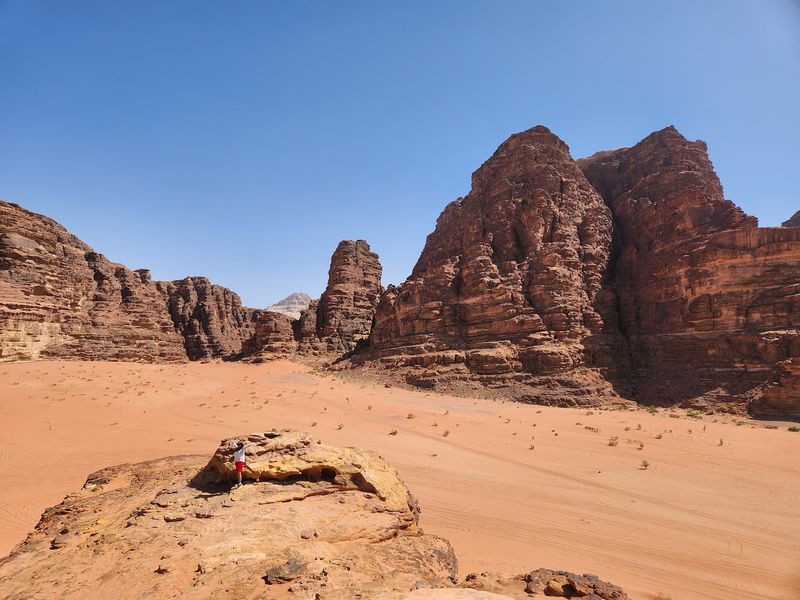
Red sand and sandstone cliffs make Wadi Rum look like a movie set, but it is a real protected area you can explore on foot. Its mountains and desert canyons create a spectacular setting for trekking and rock climbing.
Not every visitor wants to climb, and that is fine. You can also explore by guided 4×4, camel, or overnight desert trips.
Going with a local guide is a smart way to see the area, since the terrain is wide and trails can be hard to read. Guides also know the best viewpoints and routes.
Bring sun protection, plenty of water, and a scarf or hat for wind and light. Closed shoes with good grip help on sand and rock.
Cooler seasons are often more comfortable for long walks, so consider that when choosing your dates.
Mount Kilimanjaro Climb, Tanzania
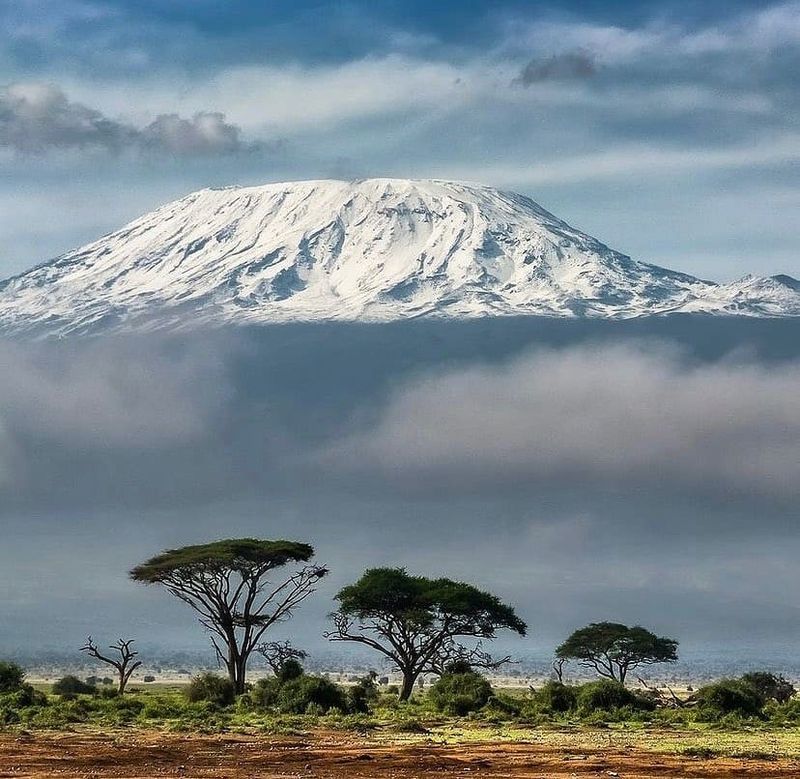
At 5,895 meters, Kilimanjaro stands as Africa’s highest summit. Climbing it takes travelers from warm lower slopes to cold high ground in a single trip.
TANAPA lists multiple climbing routes, along with guided day hikes and other mountain activities. That means not every visitor has to aim for the top to enjoy the mountain.
The national park is currently open year-round. Still, weather and trail conditions vary, so ask your operator which months suit your route best.
Choosing a longer route can give your body more time to adjust to altitude. Go slowly, drink water, and follow your guide’s pace advice.
Pack warm layers, waterproof gear, and boots you have already worn on long hikes. Good preparation matters as much as strength on this climb.
Mount Toubkal Trekking, Morocco
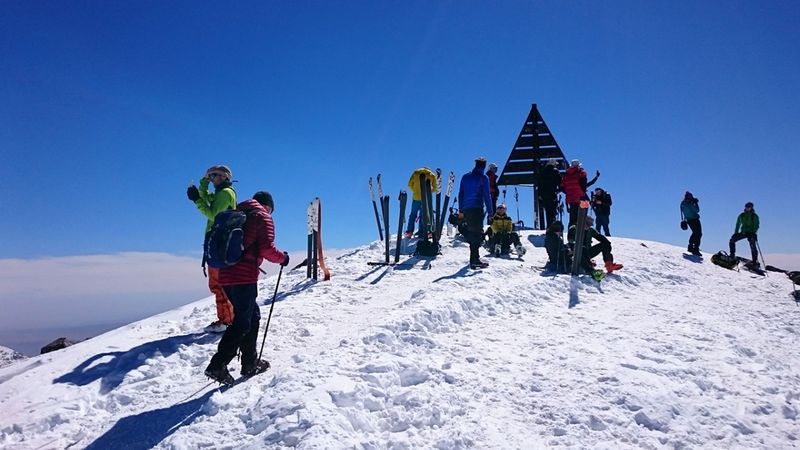
North Africa has a high peak of its own, and it is a classic trekking goal. Mount Toubkal in Morocco’s Atlas Mountains draws hikers who want a big summit without leaving the region.
Morocco’s tourism board promotes multi-day hikes to the summit. It also highlights desert adventures such as camel trekking and sandboarding around Merzouga.
That pairing makes a nice two-part trip, with mountain air in one stretch and dunes in another. Plan your travel days so you are not rushing between them.
Hiring a local guide can help with route finding and logistics. Layers are important, since temperatures change a lot between lower trails and higher ground.
Sturdy boots, sun protection, and plenty of water belong in your pack. Give yourself extra time at the end for exploring nearby villages.
Soča River Rafting, Slovenia
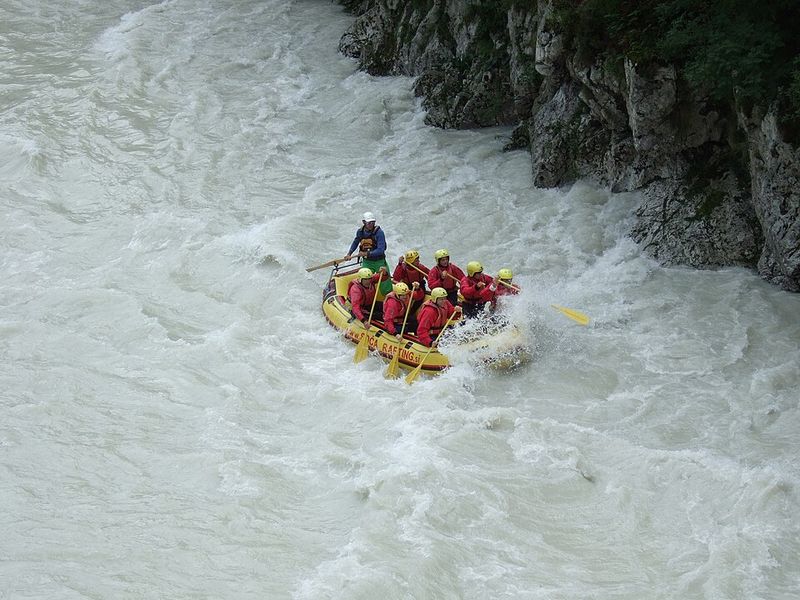
Few rivers are as eye-catching as the Soča, with water in a bright emerald shade. It is a major destination for white-water rafting, kayaking, and canyoning in Slovenia.
The broader Soča Valley adds hiking, cycling, climbing, and paragliding. That gives you plenty to do on days when you are not on the water.
Numerous professional outdoor agencies operate in the region, so you can compare trip lengths and difficulty levels. Beginners can look for guided outings that include gear and instruction.
Bring quick-dry clothes, a swimsuit, and a towel. Water can be chilly, and wetsuits are commonly provided by operators.
Book ahead in busy summer months, and ask about river levels, since they can affect which trips run on a given day.
Bloukrans Bridge Bungy Jump, South Africa
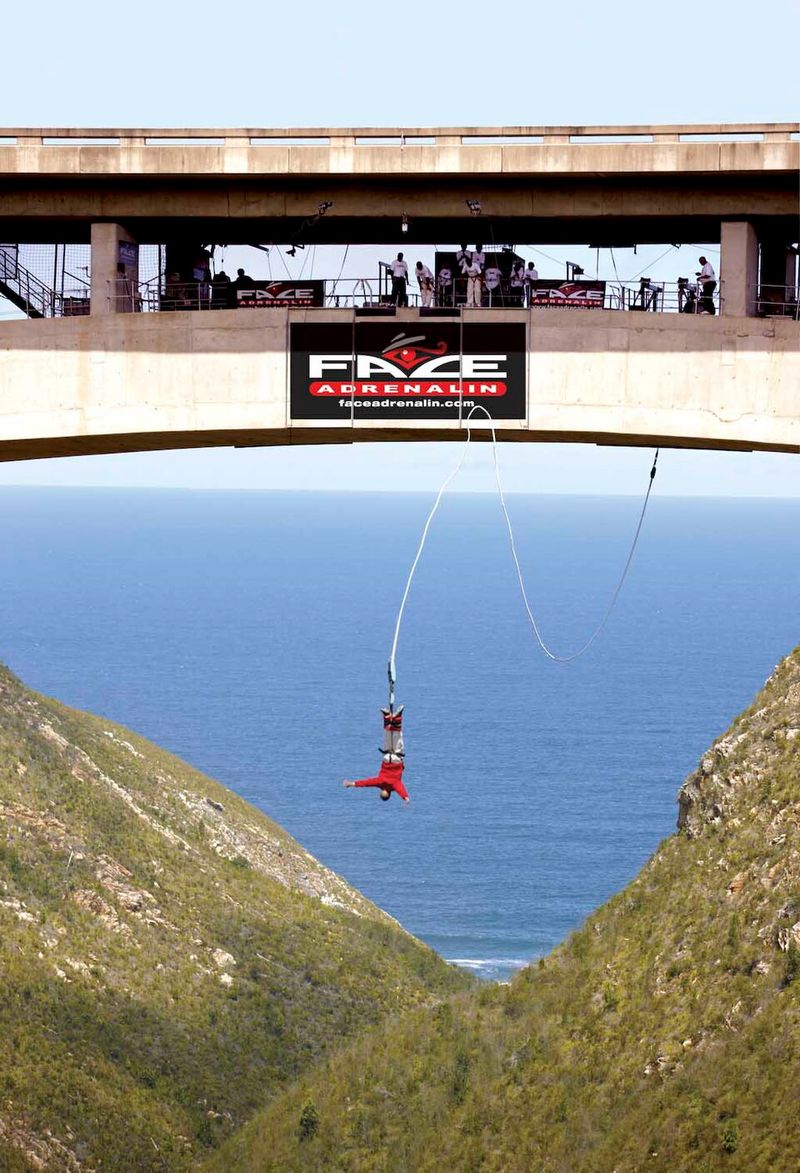
Two hundred sixteen meters is a long way down. Bloukrans Bridge on South Africa’s Garden Route offers a commercial bridge bungy experience at that height.
South African Tourism lists the operation as available year-round, weather permitting. Wind or storms can affect jump days, so check conditions before you go.
The Garden Route has more to offer if you want a full adventure trip. Skydiving, abseiling, and hiking are all listed alongside the bungy.
Consider building a road trip with several stops, so a delayed jump does not wreck your plan. Leave a buffer day if you can.
Wear comfortable clothes and secure shoes. Bring a camera strap or leave valuables behind, since loose items are not a good match for a big drop.
Share this story