Getting the right medical answer can take time, even for people with fame and resources. Many well-known stars have shared that their symptoms were first linked to the wrong cause or that a test result turned out to be incorrect.
Their stories show why second opinions, patience, and speaking up matter. Here are eleven public figures who have talked about their experiences, based on reports from news outlets.
1. Christina Applegate Questions Her Diagnosis
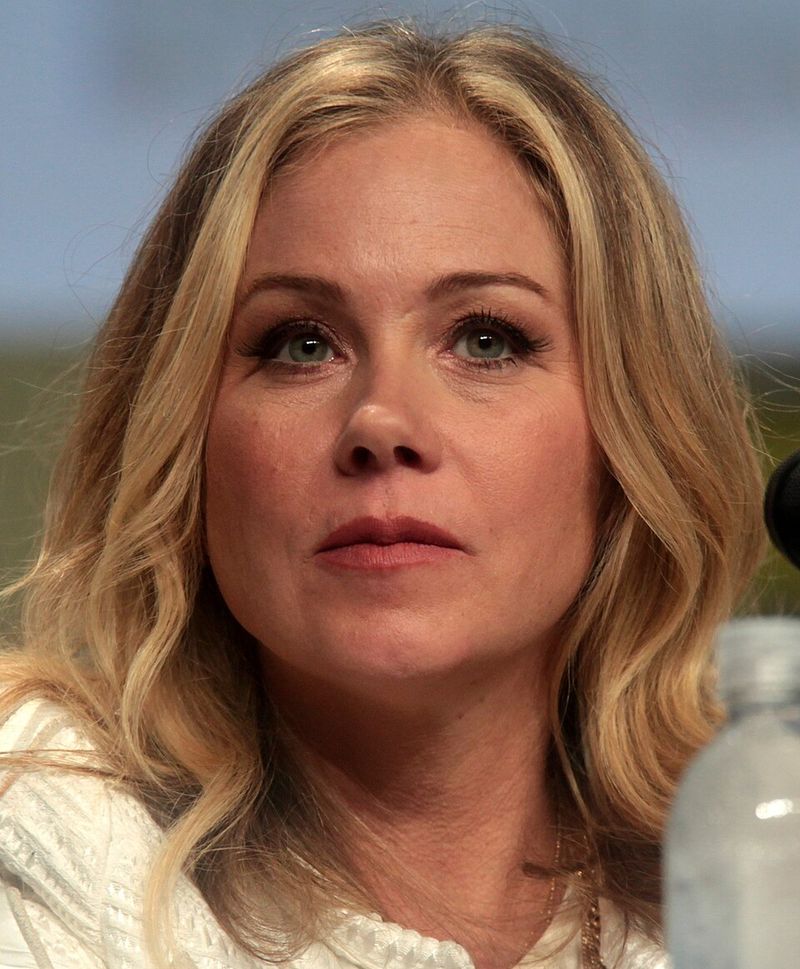
Few updates have surprised fans like this one. Christina Applegate was diagnosed with multiple sclerosis in 2021, and she later shared that the diagnosis had been incorrect, according to CBS News.
That news left her searching for answers about the symptoms she was still living with. It is a reminder that a diagnosis is not always the end of the road, and sometimes the story keeps changing as doctors learn more.
For many people with complex symptoms, the path to clarity involves repeat testing, new specialists, and a lot of patience. Applegate has spoken openly about how hard that uncertainty can feel.
Her honesty gives others permission to ask questions when something does not add up. If symptoms continue after a diagnosis, it is reasonable to talk with a doctor about next steps, request additional testing, or get another expert opinion.
2. Fran Drescher and the Eight Doctors
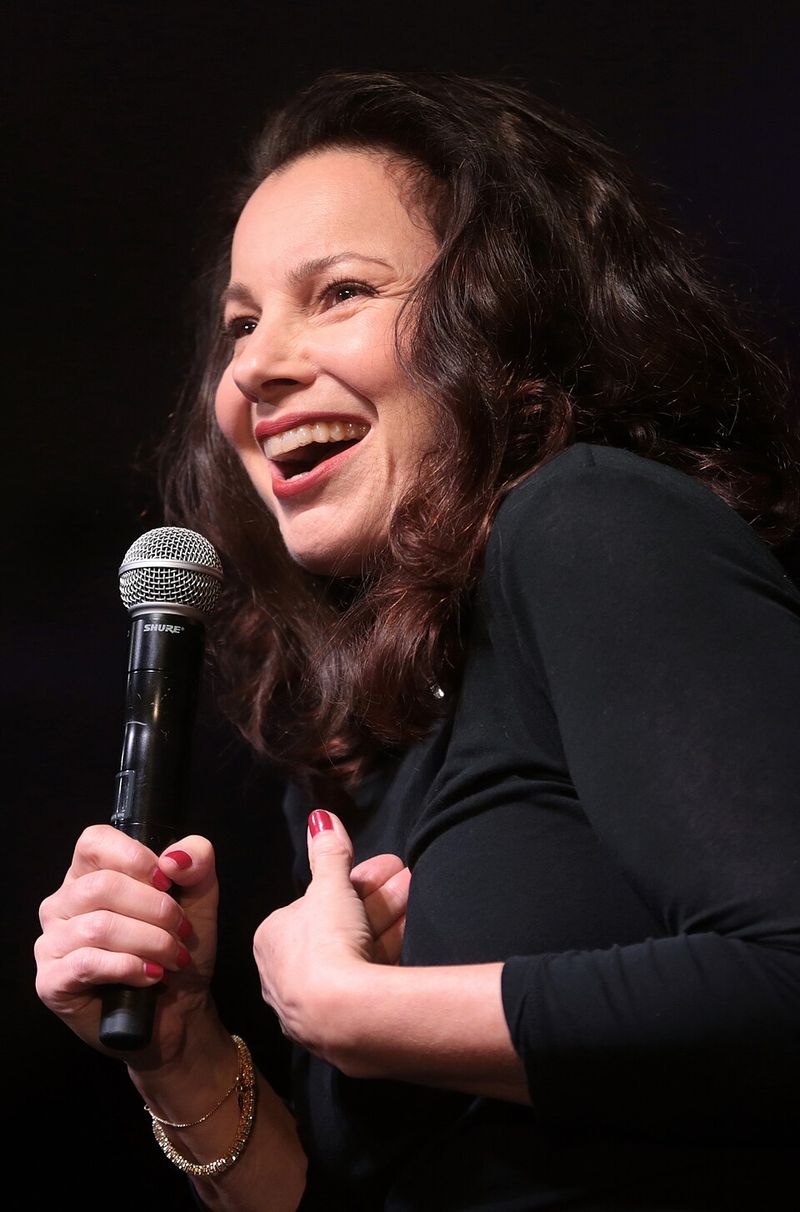
Eight doctors in two years. That is how many Fran Drescher saw before she finally learned the cause of her health troubles, as reported by The Washington Post.
In 2000, she was diagnosed with uterine cancer. Before that moment, she had been seeking answers while her symptoms were not being explained correctly.
Her experience shows how persistence can protect your health. She kept looking for answers instead of accepting an explanation that did not feel right.
Drescher later became a strong voice for women’s health awareness. Her story encourages people to track their symptoms, write down questions before appointments, and keep pushing politely when something seems off.
Early answers can make a major difference in treatment options and peace of mind.
3. Selma Blair’s Long Road to Answers

Years of strange symptoms came before Selma Blair finally had a name for what she was facing. In 2018, she was diagnosed with multiple sclerosis, as covered by The Independent.
She has said her neurological symptoms were repeatedly blamed on other causes along the way. That can be exhausting, especially when the body is clearly sending signals.
Since her diagnosis, Blair has been open about her daily life, her treatment, and her ups and downs. Her openness has helped many people feel less alone.
Her story highlights how some conditions can be tricky to spot early because symptoms may come and go. Keeping a simple health journal can help doctors see patterns that are easy to miss in a single visit.
4. Halle Berry and the Perimenopause Mix-Up

Imagine going in for answers and leaving with the wrong ones. Halle Berry has said doctors first mistook symptoms tied to perimenopause for genital herpes, according to EW.com.
She has used her platform to talk about menopause and the changes many women face. Her story points to a bigger issue, which is that midlife health can be misunderstood even by professionals.
Perimenopause can bring a wide mix of symptoms, and they do not always look the way people expect. That can make it easy to confuse with other conditions.
Berry’s willingness to speak up has helped start more open conversations. Anyone noticing new or unusual changes can benefit from asking a doctor about hormone health and requesting clear explanations for any diagnosis.
5. Selena Gomez and Her Bipolar Disorder Diagnosis

Mental health care often takes a few tries to get right. Selena Gomez has discussed receiving an incorrect diagnosis before she was eventually diagnosed with bipolar disorder, as noted by EW.com.
She has spoken about how finding the right label helped her understand herself and find better support. Knowing what you are dealing with can make treatment more focused.
Gomez has also encouraged fans to take mental health seriously and to treat it with the same care as physical health.
Her story shows that a first answer is not always the final one. If a treatment plan does not seem to fit, it is fine to talk with a professional about reviewing the diagnosis and exploring other options.
6. Susan Boyle’s Childhood Label
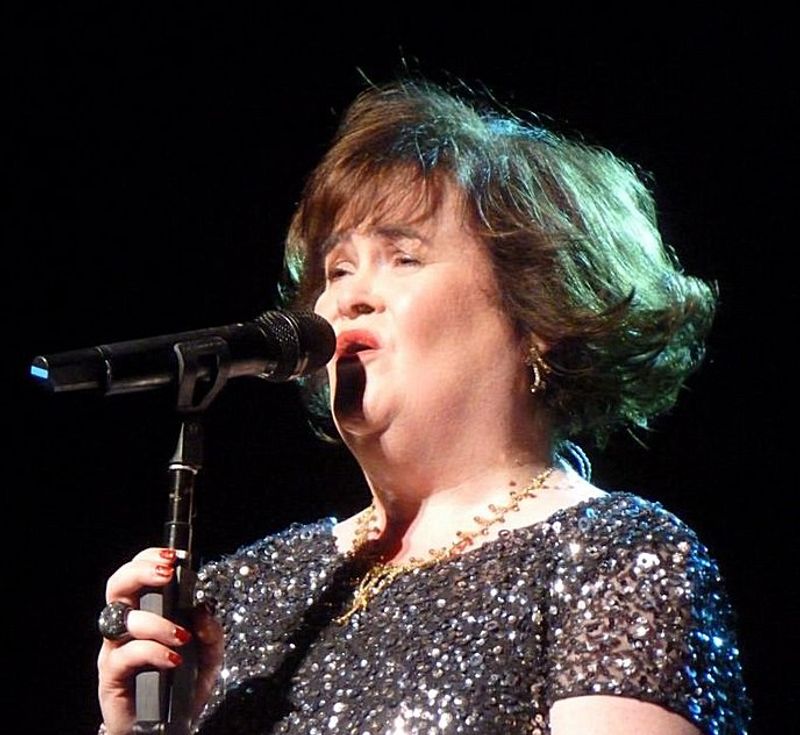
Long before she became a global singing sensation, Susan Boyle was given a label that did not fit. As a child, she was told she had brain damage, according to EW.com.
As an adult, she received a diagnosis of Asperger’s syndrome. She has said that knowing the real explanation brought relief and helped her understand her experiences.
Her story is a good example of how autism-related conditions were often overlooked or misunderstood in the past, especially in earlier decades.
Today, awareness is stronger, but adults are still being diagnosed later in life. For anyone who has always felt different in ways they could not explain, speaking with a qualified specialist can open the door to helpful support and self-understanding.
7. AnnaLynne McCord’s Updated Diagnosis

A first diagnosis can be a starting point rather than a final answer. AnnaLynne McCord was previously diagnosed with bipolar disorder before later being diagnosed with dissociative identity disorder, as reported by EW.com.
She has spoken publicly about her mental health journey and her decision to share it with others. That kind of openness can reduce stigma and help people feel seen.
Dissociative conditions can be complicated and are sometimes confused with other mental health concerns. A careful evaluation by an experienced professional is often key.
Her story shows how care can evolve as a person and a doctor learn more together. If something about a diagnosis feels incomplete, it is reasonable to ask for a deeper assessment or a second opinion.
8. Avril Lavigne and the Lyme Disease Answer

Feeling exhausted is common, which is exactly why serious illness can hide behind it. Avril Lavigne said doctors first pointed to exhaustion or dehydration before she received a Lyme disease diagnosis, according to ABC News.
Lyme disease is spread through tick bites, and its symptoms can resemble many other problems. That makes it tough to identify at times.
Lavigne has spoken about how difficult her recovery was and how much it changed her life. She later helped raise awareness for others facing the illness.
Her experience is a useful reminder to mention any possible tick exposure to a doctor, even if you do not remember a bite. Sharing small details can help point toward the right tests.
9. Kelly Clarkson’s Mixed-Up Test Results
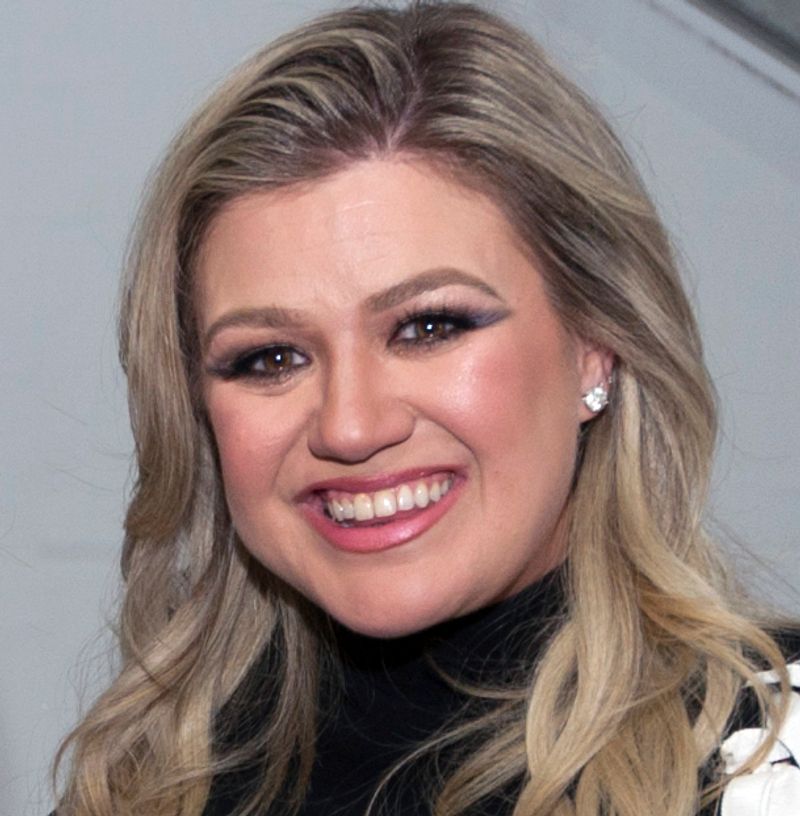
Hearing the word cancer is frightening, which makes a mistake like this especially stressful. Kelly Clarkson was told she had cancer after medical test results were reportedly mixed up with another patient’s, according to EW.com.
The error shows that even in modern medicine, human mistakes can happen. Fortunately, the issue was identified.
Her experience highlights the value of confirming serious results. Asking whether tests were double-checked, or requesting a repeat test, can add reassurance when the stakes are high.
It also helps to confirm that your name and details are correct on lab paperwork. A few simple questions can prevent confusion and give patients more confidence in the information they receive.
10. Sia Clarifies Her Bipolar II Diagnosis
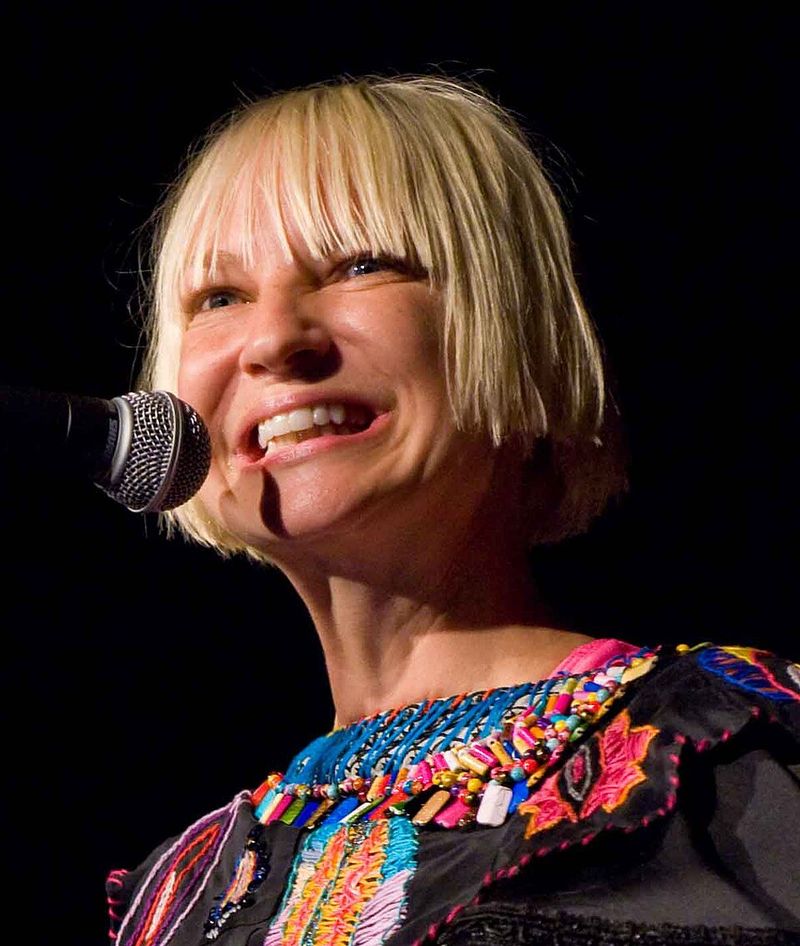
Sometimes the correction comes years after the original label. Sia publicly explained that an earlier bipolar II diagnosis had been incorrect, as reported by EW.com.
She has been candid about her struggles with mental health and addiction, and her honesty has resonated with many fans.
Her story shows how mental health conditions can overlap, making accurate diagnosis a careful process. Symptoms such as mood changes or trouble with focus may have more than one explanation.
A thorough evaluation usually includes a detailed history and time to observe patterns. If a diagnosis does not seem to match your experience, sharing that with your provider can help guide a more accurate and useful treatment plan.
11. Gabriella Wilde’s Cancer Scare

Relief can arrive just as suddenly as fear. Actress Gabriella Wilde was told she had cancer, only to learn later that the diagnosis was wrong.
Moments like this can be emotionally heavy, even when the outcome turns out to be good news. Many people feel a mix of relief, confusion, and frustration.
Her story supports a simple lesson about serious diagnoses. Confirming results with additional testing or a second medical opinion can help make sure the information is accurate before major decisions are made.
It also helps to lean on trusted friends and family during stressful waiting periods. Having someone attend appointments, take notes, and ask questions can make a hard situation easier to manage.
Share this story