More than 33,000 Confederate and political prisoners passed through Fort Delaware during the Civil War. Today, visitors can take a ferry from Delaware City to explore the island fortress where they were held.
The fort dates to 1859 and still has its original defensive features, including massive walls, a moat, and cannon positions overlooking the Delaware River. Costumed interpreters recreate life in 1864, with historical demonstrations that can include cannon firing and blacksmithing.
The experience begins before you even reach the fort. A ferry takes visitors to Pea Patch Island, where reconstructed prisoner barracks, Civil War exhibits, and an important bird nesting area reveal different sides of the island’s history.
An Island Fortress Just Off Delaware City
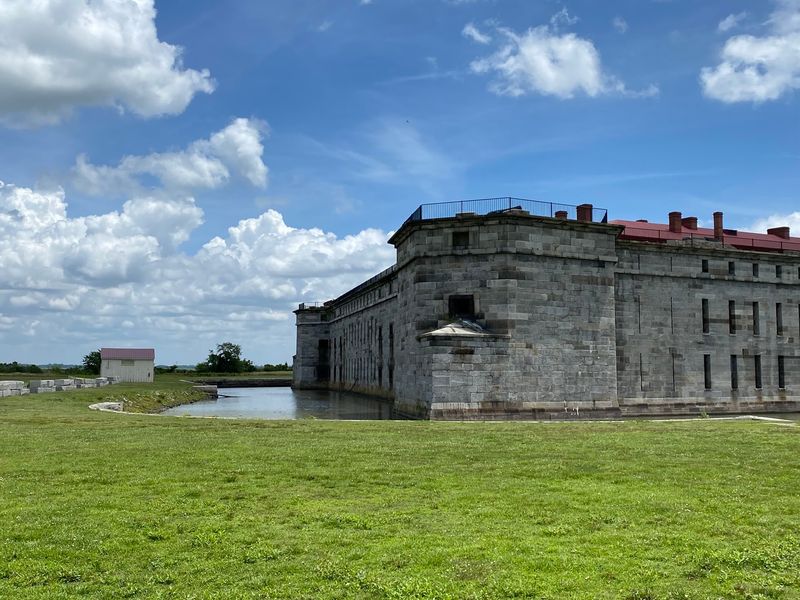
Fort Delaware State Park is one of those places that sounds made up until you see it. The fort stands on Pea Patch Island in the Delaware River, a short boat ride from the small waterfront town of Delaware City, Delaware.
Your trip begins on the mainland at 55 Clinton St, Delaware City, DE 19706. Parking for ferry passengers sits nearby along Clinton Street, and the ticket office is close to the dock.
From there, a ferry carries you across the water to the island.
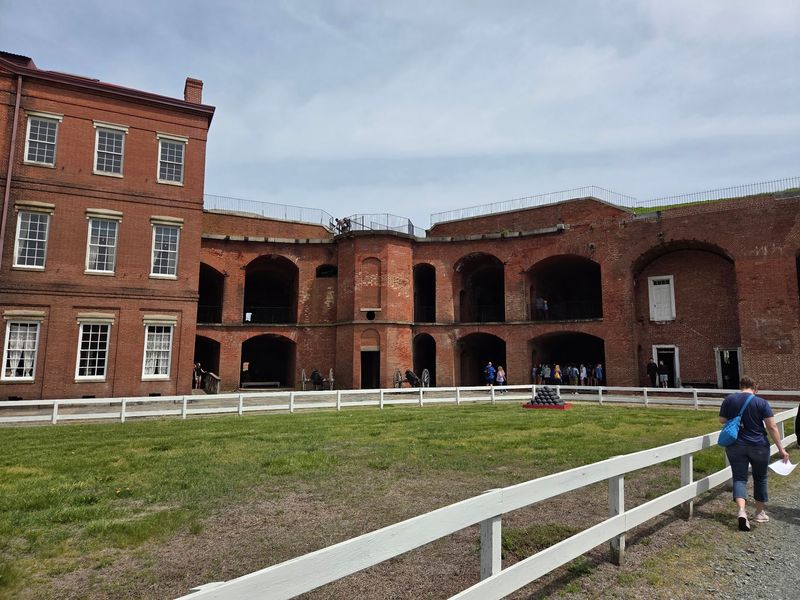
The fort itself is a massive five-sided structure built of granite and brick. It was finished in 1859, just before the Civil War began.
Thick walls and a wide moat wrap around it, so it looks ready for a battle that never came to its shores.
Instead, the fort became famous for a different reason. It turned into one of the largest prison camps of the war, holding Confederate soldiers and political prisoners.
I find that twist fascinating. A fort built to keep enemies out ended up keeping thousands of people in.
That story shapes almost everything you can see on the island today.
The Ferry Ride Is Part of the Adventure
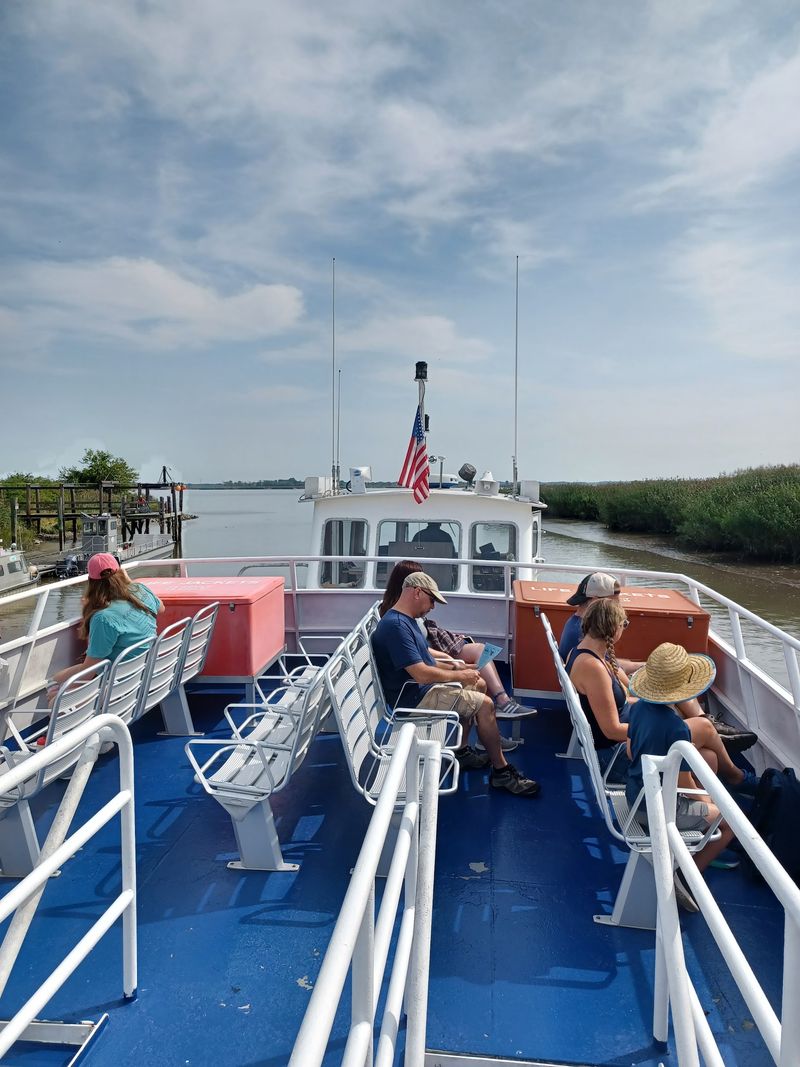
No bridge reaches Pea Patch Island. That simple fact makes the ferry ride the first real highlight of a visit to Fort Delaware.
The crossing is short, usually around ten minutes. It still gives you a fresh look at the river, the Delaware City waterfront, and the marshy island ahead.
Young kids tend to treat it like a bonus ride.
Here is a practical tip worth remembering. Your park admission is tied to the ferry ticket, so you need one to see the fort at all.
Buying tickets online ahead of time is smart, especially on busy weekends.
Plan to arrive about fifteen minutes before your departure. Make sure you know where the ferry leaves from, since some first-time visitors get confused by the directions.
The dock is right in Delaware City, near the ticket office and a little row of shops.
Once you land on the island, you walk along a pier. At the end, a tram waits to carry you up to the fort.
I like how the whole journey slowly builds the mood, so you feel the distance between modern life and the 1860s before you even reach the gate.
Thousands of Prisoners Once Lived Here
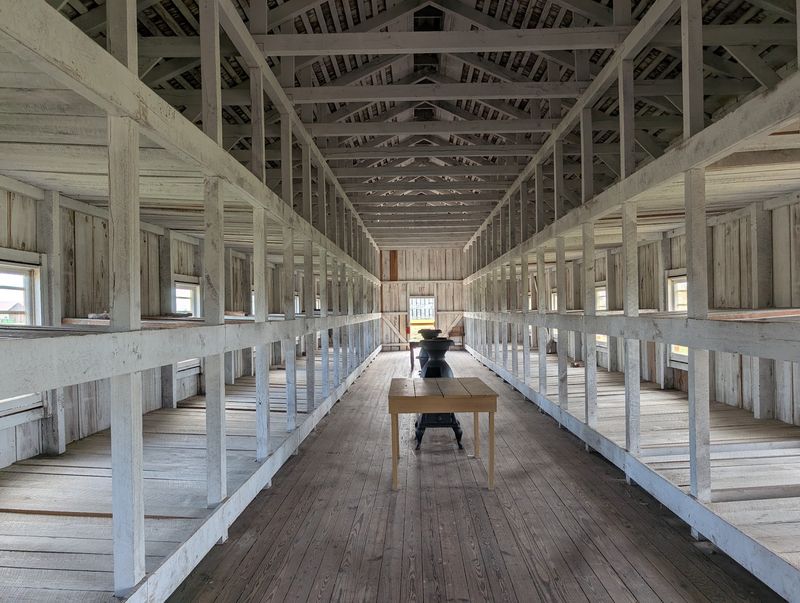
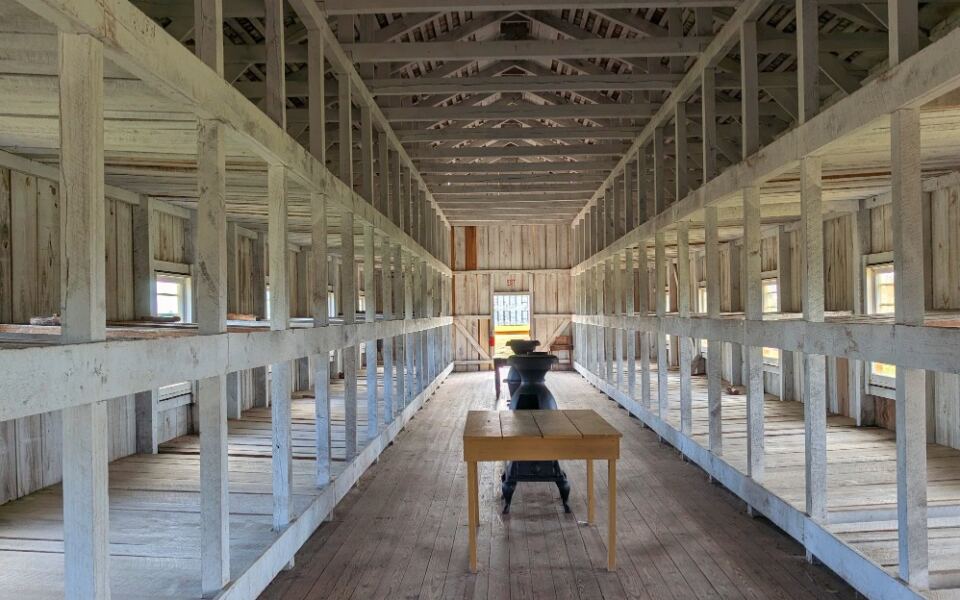
By the summer of 1863, the island held more than 12,000 prisoners. Many arrived after the Battle of Gettysburg, and the population kept shifting until the war ended.
Most Confederate enlisted men did not stay inside the fort. They lived in long wooden barracks built across the island.
Officers often stayed in separate quarters, and some important prisoners were kept inside the fort walls.
Life on the island was hard. The ground was low and damp, and the river air could be cold in winter.
Disease spread easily in crowded spaces, and food was plain and limited.
Not every prisoner was a soldier. Some were civilians held for their political views, which shows how complicated the war was for families on both sides.
Exhibits at the park help explain these stories with care. You can learn about daily routines, escape attempts across the river, and how prisoners passed the time.
Some carved small items or traded with each other.
I appreciate that the park treats this chapter honestly. It helps visitors understand that history is about real people, not just dates in a textbook.
Meet the Neighbors From 1864
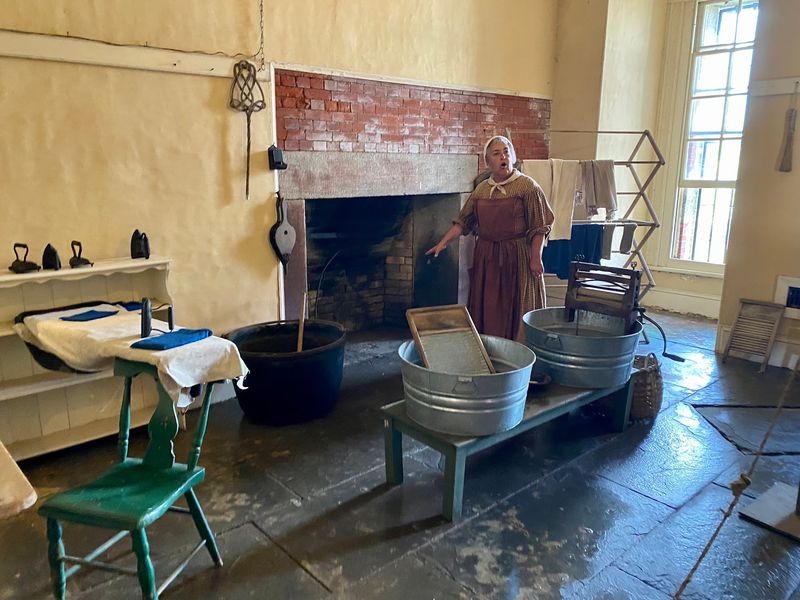
Ask a soldier at Fort Delaware about your phone, and you might get a puzzled look. The costumed interpreters here stay in character as people living at the fort in 1864.
That approach makes the visit feel like a conversation. You can chat with a guard, a laundress, or an officer’s family member.
They answer questions as if the war is still happening outside the walls.
Many visitors leave talking about the humor. The interpreters know their history well, and they mix facts with friendly jokes that keep kids listening.
Wandering is encouraged. You can move through the fort at your own pace and stop wherever a scene catches your interest.
One room might show a kitchen at work, while another explains how soldiers kept order.
Free guided tours are also offered, and they are a great way to get your bearings. The guides point out details you might walk right past.
I’d start with a tour, then go back and explore the corners that sparked the most questions. The more you ask, the more these characters open up.
Cannon Fire and Musket Drills
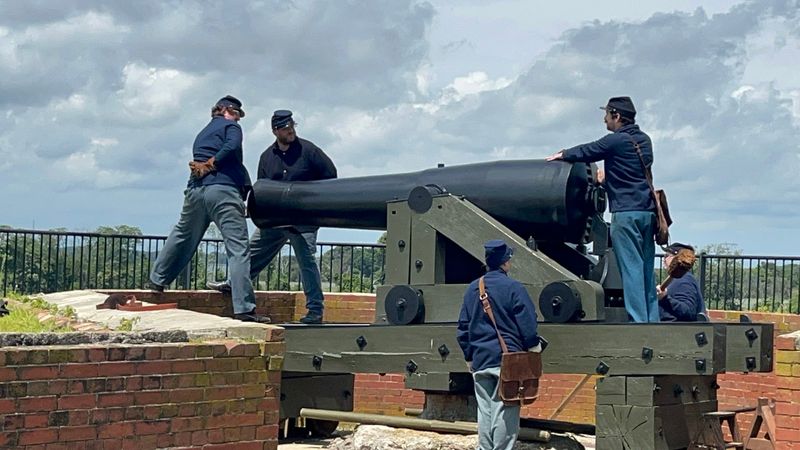
Cover your ears for this one. Cannon firing demonstrations ranks among the moments families remember most at Fort Delaware.
Soldiers in period uniforms walk through each step of loading and firing. They explain why every movement mattered and how crews worked as a team.
Then comes the boom, followed by a cloud of smoke drifting toward the river.
Musket and rifle drills are another popular demonstration. Interpreters show how soldiers marched, loaded, and followed commands.
They often add funny commentary, which keeps the lesson lively.
Schedules change by day and season, so check the daily program when you arrive. Planning your walk around demonstration times helps you catch the big moments.
Younger kids may jump at the first blast. Older kids usually want to see it again.
I like how these demos turn something heavy into something people can understand. Seeing how slow and careful loading was makes you think about soldiers in the 1860s in a new way.
It also shows why a fort with so many cannons seemed powerful when it was built.
Bats Have Their Own Wing

Some residents of Fort Delaware never leave, and they sleep upside down. The fort is home to a large colony of bats, and part of the building is set aside for them.
The park offers bat tours that explain how these animals use the old fort. Its dark brick rooms create a safe place for them to rest during the day.
Guides share how bats help control insects around the river.
Bats get a bad reputation in stories and movies. These tours help clear that up with real facts about their habits and why they matter.
Availability depends on the season and the park schedule. If this tour interests you, check ahead before your trip.
The bat area is also why some sections of the fort are closed to regular wandering. Protecting the colony is part of the park’s job.
I think it is a clever mix of history and nature. A building made for soldiers now shelters wildlife.
That idea carries right out the front gate, because the rest of Pea Patch Island has plenty of animals too.
Birds, Turtles, and a Marshy Island
Keep an eye on the moat. Visitors have spotted snapping turtles paddling around the water that circles the fort walls.
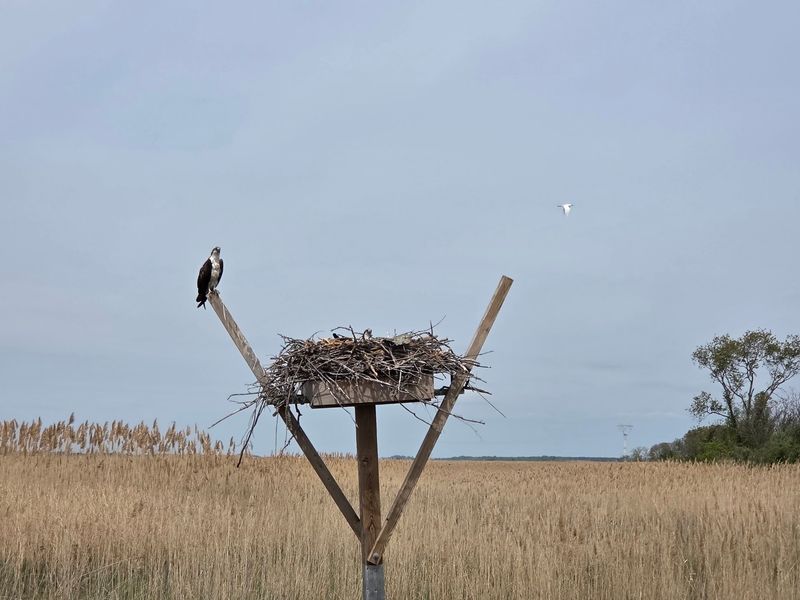
Pea Patch Island is more than a stone fort. Much of it is marsh and woods, and it is known as a nesting area for wading birds.
Herons, egrets, and ibis use the island, which makes it a favorite spot for bird lovers.
The walk along the pier gives you a good look at the river and shoreline. Bring binoculars if you have them.
Nature also has a less pleasant side here. Flies, mosquitoes, and wasps can be busy in warm months.
Packing bug spray is a smart move.
Wear closed-toe shoes too. The park asks for them, and the island includes uneven ground, old stone, and lots of walking.
I like how the wild setting shapes the mood. The quiet marsh makes it easy to understand how isolated prisoners must have felt.
Water in every direction meant escape was risky, which tells you a lot about why this island was chosen for the camp.
Climb Up for River Views

Stairs inside the fort lead to the top of the walls. Up there, the Delaware River spreads out in every direction, and the view helps explain why this spot mattered.
The fort was built to guard the river route toward Philadelphia and Wilmington. From the walls, you can see how ships would have passed within range.
Cannons still sit along the top, giving you a sense of how the defense worked.
It is a good place to pause after exploring the busy courtyard. The breeze is often welcome on a warm day.
Inside, look closely at the stonework and the arched rooms. The fort’s design was common for American coastal forts of that era.
Thick walls and careful angles were meant to protect soldiers and cannons.
You will also find exhibits and a small gift shop inside. The shop is handy for history books or a small reminder of your trip.
I’d save time for the view. Standing on those walls, you can picture the soldiers who once watched the river, waiting for a fight that never reached them.
Special Events Bring the Past Closer

Certain weekends at Fort Delaware feel even more crowded with history. The park hosts special events throughout the year, and some focus closely on the prison camp story.
During prisoner-themed weekends, extra reenactors join the regular staff. They portray both guards and prisoners, which helps visitors see how life inside the camp might have looked.
Music programs have also been part of the experience. Performers share songs from the 1800s and explain where they came from.
Music gave people comfort during hard times, and hearing it brings the era to life.
The park has also offered evening programs and mystery-style events. These often require separate tickets, so plan ahead.
Event lineups change each year. Check the official state parks calendar before you go so you know what is happening on your date.
I like returning to a place like this for different events. A regular summer day feels quite different from a themed weekend.
Each one shows another side of the island, and that variety keeps the history from feeling stale, even for people who have visited before.
Smart Tips Before You Go
Pack a lunch, and plan to carry your trash back with you. Picnic tables sit outside the fort, but the island asks visitors to take out what they bring in.
Plan on at least two hours on the island, and longer if you want to catch several demonstrations. Many families make it a full day.
Ferries run on a regular schedule, so check return times when you arrive.
Comfortable walking shoes are a must. Closed-toe shoes are required, and you will walk a lot on old surfaces.
Pets are not allowed on the island. Leave furry friends at home for this trip.
Fort Delaware operates seasonally, generally from spring into fall. Always check the official park site for current days and times before driving over.
Back in Delaware City, the small row of shops near the dock includes an ice cream stop. It makes a nice way to end the afternoon.
Families with middle schoolers often find this trip a winner. Kids who usually shrug at museums tend to come home talking about cannons, bats, and soldiers who never broke character.
Share this story