Big cities get the headlines, but small towns often steal the whole trip. Think fjord views from your window, lanes older than your country, and coffee with a mountain on the side.
These 20 towns span five continents and offer a slower, friendlier way to travel. Pick a few for 2027 and give your camera some room to breathe.
Reine, Norway
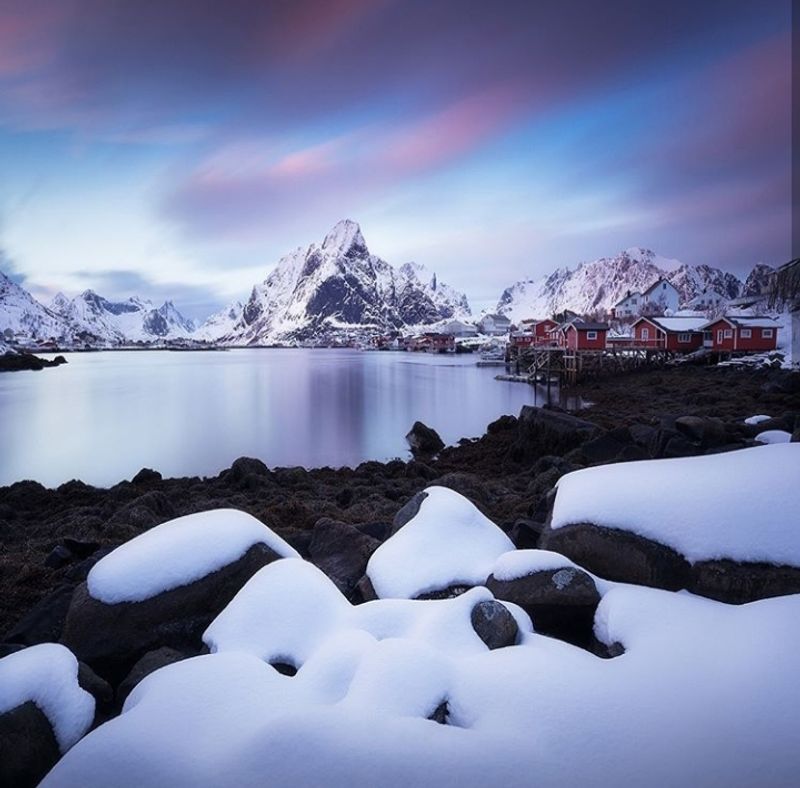
Red cabins, black water, and granite peaks that look sharpened by a giant pencil: Reine does not hide its good looks. Only about 300 people live here, yet the scenery feels huge.
Bridges and winding roads link small islands between Vestfjord and Reinefjord.
The old rorbuer cabins recall the region’s fishing past. Stockfish is still made here, so racks of drying cod are a real working sight, not a show for tourists.
You may catch the scent before you spot the fish.
Summer brings daylight that lasts almost around the clock. Winter swaps that for Arctic darkness, snowy peaks, and a chance to see the northern lights.
Both seasons have their own charm, so choose by mood.
Reine has grown popular in recent years. For 2027, try spring or autumn, when crowds thin out and prices ease.
Book a cabin early, walk quietly, and remember that real families live and work here.
Albarracín, Spain
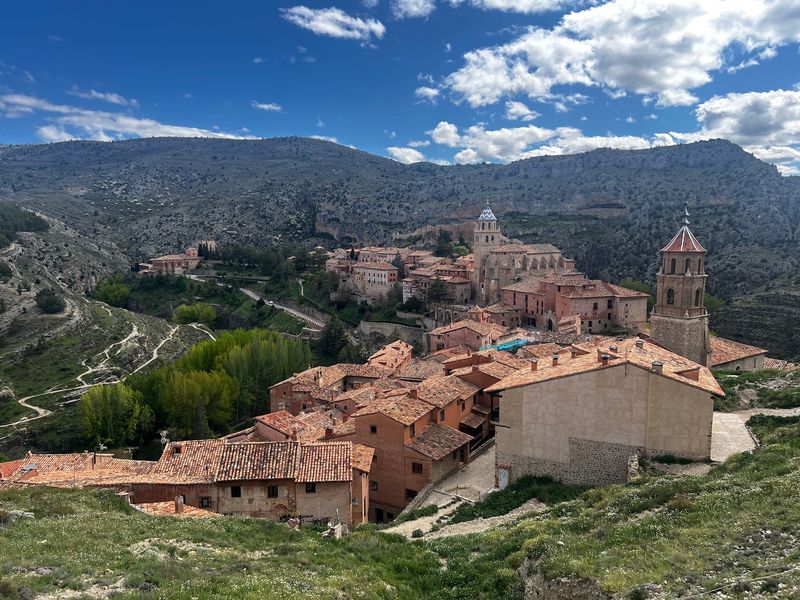
Rosy walls, tilted balconies, and a wall that wiggles along the ridge like a sleepy dragon: that is Albarracín. The town sits on a steep hill above the Guadalaviar River.
It keeps the feel of both Islamic and medieval Spain.
The defenses were built in stages. The oldest parts include the 10th-century Andador Tower, followed by walls from Taifa rulers and later Christian builders.
Inside, narrow lanes twist past small squares and the 16th-century Cathedral of El Salvador.
The story goes well beyond the town gates. A cultural park nearby holds prehistoric rock art and Roman remains.
One Roman aqueduct once stretched about 25 kilometers toward Cella.
Wear good shoes, because every street seems to go uphill. Walk the walls at sunset, when the stone glows warm.
Stay overnight to enjoy the lanes after the day trippers head home.
Barichara, Colombia
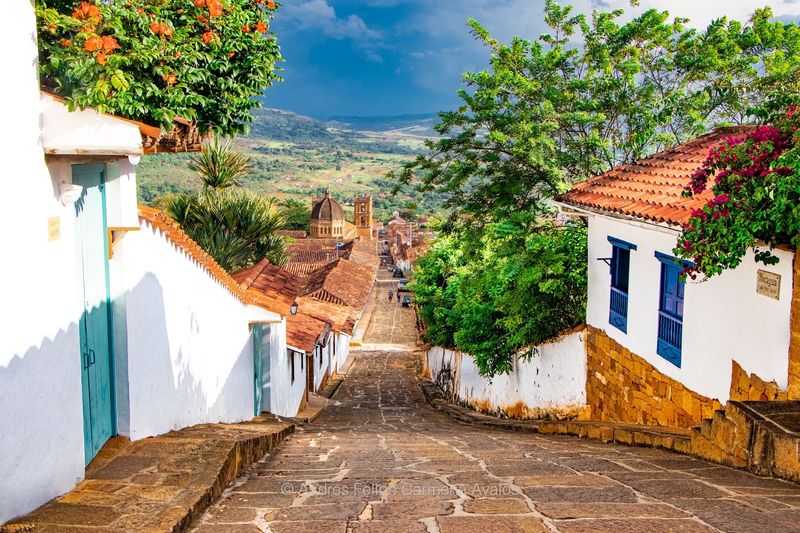
“Prettiest town in Colombia” is a bold claim, but Barichara makes a strong case. Cobbled streets, whitewashed walls, and red roofs sit against a backdrop of green mountains.
The Spanish colonial style is preserved so well that the whole town feels like one big heritage site.
Still, it is no museum. Barichara stays tied to the rural life of Santander, so you will see locals chatting in doorways and neighbors heading to the market.
For a good adventure, take the historic stone trail that leads from town across the hills toward smaller villages. The path mixes views with local history.
Bring water and a hat, since the sun can be strong.
Colombia’s tourism authority lists Barichara among its designated heritage towns, praising its architecture and mountain setting. Do not rush through in a few hours.
Spend a night, and the town reveals a calmer side at dusk.
Takayama, Japan
Here is a fun idea: shop for breakfast at a morning market, then sip sake before lunch. Takayama makes that plan easy.
The town sits among the Japanese Alps and offers a slower pace than Tokyo, Osaka, or Kyoto.
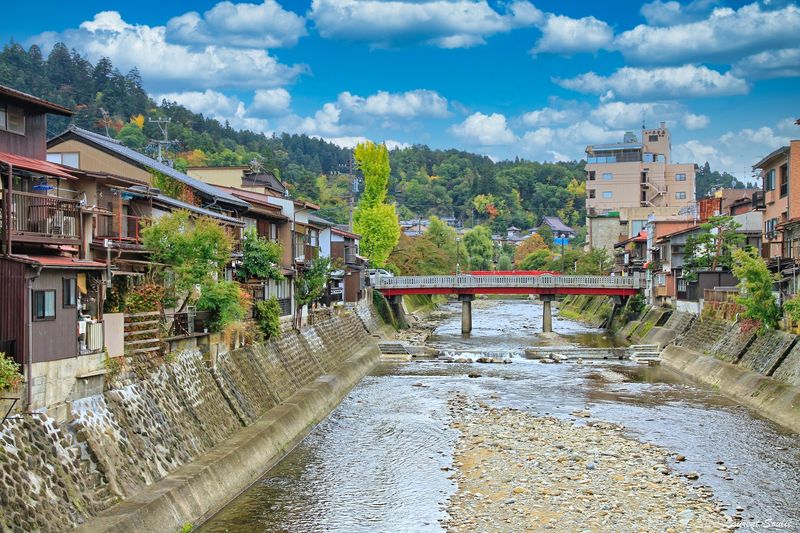
Dark timber houses line old merchant streets, and they still hold craft shops, food stalls, and sake breweries. The mood is very Edo period.
Two morning markets set up beside the Miyagawa River and Takayama Jinya.
Nearby, Hida Folk Village shows more than 30 traditional buildings from the mountain region. Wander through them to see how people once lived in snowy country.
Spring and autumn bring grand festivals with ornate floats. If your dates fit, you will see the town at its liveliest.
The center is compact, so comfy shoes are all the transport you need.
Monsaraz, Portugal
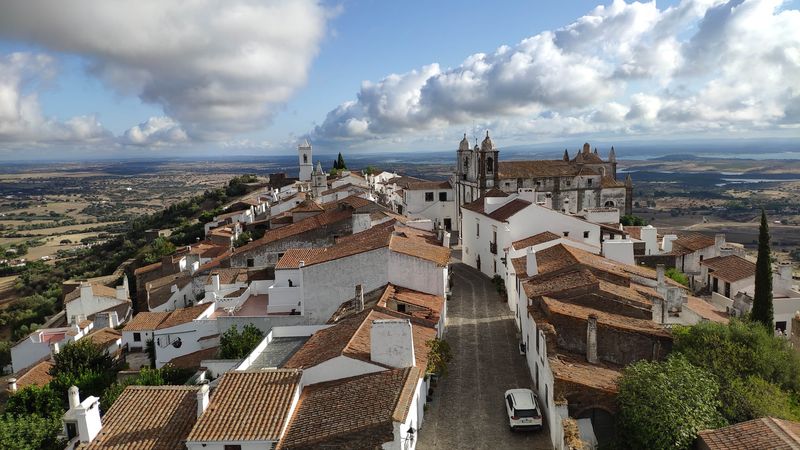
Stand on the walls of Monsaraz and the whole Alentejo seems to roll out below you. Plains, vineyards, olive groves, and the shining Alqueva lake stretch toward the horizon.
The village is small, but the view is enormous.
White houses and schist-paved streets have kept their compact pattern for centuries. A 12th-century castle guards one end of town.
Inside the walls you will find the old Jewish quarter, the parish church, and former civic buildings.
The real treat is the quiet. Compared with Lisbon or Porto, this region feels wonderfully empty.
Locals say the evening is the best time, once day visitors leave.
Book a room inside the walls if you can. Sip regional wine as the sky turns pink, then look up later for a star show.
Few places make doing nothing feel so rewarding.
Arrowtown, New Zealand
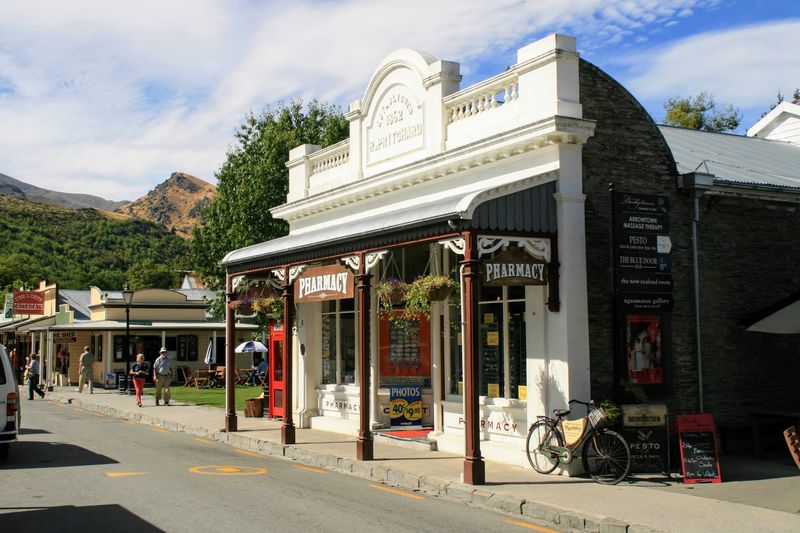
In 1862, gold fever hit the Arrow River, and a town sprang up almost overnight. More than 60 cottages, churches, shops, and early buildings still stand today.
Arrowtown sits only about 20 minutes from Queenstown, yet the mood is far calmer.
Tree-lined streets and historic buildings give it a storybook look. Restored sites tied to Chinese miners, who arrived from 1868, tell an important part of the gold-rush story.
Step inside the tiny huts and imagine the hard work.
Today the town mixes heritage with cafés, restaurants, wineries, and cycling trails. Southern Alps scenery is never far away, so a walk by the river rewards you quickly.
Come in autumn if you can. Introduced trees turn brilliant yellow and red along the water and hills, and the whole valley seems to blaze.
Pack a camera with plenty of space.
Chefchaouen, Morocco
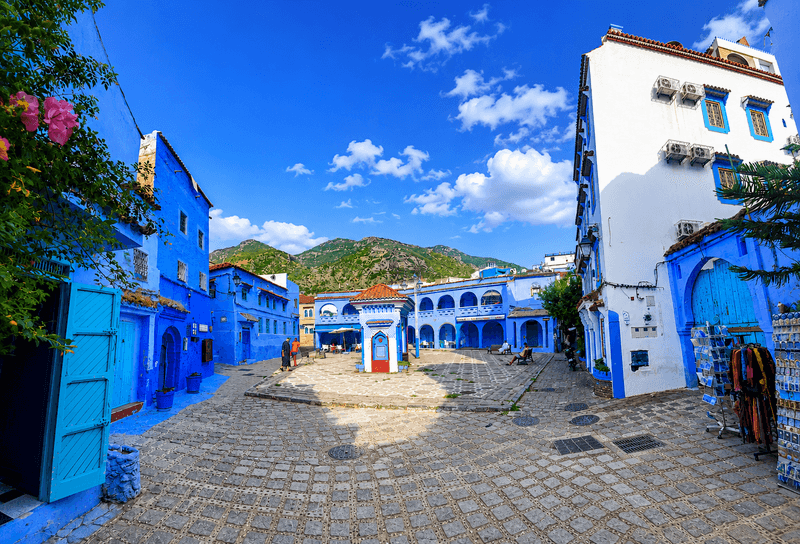
“Where is the blue paint bucket?” is a question every first-time visitor asks. Chefchaouen is famous for its blue streets, but the Rif Mountain setting adds real depth.
The medina climbs the hillside through narrow stairways and winding alleys in many shades of blue.
At the center, the kasbah holds gardens, historical displays, textiles, photographs, and old weapons. Climb its tower for a view across the rooftops.
Crafts are alive here. Look for woodworking, weaving, and leatherwork in small workshops.
Morocco’s national tourism office points to this mix of mountains, architecture, and handicrafts as what makes the town special.
Plan your photos for early morning or evening. The lanes grow quiet, and the blue walls shift tone as the light changes.
Sip mint tea on a terrace and let the day move slowly.
Piran, Slovenia
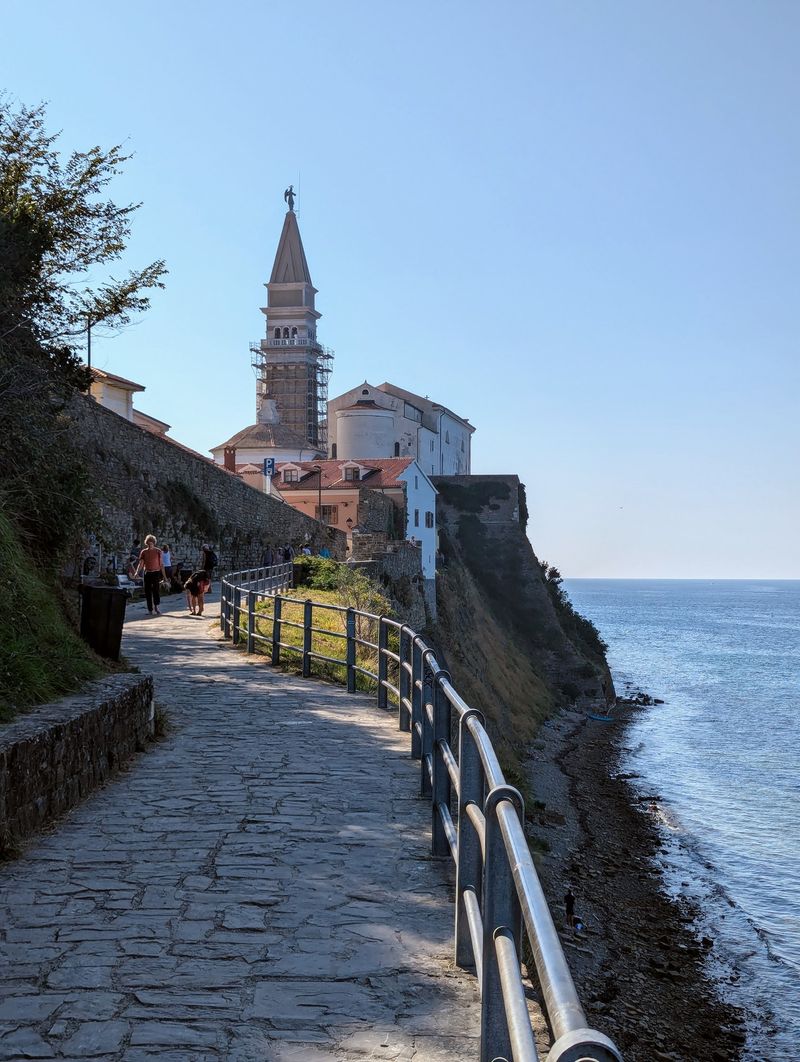
Slovenia has just over 40 kilometers of coastline, and Piran uses every bit of it well. This little peninsula packs in Venetian-style buildings, medieval lanes, Adriatic water, and centuries of salt-making history.
Start at Tartini Square, then wander uphill past closely built houses toward St. George’s Church. From its high viewpoints you can see rooftops, boats, and the shining sea.
Parts of the medieval walls still stand above town.
Nearby, the Sečovlje salt pans keep an old tradition alive. Workers still harvest salt using methods developed over centuries.
Buy a small bag as a salty souvenir.
Slovenia’s tourism authority calls Piran one of its most authentic and photogenic coastal towns. The best part is the scale.
You can see nearly everything on foot, then finish with fresh seafood by the water.
Hallstatt, Austria
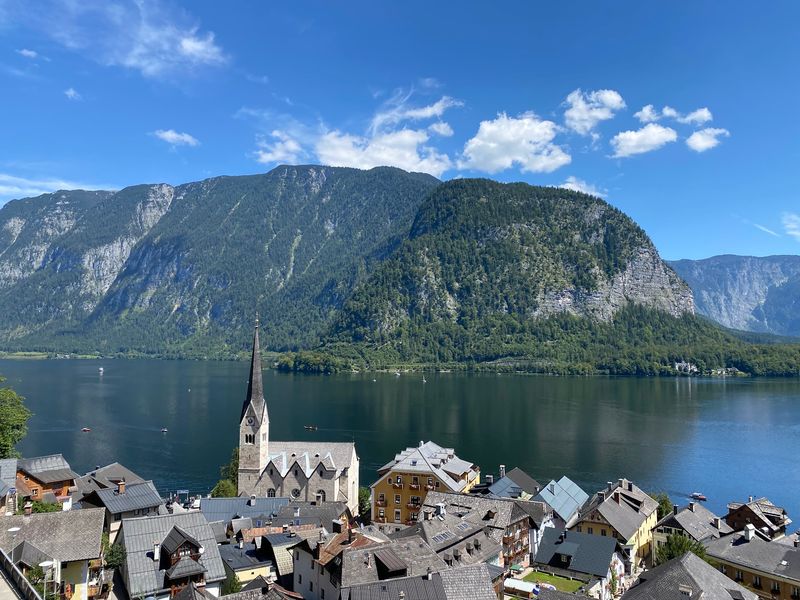
Hallstatt squeezes itself onto a thin strip of land between a lake and a wall of mountains. It is part of a UNESCO-listed cultural landscape.
The area is linked to some of the oldest documented salt mining in the world.
Timber houses crowd the shore beneath the church tower. Boats, trails, and high viewpoints each show the village from a new angle.
Here is the catch: Hallstatt is extremely popular. If you want it on your 2027 list, stay overnight or visit outside the busy daytime hours.
Early morning and evening feel like a different place.
Do not stop at the famous viewpoint. Nearby Bad Ischl, St. Wolfgang, mountain lakes, and other Salzkammergut villages deserve time too.
Rent a bike or hop on a boat, and the whole region opens up.
Gjógv, Faroe Islands
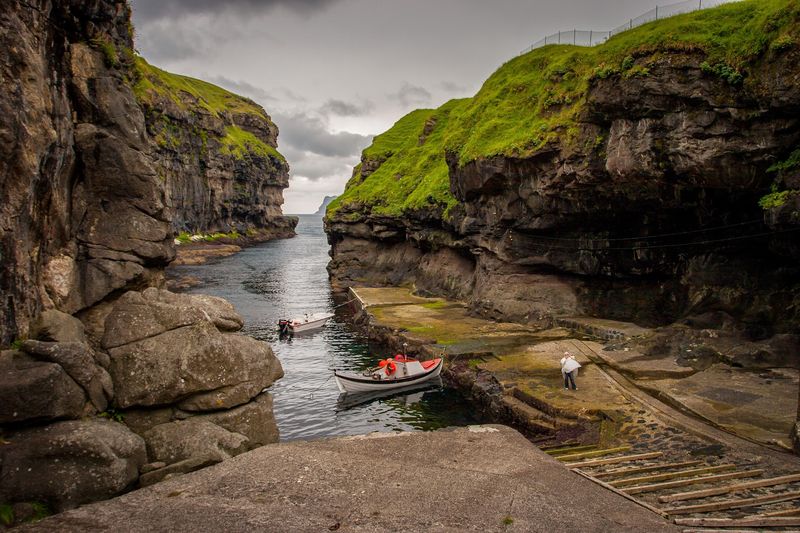
Fewer than 50 people live in Gjógv, and the sea gorge probably outnumbers them in personality. The village is named for that 200-meter-long, water-filled gorge, which forms a natural harbor on the northern coast of Eysturoy.
Timber houses and turf-roofed cottages sit tucked below mountains on several sides. Trails climb quickly above town, and soon you are looking out over the wide North Atlantic.
Facilities are simple. There is a guesthouse, a teashop, and a campsite, and little else to distract you.
That is exactly the point.
Gjógv sits roughly an hour from Tórshavn, so it works as a day trip or a quiet overnight. Pack a windproof jacket, because the weather changes fast.
Come here for silence, sea air, and the pleasure of a very small place.
Seyðisfjörður, Iceland
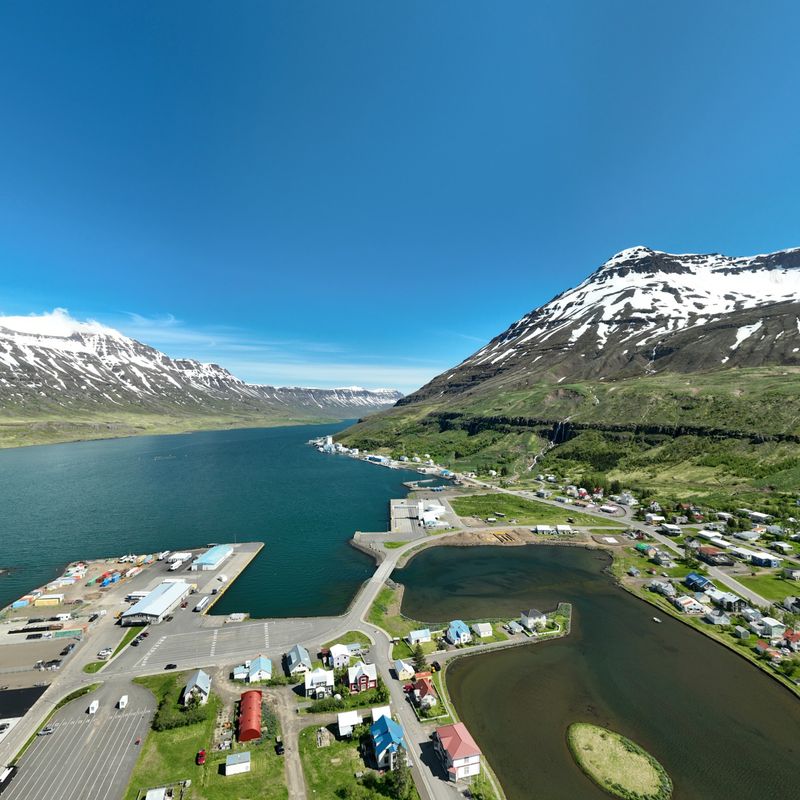
The road into Seyðisfjörður drops through the mountains like a dramatic movie scene, and then the fjord appears below. The town sits at the end of a long East Iceland fjord, ringed by steep peaks and waterfalls.
Colorful 19th-century timber buildings give it a look unlike Iceland’s larger settlements. Artists and musicians have settled here, so galleries and cultural events pop up often.
There is plenty to do. Hike to waterfalls, stroll the coast, or pop into a gallery when the rain arrives.
Give yourself at least a night, because this is a place to stay, not just pass through.
East Iceland is far quieter than the busy southwest. That makes Seyðisfjörður a lovely choice for a slower 2027 road trip.
Pack layers, fill the tank, and take your time on the mountain road.
Taxco, Mexico
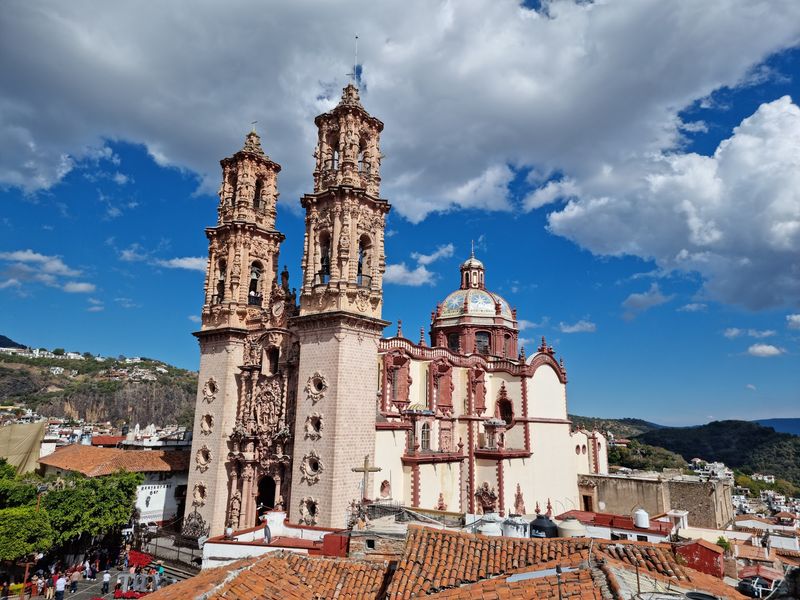
Silver shines everywhere in Taxco, from shop windows to the steep streets themselves. The town climbs the mountains of Guerrero, its white houses and red roofs gathered around the elaborate towers of Santa Prisca Church.
Mexico’s tourism authority names it the oldest mining town in the Americas. Silver is still central to its identity, and workshops and markets fill the historic lanes.
Ask a maker how a piece is crafted, and you may get a free lesson.
Beyond shopping, there is a lot to see. Nearby attractions include the Cacahuamilpa caves, Atzala’s blue pools, museums, old mines, and panoramic viewpoints.
Taxco has held Mexico’s Pueblo Mágico title since 2002. Wear shoes with strong grip, since the streets are steep and the stones can be slick.
Save room for local food after a long day of climbing.
Porvoo, Finland
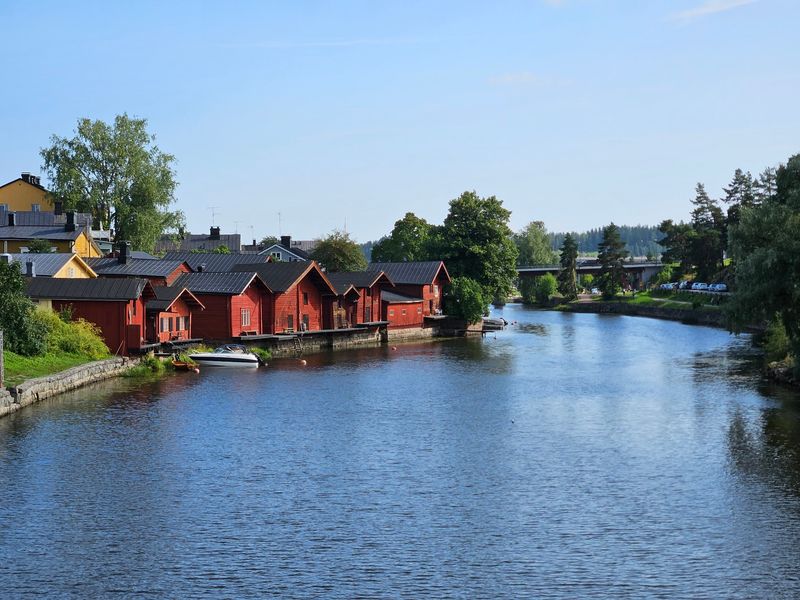
Less than an hour from Helsinki, Porvoo feels like a different country. Finland’s second-oldest town is best known for its row of red-ochre warehouses along the river, a scene that appears on many Finnish postcards.
From the water, the Old Town climbs toward Porvoo Cathedral. Cobbled lanes and wooden houses now hold boutiques, galleries, cafés, and restaurants.
Pop in for a pastry and a browse.
Despite the old-world charm, Porvoo is a working regional town. People live, shop, and run businesses here, so the atmosphere feels real and relaxed.
The archipelago and countryside nearby add more to explore. Because it is so close to the capital, Porvoo fits easily into a larger Finland trip.
You get small-town charm without losing a day to travel.
Nafplio, Greece
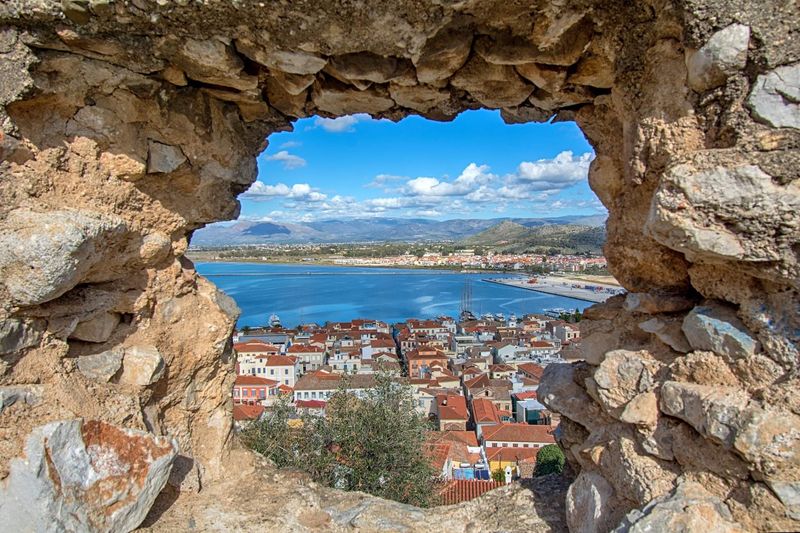
From 1827 to 1834, Nafplio was the first capital of modern Greece. Not bad for a seaside town you can walk across in an afternoon.
Its story reaches back much further.
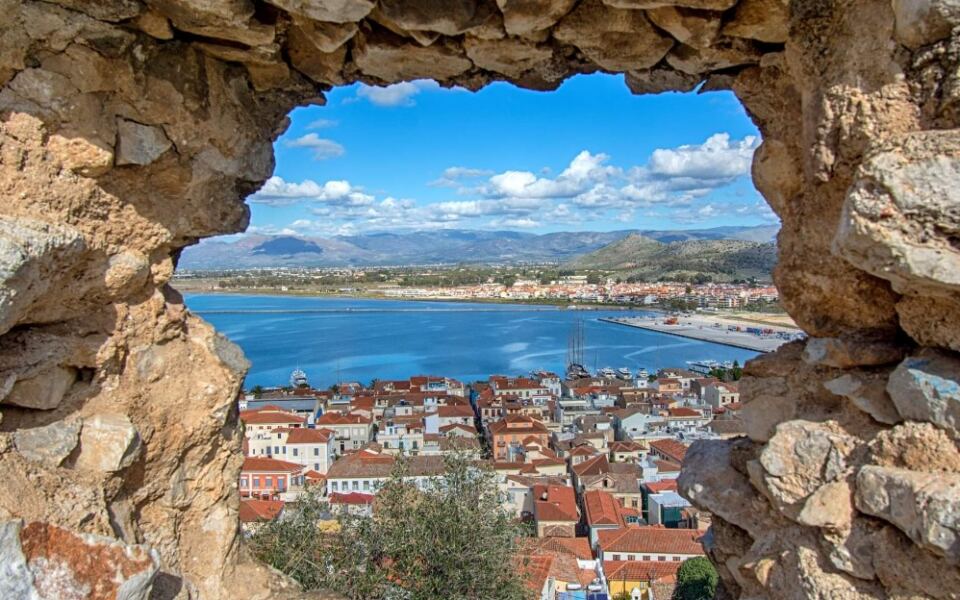
Venetians, Ottomans, Franks, and Greeks all left marks here. Palamidi Fortress towers over the red-roofed old town, while little Bourtzi fortress sits on an islet in the harbor.
Below, stone lanes pass neoclassical houses and courtyards spilling with bougainvillea. Stroll toward the waterfront and pick a table for dinner with a view.
Nafplio also makes a handy base for big history. Mycenae and Tiryns are an easy trip away.
That gives this small town a wide sweep of the past, all within reach of a comfortable hotel and a good meal.
Talkeetna, Alaska, USA
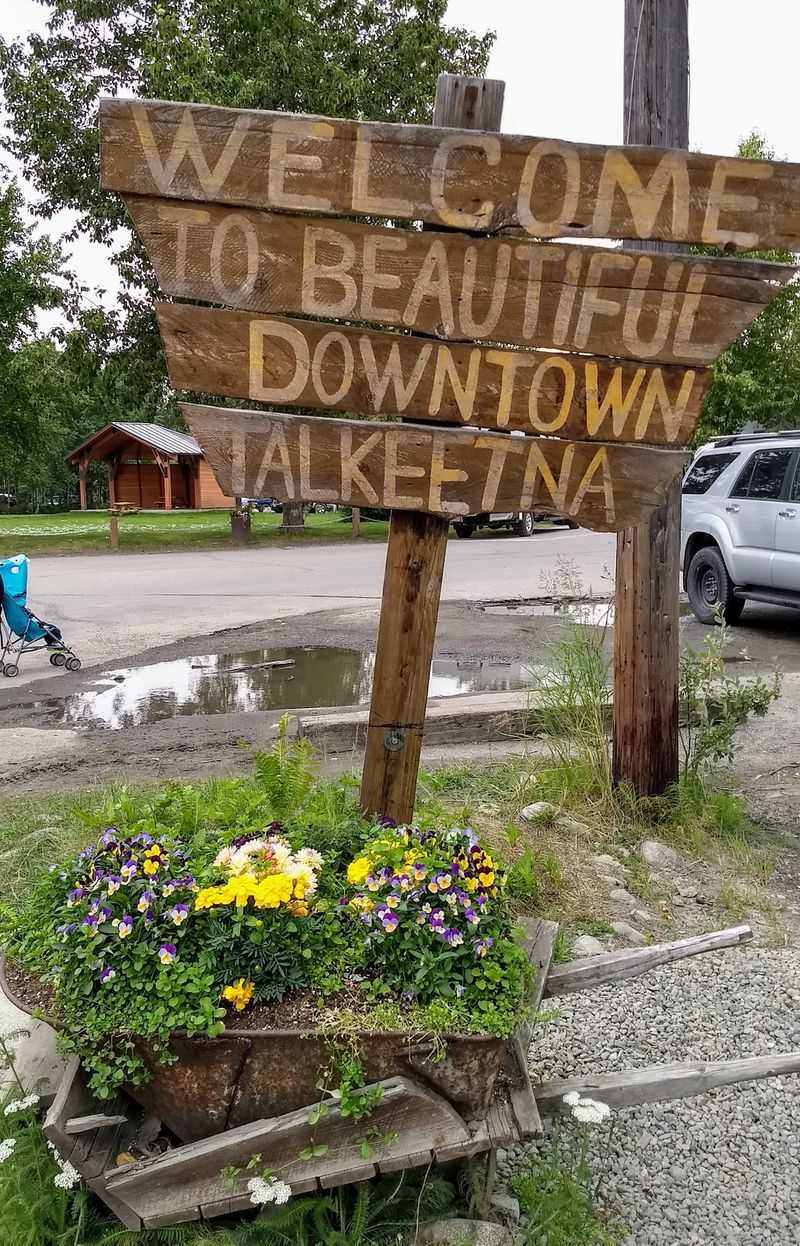
Talkeetna looks like the Alaska you pictured as a kid. It sits about 115 miles north of Anchorage and grew from gold mining and riverboat trade in the late 19th and early 20th centuries.
Log cabins, a historic roadhouse, and clapboard storefronts still line the small center. Grab a seat at the roadhouse and listen to the local chatter.
The town is closely tied to mountaineering. Climbers have long used it as a staging point for expeditions to Denali, the highest mountain in North America.
Watch for small planes heading skyward.
Today you will also find artists, flightseeing tours, outdoor guides, and locally owned shops. Talkeetna has kept its eccentric streak, and that is a big part of its fame across Alaska.
Visit in summer for long days and open trails.
Springdale, Utah, USA
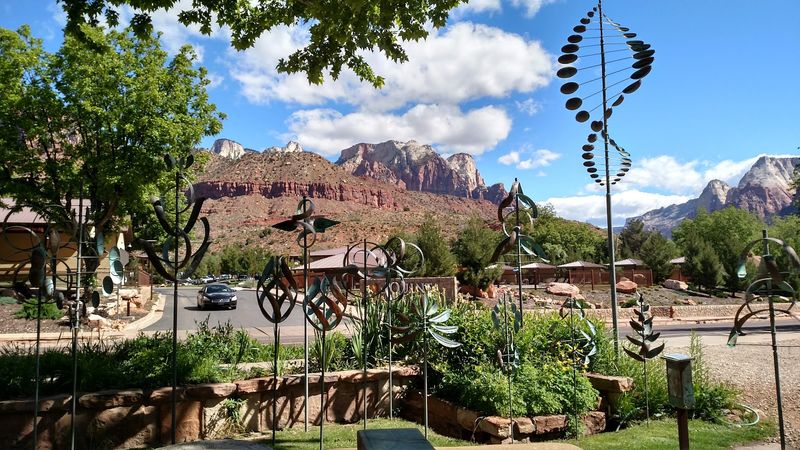
About 500 people live in Springdale, and the walls around them are the size of skyscrapers. The town sits at the entrance to Zion National Park.
Red and cream sandstone cliffs change color at sunrise and sunset.
Zion’s shuttle connects right to town, so you can park the car and ride into the canyon. That makes planning easy and keeps traffic low.
Springdale itself has galleries, restaurants, outfitters, and places to stay along the Virgin River. After a long hike, nothing beats a cold drink on a patio.
Recognized as an International Dark Sky Community, the town puts on a star show after dark. For 2027, think about visiting outside midsummer.
Cooler temperatures and smaller crowds make trails far more pleasant.
Dingle, Ireland
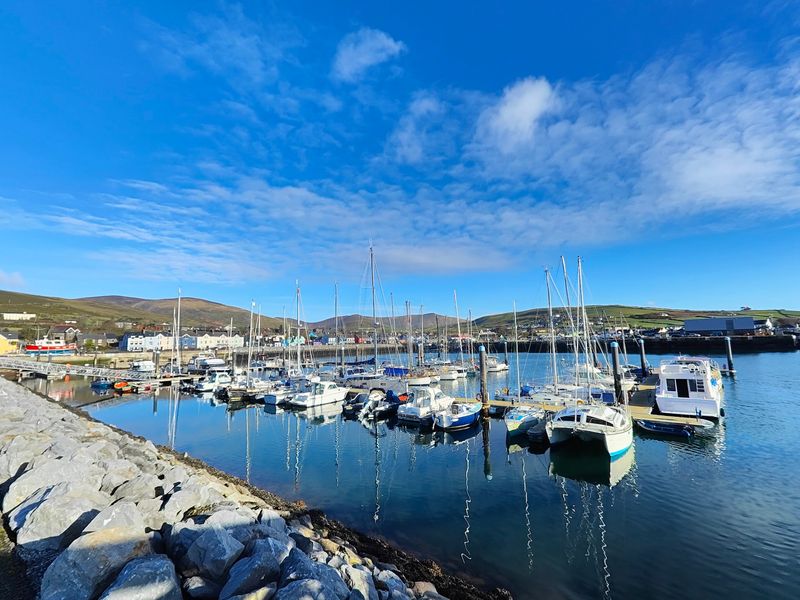
Music spills from pub doors, and a bookstore sits next to a pottery shop. That is Dingle on a normal day.
This Irish harbor town sits on one of the country’s most dramatic Atlantic peninsulas.
Colorful storefronts hold pubs, galleries, craft shops, and restaurants, while the harbor keeps fishing life close to the center. Ireland’s tourism authority praises the strong mix of independent businesses, from wool goods to local food and art.
Beyond town, the peninsula opens into beaches, mountain roads, archaeological sites, and Irish-speaking communities. Rent a car or bike and go slowly.
Summer fills up fast, so book a room early. A trip in late spring or early autumn gives a nicer balance of weather and elbow room.
Pack a rain jacket anyway, just to be safe.
Telč, Czechia
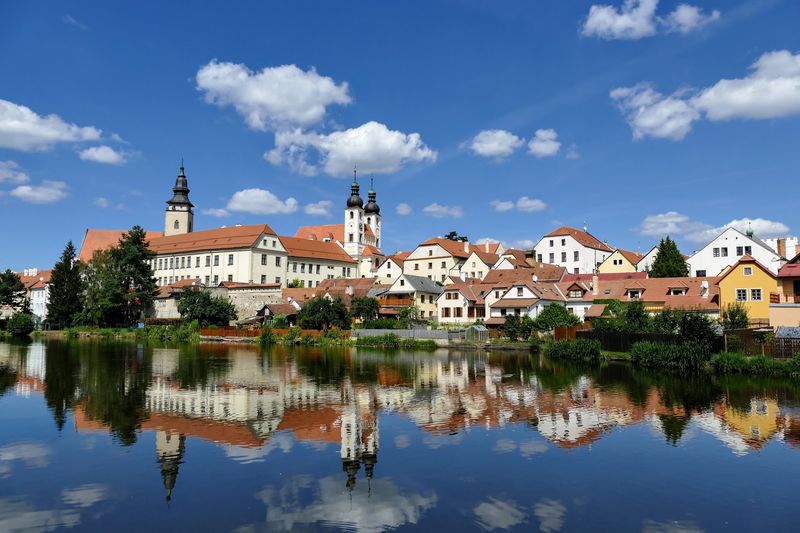
Picture a square so neat that it looks painted in pastel chalk. Telč is built around one of Central Europe’s best-preserved historic squares.
Rows of Renaissance and Baroque houses line the long center under decorative gables and arcades.
The nearby château and gardens add to the harmony. Both the historic center and the château are UNESCO listed, yet Telč is far smaller and calmer than Prague or Český Krumlov.
Ponds and lakes around the old center give extra viewpoints and help explain the town’s layout. Walk the shoreline for a postcard shot of the rooftops.
VisitCzechia calls the main square one of Europe’s most beautiful. Telč fits nicely as a stop on a slow trip between Prague, Brno, and southern Moravia.
Grab a seat under the arcades and watch the town go by.
Ollantaytambo, Peru
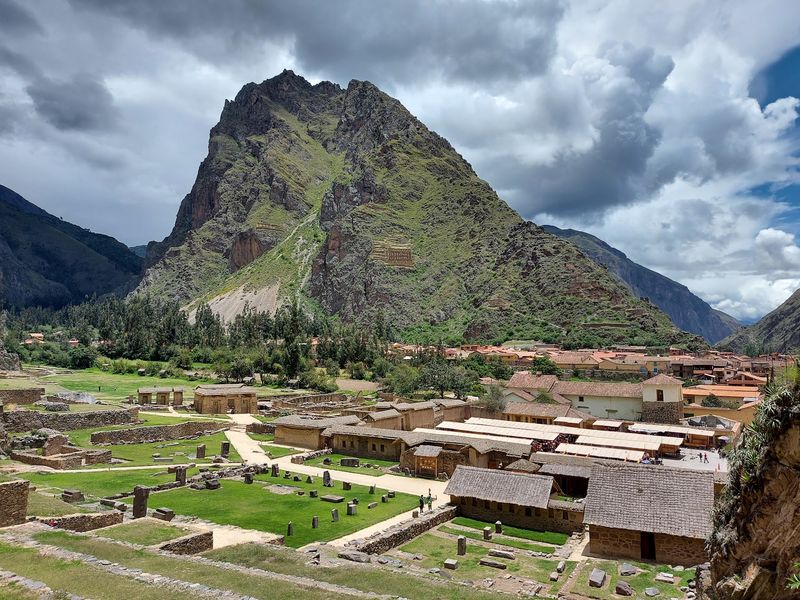
Most travelers rush through on the way to a train. That is a mistake.
Ollantaytambo is a destination in its own right, and Peru’s tourism authority calls it a living Inca city.
The historic core keeps its Inca layout, with cobbled streets, working water channels, farming terraces, and huge stone walls beside modern homes and shops. It sits about 80 kilometers from Cusco and once served military, religious, and farming roles for the empire.
Giant terraces climb the mountainside above town. Climbing them is a workout, but the view is worth every breath, especially at altitude.
Stay overnight to see the town after many Sacred Valley tours leave. Markets and restaurants keep the lower streets lively, and the evening light on the stone is lovely.
Machu Picchu can wait a day.
Frutillar, Chile
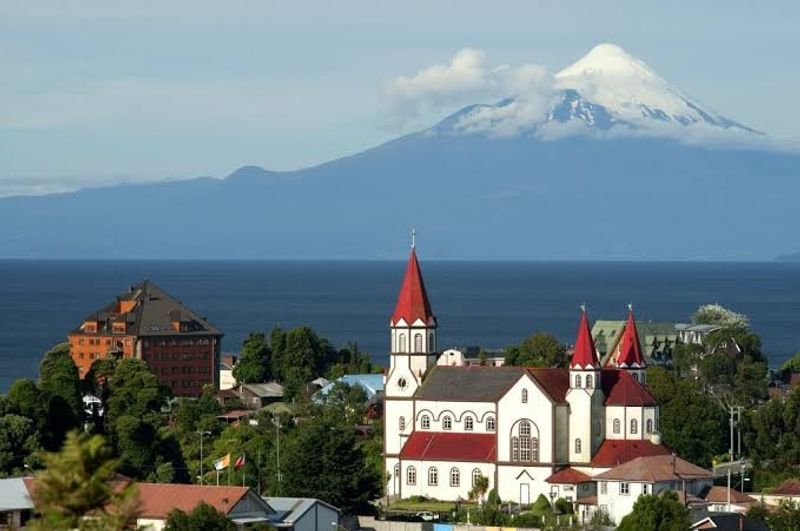
Strudel, snowy volcanoes, and a concert hall on the water: Frutillar mixes them all. The town sits on the shore of Lake Llanquihue, with the snow-covered volcanoes of southern Chile rising across the lake.
German settlers left a clear mark on the buildings and the food. Gardens and timber houses give the town a tidy, distinctive look.
Try a slice of kuchen with a lake view.
Chile’s tourism authority highlights the calm here and the modern Teatro del Lago, a major performing-arts venue right beside the water. Check the schedule for a concert during your stay.
The region adds forests, national parks, waterfalls, water sports, and volcanic scenery. A 186-kilometer road loops around the lake, with views of Osorno, Calbuco, and Puntiagudo.
Frutillar makes a perfect anchor for a longer Patagonian Lakes trip.
Share this story