Old television shows gave us lines that everyone repeated on playgrounds and at dinner tables. Some still get a smile today, while others make people pause and wonder how they ever became so popular.
This list looks at 21 famous catchphrases from sitcoms, cartoons, sketch shows, and even one movie. Some are harmless, some sit in tricky territory, and a few are not from the decade many people assume.
Along the way, you will find the real story behind each line, the show it came from, and why it might raise eyebrows now.
“Sit on it!” – Happy Days
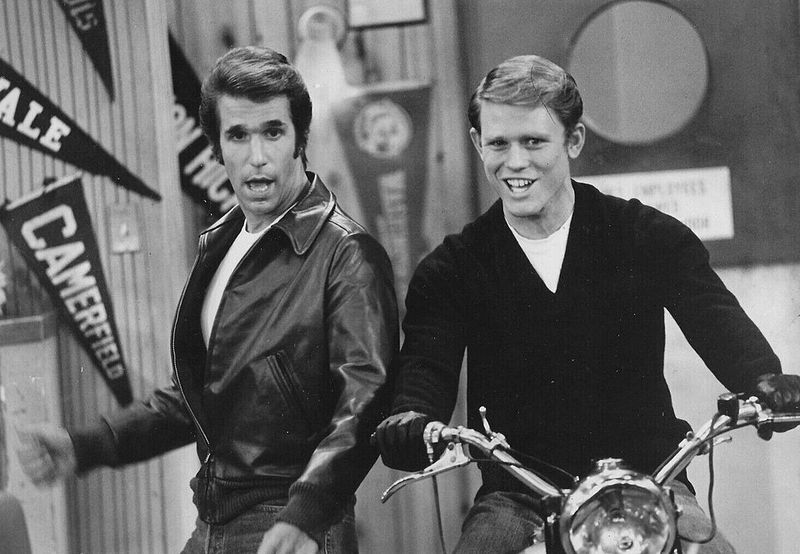
Back in 1974, Happy Days arrived on television, and its slang soon spread through school hallways. “Sit on it!” became one of the show’s best-known put-downs. Fonzie is the character most people link to it, though several characters used the expression.
The words sound tame next to many modern insults. Basically, it was a dismissive way of telling someone to go away.
Nobody would call it a deep cut of cruelty.
Still, tone matters. Among close friends, the line might pass as a joke, and it could even bring a laugh from anyone who remembers the show.
Said to a coworker, teacher, or neighbor, it would hardly count as respectful conversation.
That gap between harmless fun and rude brush-off is exactly why the phrase lands differently now. It belongs to a time when playful sass was a regular part of sitcom humor.
Today it works best as a nostalgic quote rather than a real reply.
“Kiss my grits!” – Alice
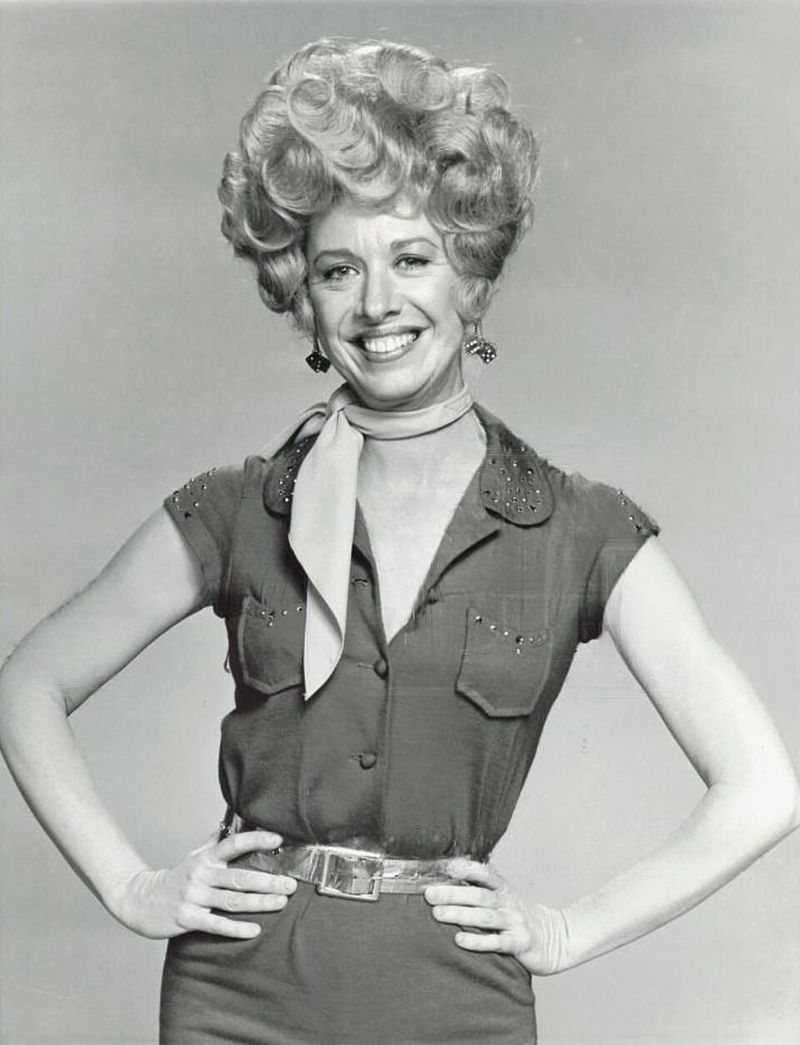
Few waitresses in television history had a comeback as colorful as Flo’s. Polly Holliday played her on Alice, which premiered on CBS in 1976. “Kiss my grits!” was her trademark way of waving off a complaint.
The line was effectively a television-friendly stand-in for a much ruder expression. That made it far less offensive than the phrase it replaced, and viewers were happy to repeat it.
Picture saying it at work now. A coworker or customer would probably react very differently than the folks at Mel’s Diner did, since the words still carry a sharp edge of dismissal.
The phrase also shows how network television found clever ways around strict language rules. Writers swapped a rude word for a food and let the audience fill in the blank.
It remains a fun piece of sitcom history, best enjoyed as a throwback rather than a reply to the boss.
“Whatchoo talkin’ ’bout, Willis?” – Diff’rent Strokes

Disbelief rarely sounded as memorable as it did in 1978. Gary Coleman’s Arnold Jackson turned this question into one of television’s most recognizable lines after Diff’rent Strokes premiered.
Kids across the country copied the tone and the raised eyebrow.
The phrase itself is not particularly offensive. It is simply a way of saying you cannot believe what someone just said.
Nothing in the words aims at a person or group.
The modern debate is more likely to center on how people use it. Imitating Arnold’s speech, or turning a Black child’s manner of speaking into a caricature, can come across very differently from quoting the line with a laugh.
Context makes a major difference here. Used lightly among fans of the show, it is mostly a fond memory.
Used as mockery, it can sting, and that is where today’s audiences tend to pause.
“Up your nose with a rubber hose!” – Welcome Back, Kotter
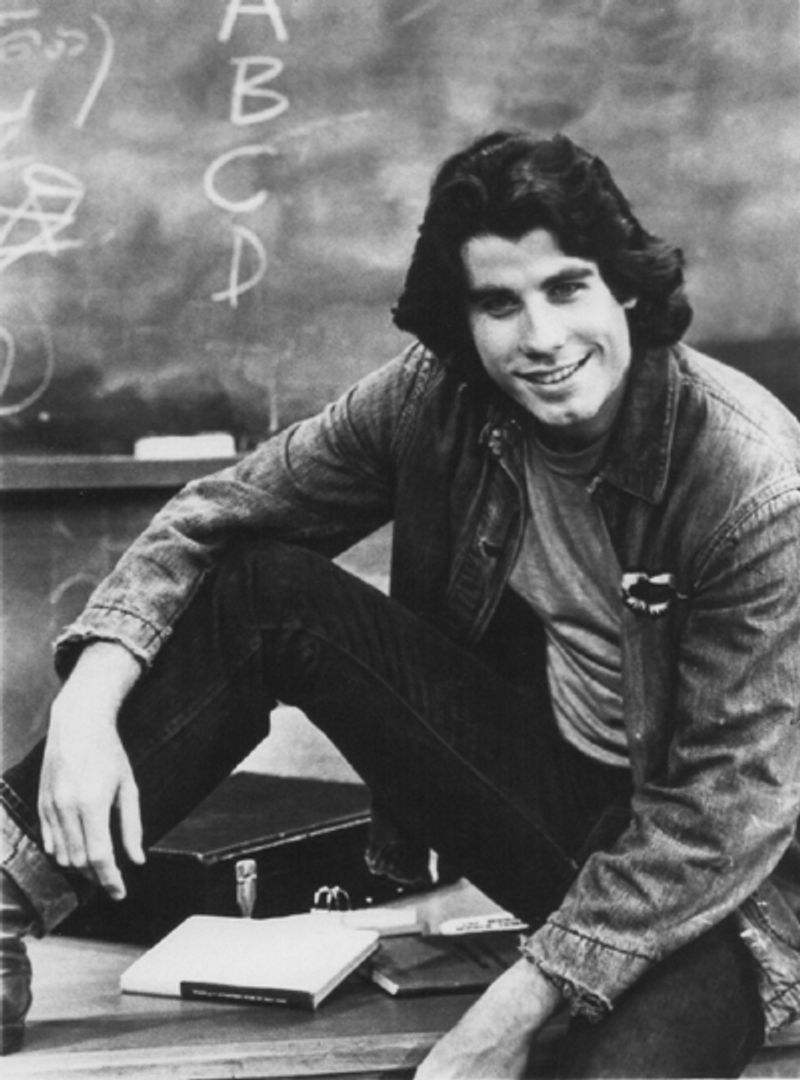
Playground comebacks got a spot on prime time thanks to Welcome Back, Kotter. The show ran from 1975 to 1979 and followed a teacher returning to teach a rowdy group called the Sweathogs.
Vinnie Barbarino led the pack with a cheeky attitude.
The Television Academy specifically identifies this line as one of Barbarino’s signature lines. It fits the show’s style, where characters tried to top one another with increasingly ridiculous put-downs.
By today’s standards, it is more silly than shocking. Nothing in it targets a person’s identity or appearance, and the rhyme makes it sound like something from a grade-school hallway.
That is part of its charm. It reminds us of a style of comedy built on goofy banter rather than sharp cruelty.
If anyone is going to question it now, the main complaint might be that it sounds a little dated.
“Dyn-o-mite!” – Good Times
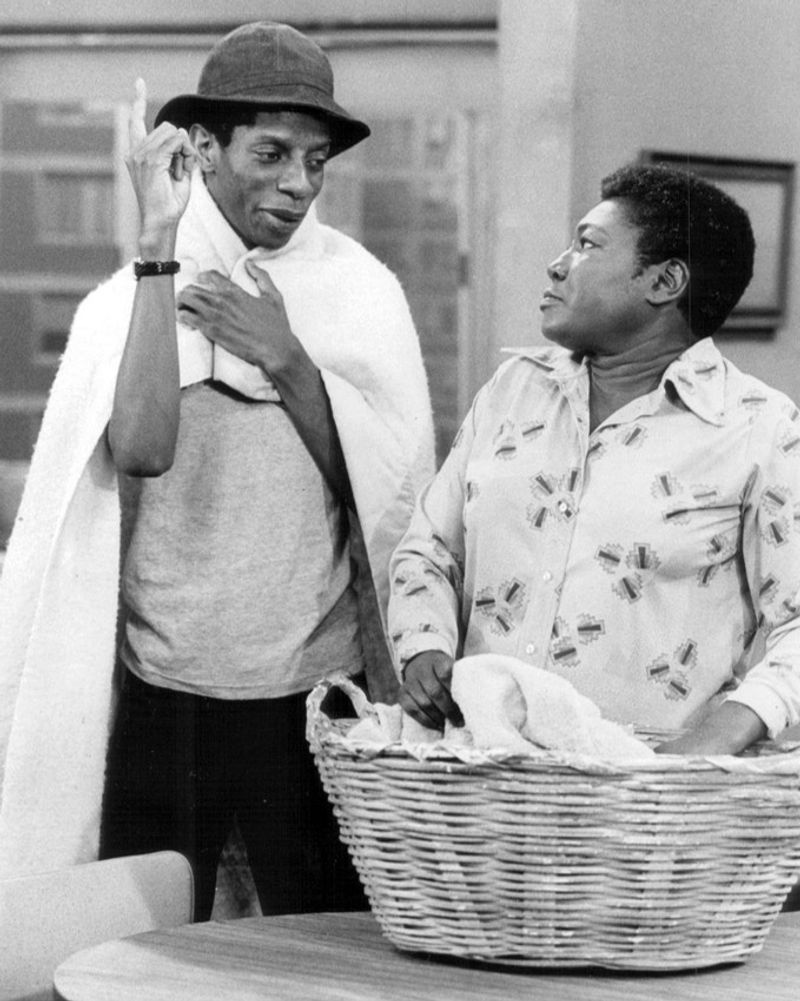
One stretched-out word made J.J. Evans a household name.
Jimmie Walker played him on Good Times, and “Dyn-o-mite!” became his exaggerated cry. Fans still recognize it in a single syllable.
The controversy around it is more complicated than the phrase itself. Esther Rolle and John Amos reportedly objected to the growing emphasis on J.J.’s clownish behavior.
They believed the character risked becoming a racial stereotype.
So the catchphrase is not inherently offensive. It is just a loud way of saying something is great.
The criticism concerns the characterization and cultural context surrounding it.
That distinction is useful when thinking about old television. A line can be harmless while the larger story around it raises fair questions.
Many viewers still enjoy it as a happy memory, while also understanding why the cast voiced concerns at the time.
“Nanu Nanu” – Mork & Mindy
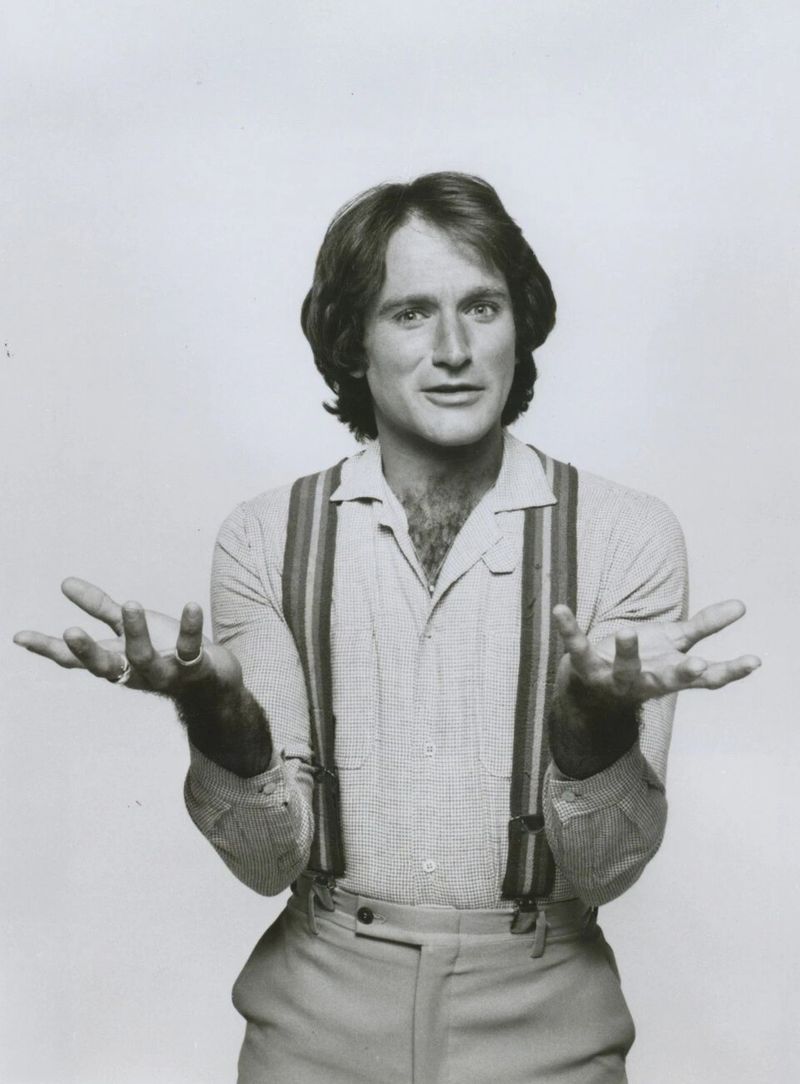
Greetings from Ork came with a funny handshake. Robin Williams played the alien Mork on Mork & Mindy, which began in 1978.
He greeted people with “Na-Nu Na-Nu” while holding up a special hand gesture.
The Television Academy identifies both the greeting and its accompanying hand gesture as signatures of the character. Fans of the show picked up the move quickly and used it as a friendly hello.
This one is easy to defend. There is little reason to call the expression offensive today, since it is simply fictional Orkan language.
It does not poke fun at any real group of people.
Mostly it works as a nostalgic reference to Williams’ eccentric alien character. Hearing it now is likely to bring a smile, especially from viewers who remember his wild energy.
Of all the catchphrases here, it may be among the safest to say out loud.
“Sock it to me!” – Rowan & Martin’s Laugh-In
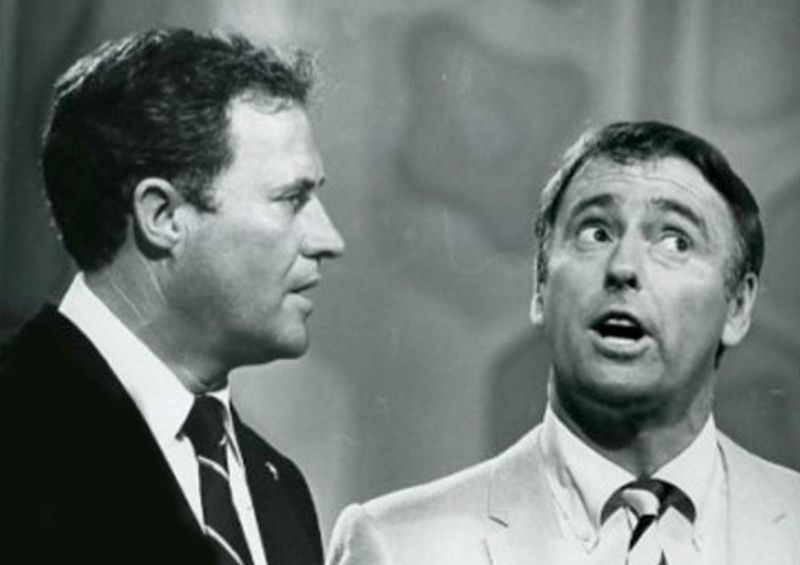
Rapid-fire jokes and flashy sets defined Laugh-In, a show that began in the late 1960s and carried into the early 1970s. That timeline makes this entry at least partly appropriate for the decade. “Sock it to me” became one of the show’s most famous recurring expressions.
Modern viewers might hear a hint of physical aggression in the wording. Still, calling it genuinely offensive would be a stretch.
The phrase was part of a goofy running gag rather than a real threat.
Its significance is mostly historical. It reflects the fast slang and slapstick style that made the show stand out in its day.
Audiences watched sketches pile up one after another, with catchphrases popping in and out.
Looking back, it is a neat snapshot of how comedy sounded during a time of big cultural change. A modern audience may raise an eyebrow at the wording, but it mostly lands as a playful relic.
“One of these days, Alice, pow! Right in the kisser!” – The Honeymooners
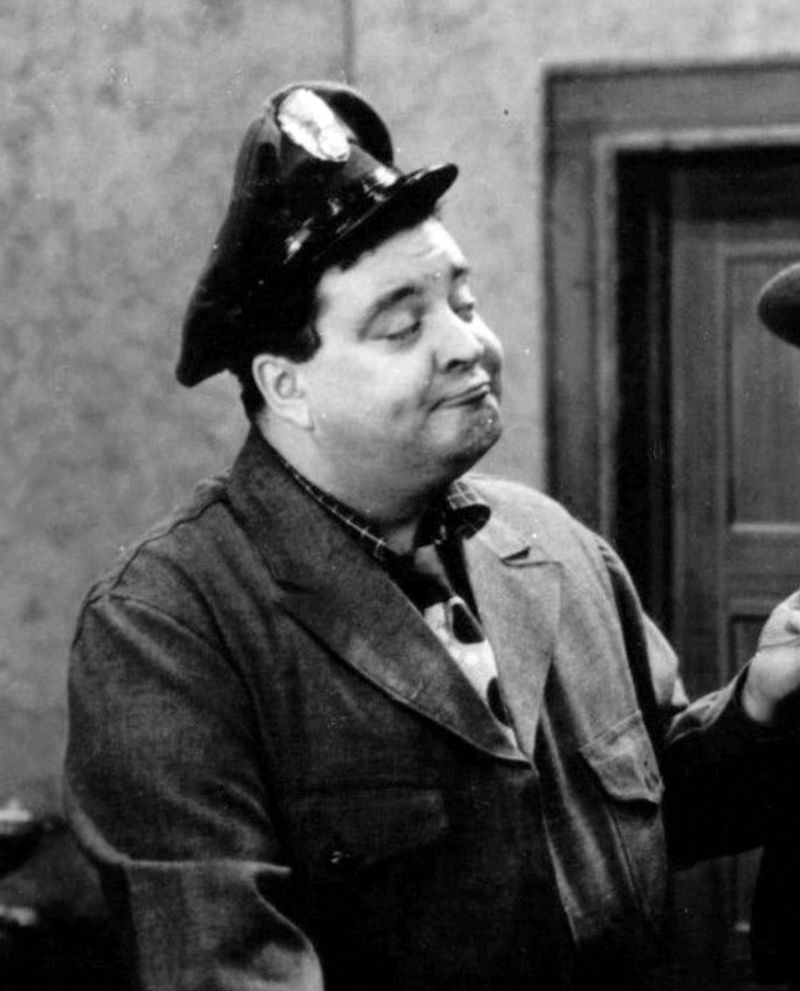
Here is one entry where changing standards genuinely matter. Ralph Kramden repeatedly joked about hitting his wife Alice.
The threatened violence never actually happened, and Alice always stood her ground.
There is also a factual problem with the way this line gets grouped with the 1970s. The Honeymooners is not a 1970s show.
Its famous filmed episodes aired during the 1955-56 season, with earlier Kramden sketches dating back even further.
A threat of domestic violence played for laughs would be much harder to present as a harmless recurring joke today. Viewers now tend to react strongly to that kind of humor, even when the character is clearly a blowhard.
Many fans still see the series as a classic with sharp writing and wonderful performances. Still, this particular line shows how much comedy norms have shifted over the decades.
It sits in a different category from the silly put-downs elsewhere on this list.
“I’m Chevy Chase, and you’re not.” – Saturday Night Live
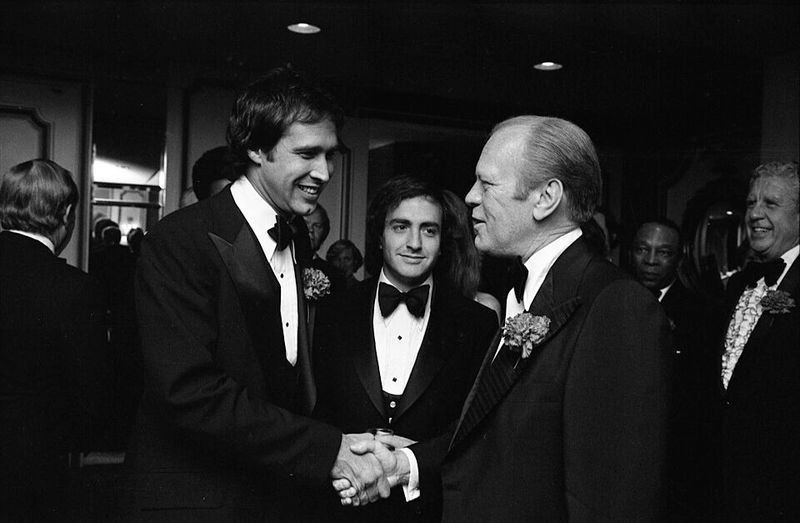
Arrogance became the punchline at the Weekend Update desk. Chevy Chase used this smug introduction during Saturday Night Live’s original 1975-76 era.
The line fit the show’s habit of poking fun at news anchors.
It deliberately makes self-importance the joke. Chase was playing up the idea of a cocky host who thinks highly of himself, and viewers understood the wink.
It certainly would not qualify as deeply offensive by modern standards. Nobody is being targeted for who they are, and the humor comes from the speaker looking silly.
Saying it seriously, however, would sound dismissive and self-important. A coworker who tossed it into a meeting would likely get a few side glances.
That is why the phrase works best with a grin and a clear sense of play.
As a piece of early SNL history, it remains a fun reminder of how the show launched careers with a single sharp line.
“God’ll get you for that, Walter!” – Maude
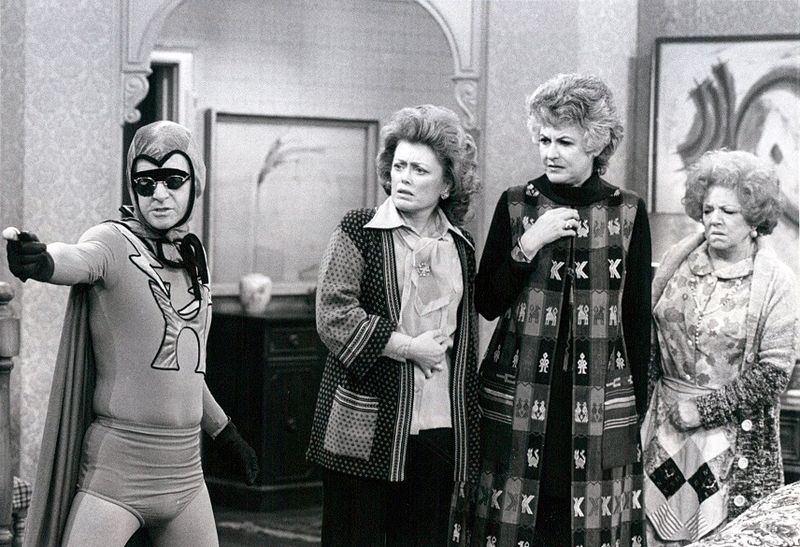
Few sitcom heroines argued as loudly as Bea Arthur’s Maude. She used this threat of divine payback against her husband Walter as part of the couple’s constant verbal sparring.
The line was delivered with plenty of theatrical flair.
Today, invoking someone’s religion or telling them God will punish them can become sensitive. It depends a lot on who says it and why.
A listener might take it as a serious judgment instead of a joke.
On television, though, the joke was aimed primarily at Maude’s dramatic personality rather than at a particular faith. Viewers knew she was exaggerating for effect, and Walter usually shrugged it off.
That context helps explain why the phrase sits in a gray area now. It is not an attack on any belief, but it does carry a bite.
Fans remember it fondly as part of a show known for bold, sharp-tongued comedy.
“Hey, hey, hey!” – Fat Albert and the Cosby Kids
Saturday morning cartoons had their own greetings, and this one was cheerful. Fat Albert’s three-word hello became closely associated with Fat Albert and the Cosby Kids.
The show ran from 1972 into the 1980s.
The catchphrase itself is harmless. It is just a friendly shout, and anyone could say it to start a conversation.
Nothing in the words points at anyone.
Modern criticism would be more likely to focus on the character’s name. The way his body size formed part of his visual identity and humor is the sticking point for many people now.
Many viewers also recall the show for its gentle lessons delivered at the end of episodes. Still, titles and nicknames based on weight are handled with much more care today.
The greeting survives as a warm memory, while the labeling around it shows how attitudes have shifted.
“Book ’em, Danno!” – Hawaii Five-O
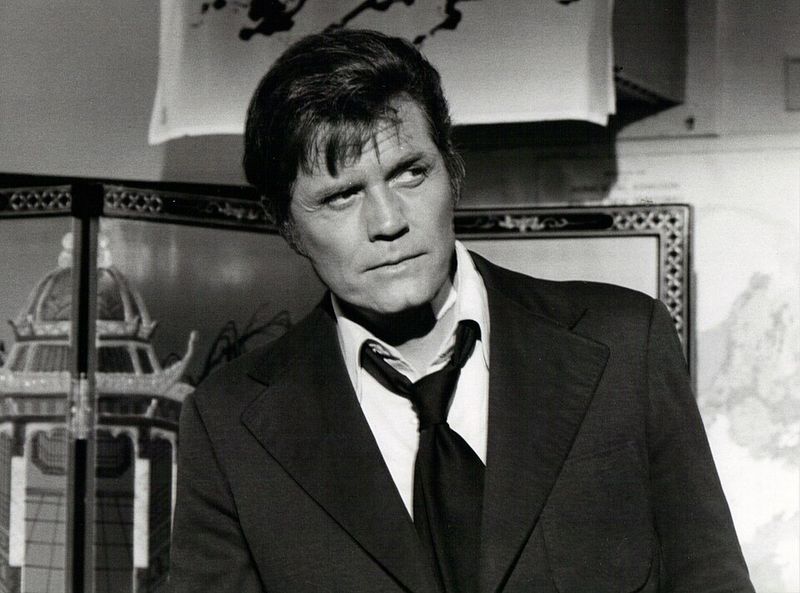
Police dramas rarely gave us a line this easy to quote. Steve McGarrett’s command to Danny Williams became one of the phrases most closely associated with the original Hawaii Five-O.
Fans used it for years as a playful way to wrap up any task.
There is nothing inherently offensive about telling a police officer to book a suspect. It is just the next step after an arrest.
The words themselves are plain and professional.
What has changed is the broader cultural discussion surrounding policing, due process, and portrayals of law enforcement. Viewers today often look more closely at how shows depict arrests and authority.
The phrase itself remains far less controversial than many people assume. It simply captures the confident, no-nonsense style of the lead character.
As nostalgia goes, it is one of the milder entries on this list.
“Meathead” – All in the Family
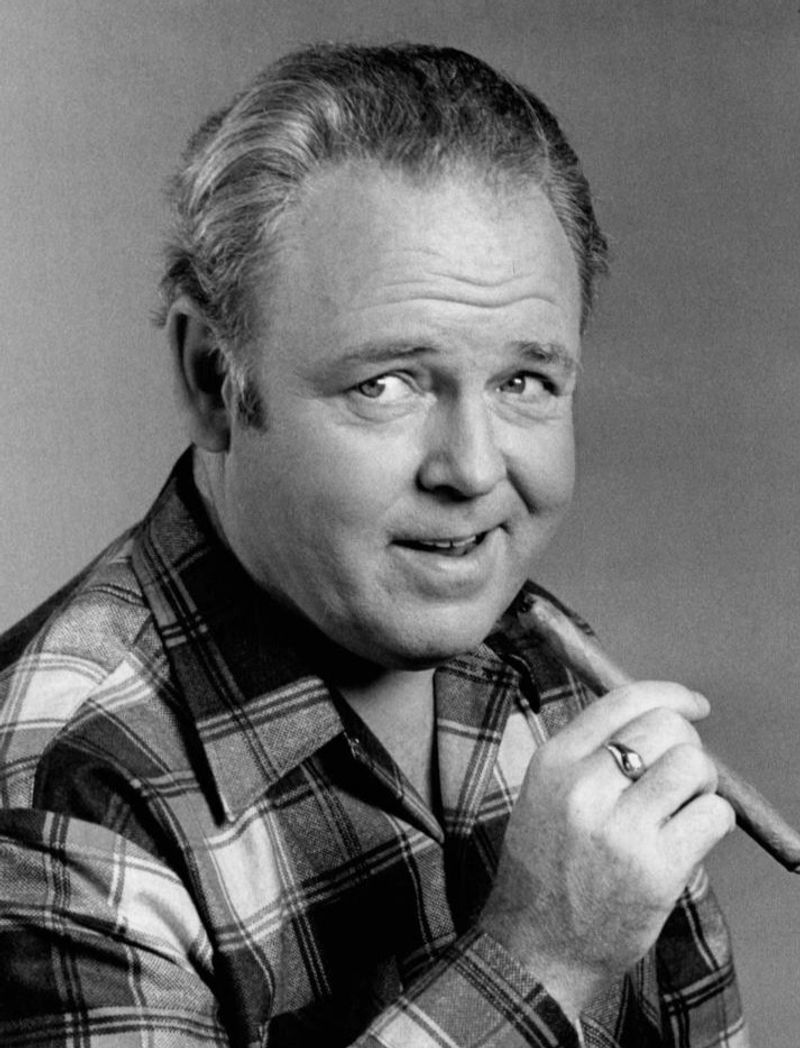
Dinner table fights shaped All in the Family, and one nickname fueled many of them. Archie Bunker routinely called his son-in-law Michael Stivic “Meathead.” He even defined it as someone who was essentially dead from the neck up.
Calling someone stupid as a permanent nickname would easily qualify as insulting today. Most workplaces and schools would see it as name-calling and nothing more.
Yet the important context is that Archie was intentionally written as a flawed, prejudiced character. Audiences were not supposed to imitate him.
The show used his stubborn views to spark conversation about politics and generational divides.
That is what made the series stand out. It put uncomfortable arguments on screen and let viewers laugh while thinking about them.
The nickname still carries a sting, but its place in the story is part of why the show is still discussed today.
“The plane! The plane!” – Fantasy Island
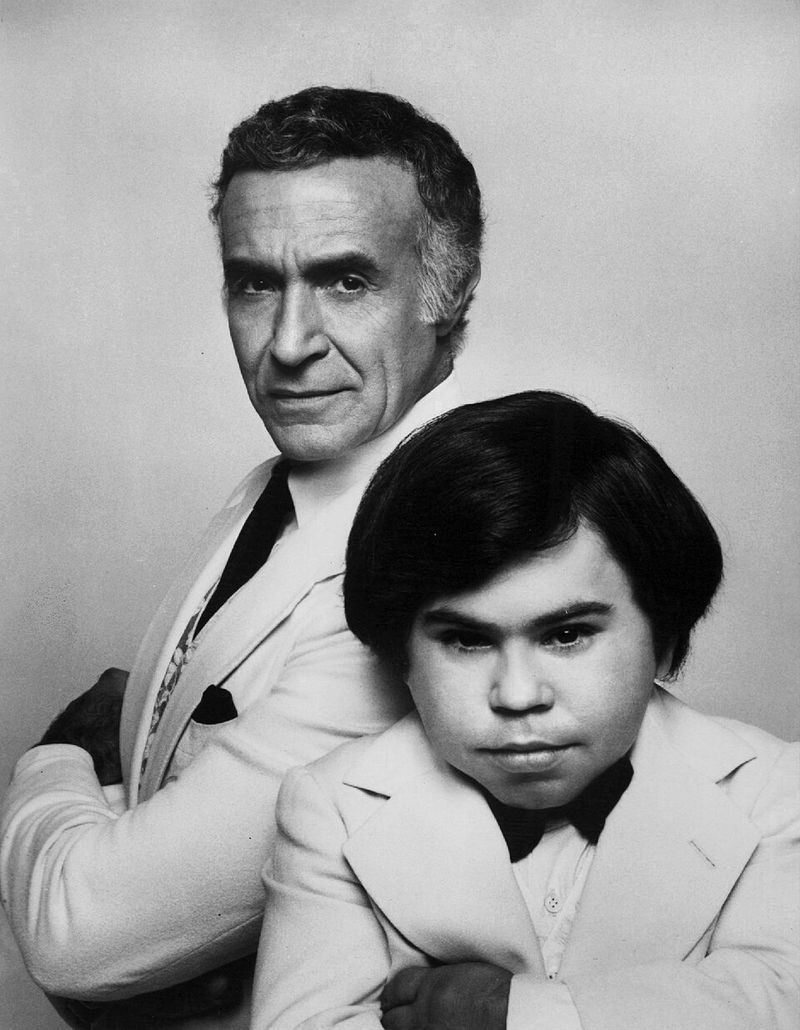
Arrival day always began with a shout from the tower. Tattoo, played by Hervé Villechaize, announced new guests with an excited cry on Fantasy Island.
The series began with television movies in 1977 before the weekly series launched in 1978.
The words themselves are completely innocuous. They simply tell everyone that visitors are on the way.
Anyone could say them without offending a soul.
Modern discussion tends instead to concern how characters with dwarfism were portrayed. People ask whether physical differences were sometimes treated primarily as novelty or comic material.
That conversation is a fair one to have. Many fans remember the line with real affection because it opened each episode with a burst of energy.
At the same time, today’s audiences tend to think harder about representation. The catchphrase stays harmless, while the context around it invites a thoughtful second look.
“It’s always something.” – Saturday Night Live
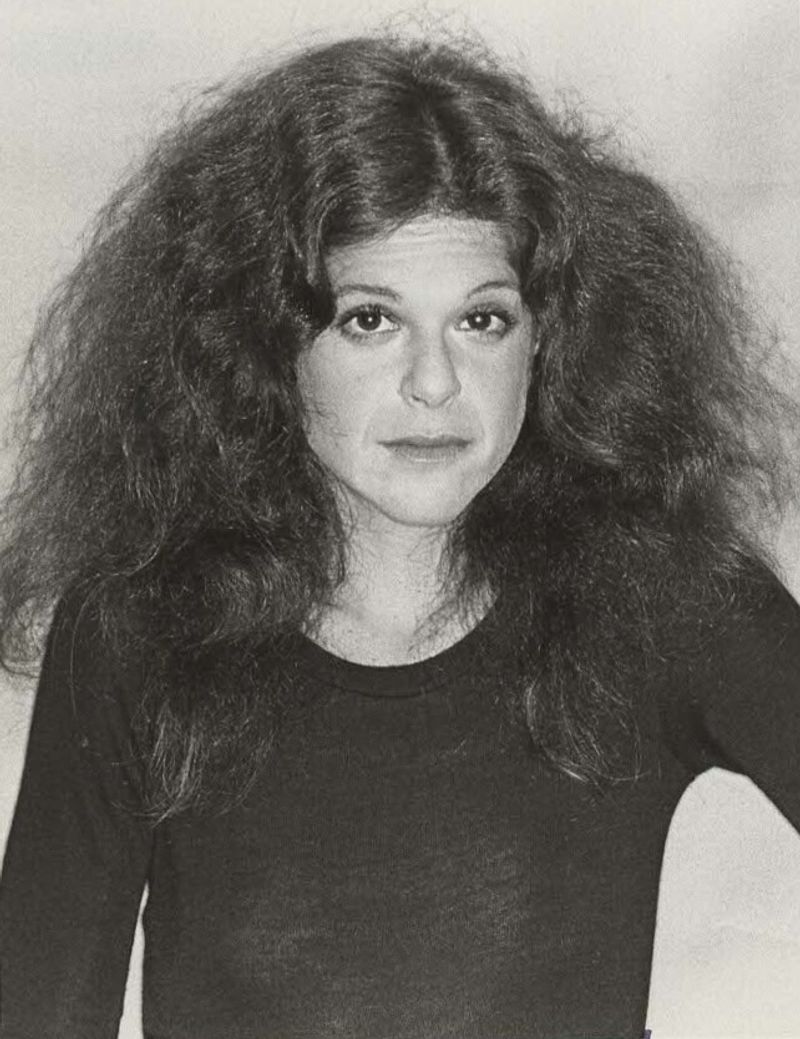
Life’s little annoyances got a loud, hairy voice on late-night television. This line is correctly connected to 1970s SNL, but one detail often gets left out.
It was associated with Gilda Radner’s Roseanne Roseannadanna character, whose appearances began in 1978.
Roseanne Roseannadanna rambled through odd stories during Weekend Update. When she finished, the wrap-up was that things never go smoothly.
The saying fit her scatterbrained style perfectly.
There is nothing offensive about the expression. It remains an ordinary way of acknowledging life’s constant annoyances.
People still say it when a day piles on one more small problem.
That staying power is part of why it survives. It needs no show reference to make sense, and it does not target anyone.
Among all the lines on this list, this one may be the easiest to use without raising a single eyebrow.
“You big dummy!” – Sanford and Son
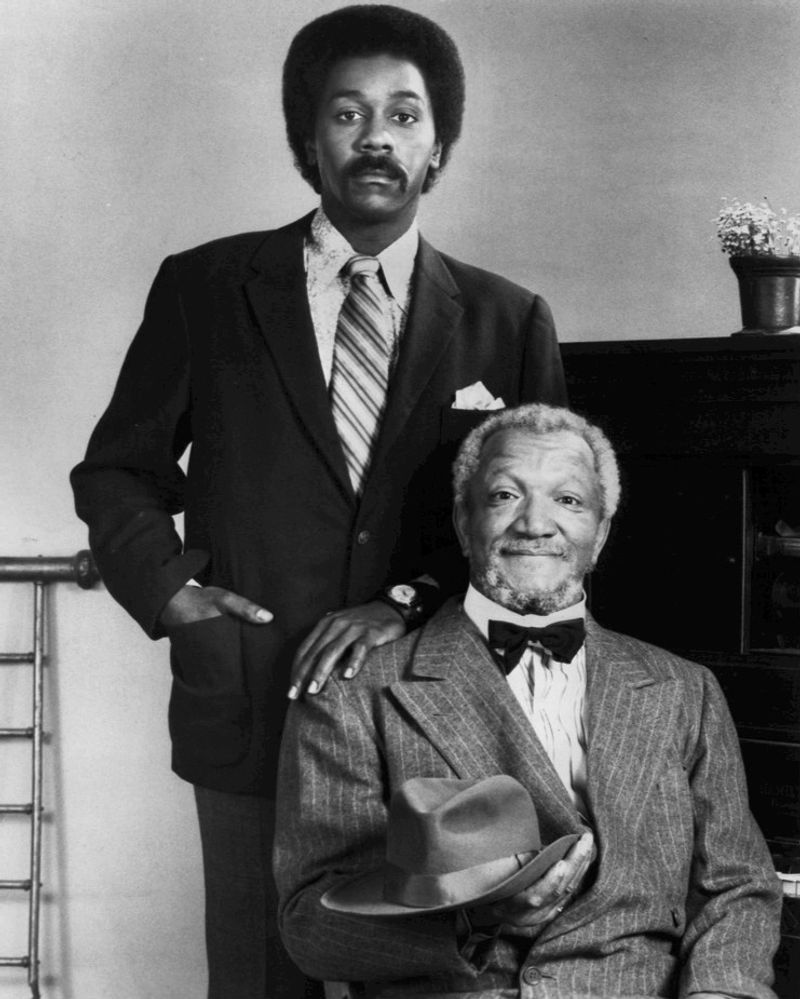
Insults flew daily at the Sanford junkyard. Fred Sanford frequently aimed this memorable put-down at his son Lamont on Sanford and Son, which ran from 1972 to 1978.
The line became a go-to quote for fans.
Modern parenting and workplace culture place more emphasis on avoiding demeaning labels. Repeatedly calling a family member a “dummy” could be viewed as belittling rather than affectionate teasing.
The exaggerated father-son relationship, however, was central to the joke. Fred’s grumbling never really hid how much he relied on Lamont, and the pair always stayed together.
That balance helps explain why viewers forgave the harsh words. The comedy came from Fred’s stubborn personality more than from true cruelty.
Still, today’s audiences may think twice before repeating it at home, since the same words can land very differently outside a sitcom.
“Ayyyy!” – Happy Days
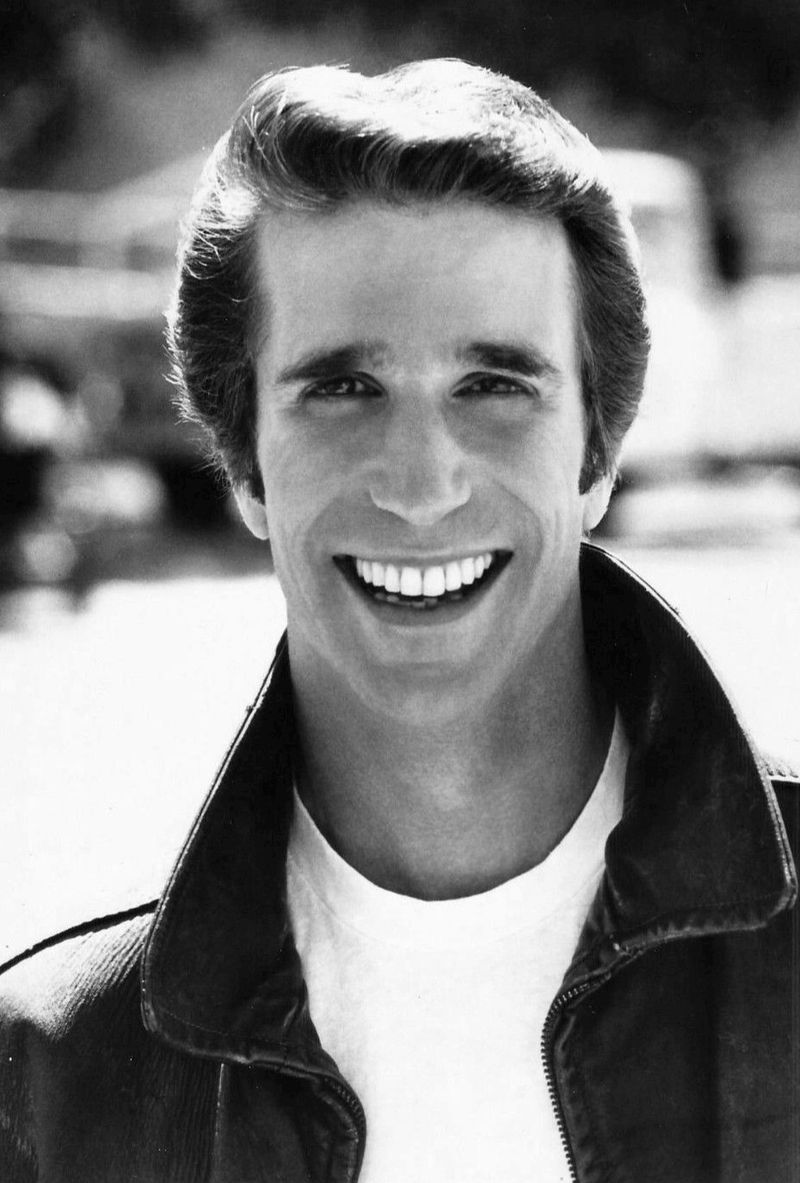
A thumbs-up and one long vowel did all the work. Fonzie’s drawn-out “Ayyyy!” became shorthand for effortless cool during the height of Happy Days.
Sources documenting the series still list it among his signature expressions.
There is virtually nothing offensive about it. It is a friendly sound that can mean hello, approval, or just good vibes.
Nobody is being mocked or put down.
At most, a modern critic might discuss Fonzie as part of an older television version of exaggerated masculine cool. The leather jacket and tough-guy image come from a different era of storytelling.
The catchphrase itself remains harmless. Fans of all ages can still pull off the thumbs-up without any worry.
It stands as proof that some of television’s most famous lines are simply fun, with no complicated baggage attached.
“What a revolting development this is!” – The Life of Riley
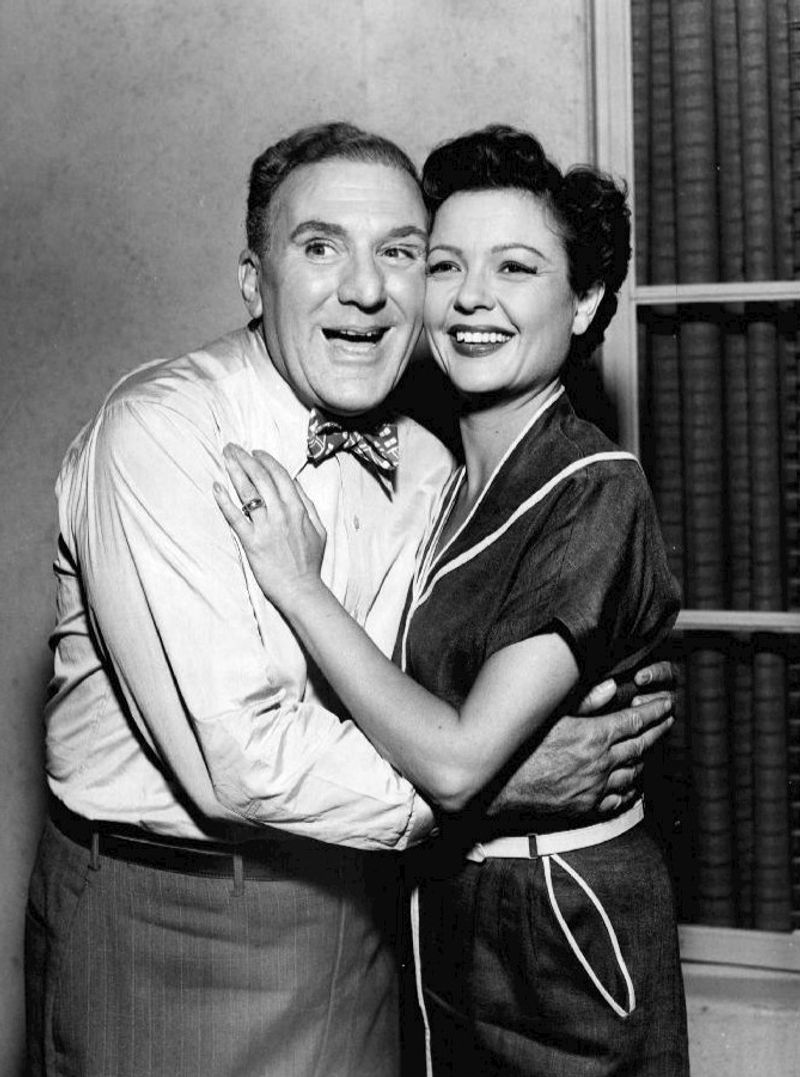
Long before color television filled living rooms, one man’s complaint became a national saying. Chester A.
Riley’s exasperated line became a recognized catchphrase associated with The Life of Riley. It was a classic way to groan about bad luck.
But this is another major chronological error in the original list. The television version dates to the 1940s and 1950s, not the 1970s.
That puts it well ahead of most entries here.
Nor is the phrase particularly offensive. It is simply an old-fashioned expression of frustration.
Nothing in the wording targets anyone.
It may sound a bit formal to modern ears, since few people say “revolting development” now. Even so, it still works for describing a sudden change that nobody wanted.
For those who enjoy older comedy, it stands as a charming bit of vintage phrasing rather than a controversial one.
“Who loves ya, baby?” – Kojak
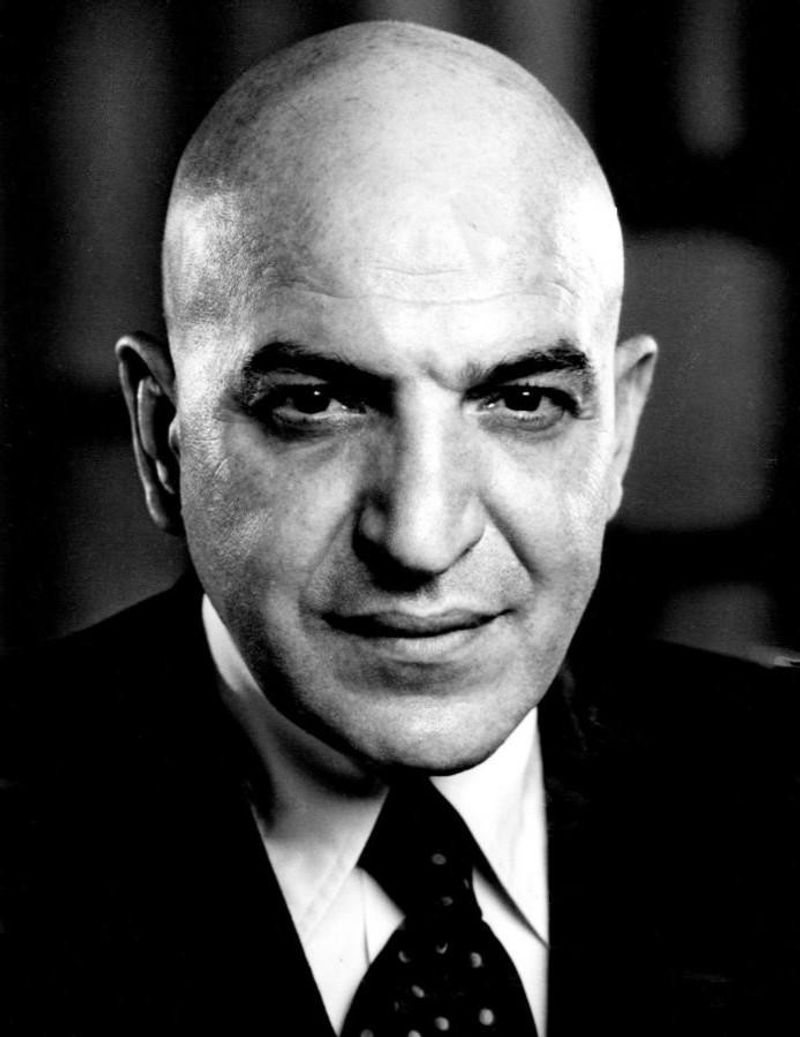
A lollipop and a smooth line made a detective unforgettable. Telly Savalas’ Kojak became famous for his confident personality and the question “Who loves ya, baby?” It fit his cool, easygoing swagger.
The word “baby” directed toward another adult can sound patronizing or overly familiar in some modern professional settings. Many workplaces now encourage more neutral terms.
But context matters, and the phrase itself is nowhere near universally considered offensive. Said between friends or as a movie quote, it can be a playful nod to the show.
That gap between friendly and awkward depends on who is speaking and who is listening. Kojak delivered it with charm, and audiences accepted it.
Today it may be best saved for fans who share the reference, rather than coworkers who might not.
“Eat my shorts!” – The Simpsons
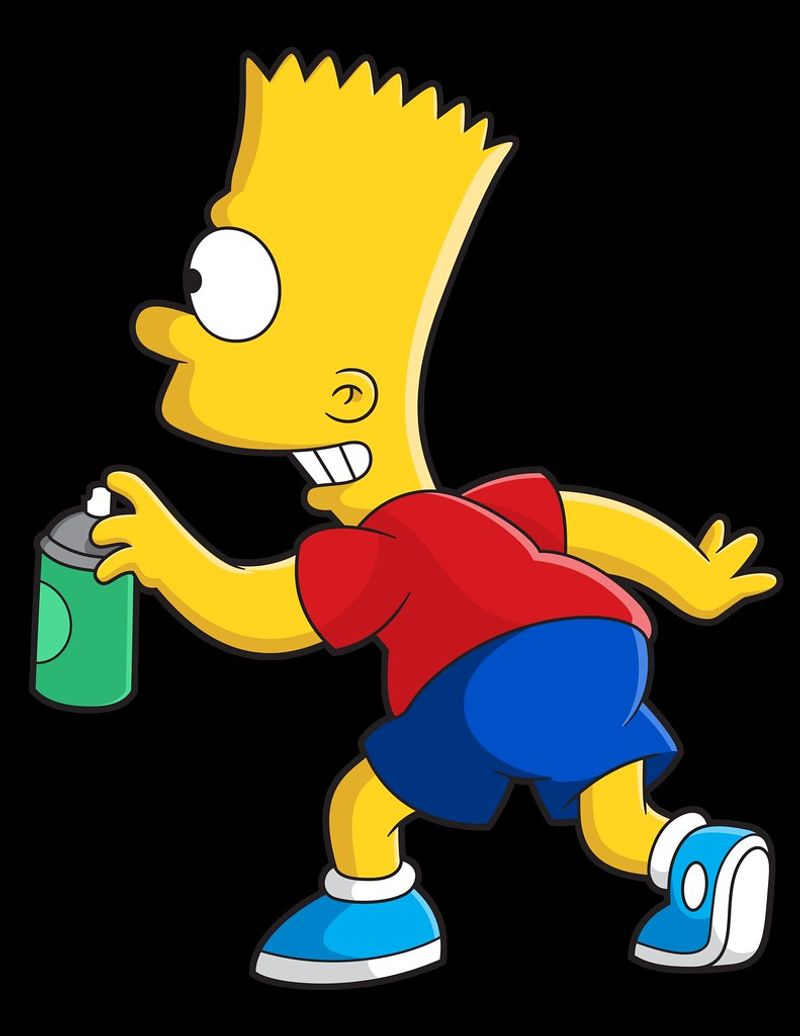
Bart Simpson’s rebellious insult became one of the most famous catchphrases associated with The Simpsons. T-shirts and school hallways carried it far beyond the screen.
For a while, it seemed everyone had heard it.
It is another entry that cannot accurately be called a 1970s television catchphrase. The Simpsons became a television series in 1989.
The expression appeared in the second regular episode, broadcast in January 1990.
It remains rude, but its juvenile disrespect is precisely the point of Bart’s character. He is a mischievous ten-year-old who loves to push buttons, and the line fits him perfectly.
Parents and teachers once worried about it, which only added to its popularity. Now it feels more like a nostalgic reminder of early cartoon fame.
Used in real life, it would still come across as cheeky, so it is best left to Bart.
“Holy _____, Batman!” – Batman
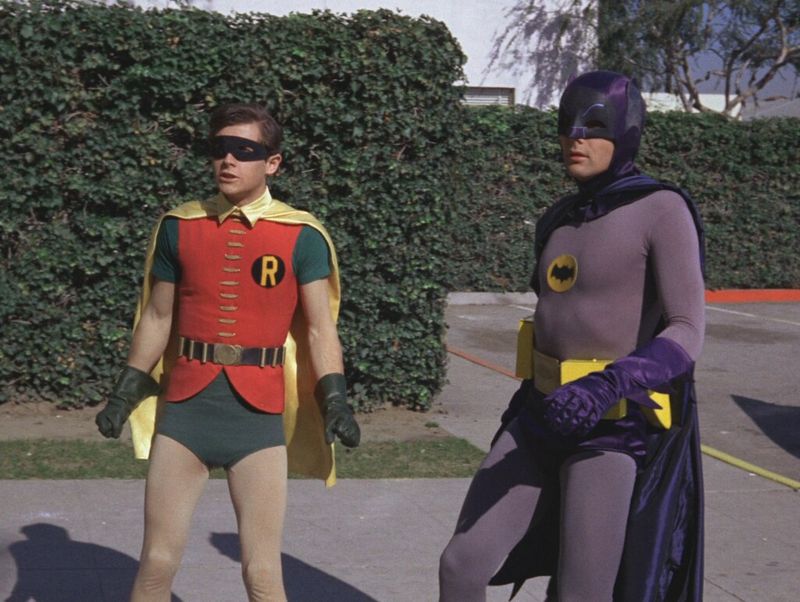
Robin never ran short of things to be amazed by. His endless variations on “Holy…” became one of the most recognizable running jokes from the campy Adam West era of Batman.
He might react to danger with anything from “Holy headache” to “Holy guacamole,” depending on the situation.
Once again, though, the decade is wrong. The television series aired from 1966 to 1968.
That makes this a classic 1960s catchphrase rather than a 1970s one.
It is also difficult to classify the format itself as offensive. Some individual variations could age badly, but the basic “Holy ___, Batman!” construction remains a harmless pop-culture joke.
Fans still enjoy filling in the blank with their own silly words. It works as a friendly bit of wordplay that needs no explanation.
As a closer, it shows that some old catchphrases truly stay fun.
Share this story