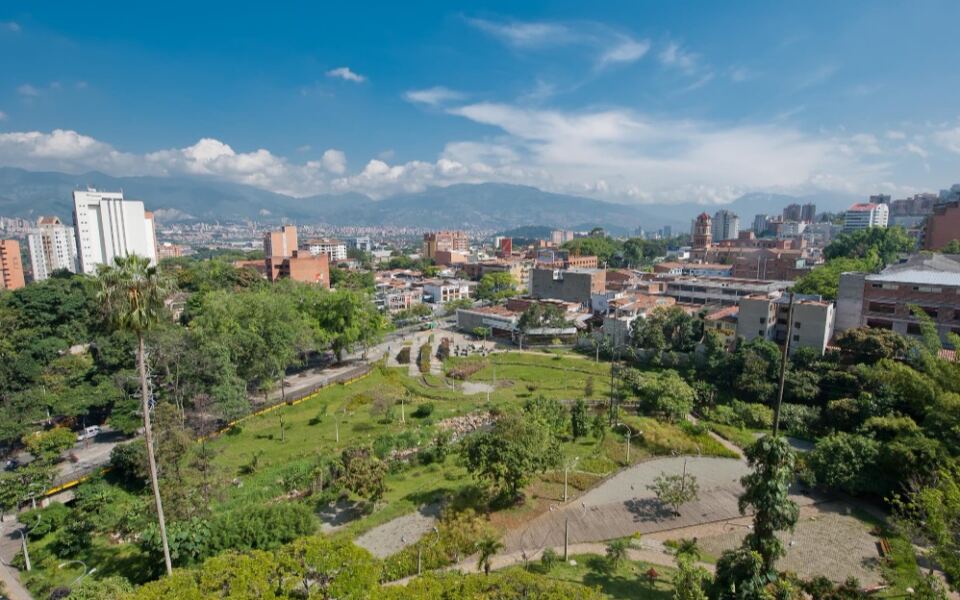
Medellín sits in a high green valley in Colombia, and the weather feels like spring almost every day. Flowers bloom, trees stay leafy, and the air is mild.
People call it the City of Eternal Spring, and once you visit, you will see why. Here are ten reasons this city stays fresh, colorful, and fun all year long.
The Eternal Spring Climate
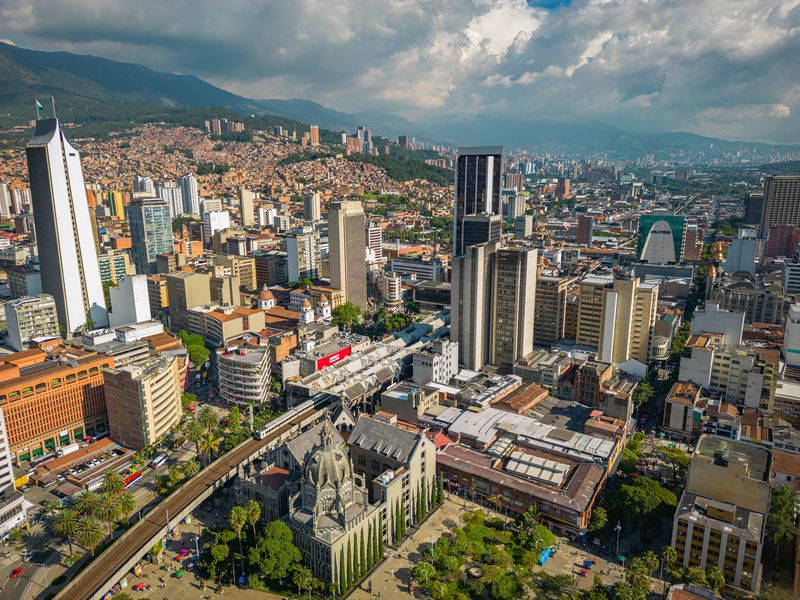
Pack away your heavy coat, because Medellín rarely needs one. Daytime temperatures usually hover in the comfortable range, and nights cool off just enough for a light jacket.
That steady weather is how the city earned its famous nickname.
The secret is altitude. Medellín sits high in the Andes, so the heat of the tropics gets softened by cooler mountain air.
Rain does visit, often in the afternoon, but it usually passes fast and leaves everything sparkling.
Here is a handy tip: dress in layers. A T-shirt works for lunch, and a thin sweater helps after sunset.
Carry a small umbrella during the wetter months of April, May, October, and November.
Because the weather stays so kind, locals spend lots of time outdoors. Cafes put tables on sidewalks, families fill the parks, and joggers show up at sunrise.
Visitors can plan trips almost any month without worrying about harsh seasons. Whether you love walking, eating outside, or simply sitting in the sun, this climate makes every plan easier and every day a little brighter for everyone.
Feria de las Flores
Picture a farmer walking a parade route with a giant flower display strapped to his back. That is the heart of the Flower Festival, held every year in Medellín.
The display, called a silleta, can weigh as much as a small child.
The tradition began with farmers from the mountain town of Santa Elena. Long ago, they carried flowers into the city to sell.
Today, families compete to build the most stunning silletas, and the winners earn cheers from huge crowds.
The festival lasts about ten days, usually in early August. You will find concerts, classic car parades, horse shows, and markets filled with blooms.
Streets feel like one big party.
If you plan to go, book your hotel early because rooms fill fast. Wear comfy shoes and bring a hat for the sun.
Arrive early at the main parade to grab a good viewing spot. Even if you miss the festival dates, flower shops around the city keep the spirit alive with bright bouquets all year, so color is never far away.
Botero Plaza and Its Round Sculptures
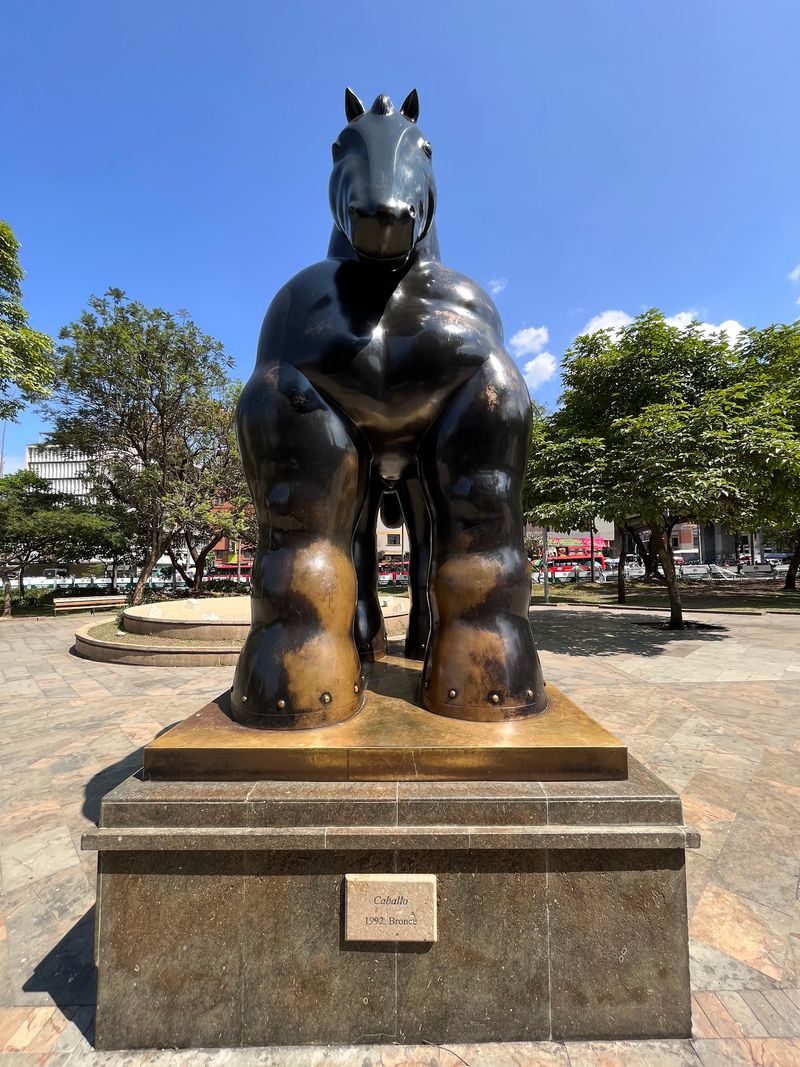
Chubby cats, plump birds, and a very round horse greet you in Botero Plaza. These bronze sculptures were made by Fernando Botero, a famous artist born in Medellín.
He loved painting and sculpting figures with big, puffy shapes.
More than twenty of his works stand in the open air, and best of all, you can touch them. You will notice some spots shine brighter than others.
Visitors rub them for luck, and the metal glows like gold.
The plaza sits right in the middle of downtown, so it is easy to reach by metro. Go in the morning for softer light and smaller crowds.
Bring a camera, since every statue makes a funny photo backdrop.
Right beside the plaza is the Museo de Antioquia, which holds even more of Botero’s art. Watch your belongings, as busy areas attract pickpockets.
Keep your phone tucked away when not snapping pictures. A quick visit takes an hour, but many people linger much longer, smiling at every curve.
Metrocable Rides Above the City
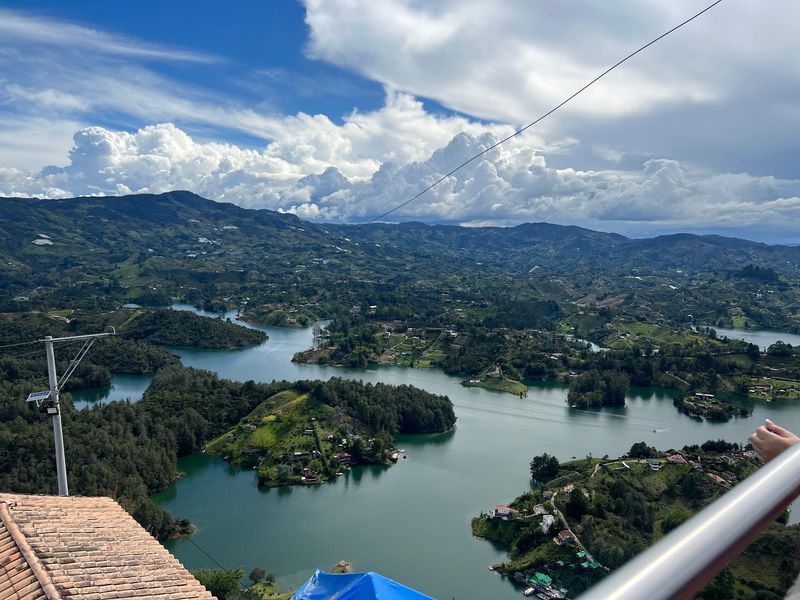
Hop into a small cabin and glide above rooftops, treetops, and tiny soccer fields. Medellín’s Metrocable links hillside neighborhoods to the metro system below.
It is public transport that doubles as a sightseeing tour.
The cable cars were built to help people who lived high on steep slopes reach jobs and schools faster. Commutes that took hours shrank to minutes.
The idea worked so well that other cities have studied it.
For the best views, try Line K to Line L, which connects to Parque Arví. The ride passes over forest and neighborhoods with colorful homes.
Pay with the same Cívica card used for the metro, and expect to share your cabin with locals.
Go on a clear morning, since clouds often roll in by afternoon. Stand near the window, but hold your camera tightly.
Bring a light jacket for the top station, where the air turns cooler and fresher. It is cheap, quick, and one of the most memorable rides in the whole country.
Comuna 13 Street Art
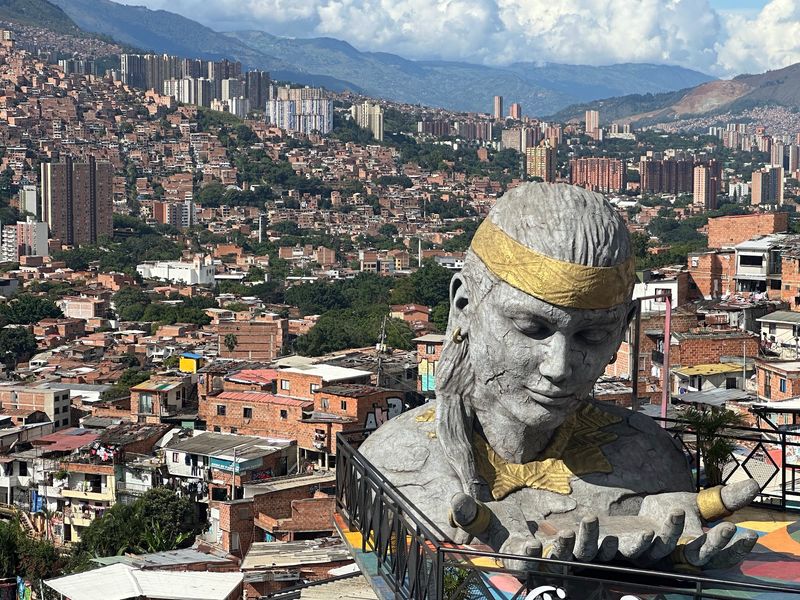
Walls here talk loudly, and every color has a story. Comuna 13 was once known for hardship, but today it bursts with murals, music, and pride.
Local guides lead walking tours that explain the meaning behind each painting.
Giant outdoor escalators carry visitors up the steep hill, a surprise for anyone expecting a long climb. At the top, you will find rooftop views and stands selling fresh fruit.
Street dancers and rappers often perform right on the corner.
Hiring a guide from the neighborhood is the best way to go. Your money supports residents, and you will learn history that signs cannot teach.
Ask before taking photos of people, and be respectful of homes.
Wear sturdy shoes, because the paths can be slippery after rain. Try a cold mango treat or a scoop of ice cream to cool off.
Morning visits are calmer and cooler. Come with an open mind, and you will leave with a new view of the city’s hopeful spirit.
Parque Arví Nature Escape
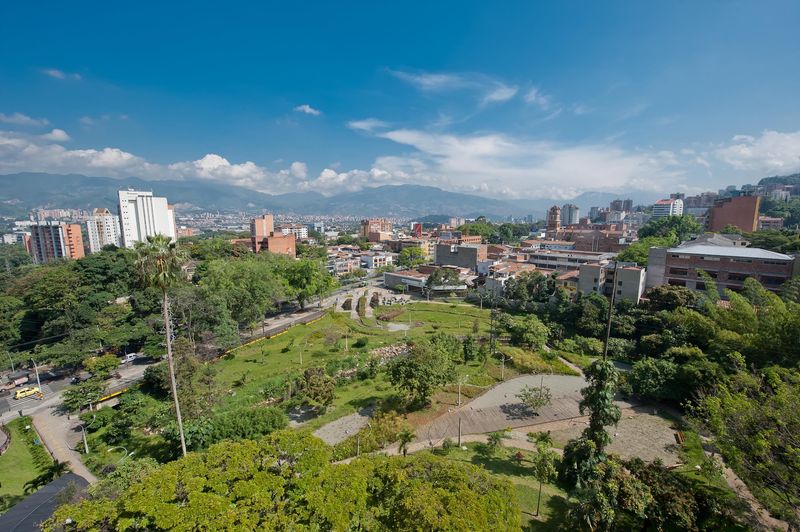
Mist curls through the pine trees, and the air smells like wet leaves. Parque Arví sits high above Medellín, and you can reach it by cable car.
It feels like a different world only minutes from downtown.
The park holds miles of walking trails, some easy and some more challenging. Guides offer tours that explain local plants, birds, and old pre-Hispanic paths.
Keep your eyes open for butterflies and bright flowers along the way.
On weekends, a farmers market near the entrance sells cheese, fresh fruit, and homemade sweets. Grab a snack and sit on the grass.
Kids love the open space, and adults love the quiet.
Temperatures can drop, so bring a sweater and a rain jacket. Start early to enjoy longer hikes without the afternoon drizzle.
Wear shoes with good grip, since paths get muddy. A day here shows exactly why Medellín stays so green and why locals escape to the forest whenever they need a deep breath.
Botanical Garden Calm
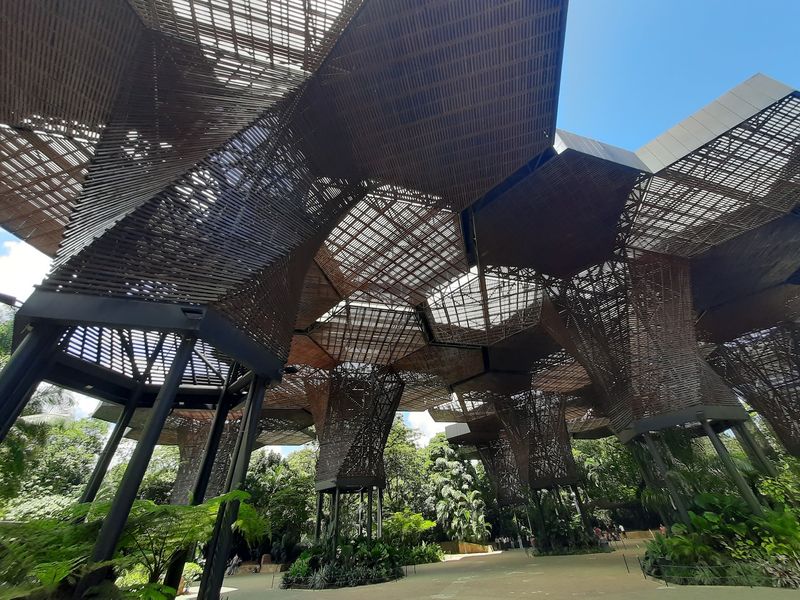
Right in the middle of the city, an iguana might stroll past your picnic blanket. The Jardín Botánico de Medellín is a free green escape filled with palms, ferns, and rainbow-colored flower beds.
Entry costs nothing, which makes it a favorite for families.
The star building is the Orquideorama, a wooden roof shaped like giant honeycomb flowers. Underneath, orchids bloom in every shade.
The structure is a popular photo spot, so try an early visit for fewer crowds.
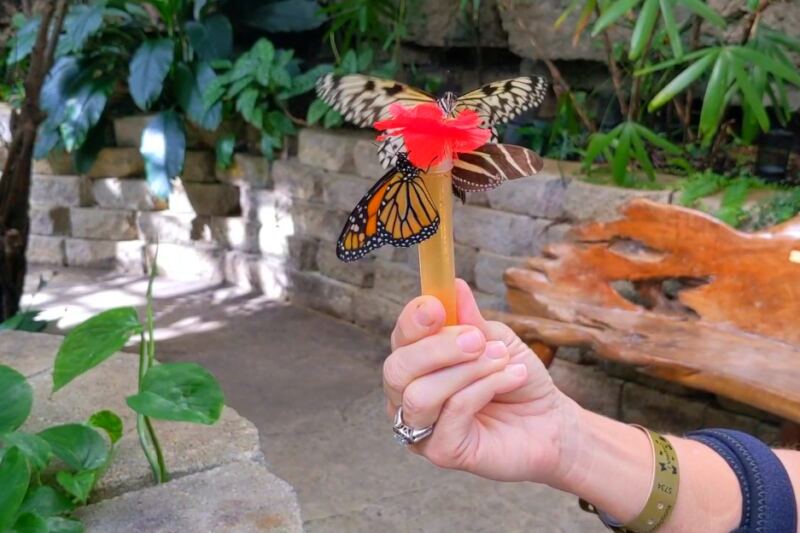
Winding paths lead to ponds, shady benches, and a butterfly area. Look up as well, because birds hop through the branches.
There is also a small cafe and a restaurant if you get hungry.
Bring water and a hat, since the sun feels strong at this altitude. Check for guided tours that explain the plants in simple terms.
The garden is next to Parque Explora, so you can easily combine both in one afternoon. It is peaceful, pretty, and perfect for slowing down.
Bandeja Paisa and Local Flavors
One plate can feed a hungry hiker for a whole afternoon. Bandeja paisa is the star dish of Antioquia, piled high with beans, rice, plantain, egg, avocado, chorizo, and crispy pork.
Add a small arepa on the side and you are ready for a nap.
Do not stop there. Try arepas topped with cheese for breakfast, and sip a hot chocolate with a slice of cheese melting inside.
It sounds odd, but locals swear by it.
Fresh fruit juices are everywhere, too. Ask for lulo, guanábana, or maracuyá and taste flavors you may never have met before.
Many juices are made on the spot.
For a casual meal, look for a lunch special called menú del día. It usually includes soup, a main dish, and a drink at a friendly price.
Share a bandeja if your appetite is small. Eating in Medellín is a delicious way to learn about the culture, and the portions will leave you smiling.
Museo de Antioquia
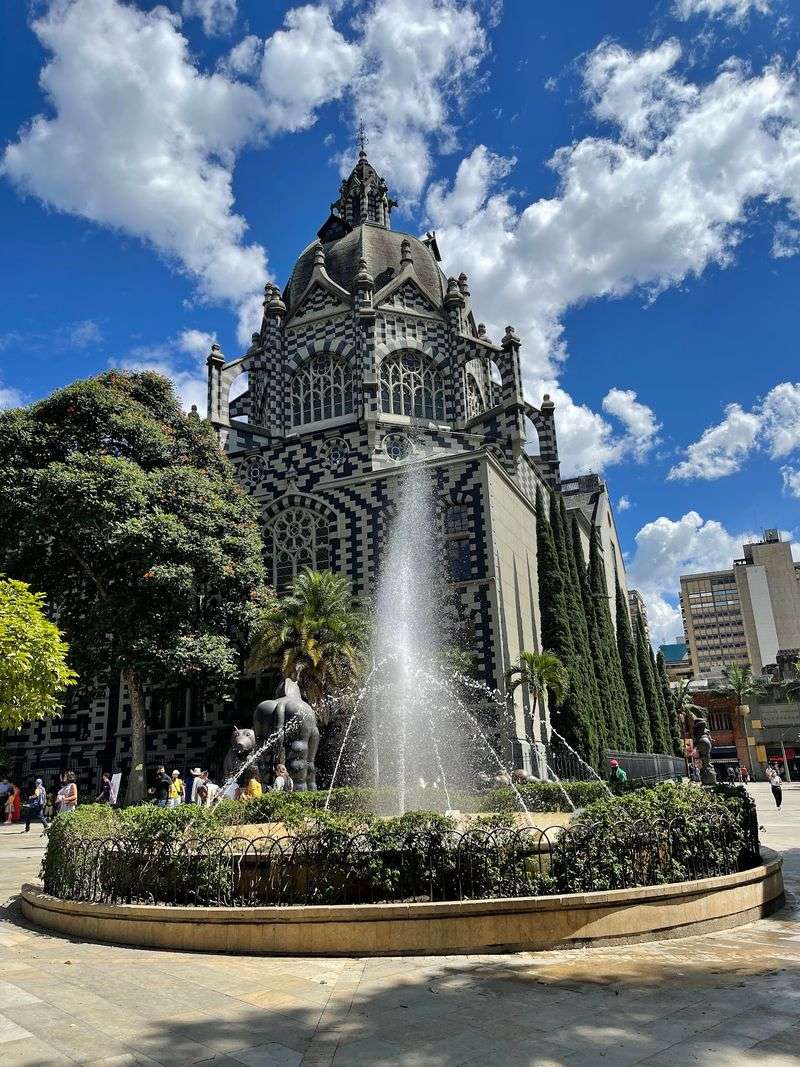
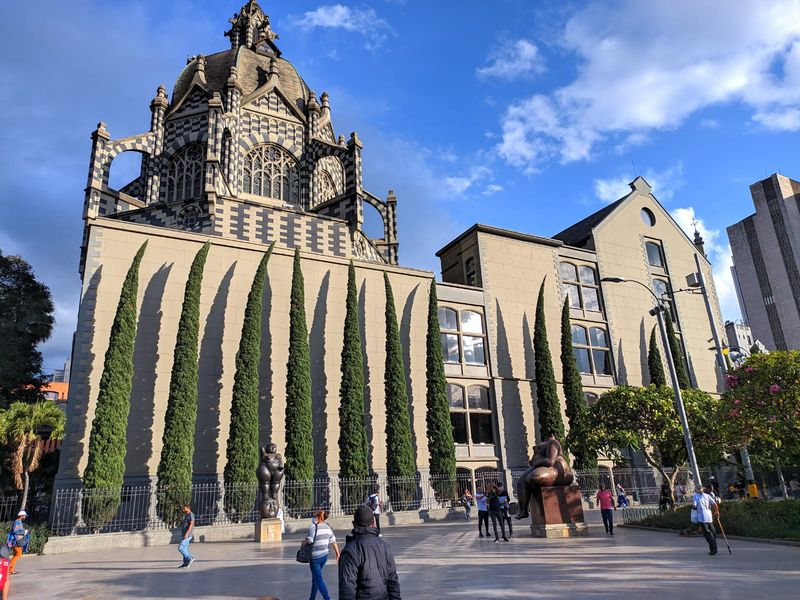
Art lovers, take note: Medellín keeps one of its best treasures in a handsome old city hall. The Museo de Antioquia is the oldest museum in the city.
Its halls hold paintings, sculptures, and historic objects.
Fernando Botero gave many of his own works to his hometown, so you can see them here in large numbers. Look for his playful paintings with soft, rounded people and animals.
They are bold, funny, and sometimes surprisingly deep.
The museum also shows pieces from other Colombian artists and from ancient cultures. Take your time and read a few labels.
Each room tells a bit more about the region’s past.
It sits right beside Botero Plaza, so the two make an easy pair. Plan for about two hours inside.
Check the opening times, since some days are shorter. Audio guides can help if your Spanish is limited.
After the visit, grab a coffee at a nearby cafe and talk about your favorite painting with friends.
Pueblito Paisa and Cerro Nutibara
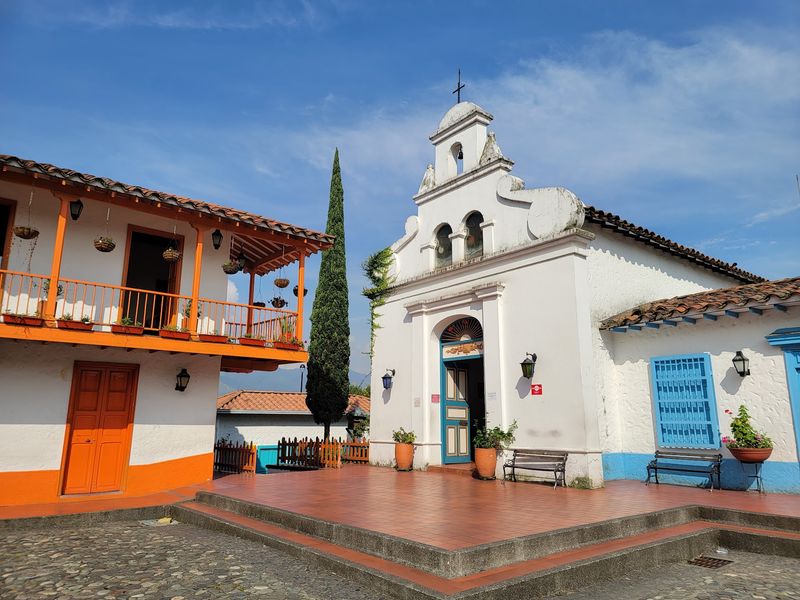
Whitewashed walls, red roofs, and a church bell: Pueblito Paisa looks like a tiny mountain town dropped onto a hill. It sits on top of Cerro Nutibara and copies the style of old Antioquia villages.
The best part is the sweeping view of Medellín.
Walk through the cobbled square and peek into small shops selling crafts, sweets, and souvenirs. A barbershop, a school, and a town hall add charm.
Everything is easy to explore in about an hour.
Come near sunset to watch the city lights switch on across the valley. The glow looks stunning, and the air cools nicely.
Bring a light jacket for the evening breeze.
You can climb the hill on foot, but a taxi saves energy. Stay on the main paths after dark and keep valuables close.
At the base, a sculpture park adds more art to enjoy. It is a relaxed spot to end a day of sightseeing in the City of Eternal Spring.
Share this story