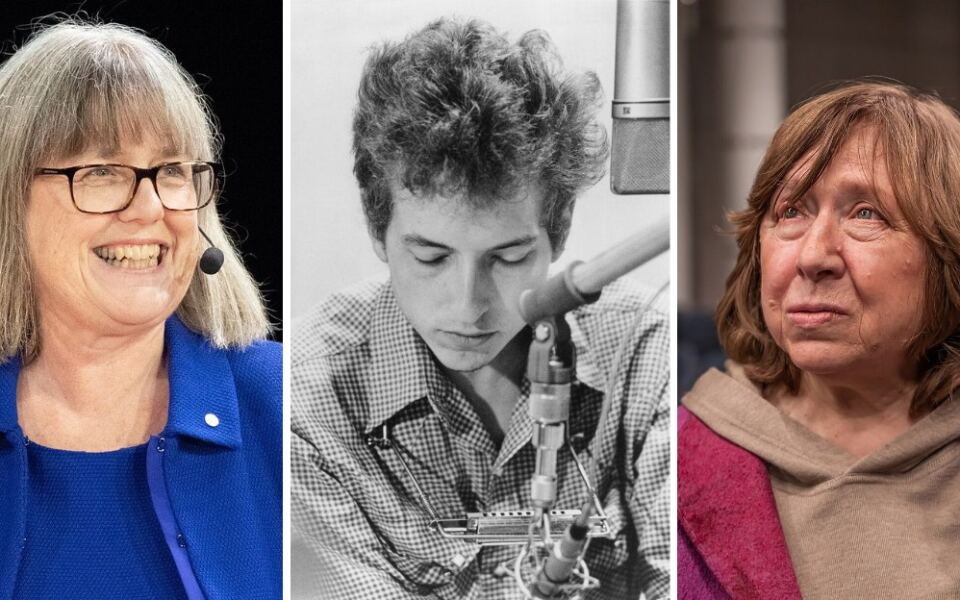
Born between late May and late June, these 15 people share the Gemini zodiac sign and a Nobel Prize. They worked in physics, chemistry, medicine, literature, and peace.
Their stories show how curiosity and hard work can change the world. Read on to meet each winner and learn what earned them the honor.
1. Bob Dylan
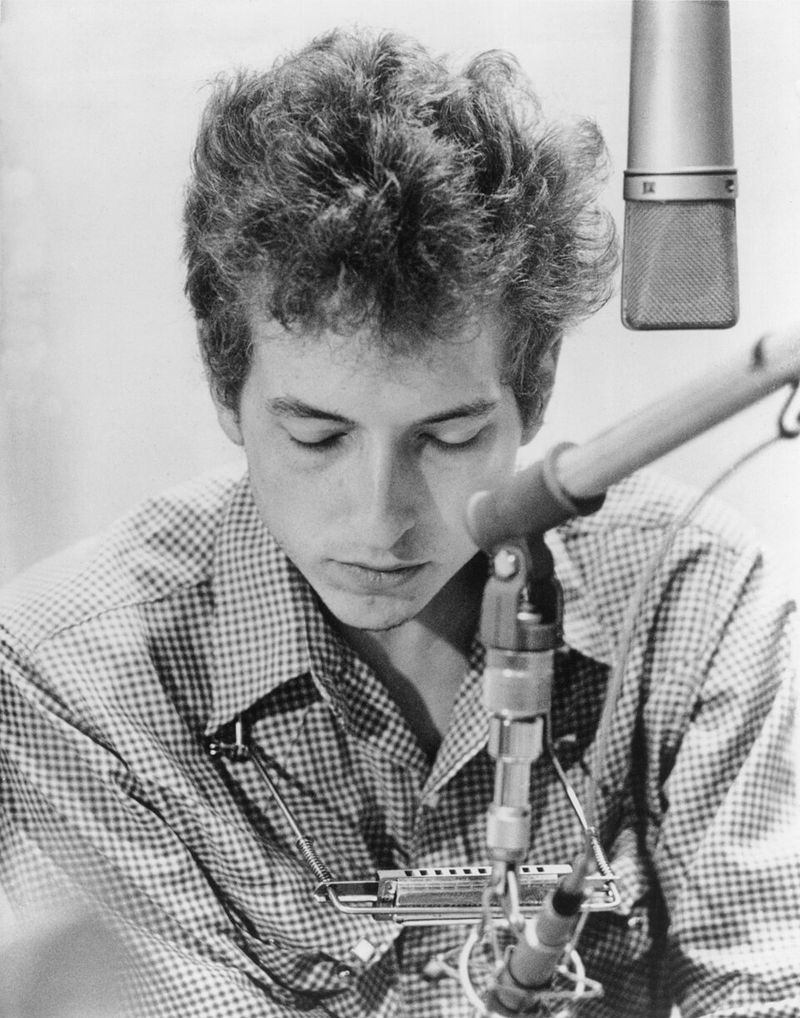
Few songwriters have shaped music the way Bob Dylan has. Born on May 24, 1941, he rose from the folk clubs of New York to worldwide fame.
In 2016, he received the Nobel Prize in Literature. The committee praised him for creating new poetic expressions within the American song tradition.
Songs like Blowin in the Wind and The Times They Are A-Changin became anthems for people seeking change. His words are simple on the surface, yet they carry deep meaning.
Dylan did not attend the ceremony in person because of other commitments, which surprised many. He later sent a speech reflecting on literature and songs.
His career shows that lyrics can be real literature and that poetry can live in music as well as on the page.
2. Henry Kissinger
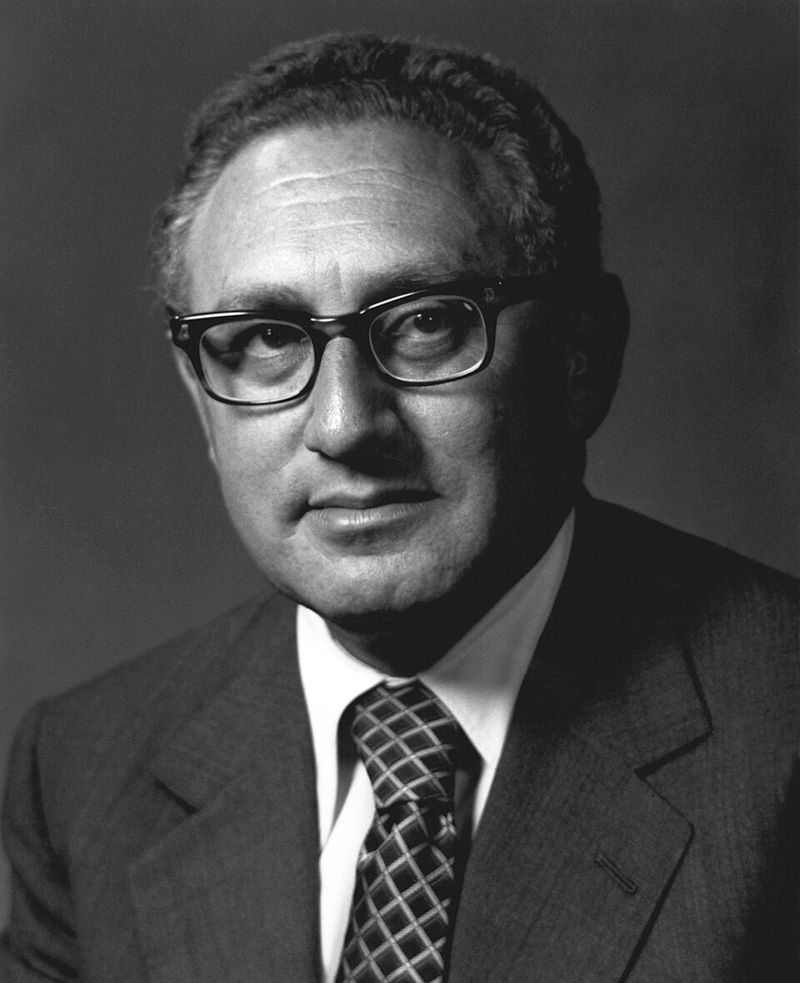
Diplomacy often happens behind closed doors, and few people worked behind more of them than Henry Kissinger. Born on May 27, 1923, he became a leading American statesman.
He shared the 1973 Nobel Peace Prize for negotiating the ceasefire that aimed to end the Vietnam War. The choice was debated around the world, and one committee member resigned.
Kissinger served as National Security Advisor and Secretary of State. He helped open relations between the United States and China and worked on arms talks with the Soviet Union.
Supporters praise his skill at negotiation, while critics question some of his decisions. His career remains a major subject for historians who study the Cold War and how nations talk to one another.
3. Peter Higgs
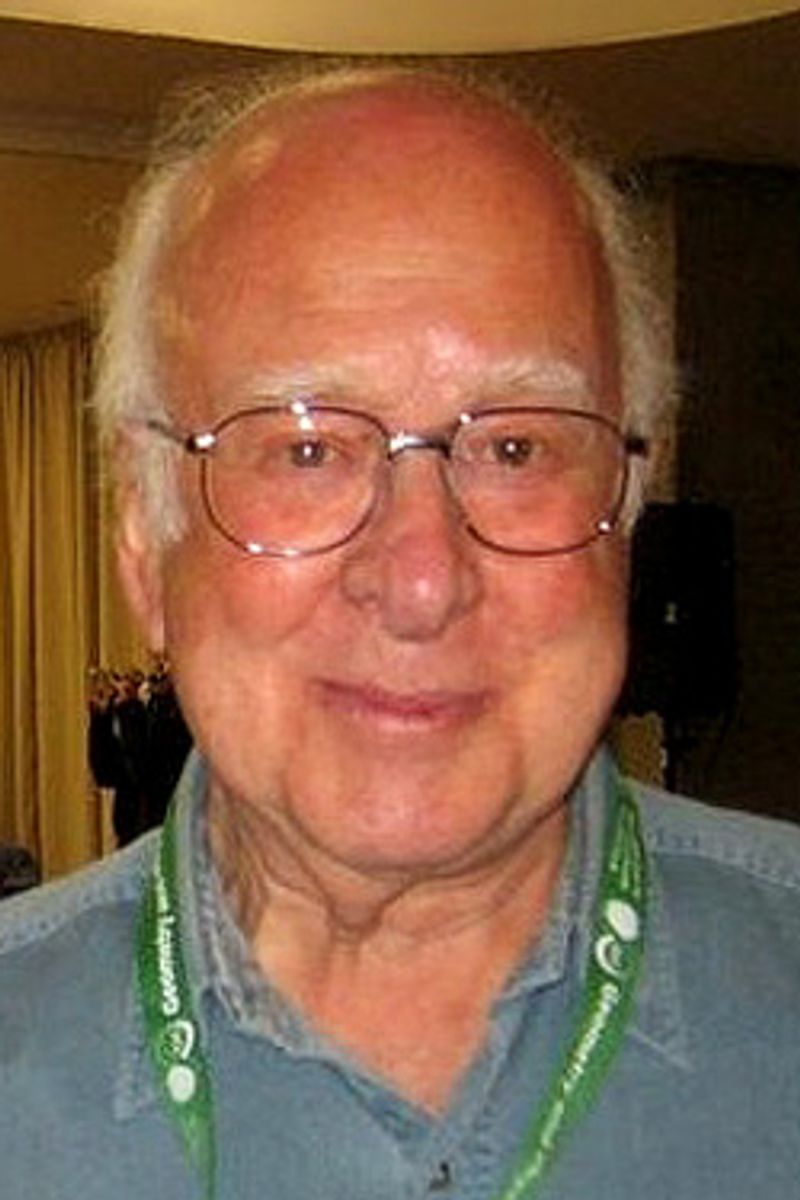
Imagine predicting a tiny particle nearly fifty years before anyone could find it. That is what Peter Higgs did.
Born on May 29, 1929, the British physicist proposed an idea in 1964 about how particles gain mass.
The idea suggested a new particle, later called the Higgs boson. In 2012, scientists at CERN in Switzerland confirmed it using the Large Hadron Collider.
Higgs shared the 2013 Nobel Prize in Physics with Francois Englert. Newspapers called it the God particle, a nickname Higgs disliked.
He was known as a modest man who avoided the spotlight. His work helps explain why matter has weight, and why atoms, stars, and people can exist at all.
4. Barbara McClintock
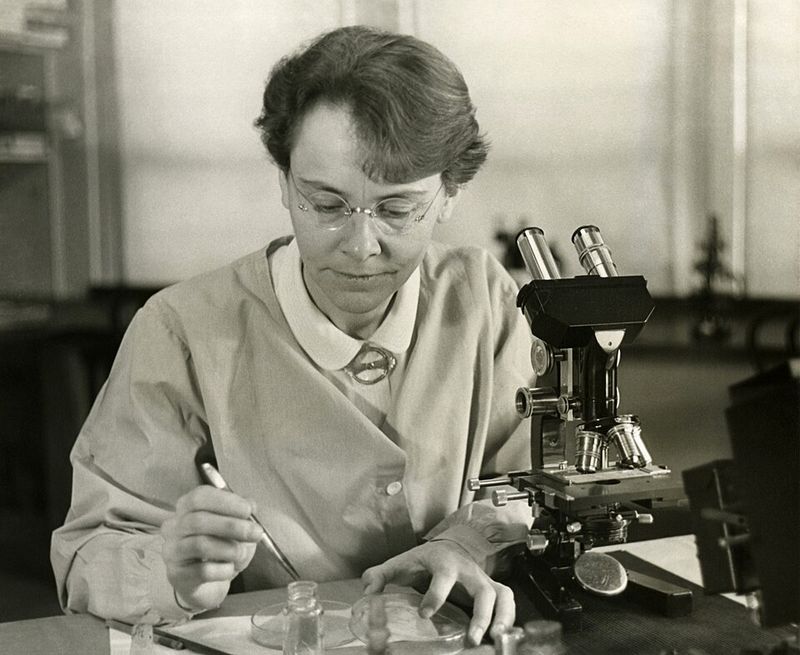
Sometimes a scientist is so far ahead that the world needs decades to catch up. Barbara McClintock was exactly that kind of researcher.
Born on June 16, 1902, she studied corn plants and their colorful kernels.
Through careful observation, she discovered that genes can move around on chromosomes. She called them jumping genes, or transposable elements.
Many scientists doubted her findings in the 1950s, and she stopped publishing for a time. Later research proved her right across many living things.
In 1983, she received the Nobel Prize in Physiology or Medicine, and she won it alone. Her story is a reminder to trust careful evidence and to keep working even when others are not yet convinced.
5. Thomas Mann
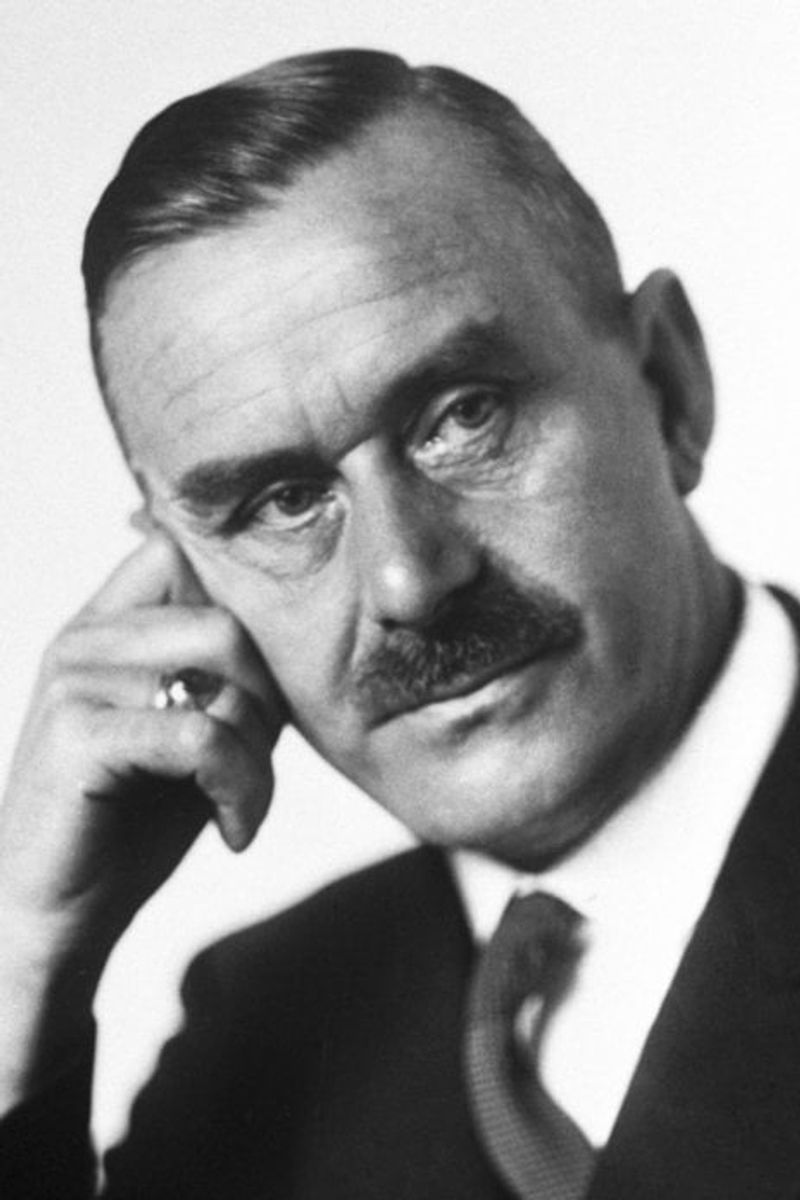
A novel about a family can reveal an entire society. That is what Thomas Mann achieved with Buddenbrooks, published when he was only twenty-five.
Born on June 6, 1875, in Lubeck, Germany, he became one of the great writers of his century.
He received the Nobel Prize in Literature in 1929, mainly for that first novel. It follows four generations of a merchant family as their fortunes fade.
Later works included The Magic Mountain and Death in Venice. They explore illness, art, time, and the choices people make.
Mann spoke out against the Nazi government and left Germany. He eventually lived in the United States, where he kept writing and speaking about freedom.
6. Andrei Sakharov
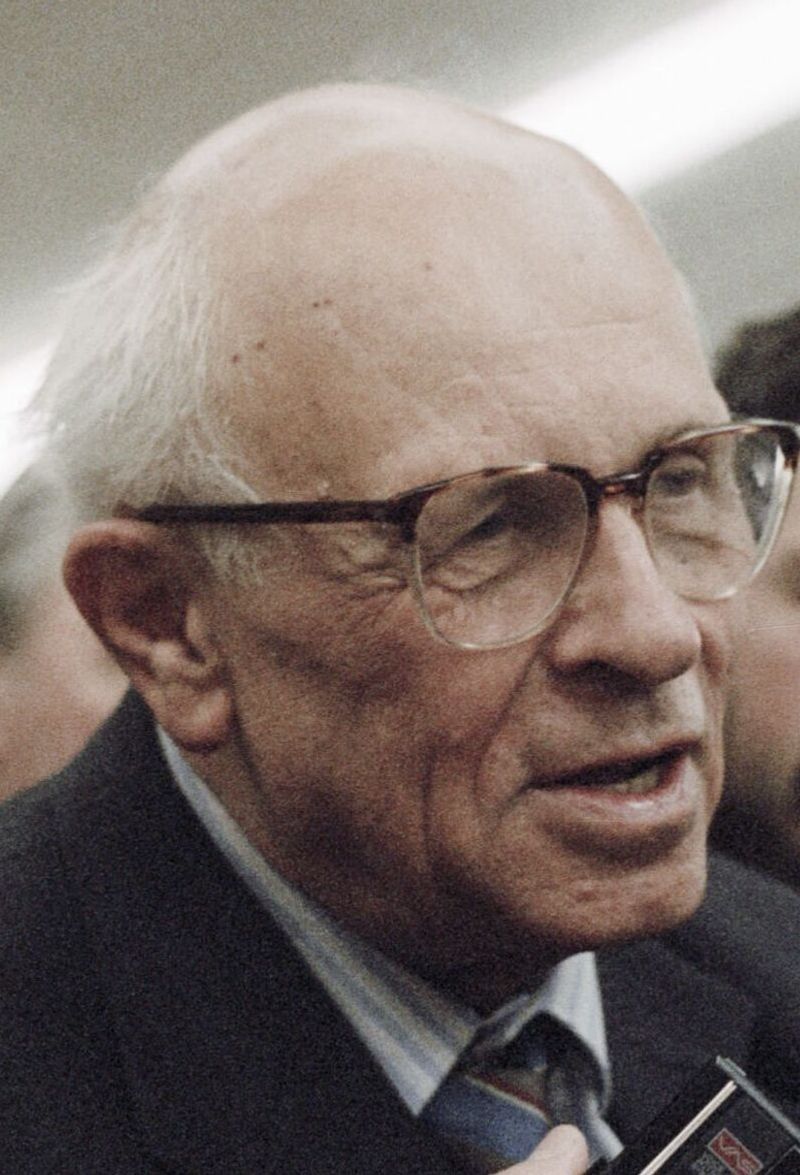
Andrei Sakharov helped build a powerful weapon, then spent the rest of his life fighting for peace. Born on May 21, 1921, he was a brilliant Soviet physicist who worked on the hydrogen bomb.
Over time, he grew worried about the dangers of nuclear weapons. He began to speak openly about human rights and freedom of thought.
The Soviet government did not welcome his views. In 1975, he won the Nobel Peace Prize, but he was not allowed to travel to Oslo.
His wife, Yelena Bonner, accepted it for him.
Later, he was sent into internal exile in the city of Gorky. Today, the European Parliament honors his memory with the Sakharov Prize for Freedom of Thought.
7. Donna Strickland
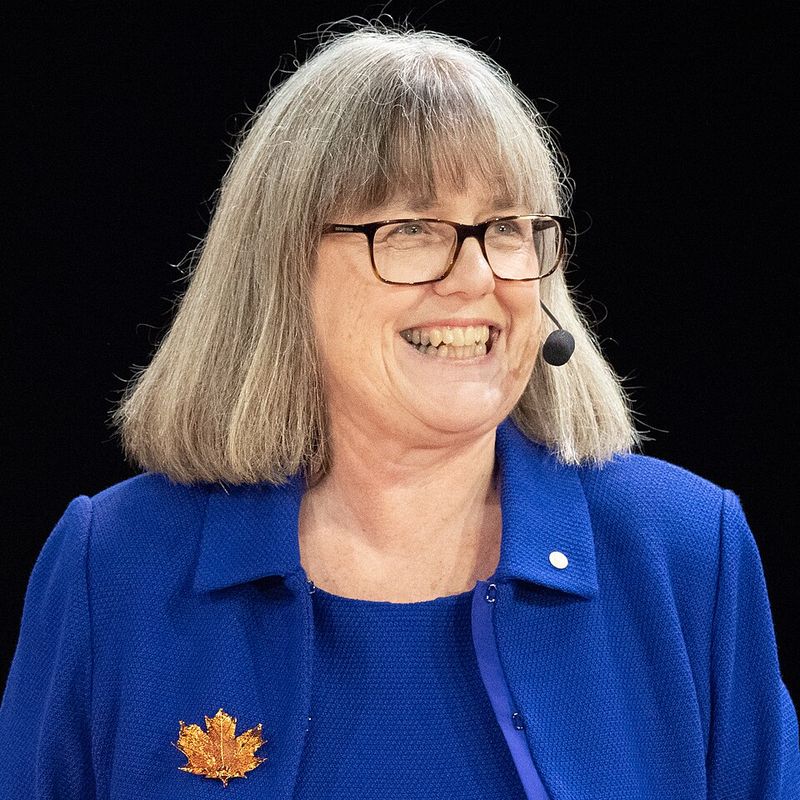
Only a few women have ever won the Nobel Prize in Physics, and Donna Strickland is one of them. Born on May 27, 1959, in Guelph, Canada, she became a leader in laser science.
As a graduate student, she worked with Gerard Mourou on a method called chirped pulse amplification. It stretches a laser pulse, boosts its power, and then squeezes it again.
The result is extremely short and intense light. In 2018, the pair shared the Nobel Prize in Physics for the invention.
Their technique is used in eye surgery, including the procedures that help people see without glasses. Strickland teaches at the University of Waterloo and encourages young scientists to follow their curiosity.
8. Mohamed ElBaradei
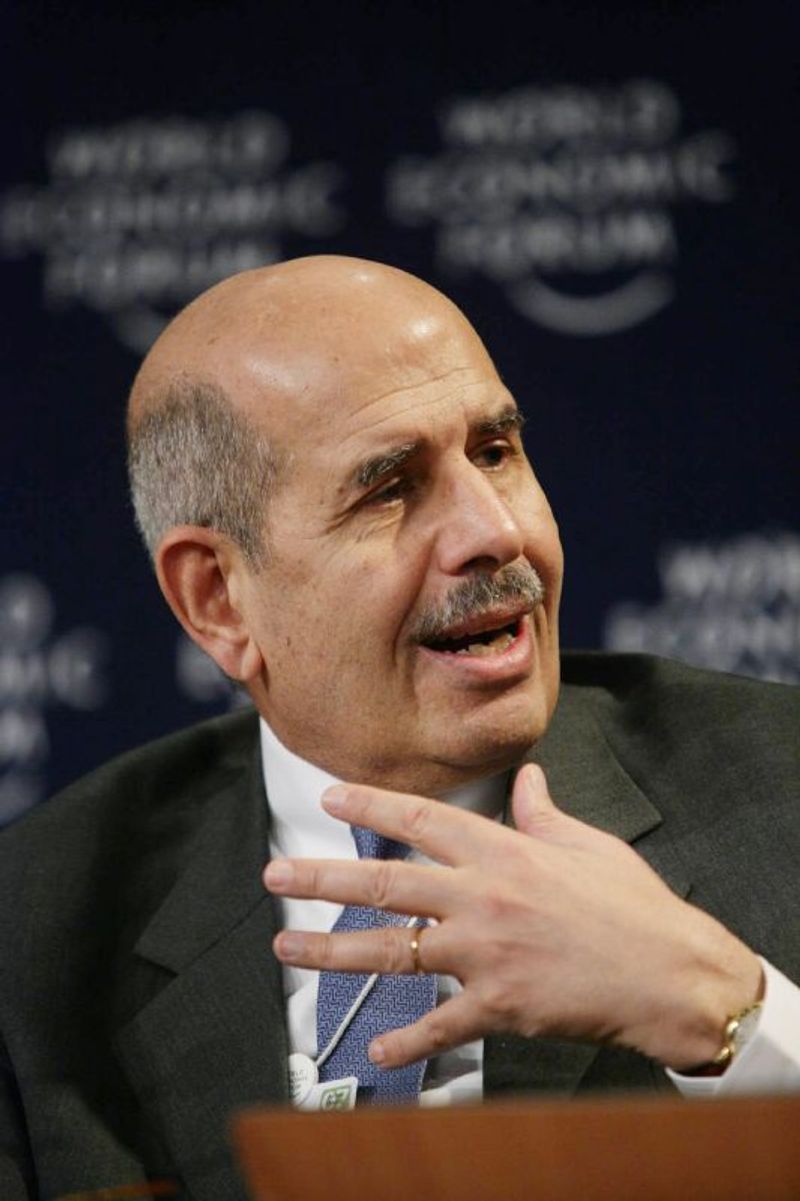
When countries disagree about nuclear power, someone has to check the facts. For many years, that person was Mohamed ElBaradei.
Born on June 17, 1942, in Cairo, he trained as a lawyer and diplomat.
He led the International Atomic Energy Agency from 1997 to 2009. His team inspected nuclear sites and reported on whether they were used only for peaceful purposes.
In 2005, he and the agency shared the Nobel Peace Prize. The committee honored their efforts to stop nuclear energy from being used for military ends.
ElBaradei also spoke publicly before the Iraq War, saying inspectors had found no proof of weapons programs. Later, he became active in Egyptian politics.
9. Richard Smalley
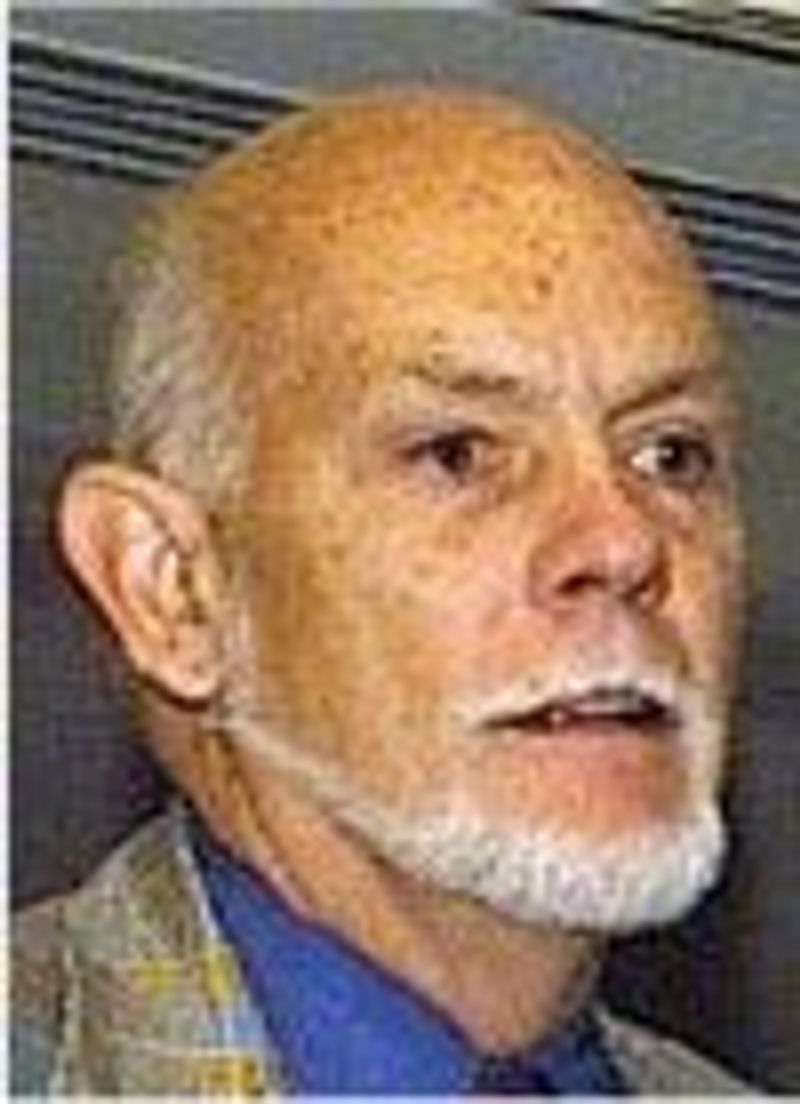
Picture a hollow ball made of sixty carbon atoms, shaped like a soccer ball. Richard Smalley helped discover it.
Born on June 6, 1943, in Akron, Ohio, he became a chemist at Rice University.
In 1985, he and his colleagues Robert Curl and Harold Kroto created a new form of carbon. They named it buckminsterfullerene, or buckyball, after architect Buckminster Fuller.
The trio won the 1996 Nobel Prize in Chemistry. Their discovery opened the door to the study of nanotechnology.
Smalley later championed research into carbon nanotubes and clean energy. He believed science could help solve big problems, and he loved inspiring students to study chemistry and engineering.
10. Yasunari Kawabata
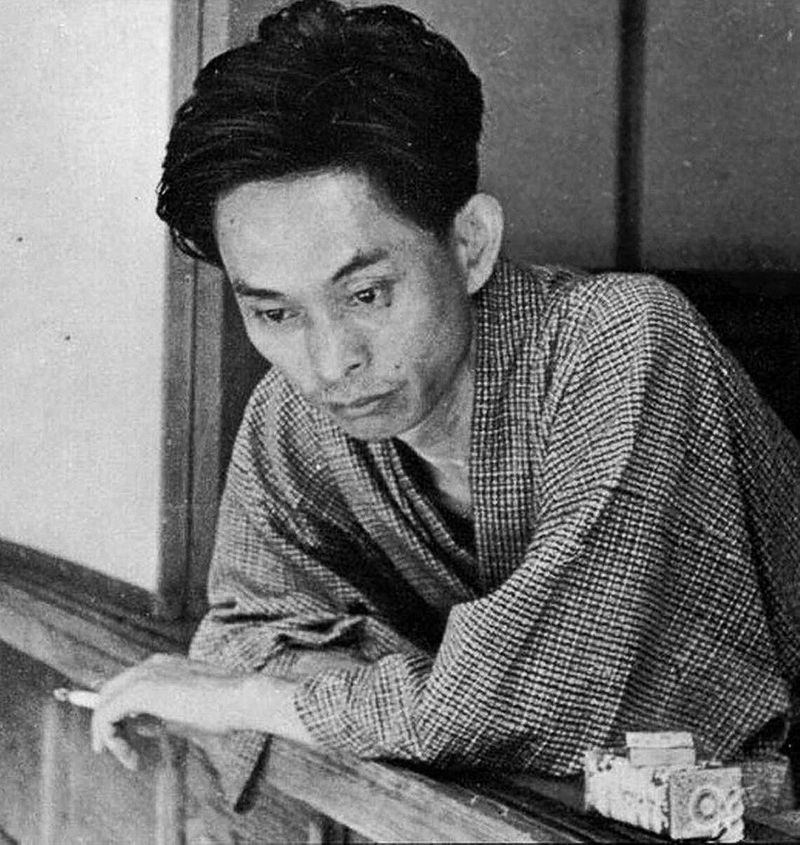
Quiet scenes can carry great emotion, and Yasunari Kawabata knew it well. Born on June 14, 1899, in Osaka, Japan, he lost both parents as a child.
Those early losses shaped the gentle sadness found in his stories.
His novels include Snow Country, The Sound of the Mountain, and Thousand Cranes. They are known for delicate images of nature, love, and loneliness.
In 1968, he became the first Japanese writer to receive the Nobel Prize in Literature. The committee praised his narrative mastery, which expresses the essence of the Japanese mind.
His style often leaves things unsaid, inviting readers to feel the meaning between the lines.
11. Svetlana Alexievich
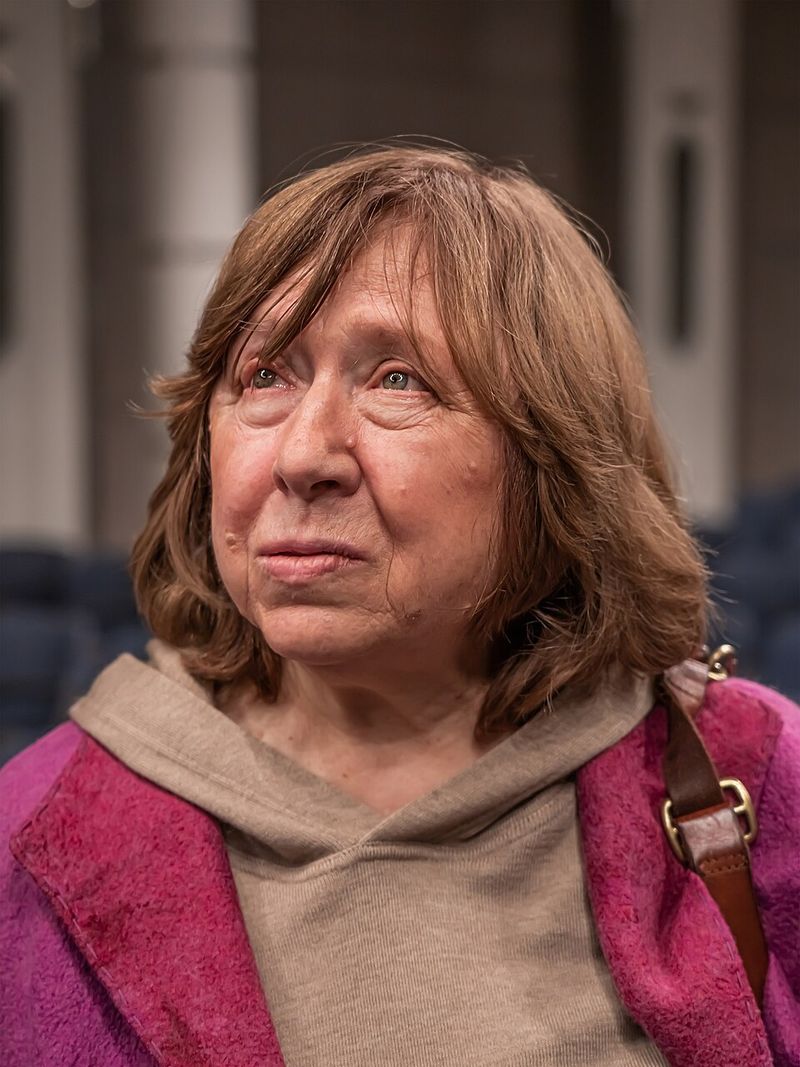
What if history were told by the people who lived through it? Svetlana Alexievich built her career on that idea.
Born on May 31, 1948, in Ukraine and raised in Belarus, she worked first as a journalist.
She traveled widely and recorded hundreds of interviews. Her books weave the voices of ordinary people into powerful collective portraits.
Voices from Chernobyl describes the nuclear disaster through the words of survivors. The Unwomanly Face of War shares the stories of Soviet women in World War II.
In 2015, she received the Nobel Prize in Literature for writings that are a monument to suffering and courage in our time. Her work proves that listening can be an art form.
12. Saint-John Perse
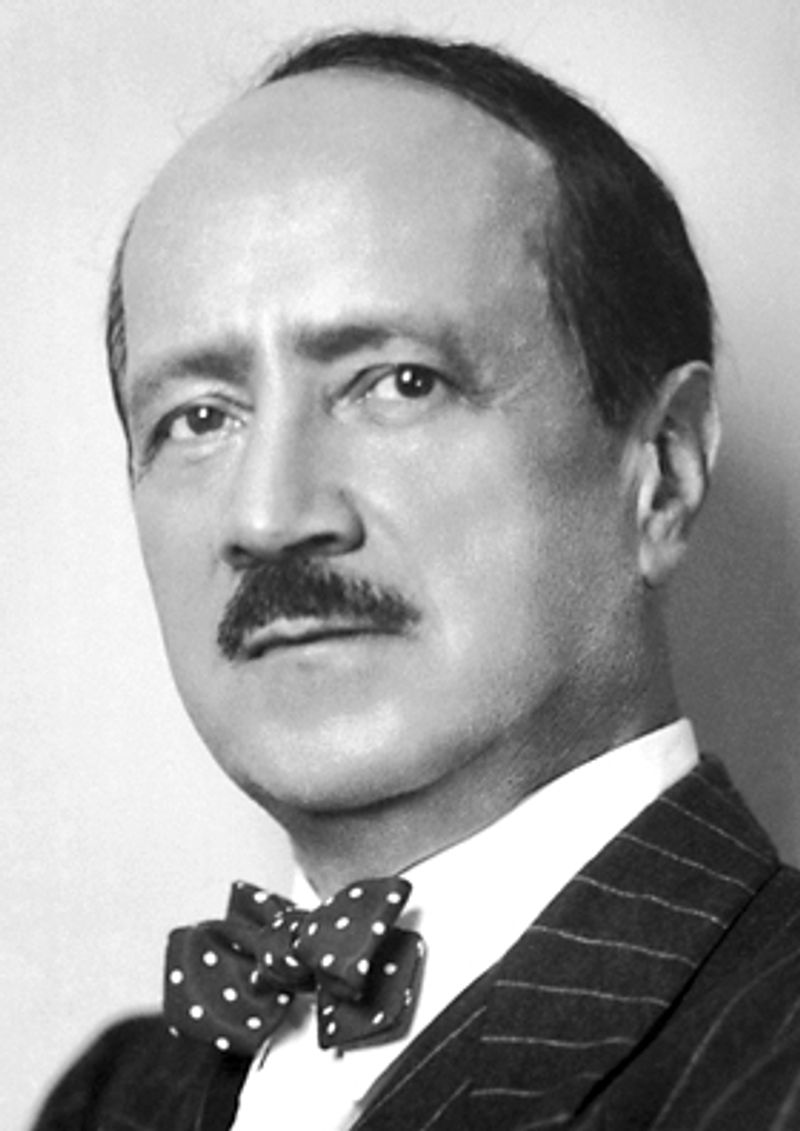
Behind the name Saint-John Perse was a diplomat named Alexis Leger. Born on May 31, 1887, on the island of Guadeloupe, he used a pen name to keep his poetry separate from his government work.
He served in the French foreign ministry and rose to a top post. When World War II began, he left France and lived in the United States for many years.
His poems, such as Anabasis, are grand and full of rich images of sea, travel, and history.
In 1960, he won the Nobel Prize in Literature. The committee noted the soaring flight and evocative imagery of his poetry, which reflects the conditions of our time.
13. Pieter Zeeman
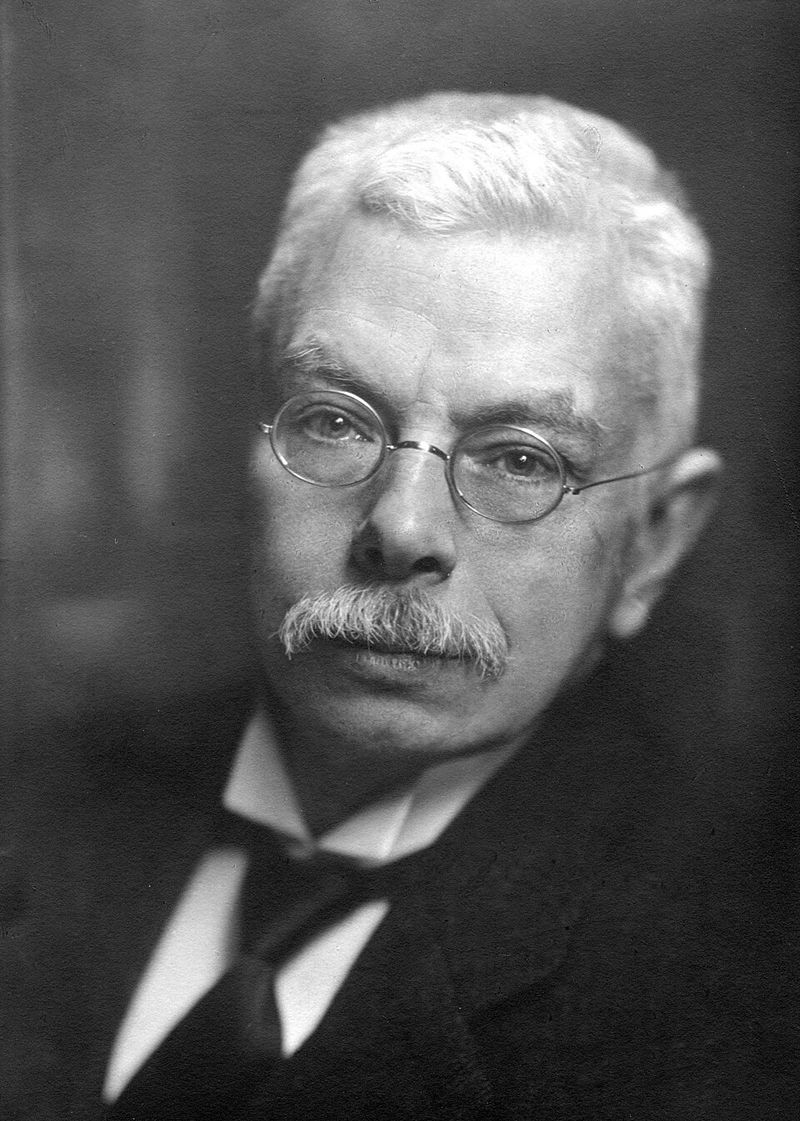
Light can reveal secrets about magnets, and Pieter Zeeman proved it. Born on May 25, 1865, in the Netherlands, he became a physicist at the University of Amsterdam.
In 1896, he placed a source of light inside a strong magnetic field. He noticed that the spectral lines of the light split into several parts.
This became known as the Zeeman effect. It supported the idea that atoms contain tiny charged particles, a big step toward modern atomic theory.
He shared the 1902 Nobel Prize in Physics with Hendrik Lorentz, who explained the effect in theory. Today, scientists use the Zeeman effect to measure magnetic fields on distant stars, including our Sun.
14. Karl Ferdinand Braun
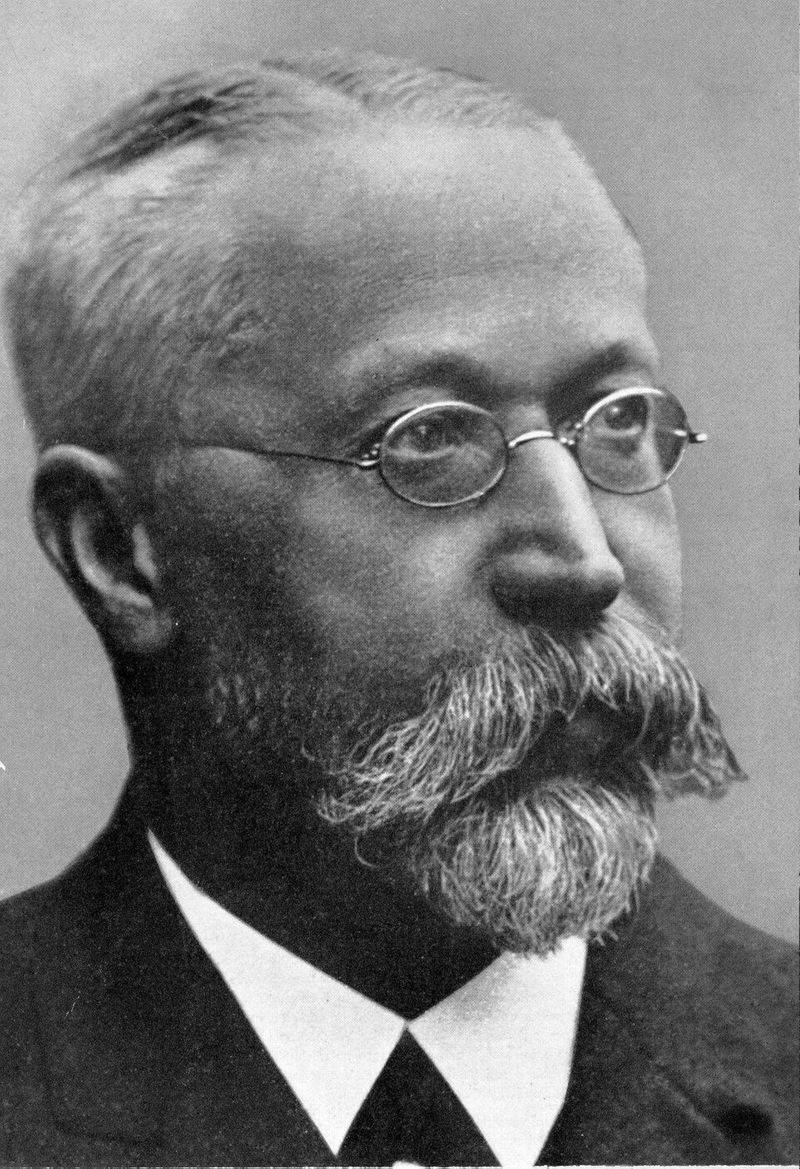
Old televisions and early oscilloscopes owe a debt to Karl Ferdinand Braun. Born on June 6, 1850, in Fulda, Germany, he became a professor of physics.
In 1897, he built the first cathode ray tube oscilloscope. It guided a beam of electrons to draw pictures of electrical signals on a screen.
He also improved wireless telegraphy, making radio signals stronger and easier to tune. His work helped make long-distance wireless messages practical.
In 1909, he shared the Nobel Prize in Physics with Guglielmo Marconi. Braun’s tube later became the heart of television sets, and his ideas live on in many electronic devices.
15. Francois Jacob
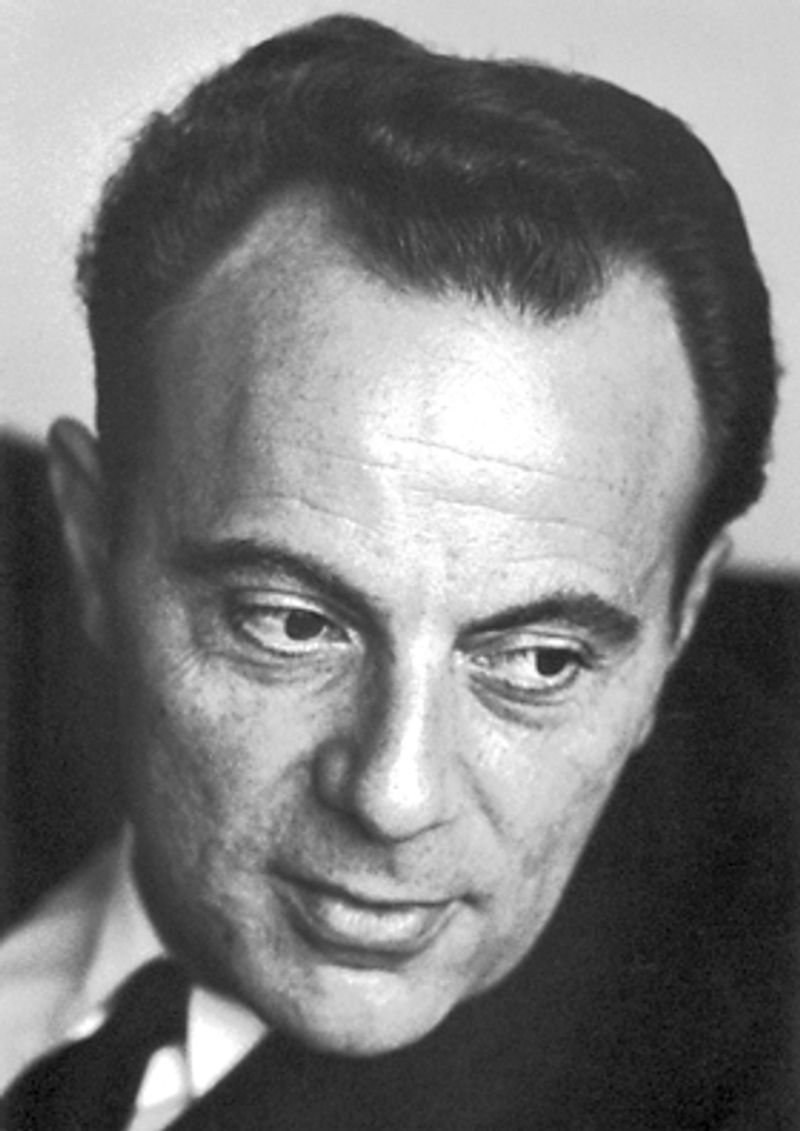
Francois Jacob first dreamed of becoming a surgeon, but World War II changed his path. Born on June 17, 1920, in Nancy, France, he fought with the Free French forces and was badly wounded in 1944.
Unable to pursue surgery, he turned to biology. At the Pasteur Institute, he worked with Jacques Monod on how genes are switched on and off in bacteria.
They described the operon model, which shows how a cell controls which genes it uses. It was a key step in understanding how living things regulate themselves.
Jacob shared the 1965 Nobel Prize in Physiology or Medicine with Monod and Andre Lwoff. He also wrote thoughtful books about science and life.
Share this story