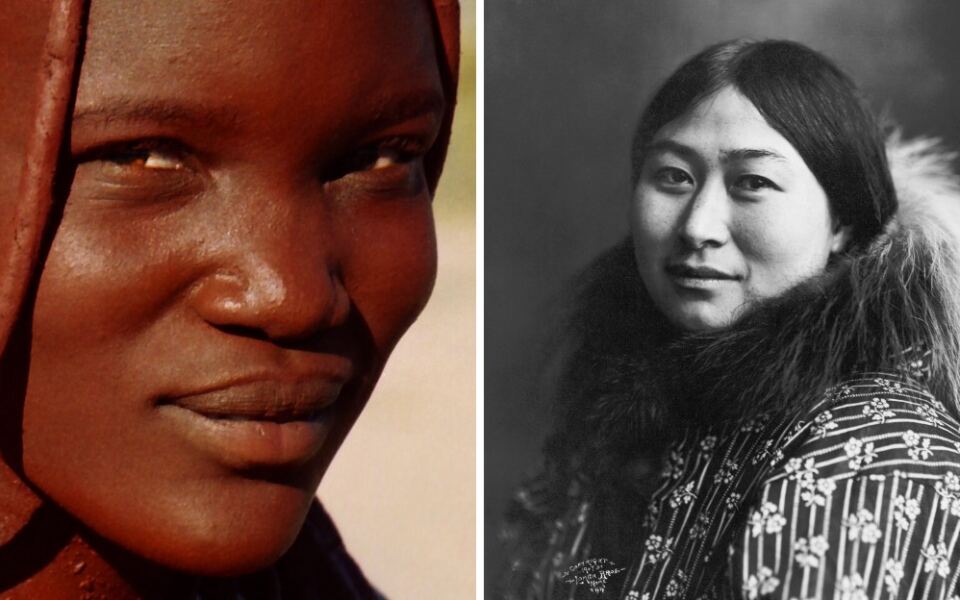
Some of the toughest places on Earth are also home to communities that have lived there for thousands of years. Frozen tundra, scorching deserts, thin mountain air, and open ocean all test human limits.
The people who live in these places built knowledge, tools, and traditions that fit the land. Here are fifteen Indigenous peoples and the environments they know best.
1. Inuit
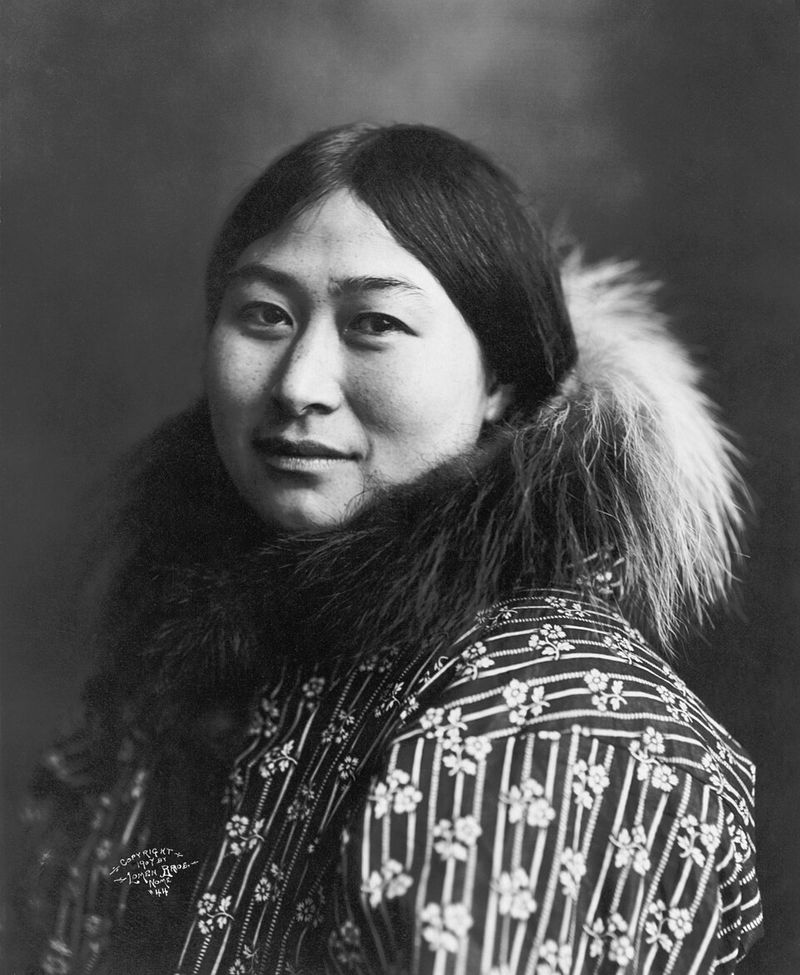
Winter temperatures in the Arctic can fall far below freezing, yet the Inuit have thrived there for centuries. Their homelands stretch across northern Alaska, Canada, and Greenland.
Traditional clothing made from caribou and seal skin traps warm air close to the body. Hunters learned to read snow, ice, and wind to travel safely and find seals, whales, and fish.
Shelters such as the igloo were built from packed snow, which holds heat better than many people expect. Dog teams and kayaks helped families move across ice and water.
Today, many Inuit blend modern tools like snowmobiles with traditional knowledge. Elders still pass down skills in hunting, storytelling, and language.
That living knowledge helps communities adapt as the Arctic climate changes.
2. San Peoples
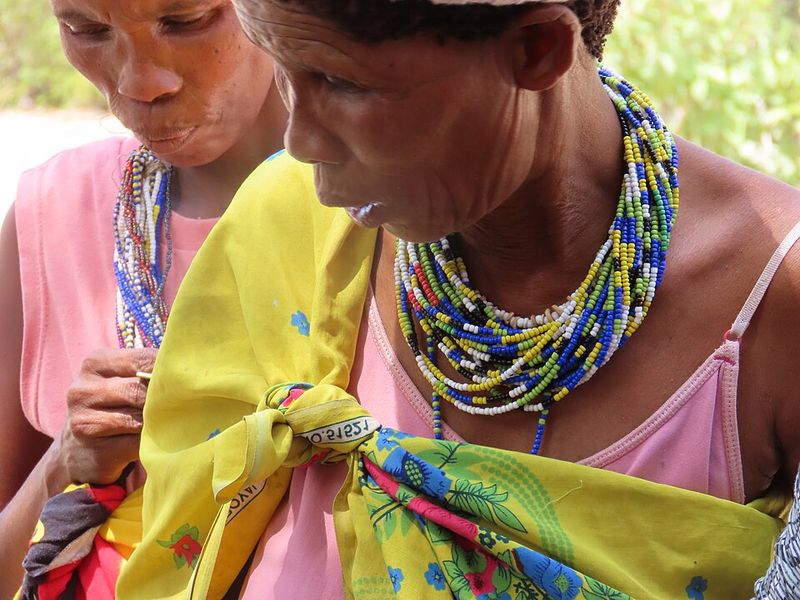
Imagine finding water in a desert where rivers do not flow. The San peoples of the Kalahari, in Botswana, Namibia, and South Africa, have done exactly that for a very long time.
They know which roots and melons hold moisture, and they can follow animal tracks with amazing accuracy. A single footprint can tell a tracker the animal’s species, its size, and how recently it passed.
Groups traditionally moved with the seasons, gathering plants and hunting with bows and light poisoned arrows. Sharing food was a core rule of daily life.
Many San communities now face land pressure and changing laws. Even so, their tracking skills and plant knowledge remain valued by scientists and conservation teams working across southern Africa.
3. Nenets
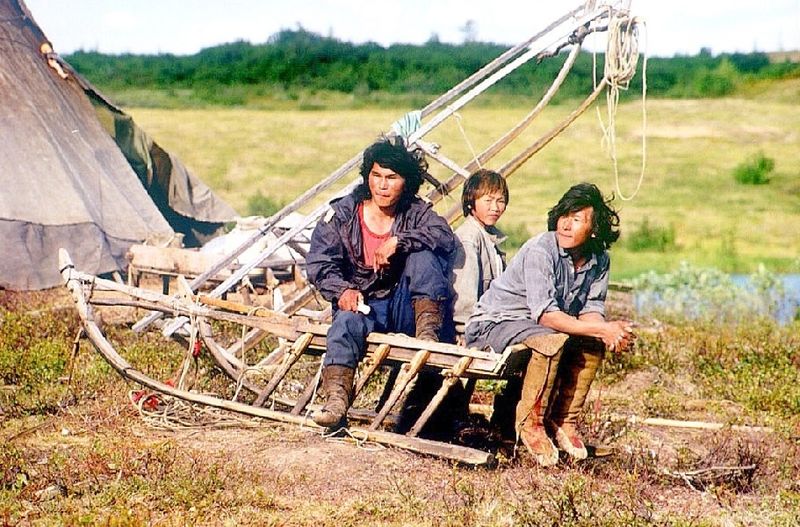
Every year, Nenets families travel with their reindeer across more than 600 miles of Siberian tundra. It is one of the longest migrations of any herding people.
Their home is the Arctic land of northern Russia, where winter nights are long and winds are fierce. Families live in a tent called a chum, covered with reindeer hides and warmed by a small stove.
Reindeer provide nearly everything, including meat, clothing, tent covers, and transport. Herders judge ice thickness and weather to cross frozen rivers safely.
Oil and gas development on the Yamal Peninsula has changed some grazing lands. Many Nenets continue herding, balancing old routes with new challenges and keeping their language and customs alive.
4. Bedouin Tribes
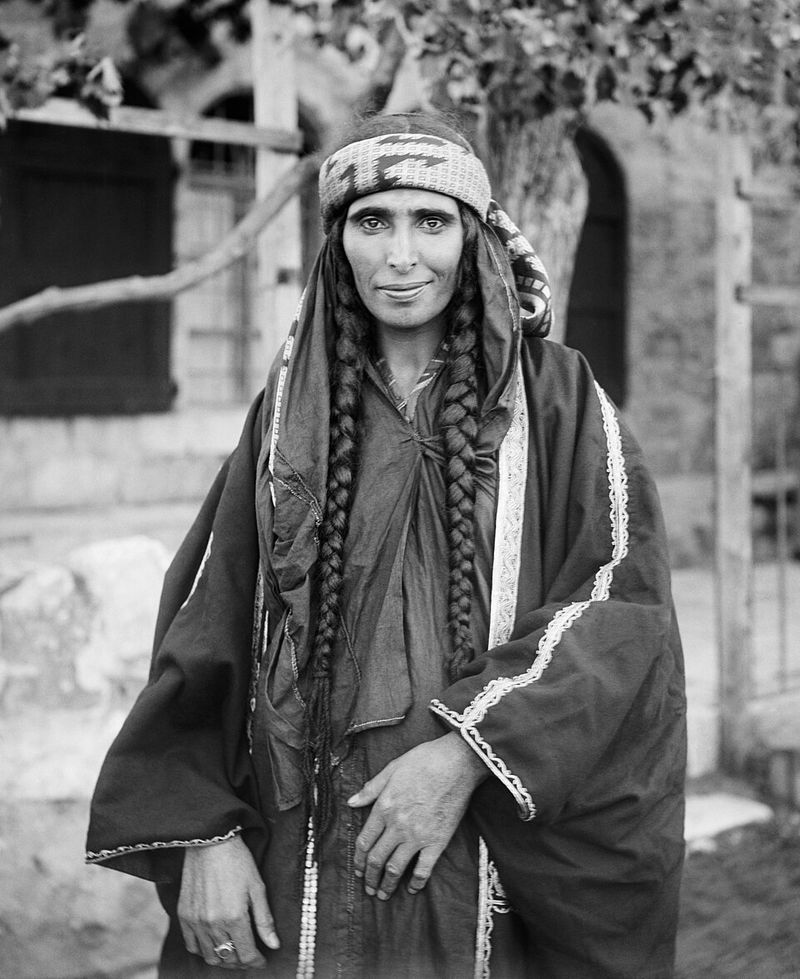
A good camel can go days without a drink, and the Bedouin built a way of life around that gift. These desert peoples have long traveled across Arabia and North Africa.
Their tents are woven from goat hair, which swells in rain to keep water out and loosens in heat to let air through. Loose robes protect the skin from sun and blowing sand.
Hospitality is a strong value in Bedouin culture. Offering coffee, dates, and shelter to travelers was once a matter of survival, since anyone could be stranded in the open desert.
Many Bedouin families have settled in towns today. Still, poetry, desert navigation by the stars, and camel knowledge remain important parts of their heritage.
5. Himba
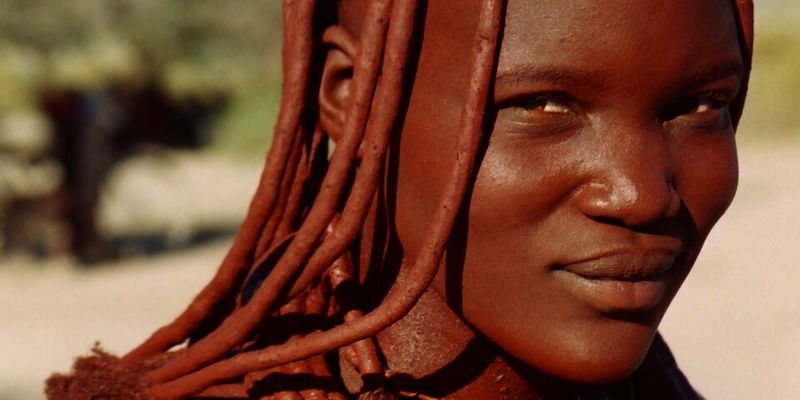
Red skin glowing in the desert sun is the first thing many visitors notice about Himba women. That color comes from otjize, a paste of butterfat and ochre, which also shields skin from sun and insects.
The Himba are semi-nomadic herders in Namibia’s dry Kunene Region. Cattle and goats are central to their wealth and daily food.
Families live in round homes built from wood, mud, and dung, arranged around a sacred fire and a cattle pen. Water is scarce, so people rely on ochre and smoke for cleaning instead of frequent washing.
Droughts and new dam projects have strained their way of life. Even so, Himba communities work to keep herding traditions and cultural identity strong.
6. Sámi
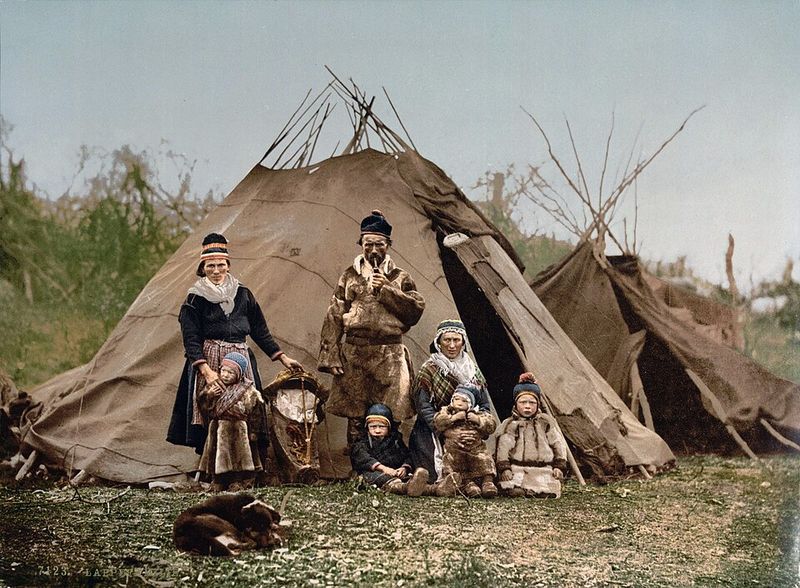
Did you know the Sámi are the only recognized Indigenous people in the European Union? Their homeland, Sápmi, spans northern Norway, Sweden, Finland, and Russia’s Kola Peninsula.
Winters here bring deep snow and months of darkness. Many Sámi families herd reindeer, following the animals between coastal summer pastures and inland winter forests.
The Sámi language has many words for snow, each describing a condition that matters to herders and travelers. Colorful clothing called gákti shows family and regional ties.
The traditional music style, called joik, carries stories and personal memories. Today, Sámi parliaments and schools help protect language and rights while herders adapt to warming winters and changing land use.
7. Tibetan Peoples
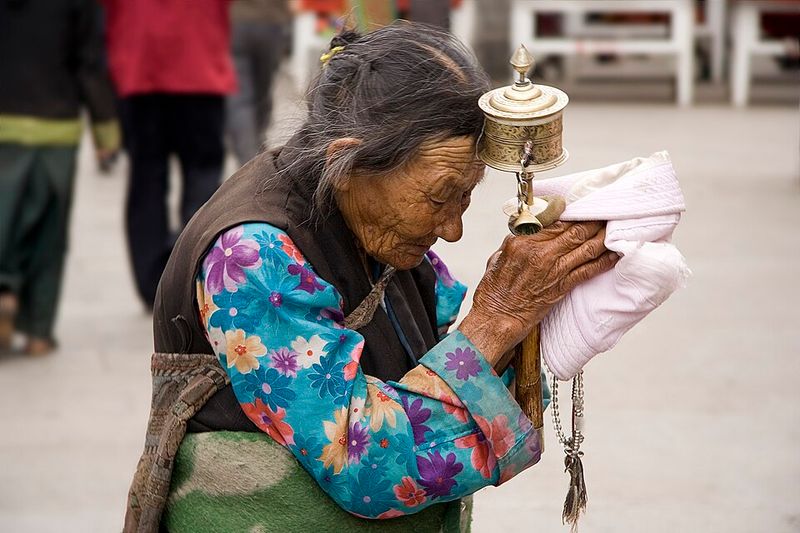
At more than 14,000 feet above sea level, the air holds far less oxygen than most people are used to. Tibetan peoples have lived on this plateau for thousands of years.
Research shows many Tibetans carry gene changes that help the body use oxygen efficiently. That gives them an edge in thin air that visitors lack.
The yak is the backbone of high-altitude life. Its milk, meat, wool, and dung fuel provide food, tents, and heat, and it can carry heavy loads over mountain passes.
Barley, ground into a flour called tsampa, is a staple food because it grows in cold, short seasons. Monasteries and festivals continue to anchor Tibetan culture across the Himalayan region.
8. Bajau Laut
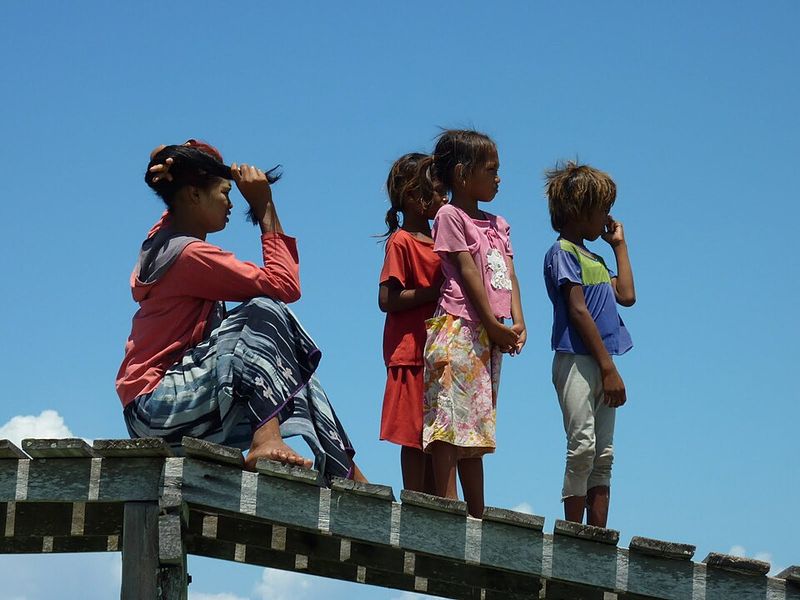
Some people spend more time on the water than on land. The Bajau Laut, often called sea nomads, have lived on boats and stilt houses in waters off Indonesia, Malaysia, and the Philippines.
Many Bajau divers can hold their breath for several minutes while hunting fish at depths of around 200 feet, often with simple wooden goggles and spears.
A 2018 study found that Bajau people tend to have larger spleens, which may help store oxygen-rich blood during dives. Scientists think this is a natural adaptation built over generations.
Many Bajau now face limits on where they can fish and settle. Their ocean knowledge remains remarkable, from reading currents to finding reefs rich with life.
9. Quechua Communities
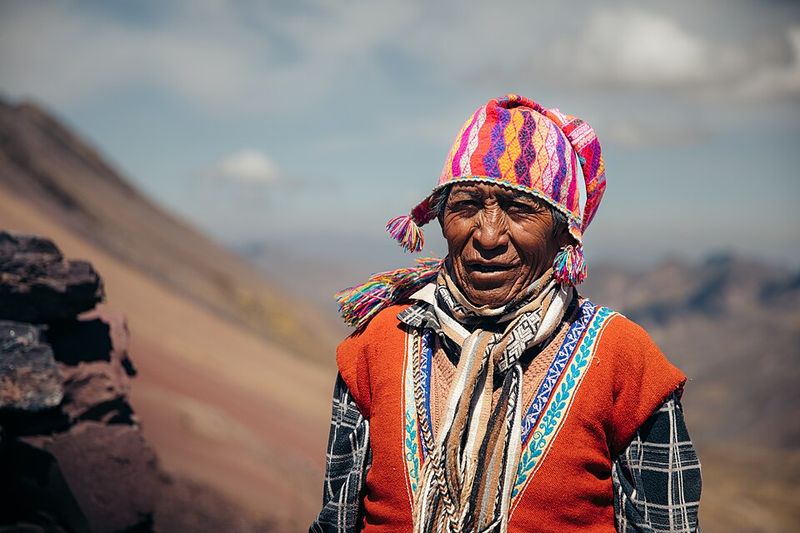
Potatoes come in thousands of colors and shapes in the Andes, and Quechua farmers grew most of them first. Their villages sit high in the mountains of Peru, Bolivia, and Ecuador.
Steep slopes are shaped into terraces that hold soil and water. Farmers also use freeze-drying methods to make chuño, a preserved potato that stores for years.
Llamas and alpacas offer wool, meat, and transport on rocky trails. Woven textiles carry patterns that show community identity and history.
The Inca Empire grew from Quechua-speaking people, and the language remains widely spoken. Today millions still use it, along with farming rhythms that follow the seasons and honor Pachamama, or Mother Earth.
10. Tuareg
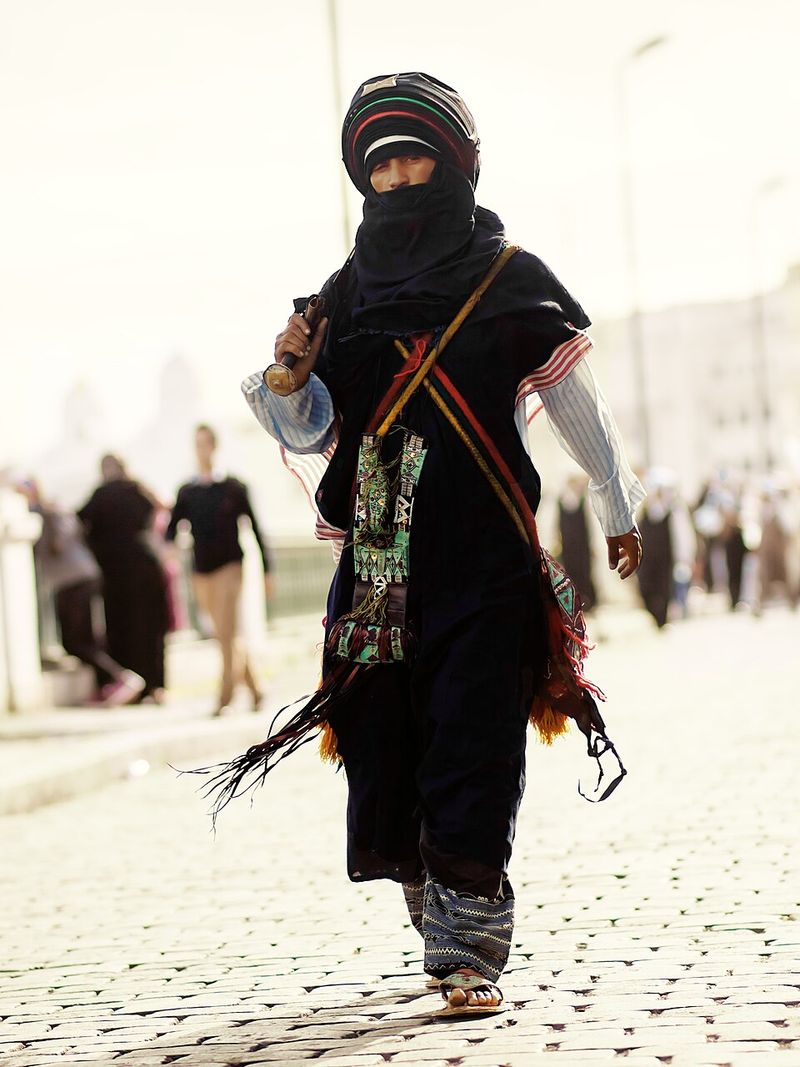
Known as the blue people of the Sahara, the Tuareg are named for the indigo cloth they wear. The dye often rubs onto the skin, giving it a bluish tint.
Their veils, called tagelmust, guard the face from sandstorms and strong sun. Caravans once carried salt, gold, and goods across the desert, with Tuareg guides leading the way.
Navigation relied on stars, dunes, and memory. Knowing where wells lay could mean the difference between life and a very dangerous journey.
Tuareg society is notable for its strong role for women, who often own tents and pass down property. Communities now live across Mali, Niger, Algeria, and nearby countries, balancing herding with trade and new work.
11. Evenki
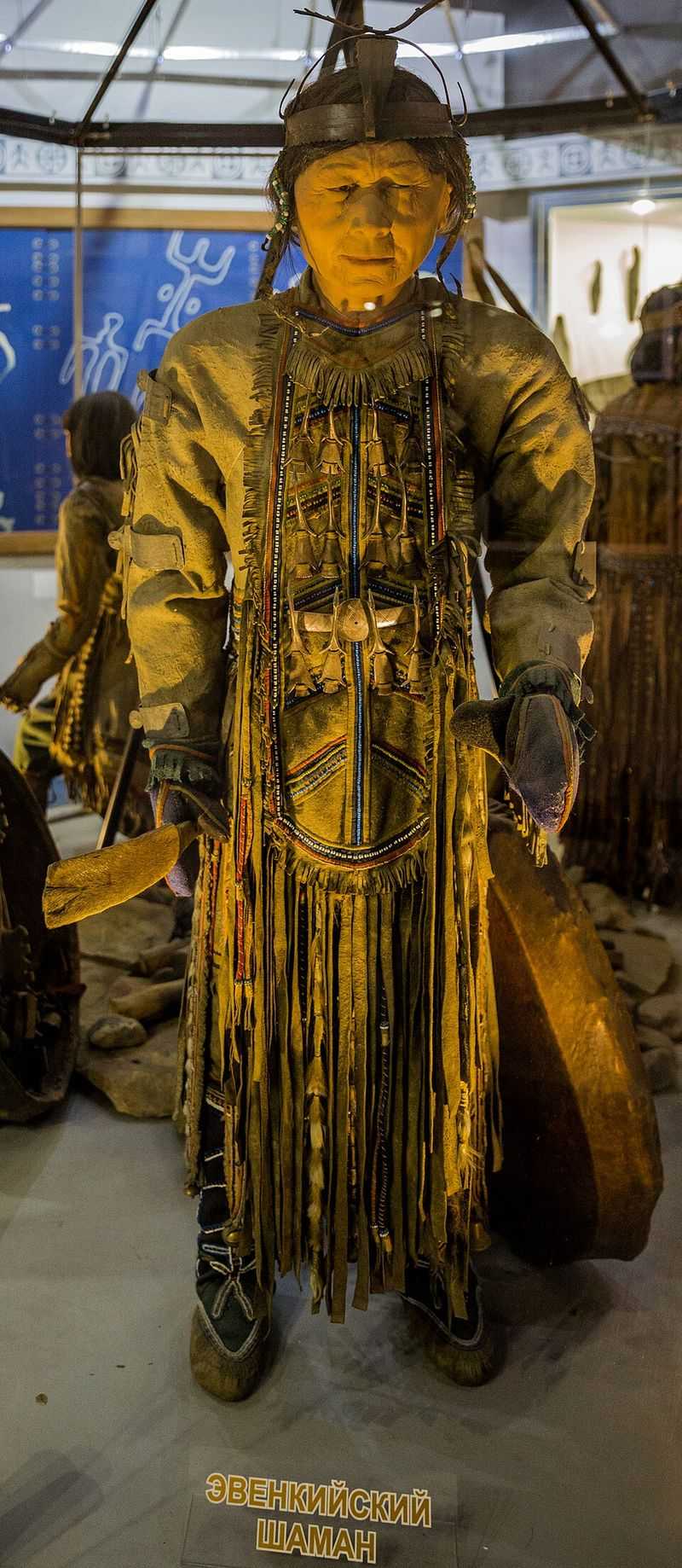
Deep in the world’s largest forest, the Evenki ride reindeer rather than horses. This gentle mount can carry a person through snow and boggy ground where other animals would struggle.
The Evenki live across Siberian taiga in Russia and parts of northeastern China. Winters can drop below minus 50 degrees Fahrenheit, so clothing is layered with fur and tough hides.
Traditional homes called chums are cone-shaped tents that can be moved quickly. Hunters track elk, sable, and other animals, often relying on deep knowledge of the forest.
Shamans have long held special roles in Evenki culture, guiding rituals and passing down stories. The word shaman itself is believed to come from the Evenki language.
12. Afar
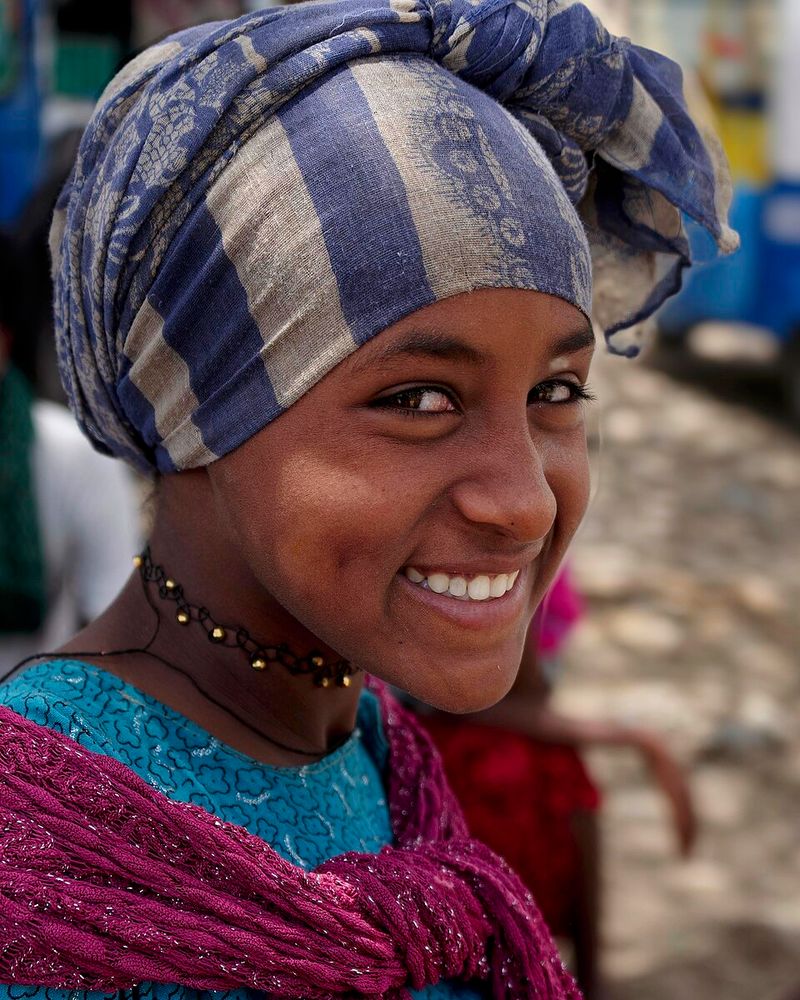
Few places are hotter than the Danakil Depression, where temperatures can pass 120 degrees Fahrenheit. The Afar people live there, across Ethiopia, Eritrea, and Djibouti.
The landscape is full of salt flats, lava fields, and bubbling acidic pools. Afar herders keep goats, cattle, and camels, moving to find scarce pasture and water.
For generations, salt miners have cut slabs from the dry lake bed and loaded them onto camel caravans. The work is hard, but it ties the Afar to old trade routes toward the highlands.
Fossils found in the Afar region include Lucy, a human ancestor about 3.2 million years old. The land holds both ancient history and living culture.
13. Kalaallit
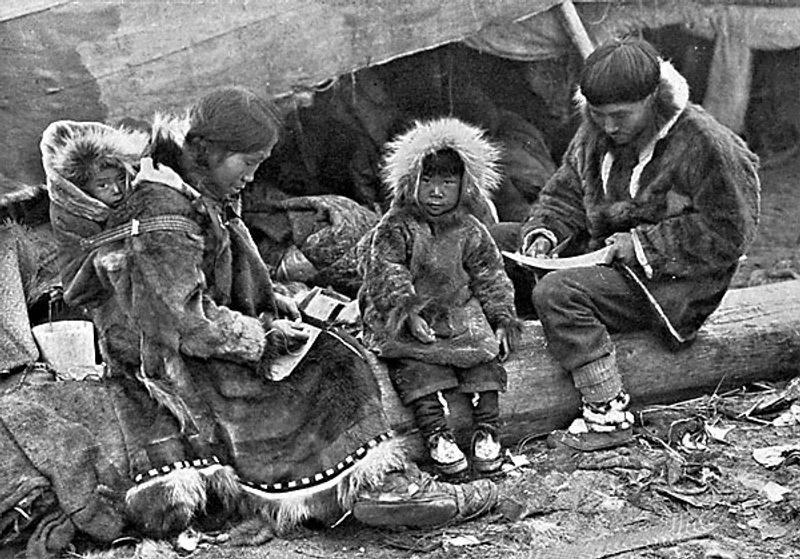
Colorful houses cling to rocky shores, and icebergs drift by like floating mountains. This is daily life for the Kalaallit, the largest Indigenous group in Greenland.
The sea feeds communities through seal hunting, fishing for halibut and shrimp, and in some places whaling. Skills like kayak handling and reading ice conditions are passed from older relatives to younger ones.
Kalaallisut, their language, is the official language of Greenland. Drum dancing, storytelling, and crafts such as beadwork keep traditions in view.
Warming seas are changing the ice that hunters depend on. Many Kalaallit are adapting by combining modern equipment, scientific monitoring, and long-held knowledge of the coast.
14. Hadza
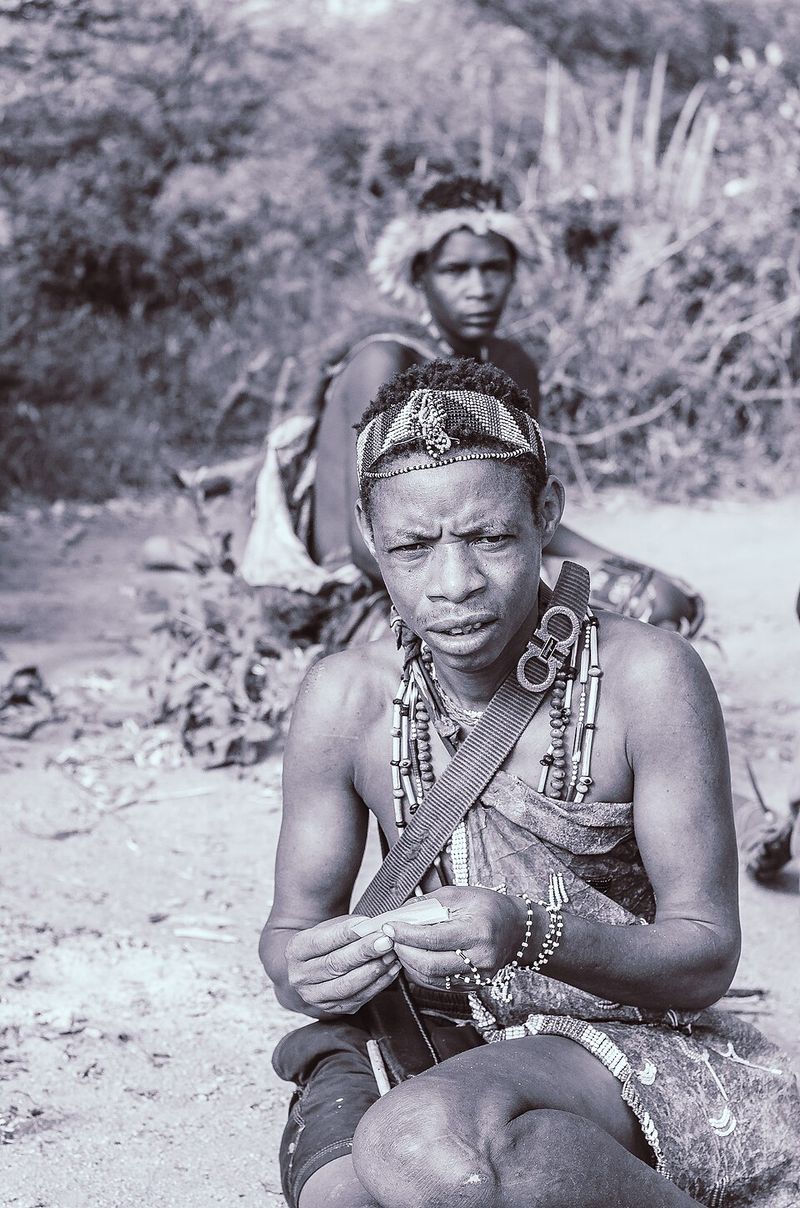
Few people today still live mainly by foraging, but the Hadza of Tanzania do. They number about a thousand people near the shallow, salty Lake Eyasi.
Men hunt with bows and gather honey, sometimes guided by a bird called the honeyguide. Women dig for tubers and pick berries and baobab fruit.
Camps are small and shift with the seasons. Shelters are simple grass domes, built quickly and left behind when it is time to move.
Scientists study the Hadza to learn about activity, diet, and gut health. Their land is under pressure from farming and herding, so protecting access to hunting grounds is a major concern.
15. Atacameño (Lickanantay)
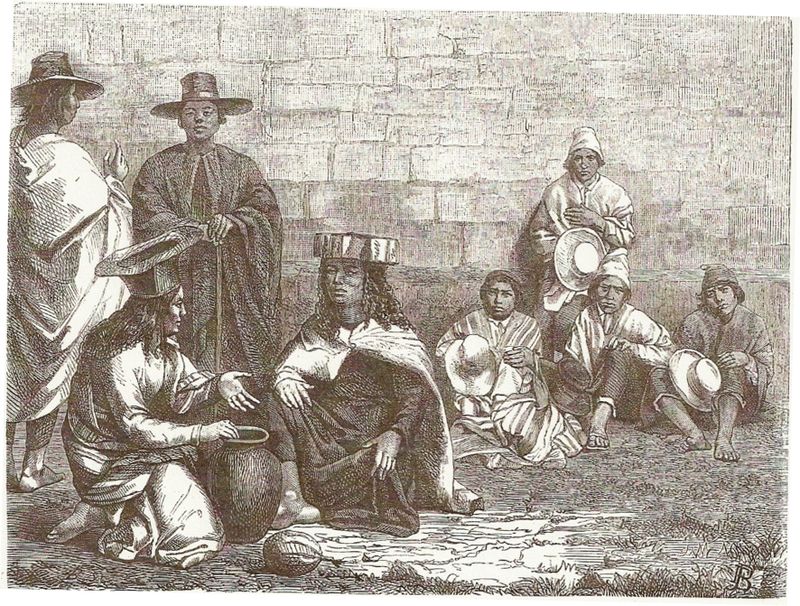
Rain may fall only once in several years in parts of the Atacama, the driest non-polar desert on Earth. The Lickanantay have made their homes here for thousands of years.
They settled in oases such as San Pedro de Atacama, where small streams support crops like corn, quinoa, and beans. Canals and carefully timed watering share limited water among families.
Llama herding provided wool, food, and a way to carry goods across long desert trails. Adobe homes keep interiors cool in the day and warm at night.
Today, the Lickanantay speak out about mining and water use in their homeland. Their festivals and agricultural knowledge continue to shape life in northern Chile.
Share this story