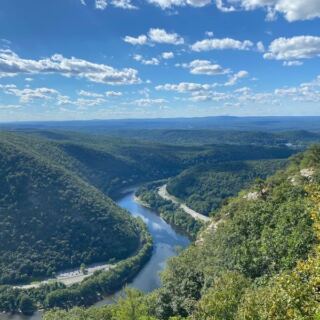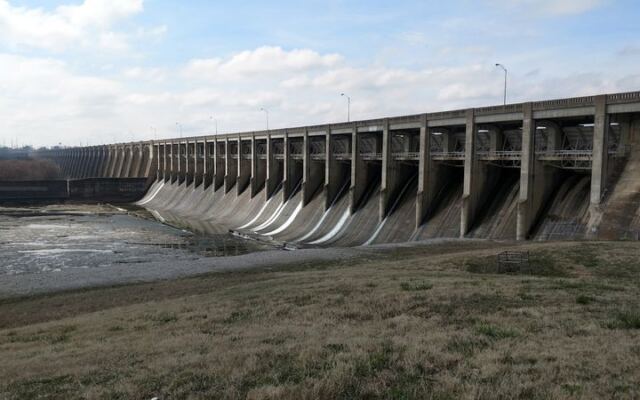
You might think you are just driving across another stretch of Oklahoma highway, until the road turns into a long ribbon of concrete with water on one side and a deep drop on the other. Out here in the green hills of northeast Oklahoma, a structure built nearly a century ago still holds back an entire lake.
Its row of giant arches has earned it a big claim to fame, and the story behind it is part history lesson, part engineering marvel, and part great road trip. Once you learn what makes it special, you will never cross it the same way again.
A Concrete Giant in the Oklahoma Hills
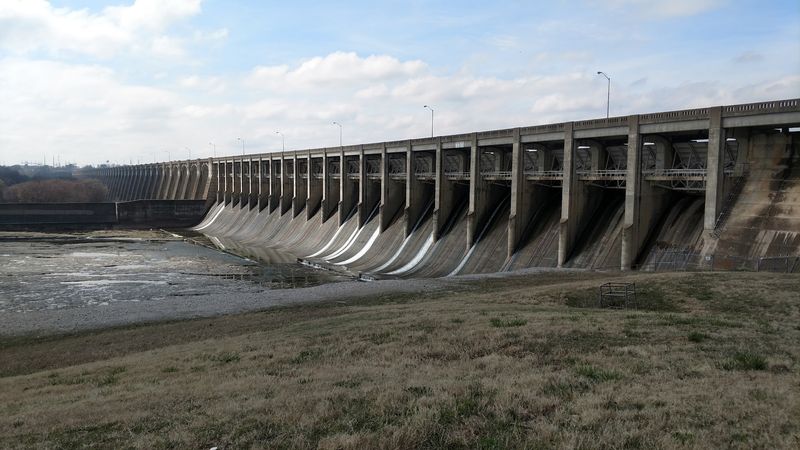
Picture a wall of concrete stretching across a river valley in the far northeast corner of Oklahoma. That wall is Pensacola Dam, officially listed at an address in the small community of Disney, just a short hop from Langley.
The dam crosses the Grand River and holds back the waters that form Grand Lake o’ the Cherokees, one of the best-known lakes in the state. For many travelers, it is the moment when a quiet country drive suddenly turns into something memorable.
You roll onto the roadway on top, and the view opens wide in both directions.
So what exactly is it? At its heart, the structure is a hydroelectric dam, meaning it uses the power of falling water to make electricity.
It also helps manage flooding along the river below. Those are practical jobs, but the dam does them with a certain style.
What sets it apart is its shape. Instead of one solid block, much of the dam is made of a long series of arches lined up side by side.
That design is the reason people call it the longest multiple-arch dam in the world, a title that has followed it for decades and keeps curious visitors coming back to see it.
Born During the Great Depression
Hard times have a funny way of producing big dreams. In the late 1930s, when jobs were scarce across Oklahoma, crews went to work on a project that many people had talked about for years.
The idea of damming the Grand River had floated around since the early 1900s. Local leaders wanted cheap electricity and better flood control for the region.
The state created the Grand River Dam Authority to make it happen, and construction picked up speed in the late 1930s.
Workers poured concrete at a remarkable pace. The dam is generally reported to have been finished around 1940, which is impressive given its size and the tools available back then.
For thousands of workers, the project meant a steady paycheck during a difficult decade.
Families from nearby towns watched the arches rise one by one. Imagine standing on a hillside and seeing a river valley slowly transformed into a reservoir that would change the area forever.
When the gates finally held back the water, a brand new lake began to fill in.
That history matters when you visit today. The concrete under your tires is not just a road.
It is a reminder of a time when Oklahomans built something lasting while the world around them was struggling.
What Multiple Arches Actually Means
Ever looked at a stone bridge and wondered why arches show up everywhere in old buildings? The answer is simple.
An arch spreads weight outward, letting it carry a heavy load without needing a huge amount of material.
A multiple-arch dam takes that idea and repeats it over and over. Rather than building one massive solid wall, engineers create a line of curved arches.
Each arch pushes the pressure of the water onto thick supports called buttresses, which then pass that force down into the ground.
The result is a dam that can be strong while using less concrete than a solid gravity dam of similar length. In the 1930s, saving material could save serious money, and that mattered during the Depression.
At Pensacola, the arches march across the valley in a long, rhythmic row. From the right angle, they almost look like a giant comb or the ribs of an enormous creature lying across the river.
Sources commonly put the number of arches at around fifty-one.
Once you understand the design, the dam stops looking like plain concrete. You start seeing it as a clever puzzle, with every curve doing its share of the work to keep a whole lake right where it belongs.
The Record That Made It Famous
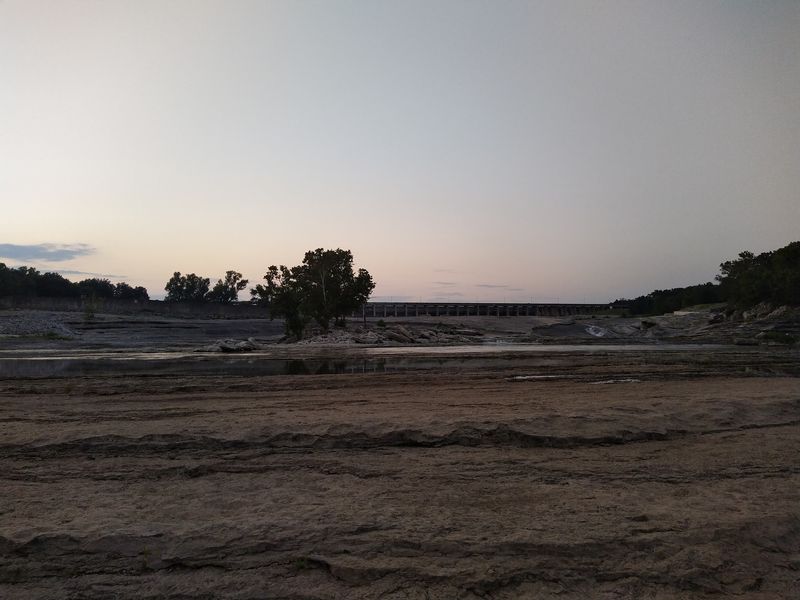
Here is the number that gets people talking. The multiple-arch section of Pensacola Dam is widely reported to stretch about 4,284 feet, which is getting close to a full mile of arches lined up in a row.
When you add in the spillways and other connected sections, the entire structure is often listed at well over a mile long. That kind of length is rare for any dam, and it is especially unusual for the multiple-arch style.
Most multiple-arch dams around the world are much shorter. Engineers tended to use the design in narrower valleys, where a handful of arches could do the job.
At Pensacola, the builders went big, spanning a wide stretch of the Grand River valley with arch after arch.
That is why the dam is commonly called the longest multiple-arch dam in the world. Locals repeat the claim with pride, and you will hear it brought up by road-trippers and history fans alike.
Records can be tricky, since different sources measure things in different ways. Still, the title has stuck with this Oklahoma landmark for generations.
Standing at one end and squinting toward the other, it is easy to believe the dam earned every bit of its reputation.
Driving Across the Top
Few landmarks let you experience them from behind the wheel, but this one does. A state highway runs right across the crest of the dam, so crossing it is part of a normal drive for many people in the area.
The road is commonly identified as Oklahoma State Highway 28, linking Langley on one side with the Disney area on the other. For locals, it is a daily commute.
For visitors, it feels a little like driving on top of history.
As you cross, look to one side and you will see the wide expanse of Grand Lake, often dotted with boats in warmer weather. Glance the other way and you will notice the river channel far below.
The contrast is striking, especially the first time.
Drivers should keep their eyes on the road, of course, since the lanes are not built for sightseeing at a crawl. If you have a passenger, hand them the camera duty while you focus on the drive.
Many people say the crossing is over too quickly. That is a good reason to turn around and do it again, or to find a safe place nearby to park and take in the view on foot.
Either way, the drive is a highlight.
Grand Lake and the Water It Created
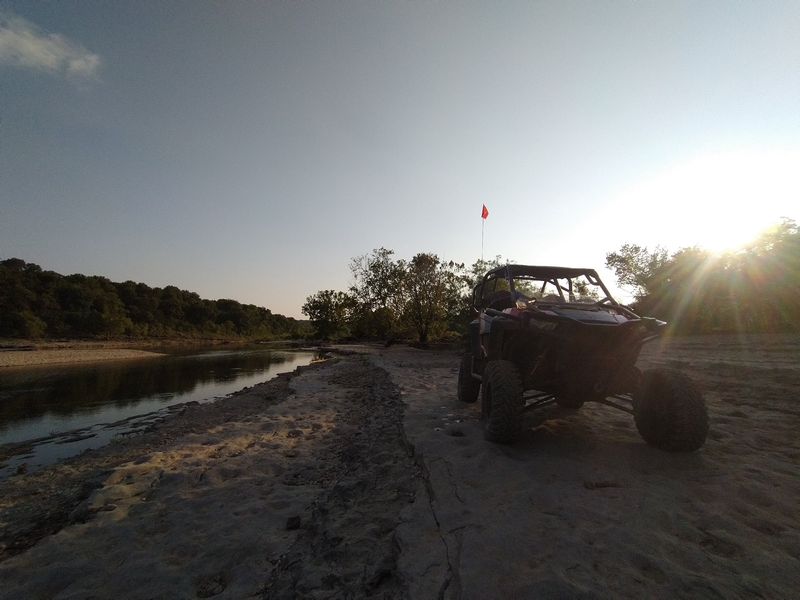
Without this dam, there would be no Grand Lake. That single fact explains why the structure means so much to northeast Oklahoma.
When the gates closed and the water rose, the Grand River valley turned into Grand Lake o’ the Cherokees. The lake is often said to have more than a thousand miles of shoreline, winding through coves, inlets, and wooded points.
It quickly became a magnet for anglers, boaters, and families looking for summer fun.
Today, towns around the lake depend on it for recreation and tourism. Marinas, cabins, and campgrounds line its edges.
On a warm weekend, the water hums with activity, from fishing boats at sunrise to swimmers splashing in the afternoon.
It is easy to forget that all of this started with concrete and arches. The dam quietly does its job in the background while people enjoy the lake it made possible.
In a way, every lake day here is a small tribute to the builders of the 1930s.
If you are planning a trip around warm weather, pairing a dam visit with time on the water makes a lot of sense. You get engineering history and outdoor adventure in one easy, scenic stop.
Power From Falling Water
Flip on a light switch in parts of northeast Oklahoma, and there is a chance some of that power started right here. Pensacola Dam has been producing hydroelectric power since it opened.
The process is pretty neat when you break it down. Water from Grand Lake flows through openings in the dam and spins large turbines inside the powerhouse.
Those turbines turn generators, and the generators create electricity that travels out across power lines.
The Grand River Dam Authority, often called GRDA, operates the dam and manages this power. The agency has been a big part of the region’s growth, helping bring reliable electricity to rural communities that once had very little.
Back in the 1930s, many farms in Oklahoma still did not have electric service. Projects like this one helped change that, bringing lights, radios, and modern appliances to homes that had never had them.
It is hard to overstate how big a shift that was for families.
When you look at the powerhouse today, it might seem like just another building. But it represents one of the dam’s most important roles, quietly turning the steady weight of water into energy for thousands of people.
Spillways in Full Roar
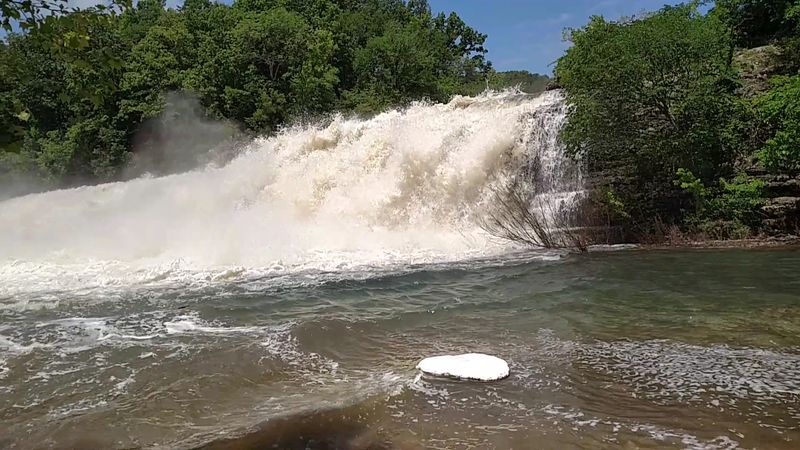
Loud, misty, and a little bit wild, the spillways are where the dam shows off its muscle. When heavy rains fill Grand Lake, operators open the floodgates to release extra water safely downstream.
Seeing the gates open is a treat if your timing lines up. Water pours through with incredible force, churning into white foam and sending spray into the air.
The sound alone can be impressive, a deep rumble you feel as much as hear.
Spillway releases depend on weather and lake levels, so there is no set schedule for visitors. After a rainy stretch, though, there is a better chance of catching the action.
Locals sometimes make a point of swinging by when they hear the gates are open.
This feature also highlights one of the dam’s main purposes. By controlling how much water moves downstream, it helps reduce flooding for communities along the river.
That job is less flashy than generating power, but it matters a great deal during storm season.
Always watch from safe, approved areas and follow posted signs. Fast-moving water can be dangerous, and the best views come from a respectful distance anyway.
Bring a camera with a good zoom and enjoy the show.
Camera-Ready Angles and Viewpoints
Bring a fully charged phone, because the dam is surprisingly photogenic. Its repeating arches create patterns that look great in photos, especially when sunlight slides across the concrete.
Early morning and late afternoon tend to offer the softest light. Shadows fall between the arches and give the structure depth, making it look even more dramatic.
A sunset over Grand Lake can add bright colors that turn a simple snapshot into something special.
One fun approach is to capture the length of the dam. Try shooting from an angle that shows the arches fading into the distance, which helps tell the story of why it holds such a famous title.
Wide-angle lenses or a phone’s panorama mode work well here.
Another idea is to contrast the calm lake with the drop on the opposite side. Seeing both in one frame shows just how much water the dam is holding back.
It can be a powerful visual for anyone back home who has never seen it.
Stick to public areas and safe pull-offs, and avoid stopping on the highway itself. With a little patience, you can walk away with pictures that capture one of Oklahoma’s most unusual landmarks.
Who Will Love This Stop
History buffs, engineering nerds, and anyone who loves a good road trip will feel right at home here. The dam has a little something for nearly every kind of traveler.
Families can turn the visit into a fun learning moment. Kids often get excited about the idea of a world record, and explaining how arches hold back an entire lake can spark real curiosity.
Counting arches from a viewpoint might even become a game.
Outdoor lovers will appreciate how close the dam sits to Grand Lake. A quick stop can easily become part of a bigger day of fishing, boating, or exploring the shoreline.
The setting feels relaxed and scenic, with rolling hills and open water.
Photographers and fans of quirky Oklahoma landmarks will also find plenty to enjoy. There is something oddly satisfying about a structure that looks so simple from the road but carries such an impressive story.
The atmosphere is low-key rather than flashy. You will not find crowds of tourists or gift shops lining the road.
Instead, it feels like a local treasure that rewards the people who take a few minutes to slow down and really look around.
Getting There and Planning Your Visit
Finding the dam is the easy part. It sits in northeast Oklahoma, with its listed address in Disney, OK 74340, and it connects to Langley across the water by highway.
Plug Pensacola Dam into your map app and you should be guided right to it. Many visitors arrive while touring the Grand Lake area, so it pairs nicely with other stops around the shoreline.
Tulsa travelers often make it part of a day trip heading northeast.
Since the dam doubles as a working highway, you can see much of it simply by driving across. Set hours and admission details are not covered in the information available here, so it is smart to check with the Grand River Dam Authority before your trip if you hope to do more than cross the road.
Weather can shape your experience. Warm months bring lively lake activity, while rainy periods may mean a chance to see the spillways in action.
Cooler days offer quieter views and fewer boats.
Pack water, comfortable shoes, and a camera. Plan for safe parking in designated areas, and never stop in traffic lanes to snap a photo.
A little planning goes a long way toward a smooth, enjoyable visit.
Final Thoughts on a Record-Holding Landmark
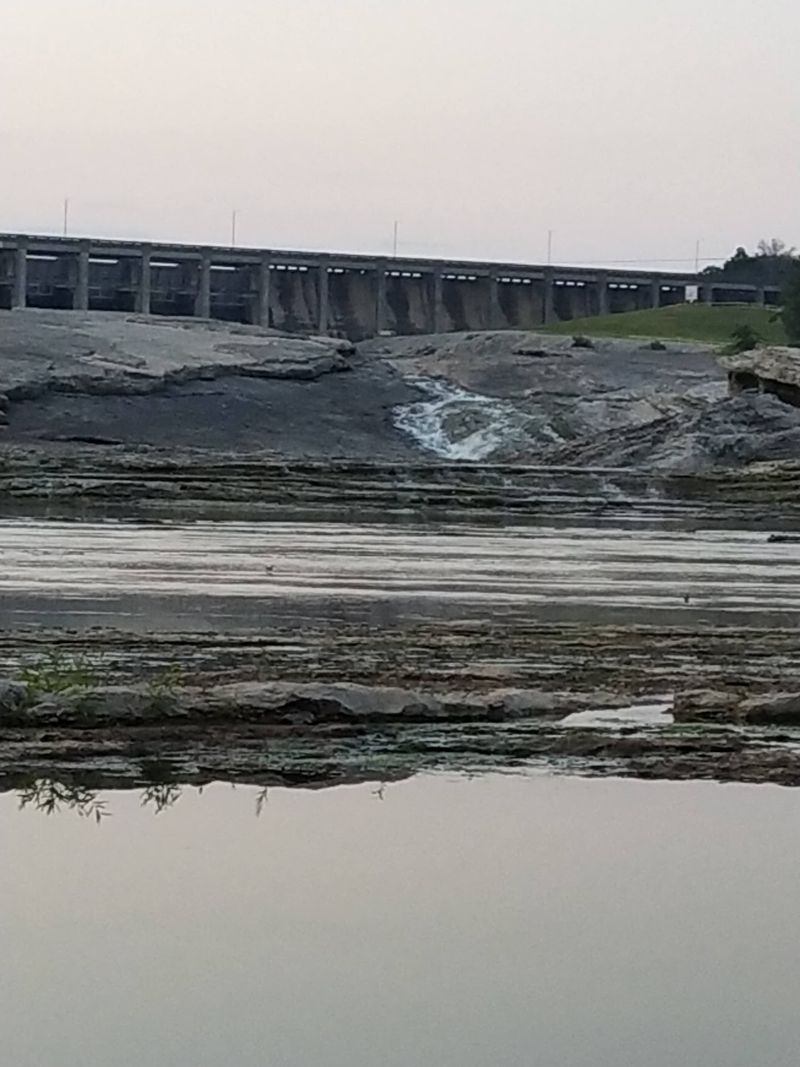
Some places shout for attention, while others quietly wait for you to notice them. Pensacola Dam falls firmly into the second group, and that is part of its charm.
On the surface, it is a road across a river. Look a little closer, and you find a Depression-era project that put people to work, brought electricity to rural Oklahoma, created a beloved lake, and earned a title as the longest multiple-arch dam in the world.
That is a lot of story packed into one stretch of concrete.
A visit does not have to take long. Even a short stop to admire the arches and the lake can leave a lasting impression.
Add in a spillway release or a golden sunset, and the experience can become a real highlight of your trip.
For travelers who enjoy offbeat landmarks with deep roots, this one deserves a spot on the list. It mixes history, engineering, and outdoor beauty in a way that feels uniquely Oklahoman.
Next time your route takes you near Grand Lake, consider slowing down. Those arches have been holding steady for more than eighty years, and they are well worth a closer look.
Share this story