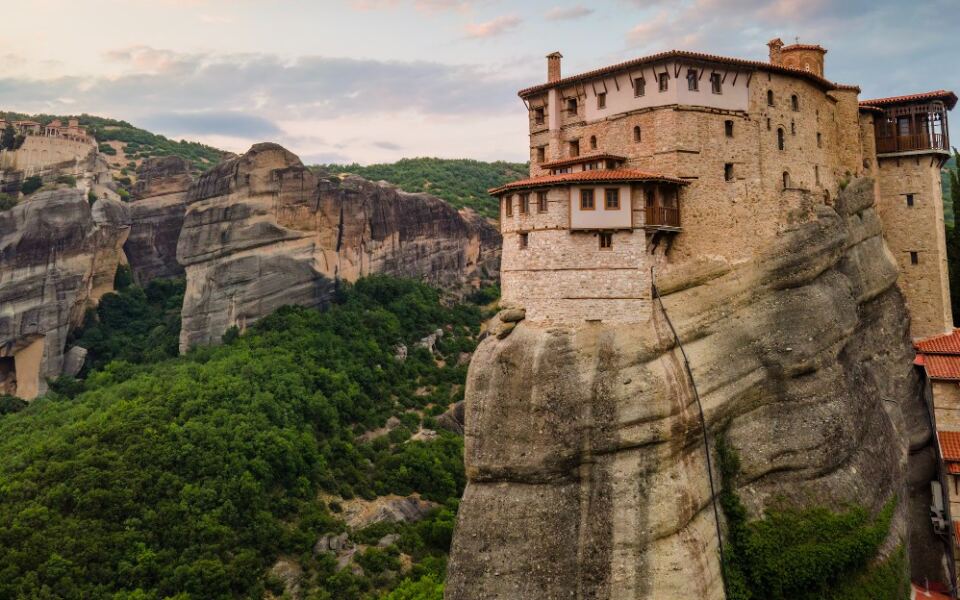
Long ago, monks went looking for quiet places, and some of them picked spots that seem almost impossible to build on. They settled on cliffs, desert canyons, tall stone towers and high mountain valleys.
Supplies were hauled up by rope or carried for days on foot. Many of these monasteries are still active today, and each one shows how far people will go for peace.
Tiger’s Nest Monastery, Bhutan
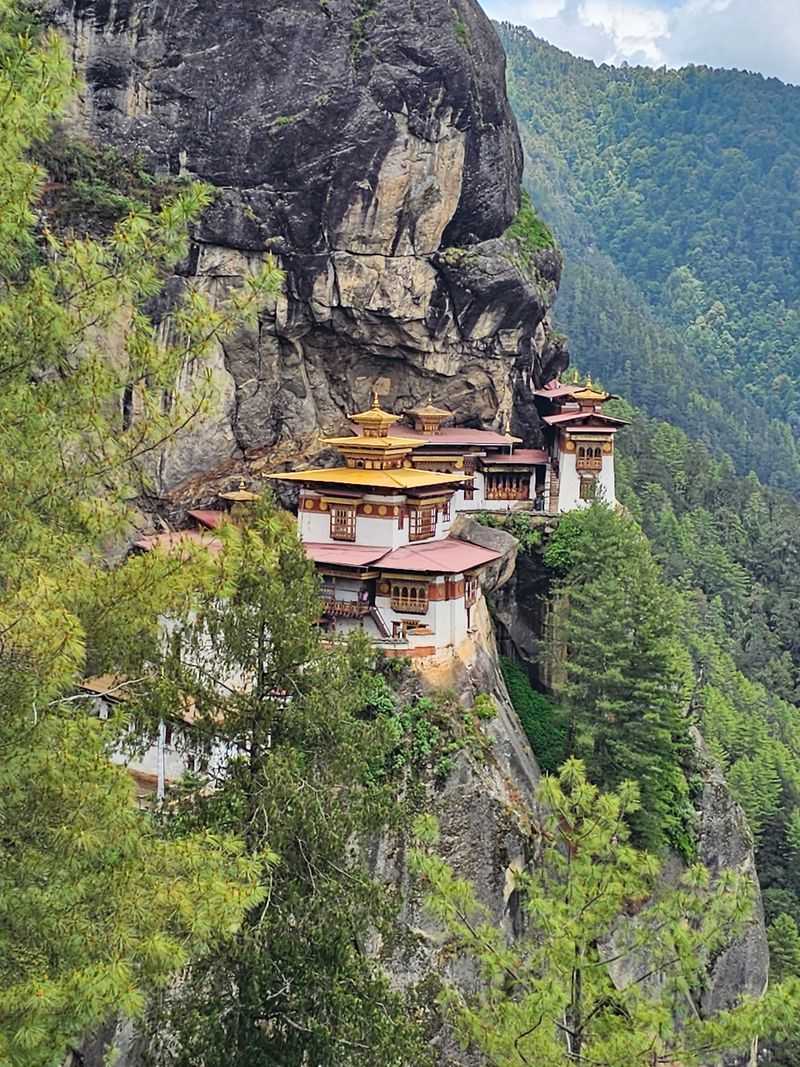
Picture white walls stuck to a cliff like a lost sticker on a giant’s fridge. That is Paro Taktsang, better known as Tiger’s Nest, perched high above Bhutan’s Paro Valley.
Buddhist tradition says Guru Rinpoche meditated in a cave here during the eighth century. Many believe he arrived riding a tigress, which explains the famous name.
The monastery complex that stands today was founded in the 17th century.
Temples and monk rooms are tucked along narrow ledges in the rock. Getting there is a workout.
The trail climbs steadily through pine forest, and the buildings only appear bit by bit against the stone.
Hikers often stop at a tea stop halfway to catch their breath and snap photos. Good shoes matter, and so does patience.
Start early in the day, since mornings tend to be cooler and clearer.
Bhutan’s tourism authority lists Taktsang among the country’s most important spiritual places. Once you reach the viewpoint, the sweat feels worth it.
The cliff, the prayer flags and the quiet make a scene that stays in your memory long after your legs stop complaining.
Phugtal Monastery, Ladakh, India
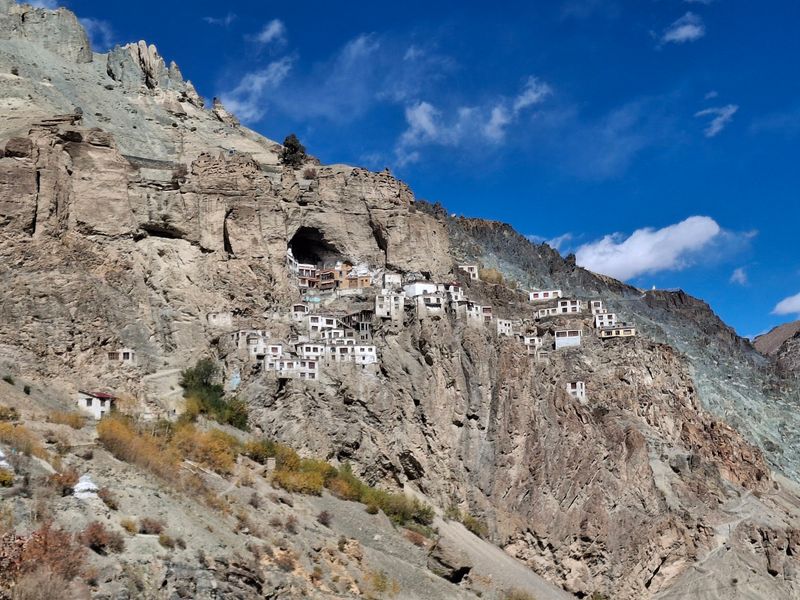
Some buildings stand on a mountain, but Phugtal seems to grow out of one. Tucked inside a giant cave in the remote Lungnak Valley of Zanskar, it looks like honeycomb made of mud and whitewash.
The buildings spill from the cave entrance in uneven layers high above the Tsarap River. Monks and hermits used the cave long before a formal monastery was founded in the early 15th century.
For most of its history, reaching Phugtal meant walking for several days through steep mountain trails. Travelers crossed rivers, climbed passes and slept in tiny villages along the way.
Recent road building has cut down the journey, which is welcome news for tired feet. Even so, the last stretch still feels wonderfully far from everything.
If you ever go, pack warm layers and plan for slow days. Altitude can make simple tasks feel hard.
The reward is a living monastery where daily routines carry on as they have for centuries, with cliffs towering overhead.
Meteora, Greece
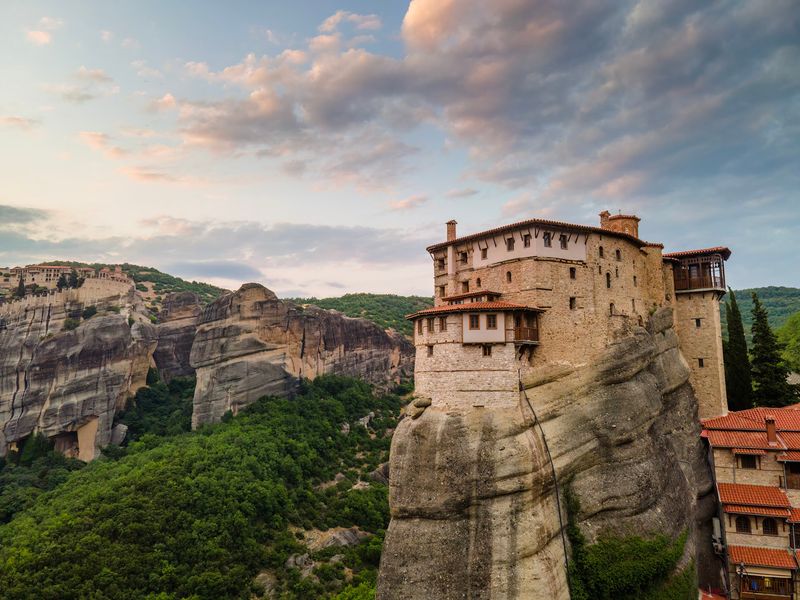
Giant stone pillars rise out of the Greek plains, and on top of them sit entire monasteries. Meteora looks like a place a mapmaker might have drawn as a joke, yet it is very real.
Hermits began living among these rocks around the 11th century. Later, organized communities built monasteries right on the summits.
By the end of the 15th century, 24 had been founded.
Getting up there was a challenge. Monks and visitors rode in nets or climbed long ladders, and supplies went up on ropes.
Imagine ordering groceries in that system.
Six major monasteries survive today, and several still house religious communities. Stone steps now make the visit much easier than it once was.
UNESCO praises Meteora as an exceptional example of turning a dramatic landscape into a place for prayer and quiet thought. For the best views, visit near sunset, when the cliffs glow warm gold.
Dress modestly, since these are active places of worship.
Sümela Monastery, Türkiye
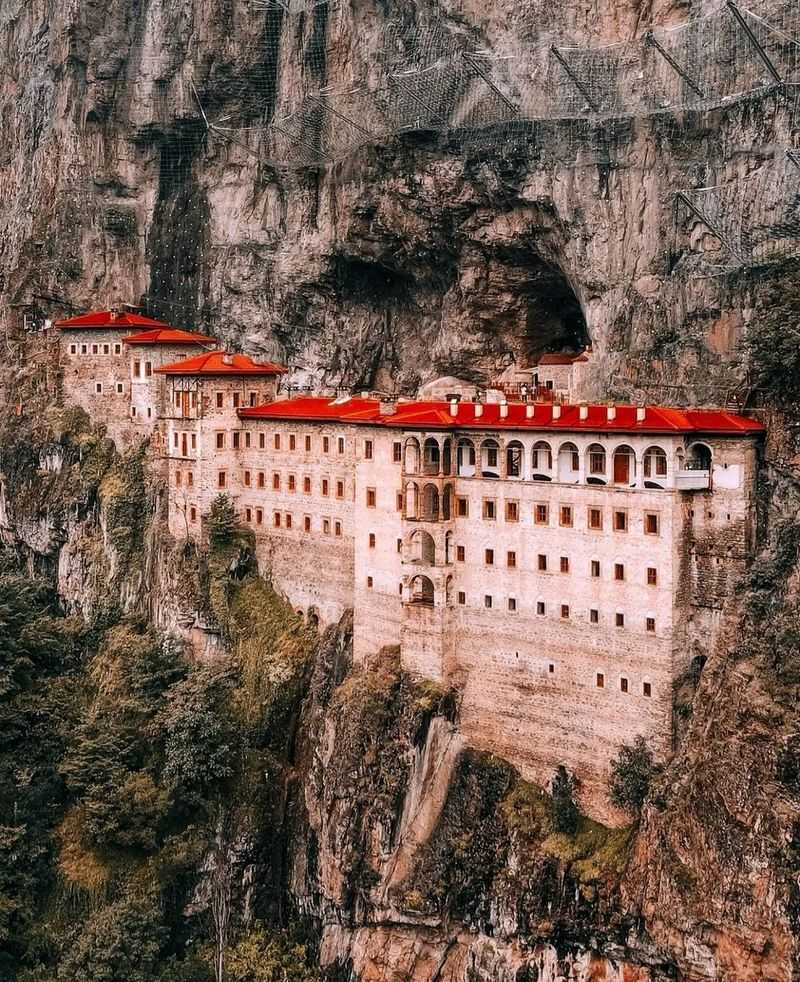
Look up from the forest floor and you may think the cliff is wearing a stone sweater. Sümela clings to the steep wall of the Altındere Valley in northeastern Türkiye, high above the trees.
This Greek Orthodox monastery has chapels, living quarters and passageways built right against the mountain. Tradition traces its beginnings to late antiquity, and later Byzantine rulers kept adding to it.
UNESCO’s tentative listing describes it as a monastic complex built into the cliffs near Maçka. Its growth continued over many centuries, which is why the buildings stack up in such an interesting way.
The best view often comes from across the valley. From there the buildings seem to hang in the air above the forest, and the vertical rock makes the scene feel even taller.
Bring comfortable shoes, since the path up is steep and often damp. Mist is common, and it adds a mysterious feel.
On a clear day, the green valley below looks like a deep, leafy bowl.
Ostrog Monastery, Montenegro
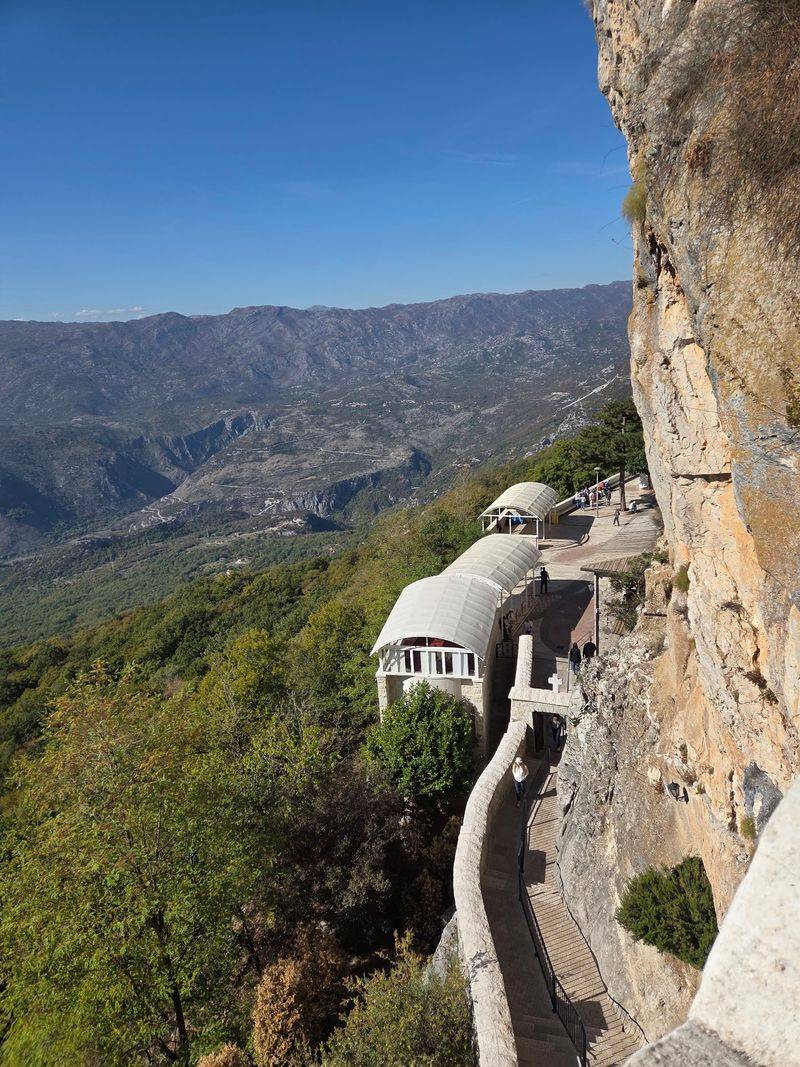
White walls glow against bare gray rock, and the cliff seems to be part of the front door. At Ostrog, the mountain is not just a backdrop.
It is half the building.
The Upper Monastery sits inside the rock of Ostroška Greda, about 900 meters above sea level. Saint Basil of Ostrog founded it in the 17th century, and his relics remain a major focus for pilgrims.
Cars can handle much of the road, but many visitors choose to walk several kilometers uphill toward the cave churches. Some go barefoot as a sign of devotion.
Montenegro’s tourism authority calls Ostrog one of the most visited Orthodox pilgrimage sites. It also highlights the cliff position that looks out over the Zeta valley.
Plan for crowds on holidays and weekends. A weekday morning is calmer.
Wear modest clothing and bring a bit of patience for the lines. The view from the terraces makes the wait feel short.
Saint Catherine’s Monastery, Sinai, Egypt
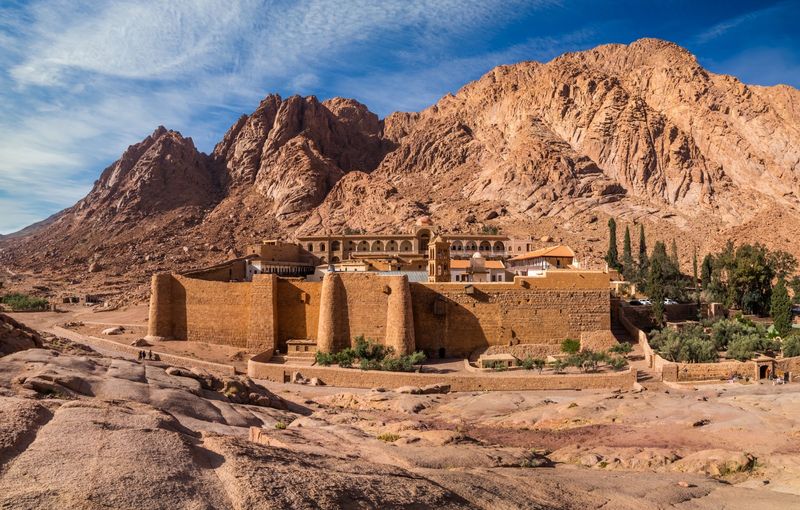
Silence is the loudest thing in the Sinai desert, and Saint Catherine’s has been enjoying it for ages. The monastery sits at the foot of Mount Sinai, far from Egypt’s big cities and green river valleys.
It was founded in the sixth century and is one of the oldest Christian monasteries still in daily use. Thick Byzantine walls wrap around churches, monk quarters and priceless collections of manuscripts and icons.
The remote spot was no accident. UNESCO describes it as an outstanding early example of Christian monasticism in a faraway place, closely tied to the surrounding mountains.
The region is sacred to Christianity, Judaism and Islam, which adds even more meaning to the visit.
Many travelers hike Mount Sinai before dawn to see the sunrise, then visit the monastery later. Bring a flashlight, warm clothes and water.
Desert nights get chilly, and the stone steps seem endless in the dark.
Mar Saba Monastery, West Bank
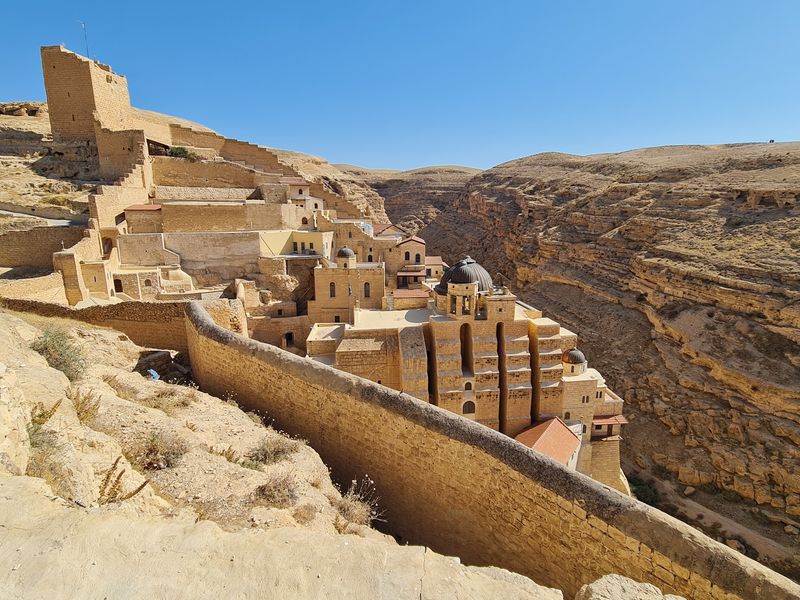
Stone towers stack up the canyon wall like a puzzle that someone solved with a lot of patience. Mar Saba rises from the Kidron Valley in the Judean Desert, and it looks like it grew there.
Saint Sabas founded the community in the fifth century. It grew into one of the most influential monasteries in Eastern Christianity, shaping prayers and music that are still known today.
The location matched an early monastic dream: leave settled life behind and walk into the desert. Even now, the land around it is dry, rocky and sparsely populated.
Domes, walls and towers step down toward the canyon floor in a tangled layout. It seems bold for such a harsh place, with little water and almost no shade.
Visitors should know that access can be limited, and rules apply to who may enter. Checking in advance saves disappointment.
Seen from the opposite ridge, the monastery is a quiet golden wonder.
St. George’s Monastery of Koziba, Wadi Qelt
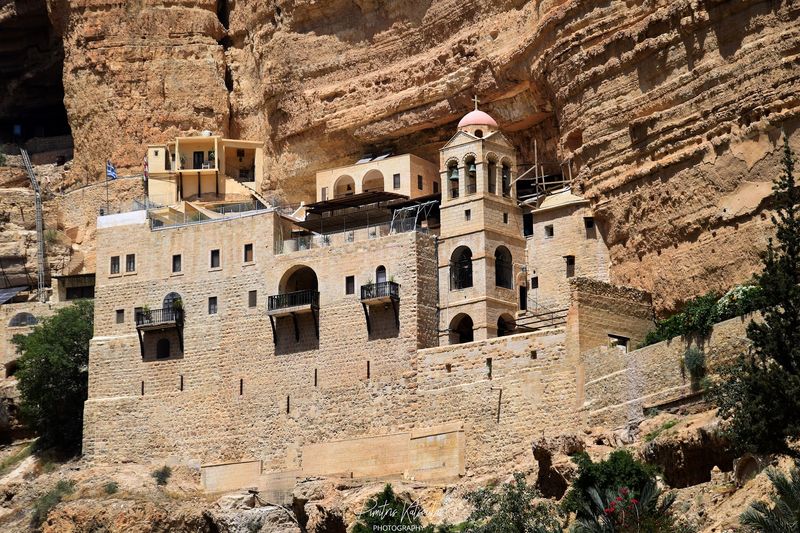
Squint at the cliff and you might miss it, then suddenly a whole monastery pops into view. St. George’s hides in the walls of Wadi Qelt near Jericho, as though tucked there for safekeeping.
Hermits first settled in the area during the early Christian period. A monastic community grew here in the fifth century, drawn by the quiet canyon and its caves.
The Greek Orthodox complex today has chapels, living quarters and terraces built along the rock face above the narrow valley floor. Bridges and stairways connect the levels.
You cannot simply drive to the front gate. Reaching it means walking through dry desert terrain, and the heat can be fierce by midday.
Visit Palestine describes the monastery as an active cliffside sanctuary, and its dramatic isolation keeps the feel of early desert monasticism. Go early, carry plenty of water and wear a hat.
The walk is part of the story.
Tatev Monastery, Armenia
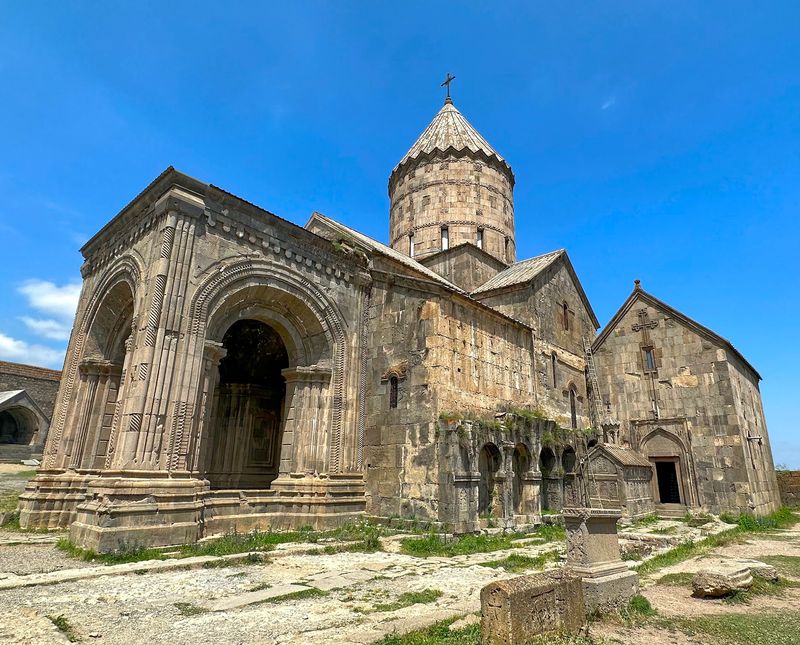
Here is a fun ride: a cable car that stretches about 5.7 kilometers across a gorge to reach a monastery. The Wings of Tatev tramway carries visitors to Tatev, high above the Vorotan Gorge in southern Armenia.
Founded in the medieval period, Tatev became a major center of faith and learning. It even hosted a university during the 14th and 15th centuries, so monks here were studying as well as praying.
The plateau position made the monastery tough to approach and gave wide views over the mountains. Defenders could spot trouble from far away.
Armenia’s official tourism authority notes that the remote setting follows an old practice of placing religious communities where invading armies would struggle to reach them.
Ride the tram on a clear day, and look down at the gorge as you glide. Stone churches, thick walls and mountain air wait on the other side.
Bring a jacket, since the wind up there can be sharp.
Geghard Monastery, Armenia
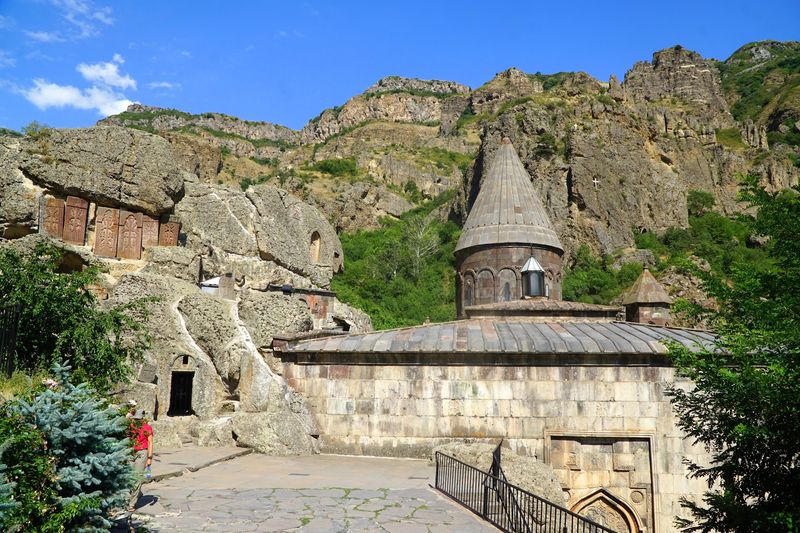
Its original name says it all: Ayrivank, the Monastery in the Cave. Geghard sits at the entrance to Armenia’s Upper Azat Valley, partly built and partly carved right into the rock.
Some churches, tombs and monk rooms were dug out of living stone. High cliffs rise around the complex, so the whole place feels tucked inside the mountain.
Its history goes back to the early Christian period. The main group of buildings was finished mostly in the 13th century, and the stonework is filled with detailed carved crosses.
UNESCO highlights Geghard as an exceptionally well preserved example of medieval Armenian monastic architecture in a remote landscape. It also praises the way the rock-cut spaces blend into the cliffs.
Step into the carved chambers and listen. Sound behaves oddly in there, and singers often fill the rooms with echoing music.
Visit in the morning to avoid tour groups, and bring a light jacket for the cool interior.
Key Monastery, Spiti Valley, India
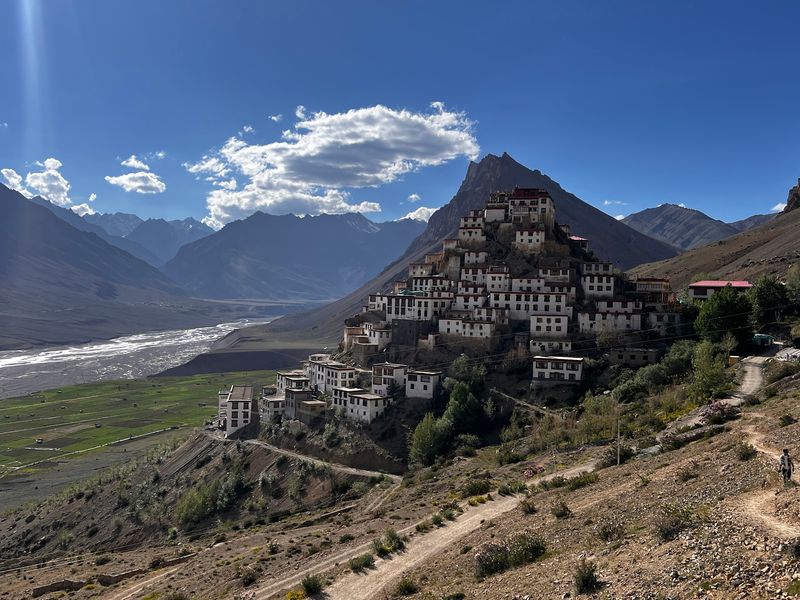
At about 4,166 meters above sea level, the air is thin and the views are huge. Key Monastery rises above the Spiti River in one of the Indian Himalayas’ starkest landscapes.
The complex looks a bit like a fortress. Rooms and temples are packed in compact layers over the hillside, with narrow passages twisting between them.
That maze shape is no accident of design. Centuries of rebuilding after attacks and natural damage produced a crowded structure rather than a tidy, symmetrical plan.
India’s official tourism authority calls Key one of Spiti’s oldest and largest monasteries and points to its extraordinary high-altitude setting.
The valley around it is sparsely populated, with barren mountains and harsh winters adding to the sense of distance. If you visit, give yourself a day or two to adjust to the altitude.
Drink water, move slowly and enjoy the sight of whitewashed walls against bare brown slopes.
Debre Damo, Ethiopia
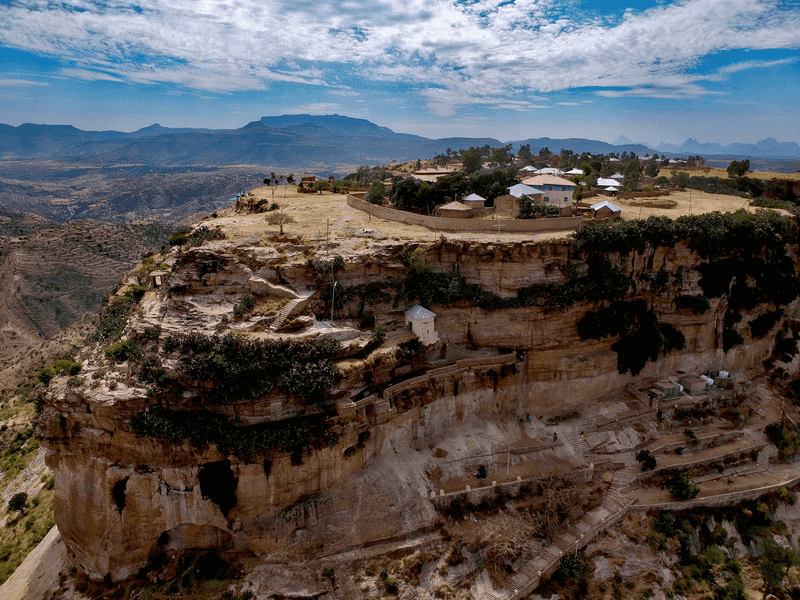
Hold on tight, because the only way up is a rope. At Debre Damo in Ethiopia’s Tigray region, visitors traditionally climb the final cliff with a leather rope in their hands.
The monastery sits on the flat summit of a steep-sided mountain. It is linked to Abuna Aregawi and is traditionally dated to the sixth century, making it one of Ethiopia’s oldest Christian monastic centers.
Its main church keeps building traditions tied to the ancient Aksumite world, with wooden beams layered between stone.
The extreme location gave the community safety as well as seclusion. It separated the monks from the land below, both in distance and in daily life.
Few monasteries make simply arriving feel so much like a pilgrimage. Tradition also limits who may enter, so check the rules before you plan a trip.
Strong arms and a calm mind help on that last climb.
Katskhi Pillar, Georgia
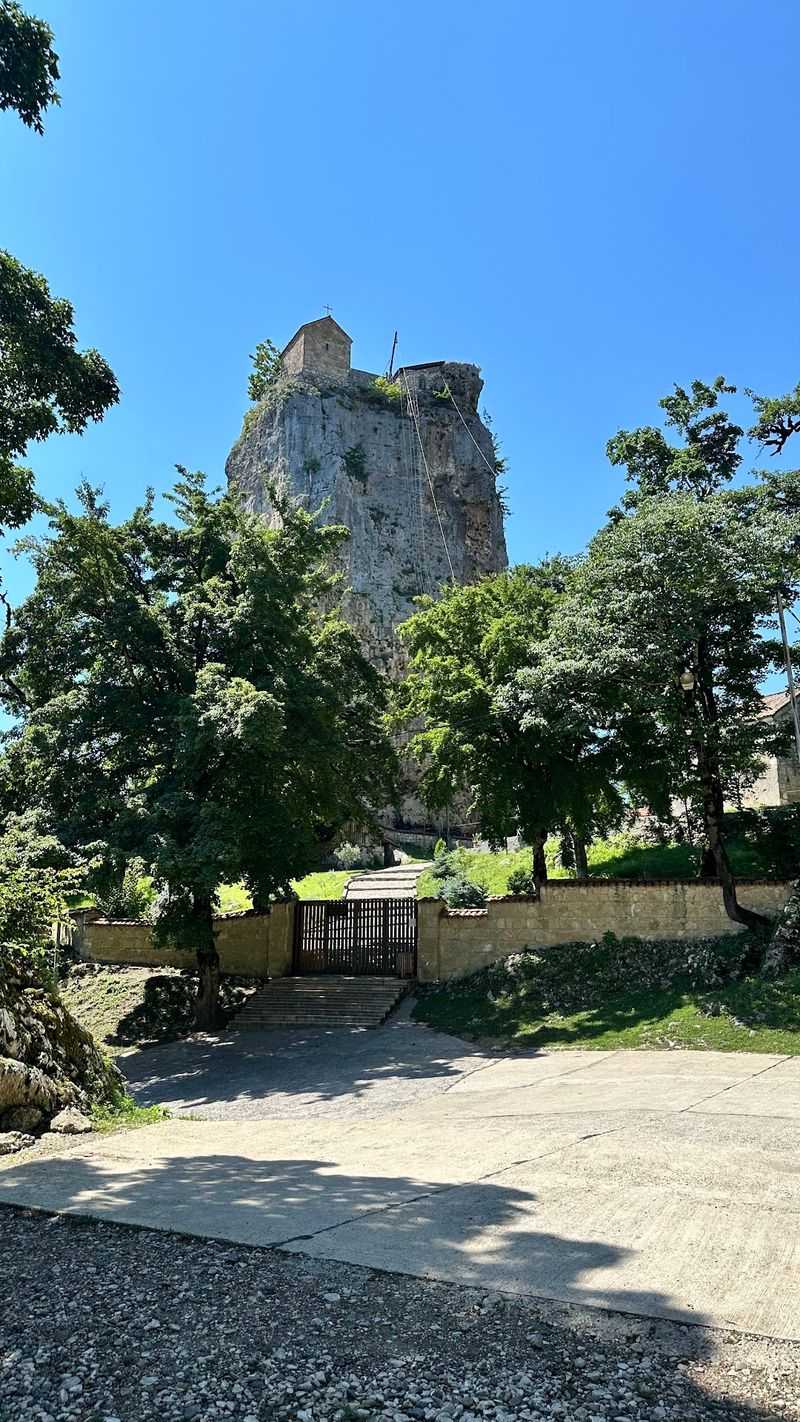
Forty meters of bare limestone shoot into the sky, and a tiny church sits on the very top. Katskhi Pillar in western Georgia may be the most unlikely monastic retreat on Earth.
The summit is narrow, yet monastic buildings and a small church fit up there. Archaeological remains found on top date back many centuries, showing a long tradition of Christian hermits seeking extreme isolation.
A modern ladder now leads to the top. Ordinary visitors are not allowed to climb it, so most people admire the pillar from the ground and let their necks do the work.
Georgia’s official tourism authority points out both the church on top and the astonishing height of the natural column. Monastic life there has been revived in modern times.
The pillar looks like a spiritual outpost floating above the earth. Bring a camera with a good zoom, and visit on a clear day.
From below, the little church seems almost impossible.
Share this story