Some forests are home to mushrooms so unusual they barely look real. Bright red caps, unusual branching fungi, and colorful growths on fallen trees make these places fascinating destinations for anyone interested in nature.
From the rainforests of Washington to ancient woodlands in England and native forests in New Zealand, these destinations offer opportunities to discover fungi that most people rarely notice.
Some forests are home to thousands of fungal species, including rare varieties protected by law. Many are easiest to explore during the rainy season, when mushrooms become more visible along established trails.
Here are 15 forest walks and destinations where looking down can be just as interesting as looking up.
1. Muir Woods National Monument, Mill Valley, California
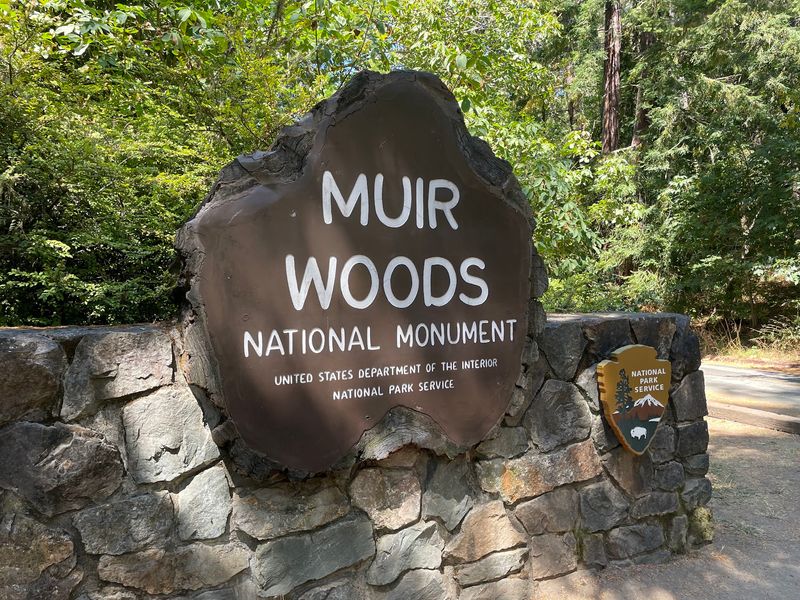
More than 200 kinds of fungi have been recorded beneath the redwoods of Muir Woods. Not bad for a canyon just a short drive from San Francisco.
Winter is the prime time to look. Turkey tail, oyster mushrooms, lion’s mane, fairy parachutes, and bright scarlet waxy caps all make appearances when the rains return.
Some of the most important fungi stay hidden underground. Mycorrhizal fungi wrap around the shallow redwood roots and help trees trade water and nutrients, a system often nicknamed the wood wide web.
Picking is strictly off limits, so leave your basket at home and pack a camera instead. The boardwalk paths keep visitors close to fallen logs without trampling anything.
Parking reservations or a shuttle ticket are required, so book ahead. Weekday mornings usually mean fewer people blocking that perfect mushroom shot.
2. Silver Falls State Park, Sublimity, Oregon
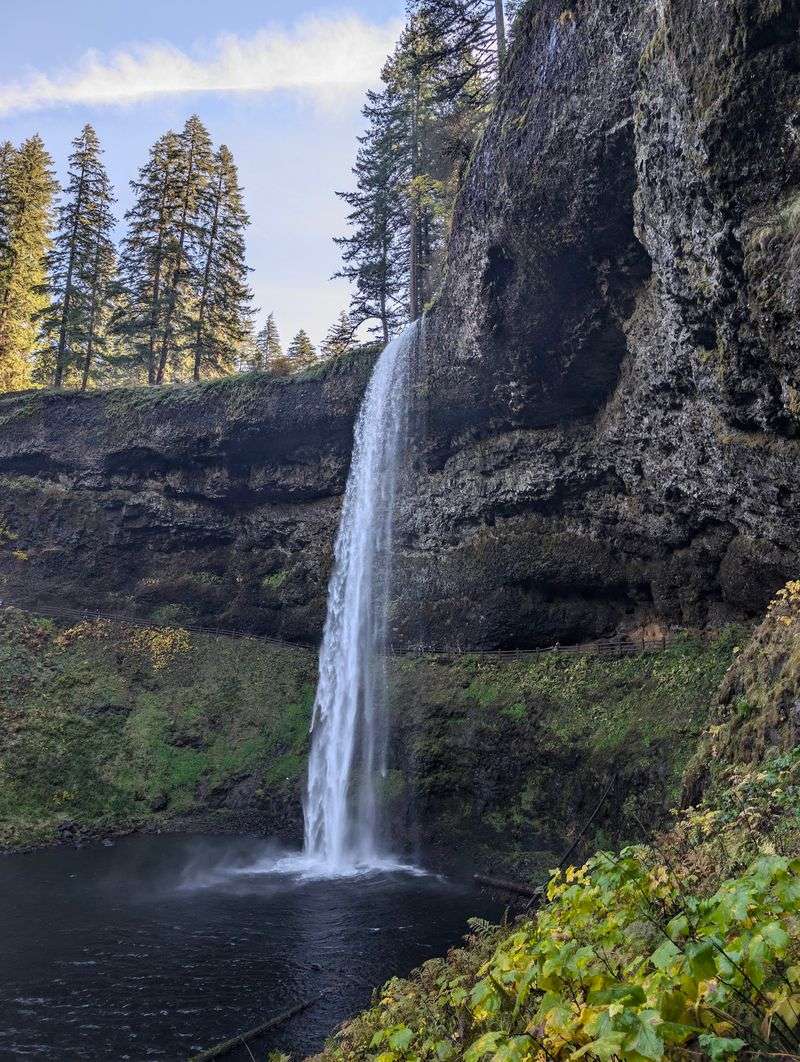
Ten waterfalls tend to hog the spotlight at Oregon’s largest state park. Mushroom fans know the real side show happens on the forest floor between them.
The Trail of Ten Falls is a loop of about 7.2 miles. It passes ferns, fallen branches, and soggy logs that sprout fungi after autumn rains.
South Falls even lets hikers walk behind a curtain of water. Between the big views, slow down near rotting stumps, where small caps and shelf fungi often cluster.
The park does not publish a detailed mushroom list, which makes each find feel like a little personal discovery. A pocket field guide or a free identification app adds to the fun.
Trails get muddy in fall, so sturdy shoes help. A day-use parking permit is required, and weekend lots fill quickly once leaf season arrives.
3. New Forest National Park, Lyndhurst, Hampshire, England
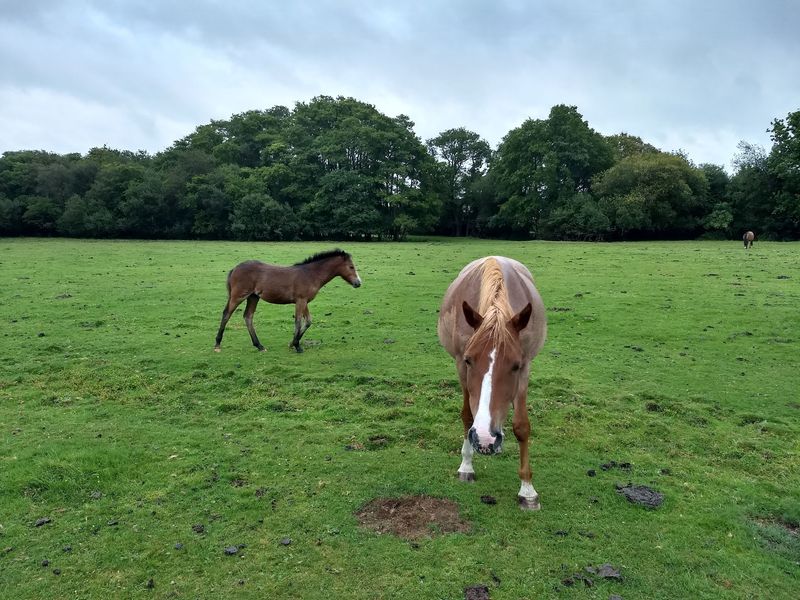
Roughly 2,700 fungus species call the New Forest home. That figure equals about a quarter of all the fungi known in the United Kingdom.
Grassland visitors may spot crimson waxcaps growing in small rings. Under the beeches, hunters search for the rare bearded tooth fungus, which is protected by law.
Chicken of the woods forms bright shelves on oaks, while the classic red fly agaric pops up in autumn. The panthercap appears too, a good reminder that many pretty mushrooms are poisonous.
Ponies and cattle roam freely and keep the grass short. Their grazing actually helps waxcaps thrive, so the animals double as unpaid groundskeepers.
The rule here is simple: look but don’t pick. Collecting is banned across the protected areas, so bring a camera and enjoy the free pony parade in Lyndhurst village.
4. Puzzlewood, Coleford, Gloucestershire, England
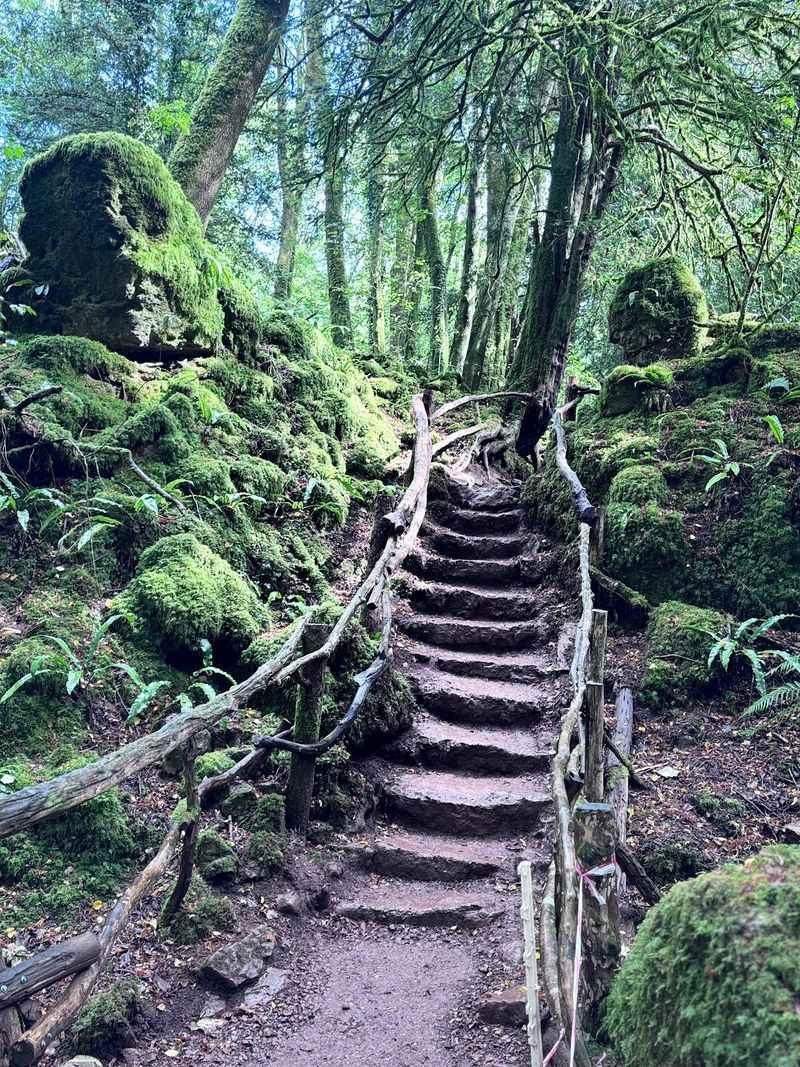
Film crews keep coming back to this small woodland in the Forest of Dean. Scenes for Star Wars, Doctor Who, and Merlin were all shot among its mossy rocks.
Paths wind through narrow gaps in old limestone formations, once shaped partly by ancient iron ore mining. Wooden bridges and stone steps lead visitors through a deliberately confusing route.
All that shade and damp keeps fallen timber moist. Fungi grow on logs, around twisted roots, and even from cracks in the rocks.
Unlike the big national parks, Puzzlewood is privately run and charges an entry fee. Tickets are often booked online in advance during school holidays.
The walk takes about an hour, so younger kids handle it well. Wear shoes with grip, because the stone steps can get slick, and keep a camera out for tiny caps tucked in odd corners.
5. Humboldt Redwoods State Park, Weott, California
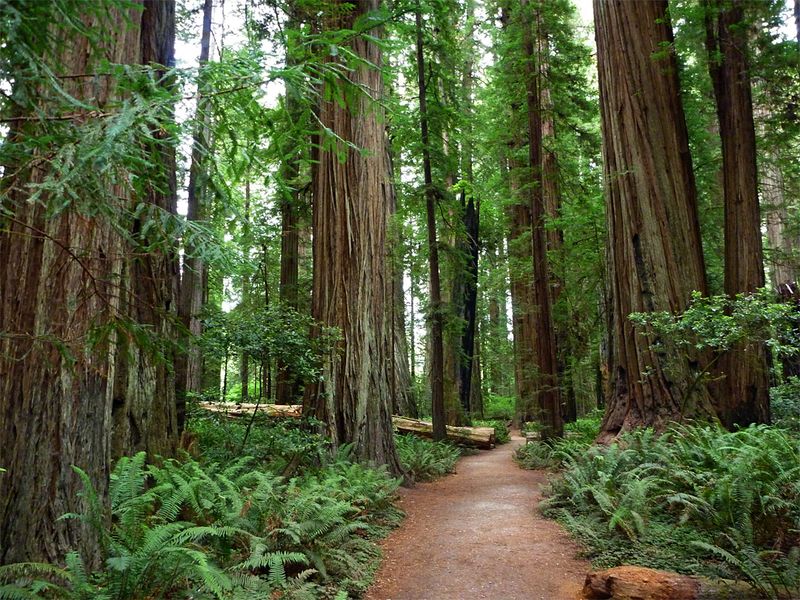
A 31-mile scenic road called the Avenue of the Giants winds through this park. Most drivers keep their eyes up, but the smartest stop the car and look down.
Humboldt Redwoods protects one of the largest old-growth redwood forests left on Earth. Massive fallen trunks lie where they landed, and fungi spend decades breaking them down into new soil.
Rainy season, usually November through March, brings the biggest variety. Caps, crusts, and shelves show up on logs, stumps, and the leafy floor.
Founders Grove is a short, flat loop that works well for a first visit. Rockefeller Forest offers a quieter stroll among some of the tallest trees in the park.
Stop at the visitor center in Weott for maps and current trail news. Cell service is spotty, so download directions before heading out among the giants.
6. Epping Forest, Loughton, Essex, England
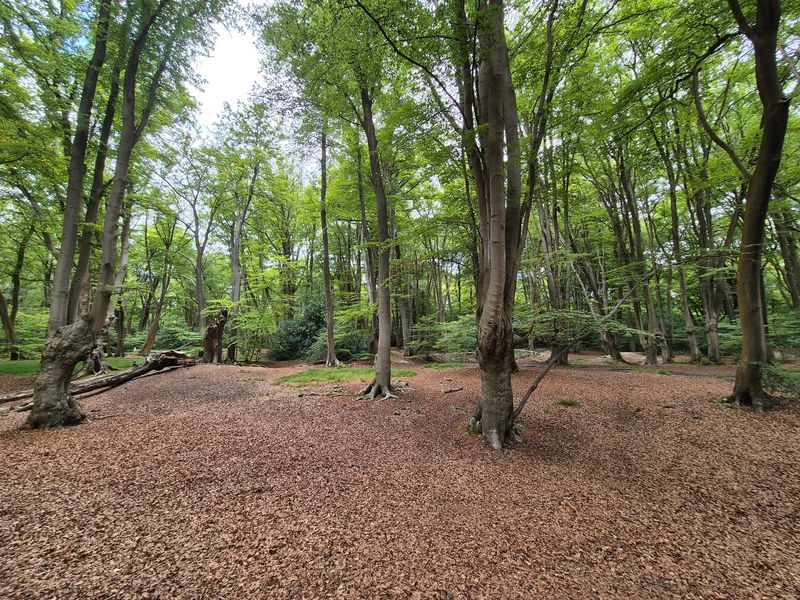
One rare pink mushroom, Russula blumiana, has its only known UK population right here. That single fact makes Epping Forest important to scientists far beyond England.
Over 1,500 fungus species have been recorded in this ancient woodland. Nearly 55,000 old pollarded trees, some dating to Anglo-Saxon times, provide plenty of deadwood for them to feed on.
Pollarding means cutting branches high on the trunk so they regrow. Centuries of this practice created the chunky, many-armed trees visitors see today.
Mid-October is a good bet for spotting red fly agarics. Lion’s mane, dog stinkhorn, and chicken of the woods also turn up for sharp-eyed walkers.
Forest bylaws ban picking mushrooms or any natural material. Loughton station on the Central line sits a short walk from the trails, which makes this an easy day trip from London.
7. Hoh Rain Forest, Forks, Washington
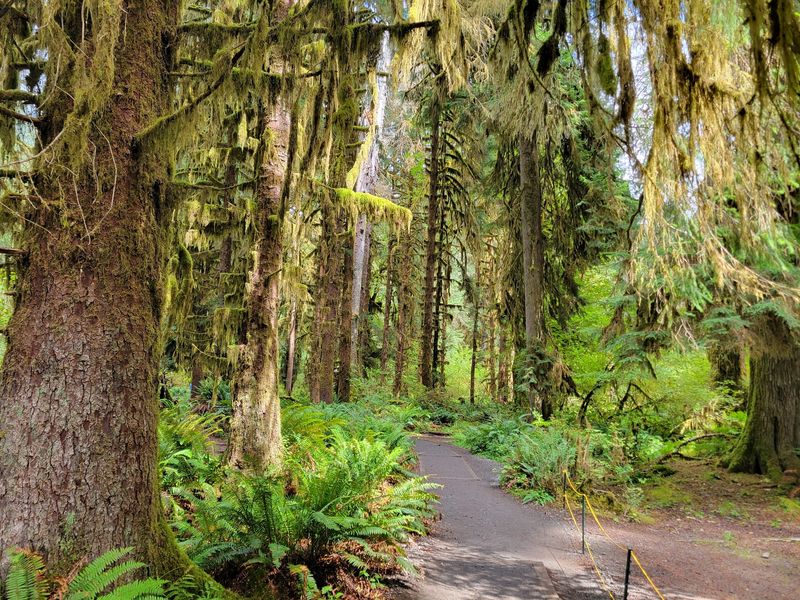
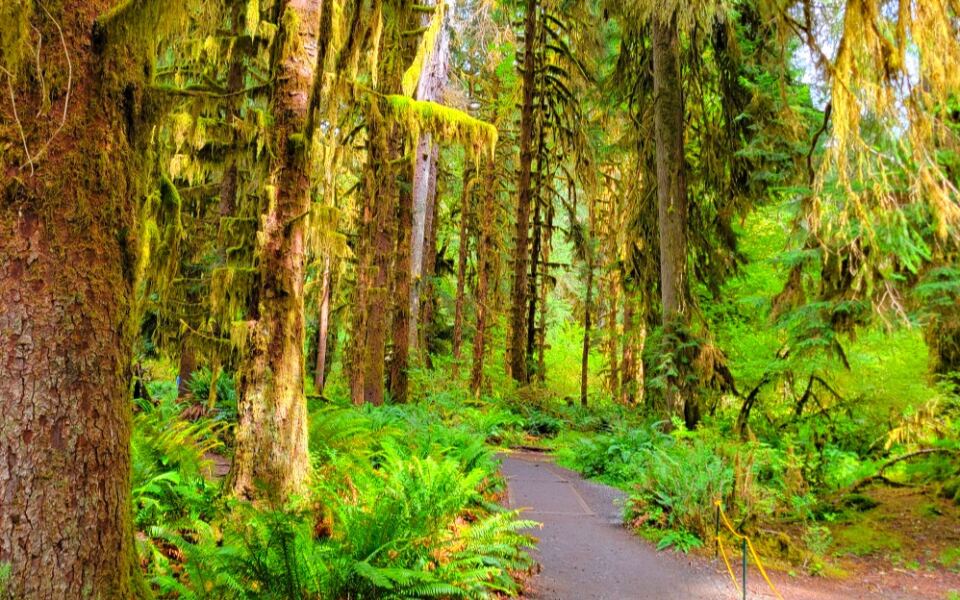
About 140 inches of rain fall here in a typical year, which makes the Hoh one of the wettest spots in the lower 48 states. All that water keeps nearly every surface green and gives fungi a near-perfect home.
Sitka spruce and western hemlock rule the canopy, and some reach over 300 feet tall. Down below, fallen trunks called nurse logs feed seedlings, mosses, and a long list of mushrooms.
The Hall of Mosses Trail is short, at under a mile, and easy for most families. Bigleaf maples along the loop wear thick coats of moss, so photographers tend to slow to a crawl.
Arrive early in fall to beat crowds at the visitor center lot. Bring rain gear, since the forest earned its name honestly, and stick to the path so the delicate floor stays healthy for the next round of mushrooms.
8. Tillamook State Forest, Tillamook, Oregon
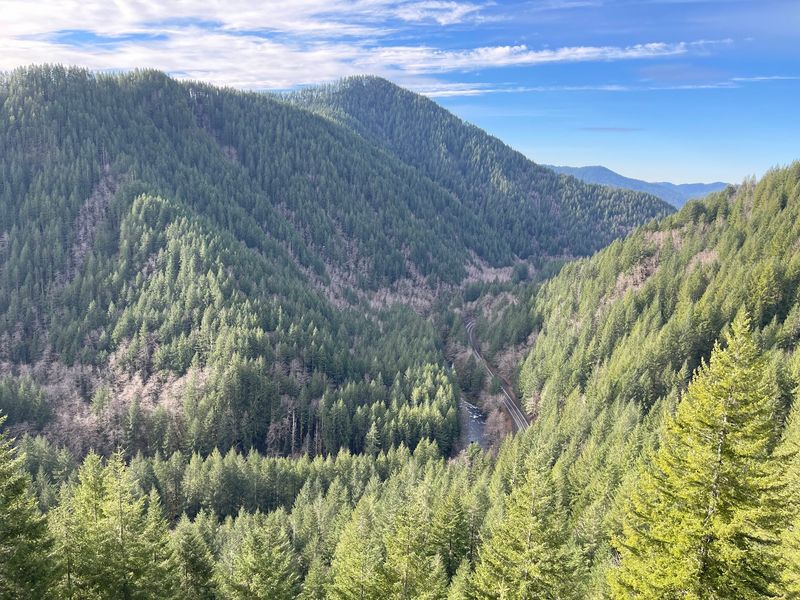
Back in 1933, a massive fire known as the Tillamook Burn swept through this region. More fires followed over the next 18 years, leaving huge areas bare.
Oregon answered with one of the largest replanting projects in its history. Schoolkids and volunteers helped plant millions of seedlings, and the result is today’s thriving forest.
Douglas firs now cover the Coast Range slopes. Heavy rainfall keeps mossy logs and thick undergrowth damp, so mushrooms appear quickly after wet weather.
The Tillamook Forest Center tells the full comeback story with exhibits and a tall fire lookout tower replica. Kids enjoy climbing it for views over the canopy.
Trails range from short loops to long ridge hikes. Fall weekends see local mushroom fans out in force, so check current state forest rules before collecting anything.
9. Quinault Rainforest, Quinault, Washington
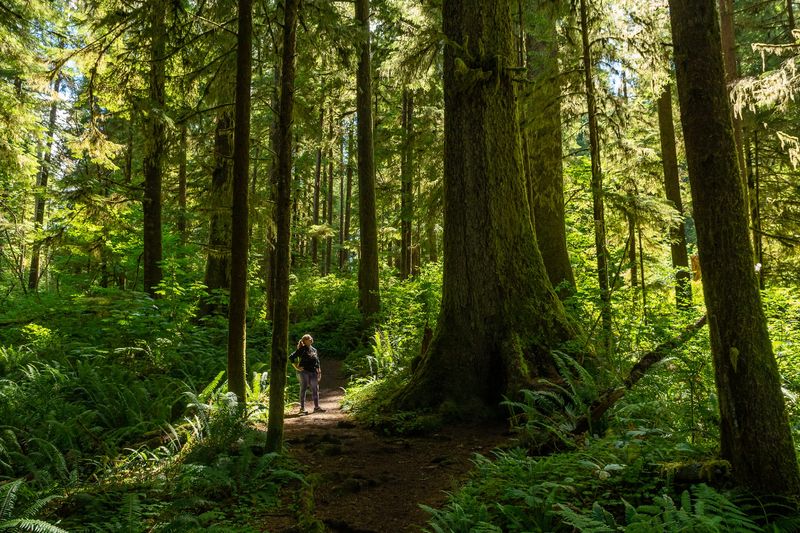
Locals sometimes call this area the Valley of Rainforest Giants. Several record-size trees grow here, including a famous Sitka spruce near the lake.
Quinault gets roughly as much rain as the Hoh, yet usually far fewer visitors. That quiet is a big plus for anyone hoping to crouch over a log without a line forming behind them.
The Quinault Rain Forest Nature Trail is a half-mile loop with signs that explain how the forest works. Moss-heavy branches and rotting logs supply countless spots for fungi to grow.
Longer options, like the Quinault Loop, connect the lakeshore with deeper forest. The historic Lake Quinault Lodge, built in 1926, makes a handy rest stop.
A scenic road circles the lake and passes waterfalls along the way. Pack layers and a rain jacket, since sunny forecasts here are more suggestion than promise.
10. Armstrong Redwoods State Natural Reserve, Guerneville, California
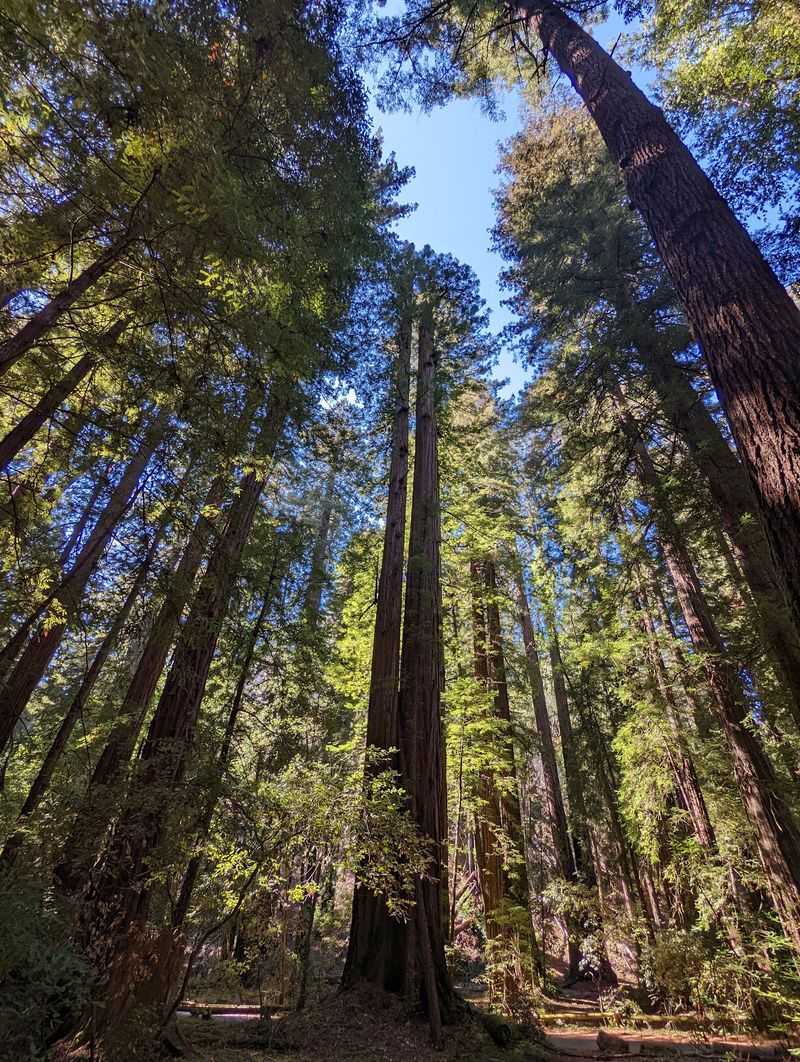
The Colonel Armstrong Tree is estimated to be over 1,400 years old. It was named after a lumberman who, surprisingly, chose to protect this grove in the 1870s.
Guided fungus walks here have turned up some delightful finds. Turkey tails, coral fungi, apricot jelly mushrooms, and red belted conks are all regulars.
Even more surprising is a blue form of the parrot mushroom. Some species found here are bioluminescent, which naturalists reveal using special UV flashlights during evening programs.
The flat Pioneer Trail makes it easy to scan the ground without huffing up hills. Strollers and wheelchairs can manage much of the main path.
Foraging is prohibited, so photos are the only souvenir. Park outside the gate and walk in for free, or pay to drive closer, then grab lunch in nearby Guerneville.
11. Forest Park, Portland, Oregon
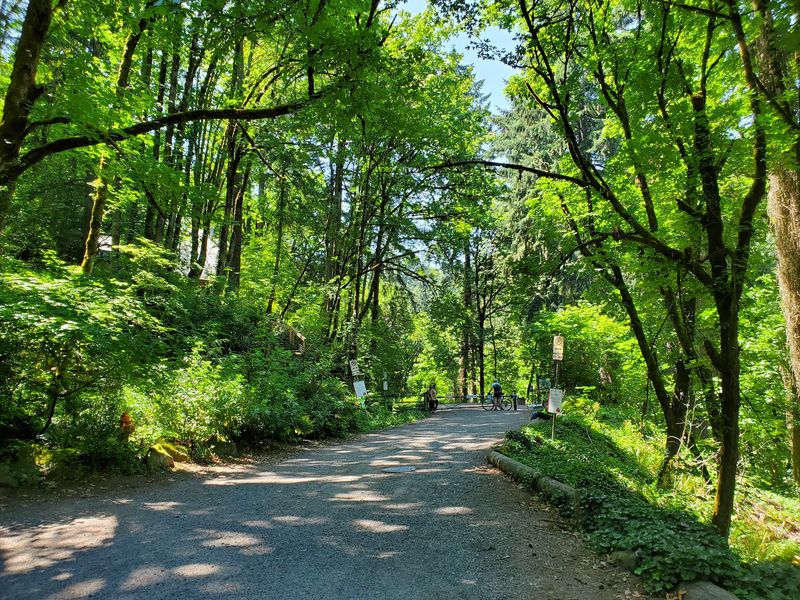
City buses can drop hikers within reach of a forest larger than 5,000 acres. Forest Park is one of the biggest urban woodlands in the United States.
The Wildwood Trail stretches over 30 miles through the park. Nobody has to tackle it all, since many entrances allow short out-and-back walks.
Douglas firs, western hemlocks, and bigleaf maples shade the paths. Fallen logs host bracket fungi, while tiny caps sprout from leaf litter during the rainy months.
The Lower Macleay Trail is a popular starting point. It follows Balch Creek to the stone Witch’s Castle, an old ranger station covered in moss that kids love exploring.
Fall and early winter bring the best mushroom variety. Expect mud, so wear boots, and enjoy grabbing a warm snack in a Portland neighborhood right after your hike.
12. Ōtari-Wilton’s Bush, Wellington, New Zealand
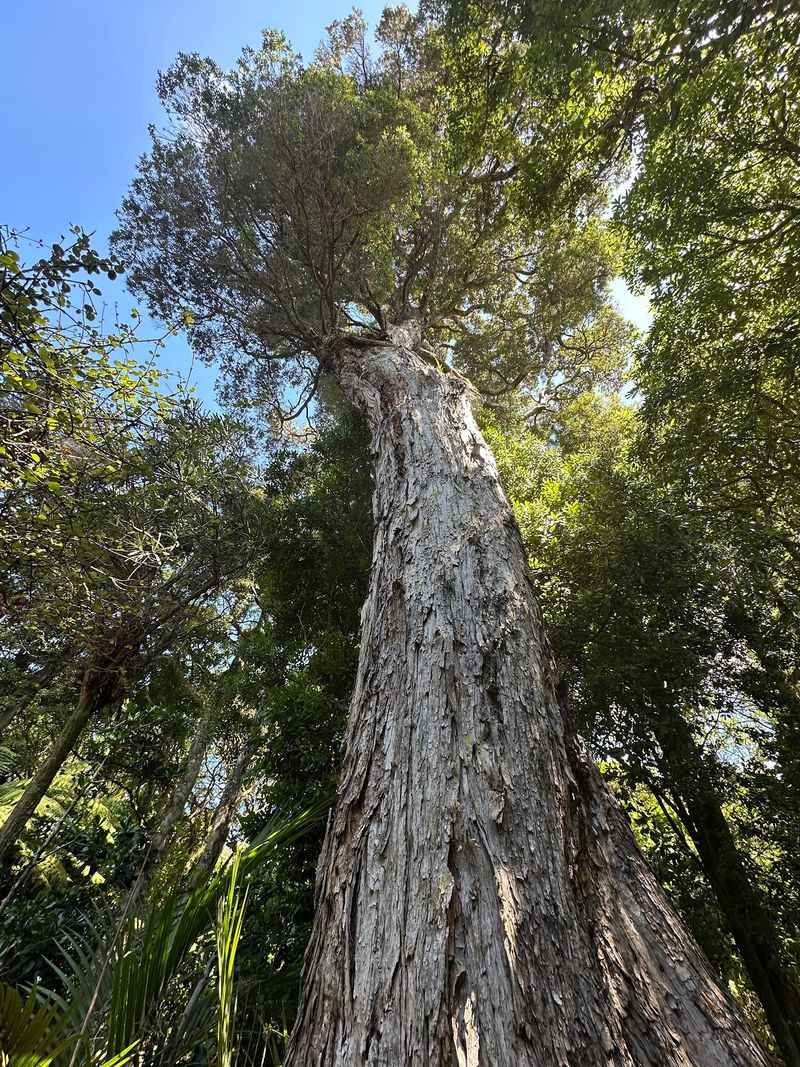
An 800-year-old rimu tree stands among the trails at this Wellington reserve. It was already growing long before Europeans reached New Zealand.
Ōtari is the only public botanic garden in the country devoted entirely to native plants. It combines about 5 hectares of planted collections with roughly 100 hectares of native forest.
Nearly 500 kinds of plants, mosses, liverworts, and lichens have been recorded. Shaded gullies and tree ferns create damp corners where fungi pop up after rain.
New Zealand has many mushrooms found nowhere else, including some in bright blues and purples. Keeping an eye on mossy logs can pay off with a rare local sighting.
Entry is free, and the reserve sits only minutes from downtown by bus. A canopy walkway lets visitors view the forest from above before heading down to the ground-level fun.
13. Zealandia Te Māra a Tāne, Wellington, New Zealand
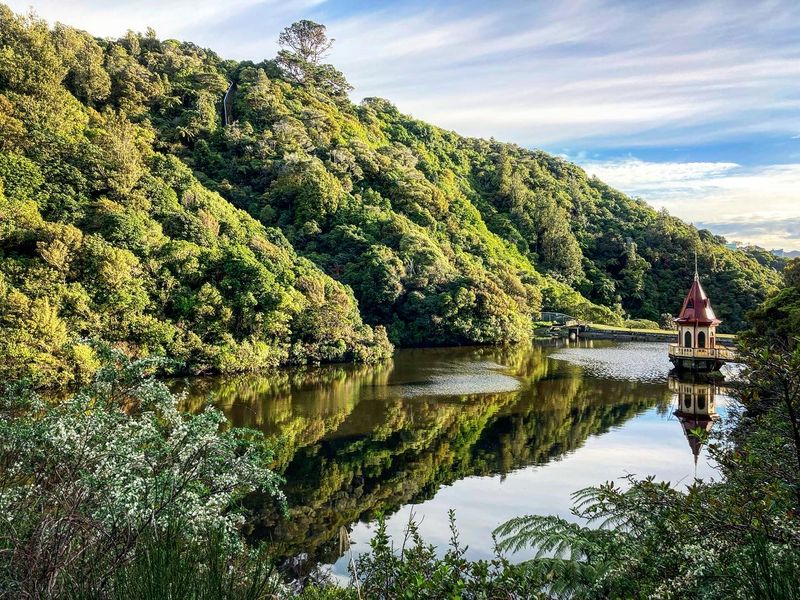
Planning ahead is one thing, but Zealandia’s team works on a 500-year vision. Their goal is to return a whole valley to how it looked before people arrived.
A predator-proof fence surrounds about 225 hectares. Inside, native birds like the takahē, kākā, and tīeke have made a strong comeback.
As the forest regrows, fungi do a lot of quiet heavy lifting. They break down fallen timber and recycle nutrients that young trees need to thrive.
More than 30 kilometers of trails cross the sanctuary. Walkers can pair birdwatching with mushroom spotting along ferny paths beside the old reservoir.
Tickets are required, and guided night tours are offered for spotting kiwi and glowworms. Visitors pass through bag checks to keep pests out, so pack light and leave snacks sealed.
14. Sol Duc Falls, Port Angeles, Washington
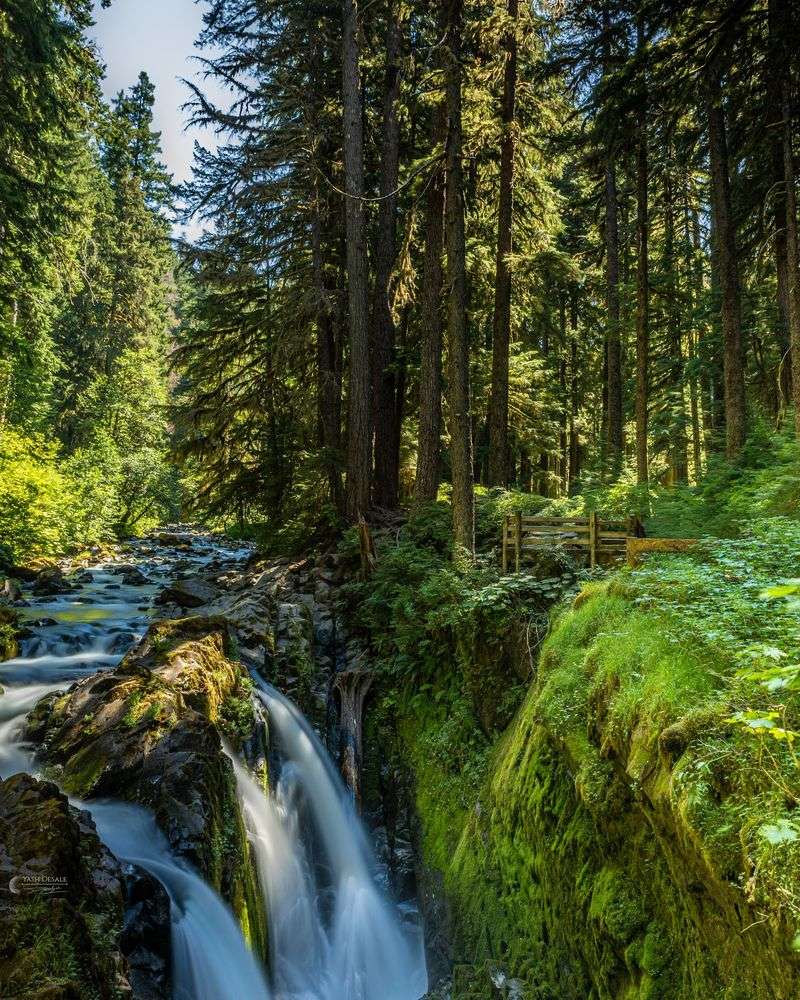
Most waterfalls pour down in one stream, but Sol Duc often splits into three or four channels. Few sights on the Olympic Peninsula draw more cameras.
Getting there takes a round-trip walk of about 1.6 miles. The trail is fairly flat and suits families with young hikers.
Old-growth trees line the path, and moss-covered logs sit close enough to inspect without leaving the trail. Fall rains bring out caps, shelves, and crusty fungi on nearly every rotting trunk.
A wooden bridge crosses the gorge right in front of the falls. It offers the best viewing spot, so expect a short wait for photos on busy days.
Nearby Sol Duc Hot Springs Resort has natural mineral pools. Soaking after a damp hike is a local tradition, though the resort keeps seasonal hours.
15. Hoh Rain Forest, Olympic National Park, Washington
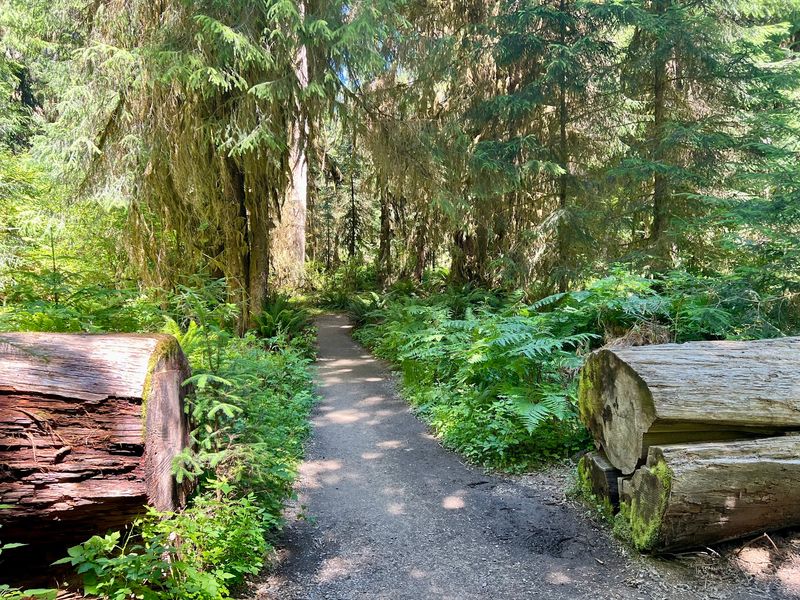
Plenty of visitors finish the Hall of Mosses and head home. The Hoh River Trail rewards anyone willing to keep walking.
This path runs about 17 miles to Glacier Meadows near Mount Olympus. Day hikers can turn around anytime, and even a few miles reveal fewer crowds.
Fallen giants along the route act as tiny gardens. Mosses, young hemlocks, and wood-decaying fungi all share space on a single log.
Five Mile Island makes a popular turnaround point. Roosevelt elk often graze in the river flats, so binoculars are worth packing.
Overnight trips require a wilderness permit from the park. Day trippers just need park entry, plenty of water, and patience for a slow, ground-scanning pace.
The best finds here usually sit low, right where most people forget to look.
Share this story