Castles may seem like a thing of medieval Europe, but America has its own surprising collection of towers, battlements and storybook estates. Most were built by wealthy industrialists, quirky inventors and stubborn dreamers who fell in love with old European buildings.
They pop up on tiny river islands, above New England lakes and deep in Colorado forests. Get ready to wonder if you are still in the United States.
Boldt Castle
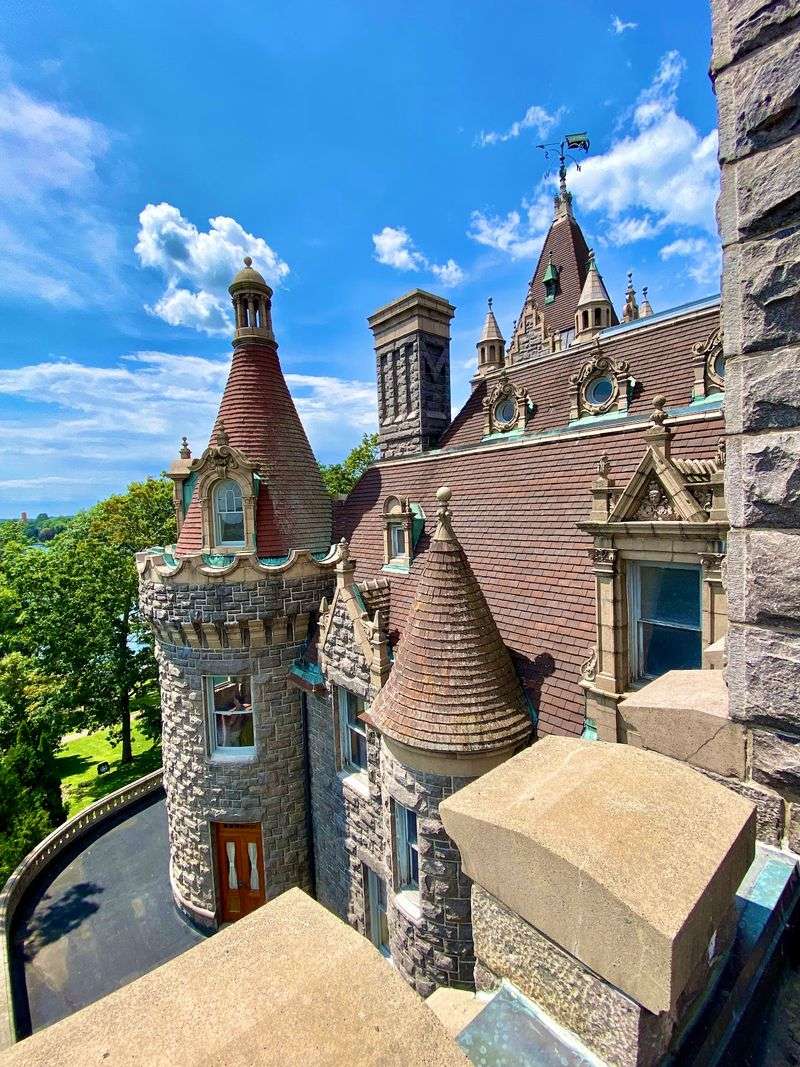
Picture a love letter written in stone and left unfinished. George C.
Boldt, a famous hotel owner, began this huge Rhineland-style castle on Heart Island as a gift for his wife, Louise. When she died suddenly, he stopped the work and never came back.
For decades the six-story building sat empty while weather and time did their worst. Restoration finally began, and today the place feels like a story with a happy second act.
The main building holds about 120 rooms, though not every one is fully finished.
Getting there is half the fun, because visitors arrive by boat. Ferries and tour boats cruise through the Thousand Islands, so you can enjoy the water views before you even step ashore.
Plan to spend a few hours here.
Beyond the castle, the five-acre island has gardens and several other buildings to explore. Bring comfortable shoes, since there are plenty of stairs and winding paths.
Early arrivals often get quieter rooms and better photos. Check the season before you go, because the island is open only during warmer months.
Hammond Castle
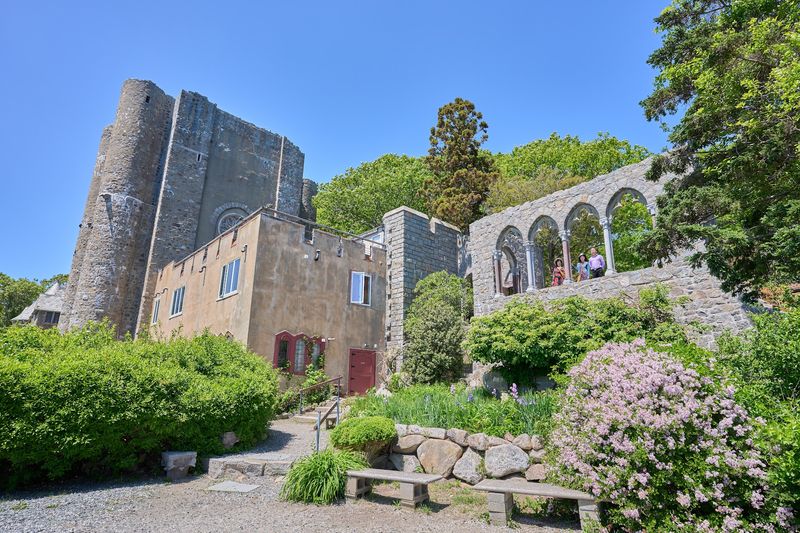
Sea spray, stone walls and a touch of mad-scientist energy greet you at this Massachusetts clifftop. Inventor John Hays Hammond Jr. built it in the 1920s, and he clearly did not want an ordinary house.
He wanted turrets.
Hammond worked on radio control and loved collecting art and old objects. His home was also his laboratory, so history and science share the same rooms.
Stone halls and courtyards give the place a moody, storybook feel.
The Atlantic stretches out behind the castle, and on a windy day the waves crash like dramatic background music. It looks nothing like the neat colonial homes found elsewhere in New England.
That contrast is part of the charm.
Today the castle runs as a museum that mixes architecture, art, science and local history. Visitors can wander through big rooms filled with odd treasures and Hammond’s own creations.
Bring a jacket, because the ocean breeze can be chilly even in summer. Photographers will love the way the towers catch the late afternoon light.
Fonthill Castle
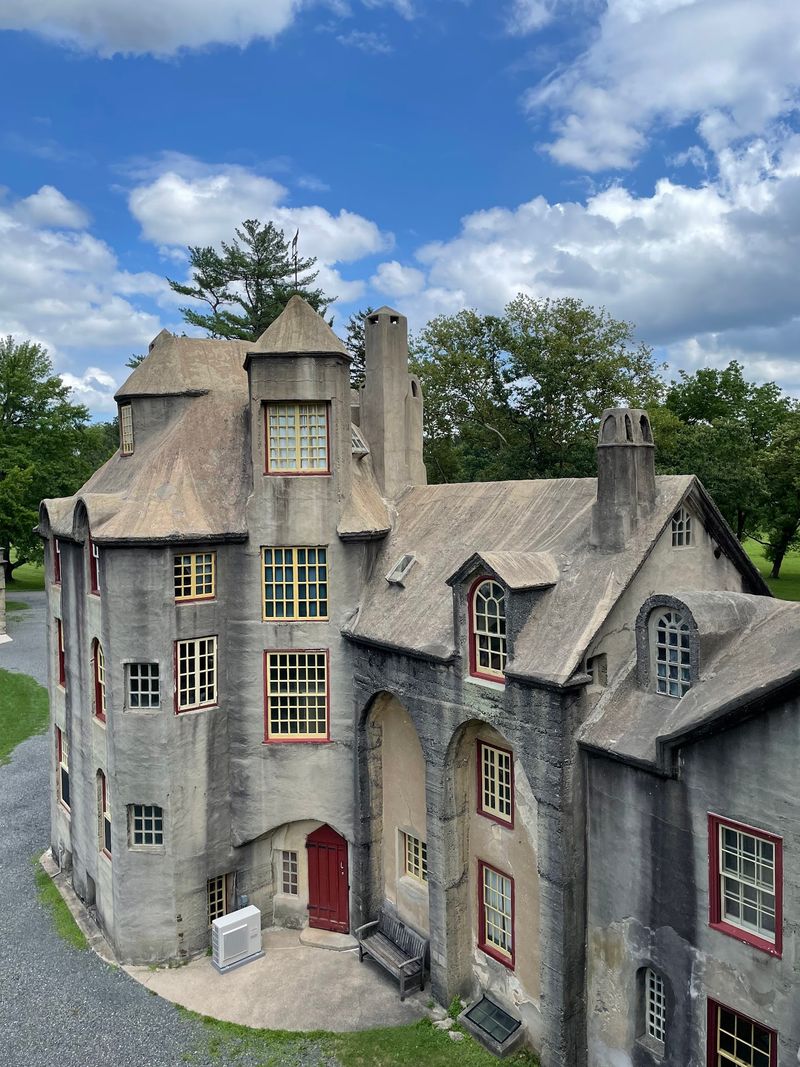
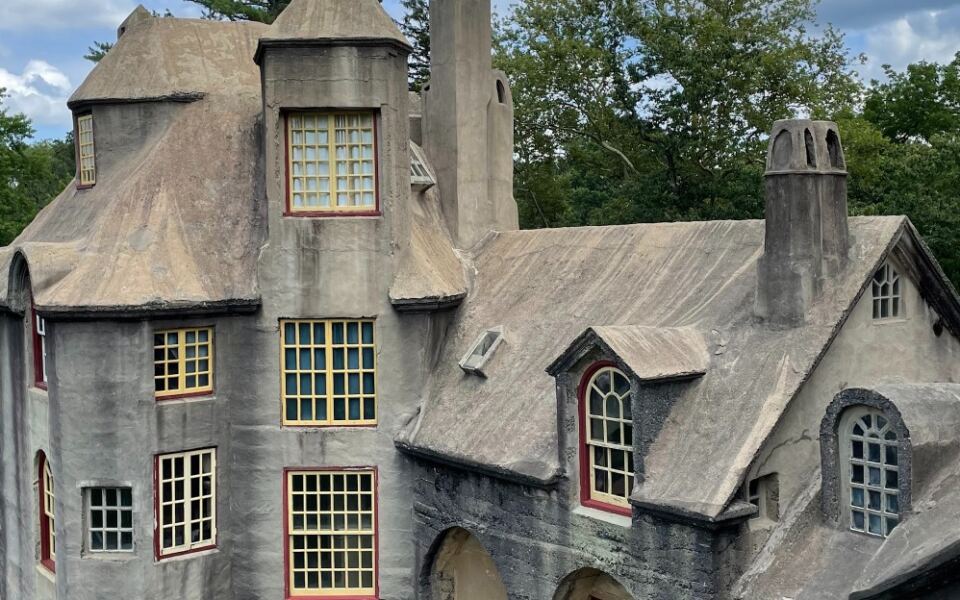
Forty-four rooms, more than 200 windows and not a single standard blueprint. That is the wild recipe behind Fonthill.
Henry Chapman Mercer, an archaeologist, collector and tile maker, built it from poured concrete between 1908 and 1910.
Mercer designed the place as he went along, and it shows in the best way. Staircases twist, ceilings dip and windows come in all shapes.
Colorful tiles from his own pottery cover walls and ceilings, mixed with old tiles he gathered from around the world.
The style borrows from Byzantine, Gothic and medieval ideas, then stirs them together. You might expect a spot like this in some foreign hillside.
Instead it sits in suburban Bucks County, near ordinary neighborhoods.
Guided tours take visitors through the maze of rooms and explain Mercer’s quirky choices. Wear comfortable shoes, since the stairs are steep and narrow.
Look up often, because some of the most fun details hide overhead. It is a great stop for anyone who loves art, history or just odd buildings.
Bishop Castle
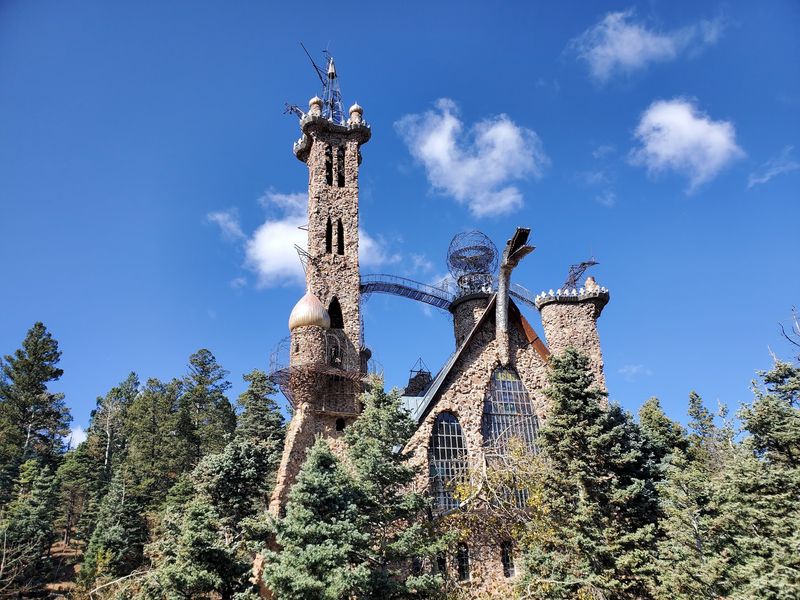
One man, a pile of rocks and more than sixty years of stubborn effort. That is how Bishop Castle came to be.
Jim Bishop built the huge structure largely by hand, with no famous architect and no millionaire sponsor.
The castle has soaring towers, high bridges and a big hall inside. Iron railings and stonework twist upward in a way that looks more like a fantasy novel than a building plan.
A giant metal dragon even stretches out from the front, ready to pose for photos.
It sits in the forest southwest of Pueblo, so you may drive past tall pine trees and then suddenly see stone towers. Surprise is half the fun.
Colorado tourism officials call it one of the state’s most unusual roadside stops.
Visitors can usually climb around and explore on their own, which makes it feel like a giant playground. Hold the railings, watch your step and keep a close eye on kids.
Heights are part of the thrill here, so bring your courage and a camera.
Gillette Castle
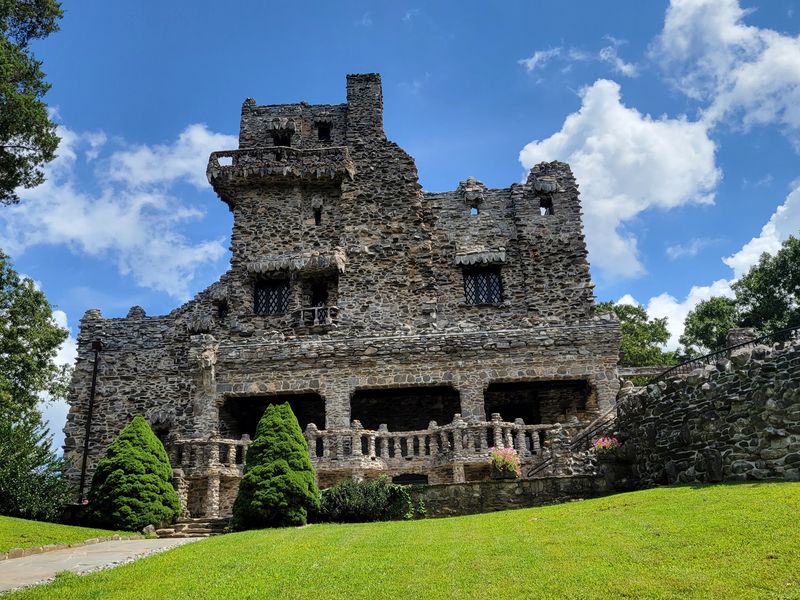
Elementary, my dear traveler: a famous detective actor built this place. William Gillette became a star by playing Sherlock Holmes on stage, and he used his fame to build a 24-room stone home between 1914 and 1919.
The outside looks rough and rugged, like a fortress growing out of the hill. Inside, Gillette filled the rooms with handmade doors, built-in furniture and clever personal touches.
Many of the wooden locks were one of a kind.
He also built a small railroad that wound across his property. The tracks are gone now, but parts of the route remain as walking trails.
Hikers can follow them and enjoy views of the Connecticut River below.
Connecticut bought the property in 1943, and it became a state park the next year. Tours run seasonally, so check the schedule before you visit.
Pack a picnic, since the grounds have lovely spots to rest. The overlooks are especially pretty when the fall leaves turn red and gold.
Singer Castle
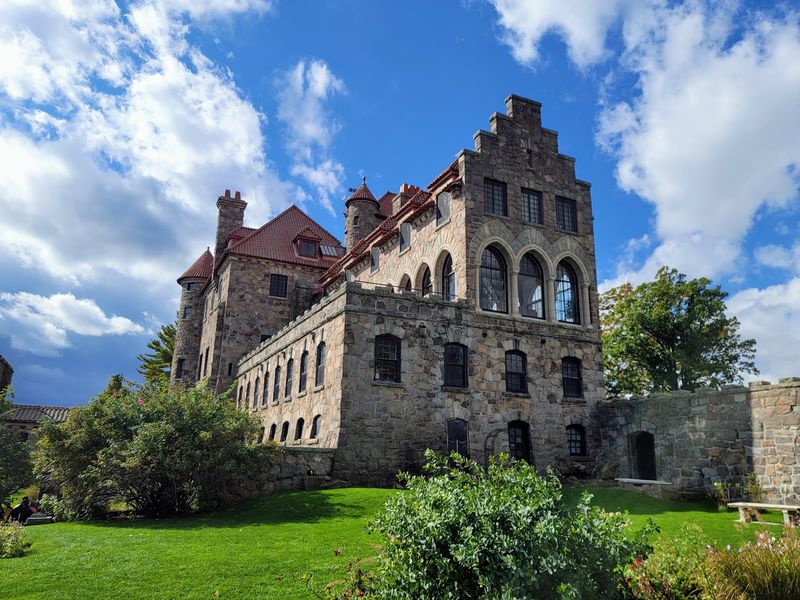
Secret passages, a clock tower and a private island make this castle a real-life mystery novel. Singer Castle sits on Dark Island in the St. Lawrence River, a bit farther along than its famous neighbor, Boldt Castle.
Frederick Gilbert Bourne, who led the Singer Manufacturing Company, built it as a Scottish-style island retreat. It has 28 rooms and a five-story clock tower.
Hidden passageways link rooms and service areas, so the staff could slip around unseen.
Guided tours cover four floors and show off many original furnishings and artifacts. Guides love to point out the secret doors, and kids usually love finding them.
Ask lots of questions, because the stories are half the fun.
Everyone reaches the island by boat, which adds to the feeling of escape. If a day trip is not enough, you can even book the Royal Suite for an overnight stay.
Imagine waking up in a castle surrounded only by water. Book early, since rooms are limited.
Castle in the Clouds
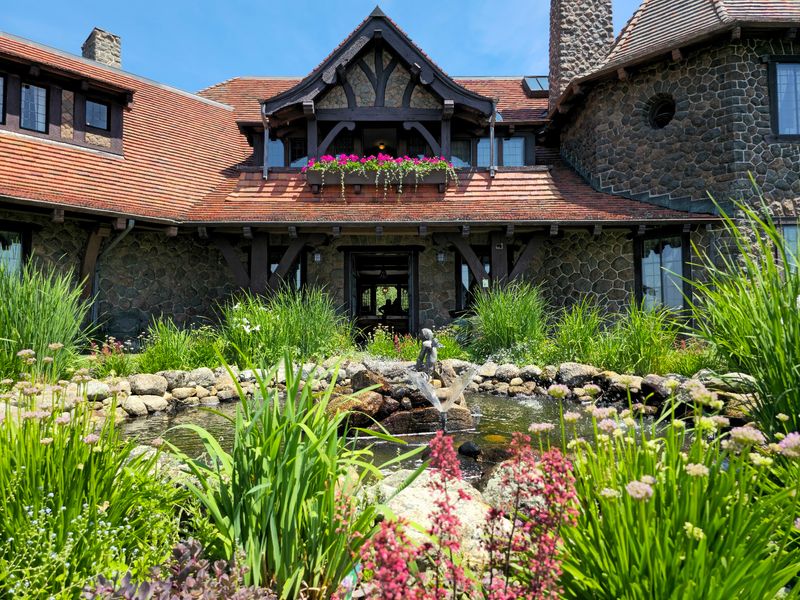
Few views in New England beat the one from this mountaintop. Castle in the Clouds looks out over Lake Winnipesaukee, with blue water and green hills stretching far into the distance.
Shoe maker Thomas G. Plant began building the 6,300-acre estate in 1913.
He named his Arts and Crafts mansion Lucknow. It is less medieval than some castles on this list, but the stone walls and high setting give it a grand, faraway feel.
Visitors can tour the restored mansion and look at the exhibits inside. Outside, miles of trails wind across the property, so you can stretch your legs after the tour.
Waterfalls and quiet woods make the walk worth the effort.
The estate is now a National Historic Landmark. Bring a camera and a light jacket, because it can be breezy at the top.
Late summer and early fall bring comfortable weather and colorful scenery. Give yourself a full afternoon to enjoy it all.
Loveland Castle
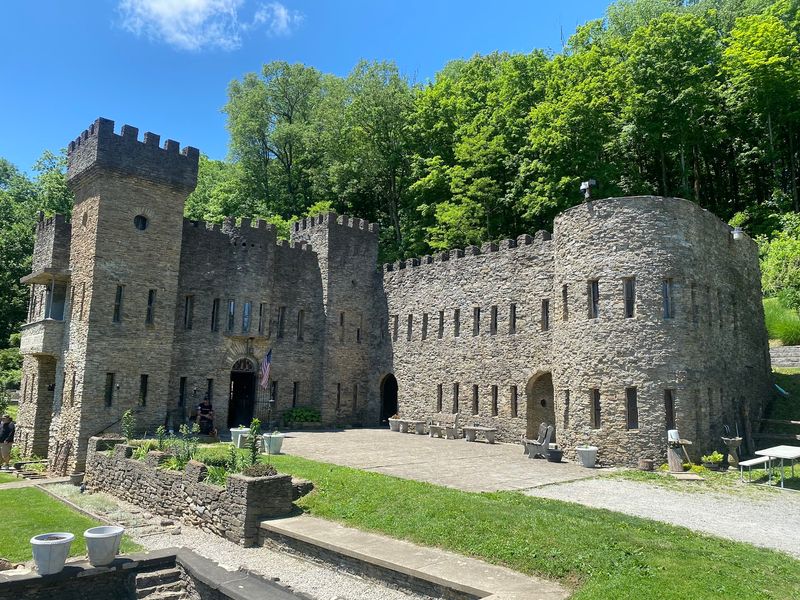
This castle started with a youth club and a lot of river rocks. Harry Delos Andrews began building Chateau Laroche in 1929 for the Knights of the Golden Trail, a group he organized.
Andrews had seen real castles in Europe, and he decided to make his own. He gathered stones from the Little Miami River and used other materials to shape the walls.
Over time, the complex gained towers, a dry moat and gardens.
Its style blends German, French and English ideas, with defensive features borrowed from the Middle Ages. Walk across the grounds and you will spot slits for archers and nooks perfect for imagining a knight on guard.
Visitors explore on self-guided tours, and the admission price is very low. That makes it an easy add-on to a trip near Cincinnati.
Take your time in the small rooms and look closely at the stonework. It is a charming reminder of what one determined builder can do.
Castle Farms
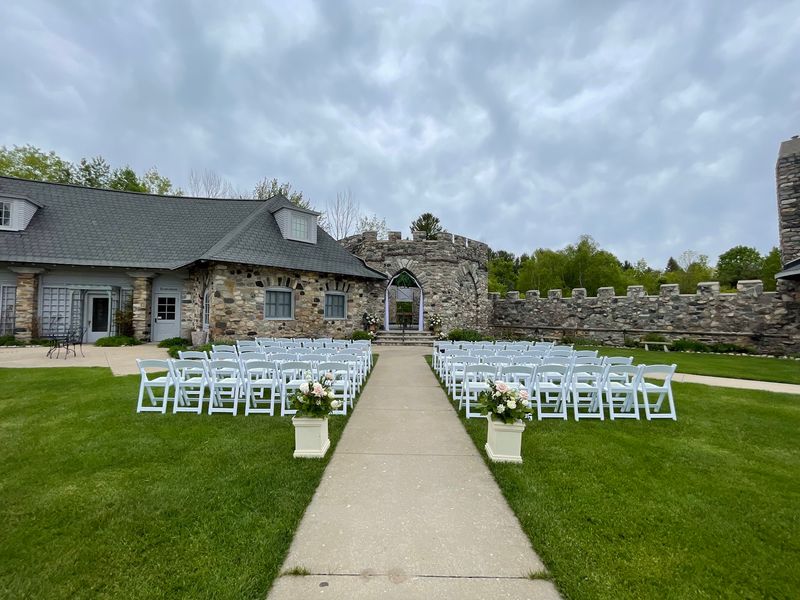
Cows once lived in luxury here. Castle Farms was built in 1918 as a model farm, and the buildings were fancy enough to make any visitor look twice.
Over the years, the property had several different uses before it was restored. Today it works as a historic attraction and event venue.
Walk through stone halls, cross courtyards and stroll the large gardens that surround the buildings.
Inside, displays share stories from the early twentieth century. Outdoors, a big model railroad draws train fans of every age.
Kids tend to love it, and adults usually stay longer than they planned.
The towers and European-style walls look striking against the farmland and lake country of northern Michigan. Visit in summer for blooming flowers and long, bright days.
Weddings are common here, so check the calendar before you go. Charlevoix is nearby, with shops and cafes for a post-castle snack.
Bannerman Castle
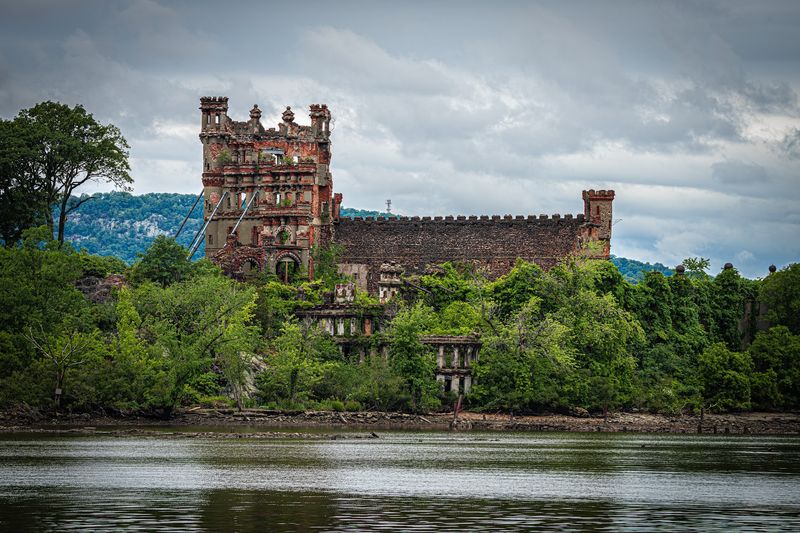
Here is a castle that once stored guns, not royalty. Francis Bannerman VI sold military surplus, and he needed a place to keep his huge stock of goods.
So around 1900 he built a Scottish-style arsenal on tiny Pollepel Island.
Fires, storms and years of neglect left much of the complex in ruins. The empty windows and broken walls now give it a haunting look, especially when mist rolls over the Hudson River.
It is one of the most dramatic sights in New York.
The island is part of Hudson Highlands State Park Preserve. The Bannerman Castle Trust runs boat tours, walking tours and special events there.
Because the ruins are fragile, joining a guided trip is the best way to visit.
Some tours leave from nearby riverside towns, and the boat ride shows off the rocky Hudson cliffs. Dress for the weather and bring a camera with a good zoom.
You can also admire the castle from trains and riverbanks if you cannot get onto the island.
Share this story