In 1973, most people heard new music on AM radio, on a jukebox, or on a 45 rpm single that cost about a dollar. A song that reached No. 1 on the Billboard Hot 100 could play several times a day, and it could follow you from the car to the school dance.
That year mixed soul, soft rock, story songs, and solo records from former Beatles. It was also a year when TV stars, funk pioneers, and piano men all took turns at the top.
Some of these hits still play in grocery stores and on oldies stations today. Others have slipped quietly out of the spotlight, even though millions once knew every word.
Below, you will find 15 chart-toppers from that year, along with the stories behind them, the people who made them, and the small details that made each one special. Some facts may surprise even longtime fans.
Keep score as you read and see how many you can still hum from the first line.
1. Superstition by Stevie Wonder
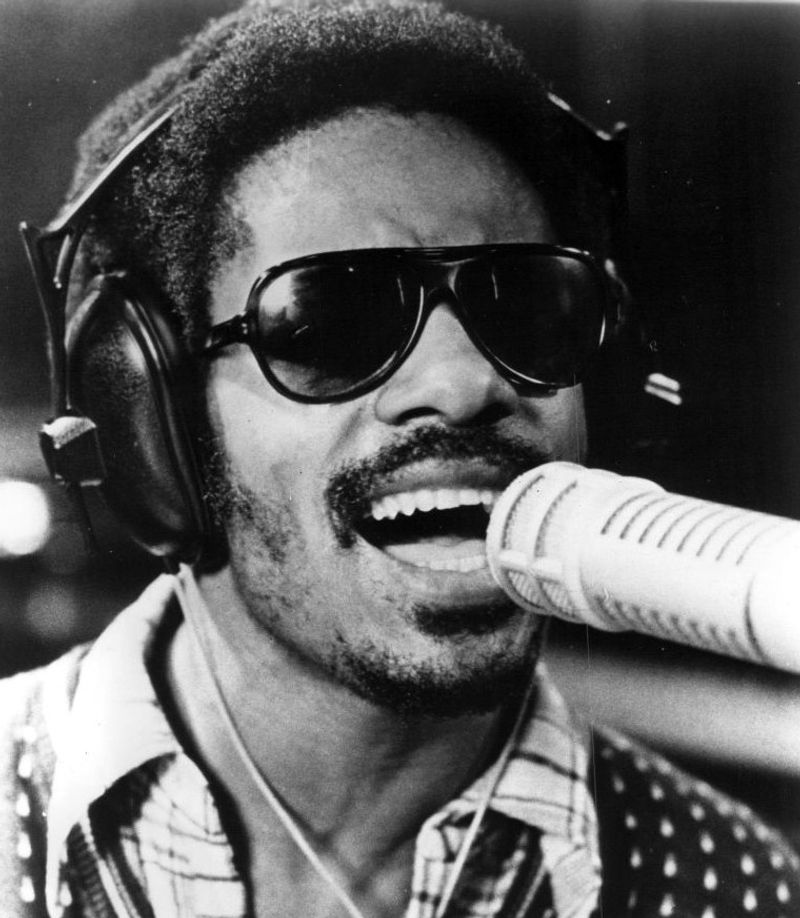
Funk got a promotion in late January 1973. Stevie Wonder grabbed the top spot with a keyboard riff so catchy that most fans can hum it in seconds.
That riff came from a clavinet, an electric keyboard that gave the song its bouncy, choppy groove. Wonder also played the drums on the recording himself.
The song came from his album Talking Book, released in 1972. It stayed at No. 1 for one week.
Its lyrics poke at old beliefs like broken mirrors and ladders. The message is simple: when you believe in things you do not understand, you suffer.
Guitarist Jeff Beck was originally linked to the track, but Motown released Wonder’s version first. The song later won two Grammy Awards in 1974.
Wonder was only 22 years old when it topped the chart.
2. Crocodile Rock by Elton John
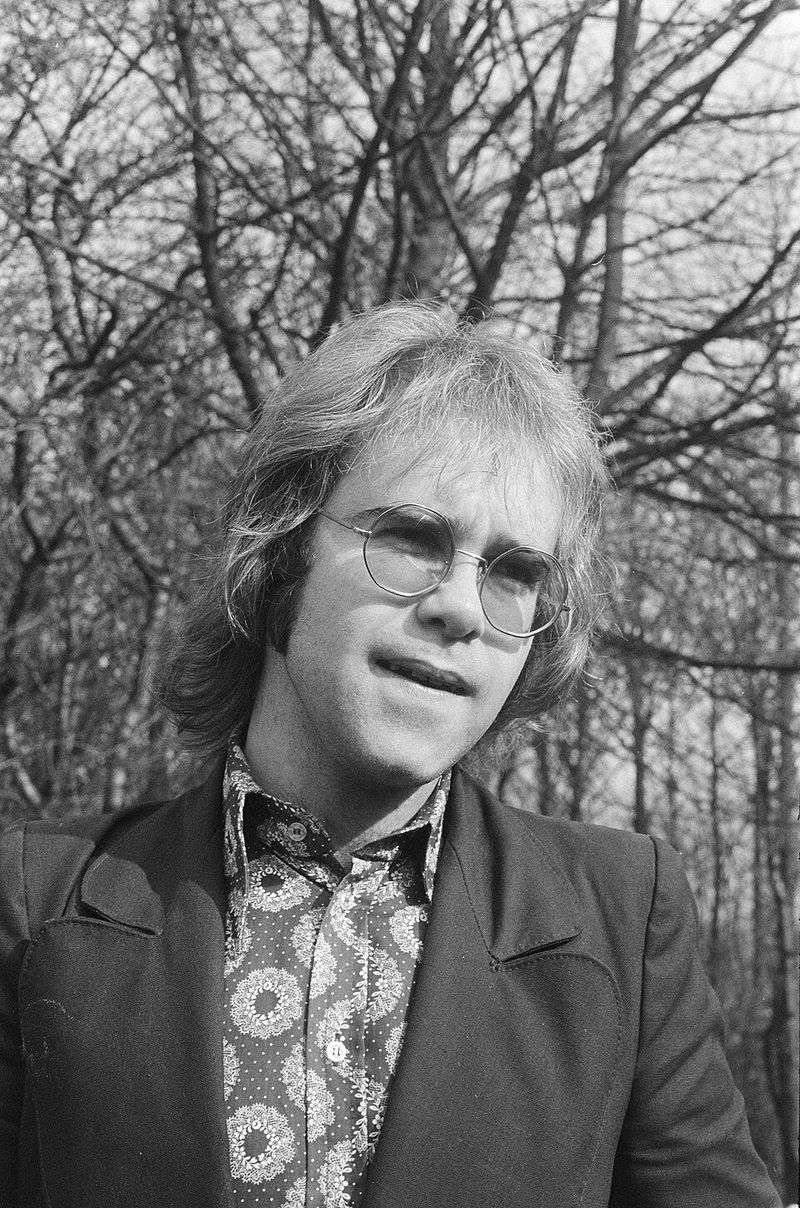
A British piano player singing about American sock hops sounds like an odd idea. Somehow, it worked perfectly for Elton John.
Crocodile Rock reached No. 1 in February 1973 and stayed there for three weeks. It was his first chart-topper in the United States.
Bernie Taupin wrote the lyrics, looking back at 1950s dances, jukeboxes, and teenagers who loved early rock and roll. The Farfisa organ part gave it a cheerful, retro bounce.
Then there is that famous high-pitched “la la la” chorus. Kids could sing it even if they did not know any other words.
The song appeared on the album Don’t Shoot Me I’m Only the Piano Player. It also opened the door for a long run of Elton John hits throughout the decade.
Parents and teens could finally agree on one record.
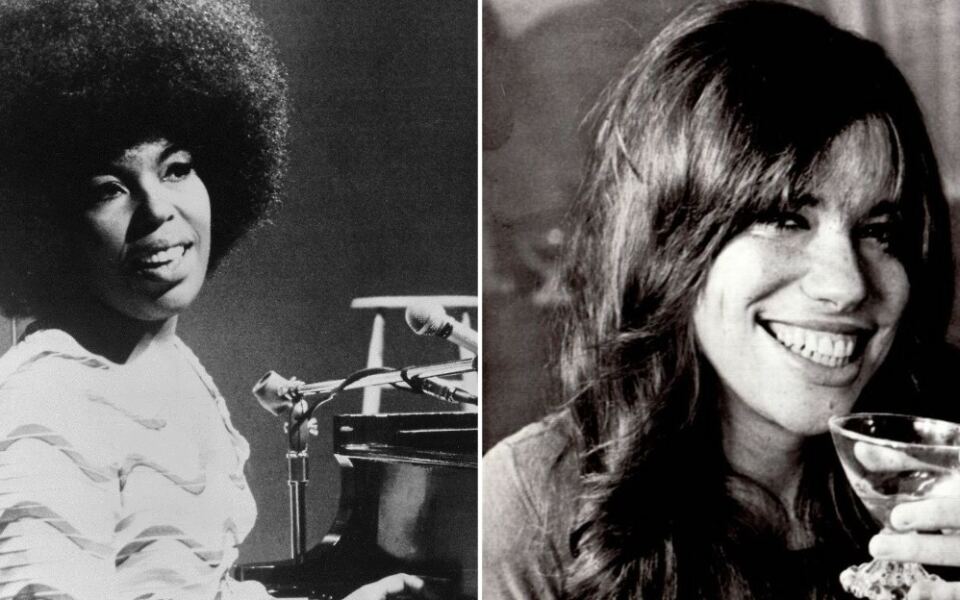
3. Killing Me Softly with His Song by Roberta Flack
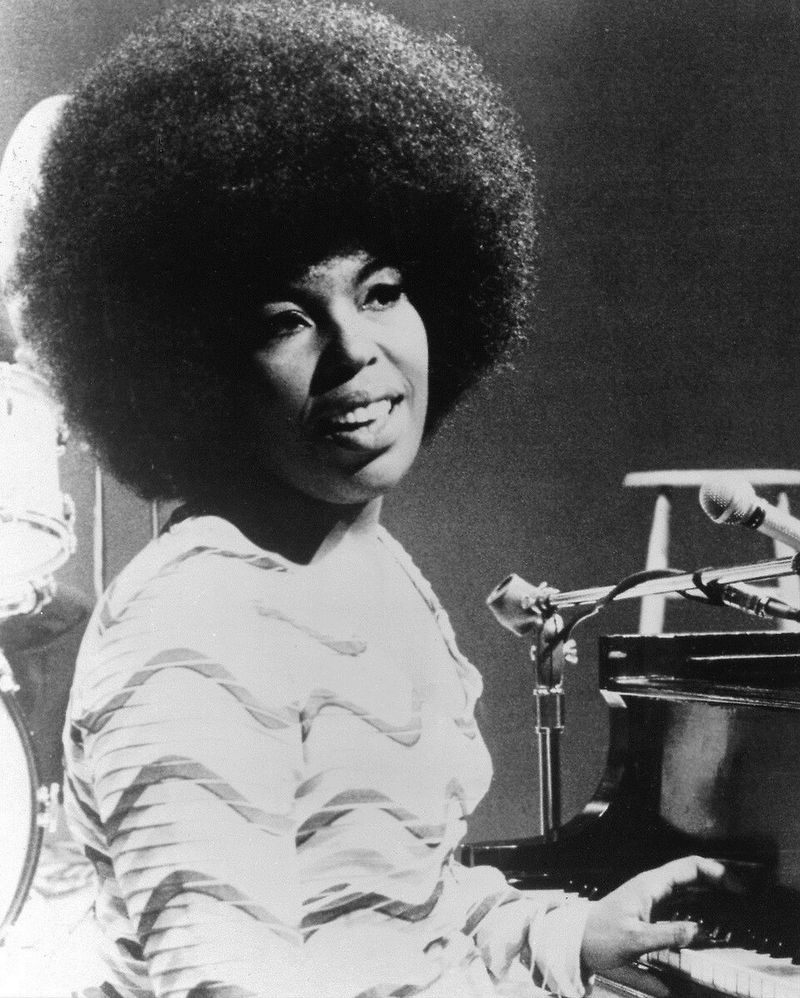
Picture a singer reading a magazine on an airplane and finding her next big hit. Roberta Flack heard Lori Lieberman’s 1972 version on an in-flight audio channel and decided to record it.
Her take reached No. 1 in February 1973. It held the top spot for five weeks, split into two runs.
The lyrics describe hearing a performer sing a song that feels like it was written about your own life. Many listeners felt exactly that way about Flack’s version.
She worked on the arrangement for months to get every detail right. Her calm, careful style made the song feel personal.
The effort paid off at the 1974 Grammy Awards. The track won Record of the Year, a year after her song The First Time Ever I Saw Your Face won the same award.
Back-to-back wins like that are rare.
4. Love Train by The O’Jays
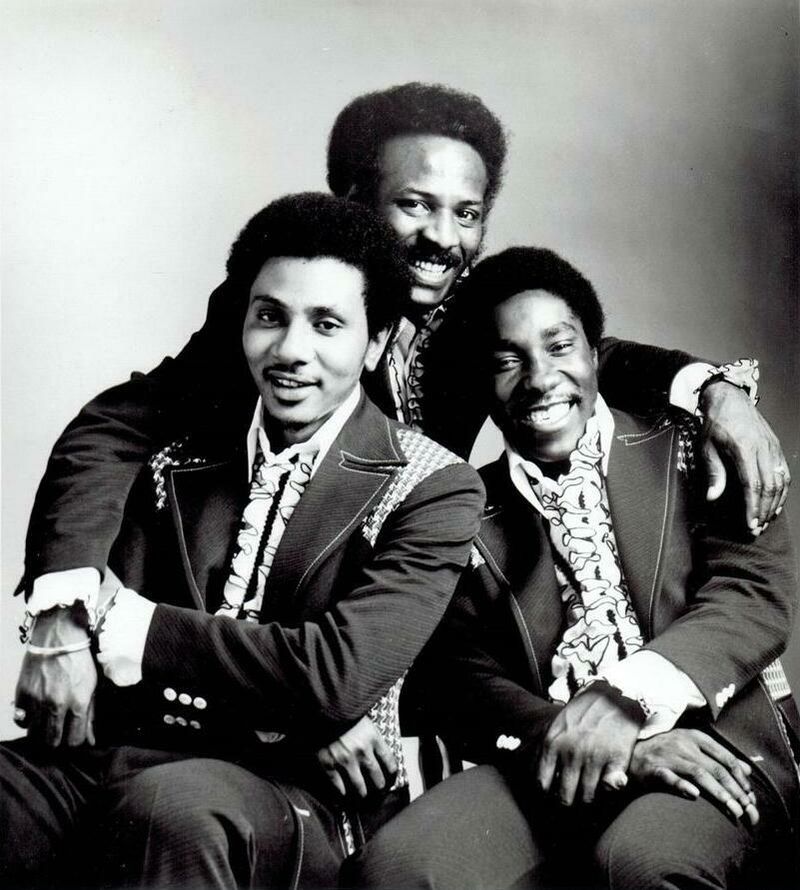
All aboard was the whole idea here. The O’Jays invited the entire planet to join hands and ride along.
Love Train reached No. 1 in March 1973 for one week. It came from the album Back Stabbers.
Songwriters Kenny Gamble and Leon Huff built the track in Philadelphia. Their polished style, with horns, strings, and strong rhythm, became known as the Philadelphia soul sound.
The lyrics name places such as England, Russia, China, Egypt, Israel, and Africa. In the early 1970s, with plenty of world tension in the news, that hopeful list stood out.
The O’Jays started in Canton, Ohio, back in the late 1950s. It took them over a decade of hard work to reach the top of the pop chart.
Today the song still pops up at weddings, parties, and dance floors everywhere.
5. You’re So Vain by Carly Simon
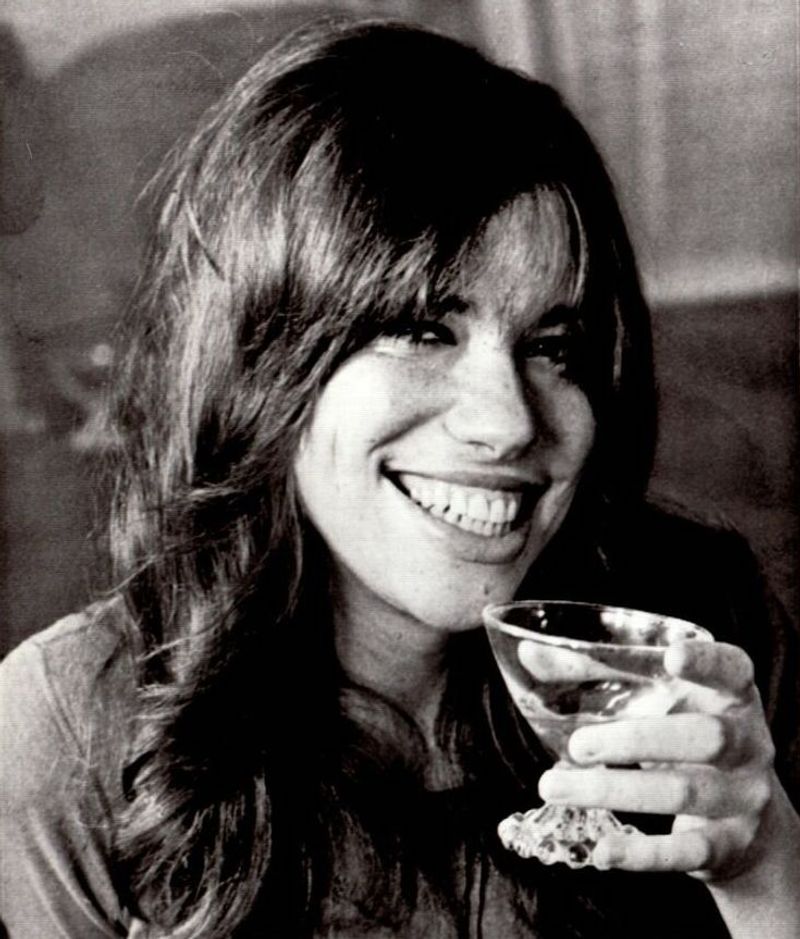
Nobody in 1973 could stop guessing who the mystery man was. Carly Simon kicked off the year with a song that turned a breakup into a national puzzle.
The single hit No. 1 on the Billboard Hot 100 in January and held the spot for three weeks. Fans argued over every line, especially the one about a horse winning in Saratoga.
Simon later confirmed that actor Warren Beatty inspired the second verse. She has said the song blends three men from her past, and she has never named the other two.
Here is a fun bonus. Mick Jagger sang uncredited backing vocals, so a Rolling Stone was helping out on the chorus.
The track came from her album No Secrets, which also reached No. 1. Over fifty years later, people still debate the answer.
6. The Night the Lights Went Out in Georgia by Vicki Lawrence
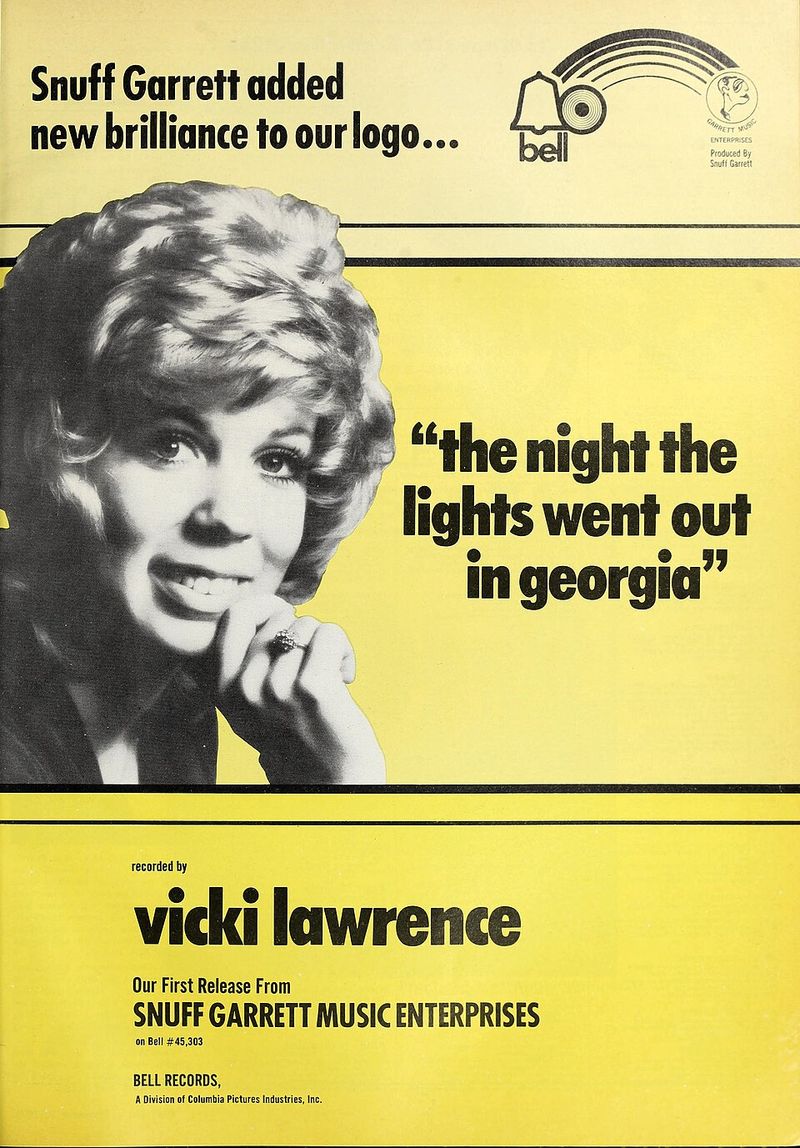
Television fans knew her as the funny younger sister on The Carol Burnett Show. Few expected Vicki Lawrence to top the music charts too.
Her husband at the time, Bobby Russell, wrote the song. Other singers reportedly passed on it, so Lawrence recorded a demo herself.
That demo turned into a real single. It reached No. 1 in April 1973 and stayed for two weeks.
The song tells a twisty Southern mystery about a wrongly accused brother and a small-town court case. Listeners had to pay close attention until the very last verse to learn what really happened.
Story songs like this were a big deal on 1970s radio. People would wait for the ending and then talk about it with friends.
Singer Reba McEntire recorded a popular cover in 1991, giving the tale a second life.
7. Tie a Yellow Ribbon Round the Ole Oak Tree by Dawn Featuring Tony Orlando
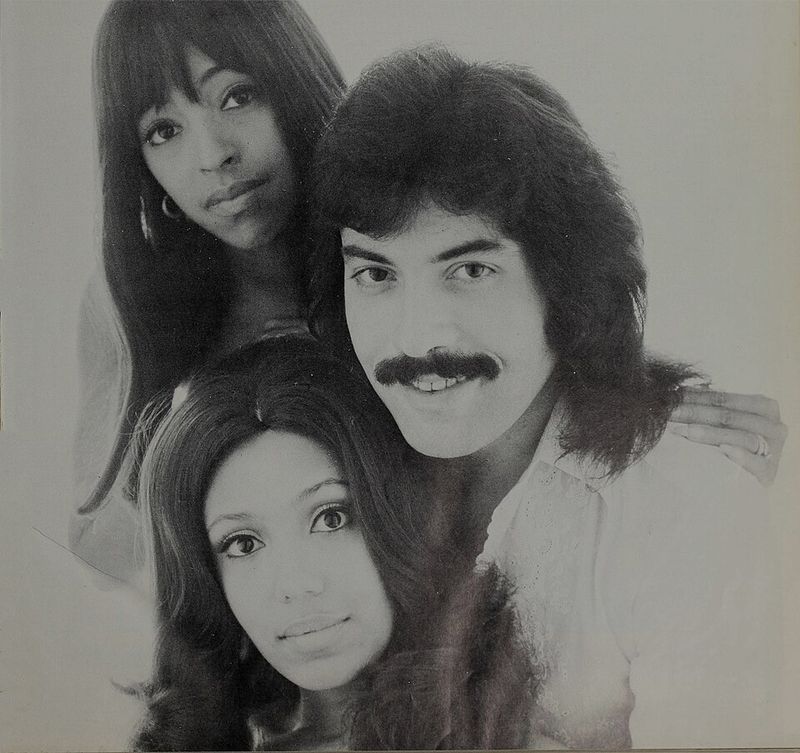
Few songs have changed how people decorate a front yard. Tie a Yellow Ribbon Round the Ole Oak Tree actually did.
Tony Orlando and Dawn took it to No. 1 in April 1973, and it stayed there for four weeks. Billboard later ranked it the top song of the entire year.
The story follows a man coming home after three years away. He writes ahead, asking for a yellow ribbon on the oak tree if he is still welcome.
The ending answers his question in a big way, with a hundred ribbons. Listeners loved that cheerful payoff.
Afterward, yellow ribbons became a popular symbol of welcome and hope. Families used them during the Iran hostage crisis in 1980 and for returning service members.
Writers Irwin Levine and L. Russell Brown created a song that grew into an American tradition.
8. You Are the Sunshine of My Life by Stevie Wonder
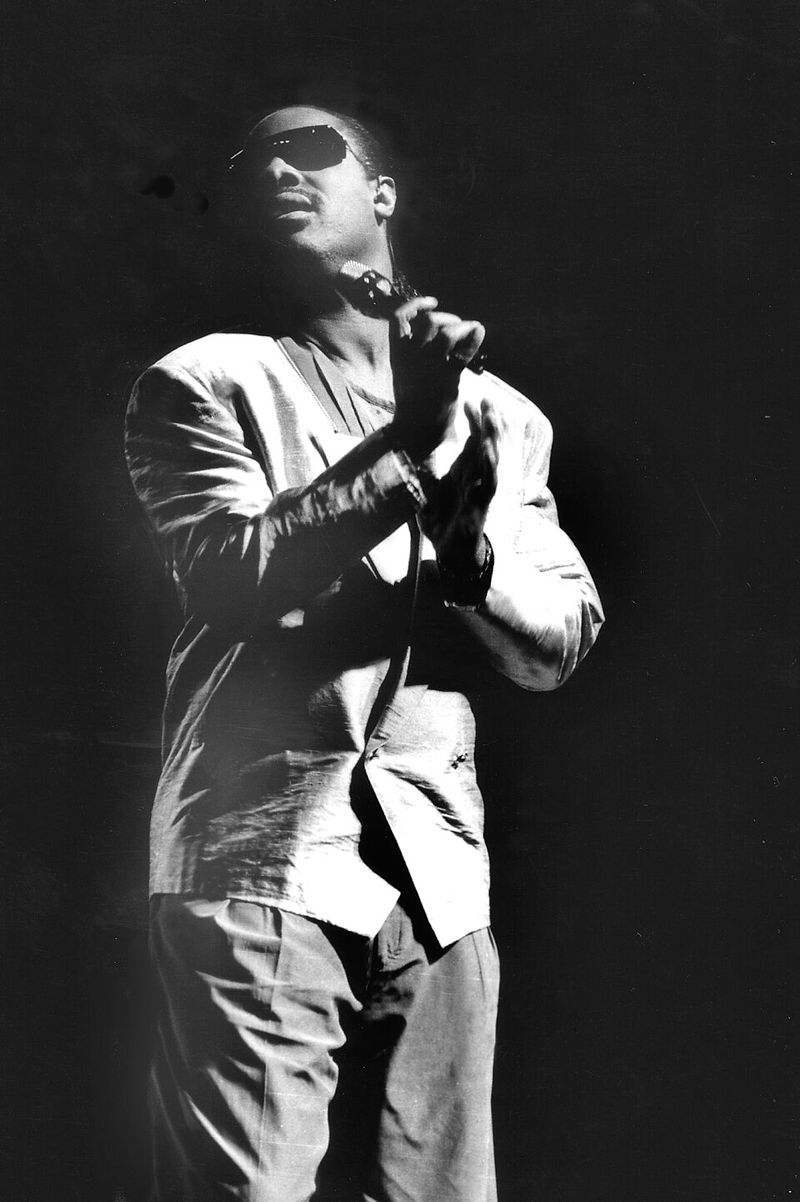
Here is a trivia question that stumps many fans. Whose voice do you hear first on this Stevie Wonder classic?
The answer is not Stevie. Jim Gilstrap sings the opening lines, and Lani Groves follows before Wonder takes over.
The song gave Wonder his second No. 1 of 1973. It topped the chart in May for one week, and both hits came from the same album, Talking Book.
Compared to the funk of Superstition, this one is soft and sweet. It uses a Fender Rhodes electric piano and a light, easy rhythm.
The song won Wonder a Grammy for Best Male Pop Vocal Performance. Over the years, singers like Frank Sinatra and Ella Fitzgerald recorded their own versions.
Couples still pick it for first dances, proving that a short and simple love song can last a very long time.
9. My Love by Paul McCartney and Wings
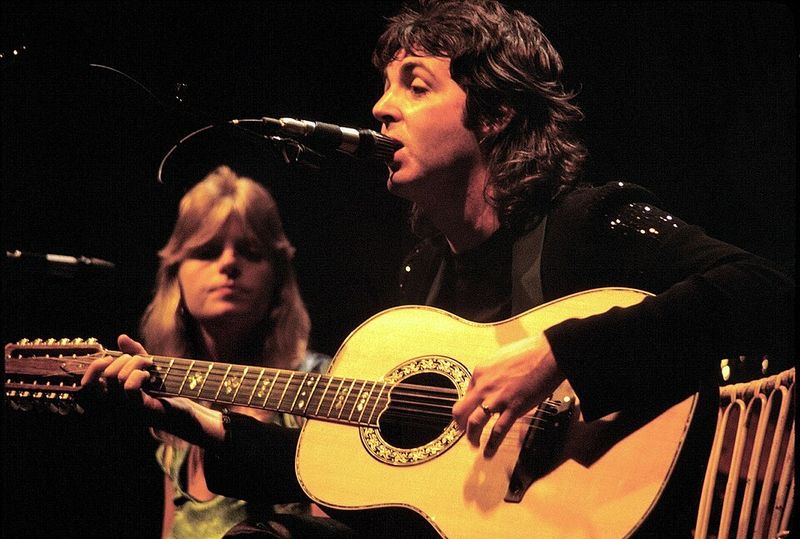
Three years after the Beatles split, Paul McCartney proved he could still rule the chart. My Love reached No. 1 in June 1973 and held on for four weeks.
He wrote it for his wife, Linda, who was also a member of Wings. It was one of the band’s first major hits in the United States.
The song was recorded live with a full orchestra in the studio. That meant the band and the strings all played at the same time.
Guitarist Henry McCullough made up his solo on the spot during the session. McCartney has said that moment surprised him in a good way.
The single came from the album Red Rose Speedway, which also reached No. 1 in America.
For Beatles fans, it showed McCartney settling into a softer, more grown-up style.
10. Give Me Love (Give Me Peace on Earth) by George Harrison
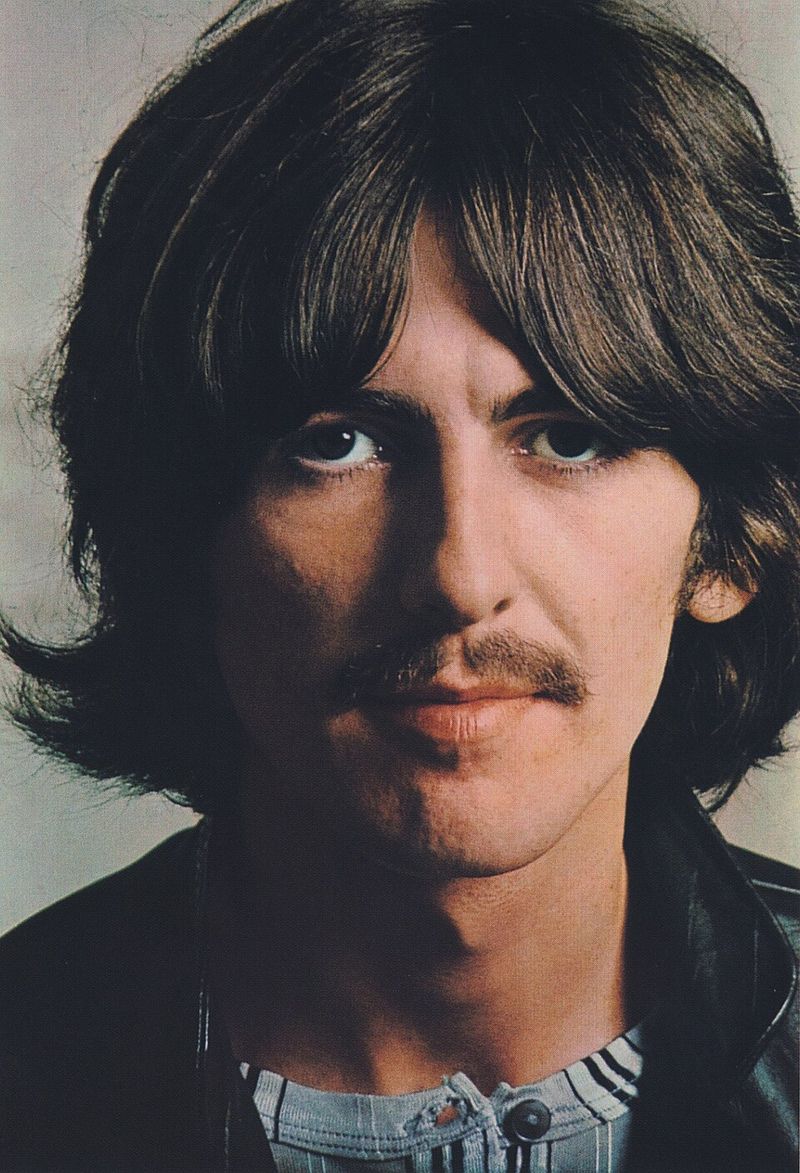
One former Beatle handed the crown straight to another in the summer of 1973. George Harrison replaced Paul McCartney’s My Love at No. 1 at the end of June.
For that moment, two ex-Beatles held the top two spots in America. It has never happened again.
The song opened Harrison’s album Living in the Material World. Its lyrics ask for love, peace, and a calmer mind, which matched his growing interest in Indian spiritual ideas.
Harrison’s slide guitar is the real star. He plays smooth, sliding notes that became his signature sound.
The single stayed at the top for one week. The album itself also went to No. 1.
Harrison was often called the quiet Beatle. With this song, his quiet message reached a very big audience.
11. Bad, Bad Leroy Brown by Jim Croce
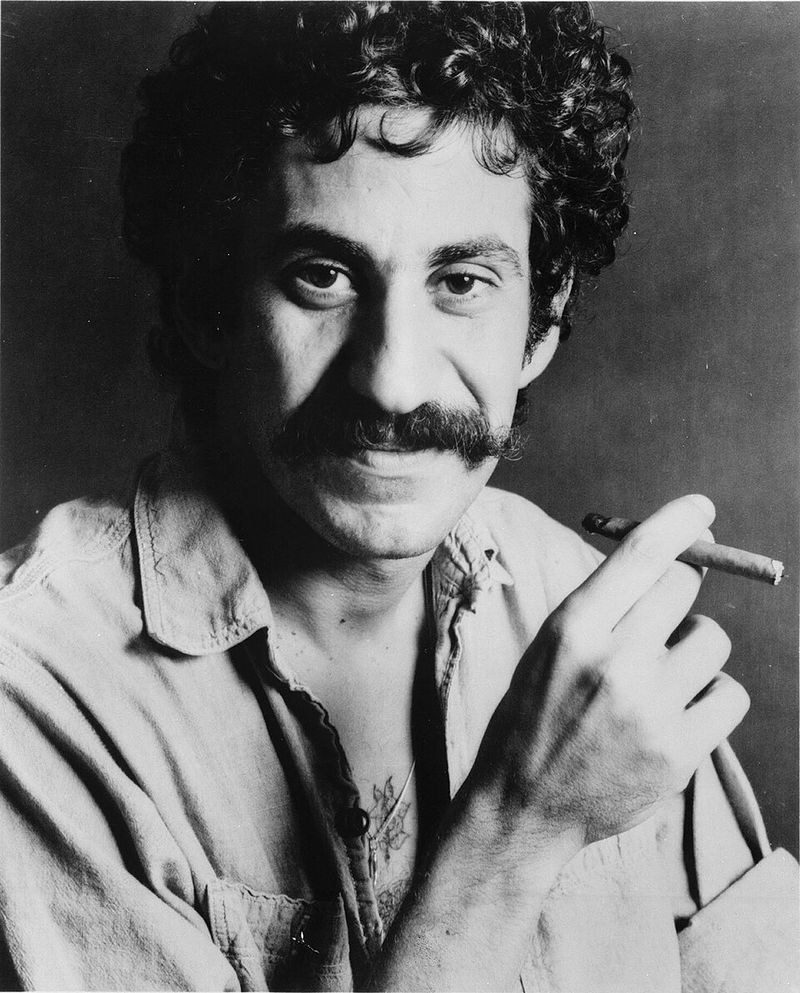
Leroy Brown was meaner than a junkyard dog, at least according to the lyrics. Jim Croce turned this flashy character into one of the catchiest songs of the summer.
The song reached No. 1 in July 1973 and stayed for two weeks. It came from the album Life and Times.
Croce got the idea from a real man he met while serving in the Army. That soldier left base without permission, then came back just to pick up his paycheck.
In the song, Leroy is from the south side of Chicago. He shows off his fancy clothes and his big car until he picks the wrong person to argue with.
Croce had a gift for turning everyday people into funny, memorable stories. His other hits include Time in a Bottle and You Don’t Mess Around with Jim.
12. Touch Me in the Morning by Diana Ross
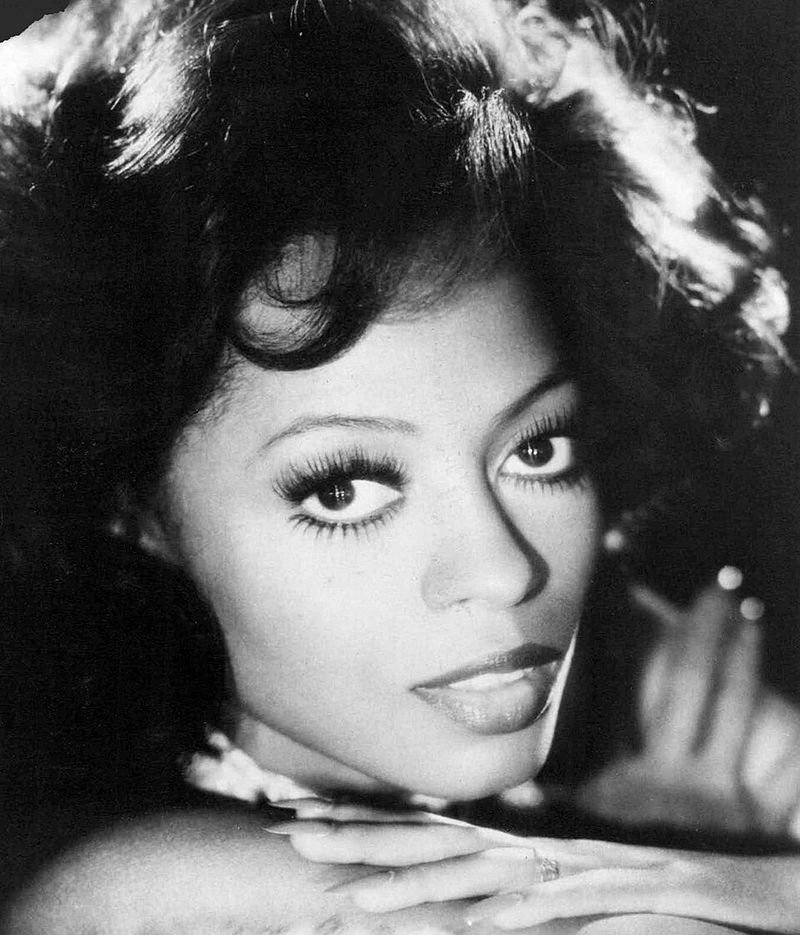
Recording this ballad was not easy. Diana Ross reportedly spent many long hours in the studio while producer Michael Masser pushed for the perfect take.
All that work paid off in August 1973. The song reached No. 1 for one week.
Masser wrote the music, and Ron Miller wrote the lyrics. The story is about a couple who know their relationship is ending and want one more calm goodbye.
Ross had left the Supremes in 1970 to go solo. This hit proved she could succeed with grown-up pop songs, not just upbeat Motown dance tracks.
The same year, she earned an Oscar nomination for playing Billie Holiday in the film Lady Sings the Blues. That made 1973 a huge year for her in both music and movies.
Few stars managed such a strong double act.
13. Let’s Get It On by Marvin Gaye
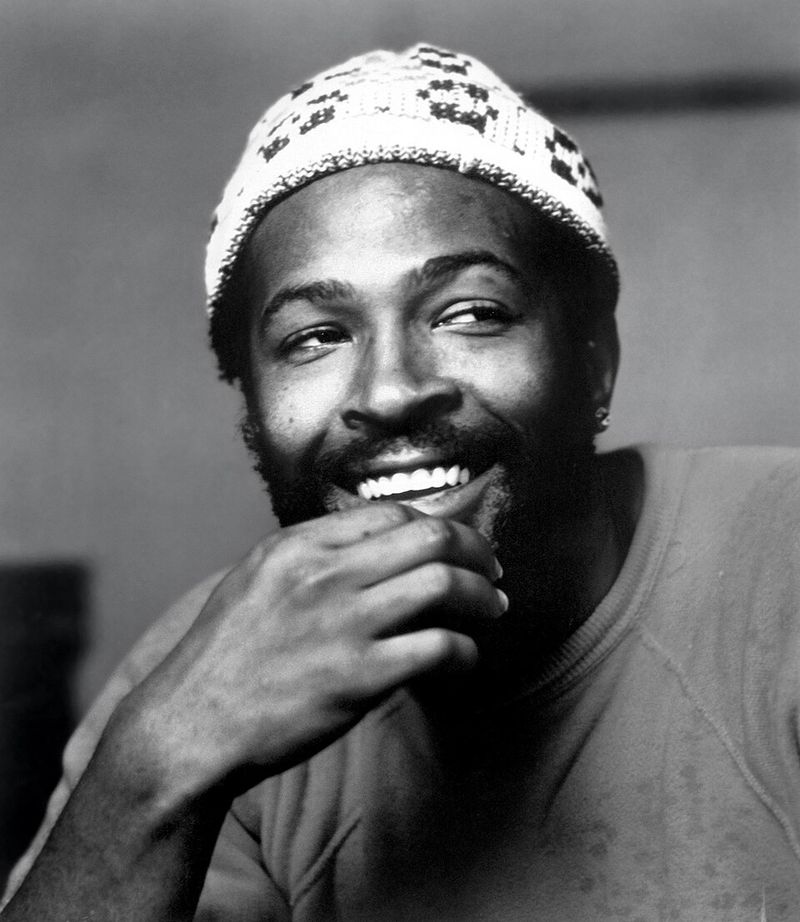
Two years earlier, Marvin Gaye made headlines with What’s Going On, an album about social issues. In 1973 he switched gears completely.
Let’s Get It On reached No. 1 in September. It spent two weeks on top, with Helen Reddy’s Delta Dawn sneaking in between.
Gaye wrote the song with Ed Townsend, a songwriter and producer. The song started with a more spiritual theme before turning into a romantic slow jam.
Its smooth guitar opening is one of the most famous intros in soul music. Many movies and TV shows have used it as a quick joke about romance.
The album of the same name became one of the best sellers of his career. It also shaped the style of many R&B singers who came later.
Gaye showed fans he could do much more than one kind of song.
14. Angie by The Rolling Stones
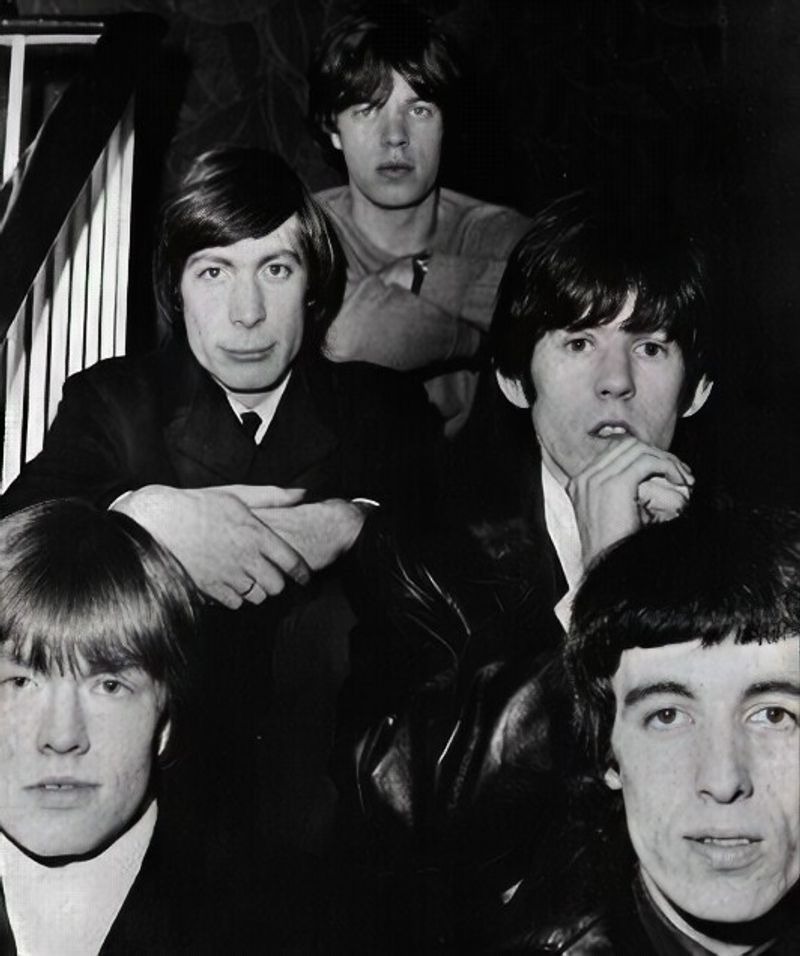
A soft acoustic ballad was not what most people expected from the band behind Satisfaction. Yet Angie took the Rolling Stones to No. 1 in October 1973.
It stayed on top for one week. The song came from the album Goats Head Soup, recorded partly in Jamaica.
Gentle acoustic guitar and piano lead the way. Nicky Hopkins played that memorable piano part.
Rumors flew about who Angie really was. Some people guessed Angela Bowie, the wife of David Bowie.
Keith Richards cleared things up in his 2010 memoir, Life. He said he picked the name because it sounded right, and it was not about a specific person.
The song showed that the Stones could slow down and still win. It remains one of their best-known ballads.
15. Top of the World by The Carpenters
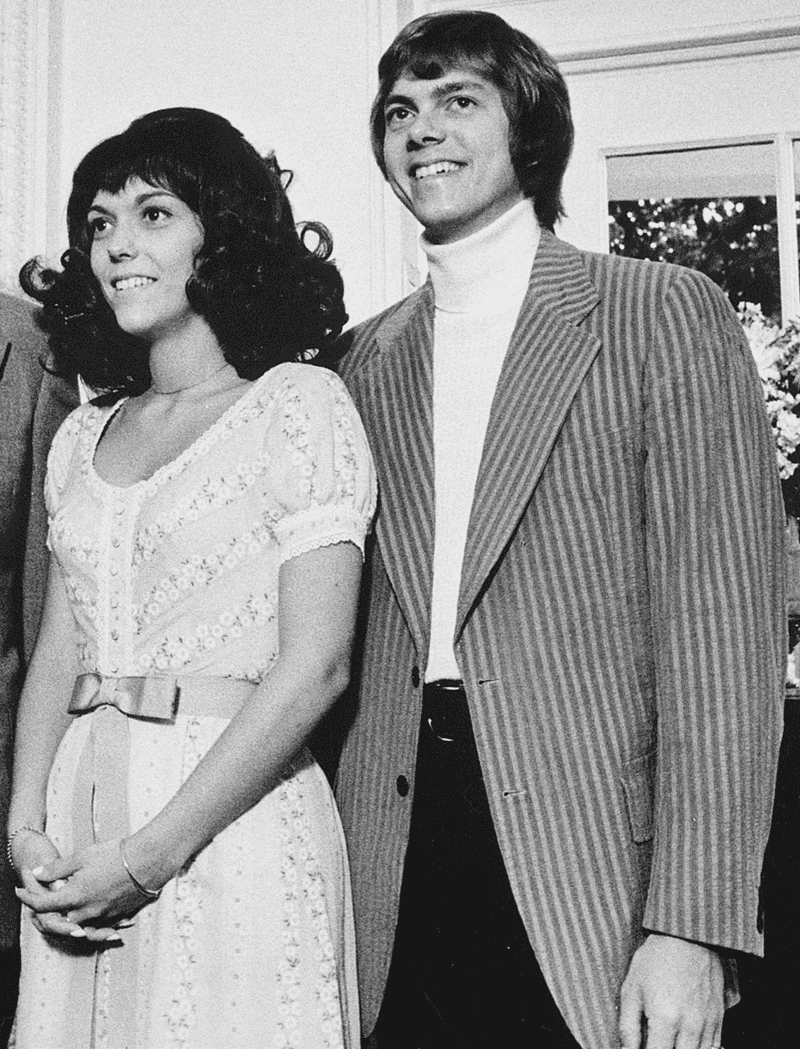
At first, the Carpenters did not plan to release this one as a single. It sat on their 1972 album A Song for You.
Then country singer Lynn Anderson recorded her own version in 1973. It became a hit on the country chart, and that convinced the duo to try again.
Richard Carpenter and John Bettis wrote the song together. The Carpenters re-recorded it and released it that fall.
By December 1973, it reached No. 1. It stayed for two weeks and closed out the year in style.
Karen Carpenter’s warm, clear voice carries the cheerful lyrics about being happy and in love. Her lower vocal range was unusual for pop singers back then.
The song later appeared in movies and commercials. It still makes a sunny way to end any 1973 playlist.
Share this story