Fresh snow, big mountains, and a mug of hot cocoa waiting at the end of the day. That is the dream behind every great ski trip.
The best resorts offer much more than steep runs, with cozy villages, tasty food, and views that make you stop and stare. Here are fifteen places that can turn a simple winter break into a trip you will talk about for years.
Whistler Blackcomb, British Columbia, Canada
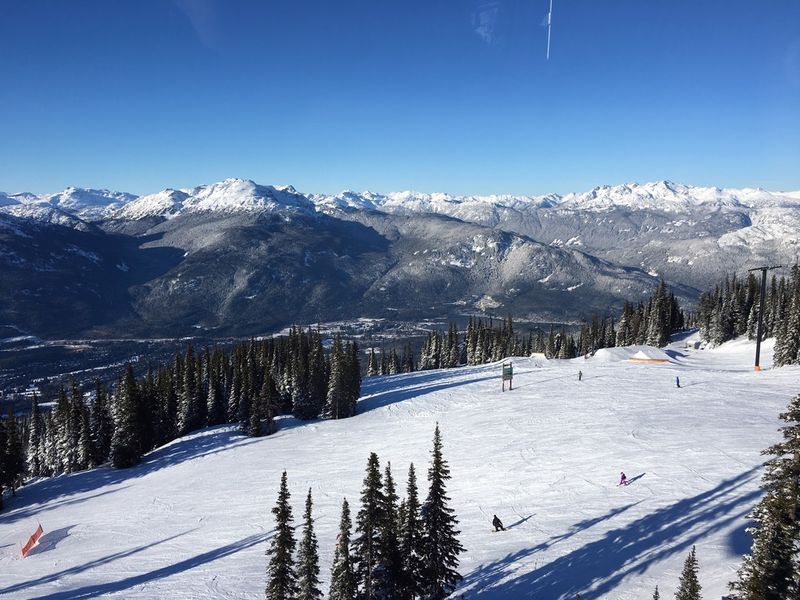
Picture a gondola gliding high above a valley while tiny skiers zigzag below. That is the Peak 2 Peak ride at Whistler Blackcomb, and it is as fun as it looks.
It links two huge mountains, so you can switch sides without going back to the base.
Together, the mountains offer more than 8,100 acres of terrain, over 200 marked runs, 16 alpine bowls and three glaciers. Snowfall tops 400 inches in an average year, so powder days show up often.
Beginners get gentle slopes, while experts can chase steep bowls and tough chutes.
Plan your days with a little strategy. Start on the sunny side in the morning, then cross over after lunch to dodge crowds.
Pack a spare pair of goggles, because snowy days here can be wild.
When the lifts stop, the village keeps the party going. Spas help sore legs recover, restaurants serve hearty meals, and nightlife runs late.
It is easy to fill a whole week and still have things left to try on the next visit.
Val Thorens, France
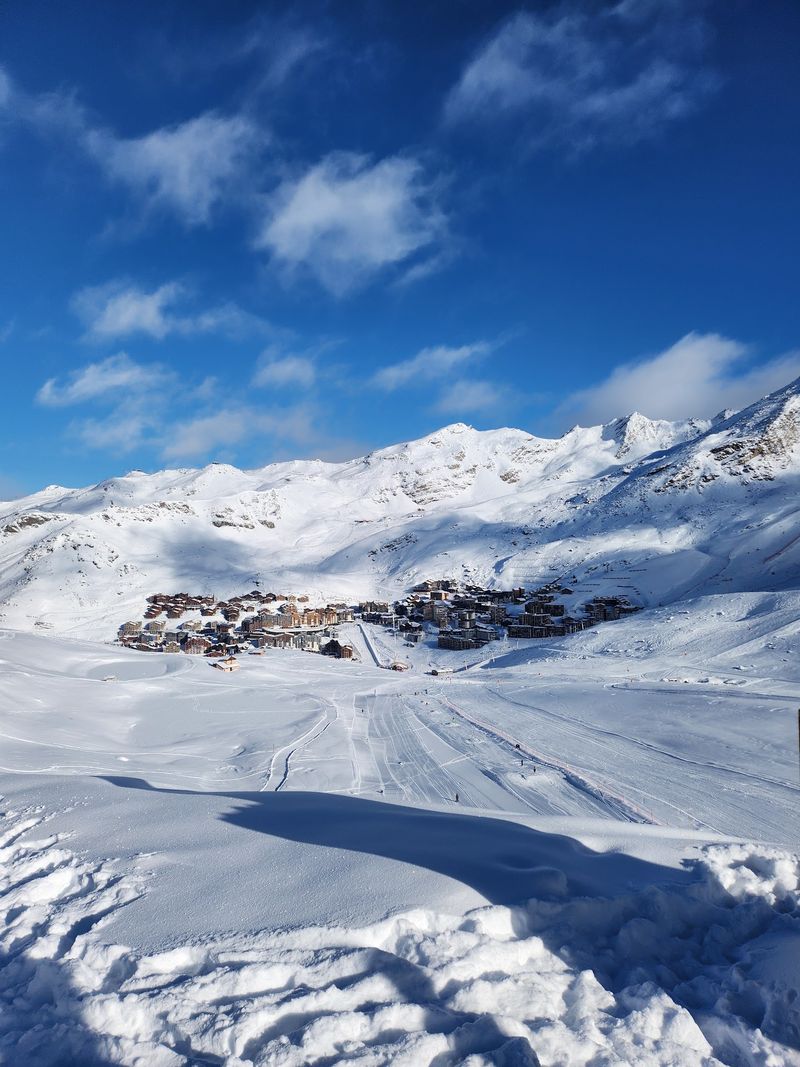
Altitude is the secret weapon here. Sitting at 2,300 meters, Val Thorens is the highest ski resort in Europe, which means snow tends to stick around when other resorts turn slushy.
Around 90 percent of the terrain is above 2,000 meters.
The local area has about 150 kilometers of slopes. Add Les 3 Vallees, and you get roughly 600 kilometers of connected skiing.
That is enough to ski a new route every day for a week and never repeat yourself.
The season is long, too. For 2026 to 2027, lifts run from November 21 through May 2, so you can plan a trip early or late and still find good snow.
The village is mostly car-free, and you can often ski right to your door. After a day outside, lively bars and cozy restaurants fill up fast.
Try a plate of tartiflette, a creamy potato dish that skiers here treat like a trophy. Pack warm layers, because the air up high can bite.
Zermatt, Switzerland
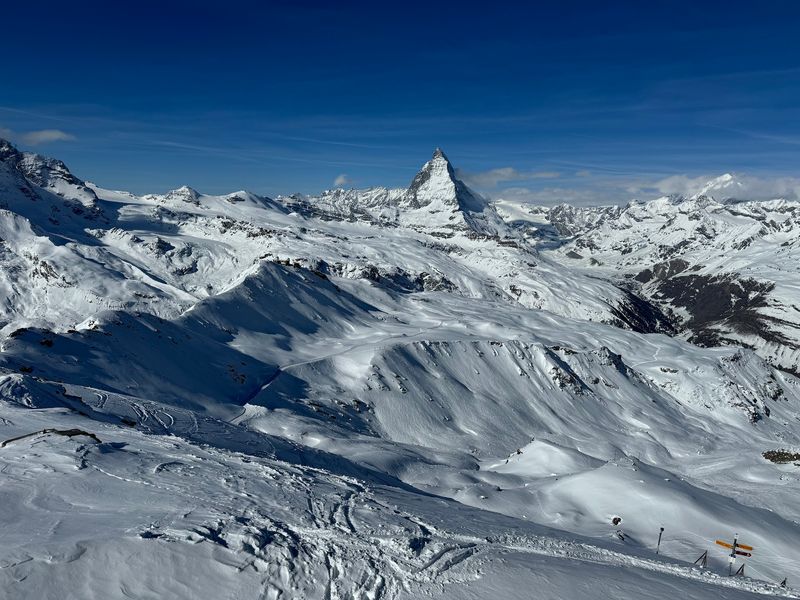
Round a corner on the slopes, and there it is: the Matterhorn, standing alone like a giant stone tooth. Few mountains look this dramatic, and Zermatt gives you front-row seats.
The village is car-free, so electric taxis hum along quiet streets.
Lifts climb to Matterhorn Glacier Paradise at 3,883 meters, the highest mountain station in Europe. Zermatt has about 200 kilometers of pistes.
With the international pass, you can ski into Italy and reach up to 360 kilometers.
High terrain means a longer season and reliable snow. Mountain huts serve rosti, soups and apple strudel, so lunch becomes a highlight rather than a pit stop.
Panoramic trains also take you up for views even if you take a rest day.
Here is a tip: ski toward Italy for a pasta lunch, then catch the lifts back before they close. Check the times carefully, because missing the last one makes for a very long trip home.
Niseko United, Hokkaido, Japan
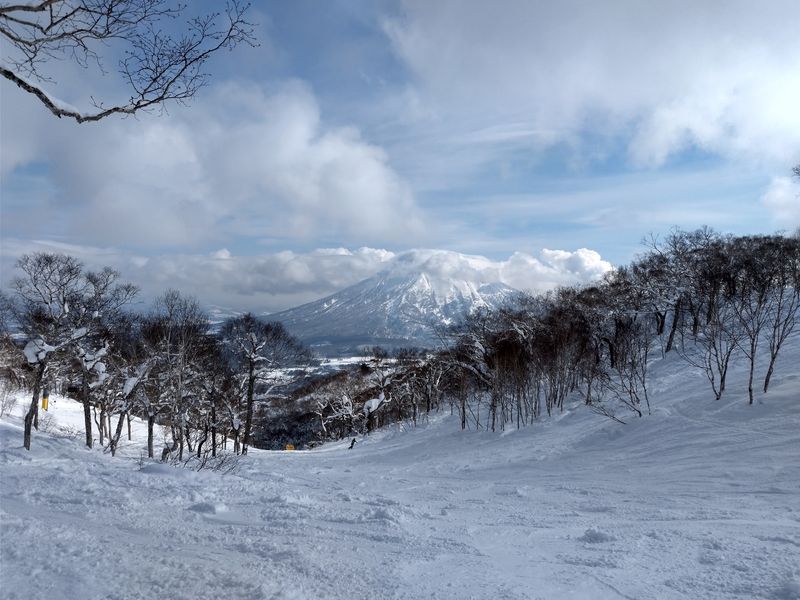
Powder in Niseko is so light it practically floats. Cold air from Siberia picks up moisture over the Sea of Japan, then dumps it on Hokkaido as dry, fluffy snow.
Skiers travel across the globe just to feel it.
Niseko United links four areas around Mount Niseko Annupuri: Grand Hirafu, Hanazono, Niseko Village and Annupuri. One pass opens them all.
During the 2025 to 2026 season, Grand Hirafu got 3.7 meters of snow in December alone, followed by a very snowy January.
For 2026 to 2027, most areas open on November 28, and some lifts keep spinning into early May. Tree runs are a big draw, since the snow settles softly between the trunks.
Off the slopes, soak in an onsen, a Japanese hot spring, and let the steam melt away sore legs. Then warm up with ramen or a bowl of rich curry.
A wide set of powder skis helps, and so does a good sense of humor when you tumble into a snowbank.
Aspen Snowmass, Colorado
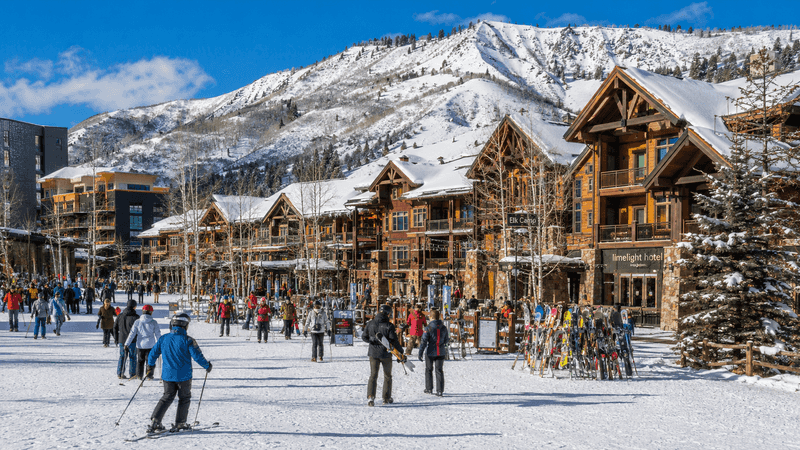
One ticket, four mountains. That is the Aspen Snowmass deal, and it is a good one.
You get Aspen Mountain, Aspen Highlands, Buttermilk and Snowmass, each with its own personality.
Aspen Mountain rises right above downtown and suits intermediate and advanced skiers. Snowmass is huge and offers a wide mix of runs.
Buttermilk is a friendly spot for beginners, and Highlands brings serious expert terrain, including the famous Highland Bowl.
Variety keeps longer trips fresh. You might ski steep runs on Monday, cruise gentle slopes on Tuesday, and hike for adventure on Wednesday.
Nobody gets bored.
When the lifts close, Aspen shines in a different way. Galleries, boutiques, polished hotels and lively restaurants fill the town.
Expect a glamorous crowd and a few fancy fur coats along the sidewalks.
For a smoother visit, reserve dinner early, because popular tables go fast. Take a lesson at Buttermilk if you are new, since the pace there feels relaxed and welcoming.
Jackson Hole, Wyoming
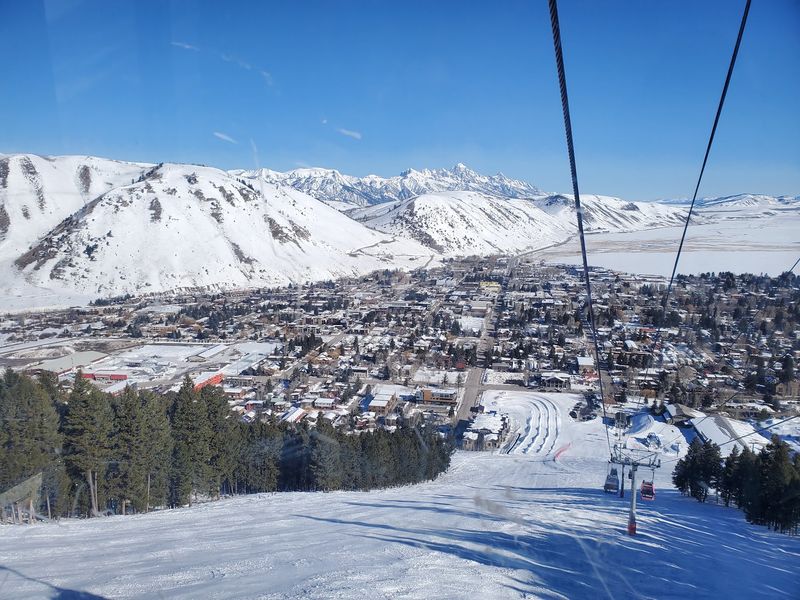
Standing at the top of Corbet’s Couloir is a rite of passage, and plenty of skiers just peek over the edge and politely walk away. Jackson Hole has a tough reputation for good reason.
Half of its mapped terrain is rated expert.
The resort has 2,500 acres of in-bounds skiing and a vertical drop of 4,139 feet. The iconic aerial tram carries you toward Rendezvous Mountain and the steepest lines.
Open backcountry gates lead to thousands more acres, but they are only for experienced, well-equipped skiers.
Not everything here is scary, though. Wide groomers and mellow cruisers give less daring skiers plenty of room to enjoy the view of the Teton Range.
Teton Village has cozy lodging and good food right at the base. A few miles away, the town of Jackson feels like a movie set, with wooden sidewalks, antler arches and Western saloons.
Book a guide if you want to explore steeper terrain safely.
Verbier, Switzerland
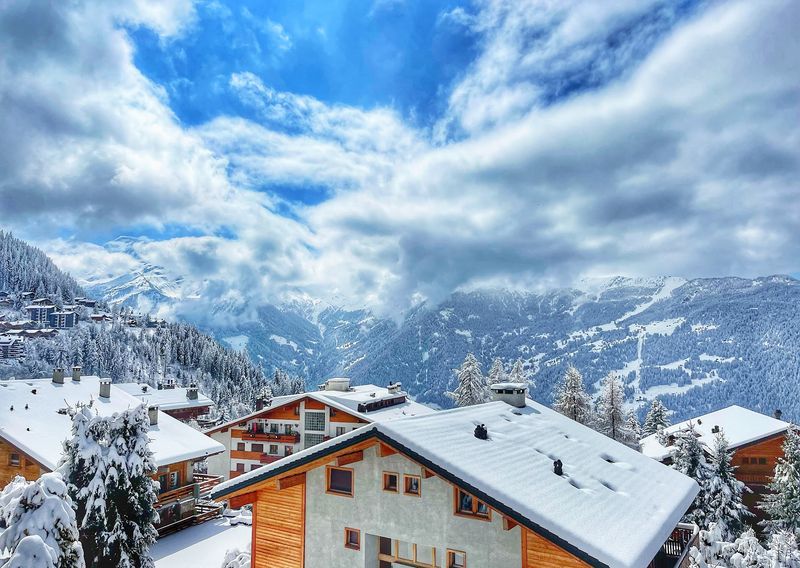
Ask any advanced skier about Verbier, and their eyes will light up. This Swiss resort anchors the 4 Vallees, the largest connected ski area in Switzerland.
Over 400 kilometers of pistes stretch out, reaching up to 3,330 meters at Mont Fort.
Groomed runs cover everything from easy cruising to tough black slopes. Secured freeride routes help skiers try wilder terrain with some safety support.
That mix has given Verbier a big name among thrill seekers.
Clear days bring wonderful views toward both the Matterhorn and Mont Blanc. Bring a camera, and maybe a snack, because you will want to linger.
The fun continues after sunset. Verbier has a famously lively party scene, with bars that fill up as soon as boots come off.
Quieter evenings are easy to find too, in warm chalets with fondue bubbling away. Rent avalanche gear and hire a guide before leaving the marked runs.
Fresh powder is thrilling, but staying safe comes first.
Courchevel, France
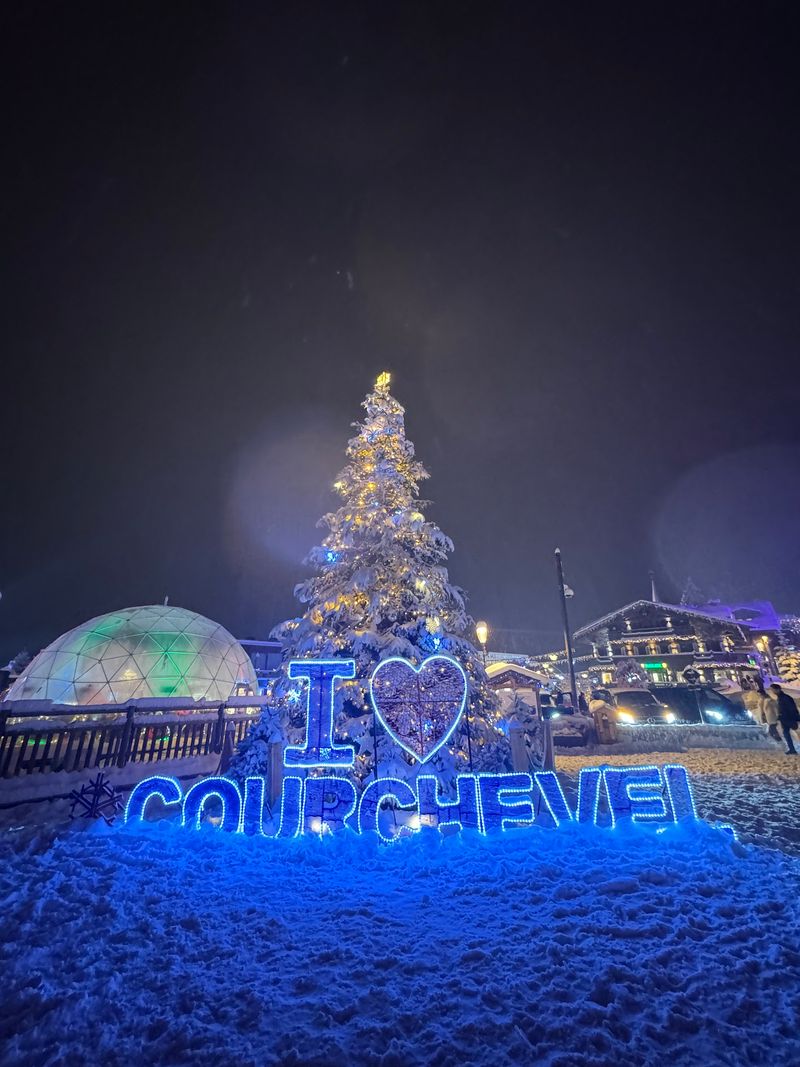
Some resorts have fancy hotels. Courchevel has hotels that practically come with their own red carpets.
Courchevel 1850 is known for five-star stays, Michelin-starred restaurants and high-end shopping.
Behind the glitter sits a giant ski area. Courchevel is a main gateway to Les 3 Vallees, where roughly 600 kilometers of slopes connect seven resorts.
You can ski from one to the next without taking off your skis or riding a bus.
Despite the glamorous image, this is not just for experts. Plenty of green and blue runs welcome newer skiers, while reds, blacks and off-piste routes keep experienced skiers busy.
The resort spreads over several villages at different heights. Lower villages tend to cost less and still connect easily to the lifts.
That makes it simple to choose the style of trip you want.
If your budget feels more modest than your dreams, stay lower down and visit the top village for a stroll. Window shopping is free, and the views are even better.
Lech Zurs am Arlberg, Austria
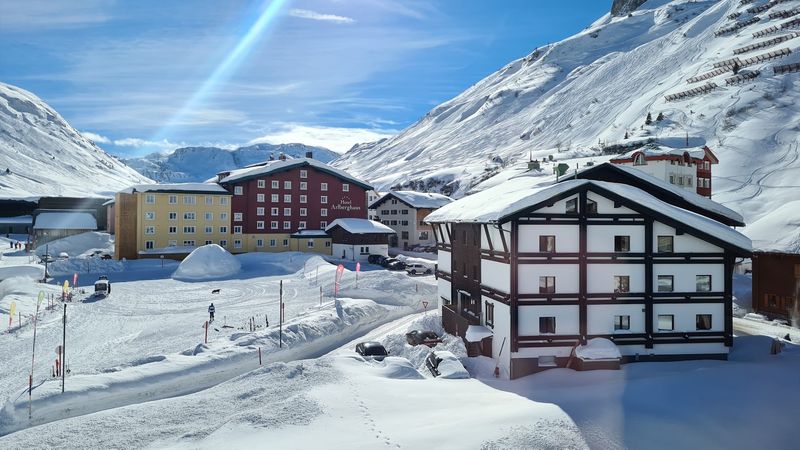
Royalty has been skiing in Lech for decades, yet the village still feels calm and refined rather than flashy. Cozy wooden hotels, soft lights and quiet streets set a gentle tone.
It is Austrian skiing at its most elegant.
Lech and Zurs are part of Ski Arlberg, the largest connected ski area in Austria. You get about 300 kilometers of marked runs plus another 200 kilometers of deep-snow routes.
Eighty-five lifts link Lech and Zurs with St. Anton, Warth and Schrocken.
Powder fans have lots to explore after a fresh storm. Intermediate skiers can string together long circuits that take days to finish.
Few places make wandering from valley to valley feel so easy.
The 2026 to 2027 season runs from December 2 through April 18. Plan around those dates for the best coverage.
Treat yourself to a slice of apple strudel at a mountain hut, and watch the sun glow on the peaks. It is a quiet kind of luxury, and it works wonderfully.
Vail, Colorado
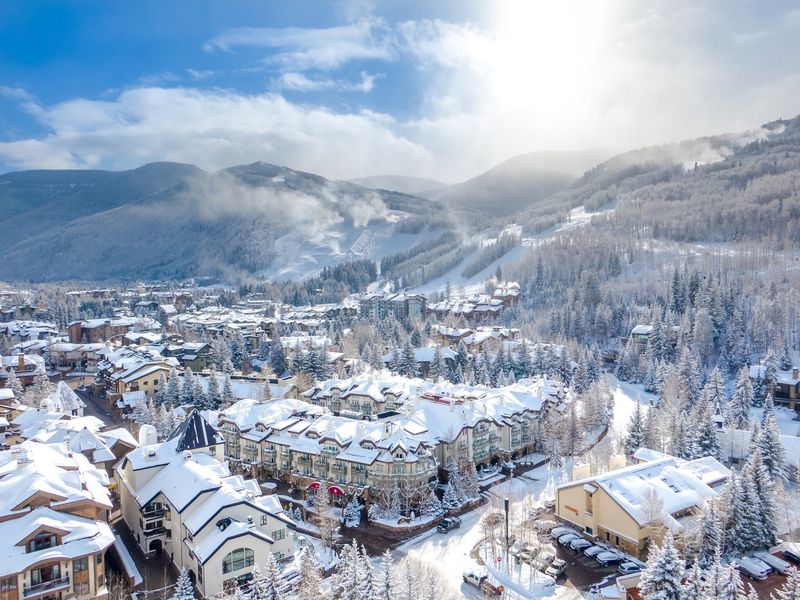
Vail is big enough to make a trail map feel like a small novel. The resort covers 5,317 acres with 278 trails and nearly 3,000 acres of bowl skiing.
Its top elevation reaches 11,570 feet.
The seven Back Bowls are the star. Wide open and often filled with soft snow, they feel nothing like the groomed runs on the front side.
Beyond them, Blue Sky Basin offers tree skiing with a wilder, more remote feel, while still being served by lifts.
More than 350 inches of snow fall in an average year. That keeps the bowls stocked and the skiers smiling.
Down at the base, pedestrian villages hold luxury hotels, restaurants and lively après-ski spots. You can walk almost everywhere, so a rental car is not really needed.
Pace yourself on the first day, since the altitude can sneak up on you. Drink plenty of water, and save the big bowls for day two when your lungs have adjusted.
Park City Mountain, Utah
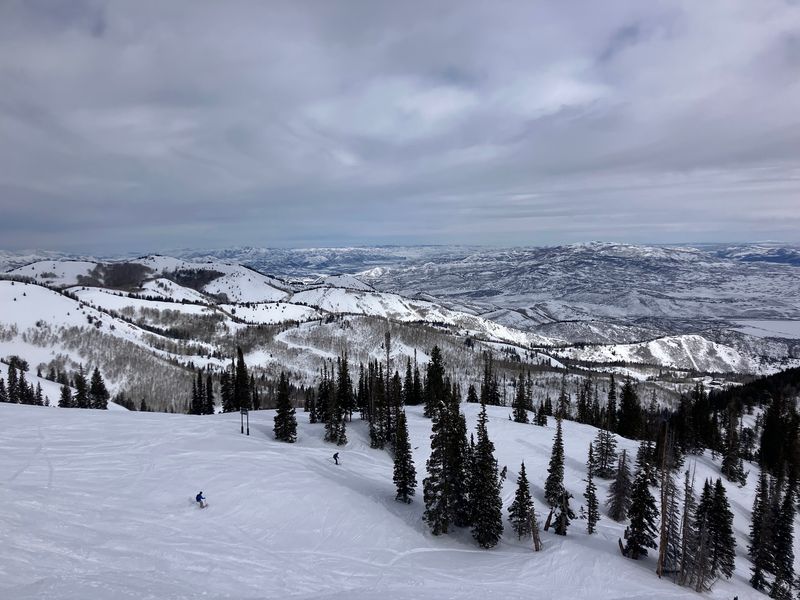
Here, you can ski from the mountain right into a historic mining town. Dedicated town runs let you glide toward downtown for lunch, then ride back up.
Not many resorts let you do that.
Park City Mountain offers around 7,300 acres, more than 330 trails and 41 lifts. According to the resort, that makes it the largest ski resort in the United States by skiable acreage.
Intermediate and advanced skiers will find the terrain especially strong.
Canyons Village adds a modern base area with newer lodging and easy lift access. Between the two bases, you can pick the vibe that suits your group.
Convenience is a big bonus. Salt Lake City International Airport is relatively close, so you can land in the morning and be on snow by afternoon.
That is rare for a mountain this large.
Wander down Main Street after skiing, where old brick buildings now hold cozy restaurants and shops. Look for local bakeries and grab something warm for the walk back.
Banff and Lake Louise, Alberta, Canada
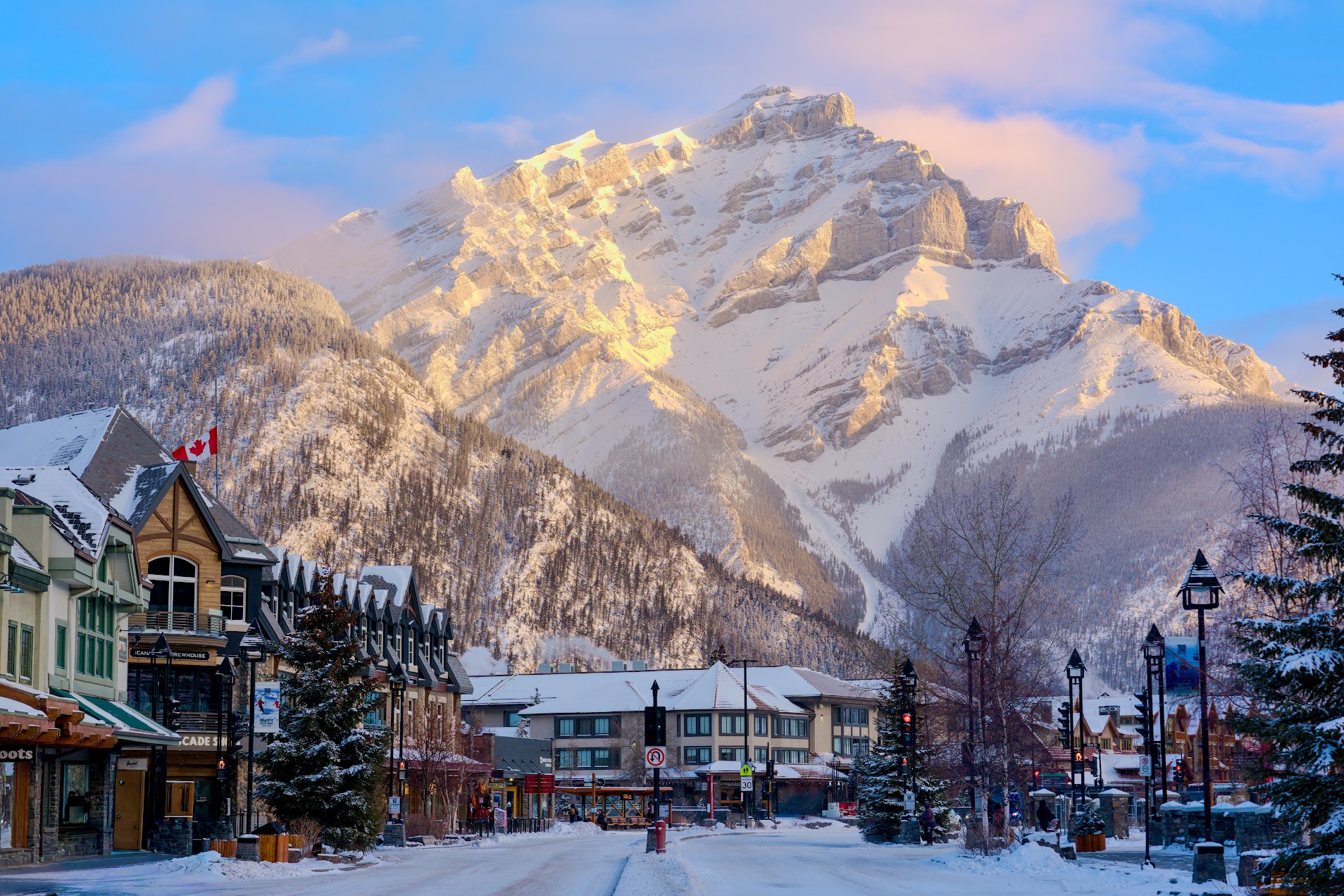
Skiing inside a national park feels a bit like cheating, because the scenery does half the work. Banff National Park holds three major resorts surrounded by protected Canadian Rockies.
A SkiBig3 pass covers Lake Louise, Banff Sunshine Village and Mt. Norquay.
Each mountain has its own mood. Lake Louise offers expansive terrain and dramatic views.
Sunshine has a long, high-altitude season. Norquay sits close to the town of Banff, which makes quick ski sessions simple.
Days off are just as fun. Visit frozen lakes, soak in hot springs, or wander through Banff’s shops and cafes.
Wildlife like elk sometimes stroll right through town, so keep your eyes open.
The park makes everything feel gigantic, even by Rocky Mountain standards. Peaks tower over the valleys, and the air feels crisp and clean.
Dress in warm layers, since temperatures here can drop sharply. A neck warmer and good mittens will quickly become your favorite gear.
Chamonix-Mont-Blanc, France
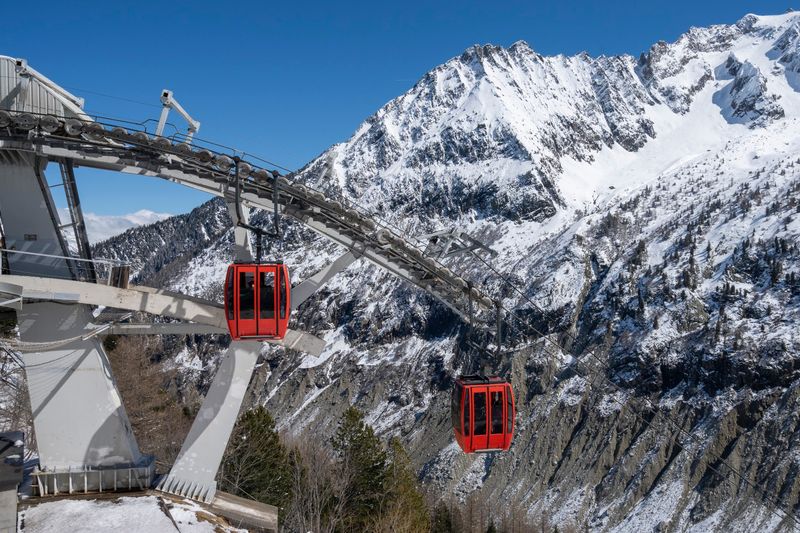
Chamonix does not pretend to be a neat, tidy ski resort. It is a real mountain town sitting under Mont Blanc, and its slopes are scattered across the valley.
Think of it as a collection of legendary mountain areas.
Main zones include Brevent-Flegere, Les Houches, Balme and Grands Montets, with elevations reaching roughly 3,300 meters. Experienced skiers love the freeride culture and huge high-Alpine descents.
The Vallee Blanche is one of the most celebrated off-piste routes on Earth. It needs the right conditions, proper equipment and normally a guide.
Do not try it alone, no matter how brave you feel.
Town life adds charm. Restaurants, climbing shops and cafes fill the streets, and a year-round mountaineering crowd gives the place a lively buzz.
You may share a lift with someone who just climbed a peak.
Beginners can still have fun on gentler slopes at Les Houches. Choose your area based on your skill level, and let the views work their magic.
St. Moritz, Switzerland
Champagne on the slopes? In St. Moritz, that is just another Tuesday.
This Engadin resort helped invent luxury winter travel, and it has hosted the Winter Olympics twice.
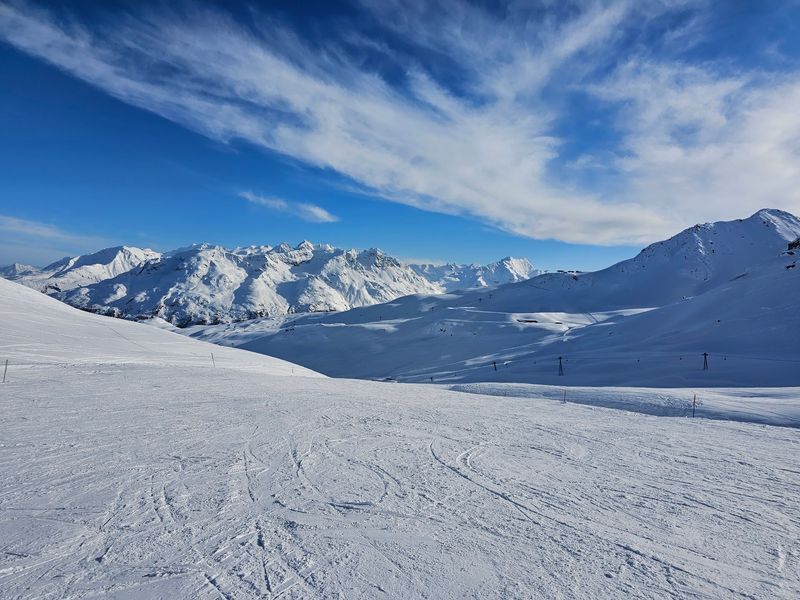
Corviglia is the main ski area, rising right above town. Its broad, sunny pistes offer stunning views over the Upper Engadin lakes.
Nearby areas such as Corvatsch and Diavolezza expand the options considerably.
Still, skiing is only part of the story. St. Moritz is also about the winter lifestyle.
Grand hotels, spas, designer shops and fine dining fill the town.
Events on the frozen lake add a dash of wonder. Horse races, polo and other spectacles take place on the ice, which is a sight you will not see in many places.
If you like sunshine, you are in luck, since the area boasts a lot of bright days. Pack sunglasses and sunscreen along with your ski jacket.
A relaxed lunch on a sunny terrace is practically required.
Breuil-Cervinia, Italy
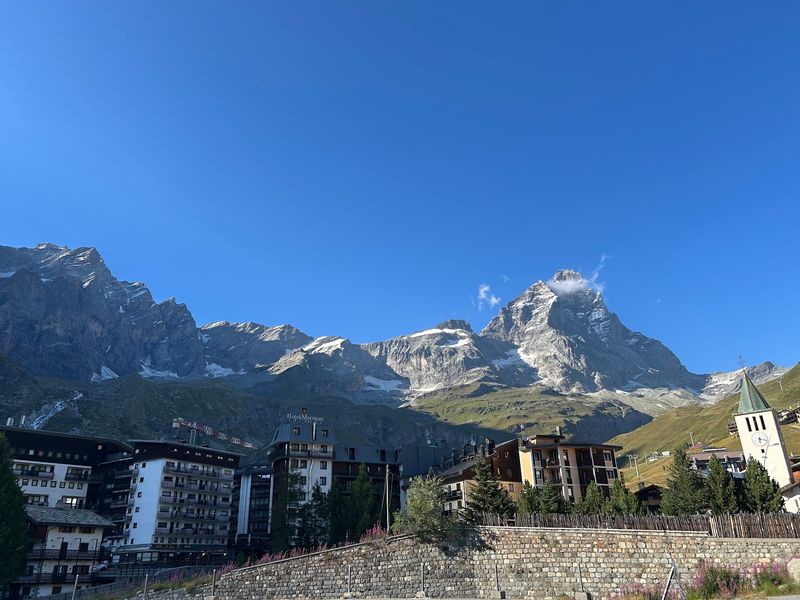
Ski across a border before lunch, and you may end up eating pasta in a different country. That is the charm of Cervinia.
It connects with Zermatt to form a ski domain of up to 360 kilometers, when conditions and lifts allow.
On the Italian side, the Matterhorn shows off its dramatic southern face. The pistes are broad and sunny, with long cruising descents that feel wonderfully easy on the legs.
Extremely high elevations help support a long winter season.
Compared with Zermatt, Cervinia generally feels more relaxed. Mountain restaurants serve Italian favorites, and long leisurely lunches are part of the routine.
Nobody seems to rush here.
Crossing countries on skis is a thrill all by itself. Keep your passport handy, check lift closing times, and plan your return carefully so you do not get stuck on the wrong side.
For high-altitude skiing with an Italian twist, this spot is hard to beat. Order a cappuccino on a sunny terrace and enjoy the view.
Share this story