A polar bear, a towering grizzly, and dozens of other wildlife displays make Call of the Wild Museum in Gaylord an unusual stop along northern Michigan’s I-75 corridor. The family-run attraction has been welcoming visitors since 1965, and generations of families have returned to explore its exhibits.
Inside, visitors can listen to animal calls, explore interactive displays, and learn about North American wildlife. There’s also a small theater and exhibits covering Michigan history, giving families more to explore than the animal displays alone.
The surprises continue outside the museum. A large gift shop sells homemade fudge, while nearby Bavarian Falls Park adds seasonal mini golf and go-karts.
What looks like a quick roadside stop can easily become a longer family outing.
A Family-Run Wildlife Stop in Gaylord
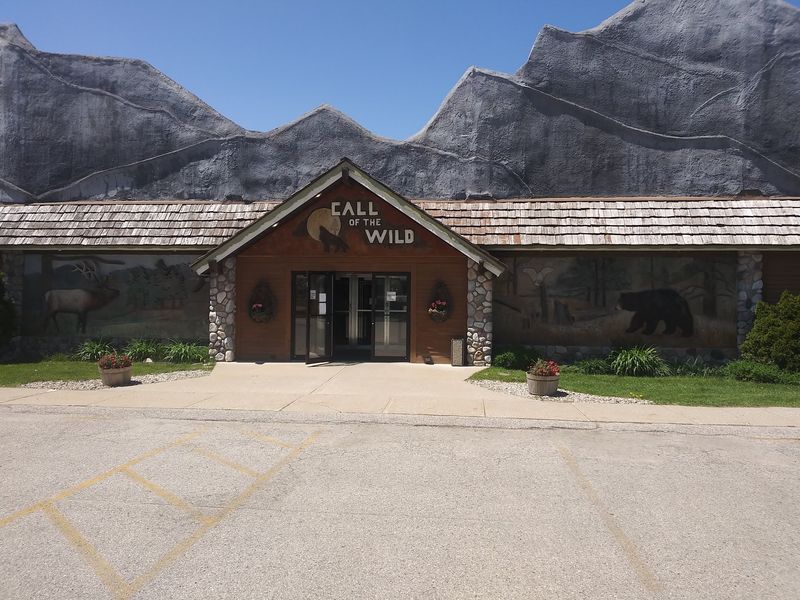
Call of the Wild Museum sits at 850 S Wisconsin Ave in Gaylord, Michigan, a town many travelers pass through on their way up north. It is a family-run museum focused on North American wildlife.
A theater and a large gift shop share the same stop.
Gaylord makes a handy spot for a museum like this. The town sits right along the route many families take toward the Mackinac Bridge and the Upper Peninsula.
One traveler from Ohio found it by accident on the way north and wanted to bring grandkids back.
Inside, the setup is self-guided. You move at your own pace, read the posted facts, and stop wherever an animal grabs your attention.
Most people can see the exhibits in about an hour, though curious visitors often linger longer.
I like that the museum does not try to be huge or fancy. It keeps its focus on animals that live in this part of the country, and it presents them in scenes that feel natural.
That focus helps it stand apart from bigger city museums.
The real draw, though, starts the moment you meet the bears.
Grizzlies and Polar Bears Standing Tall
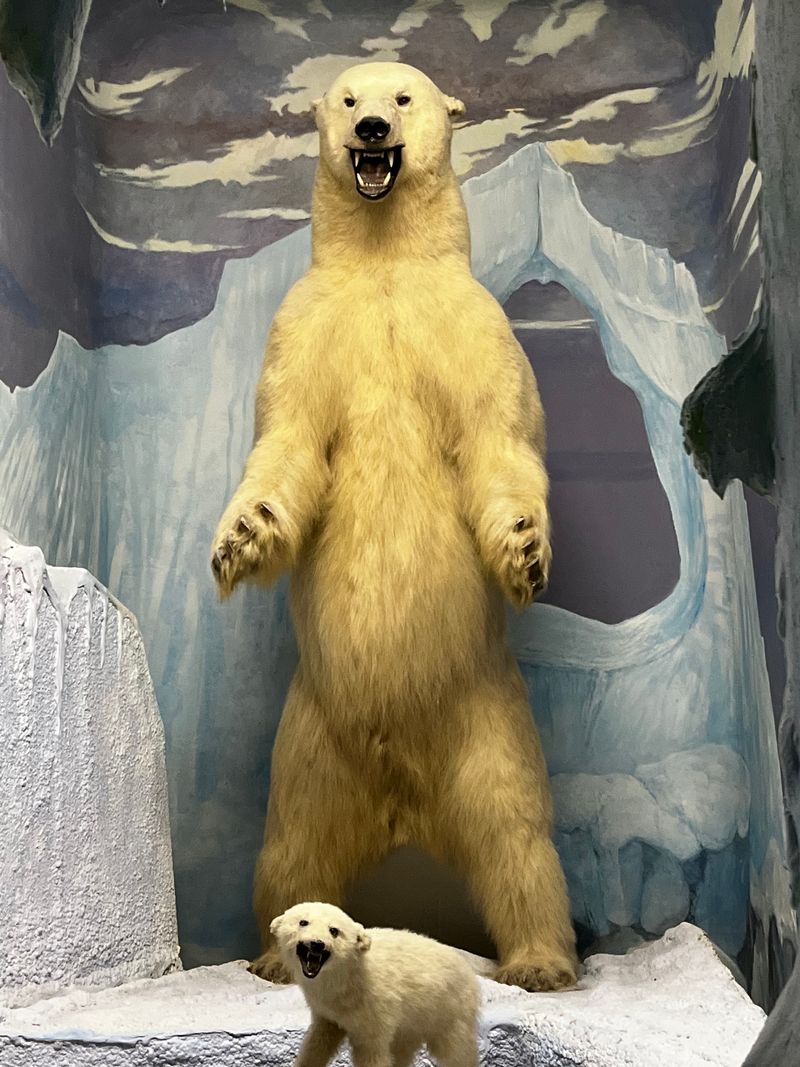
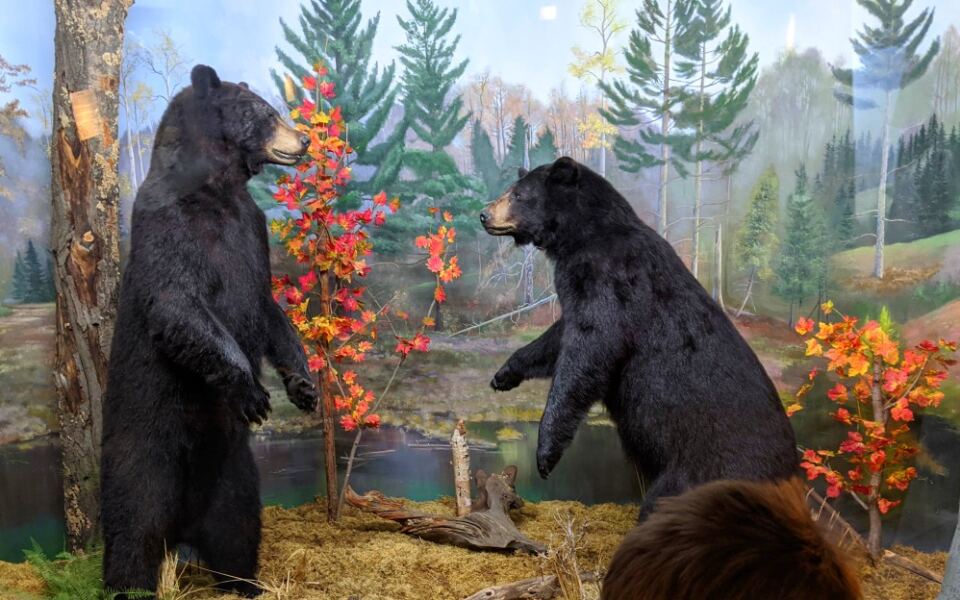
Size is hard to understand from a photo. Seeing a grizzly bear reared up on its hind legs changes that fast.
At Call of the Wild, both a grizzly and a polar bear stand tall in their displays.
One longtime visitor first came as a child in the mid-1980s. Years later, the adult version noted that the bears standing upright still felt just as scary.
That is quite a lasting first impression.
The museum uses lifelike taxidermy set into scenes that show how each animal lives. Rocks, plants, and backgrounds help place every creature in its home.
The result feels more like a window into the wild than a row of statues.
Kids especially react to how big these animals are. Standing next to a polar bear helps them see why rangers tell hikers to keep their distance.
It is a safe way to learn a real lesson.
I would start any visit with the bears, simply because they set the tone. Once you have looked up at them, every smaller animal seems worth a closer look.
And many of those smaller animals have something to say.
Listening Horns That Bring Animal Calls to Life
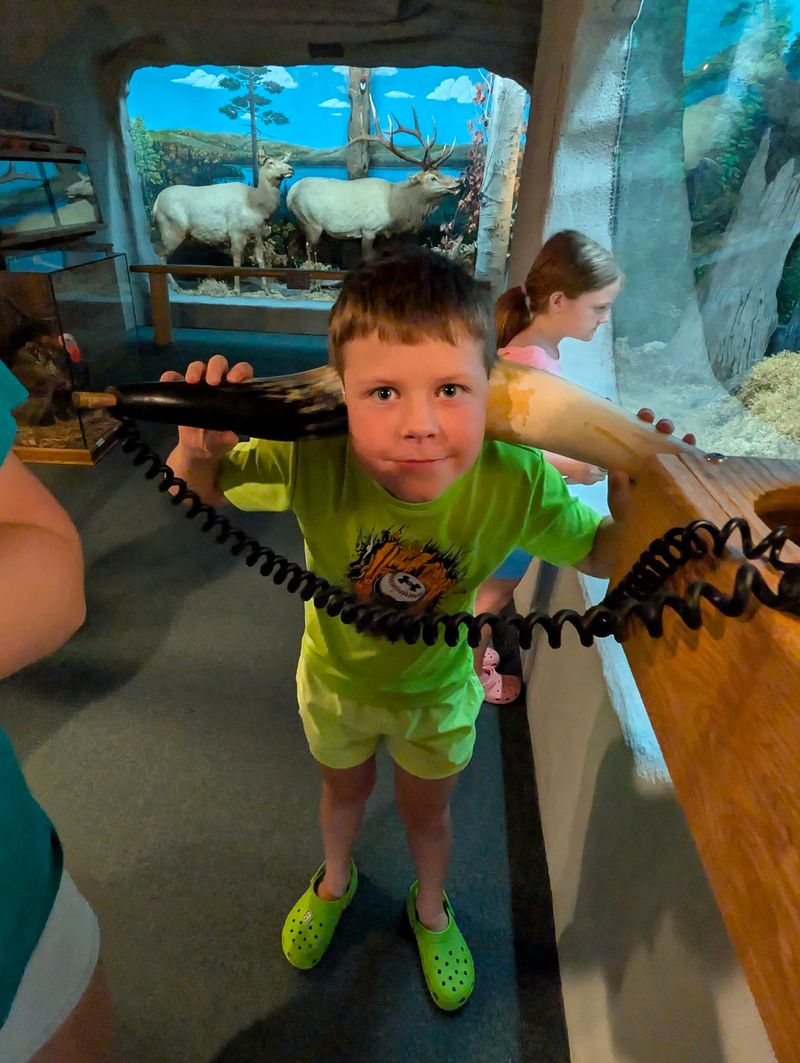
Ever wondered what a loon or an elk actually sounds like? Many of the displays here come with buttons that play animal sounds.
Some use old-style listening horns you hold up to your ear.
These horns have a little history of their own. One visitor who came in the 1980s remembered them from childhood.
Decades later, they are still part of the fun.
Kids love pressing the buttons and hearing calls, growls, and hoots. Parents often end up joining in.
It turns a quiet museum into a place where you guess which animal makes which noise.
The sounds also teach something useful. If you hike or camp in northern Michigan, knowing a few calls can help you understand what is moving around you.
A bird song or a howl at dusk suddenly makes more sense.
My tip is simple. Let younger kids take the lead at the sound stations, and listen before reading the sign.
You might be surprised how many calls you already know from campfire nights. Those little guessing moments set you up nicely for the museum’s next challenge, which comes on a sheet of paper.
A Scavenger Hunt With a Prize at the Finish
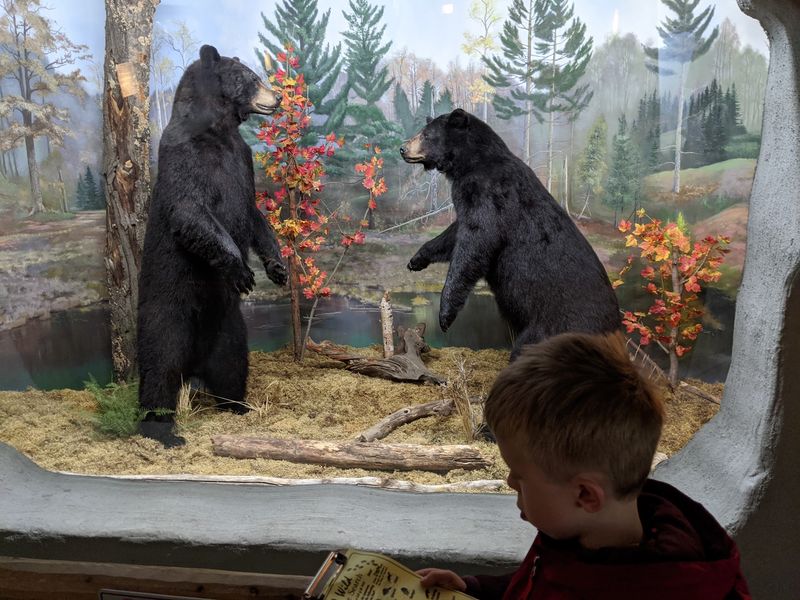
Hand a kid a list of things to find, and suddenly a museum turns into an adventure. Call of the Wild offers scavenger hunts at the front of the museum.
Visitors can pick one up before heading in.
The lists send you searching through the exhibits for specific animals and details. Finish the hunt, and you get a prize at the end.
That small reward keeps young explorers moving and paying attention.
Better still, the hunts come in different levels. Little ones can handle an easy version, while older kids and adults can try something harder.
Grandparents have been known to get competitive too.
The hunt also slows people down in a good way. Instead of rushing past displays, you stop and actually study each scene.
You notice birds tucked into branches or small animals hiding near the bigger ones.
Parents of three-year-olds have shared that their toddlers had a blast here. That says a lot about how approachable the setup is.
If you have a mixed-age group, grab a couple of different hunt levels so everyone feels challenged. Once the list is done, the discovery room offers a different kind of guessing.
Little Doors and Big Guesses in the Discovery Room
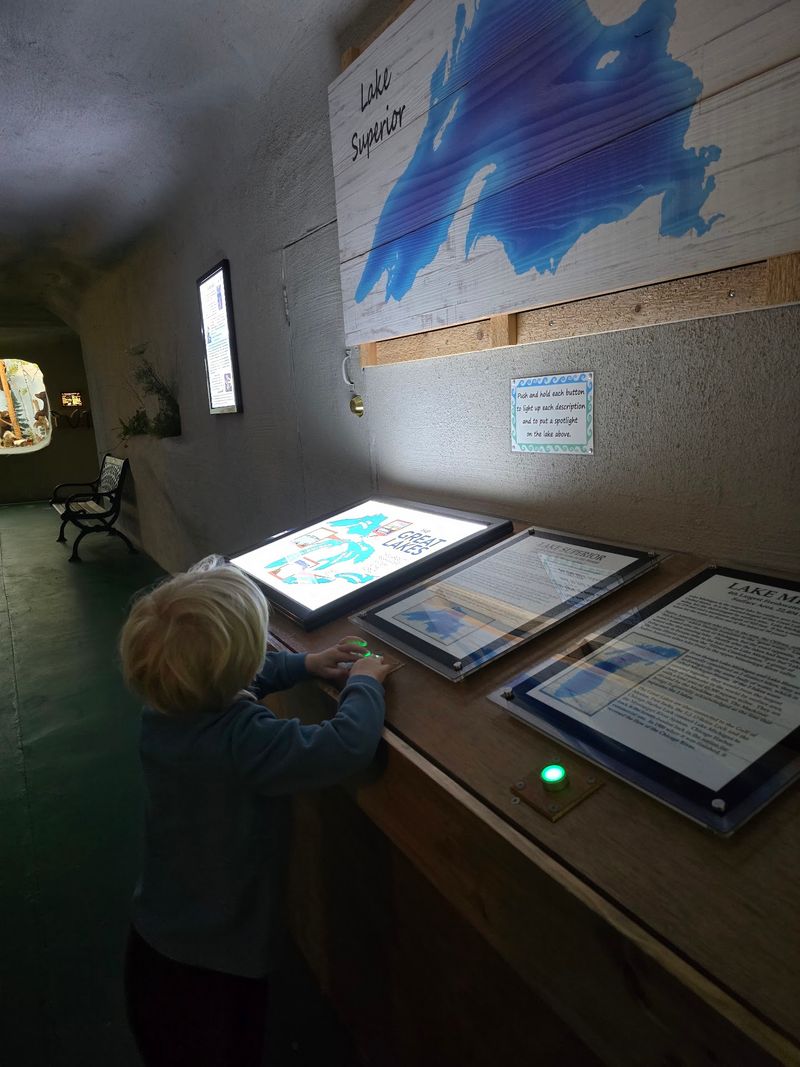
Behind each little door is an answer, and half the fun is being wrong first. The discovery section at Call of the Wild invites you to guess, then open a flap to check.
This area is built with children in mind. It includes hands-on, interactive activities that keep curious hands busy.
Questions about animals and birds pop up throughout the space.
Poetry also shows up in this room, which is a sweet surprise. Words and nature mix together in a way that feels calm and thoughtful.
It gives the room a softer feel than the big bear displays.
Adults are not left out. One solo visitor admitted to enjoying the guessing game and being wrong every single time.
Honestly, that sounds like the most fun way to learn.
I find this kind of room smart for families. Younger kids can burn some energy, while older ones test what they picked up from the exhibits.
If your crew needs a short break from reading signs, this is a good place to pause. After that, a quieter room with a screen waits nearby for anyone ready to sit down.
A Wildlife Film for Tired Feet
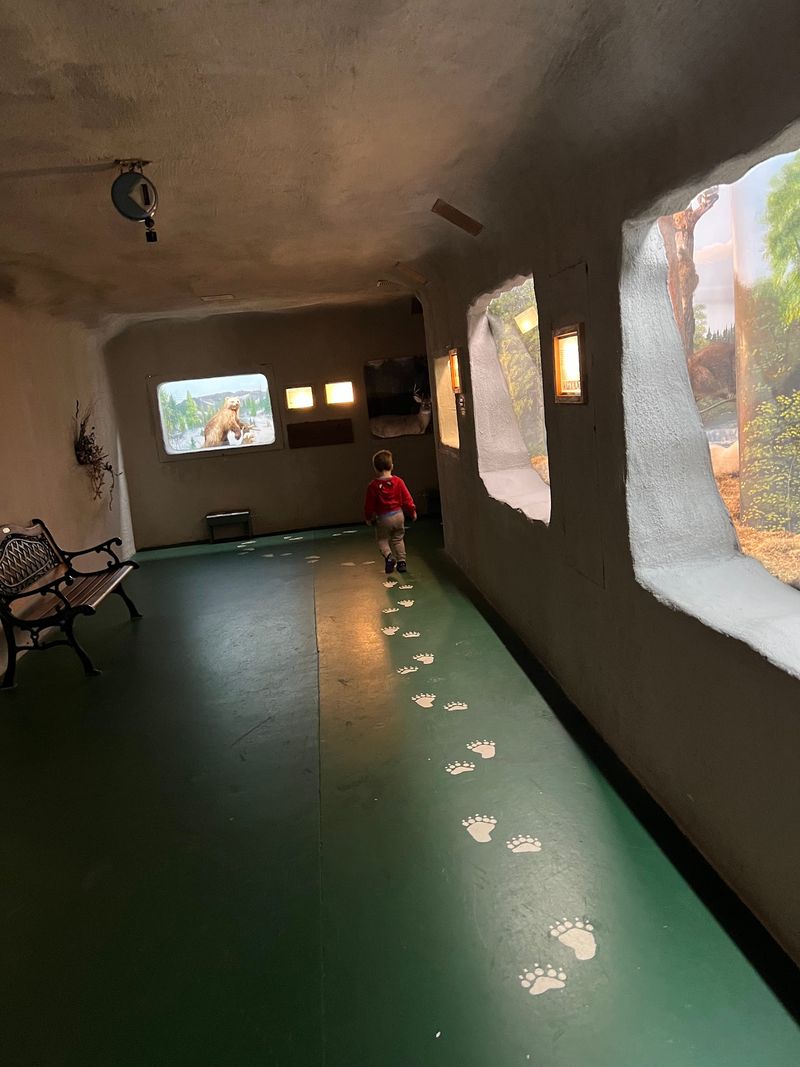
Sometimes the best part of a museum is a place to sit. Call of the Wild includes a theater room where an educational wildlife film plays.
The film adds motion to everything you have seen in the displays. Animals that stand still in the exhibits come alive on screen.
It helps connect what you read with how creatures actually behave in the wild.
Children’s music has also been part of this room, which makes it friendly for little ones. Toddlers who are getting restless can settle in for a bit.
Parents get a moment to rest too.
Timing matters on a family trip. I would save the theater for the middle of the visit, when legs start to drag.
It works as a natural reset before heading back to the exhibits.
The museum is also air-conditioned, which one visitor appreciated on an 80-degree day. Rainy days work just as well, since everything here is indoors.
That makes the museum a flexible plan when northern Michigan weather changes its mind. Once you are rested, the museum has another layer worth noticing, and it reaches back into the past of the region itself.
Michigan History Woven Into the Exhibits
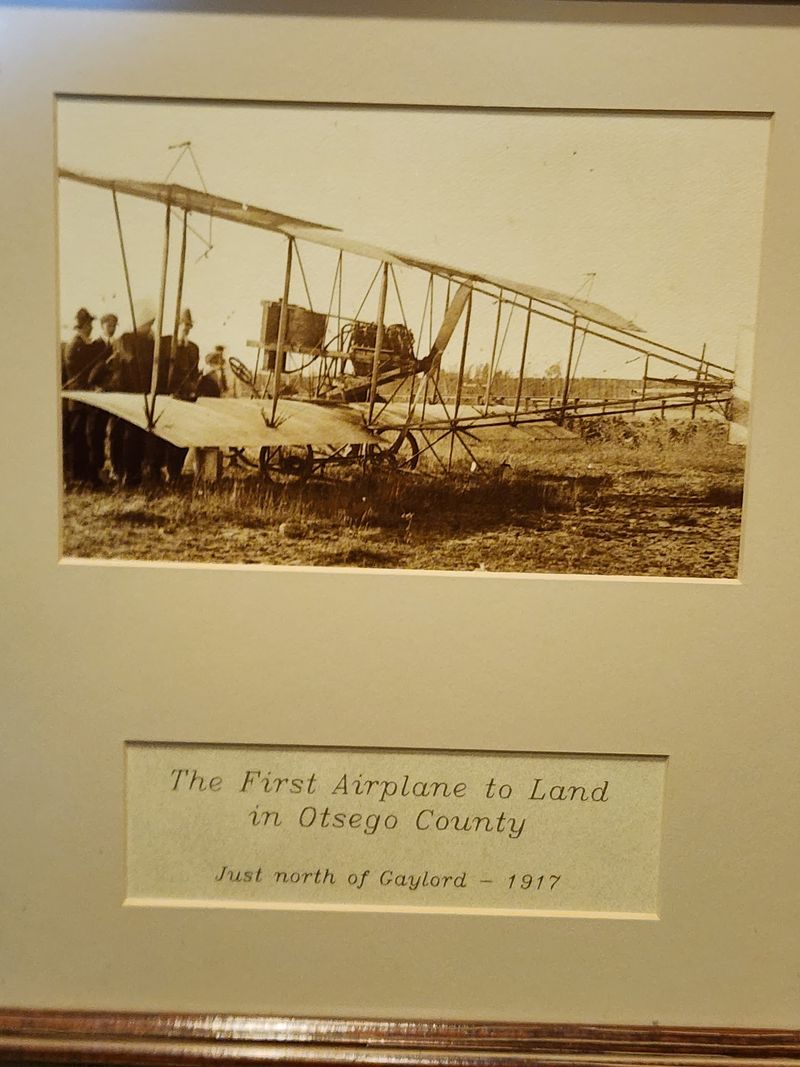
Animals are the headline, but the museum also tells stories about the area. Exhibits include pieces of local and Michigan history alongside the wildlife.
That mix gives the visit more depth. You learn about the creatures and also about the land and people around them.
Visitors have pointed out the stories and artwork as highlights.
The museum itself carries some history too. Some people return as adults after visiting as kids decades ago.
The scenes still feel familiar, while the science facts posted at each exhibit have been updated.
I like that balance between old and new. The classic displays give a nostalgic feel, and the fresh facts keep the learning current.
It is a nice reminder that a place can grow without losing its personality.
Travelers from other states have enjoyed comparing Michigan animals with ones back home. A visitor from Kentucky found that especially interesting.
If you are from out of state, try spotting which animals you share and which ones you would never see at home. New exhibits have also been added over time, so returning visitors may spot something different.
Then again, many people walk out talking about something sweet.
Fudge Made Right on Site
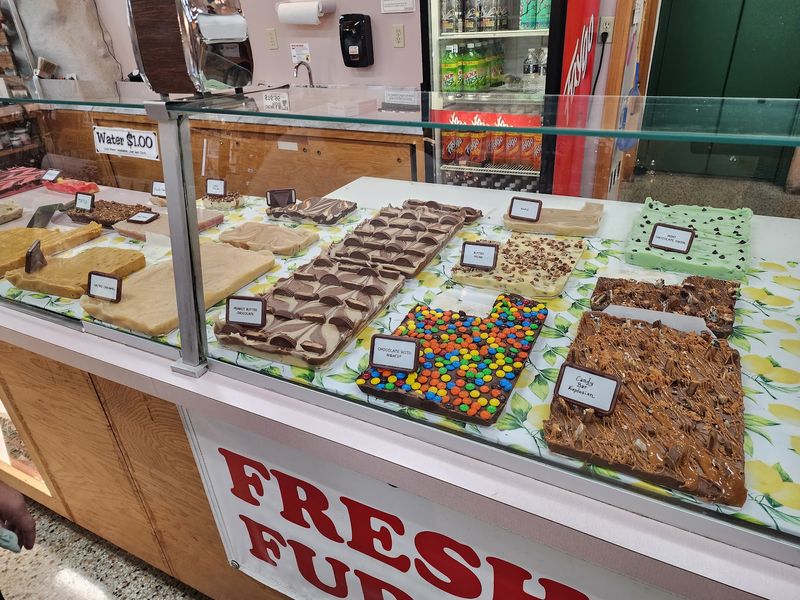
Northern Michigan and fudge go together, and this stop leans right into that tradition. The gift shop makes fudge on site in many flavors.
Samples are often offered, so you can try before you choose. That is a friendly touch when you are standing in front of a long row of choices.
One visitor named cotton candy fudge as a favorite.
For some travelers, the fudge is the main reason to stop. People heading to and from the Upper Peninsula make a point of picking some up.
It has become part of their road trip routine.
Complimentary coffee and hot cocoa have also been offered in the shop. Pair a warm drink with a fudge sample, and the stop feels relaxed.
It is a nice way to wrap up after walking the exhibits.
My advice is to buy a little extra. Fudge travels well in the car, and it makes an easy gift for whoever is watching your house.
Just be warned that the box may be lighter by the time you get home. Of course, fudge is only one corner of a much bigger shop.
A Gift Shop Built for Cabin Lovers
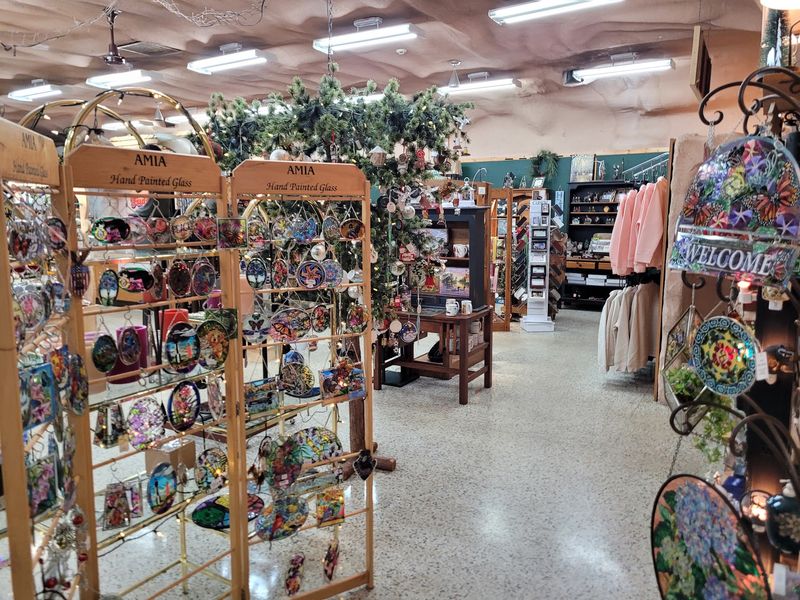
Shopping for a cabin? This might be your spot.
The gift shop at Call of the Wild carries a wide range of woodsy and western-style home decor.
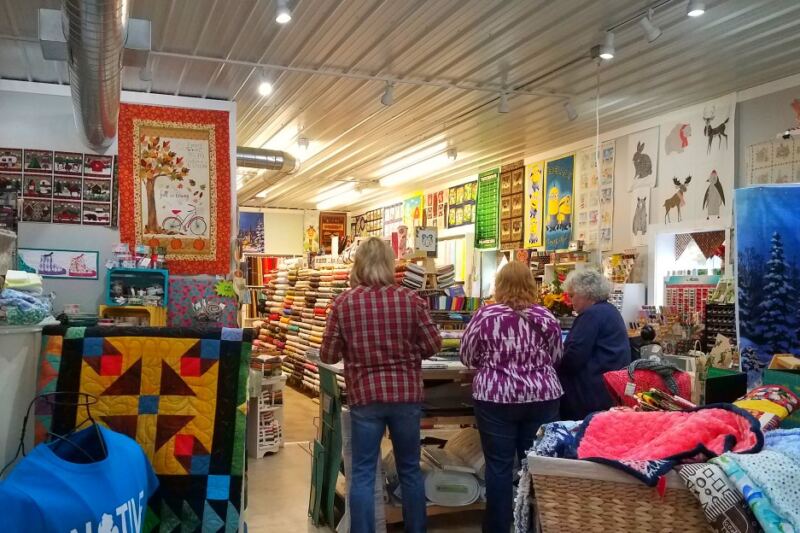
Shelves hold far more than souvenirs. You can browse wall art, puzzles, cozy clothing, and even western boots.
Prices cover a nice range, so small and big budgets both have options.
Staff members get frequent praise for being kind and helpful. One family said workers helped them choose decor and even load it into a packed car.
Another visitor broke a bottle of perfume and was told not to worry about it.
Free gift wrapping is another thoughtful perk. A shopper buying a Christmas present had it boxed, wrapped, and decorated in the back.
Kids have also been offered stickers on the way out.
The shop is clean and well organized, which makes browsing easier. Plan some time here if you like rustic style, because it is easy to wander longer than expected.
Sales also pop up, so checking the clearance areas can pay off. Next door, a different kind of fun waits for anyone who still has energy.
Tips for Making the Most of Your Visit
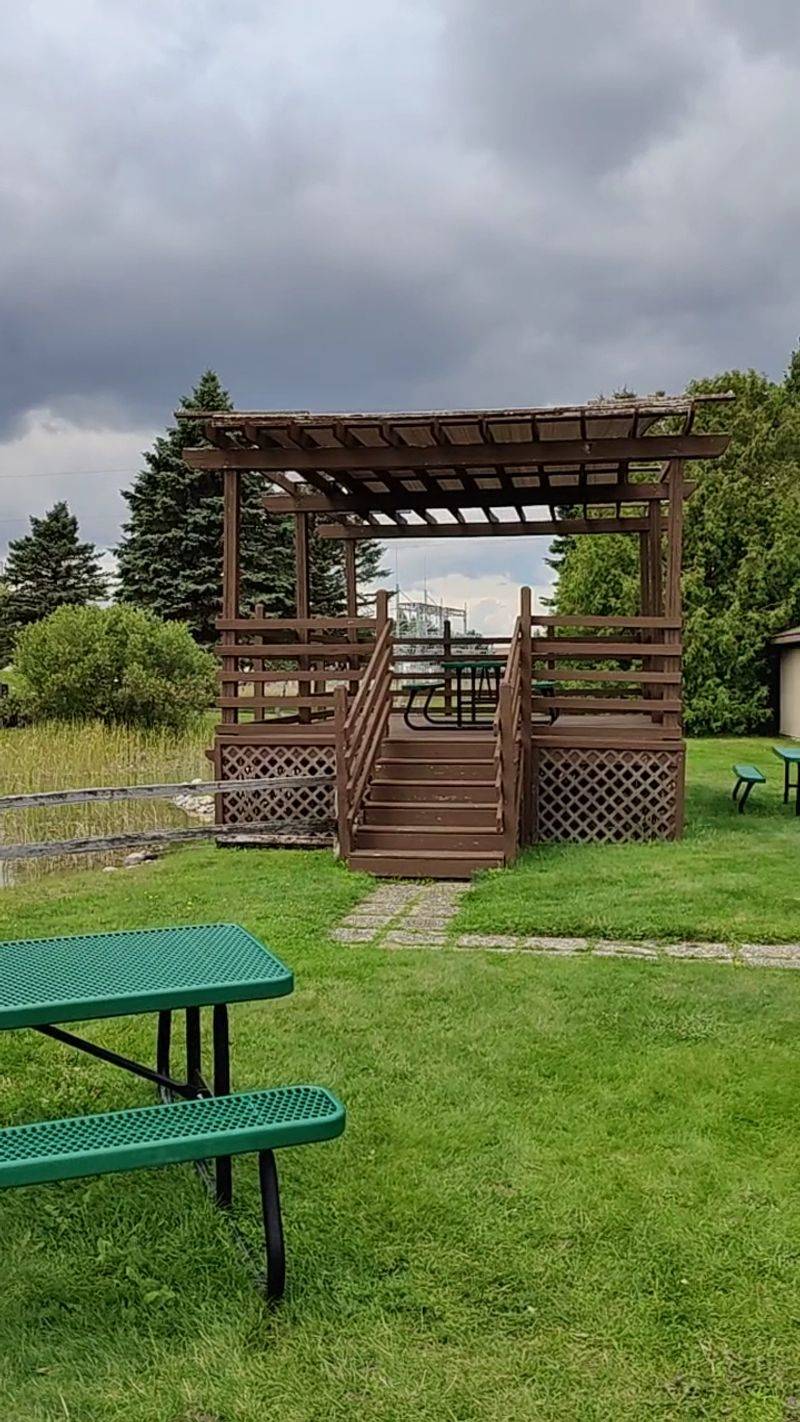
Right next door, mini golf and go-karts give families a way to keep the day going. Pairing the museum with that amusement area turns a quick stop into a full afternoon.
Planning helps a lot here. The museum is open seven days a week, though hours vary by day, so check before you go.
A quiet weekday visit can mean fewer people around the exhibits.
Admission has separate rates for adults, kids, and seniors. Very young children have been admitted free.
Locals can look into a yearly pass if they plan to return often.
Accessibility is also considered. Strollers and wheelchairs have been available for guests who need them.
That makes it easier for grandparents and parents of babies to enjoy the trip.
Give yourself about an hour for the museum, plus time for the shop. Grab the scavenger hunt first, save the theater for a break, and finish with fudge.
That order keeps everyone happy.
In the end, this spot works because it blends learning with small comforts. Big bears, playful sound horns, and a sweet treat make a road trip memory that kids may still talk about years later.
Share this story